Note: Viewing some of these stories may require a subscription.
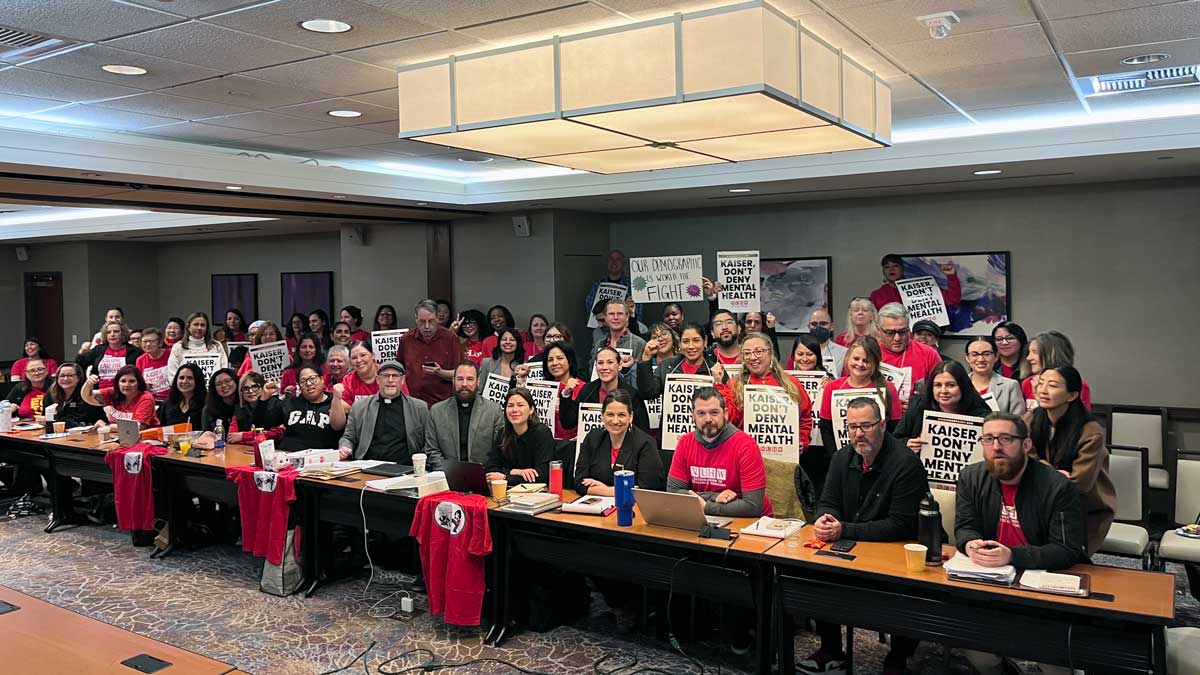
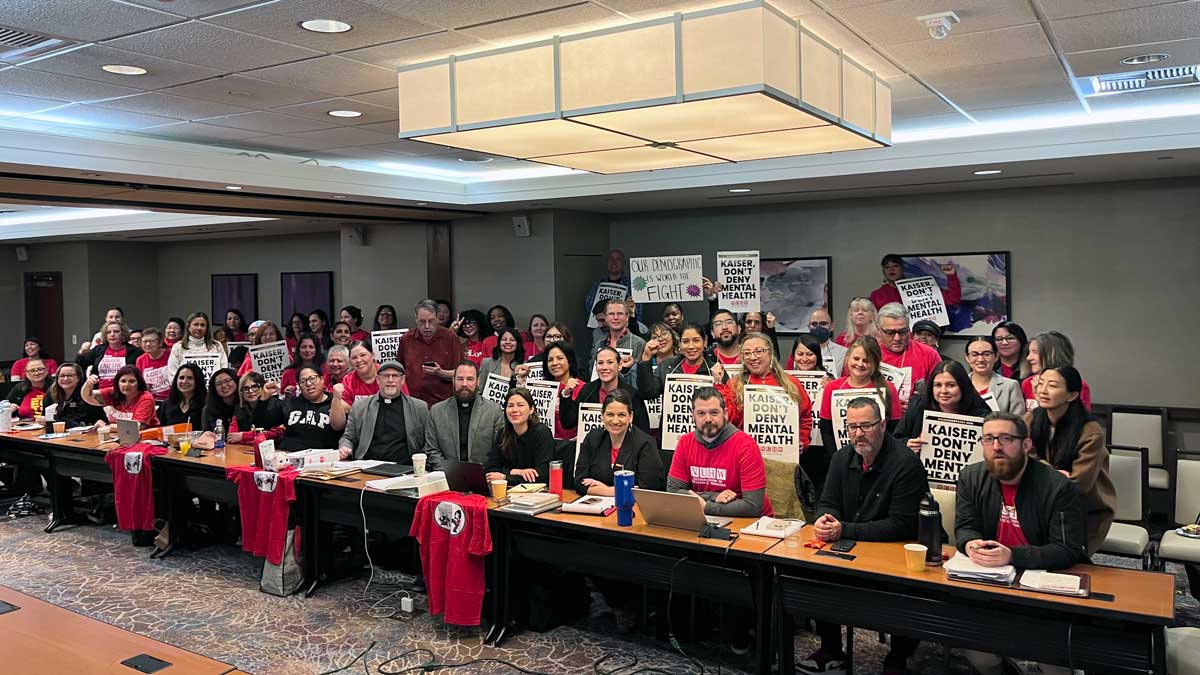
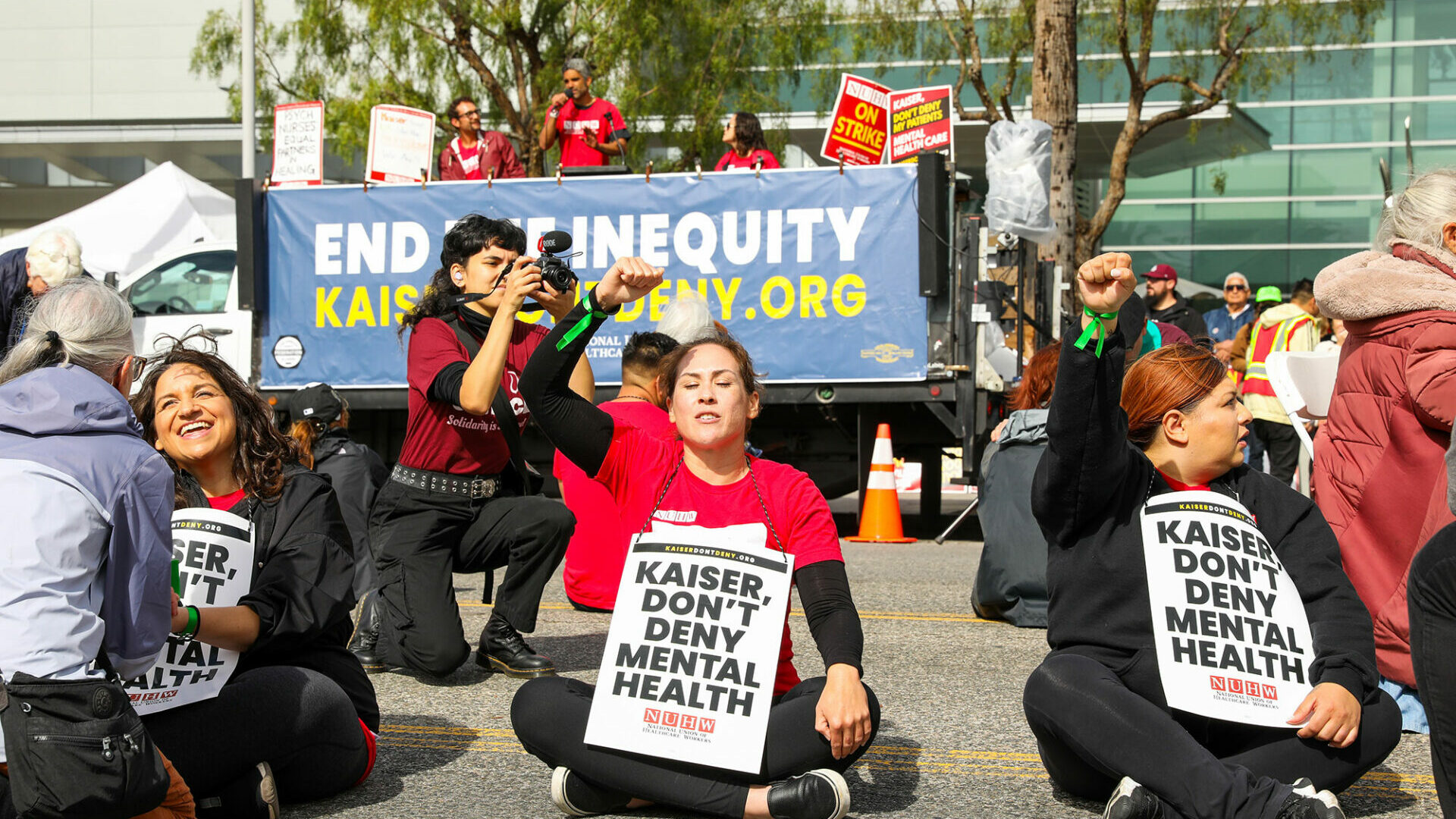
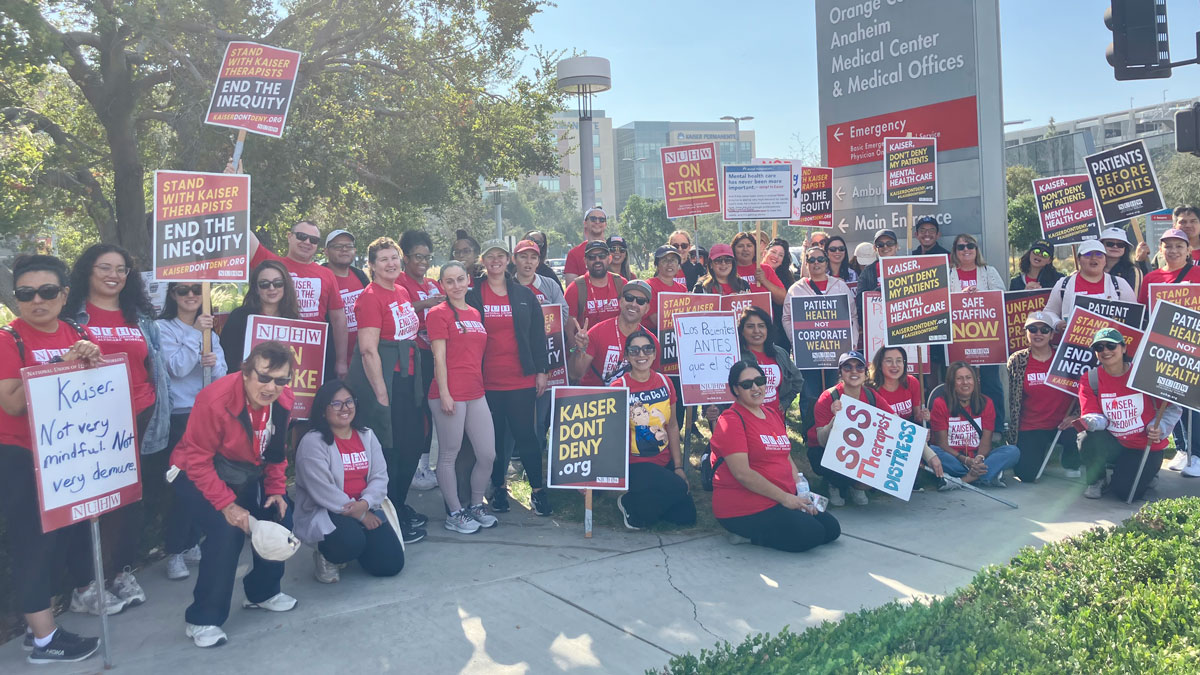
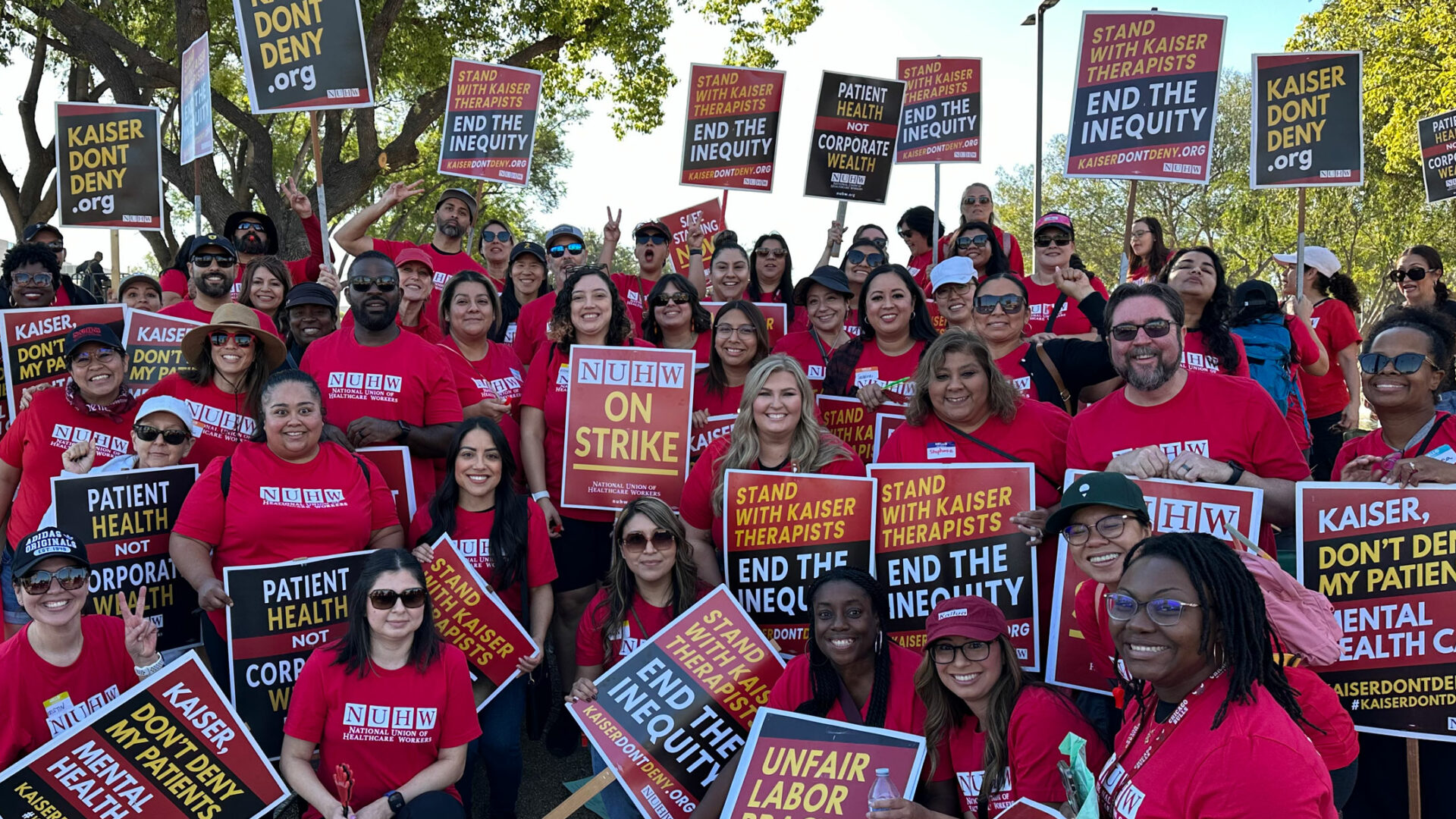
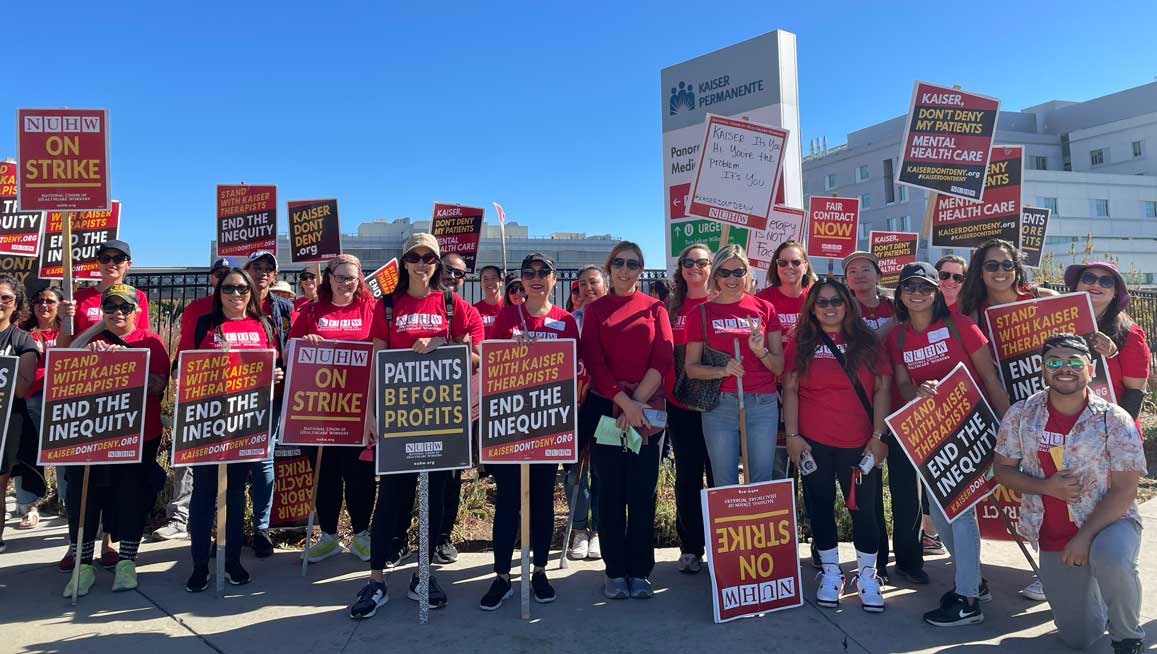
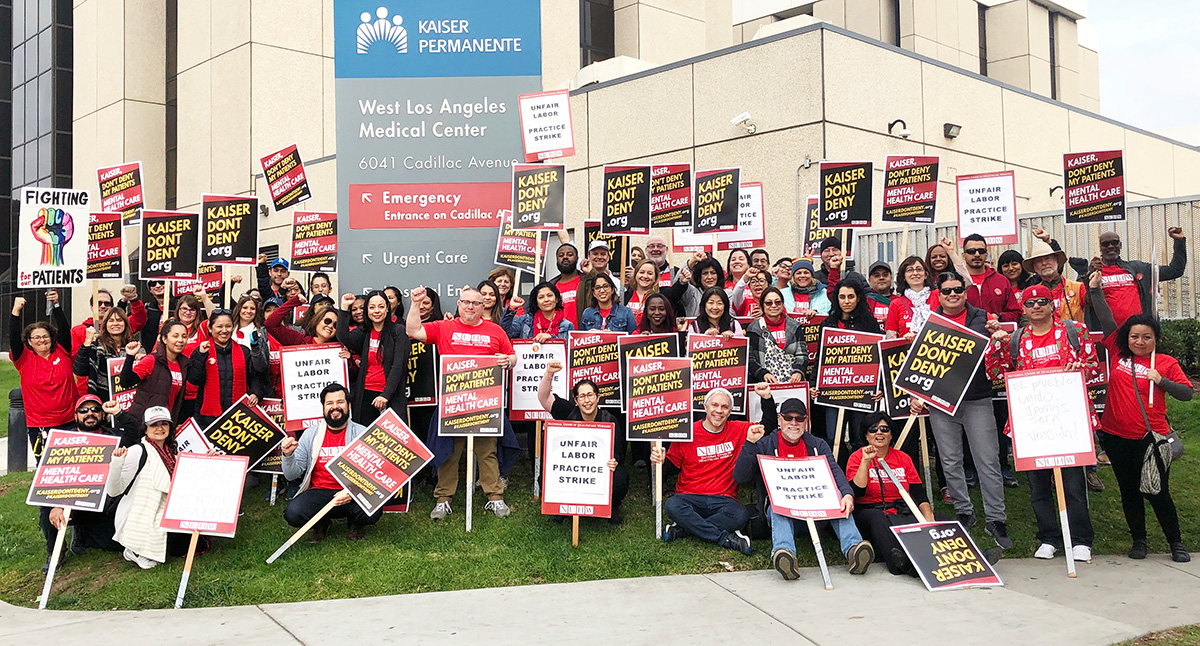
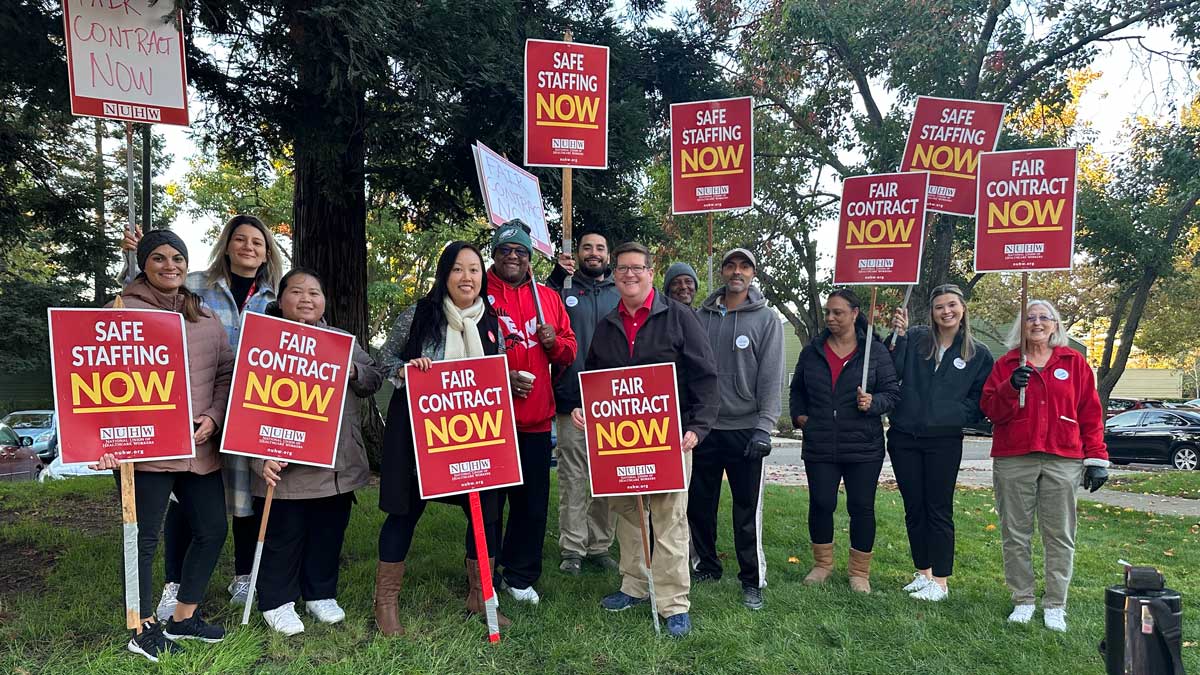
KQED, the Bay Area’s public radio station, published a story talking to NUHW members about ongoing contract bargaining in Northern California in which Kaiser is refusing to agree, as it did in Southern California, that the purpose of AI should not be to replace therapists. Kaiser’s hardline stance comes as it has already incorporated AI into its service model and continues to invest in the technology. Later in December, NUHW Secretary-Treasurer Vanessa Coe discussed our concerns about Kaiser’s proposal on Forum, the station’s public affairs show.
The Philadelphia Inquirer wrote about workers at Rogers Behavioral Health in Philadelphia choosing to join NUHW following the success of Rogers workers in California winning pioneering contracts that include strong raises and caseload limits.
The San Francisco Standard reported that Sutter Health is proceeding with gender-affirming care for the time being after telling patients that it would stop offering the treatment starting December 10. NUHW joined with other advocates in calling on Sutter not to end gender-affirming care.
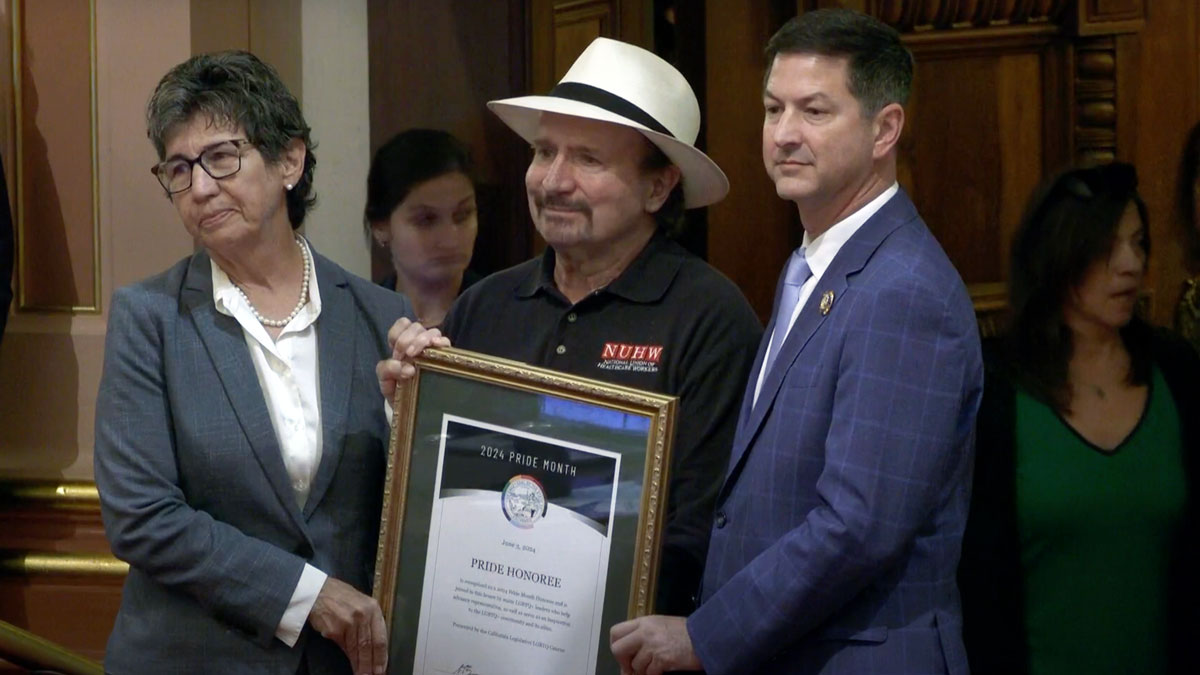
NUHW President Emeritus Sal Rosselli’s statement calling on Sutter to reverse its decision to end gender affirming care for anyone under 19 is included in a Bay Area Reporter article about a coalition of parents, trans youth, and their allies known as Rainbow Families Action, which marched in Emeryville in December demanding the same from the healthcare giant. Sutter Health’s decision, first announced to staff and patients on November 20, the Transgender Day of Remembrance, follows similar moves by Kaiser Permanente, Stanford, and Children’s Hospital Los Angeles. “Our union believes that everyone should be able to receive the care they need,” Rosselli said. “Trans kids endure potentially life-threatening trauma navigating who they are in a culture that targets them for abuse. By giving into pressure from the Trump Administration, Sutter is worsening transphobia in our society and putting lives at risk by refusing to provide patients appropriate medical care.”
CalMatters reported that Shlomo Rechnitz, who owns two nursing homes with NUHW-represented workers, is facing more lawsuits over major patient care violations.
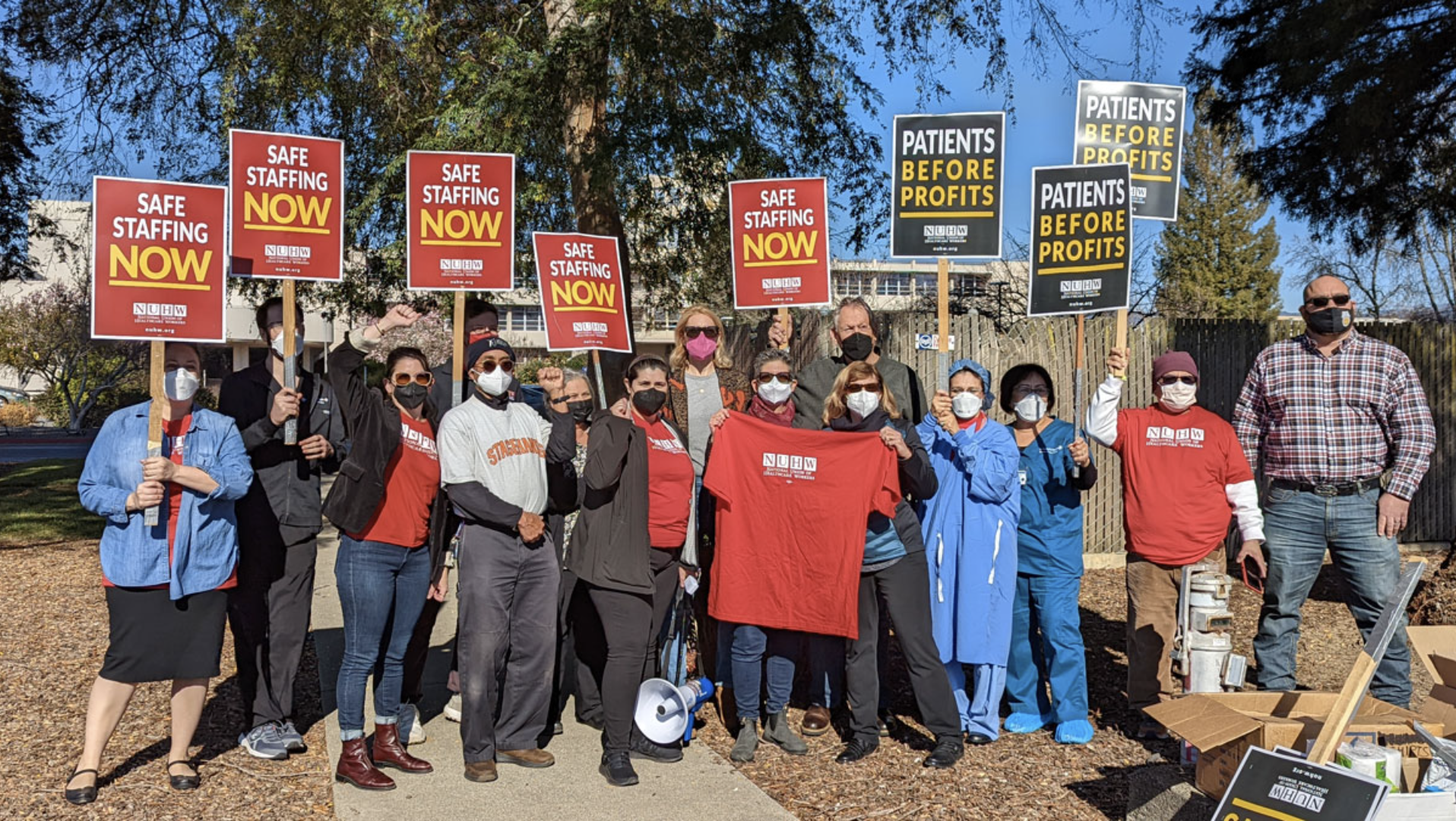
Two in five healthcare workers report feeling their role is unsustainable, and one in four are considering leaving the industry entirely, according to Indeed’s “Pulse of Healthcare 2025” survey. Becker’s Hospital Review reported that half of healthcare workers feel exhausted in their current role, with 50 percent noting that staffing constraints were the top reason well-being solutions were ineffective. Pay and staffing levels were also the top two reasons cited for dissatisfaction.