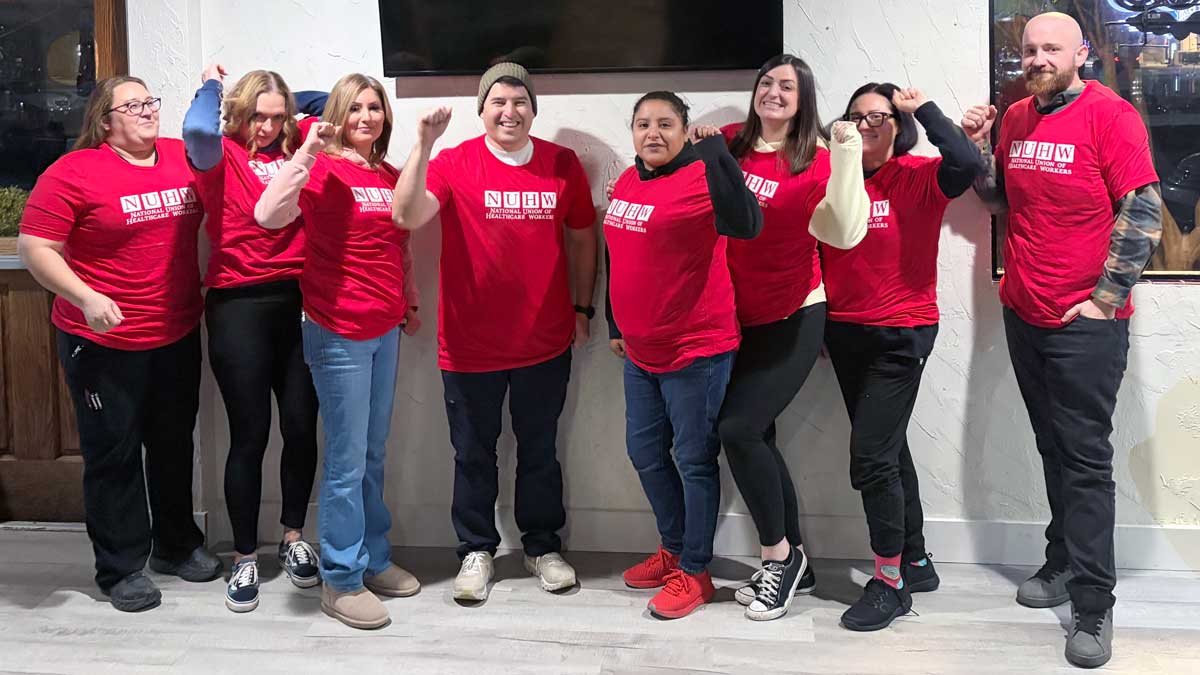
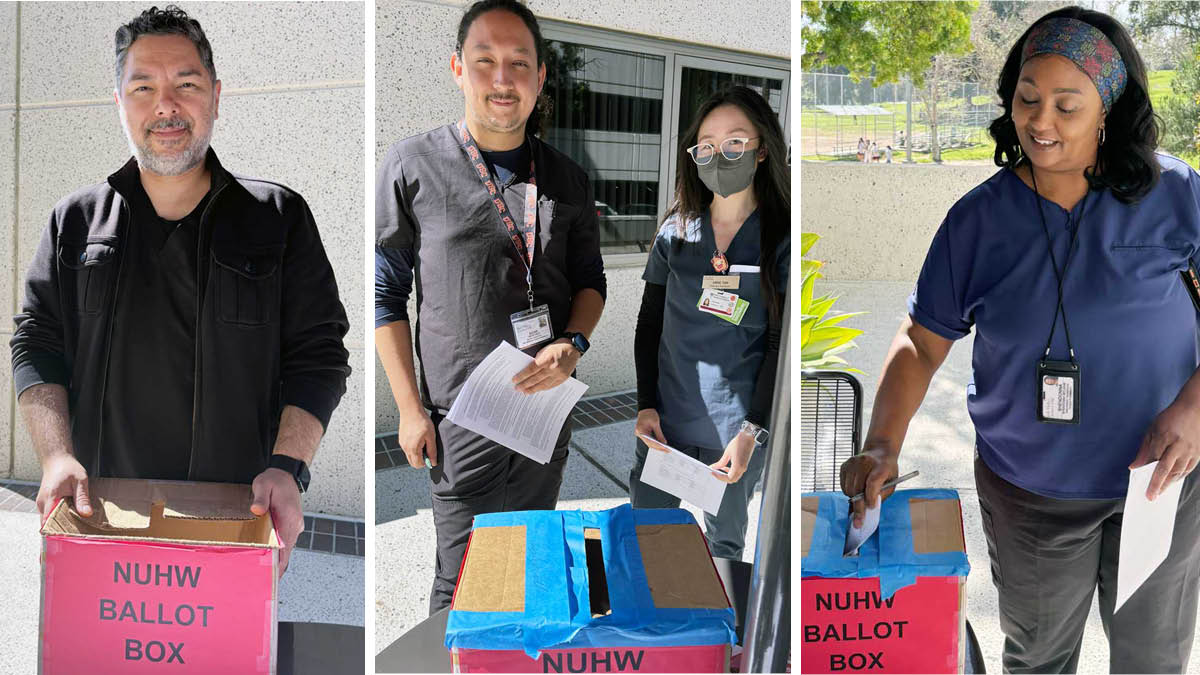
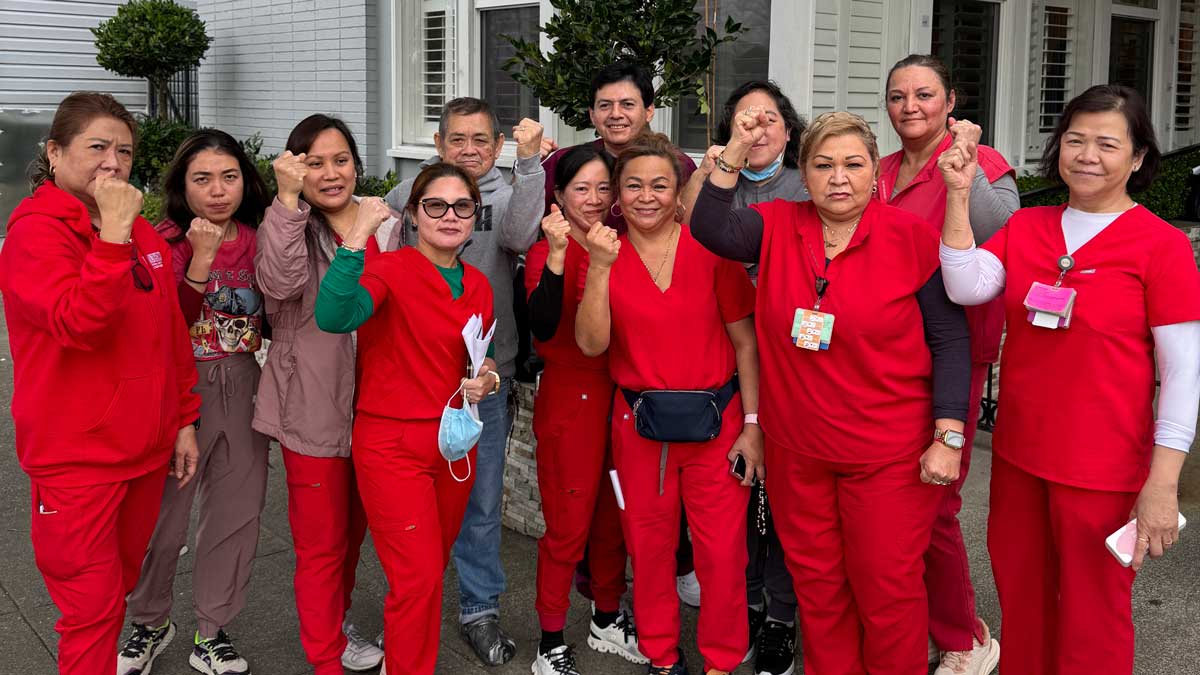
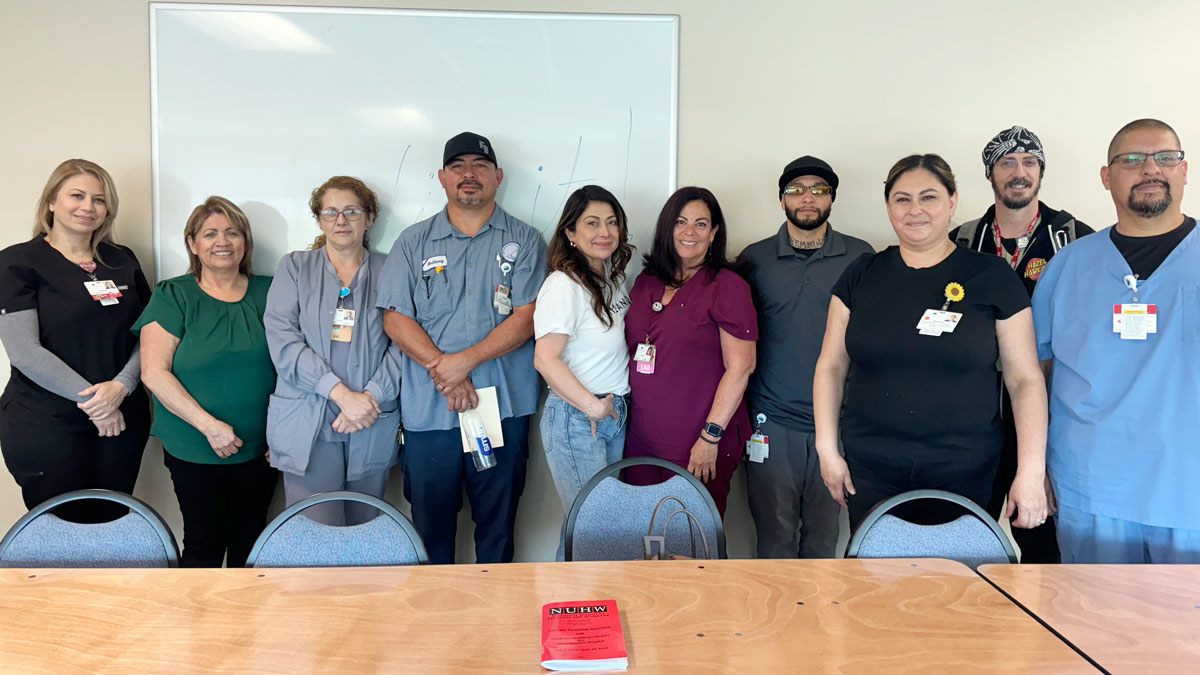
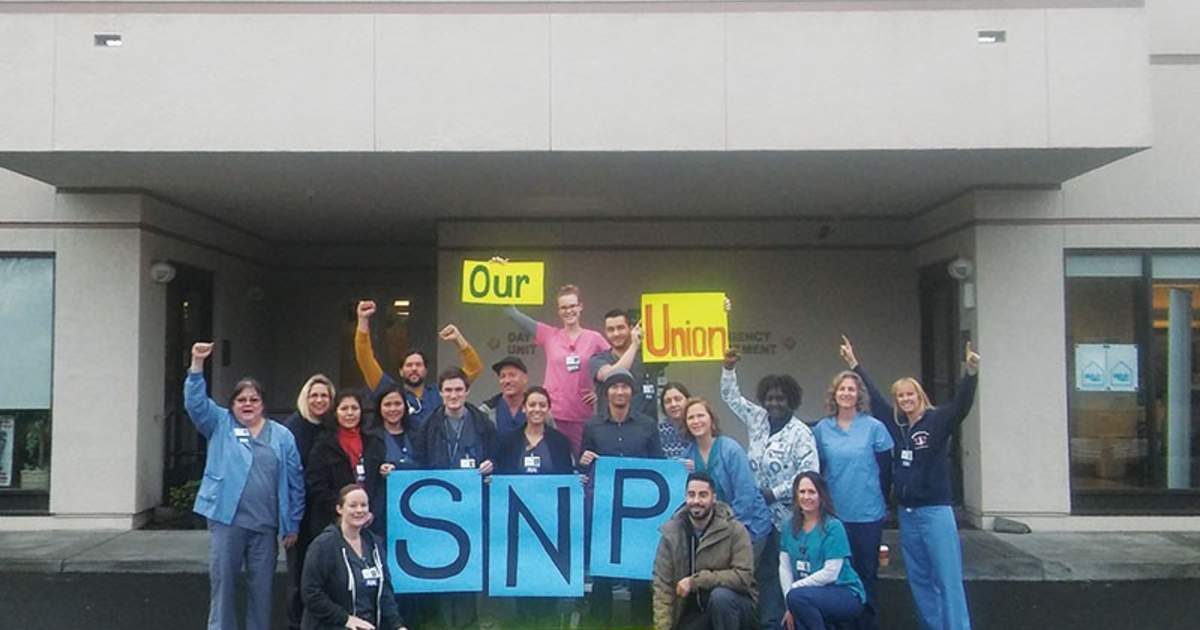
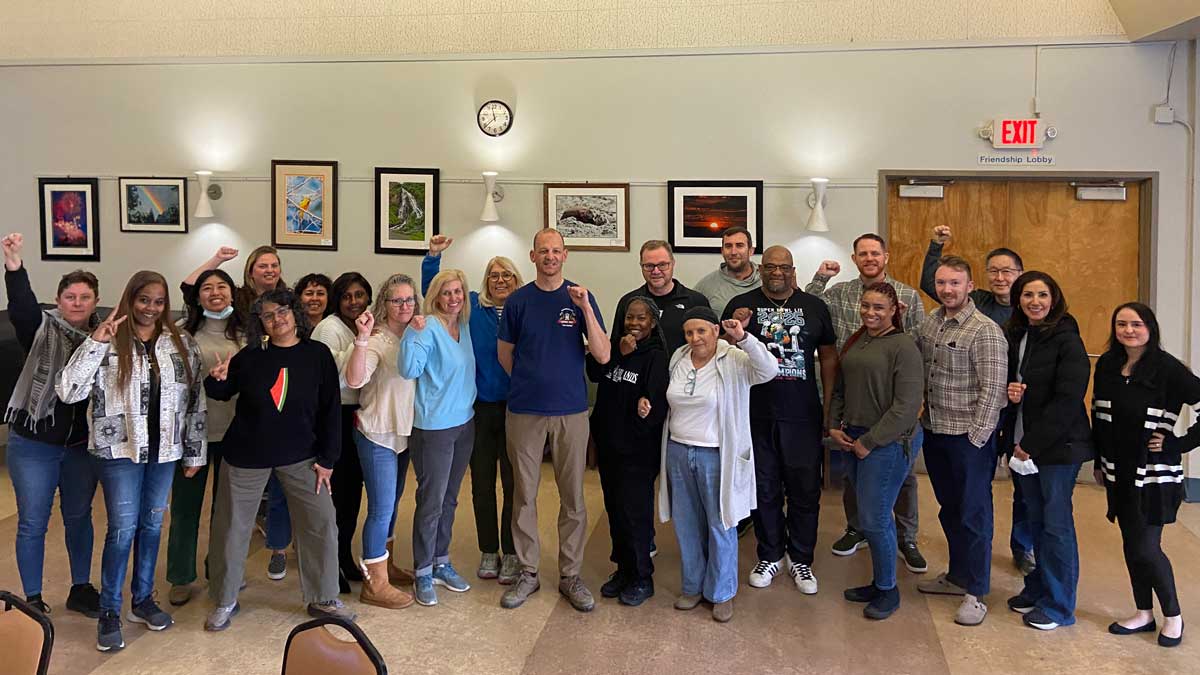
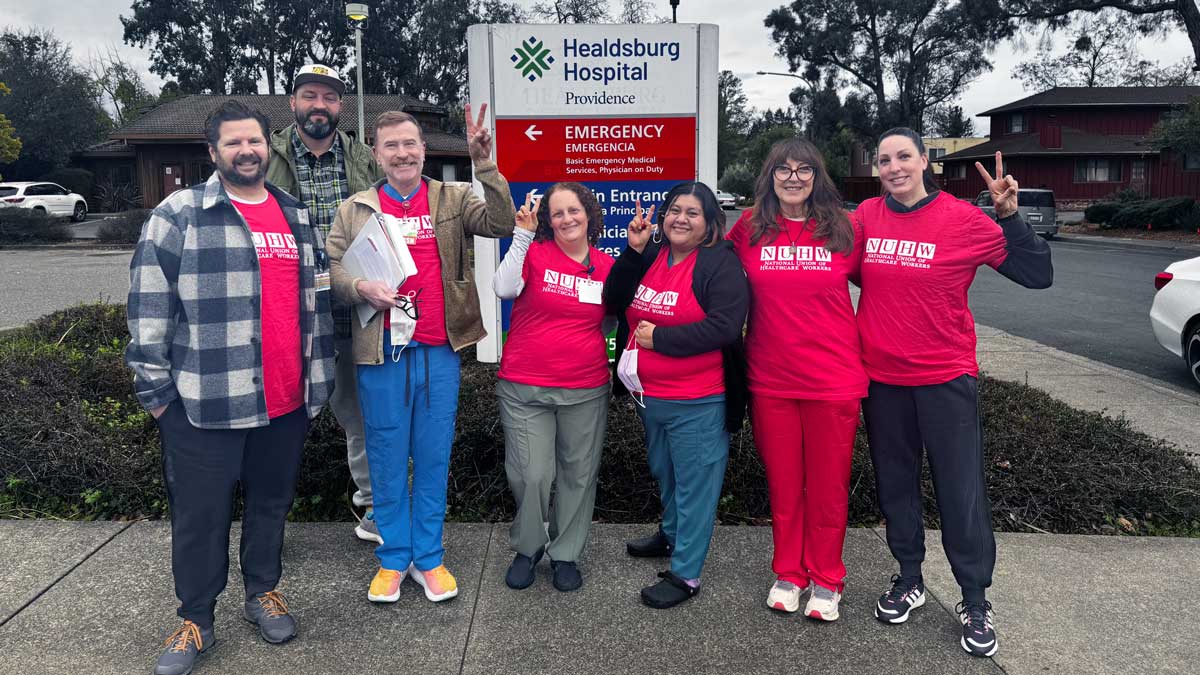
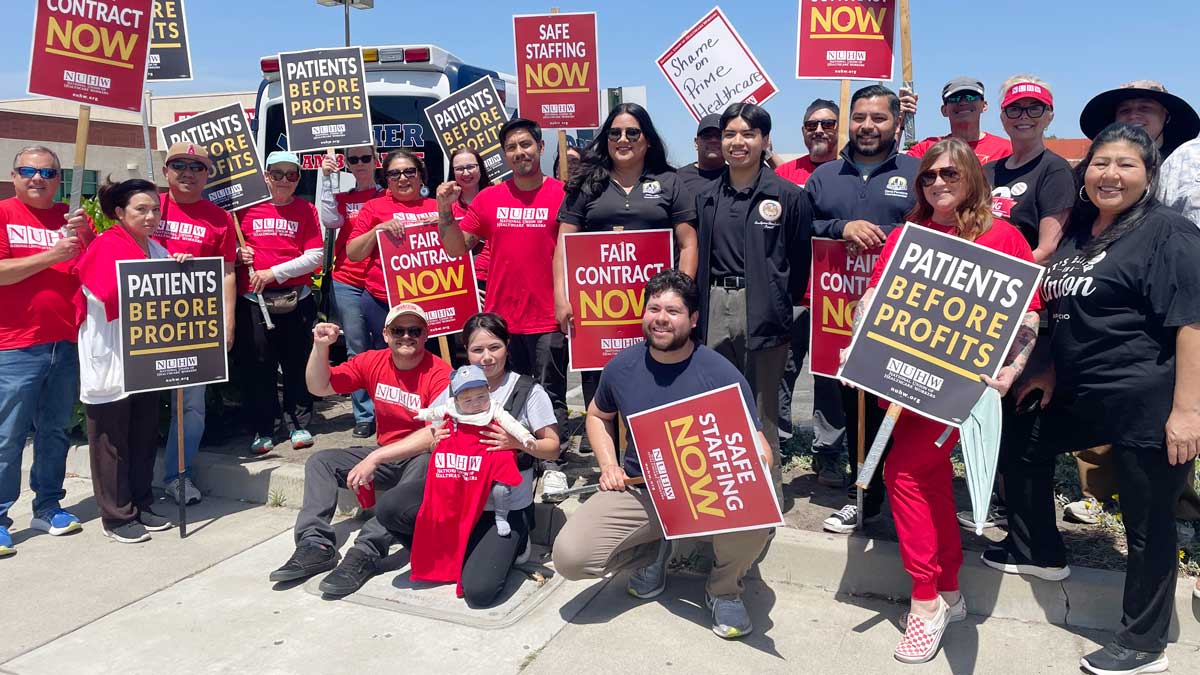
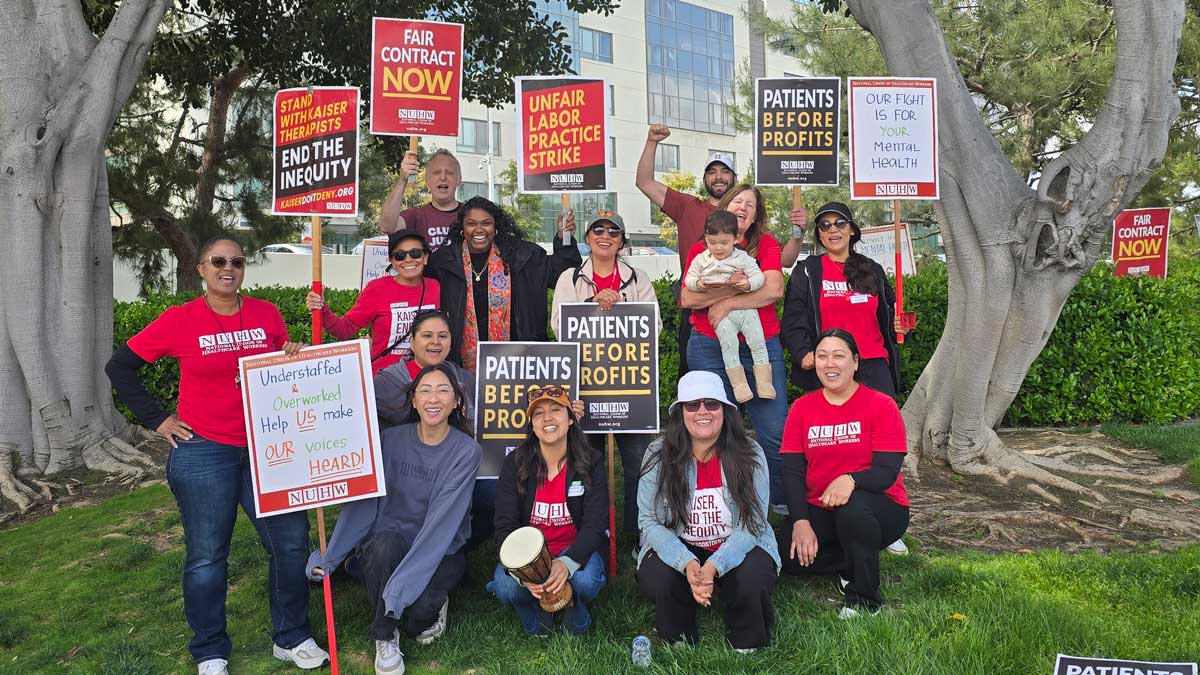
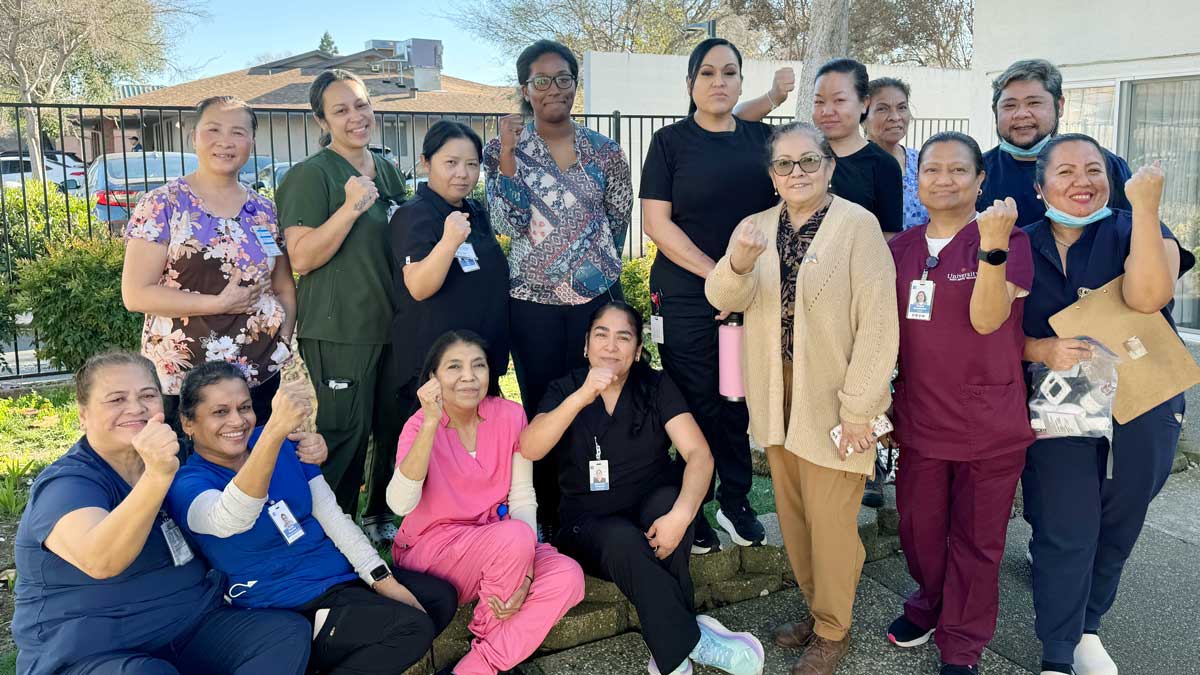
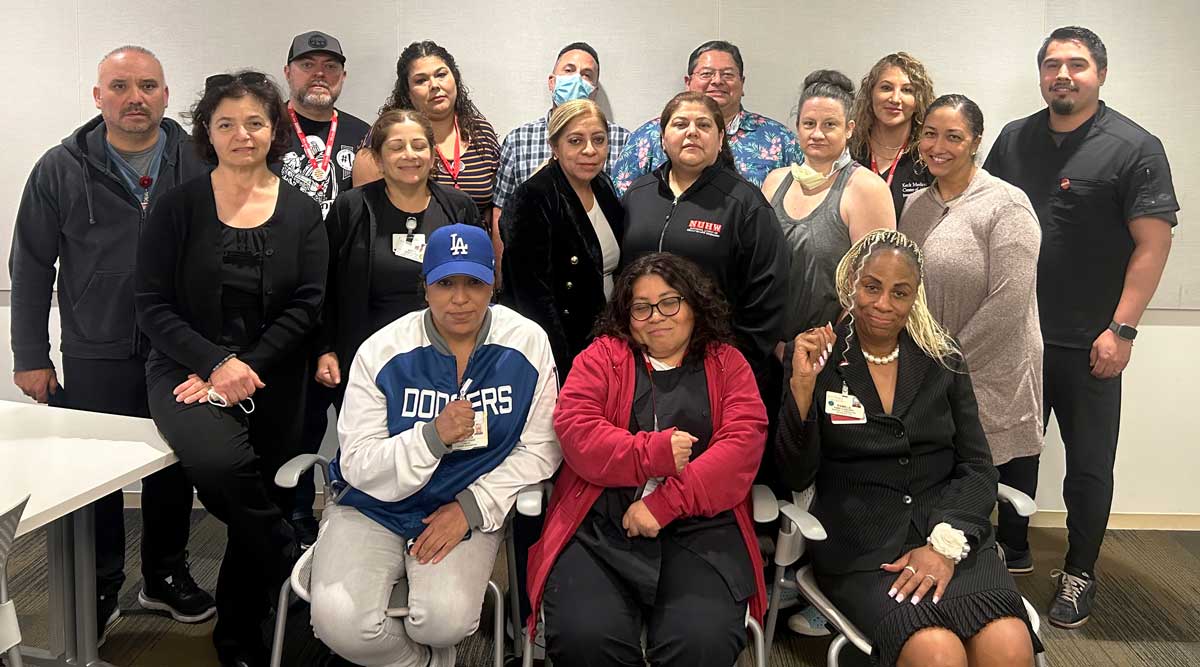
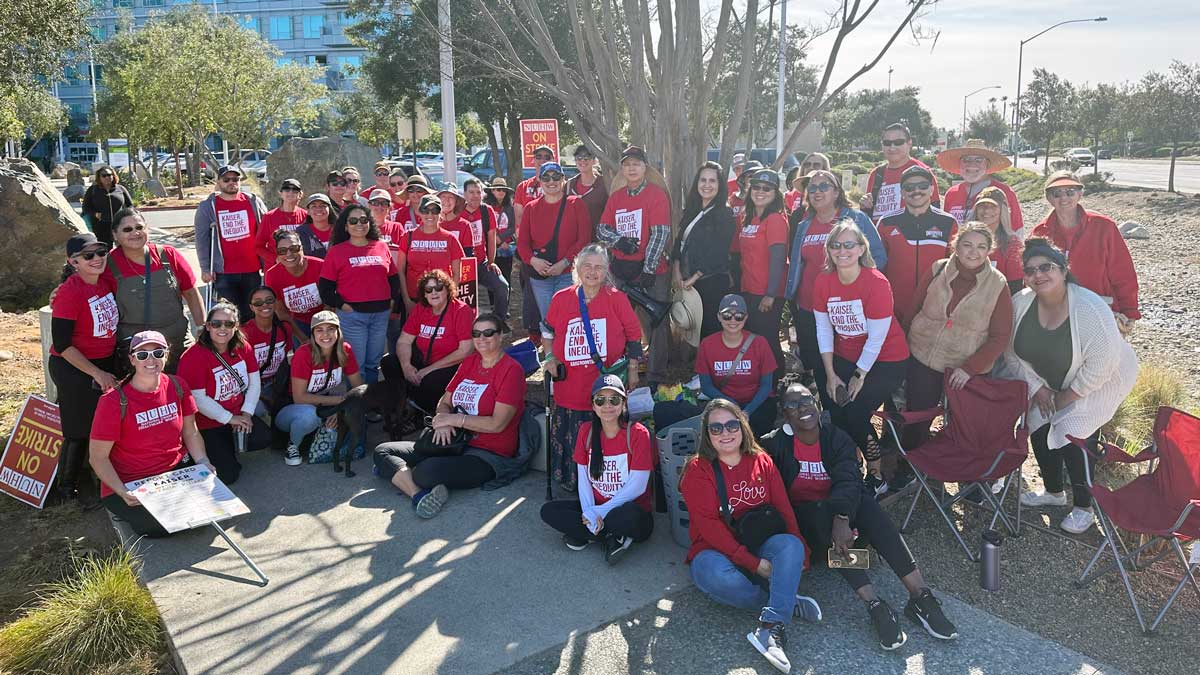
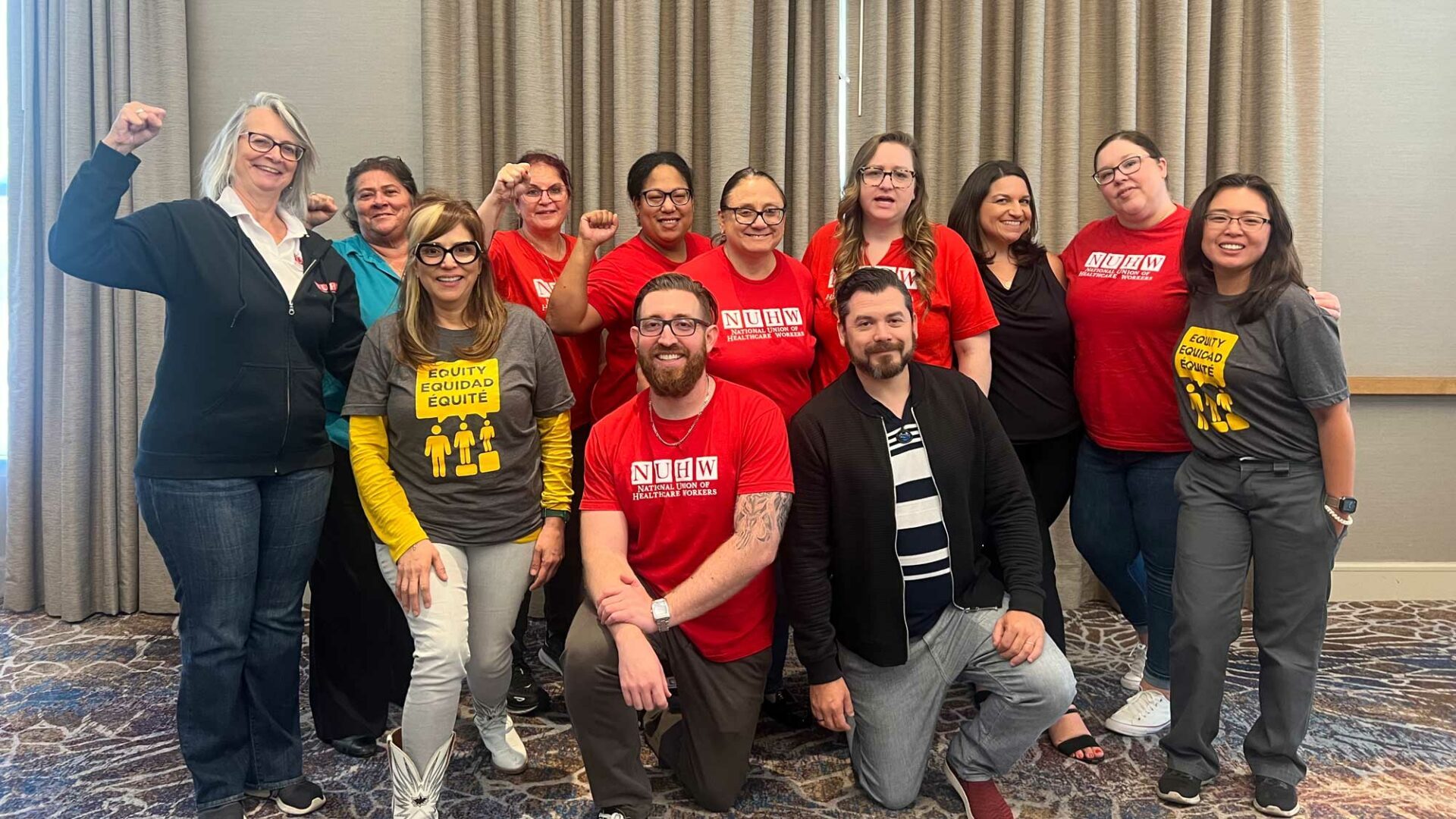
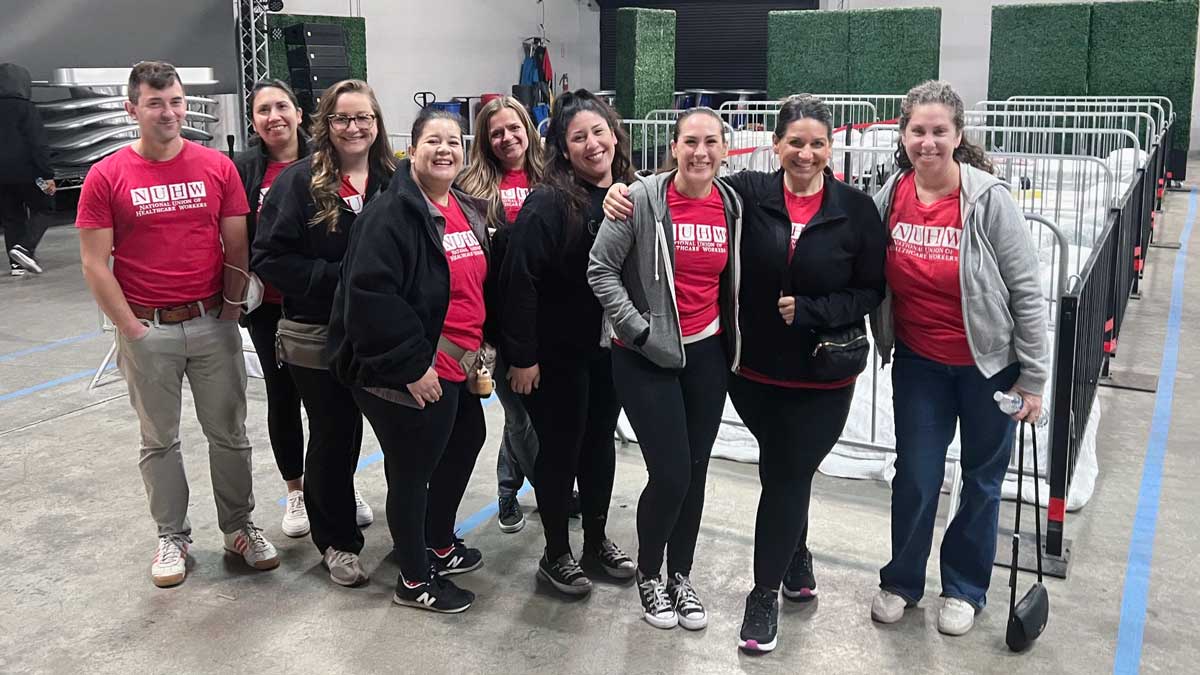
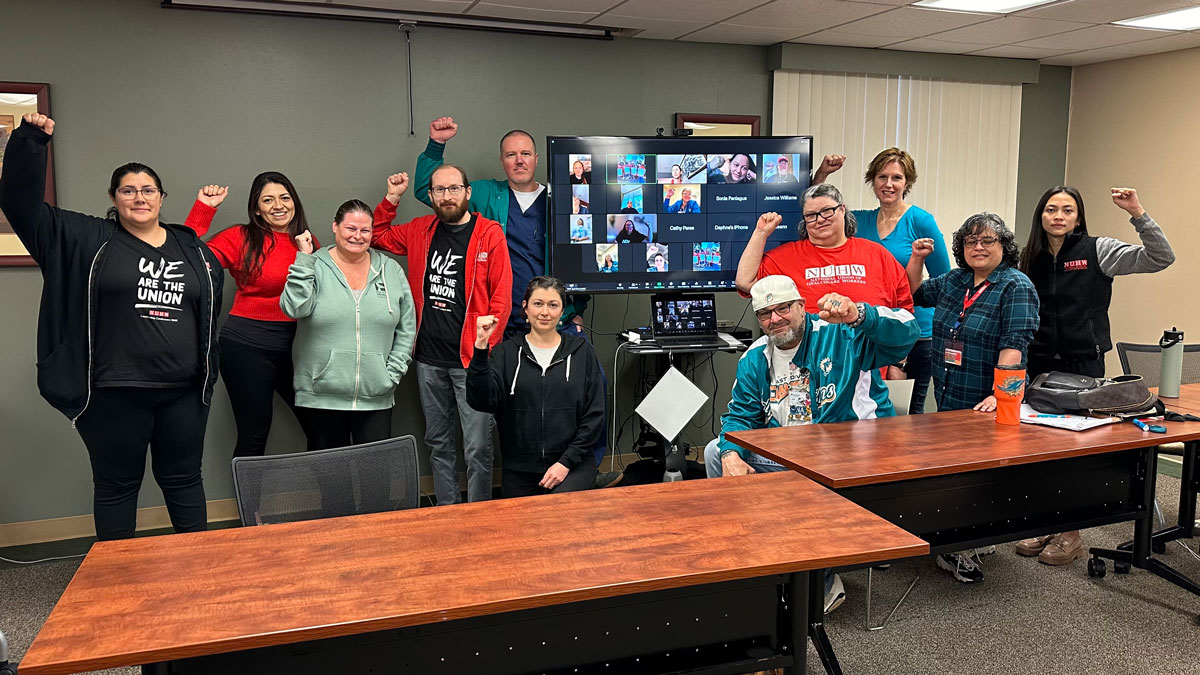
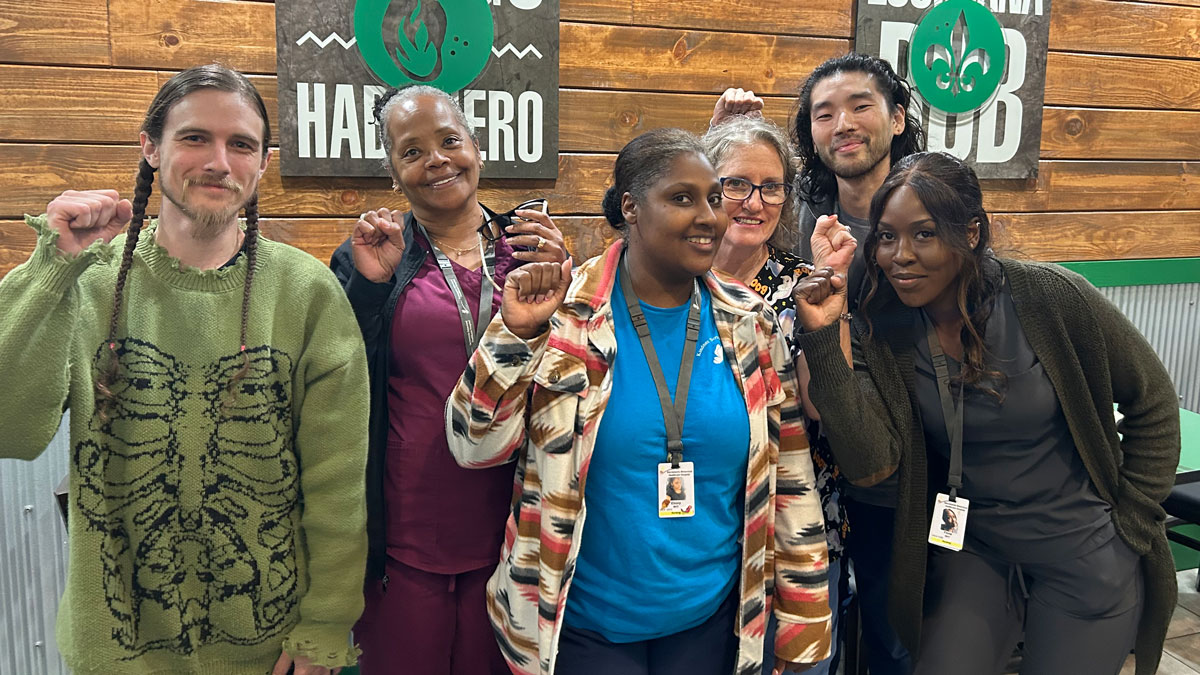
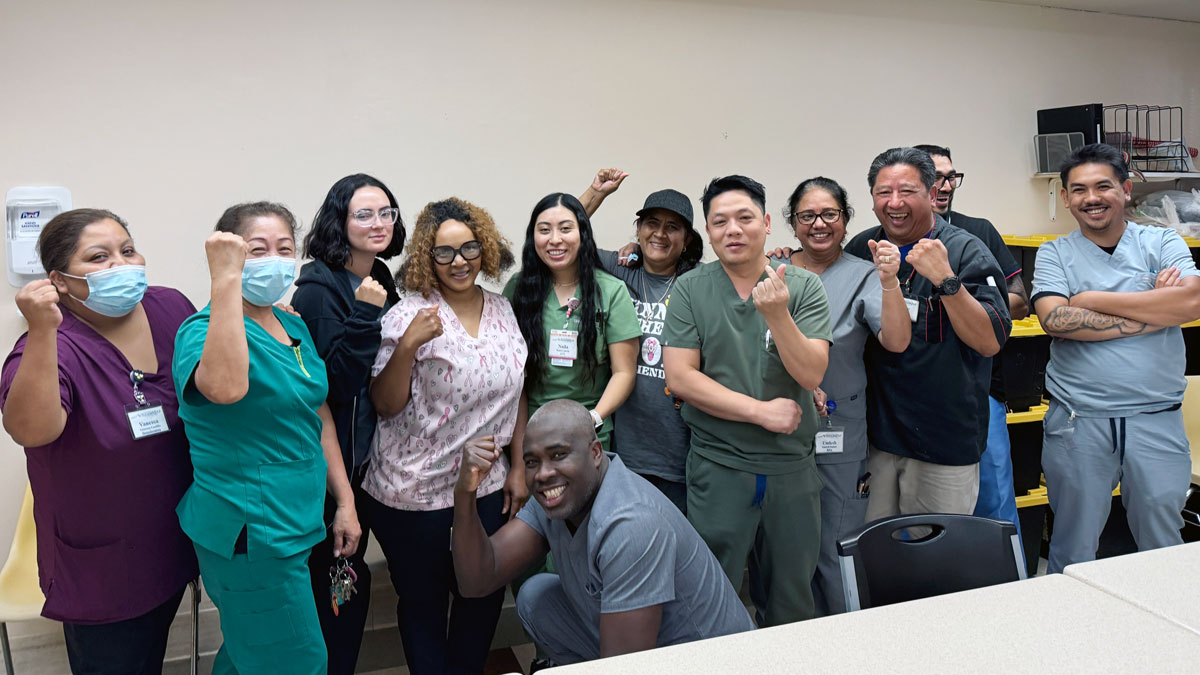
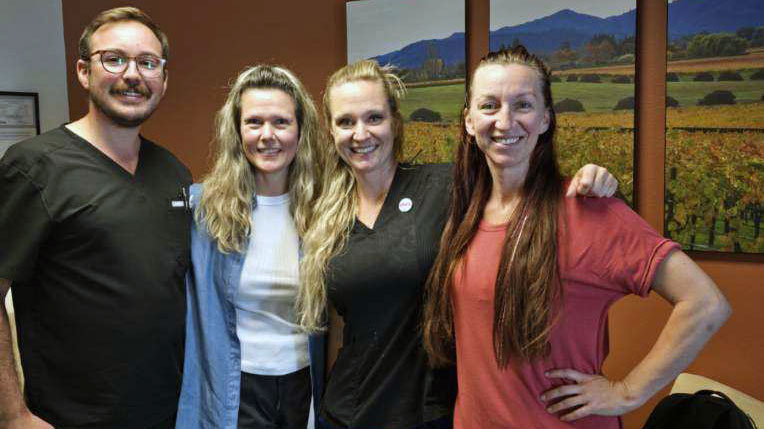
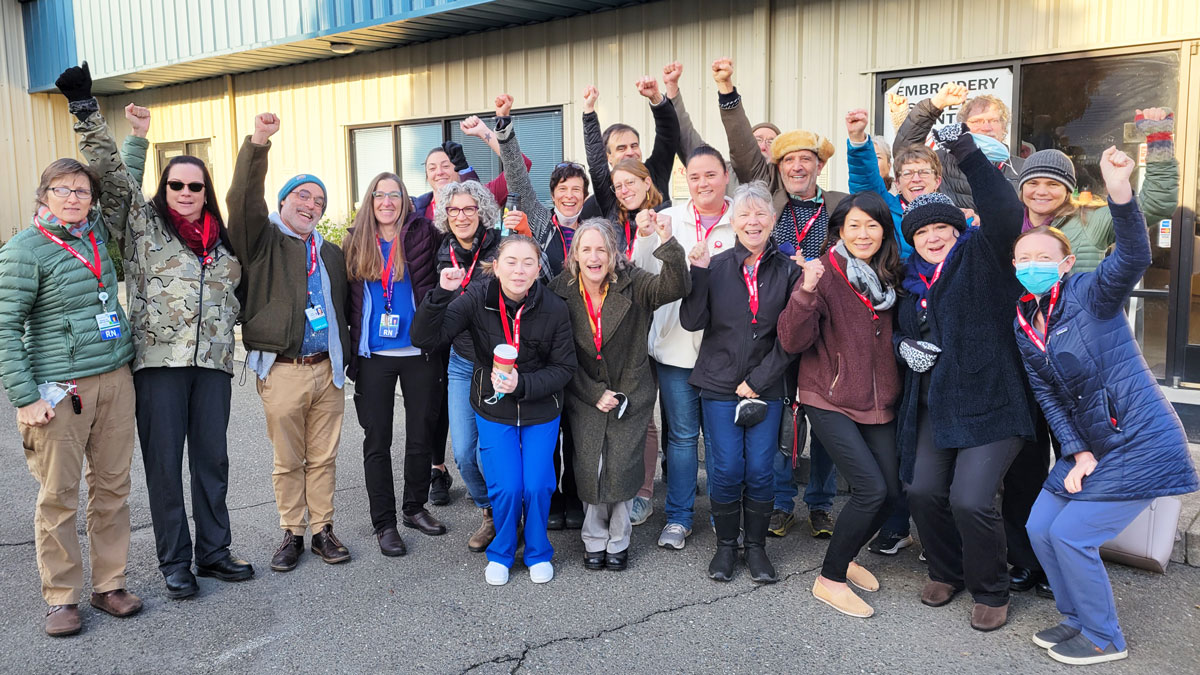
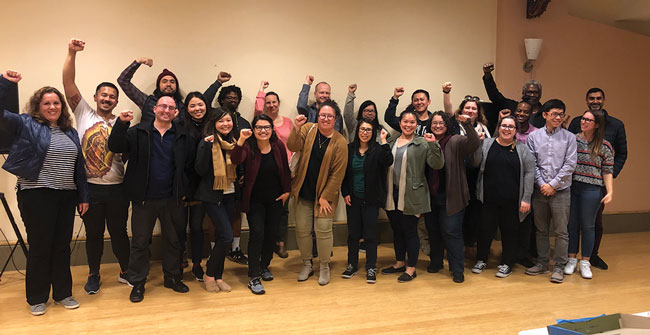
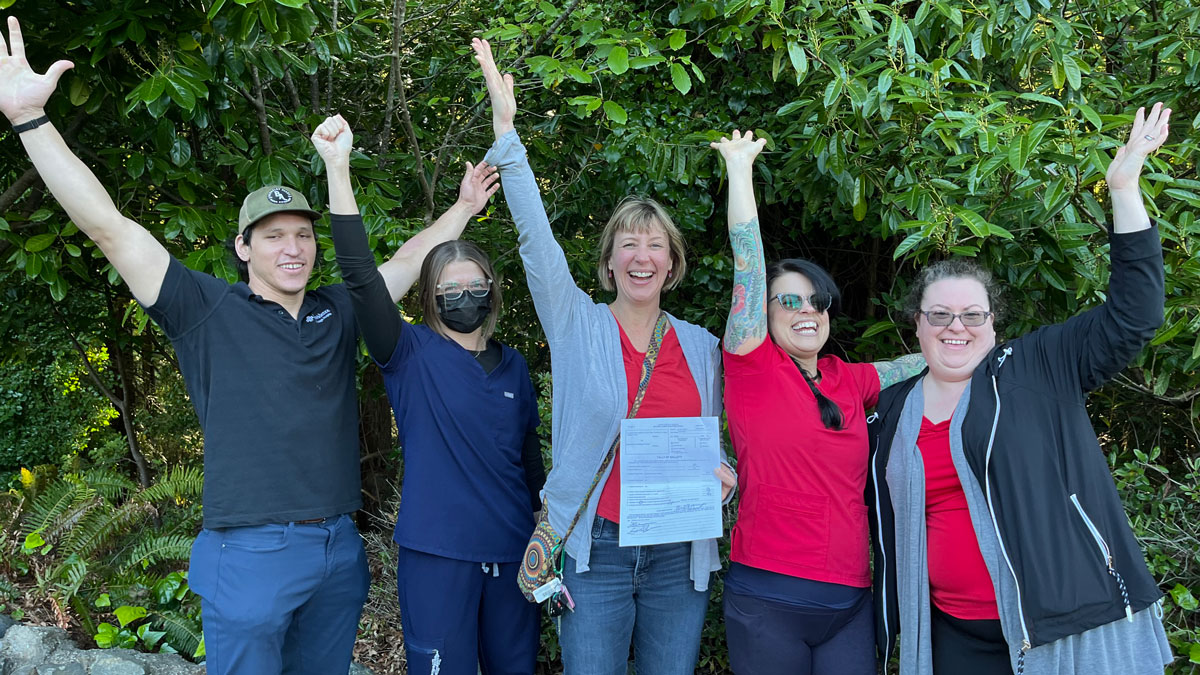
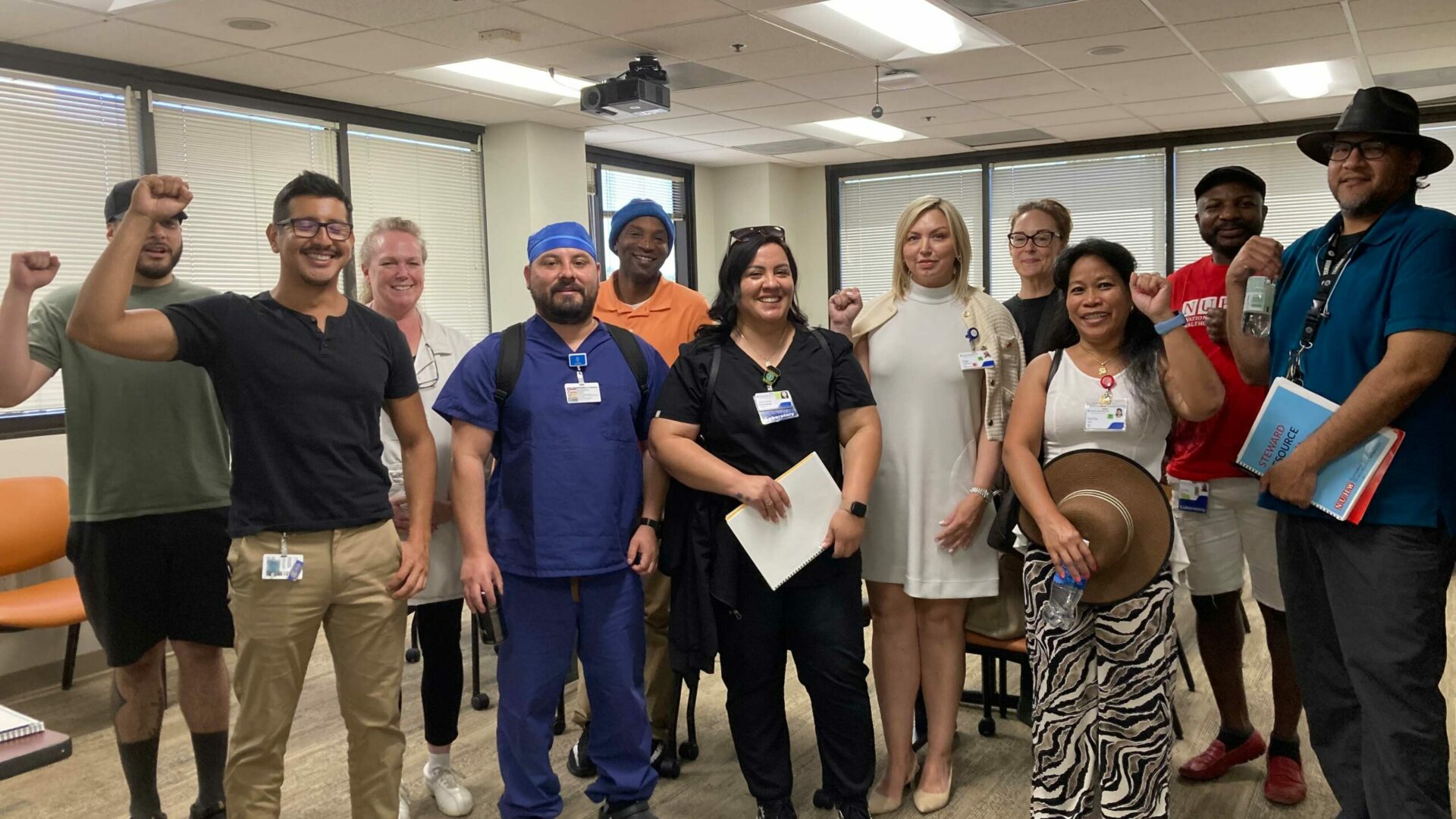
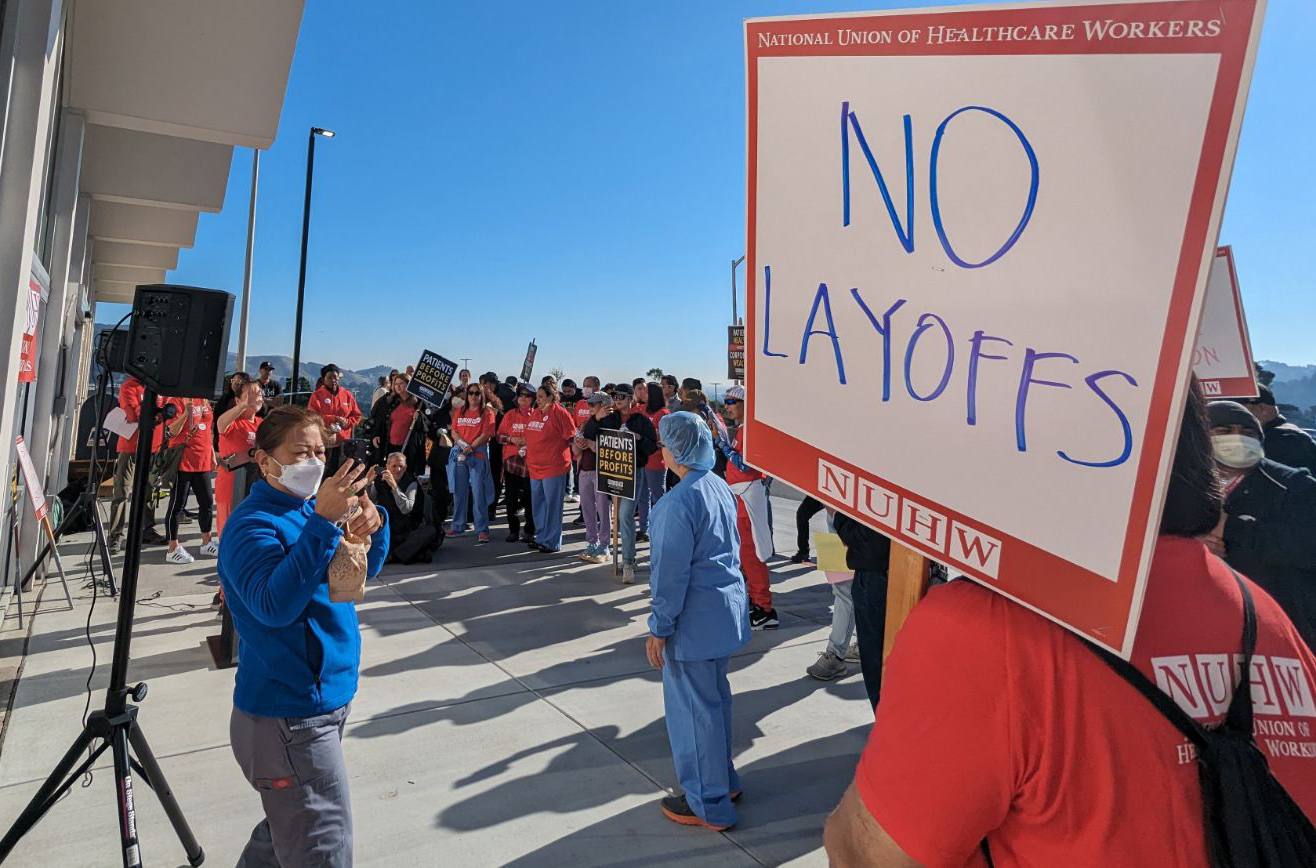
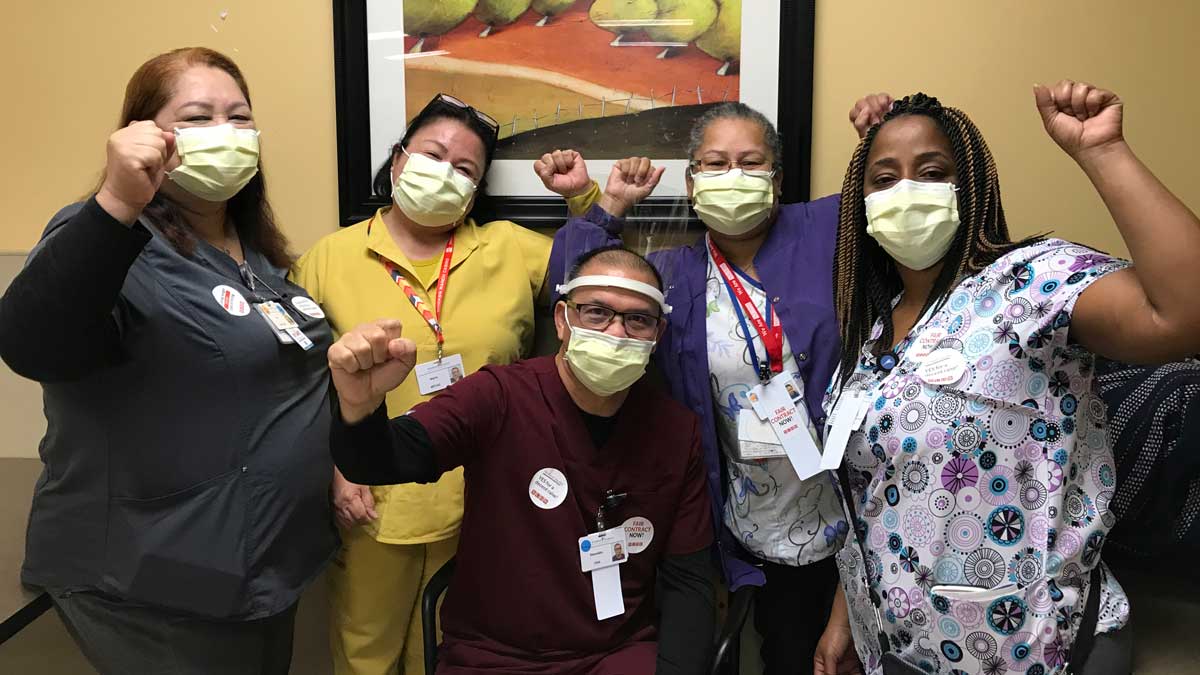
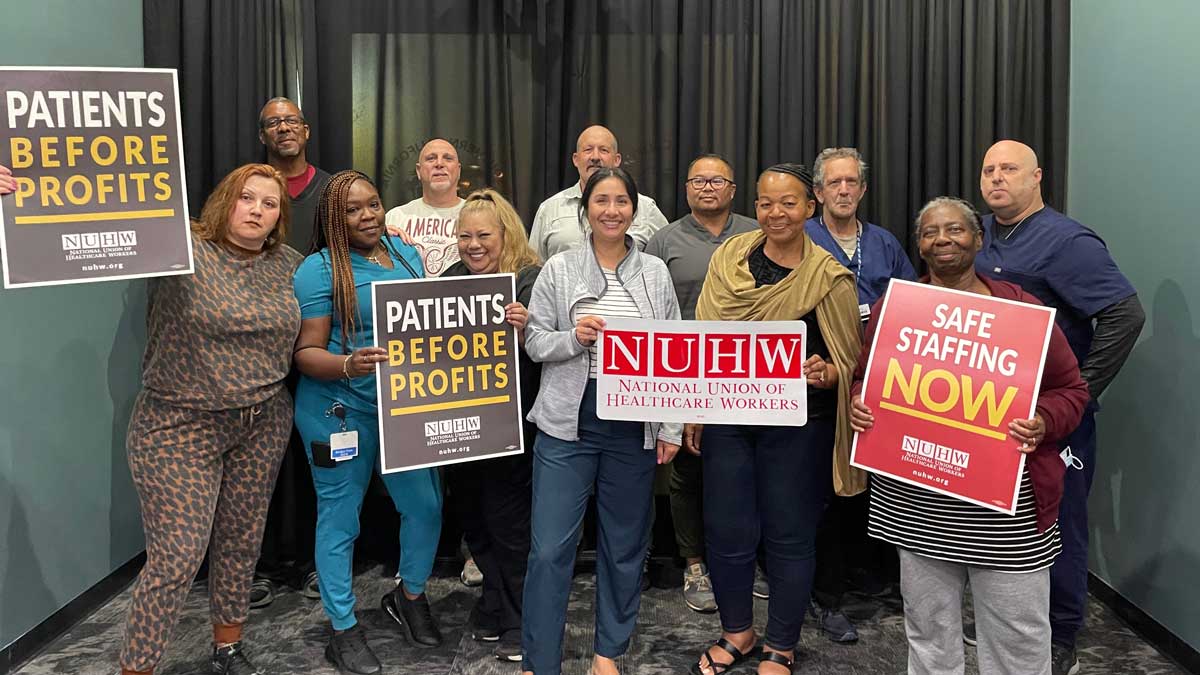
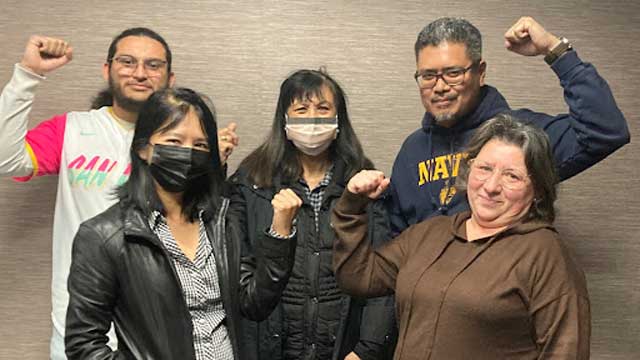
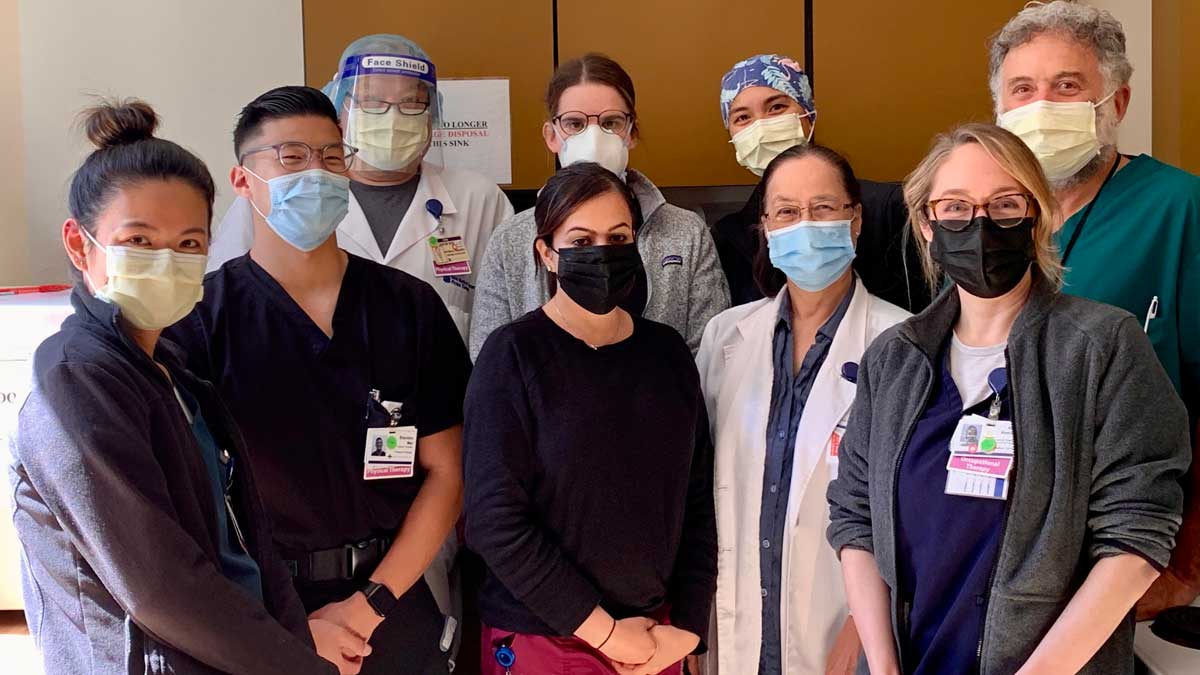
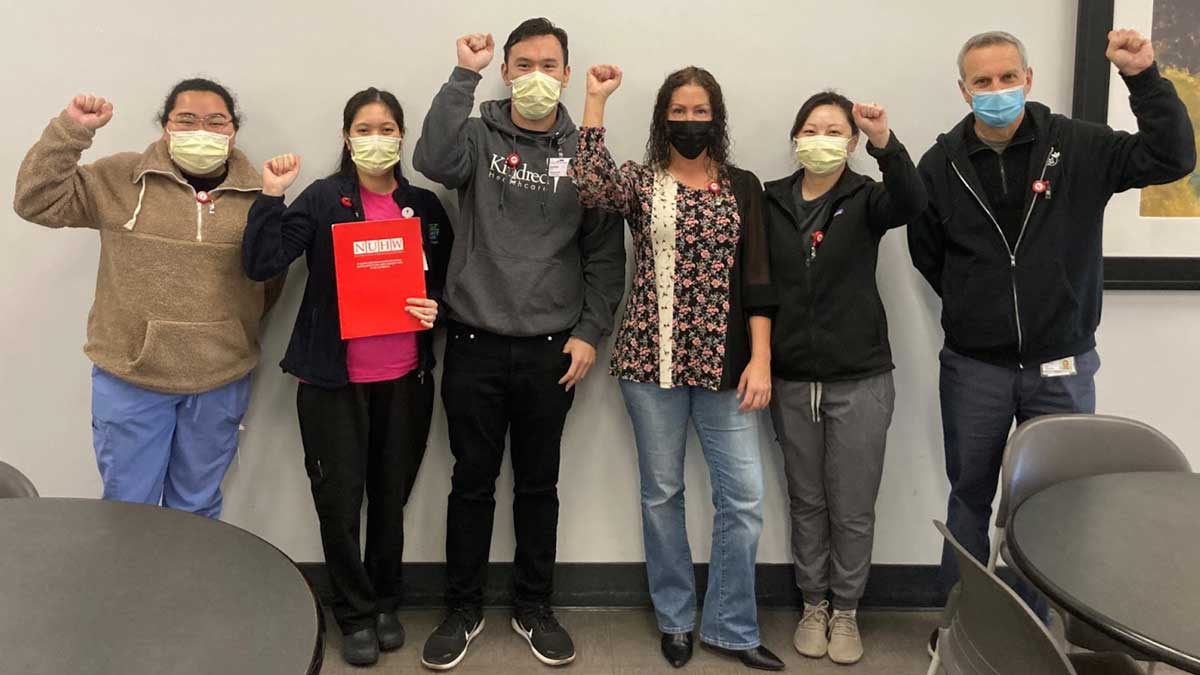
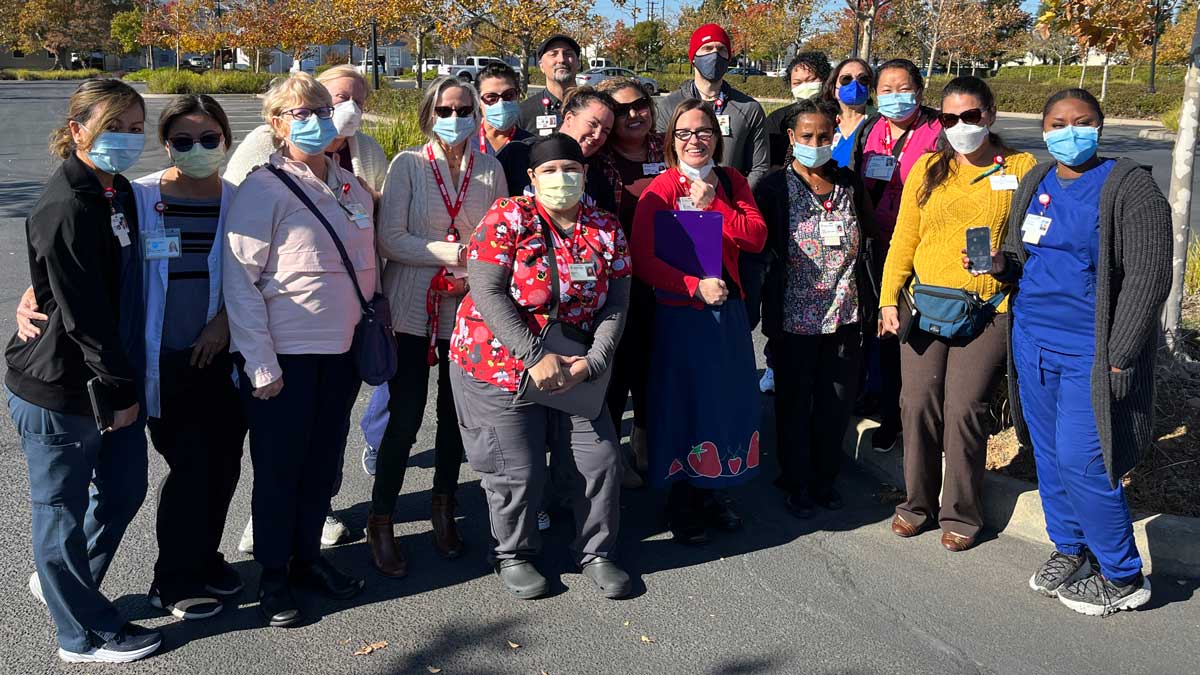
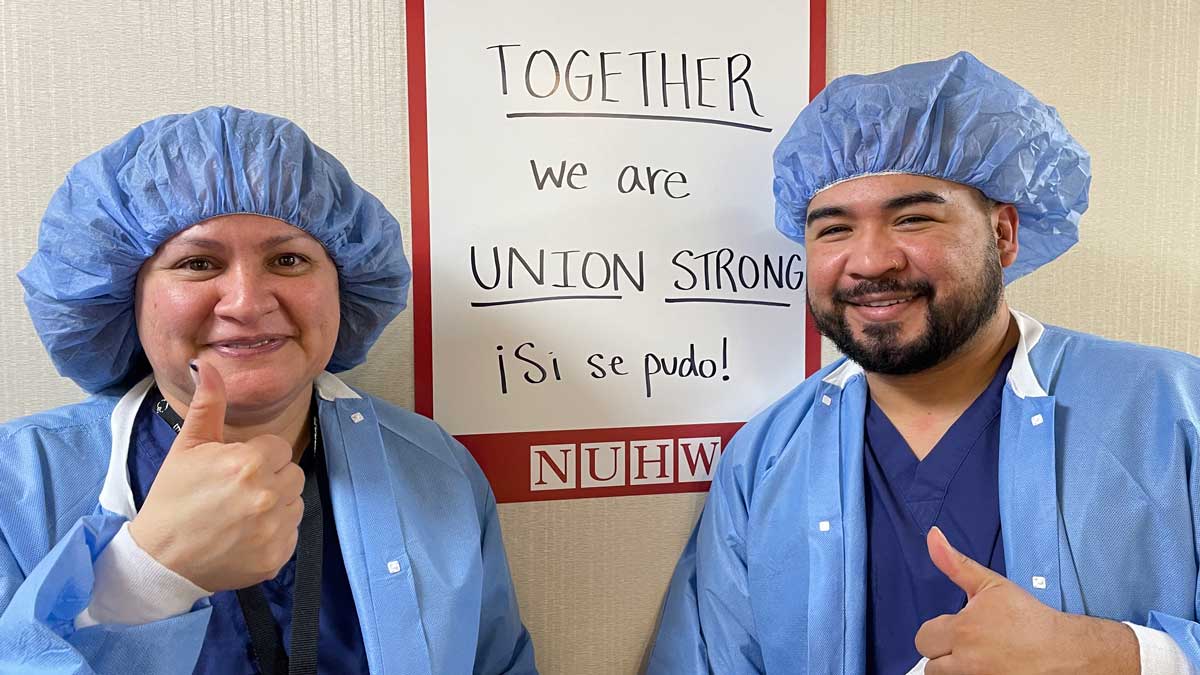
NUHW has expanded into Pennsylvania with the successful organizing drive by workers at Rogers Behavioral Health in Philadelphia, who join their counterparts in California in becoming NUHW members.
“A lot of us sort of put our jobs on the line by (unionizing), because we believe in the organization, but more so, we believe in our patients,” Tiffany Murphy, a therapist at Rogers Philadelphia, told the Philadelphia Inquirer, which wrote about the organizing drive. “We wanted to provide the best patient care that we possibly could for them.”
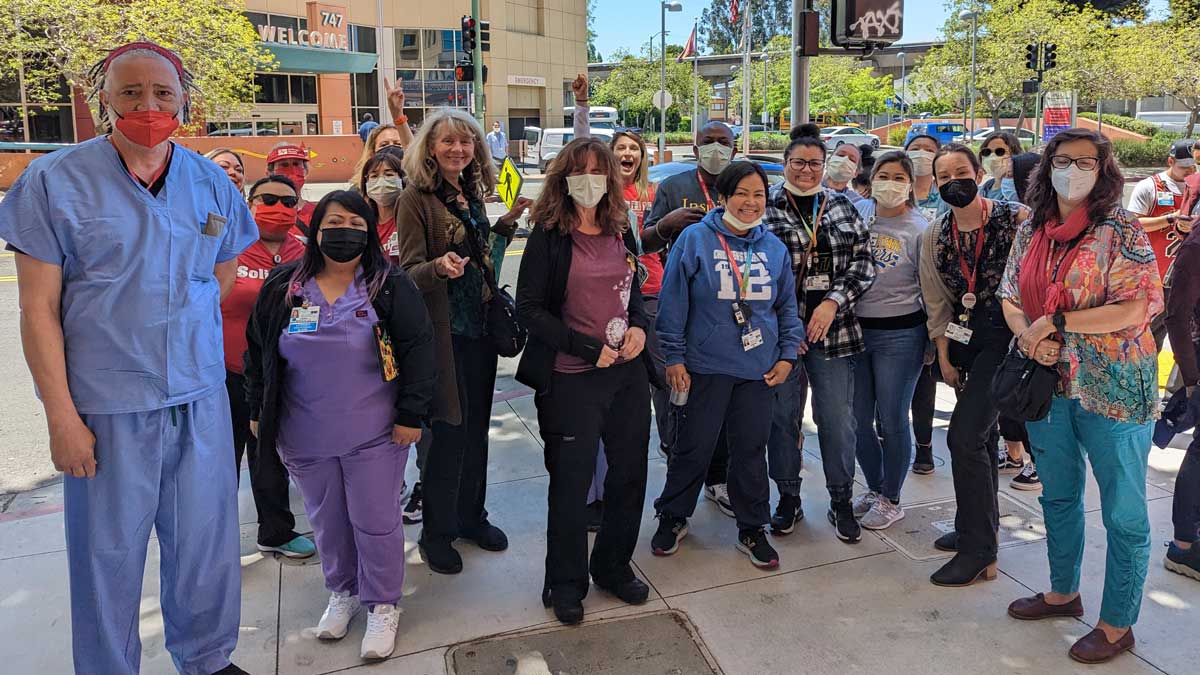
The organizing drive by nearly 20 mental health therapists, behavioral health specialists, and registered nurses comes on the heels of Rogers workers at its three California behavioral health centers joining NUHW and negotiating contracts that included strong raises, limits on caseloads, and guarantees that no jobs would be lost to new technologies, including artificial intelligence.
The contracts shielded California workers at Rogers from the company’s recent decision to reclassify mental health staff from salaried to hourly workers. The change, which went into effect in May, has resulted in many workers being called off their shifts when the patient census dipped, resulting in higher patient volumes for the remaining workers and less available care for patients. Because of call-offs, workers also have struggled to earn consistent paychecks and pay their bills.
In addition to the call-offs, Rogers Philadelphia switched to a group therapy model that significantly increased caseloads. Murphy told the Inquirer that some patients and workers have left amid the changes, estimating that 22 of her colleagues have quit in the past year.
“I’ve worked at Rogers Behavioral Health for more than eight years and seen many changes in that time, but decisions handed down in the past year have seemingly been made without regard to the impact on our staff and our ability to serve our patients,” said Sara Deichman, a therapist at Rogers Philadelphia. “We are unionizing to have a voice at work that will allow us to promote a healthier work/life balance as well as high-quality sustainable patient care.”
Based in Wisconsin, Rogers operates in 10 states including Pennsylvania, where Rogers offers both in-patient and outpatient services, specializing in treatment for numerous conditions including depression, obsessive-compulsive disorder, mood disorders, personality disorders, and anxiety.
Workers at Rogers’ Bay Area location voted to join NUHW in 2023, subsequently winning a pioneering contract that was replicated by workers at Rogers locations in Los Angeles and San Diego, who subsequently joined NUHW. Rogers agreed to recognize the will of the Pennsylvania workers to form a union with NUHW without requiring an election.
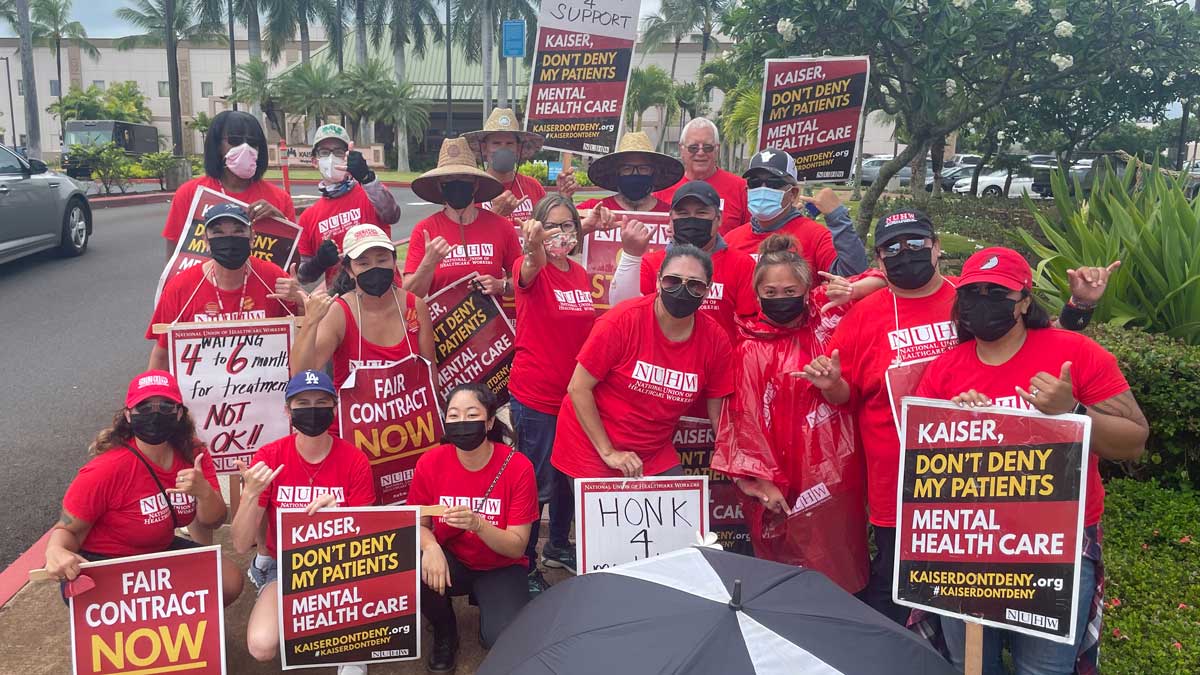
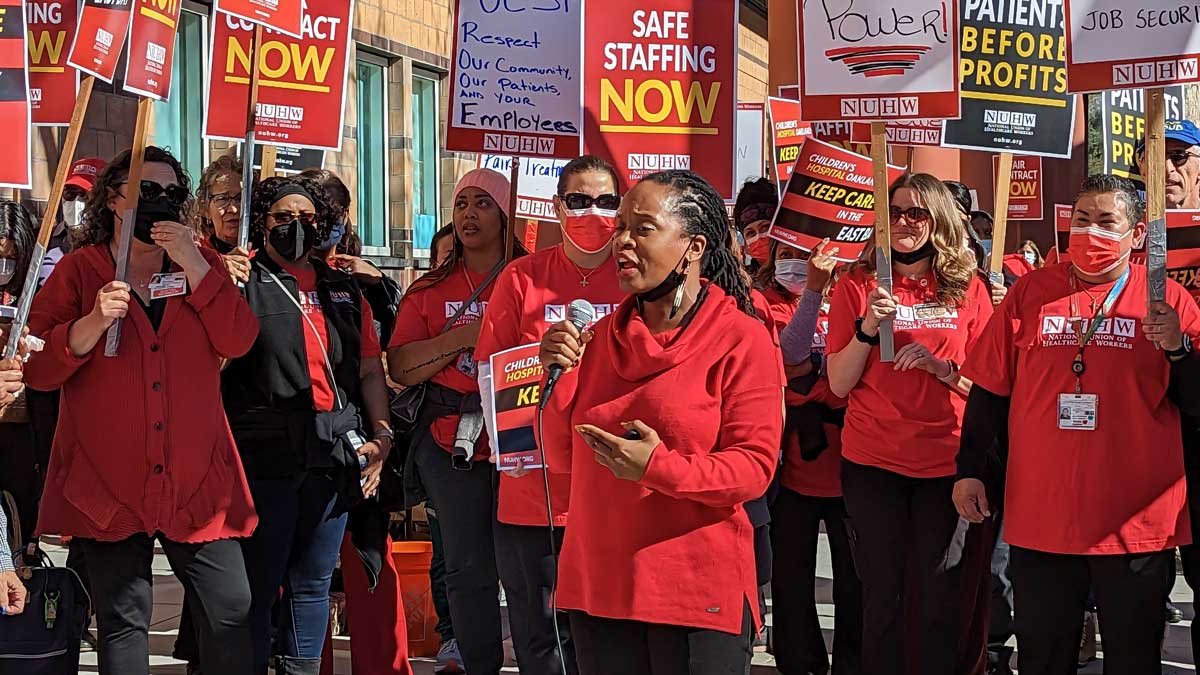
NUHW, with members in California, Hawaii, and Pennsylvania, represents more private sector behavioral healthcare workers than any other union.
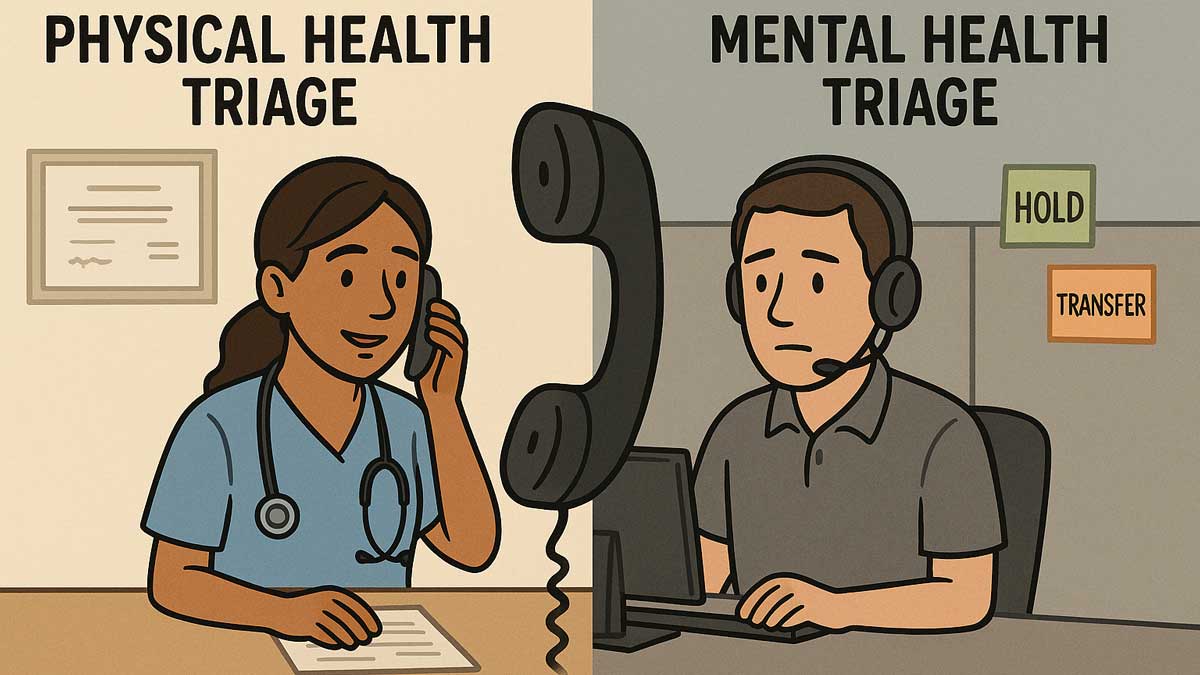
The overall lack of unions in the private sector that can bargain with employers, battle insurance companies, point out to regulators violations in state standards, and lobby legislators for patient rights is one of the main reasons there is a lack of parity between mental health and physical health despite federal laws. Other causes include a lack of enforcement of The Mental Health Parity and Addiction Equity Act (MPHEA), a federal law passed by Congress in 2008, that calls for parity between mental health services and more traditional forms of health care. Additionally, patients and their families historically have chosen to remain quiet rather than sounding the alarm when services are lacking due to the stigma that is sometimes attached to mental health issues.
“Our members are at the forefront of the fight to achieve real parity for mental health care and respect for their profession,” said NUHW President Emeritus Sal Rosselli. “Too often workers in mental health and their patients are shortchanged by insurance companies and providers. This is only getting worse as corporatization of health care accelerates and more providers are pushing patients to telemedicine or group sessions when timely one-on-one care or in-person care is required. We hope that others employed in mental health in Pennsylvania and beyond will take the same step as these Rogers Philadelphia workers for the benefit of both their patients and themselves.”