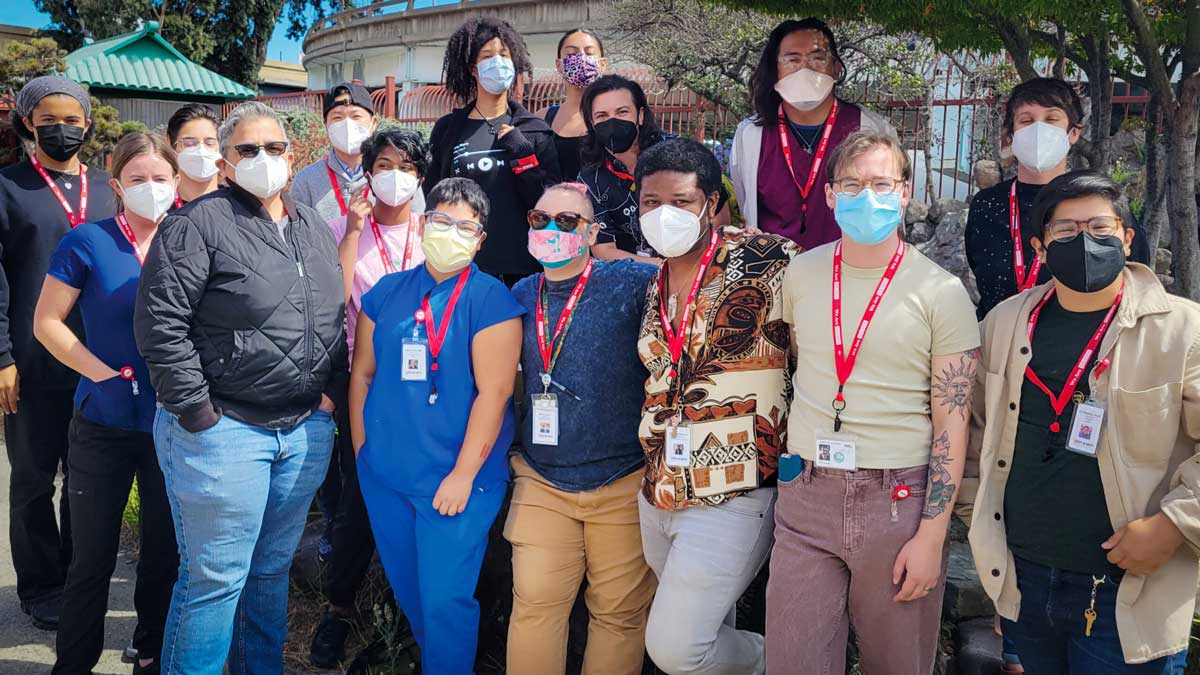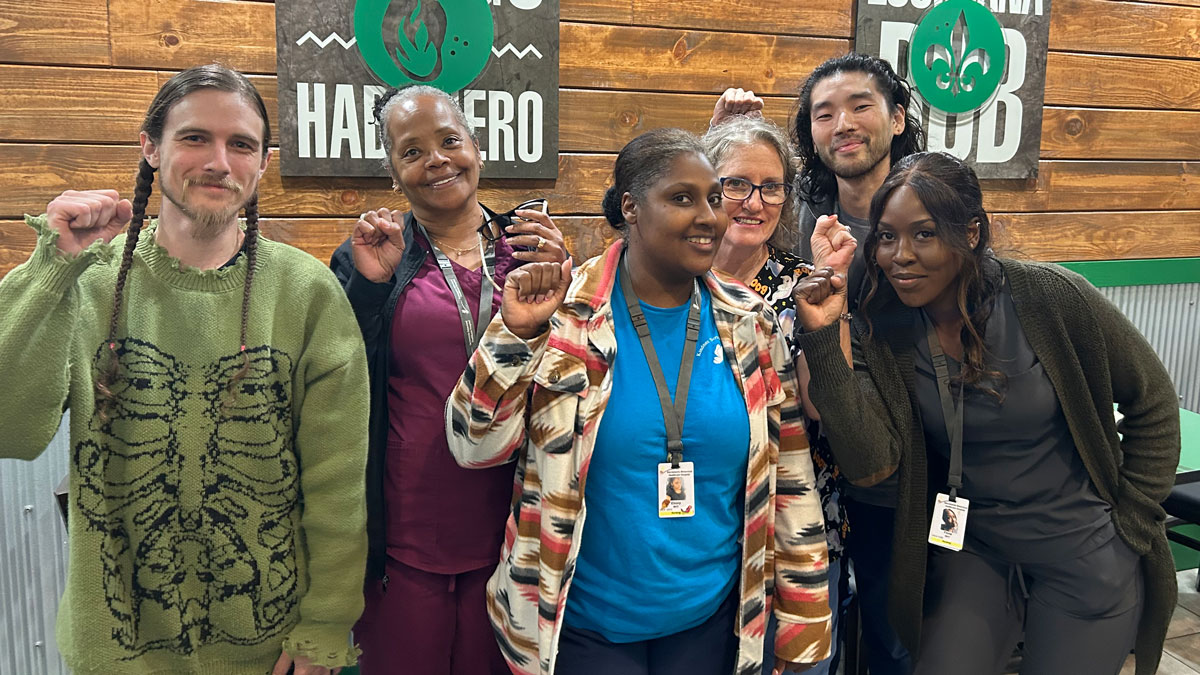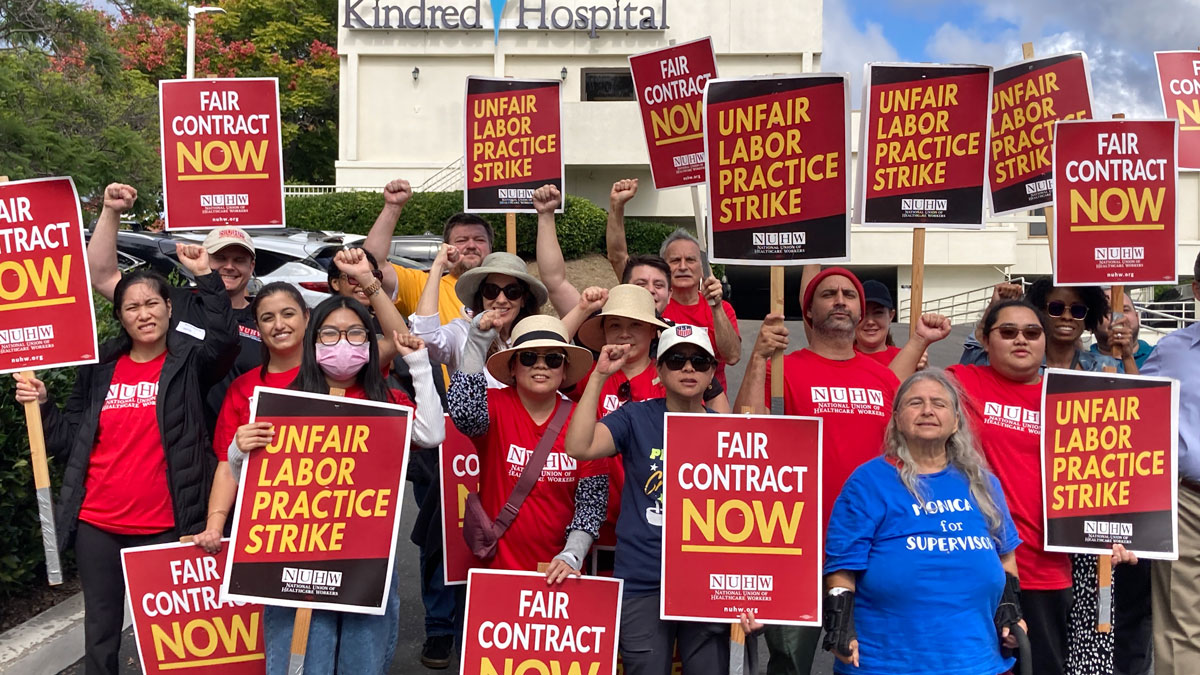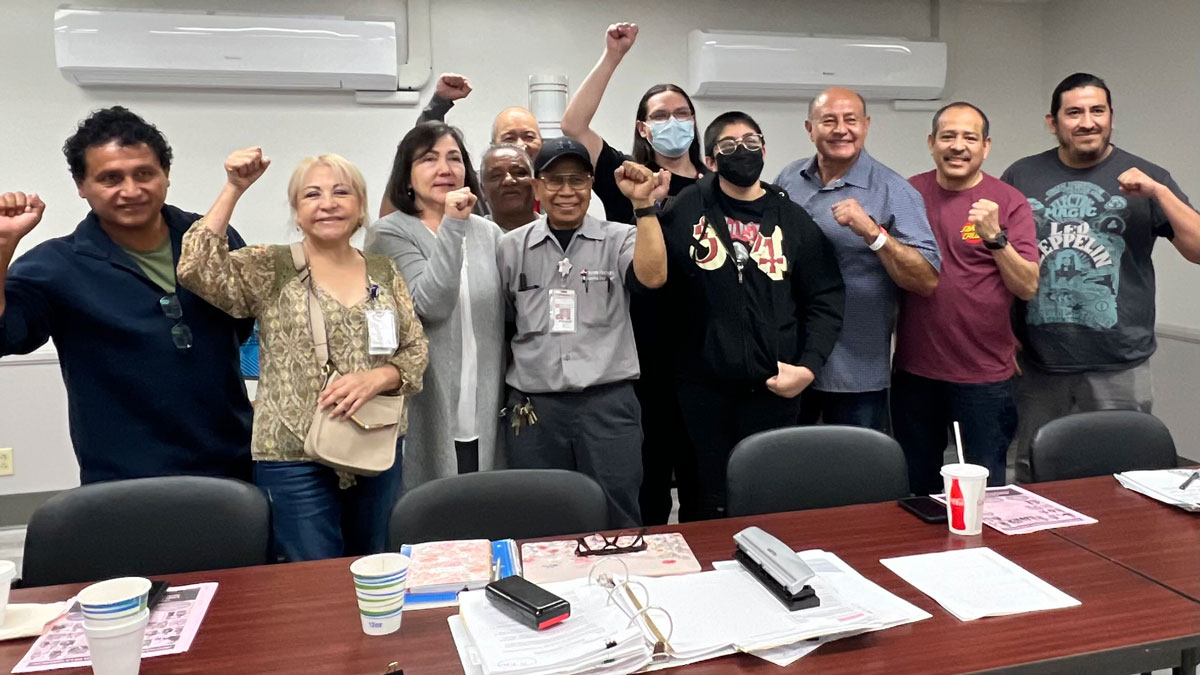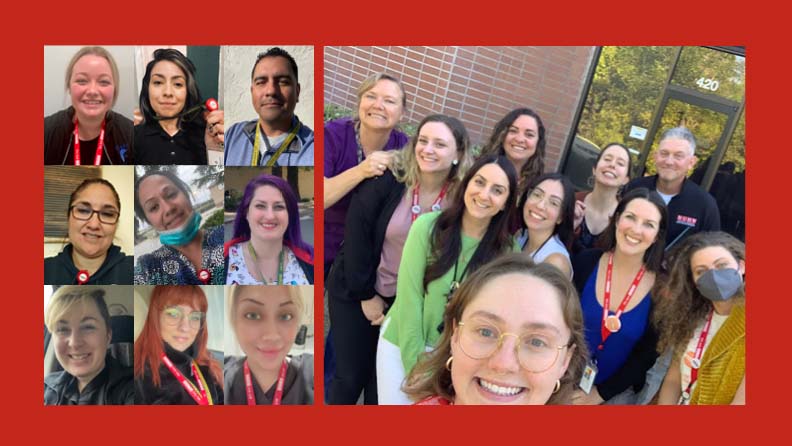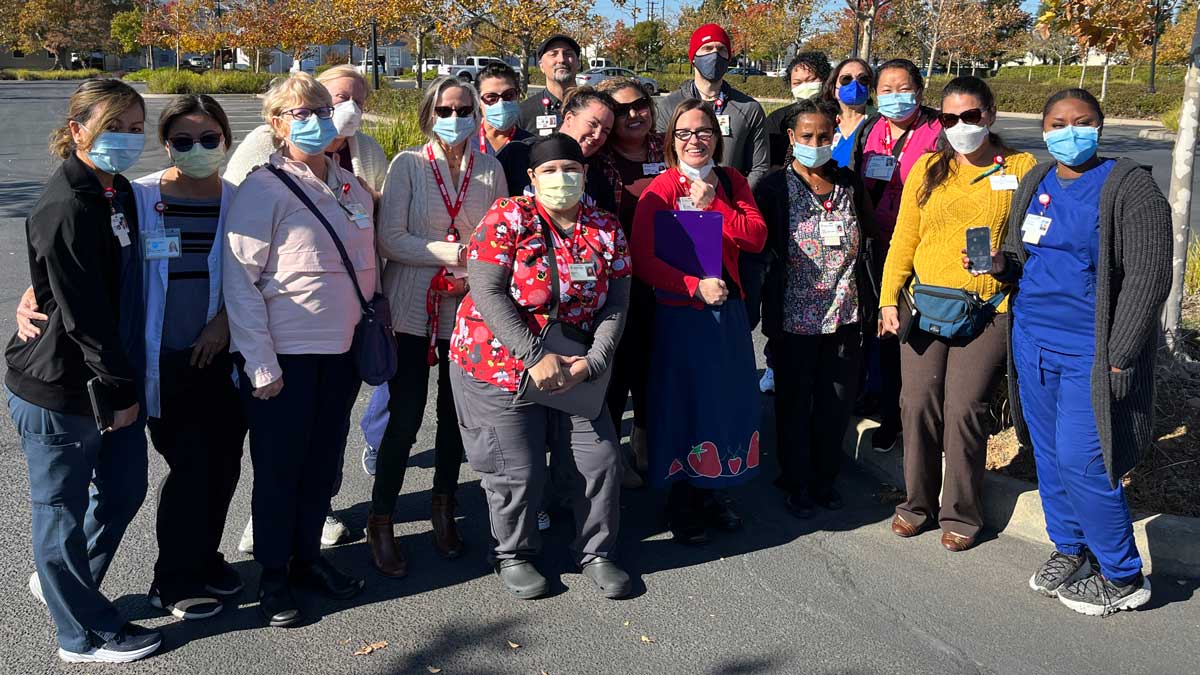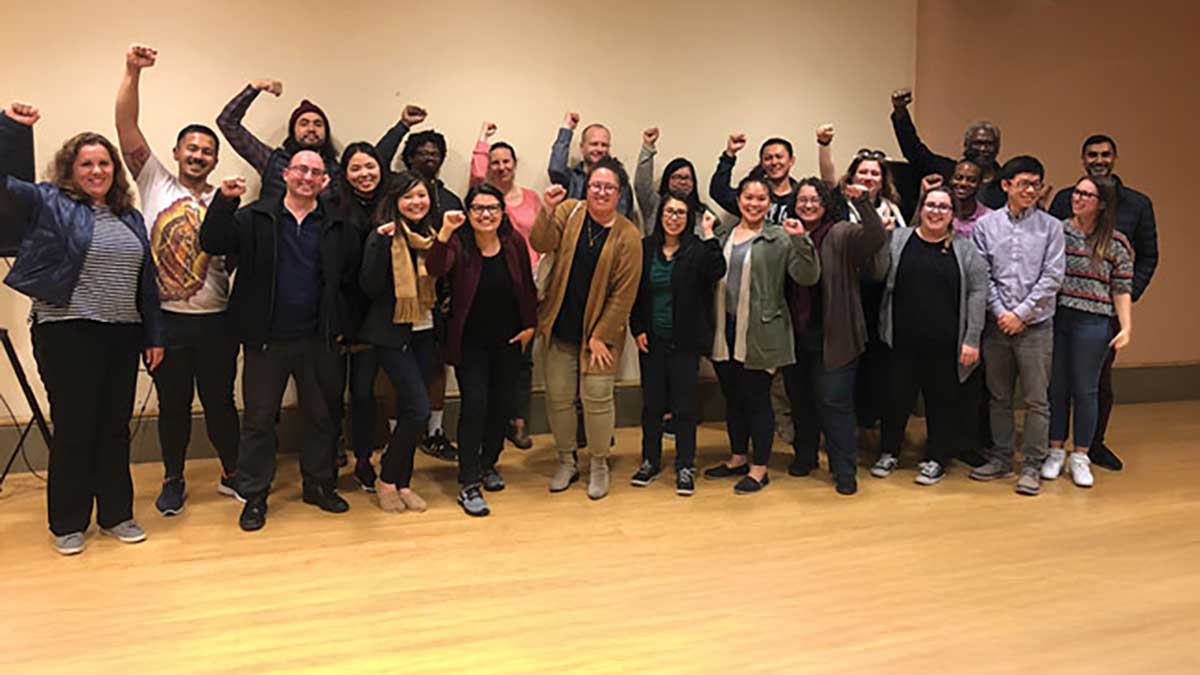
When NUHW members at Richmond Area Multi-Services, Inc. go into negotiations, they almost always come out of it with big raises. The approximately 90 mental health workers at the San Francisco-based nonprofit boosted their salaries by 24 percent in their last contract.
In negotiations for a new contract, they secured 7 percent raises over the first two years despite the fact that the nonprofit is heavily reliant on the city for funds, and San Francisco’s budget outlook is troubling. The workers also doubled the organization’s matching contribution for the 401 (k) retirement plan, won 100 percent reimbursements for licensure and certification costs, and secured protections that RAMS would not replace workers with artificial intelligence.
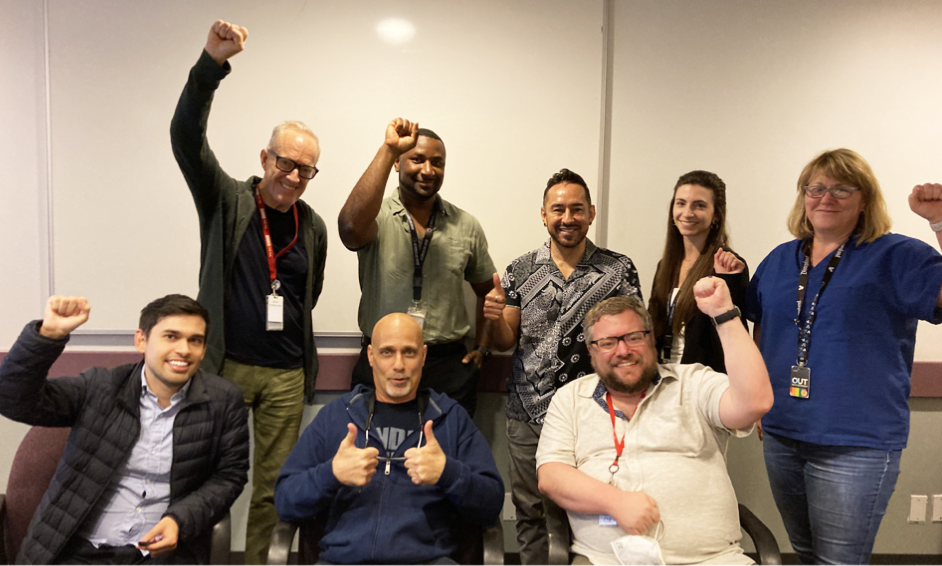
“We were happy with the financial terms, especially considering our previous raises and San Francisco’s fiscal constraints, but that wasn’t enough for us,” said Theo Frazier, a behavioral health counselor at RAMS. “We see what the Trump Administration is doing and the impact that has on our colleagues and the people we serve, and we weren’t going to settle a contract that didn’t address our concerns.”
RAMS serves immigrant families, including undocumented students and elderly refugees, and quite a few NUHW members at RAMS are visa-sponsored workers. While RAMS touts its success at providing culturally competent services, NUHW members were insistent during negotiations that it also understand the unique challenges and circumstances they faced as workers at RAMS, especially since many of them are vulnerable to having their rights violated by the Trump Administration’s anti-immigrant enforcement operations.
Initially, management balked at the workers’ proposals, but the nonprofit eventually agreed to provide NUHW with immediate notice if representatives from a federal agency enter a RAMS facility or if the Social Security Administration is auditing the nonprofit.
Because NUHW is connected to community-based rapid response networks, receiving immediate notice of any federal presence at the nonprofit would enable rapid response volunteers to be present so that NUHW members facing a federal enforcement action would have support from people trained to help navigate the situation.
Likewise, by receiving immediate notice if the Social Security Administration is questioning whether an NUHW member is legally allowed to work at the nonprofit, or if their name doesn’t match the name in federal records, NUHW is in a better position to help members deal with any federal enforcement action.
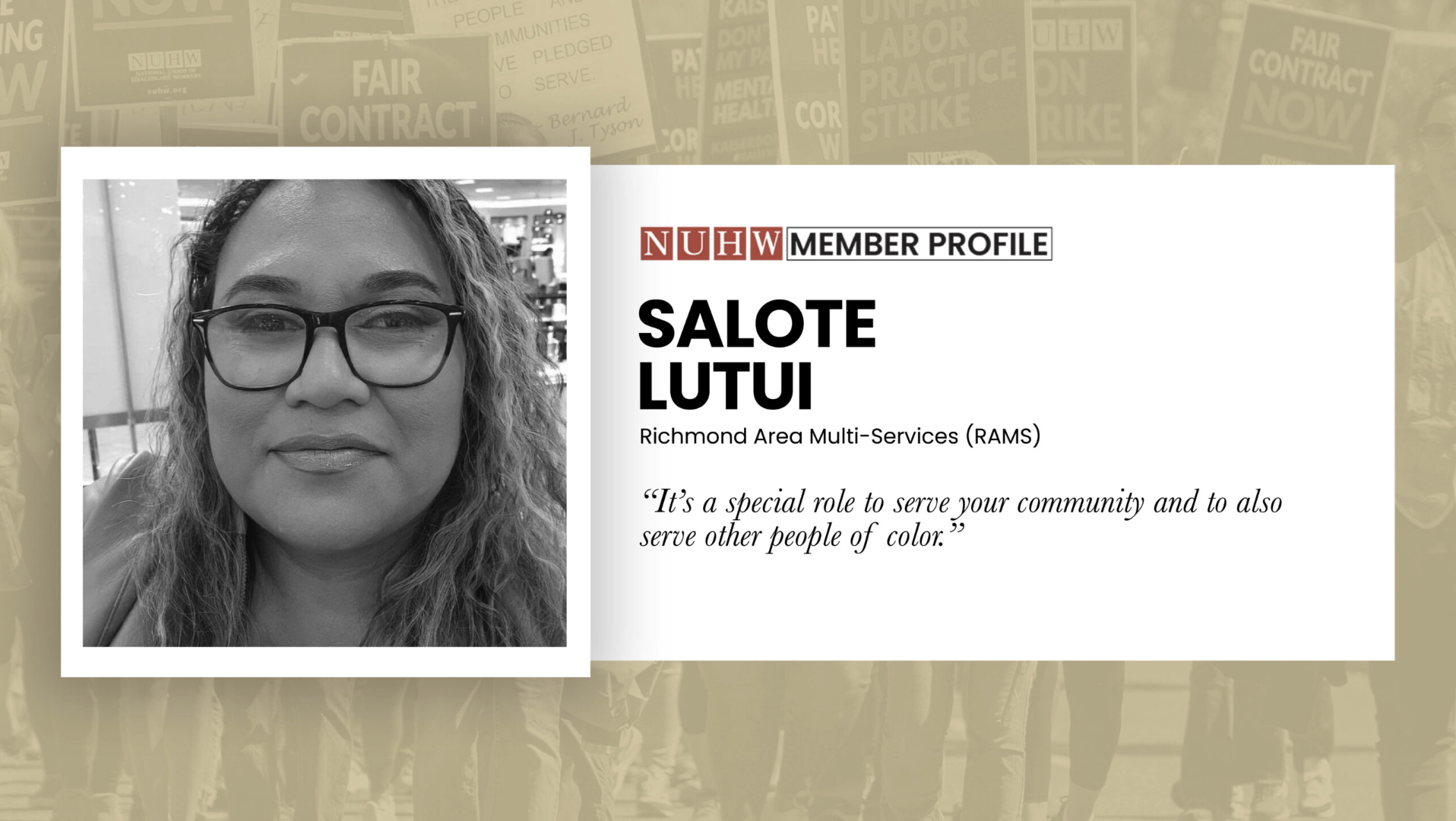
“Management was reluctant at first,” said Salote Lutui, a mental health specialist at RAMS. “They thought it might put a target on their backs, but we were able to help them understand that we’re just asking them to help us as workers so we can fight back, and that’s exactly what we plan to do if the need arises.”