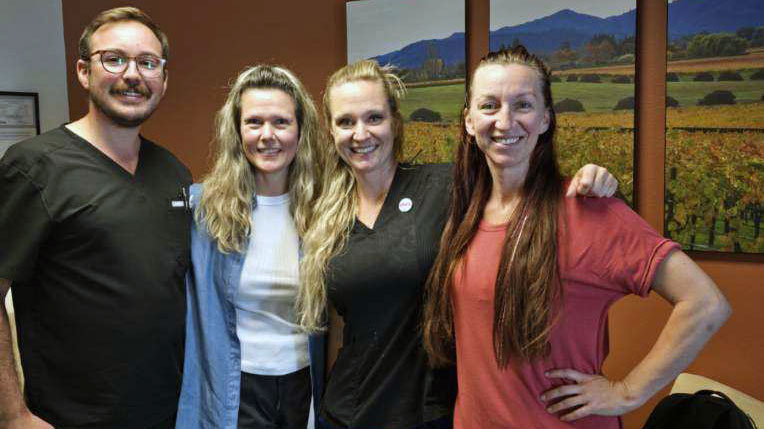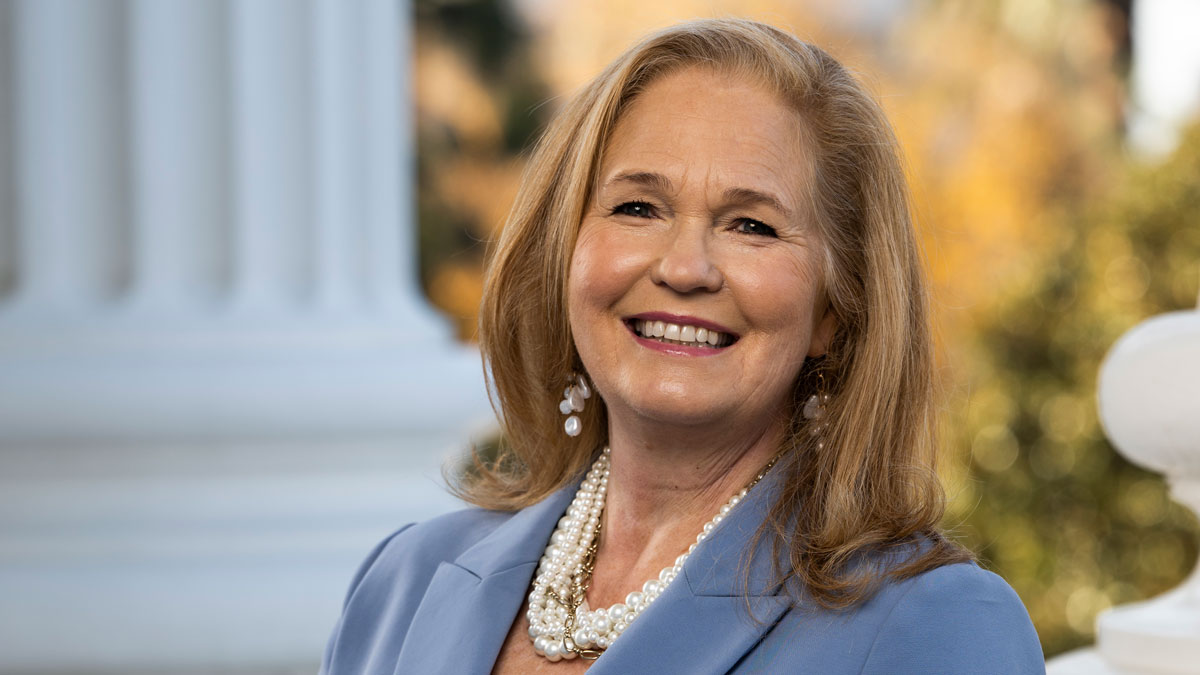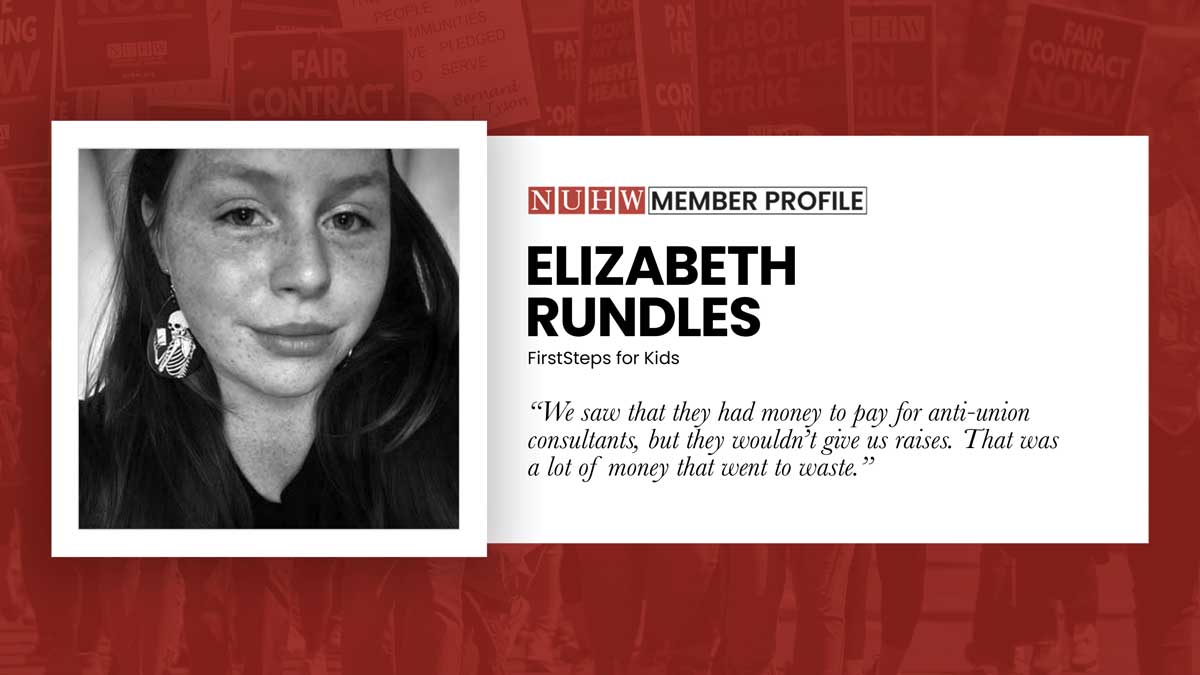
Elizabeth Rundles grew up with twin autistic nephews and saw the benefits of early interventions. One of her nephews is now a university student.
Rundles entered college aspiring to earn a degree that would help her serve kids like her nephews, but circumstances forced her to leave school before graduating. After five years in retail, Rundles saw an ad for a job working with autistic children and jumped at the opportunity.
Rundles has worked for two years at FirstSteps for Kids, a Los Angeles agency supporting autistic and special needs children at their homes, schools, and the agency’s headquarters.
“I love working with kids. It’s exactly what I wanted to do,” said Rundles, who cherishes every milestone her clients reach.
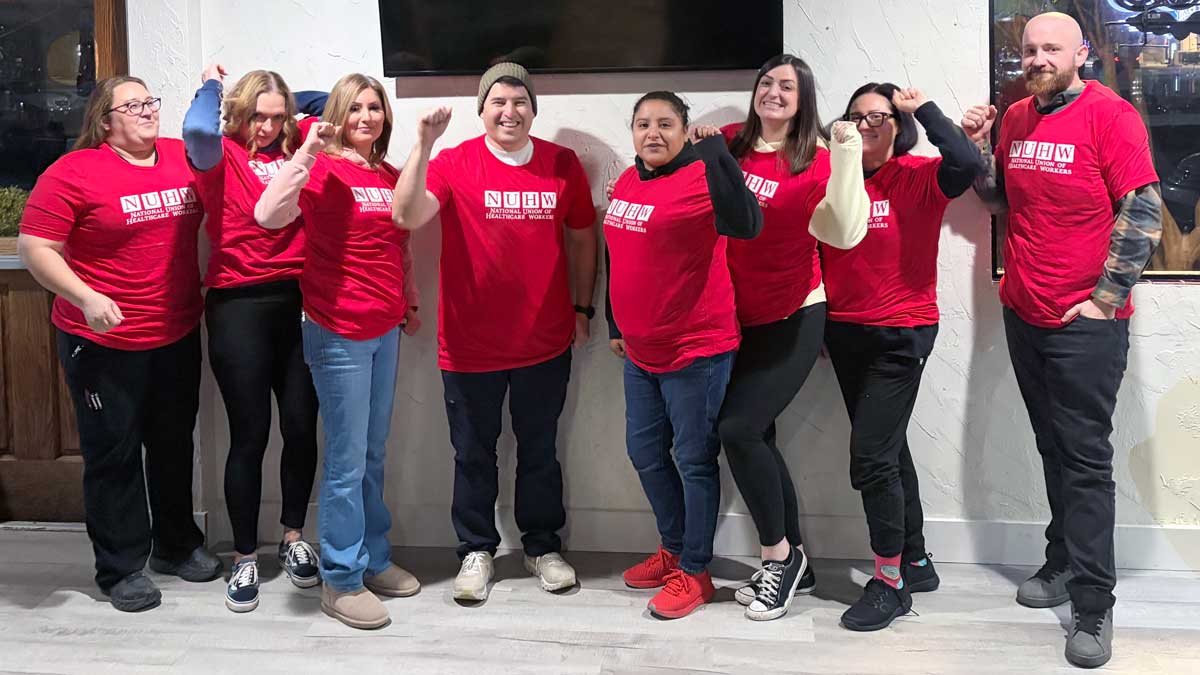
While she found the work rewarding, she and her coworkers had struggled to secure better pay, schedules, and benefits to help them stay with the organization, so last August, they decided to form a union with NUHW.
They quickly organized and were ready to vote in their union election when the government shutdown began, forcing a postponement because the federal government oversees union elections.
The delay “was brutal,” Rundles said. The company used the time to bring three anti-union consultants, one worse than the next.
Workers found themselves arguing with the consultants. “They called us dumb, stupid,” Rundles said.
Instead of discouraging unionization, FirstSteps’s union-busters actually helped strengthen workers’ resolve.
“We saw that they had money to pay for anti-union consultants, but they wouldn’t give us raises,” Rundles said. “That was a lot of money that went to waste.”
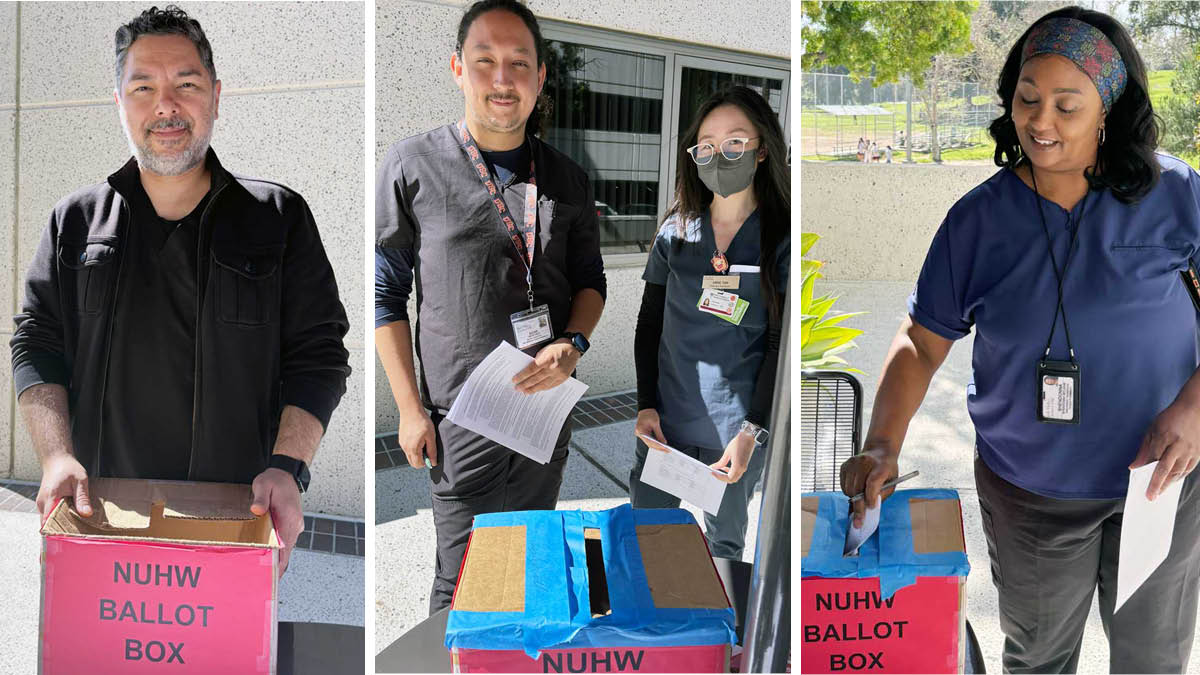
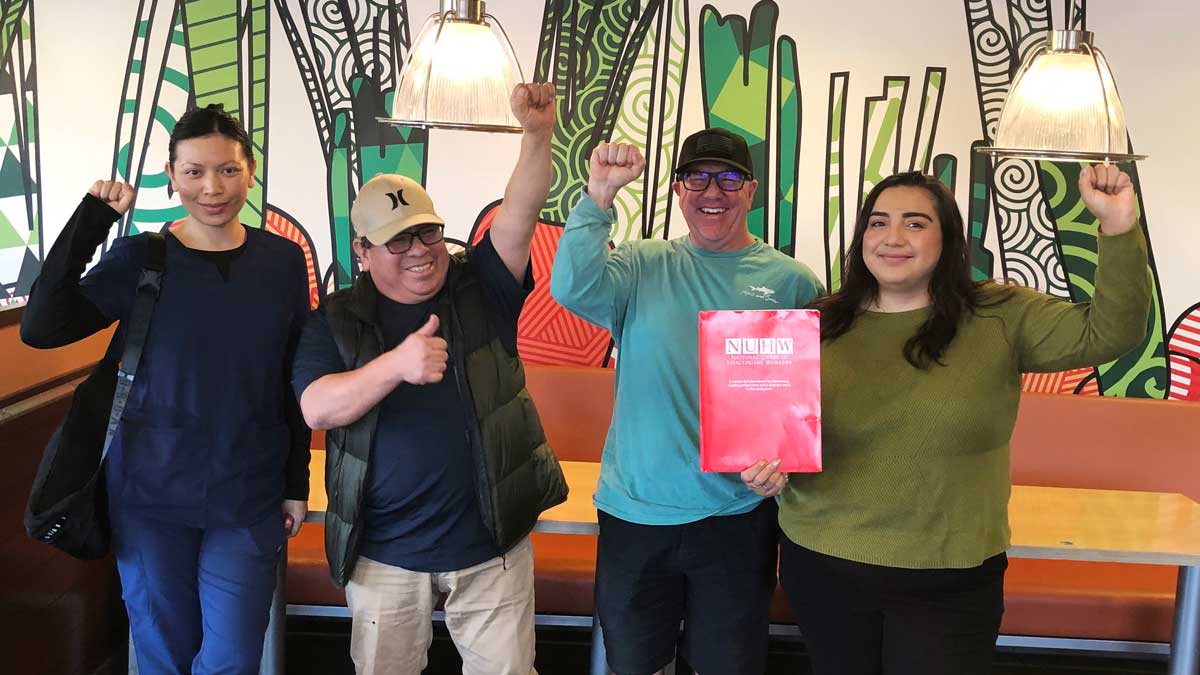
By the time the government reopened and the union election was set for December, many undecided workers were eager to vote YES, resulting in an overwhelming victory.
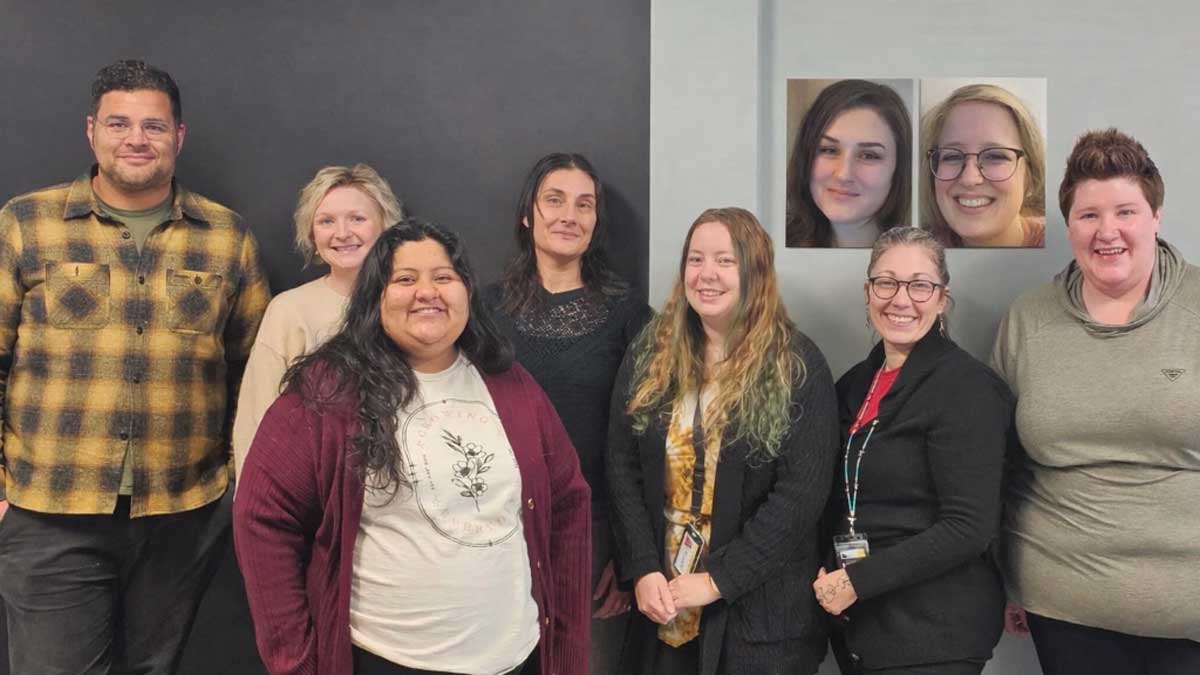
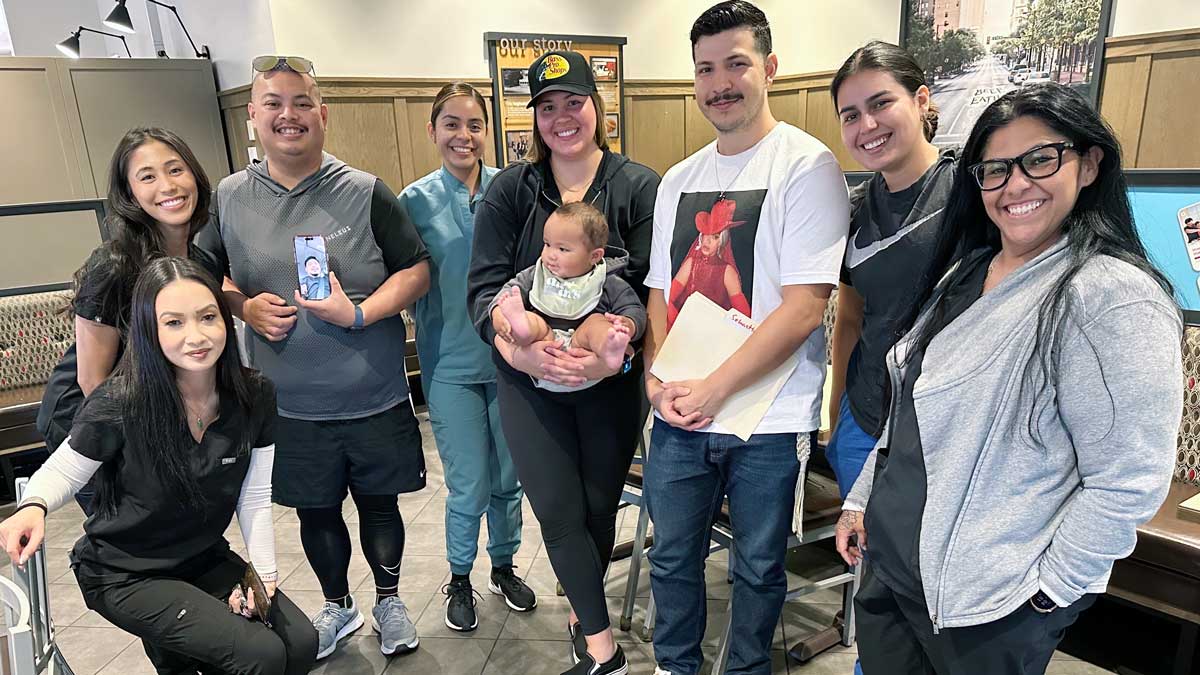
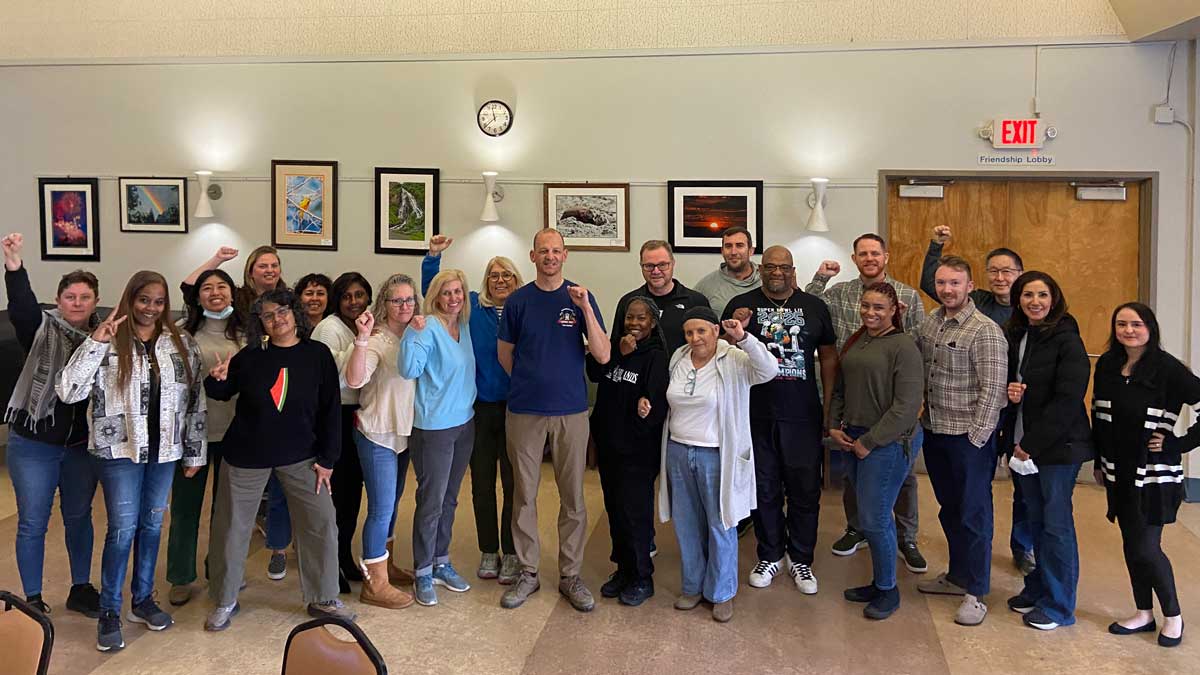
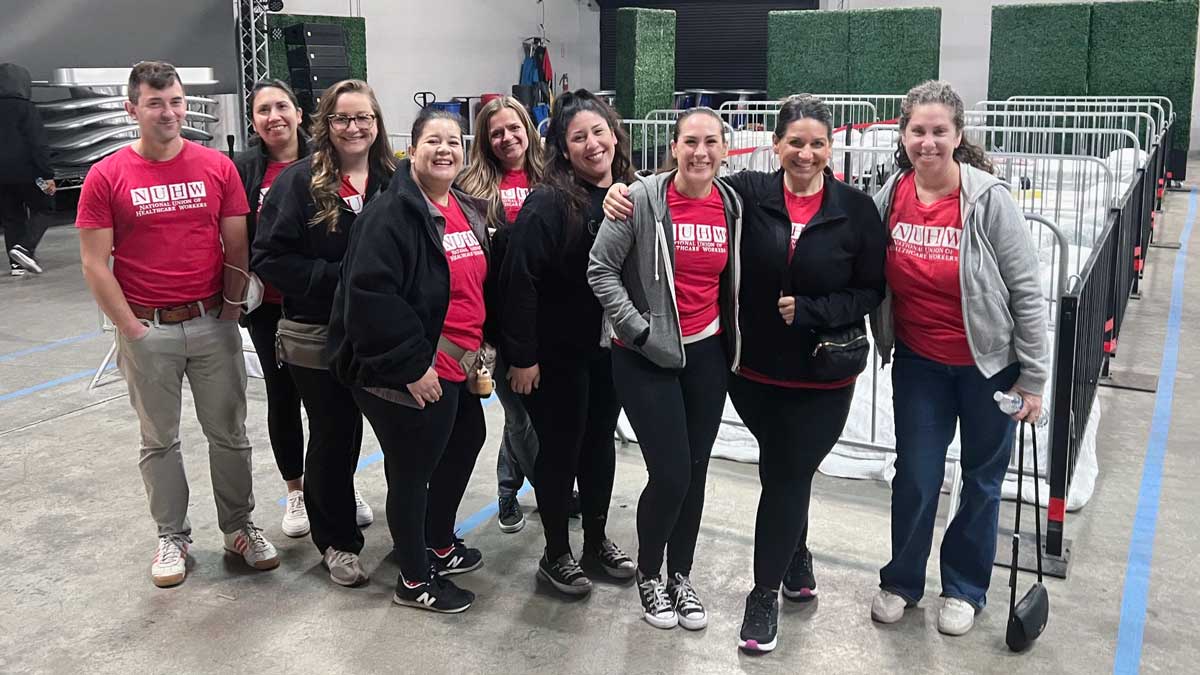
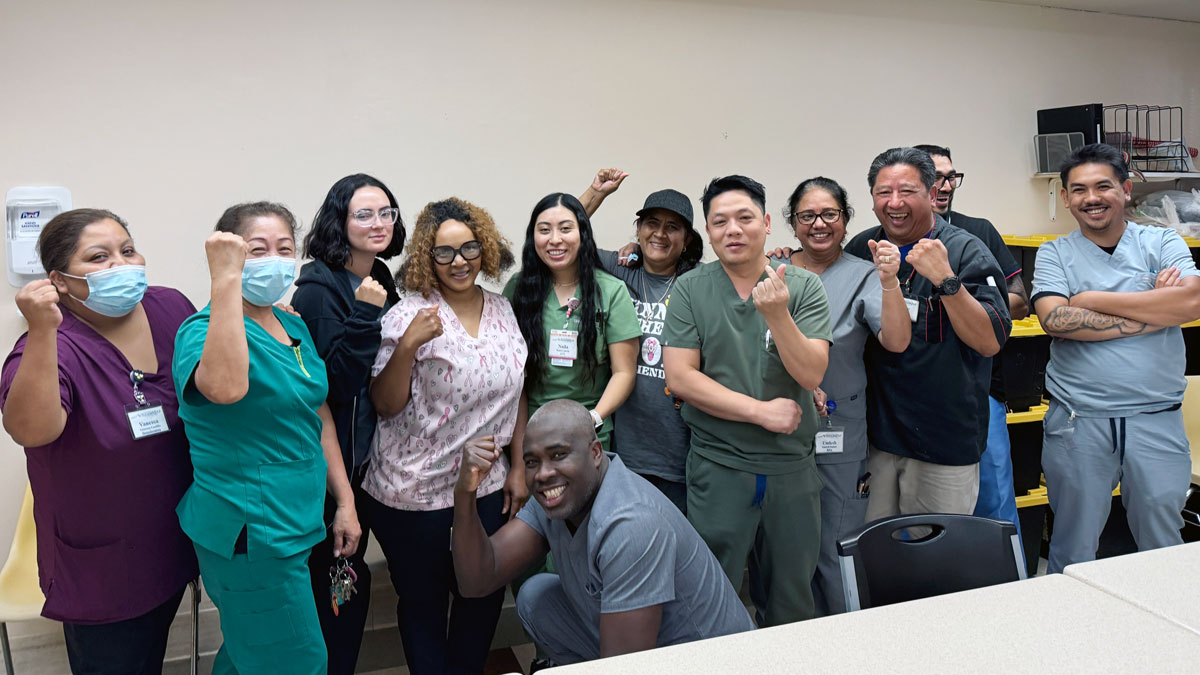
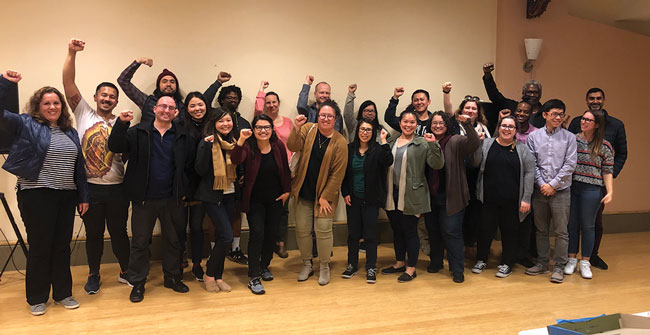
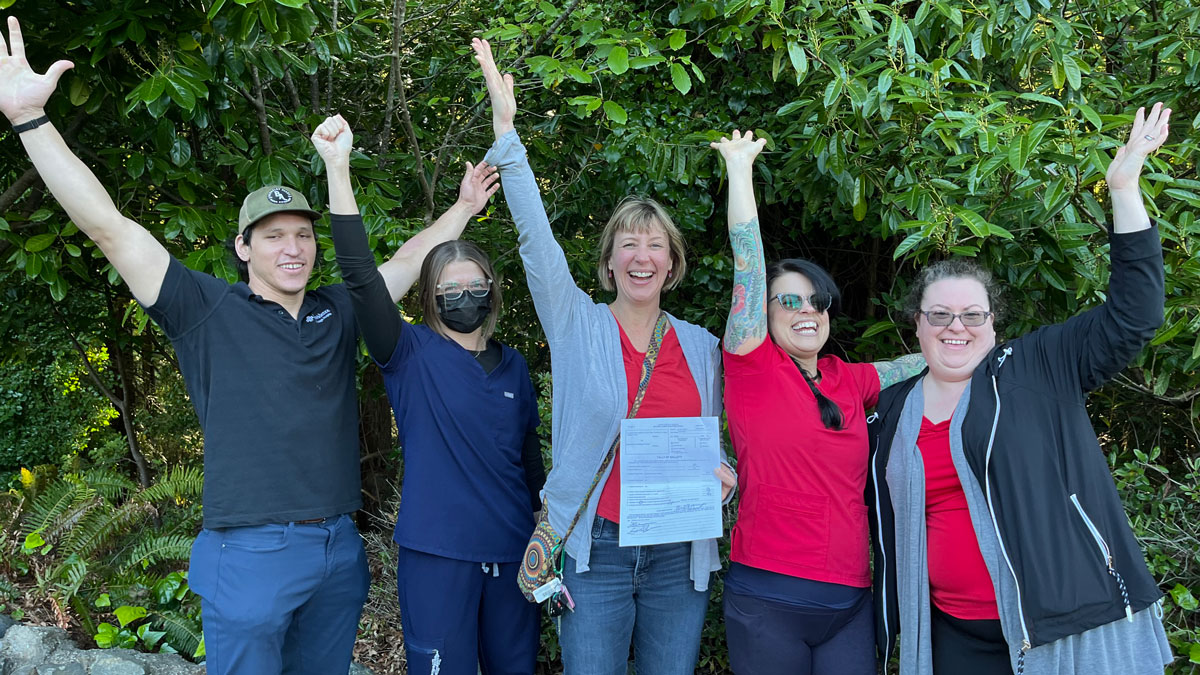
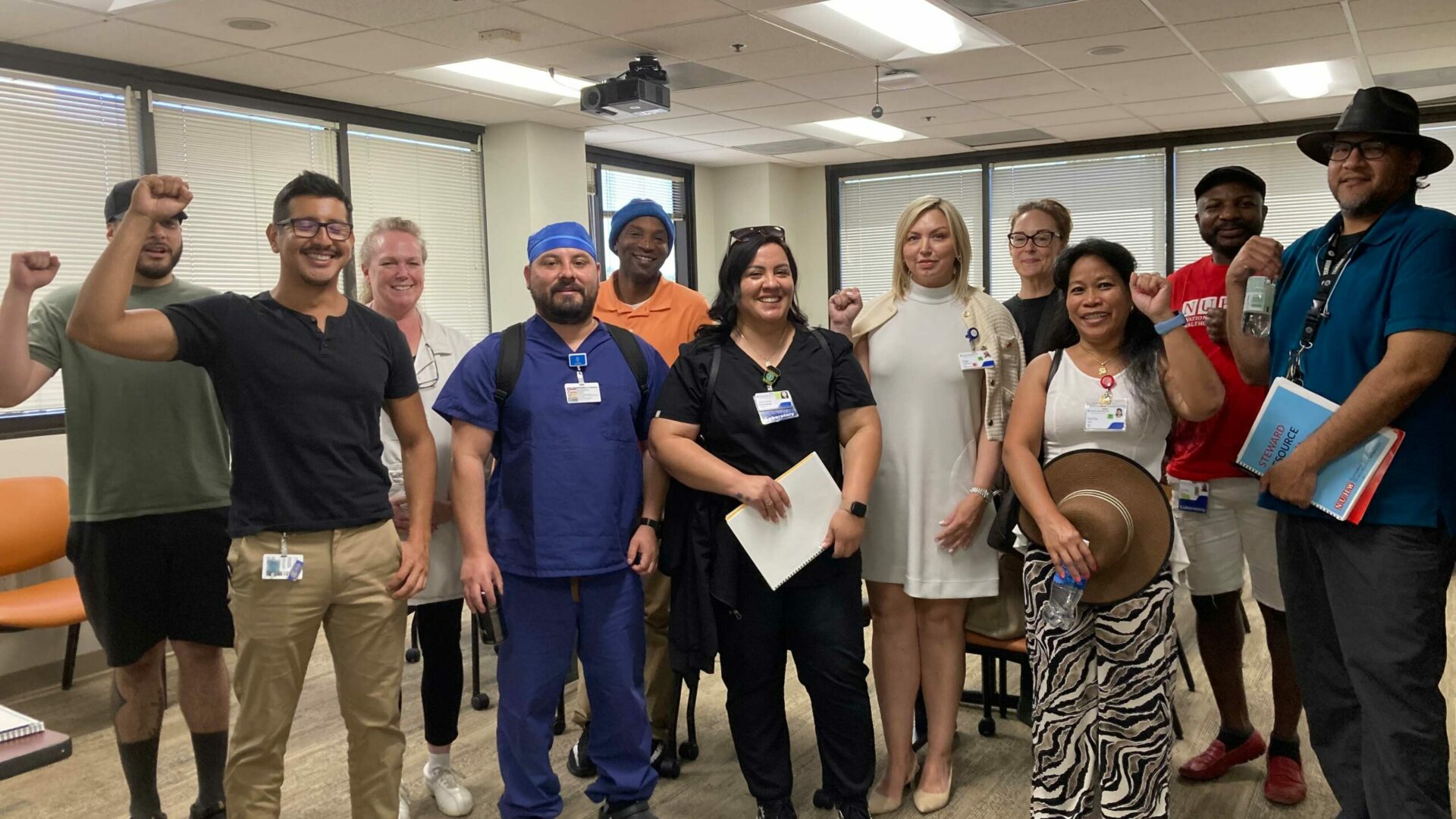
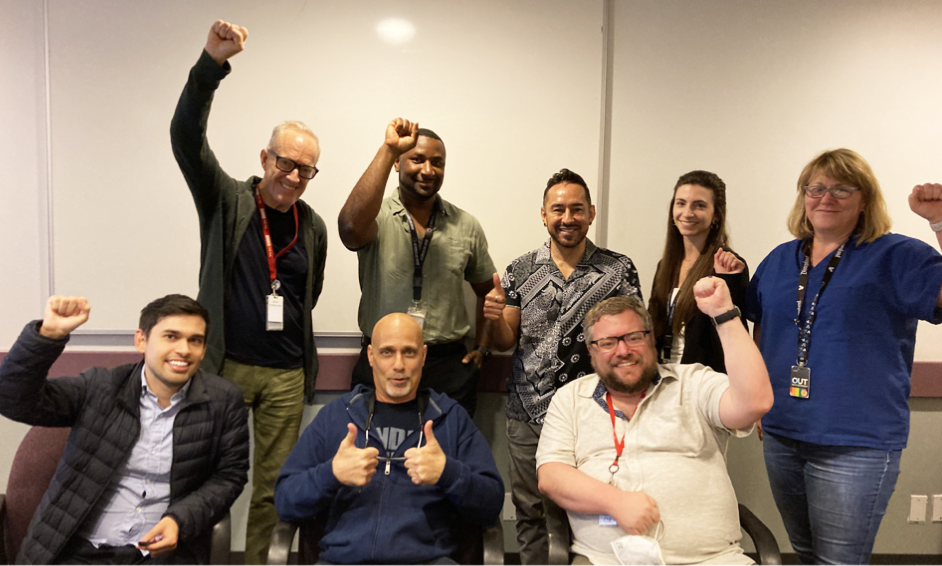
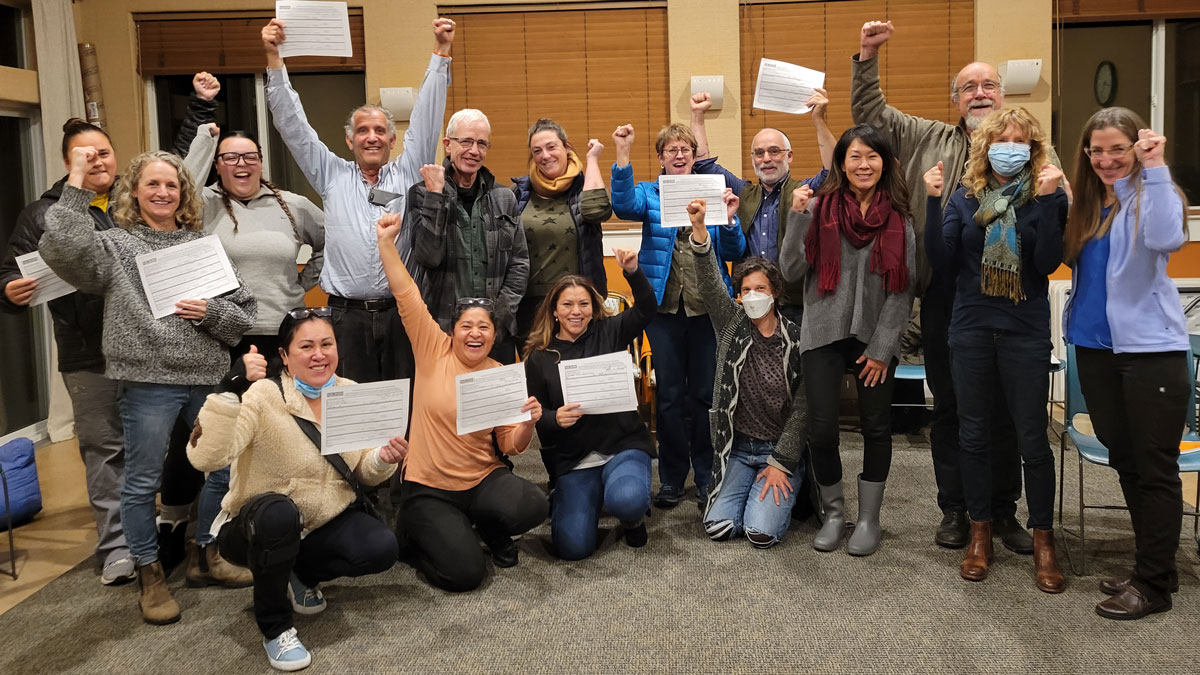
“Everybody was happy and excited that we won,” said Rundles, who, along with seven coworkers, witnessed the vote count and relayed the news to their colleagues.
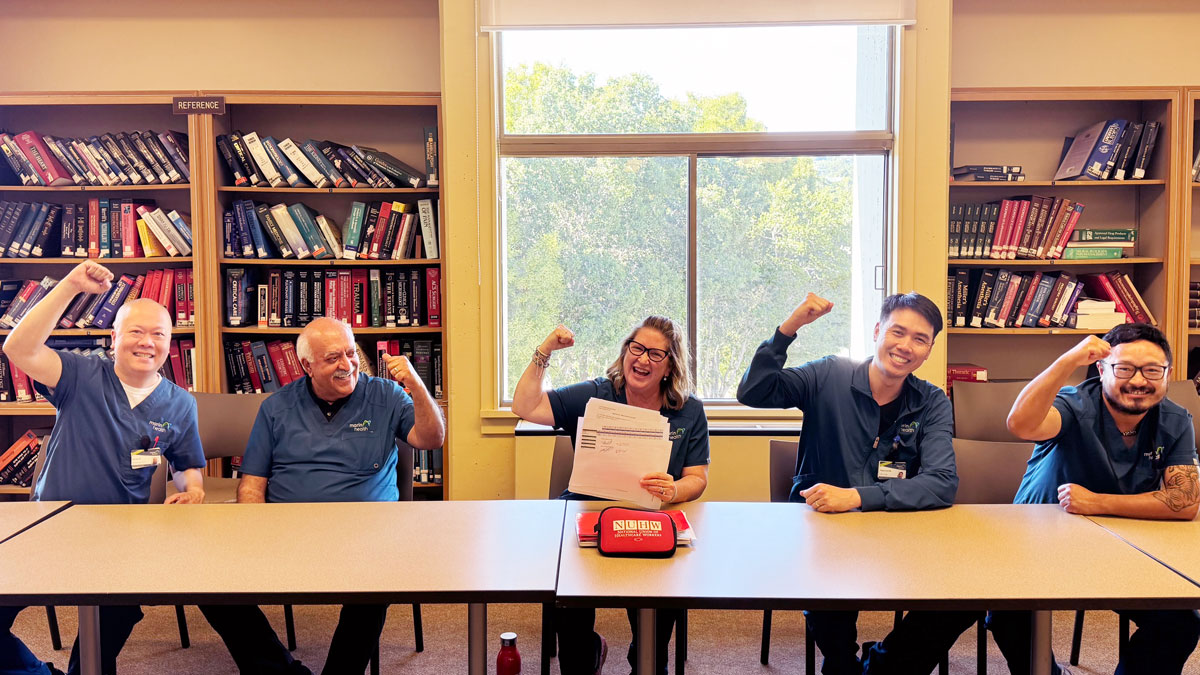
Rundles, now a member of the Bargaining Committee, is eager to begin negotiations. The main focus will be raises, which have been contingent on hard-to-achieve attendance metrics. They also want to eliminate draconian scheduling rules that leave them short on pay when a client cancels a session — something Rundles is currently experiencing.
Above all, Rundles wants to show the company that workers are determined to make the agency fairer for employees and better for the kids they serve.
“We’re all excited about this,” she said. “We’re ready to hit the ground running.”