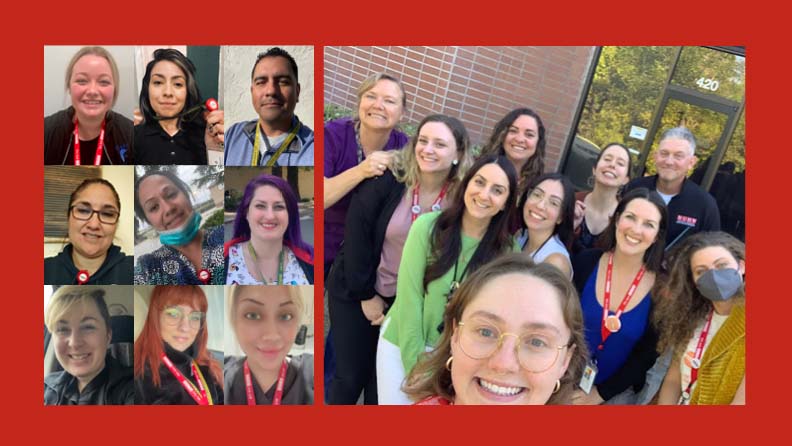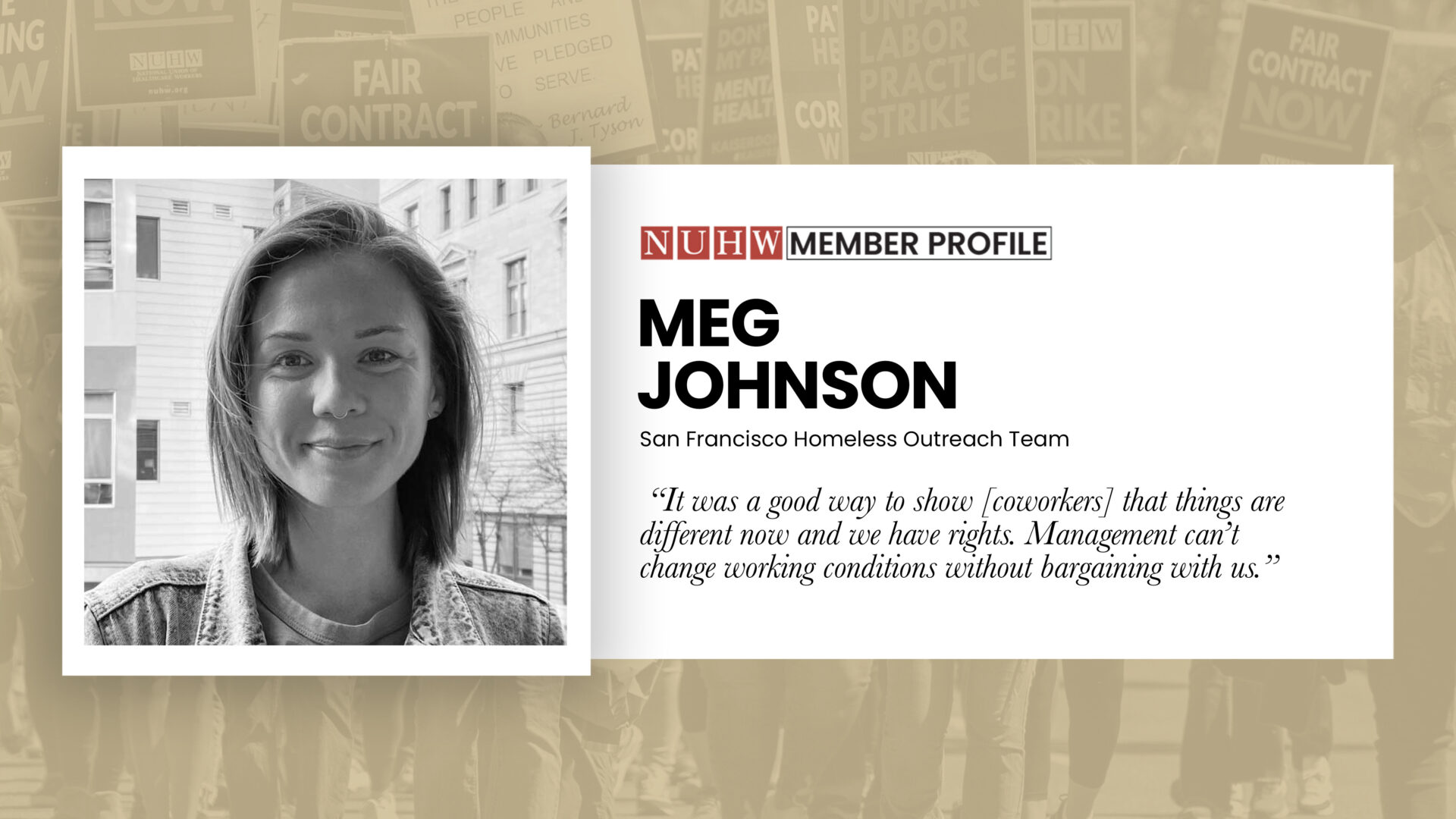
Meg Johnson couldn’t help one of her uncles, who lived much of his adult life on the streets, but she is making a difference for a lot of unhoused San Franciscans.
“I love working in intensive care management and establishing intimate relationships with people who have been failed by most assistance,” said Johnson, who has been part of the San Francisco Homeless Outreach Team (SFHOT) for over two years. “It’s amazing to see their transformation when you work with them.”
The work is challenging and emotionally rewarding, but Johnson and her coworkers can barely afford rent themselves. Although they serve San Francisco’s most vulnerable residents, they don’t work for the city. As employees of Heluna Health, an organization that contracts with San Francisco, they receive far inferior wages and benefits even though they’re on the front lines of addressing the city’s homelessness crisis.
“We didn’t have any job security; we didn’t have a say in anything, and we were having to make changes on the fly all the time,” said Johnson, explaining why she and her coworkers, several of whom faced homelessness themselves, started organizing.
“I was watching a lot of my coworkers get burned out, relapse, leave or be fired. “We felt that our program was failing us because we didn’t have enough internal support.”
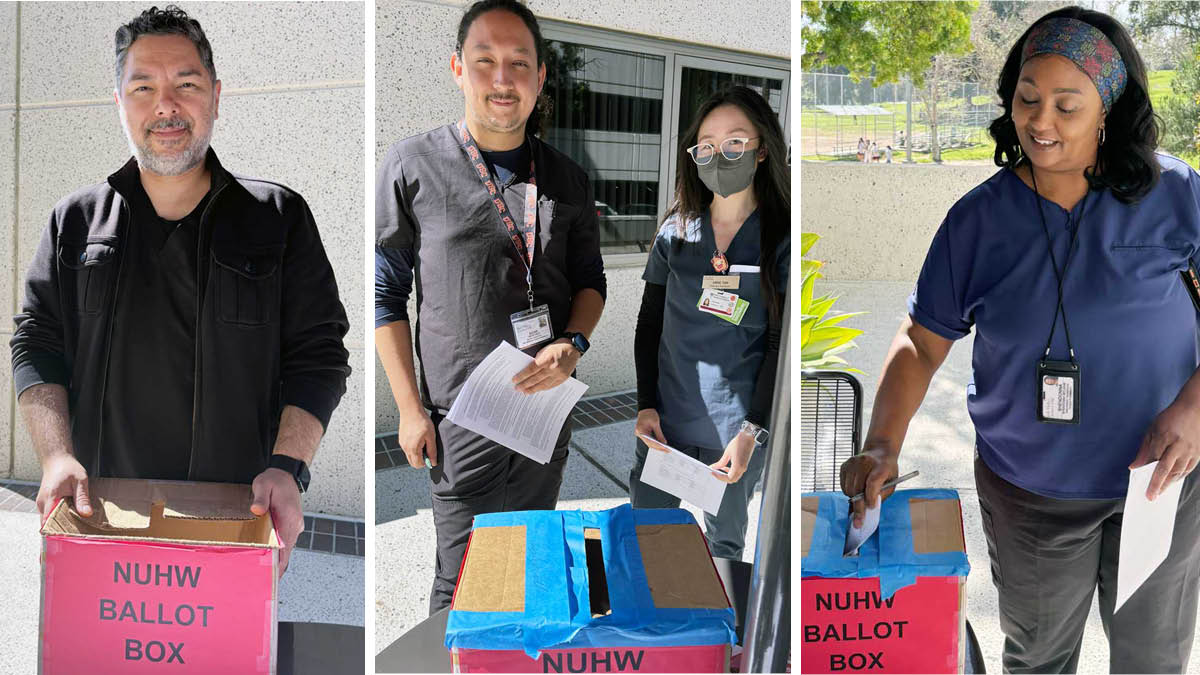
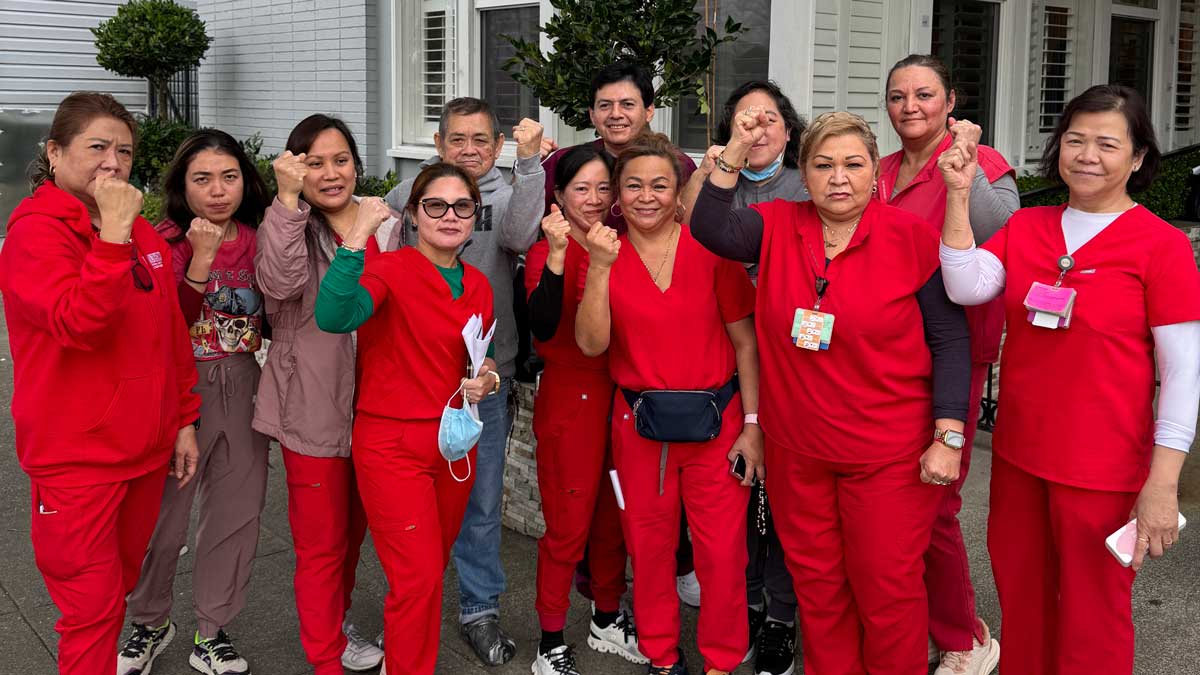
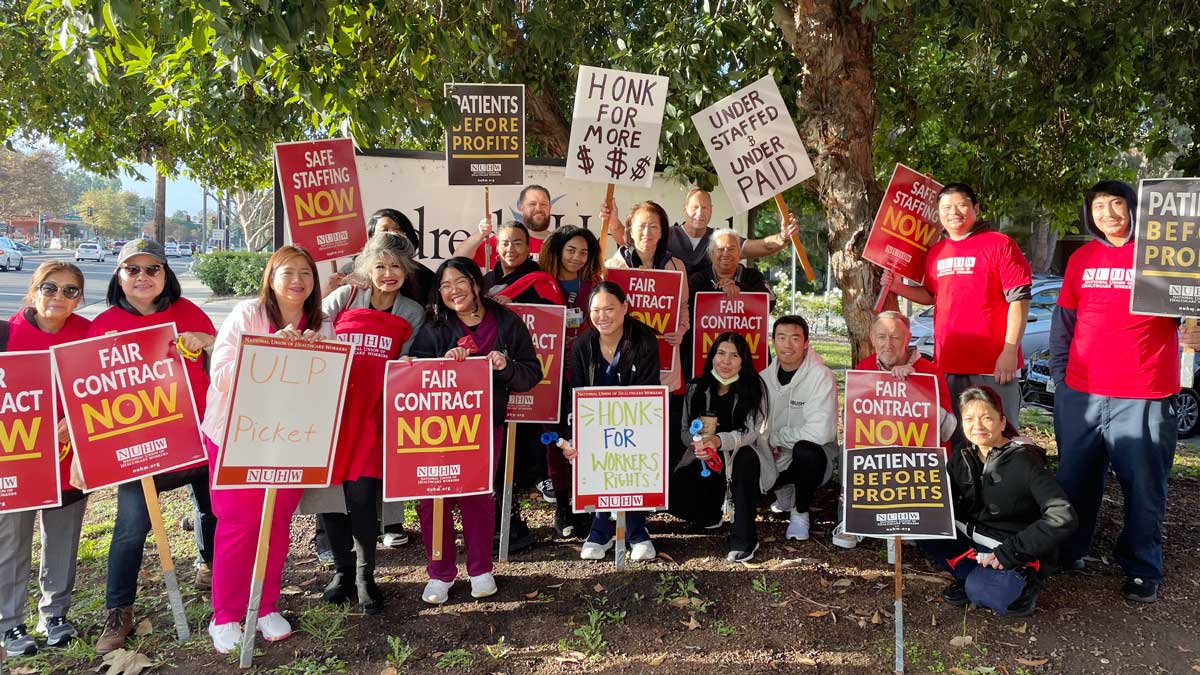
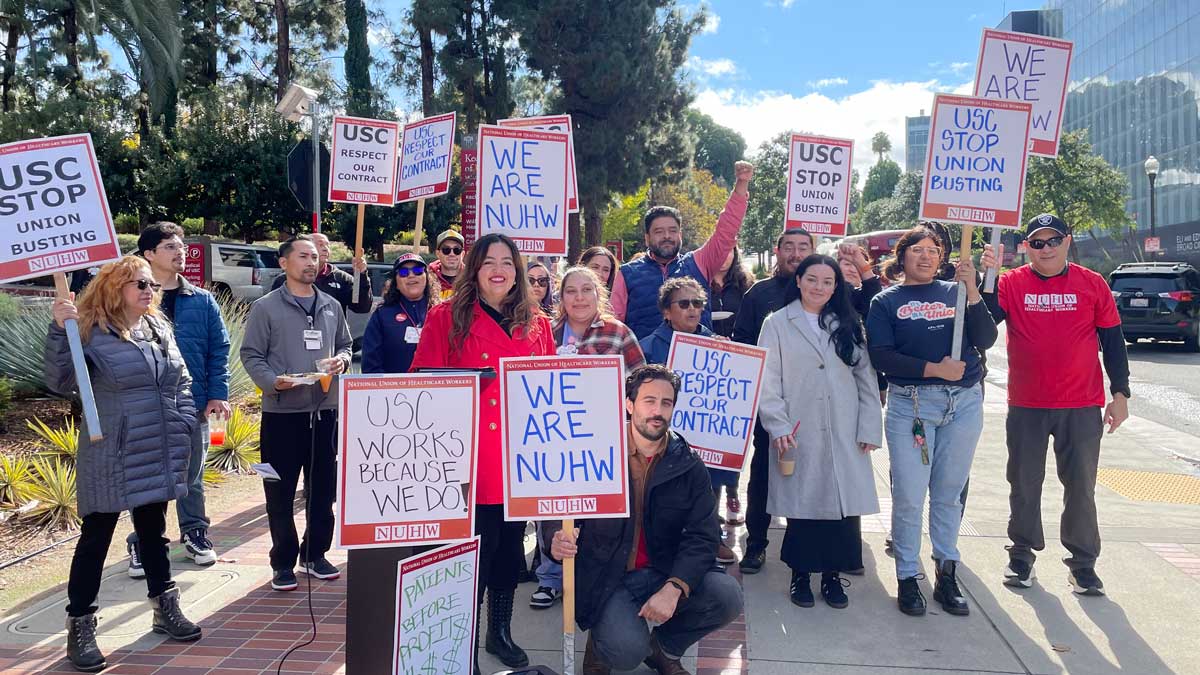
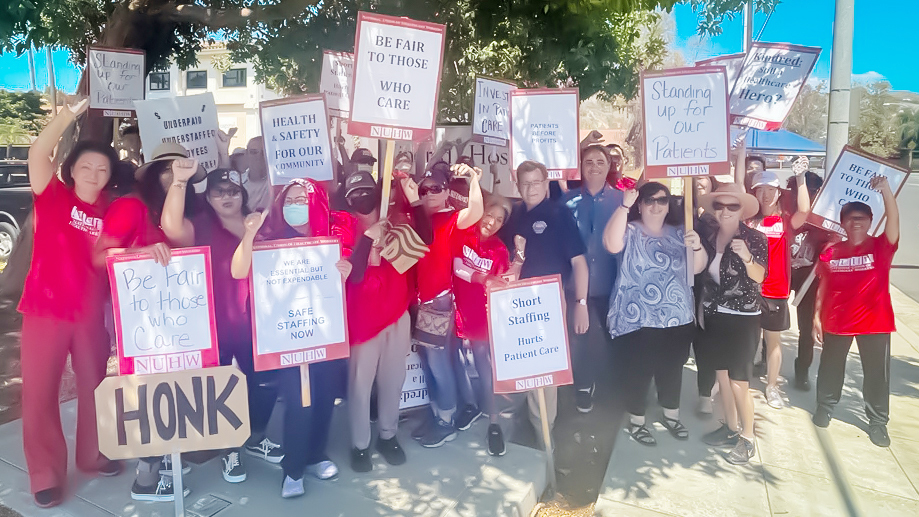
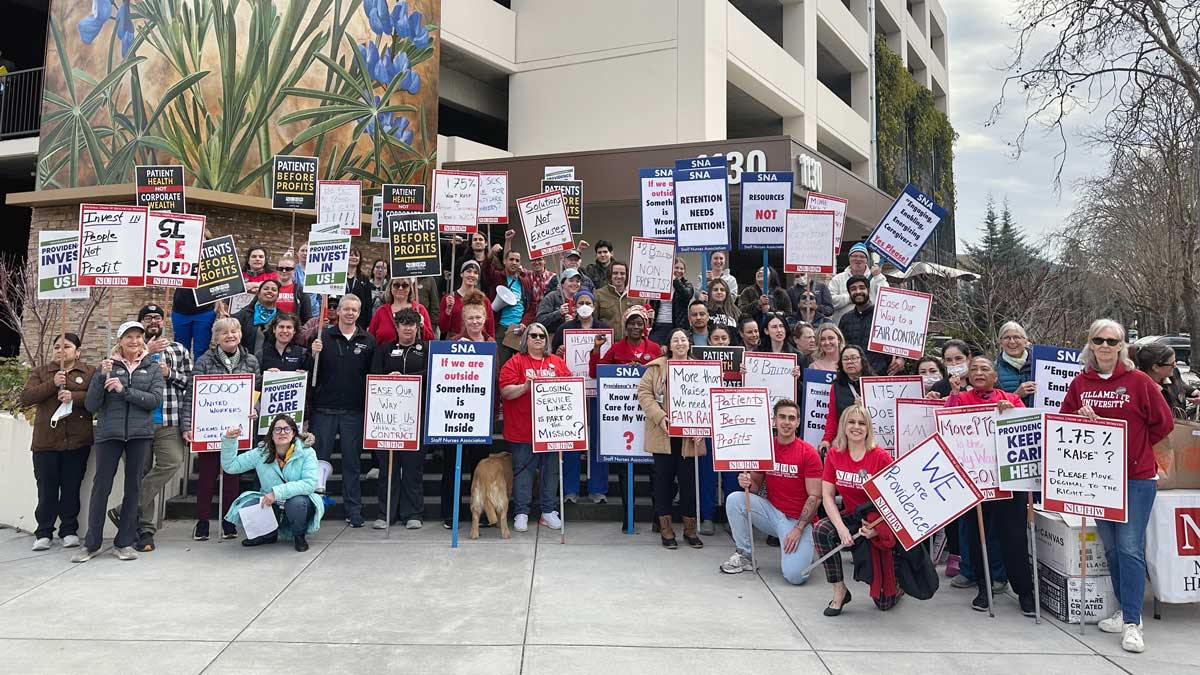
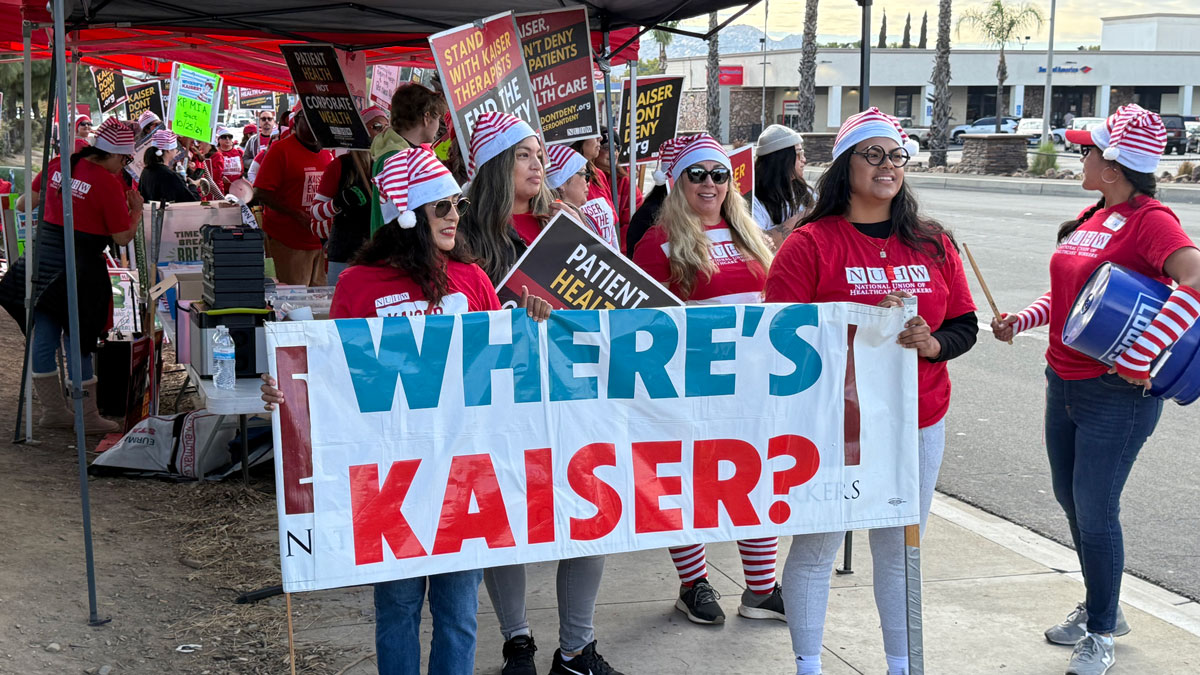
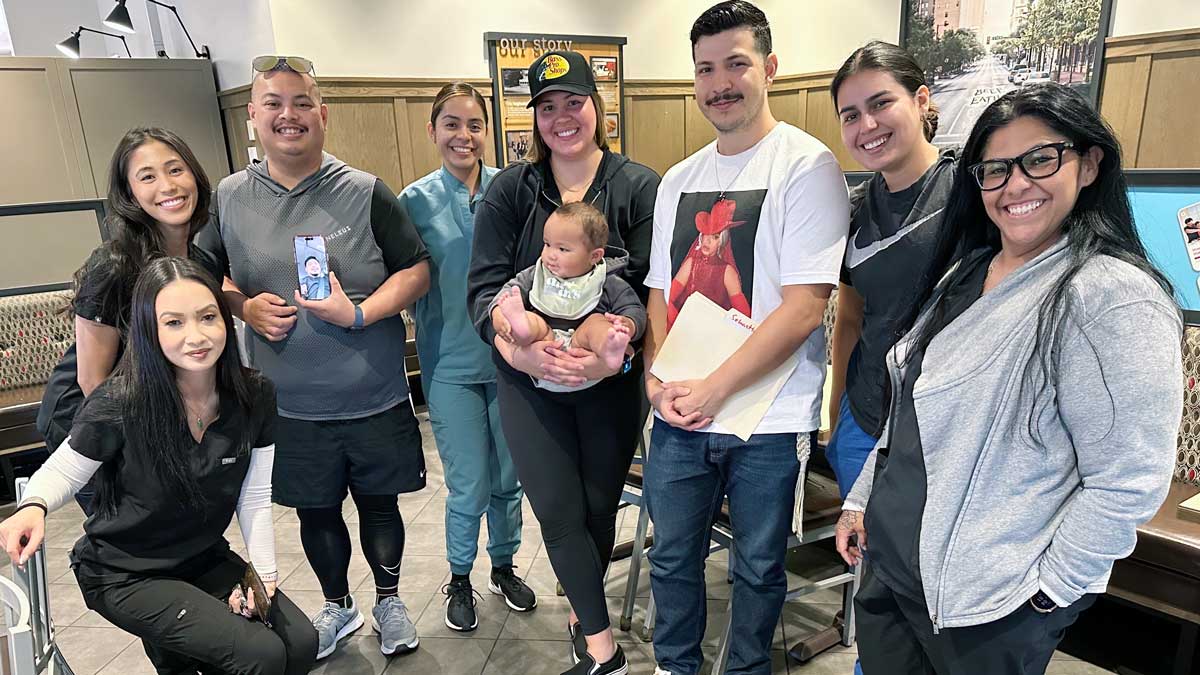
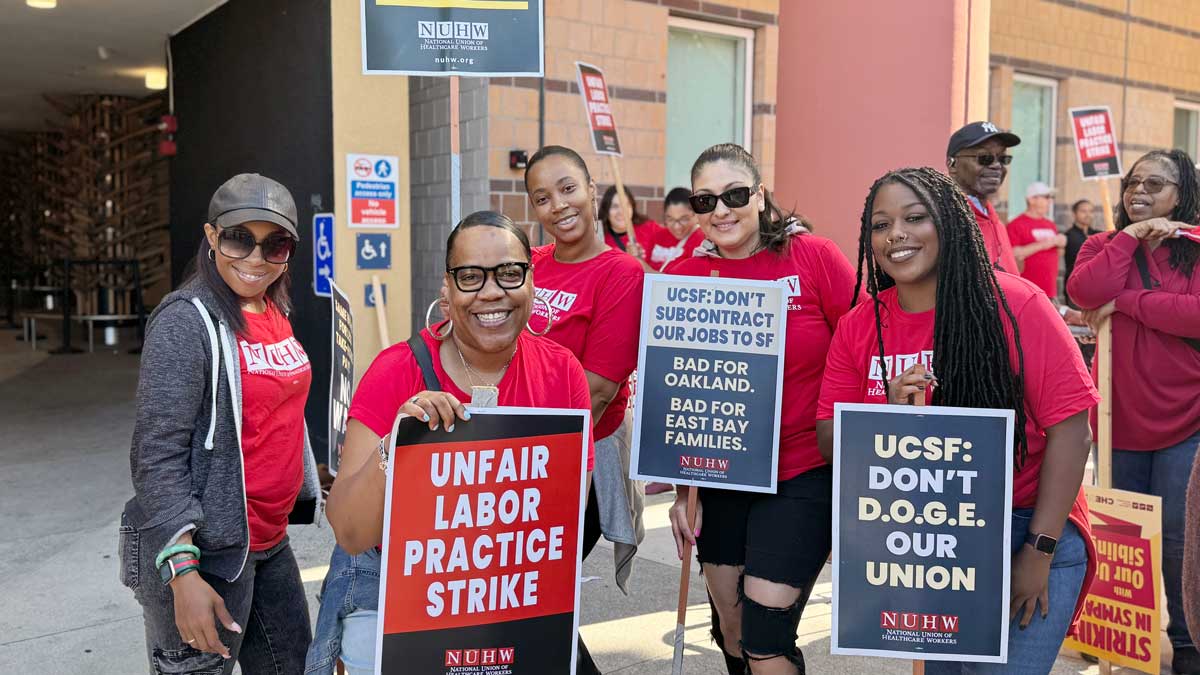
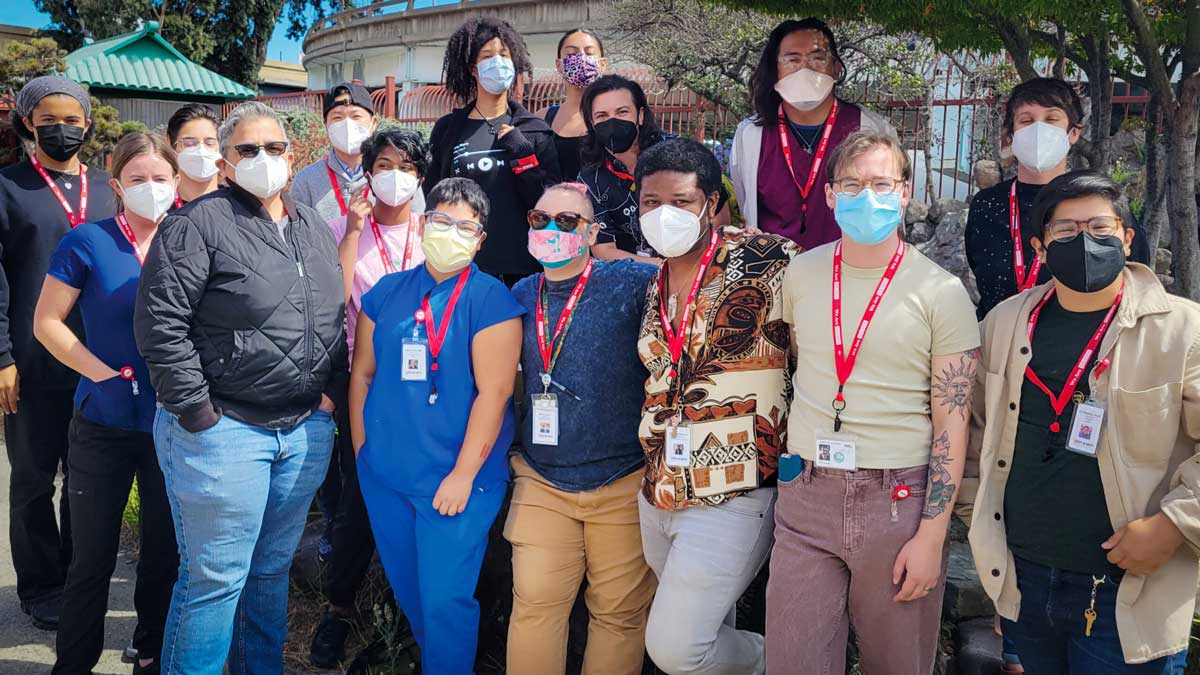
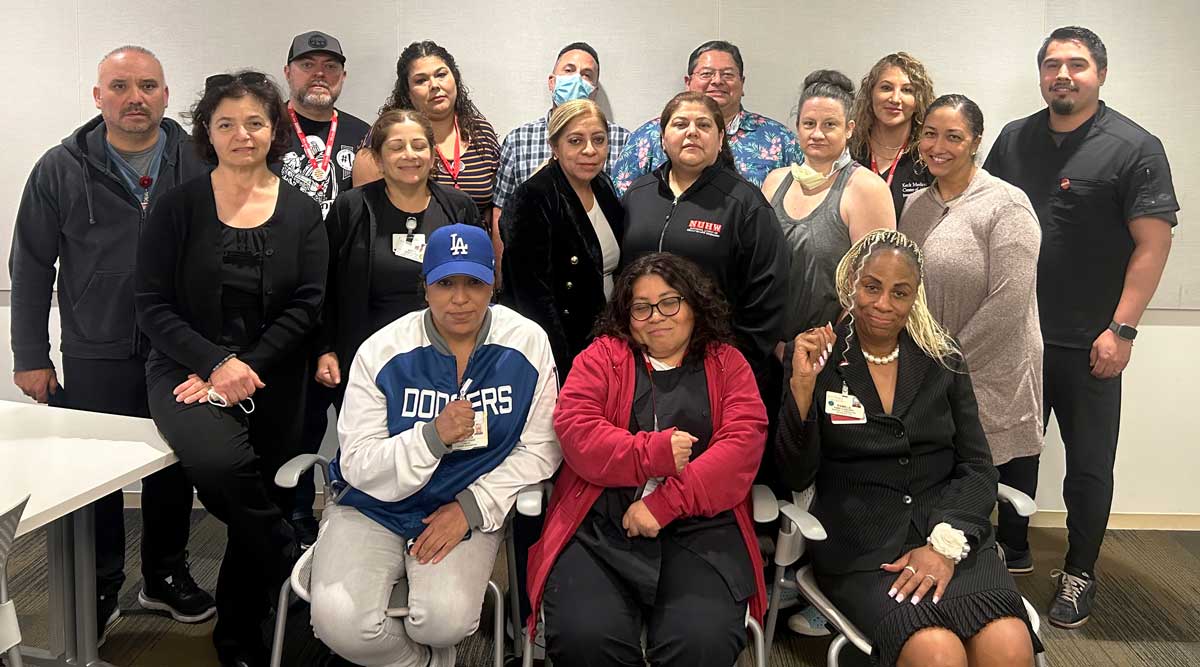
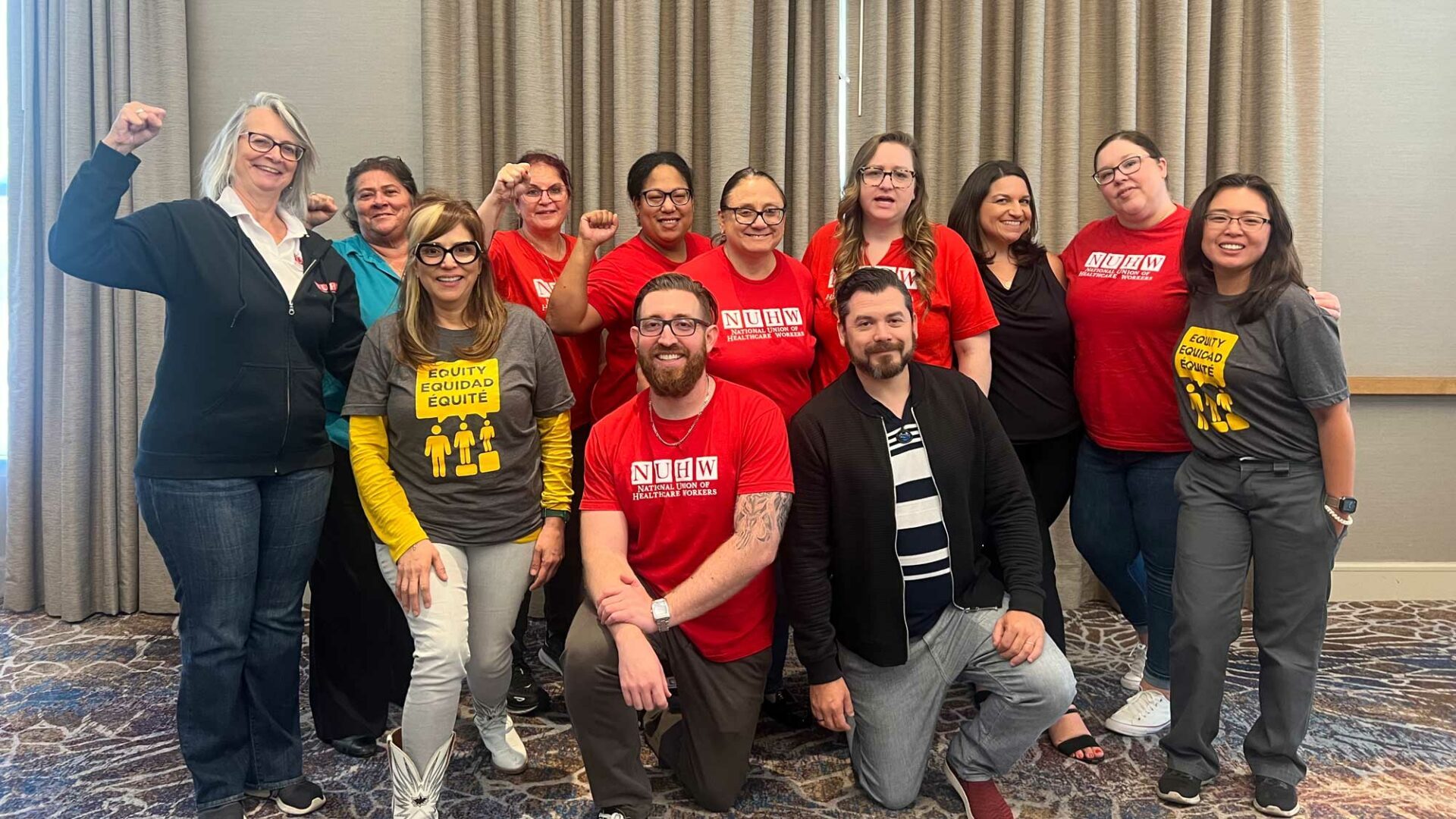
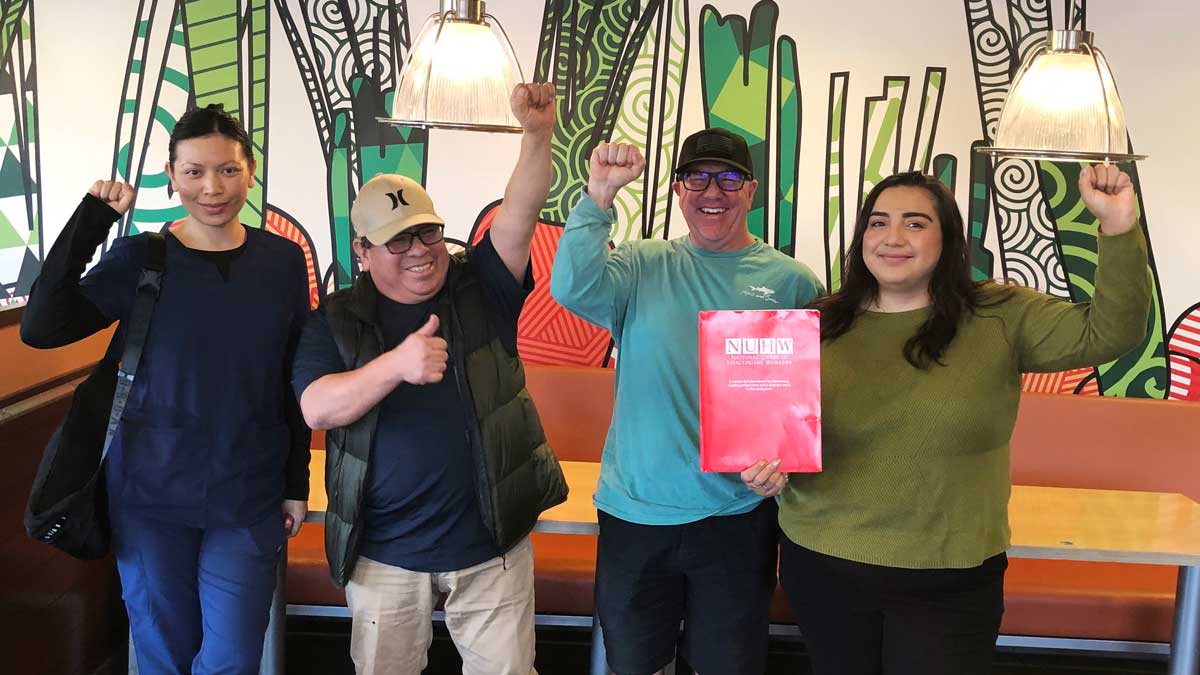
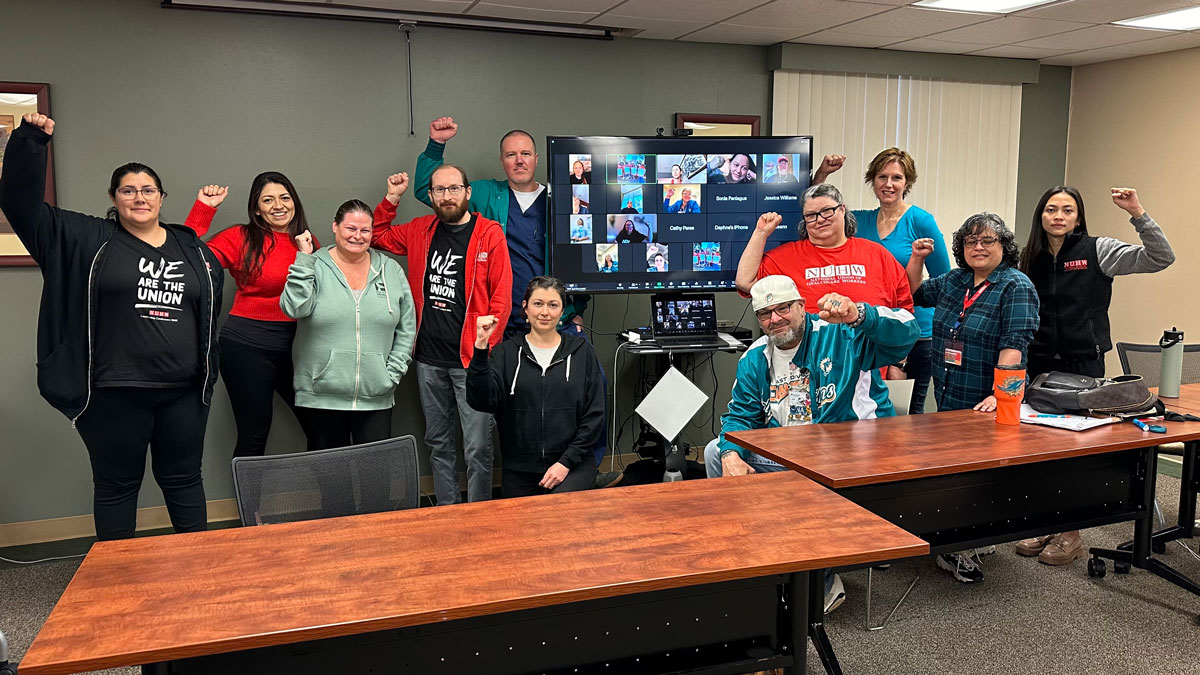
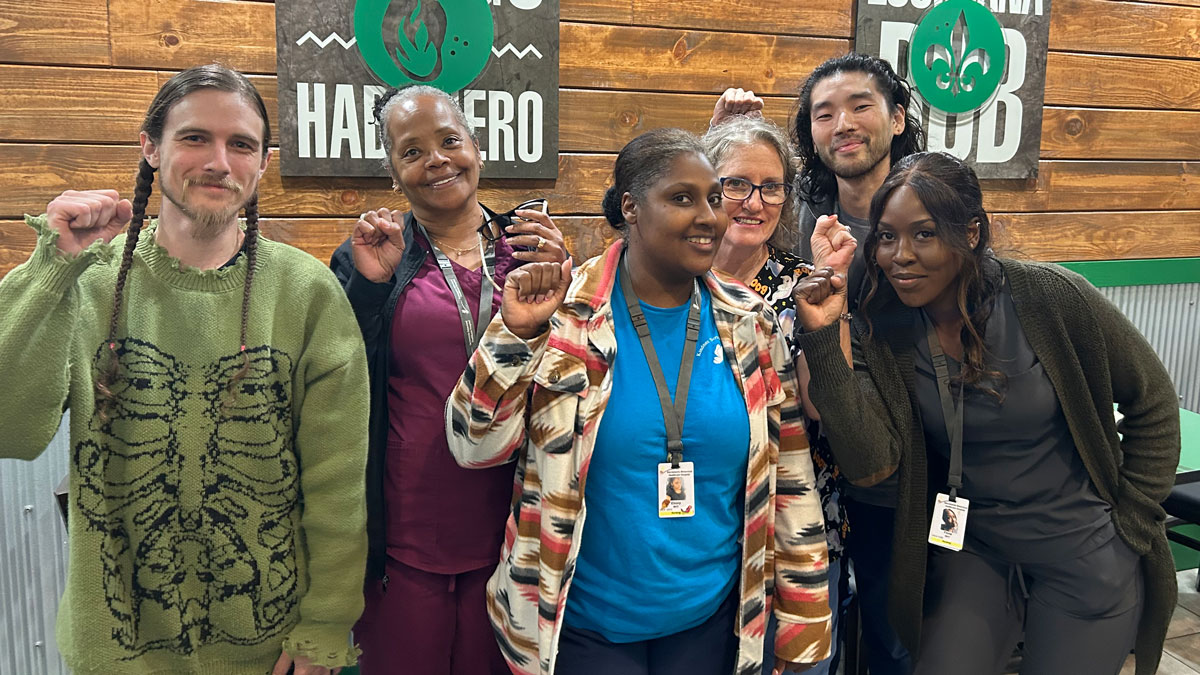
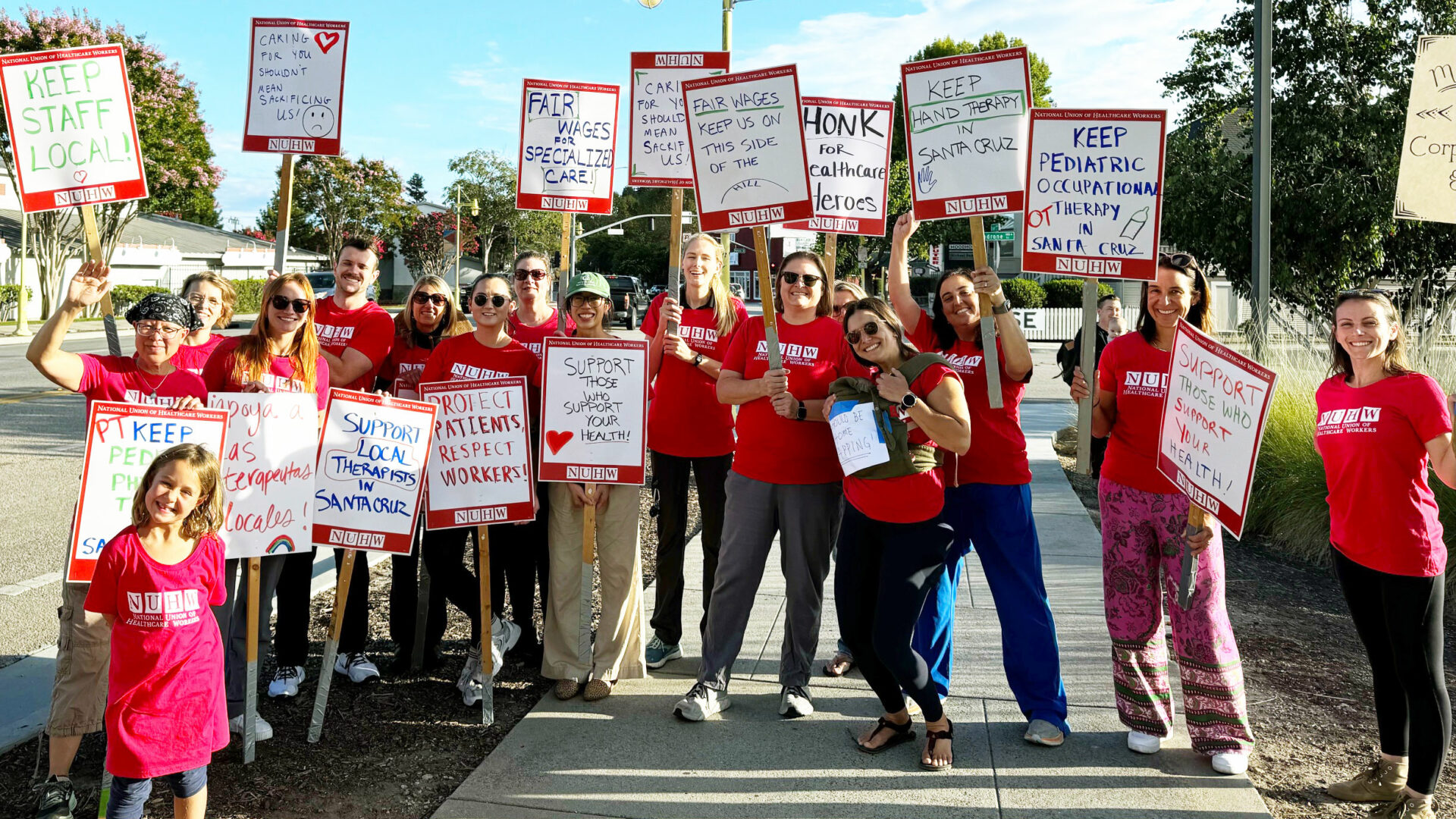
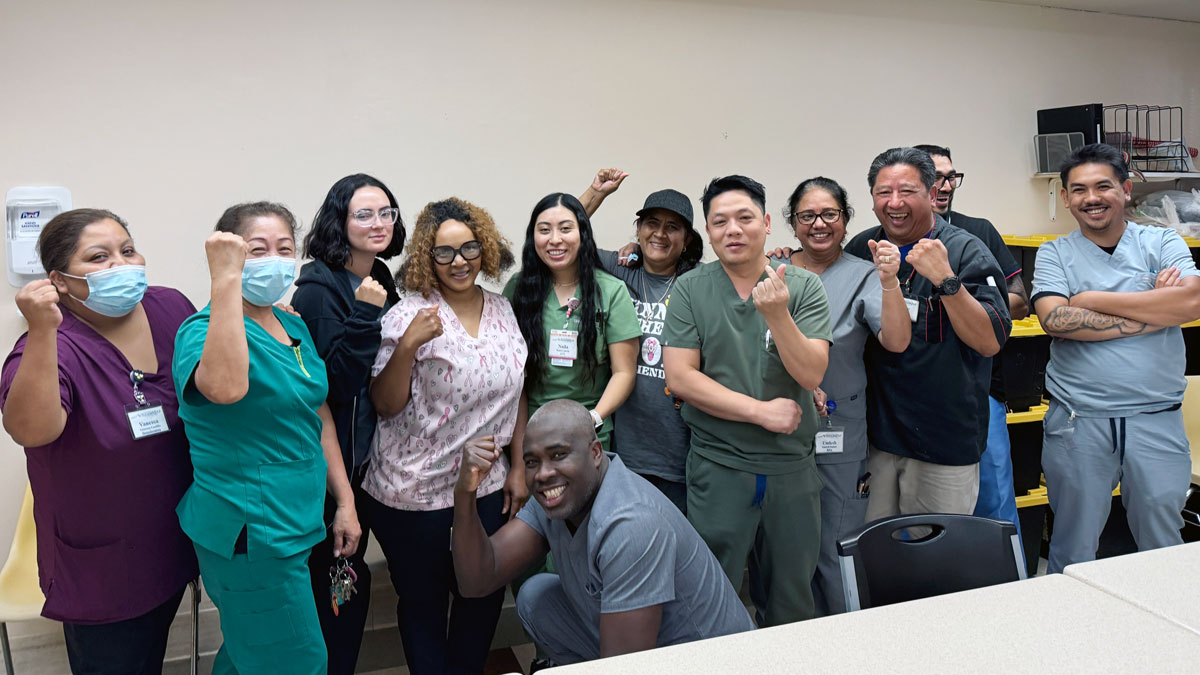
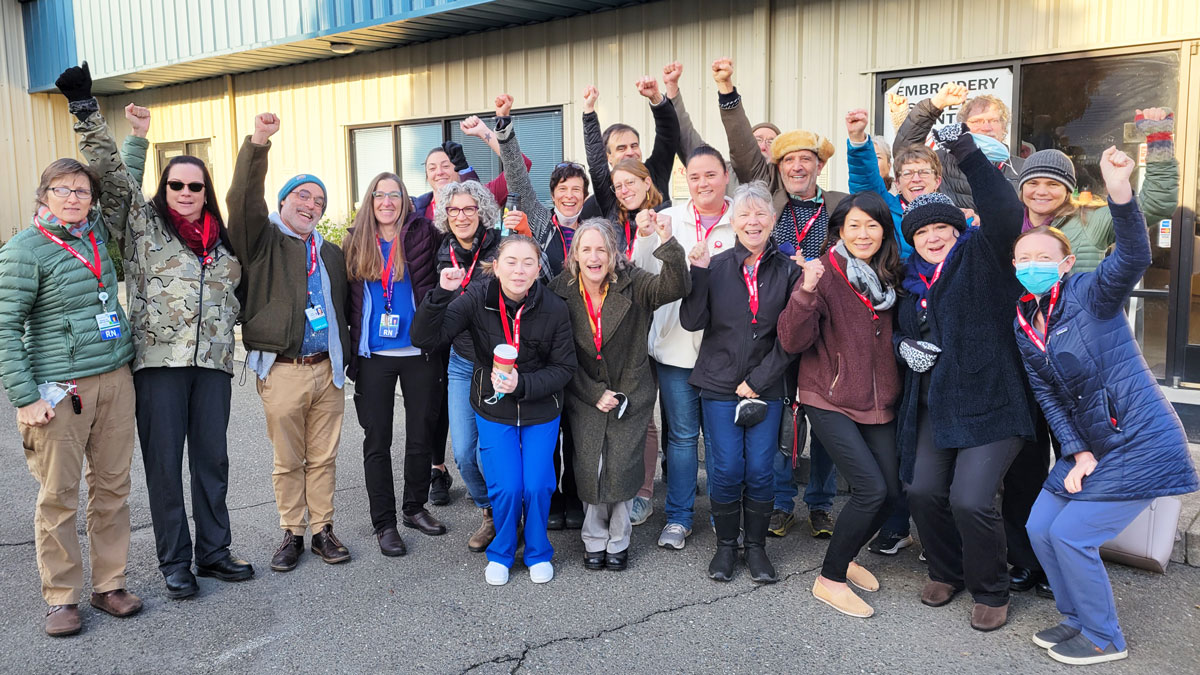
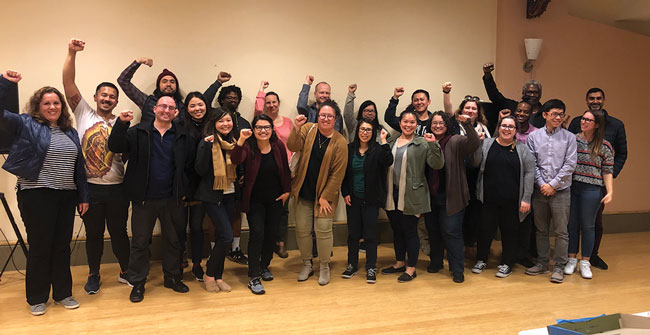
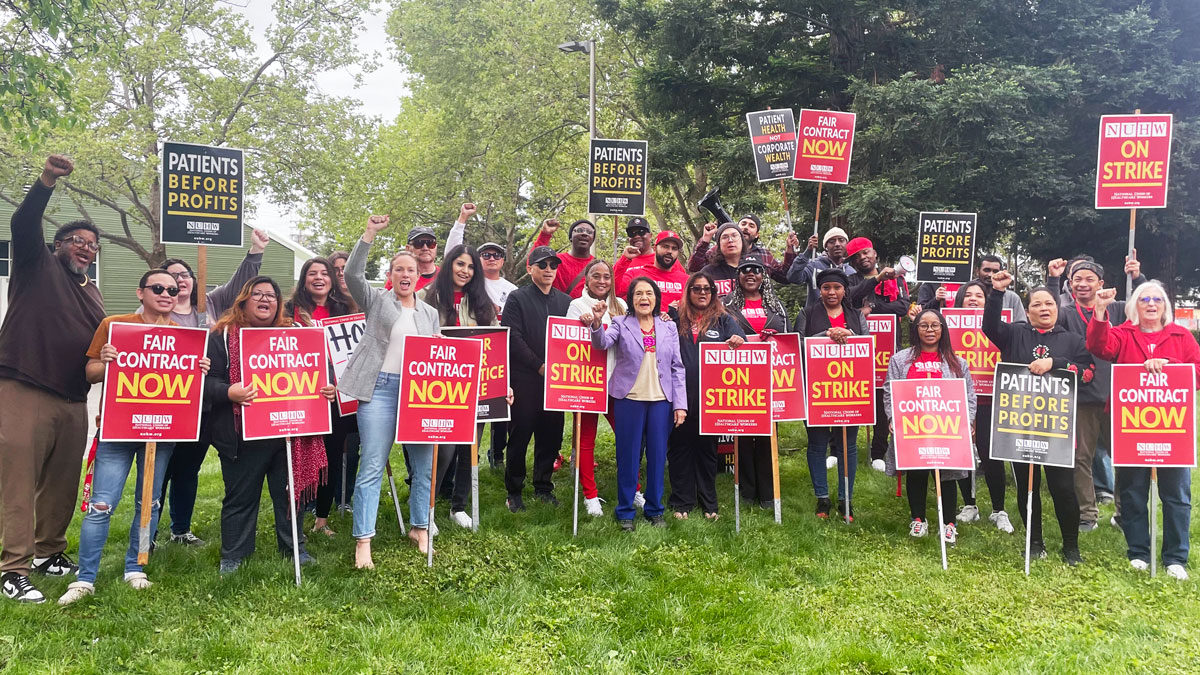
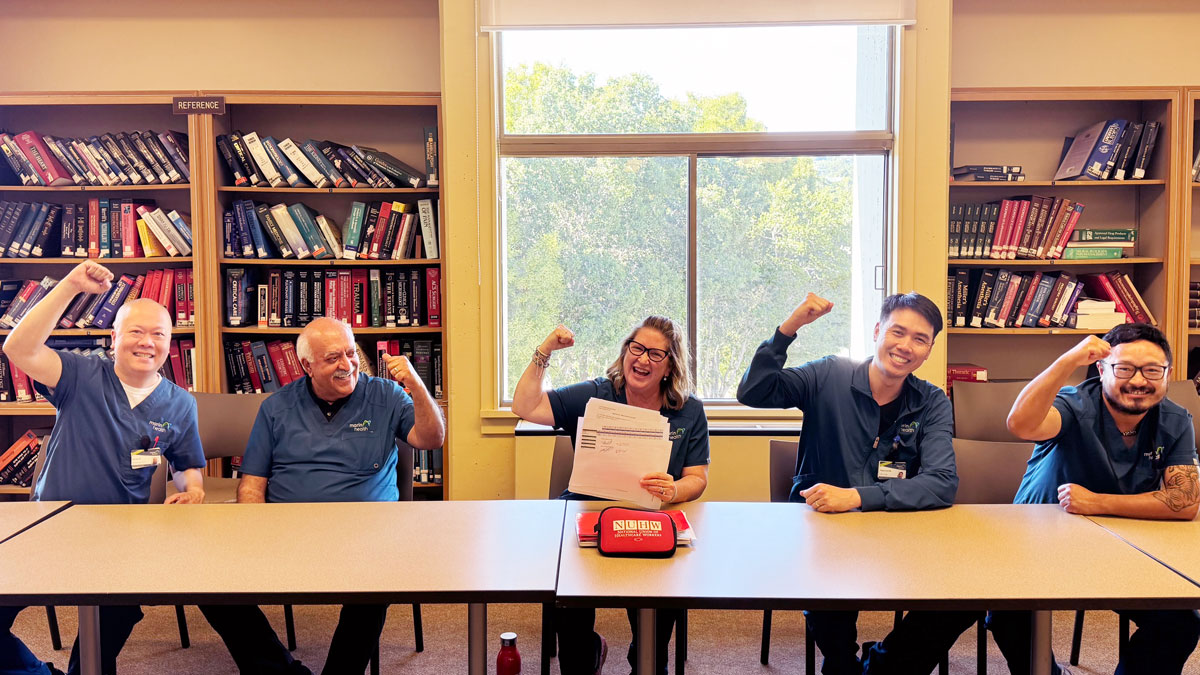
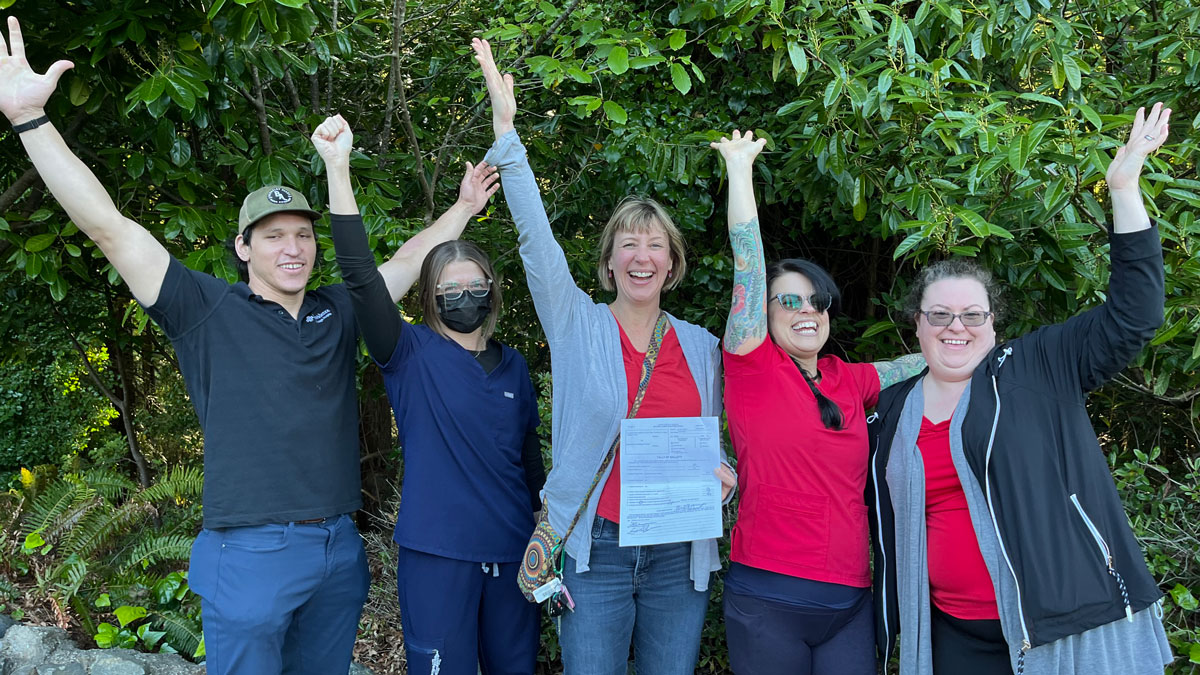
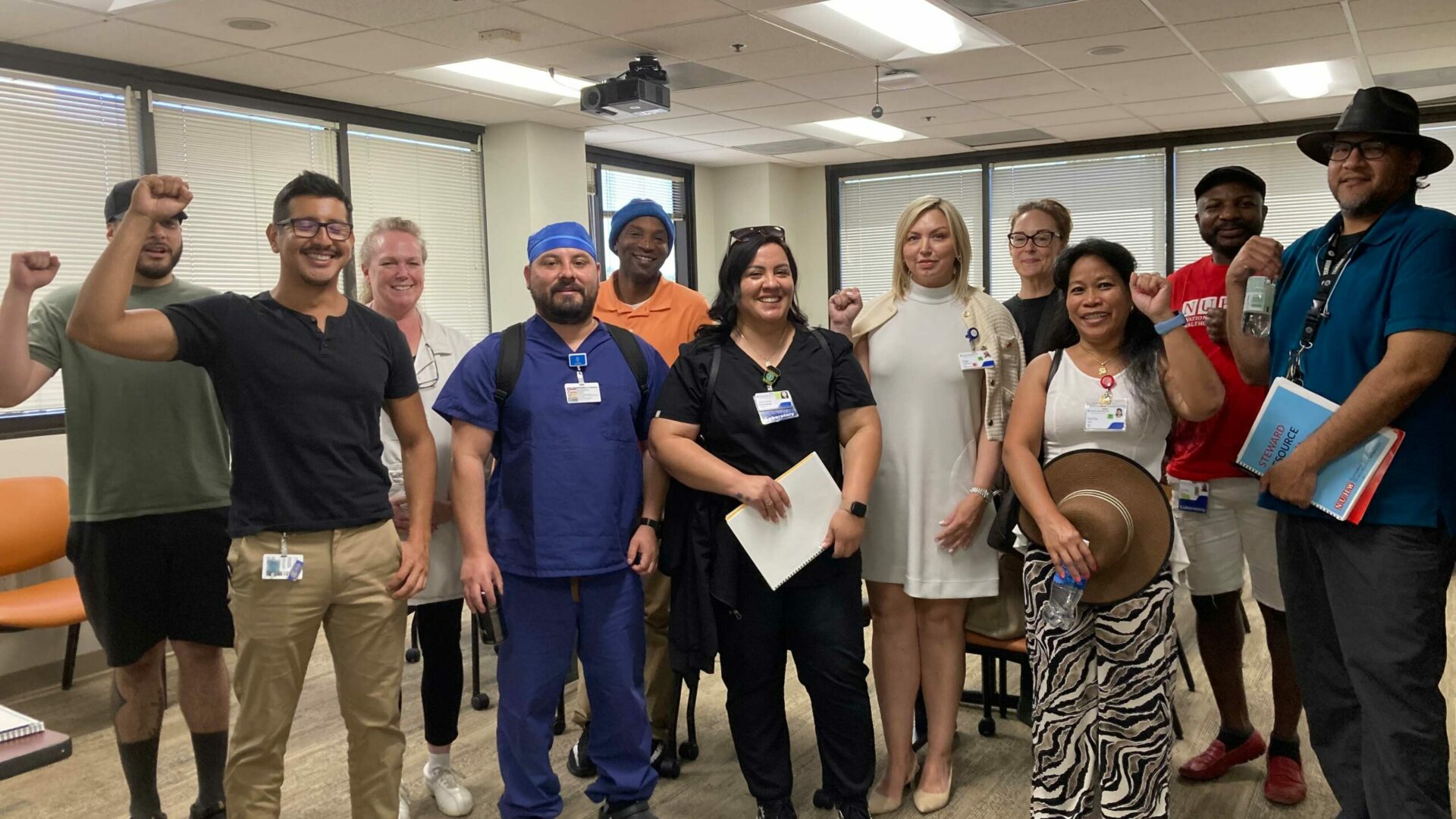
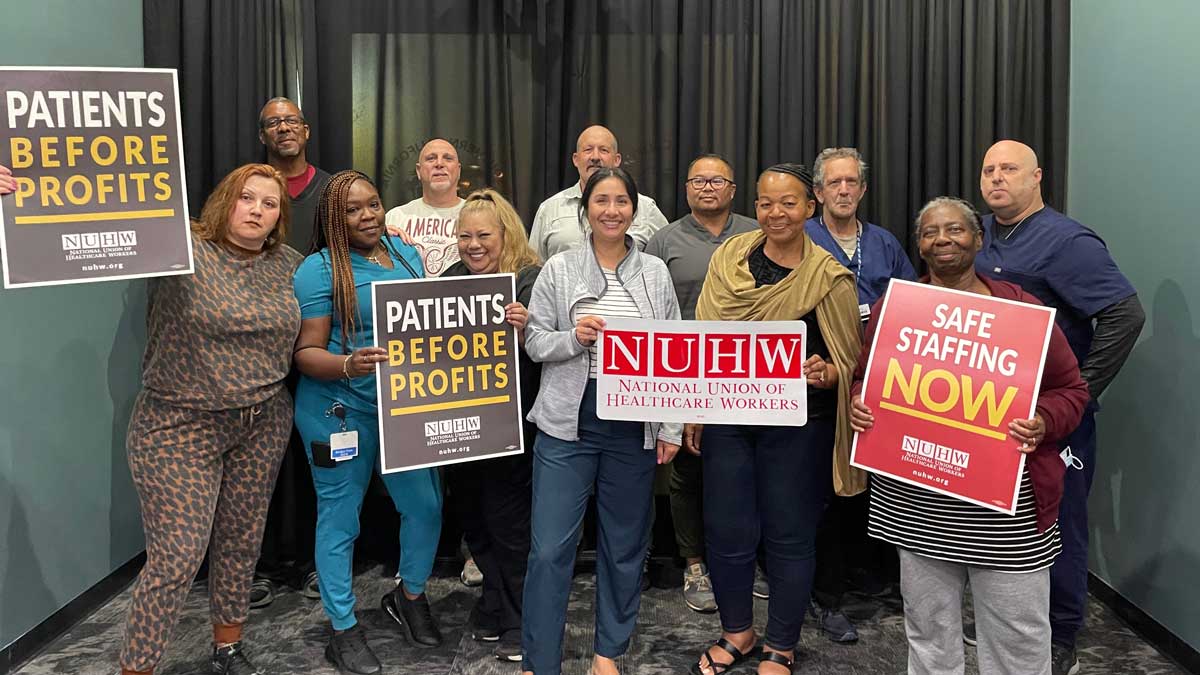
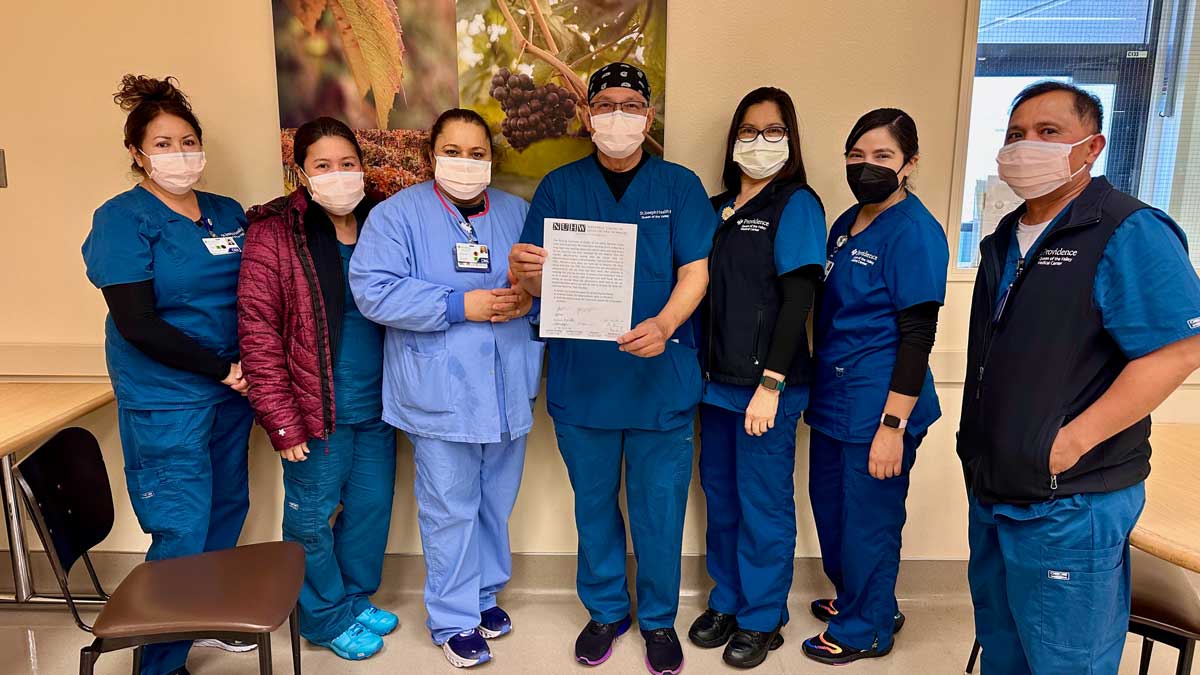
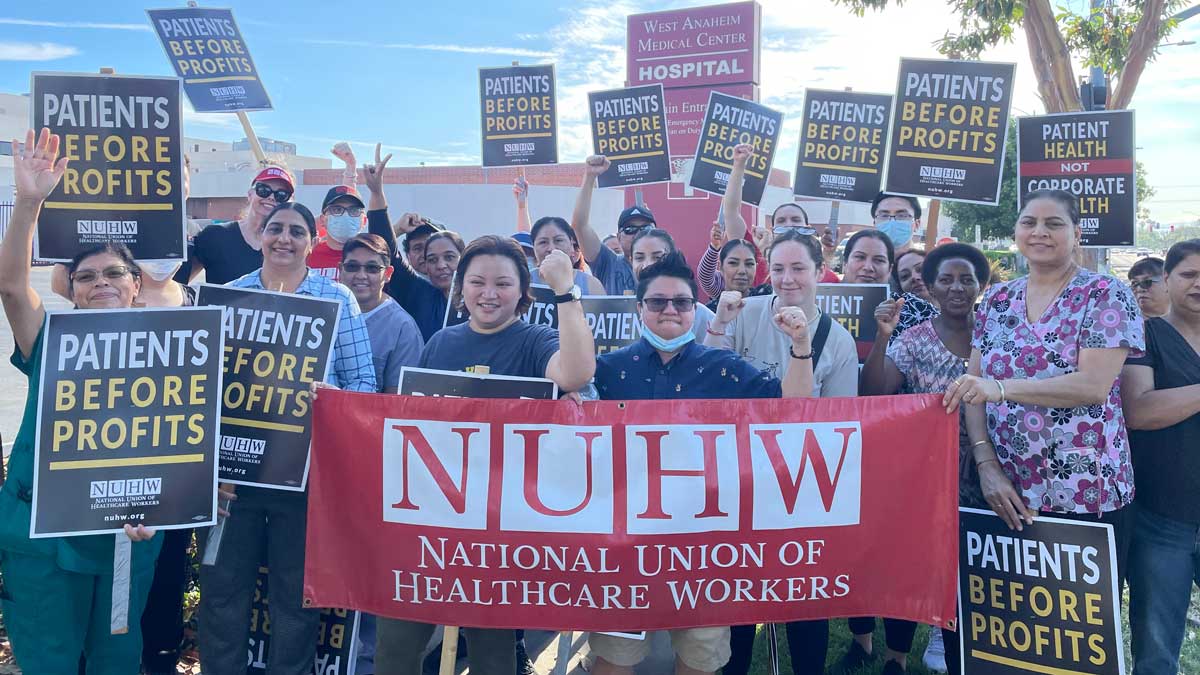
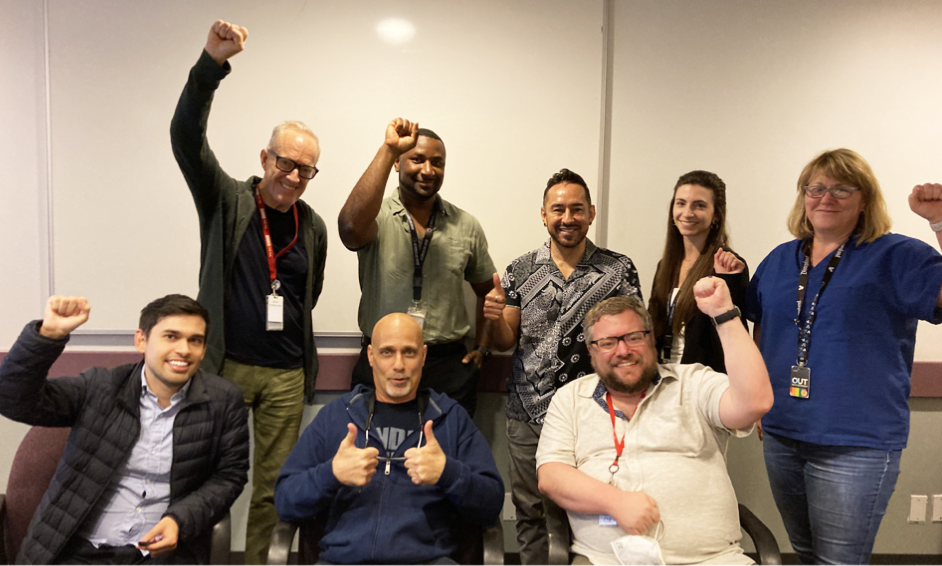
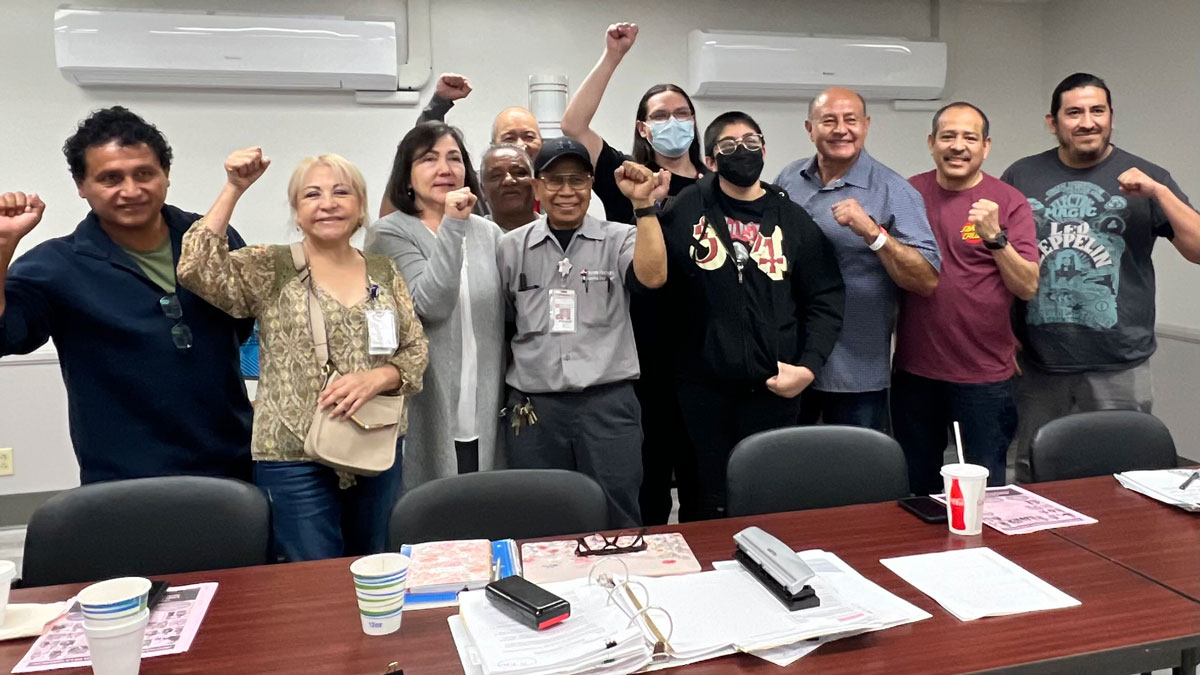
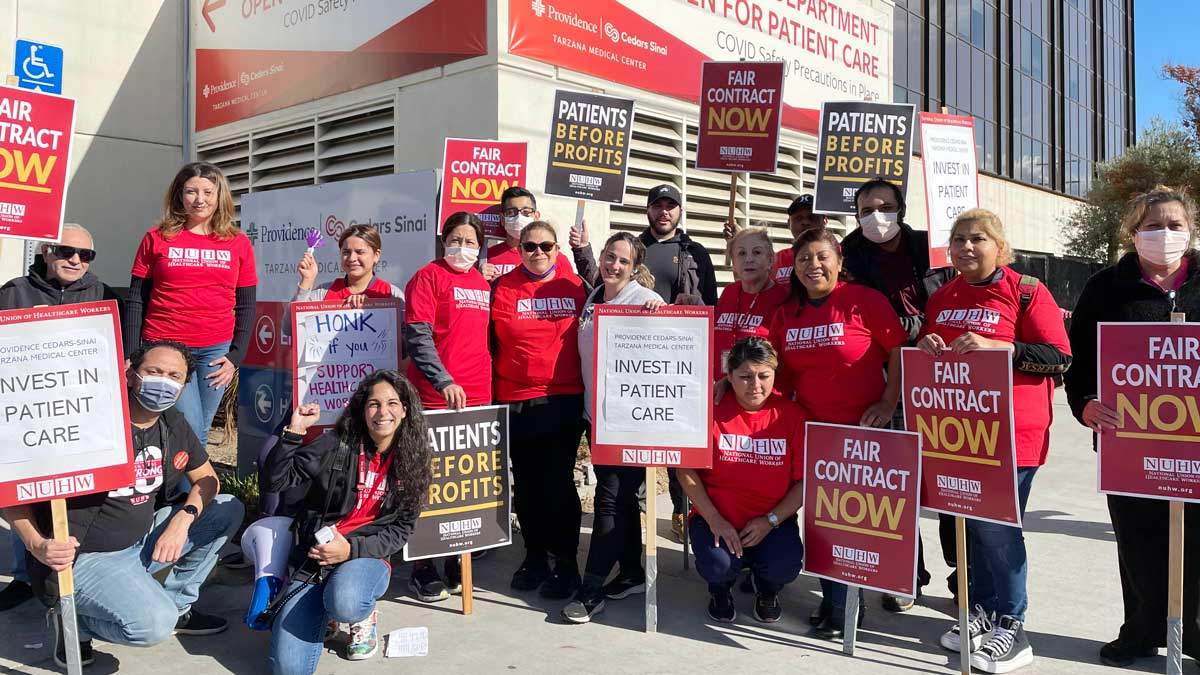
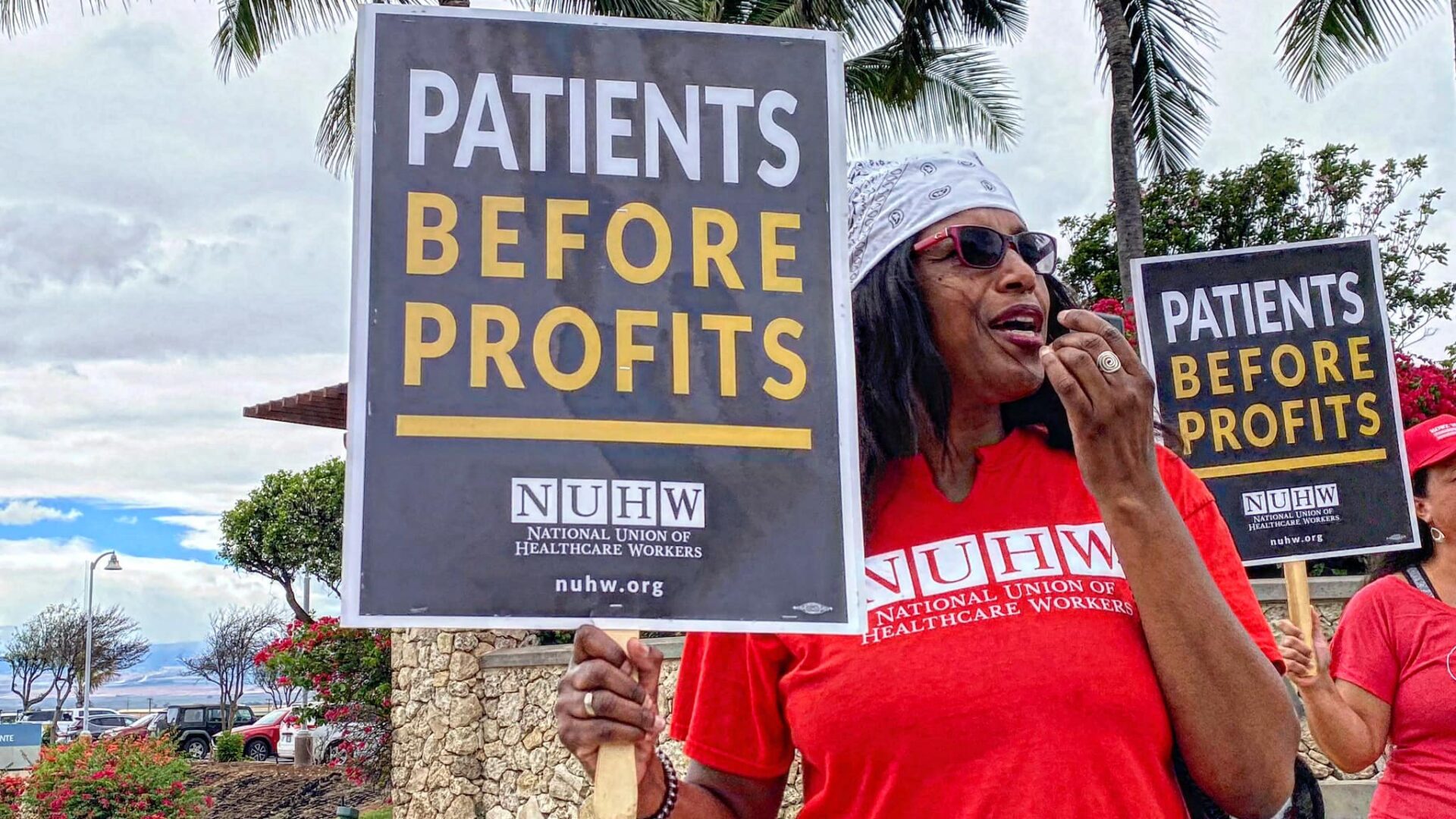
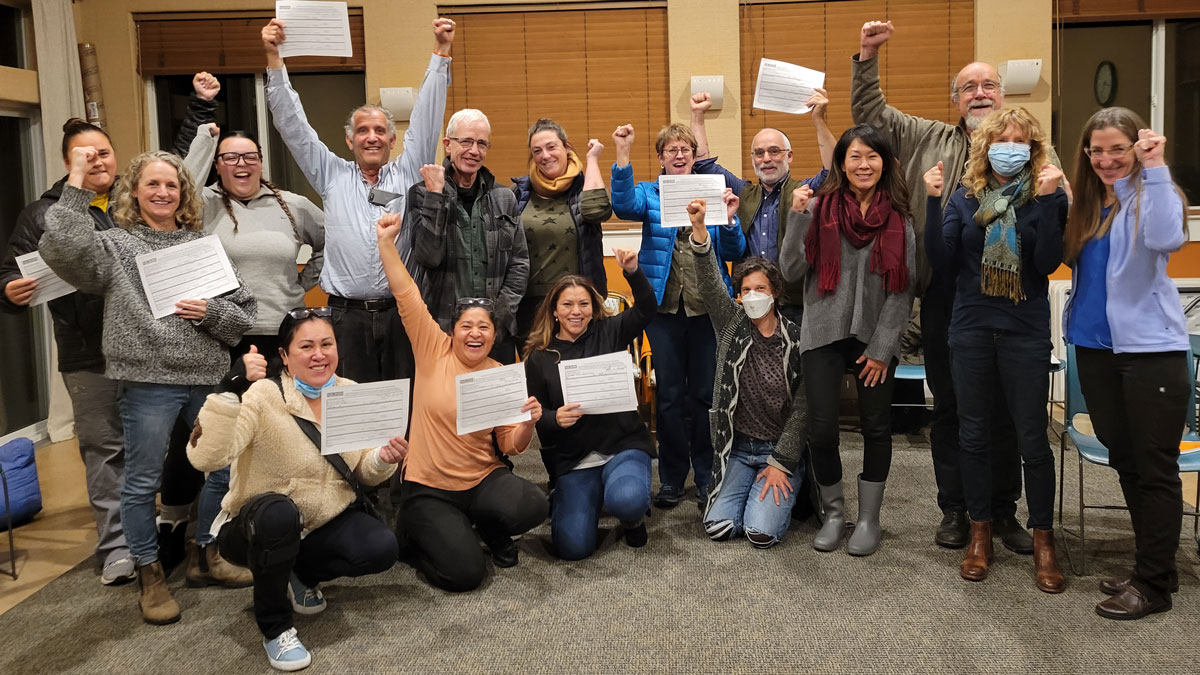
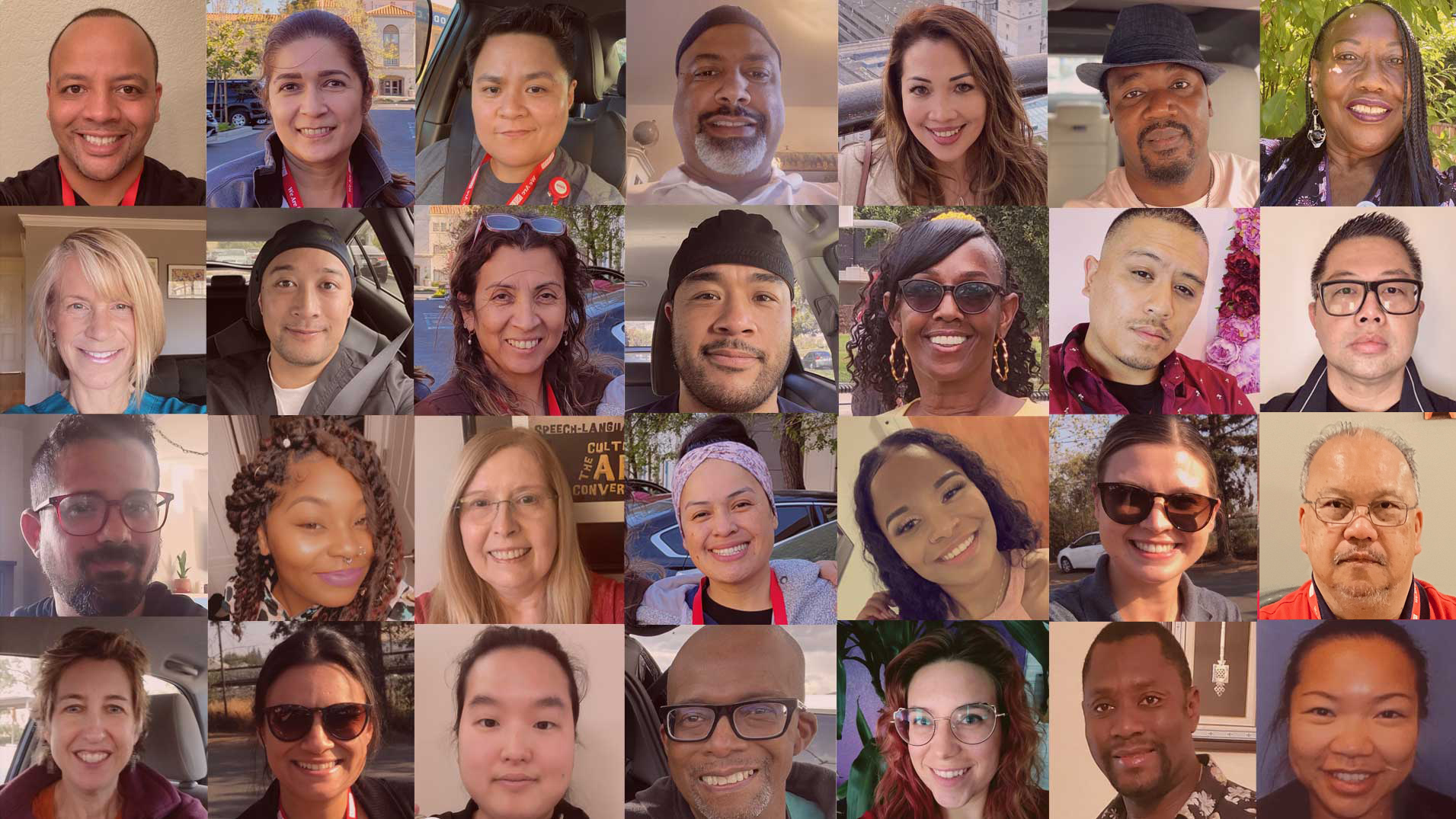
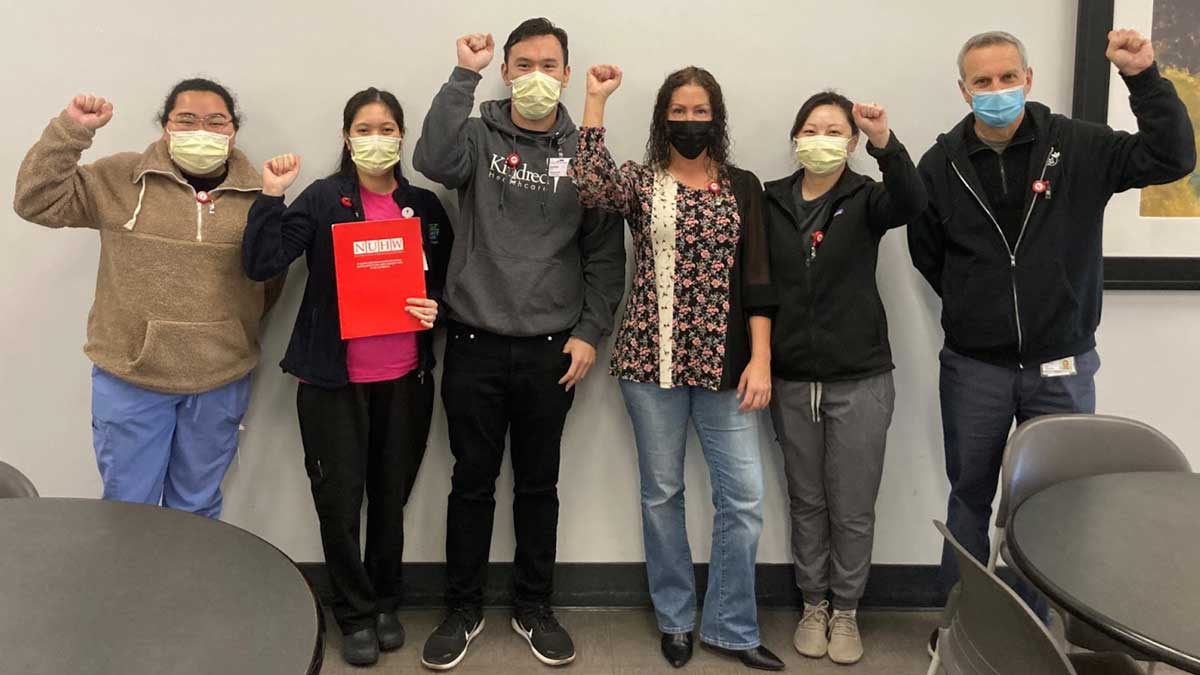
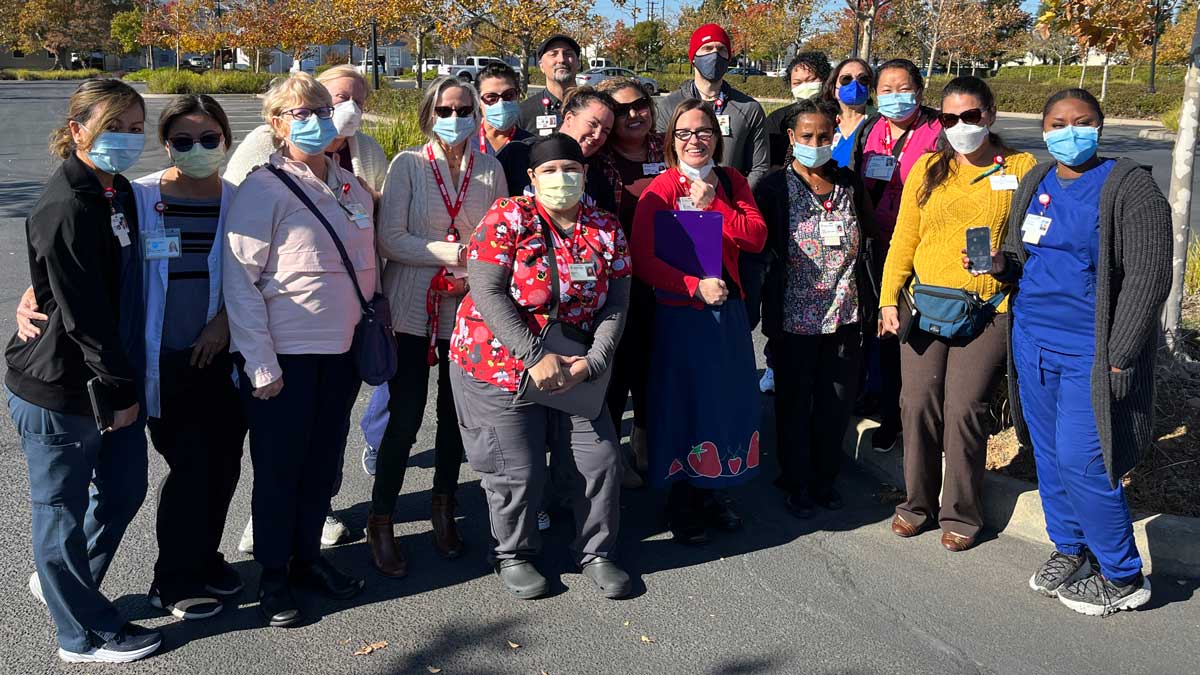
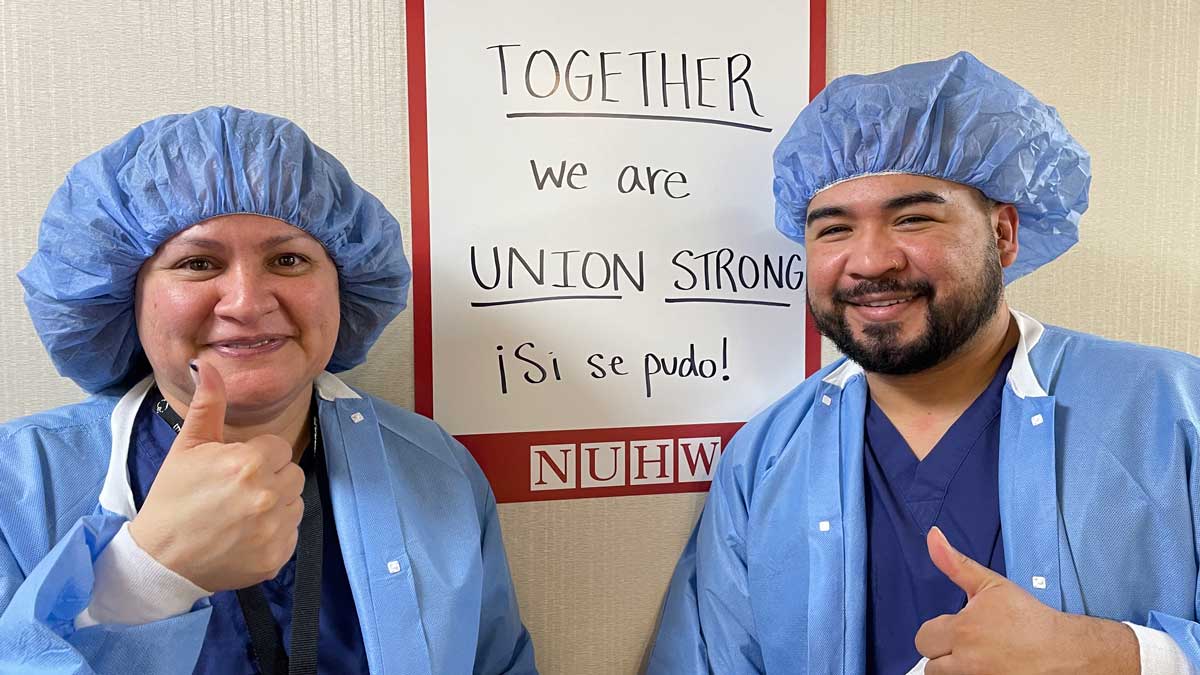
Last August, Johnson and her 55 co-workers voted to join NUHW, and they are already notching victories.
In January, they were scheduled to participate in the biennial “Point-in-Time Count” of homeless individuals, a federal funding requirement. Instead of a nightly count, they were told (with one week’s notice) that they would start work that day at 5 a.m. Participation was mandatory, with no incentives, and it was unclear whether they’d work a full day.
“These were big changes in our work hours, and we didn’t think it was fair,” said Johnson. “And there was no regard for those who use public transportation.”
“We said, ‘we’re unionized employees now, we have to push back,’” Johnson recalled. “We demanded to negotiate the terms of this mandatory shift.”
Their pushback worked. They won $30 towards transit reimbursement, an additional four hours of PTO (paid time off), and full compensation for the workday.
“Our coworkers were happy to get something, and it was a good way to show them that things are different now and we have rights,” Johnson said. “Management can’t change working conditions without bargaining with us.”
That, she’s learned, is one of the advantages of being in a union.