Kaiser is paying over $230 million in mental health penalties, yet the HMO is using A.I. to replace the work of therapists and reduce the quality of patient care
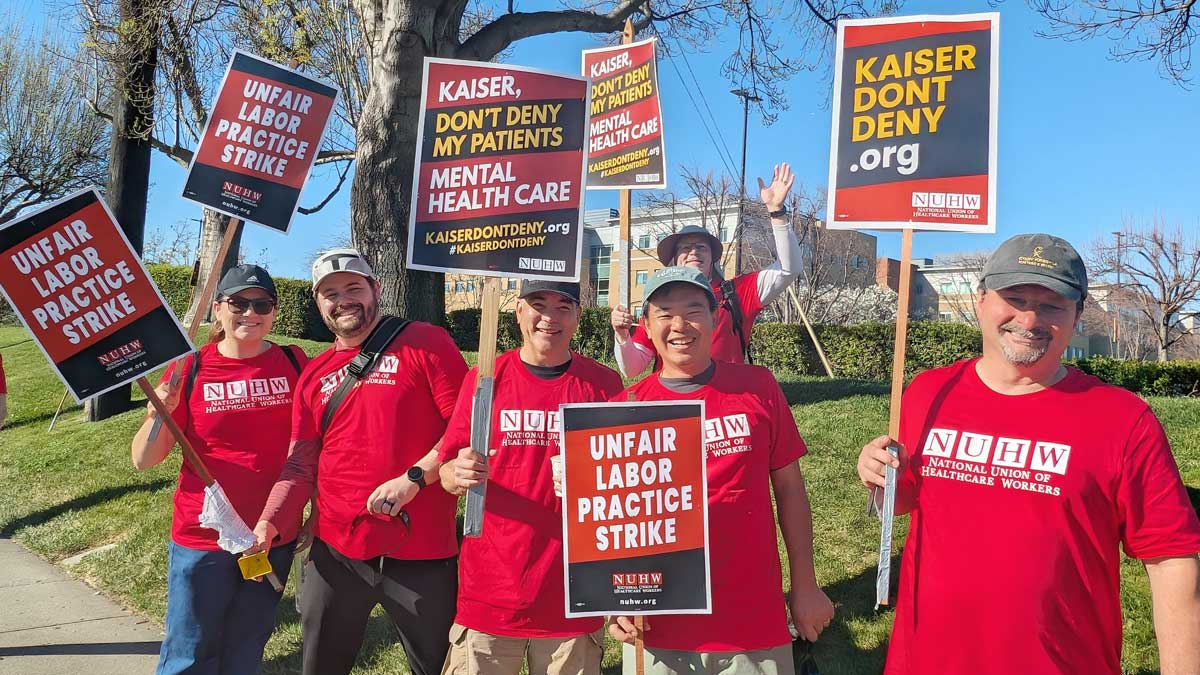
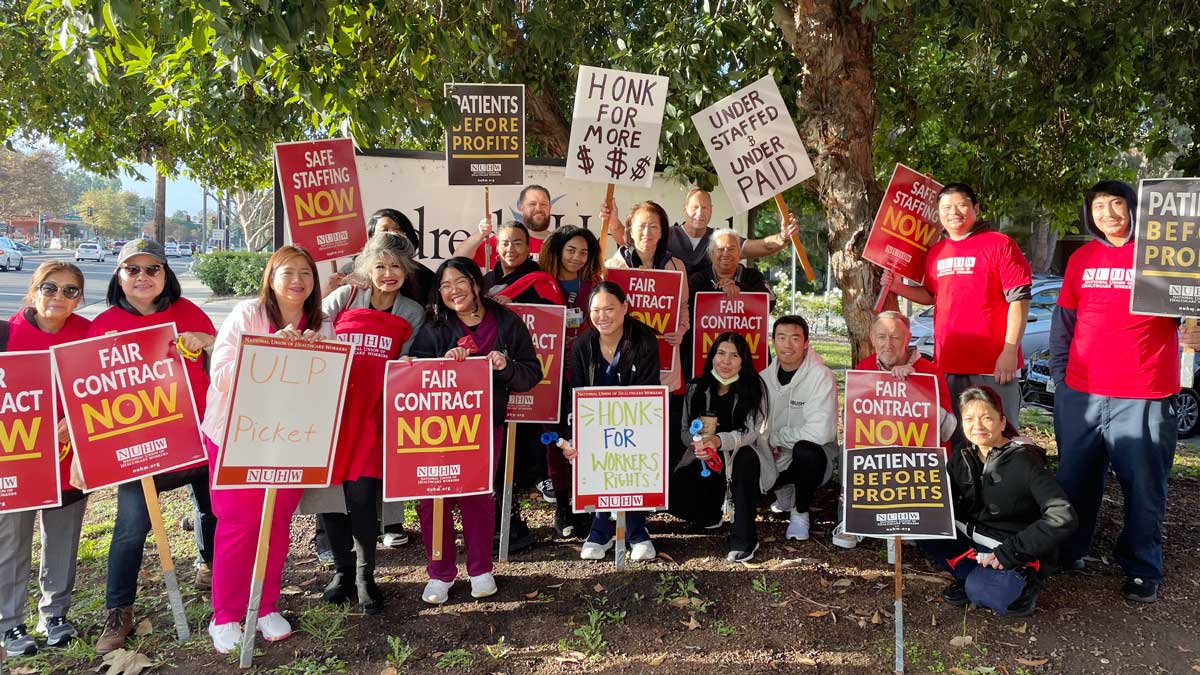
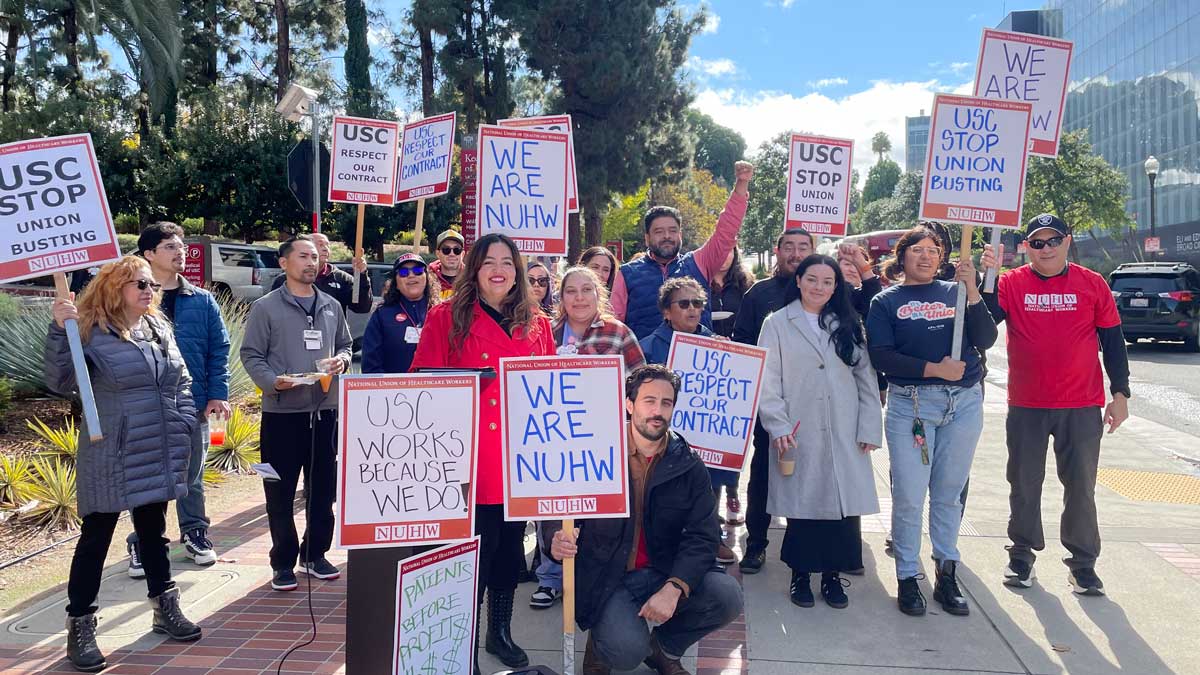
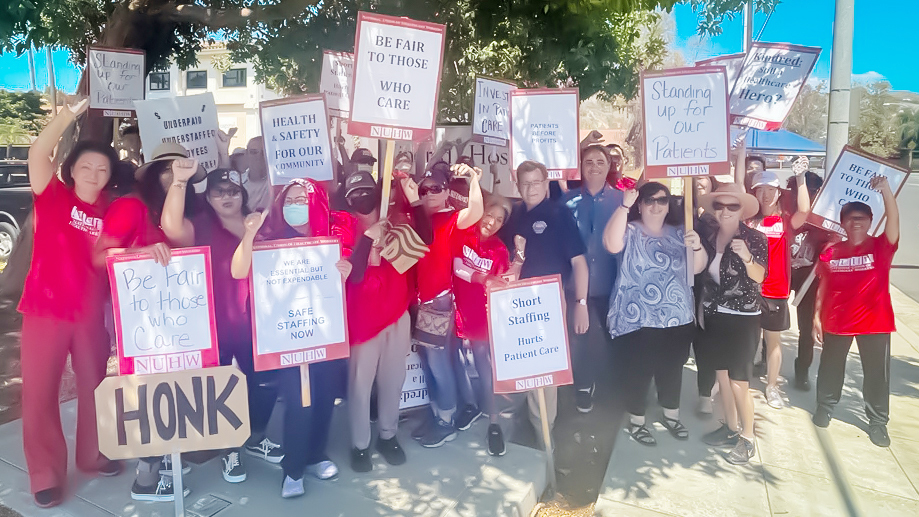
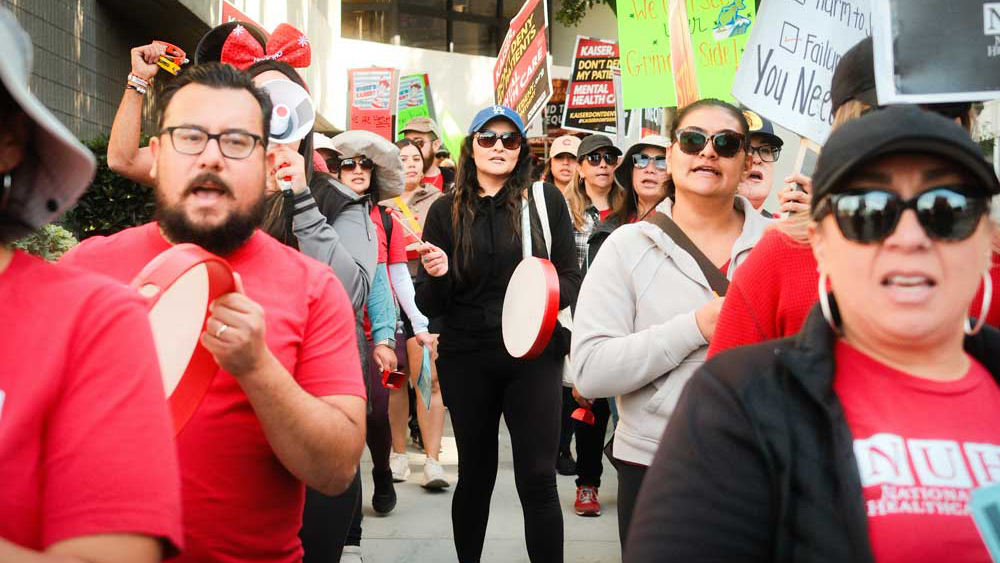
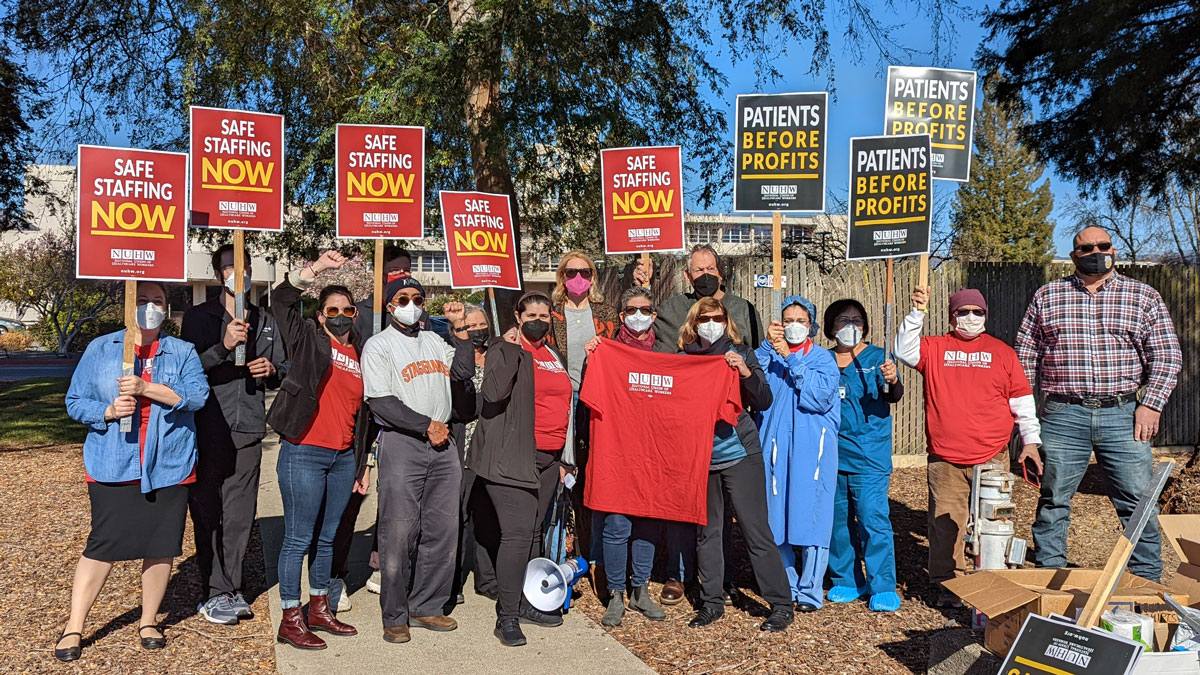
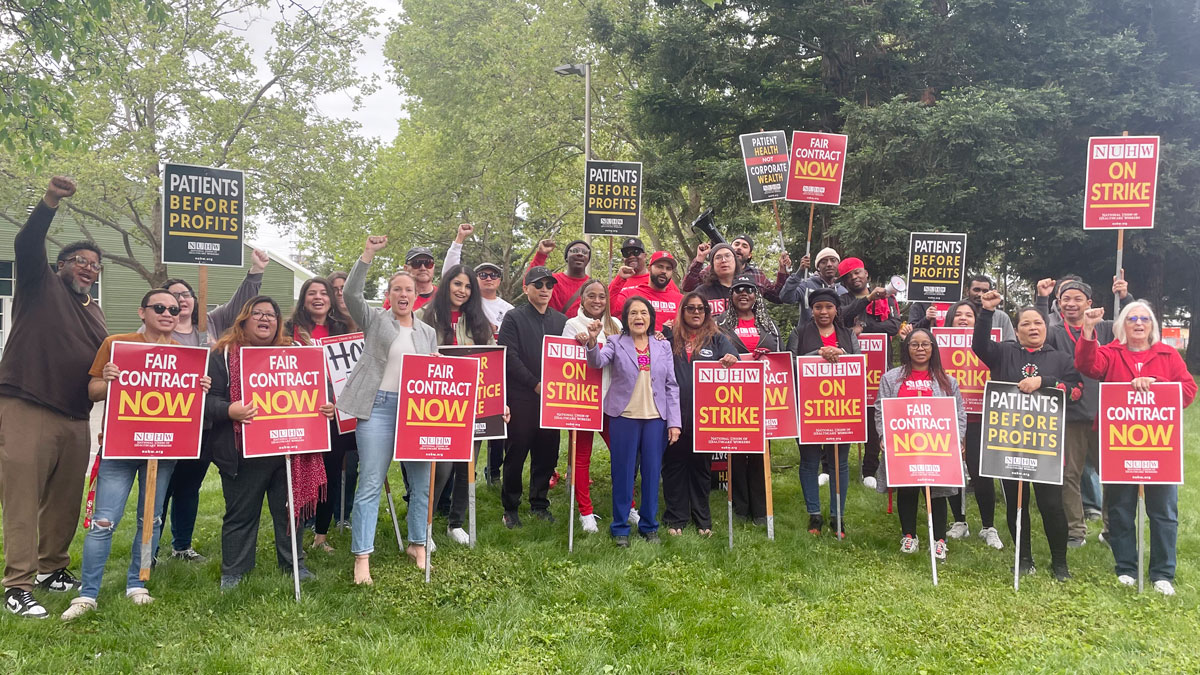
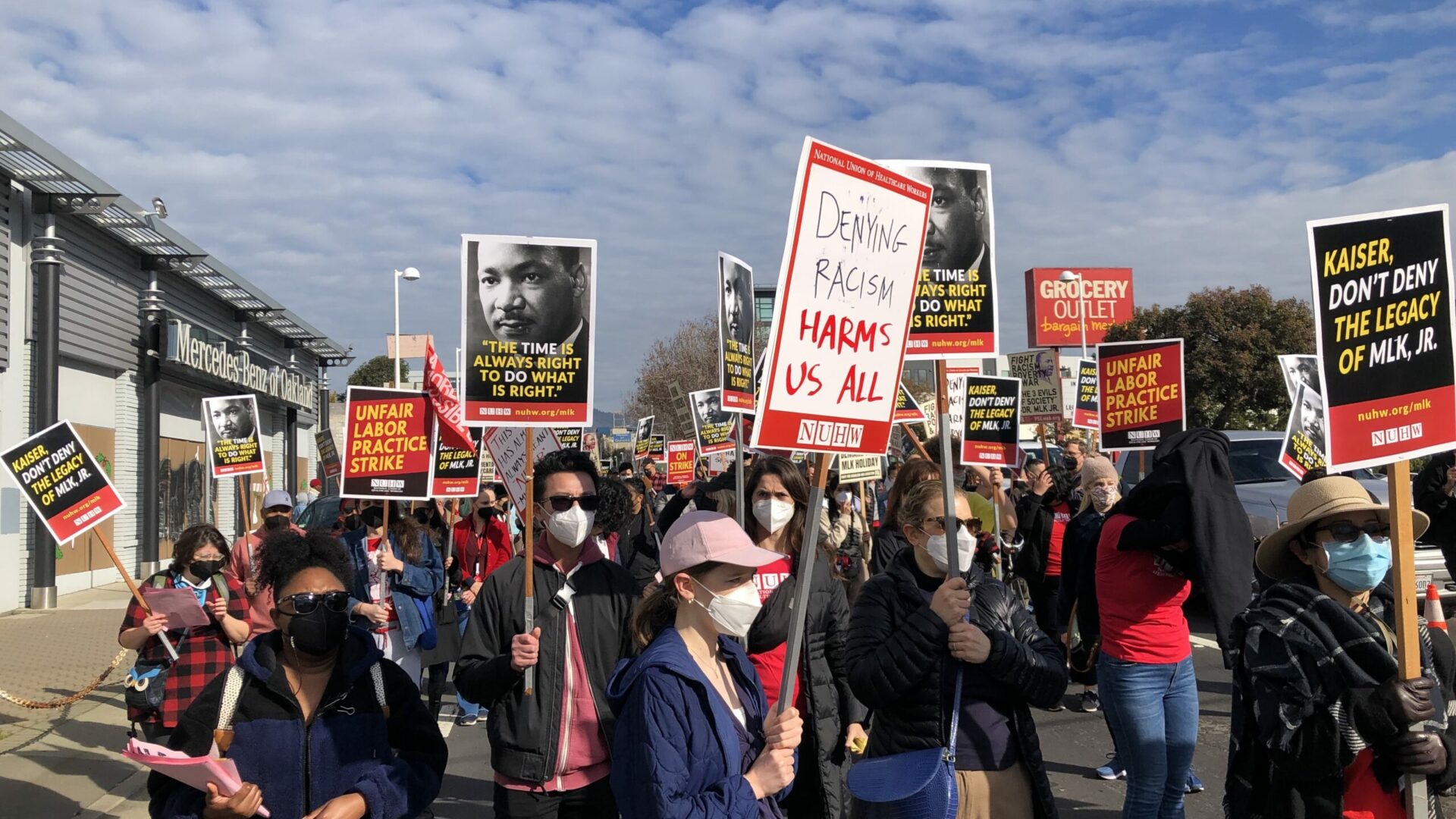
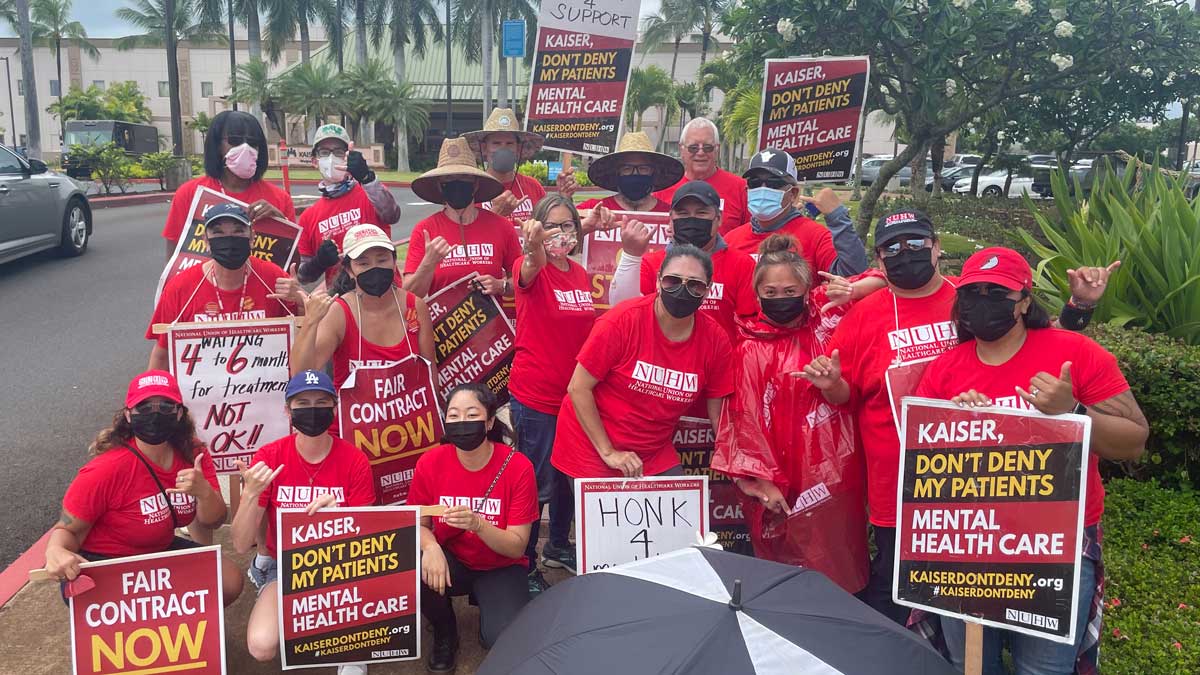
The one-day strike in Northern California and the Central Valley will include picket lines outside Kaiser hospitals in Oakland, Sacramento, Santa Rosa, Fresno and Santa Clara
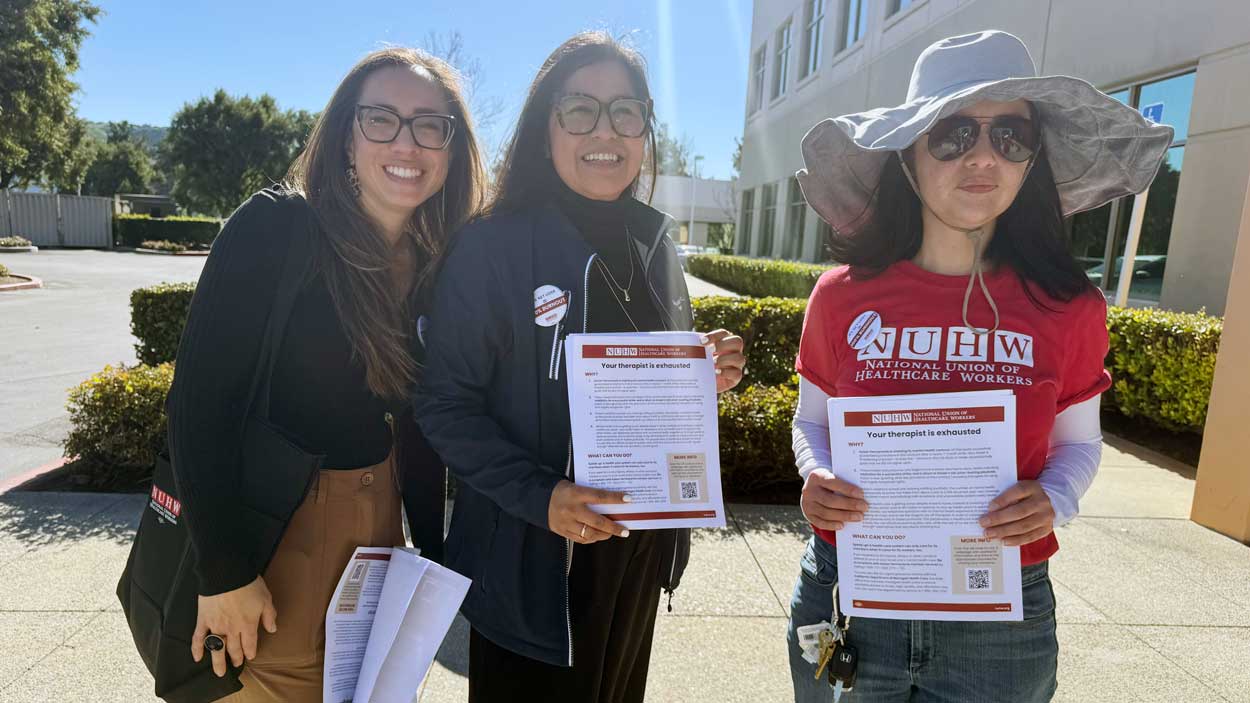
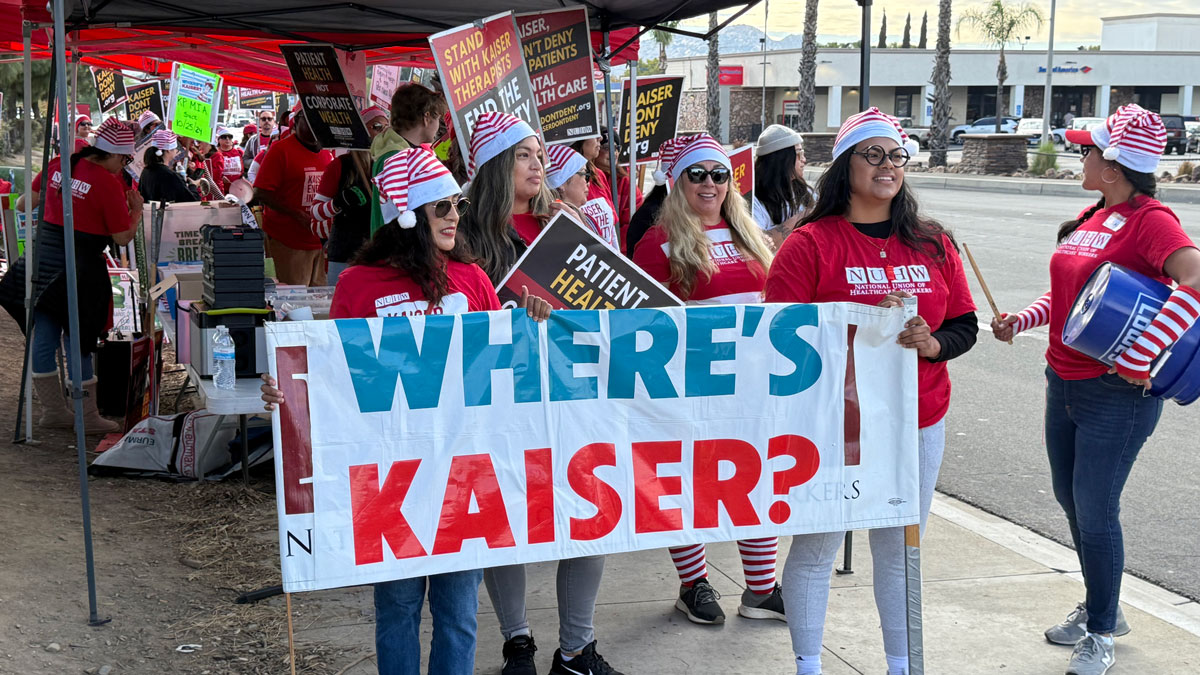
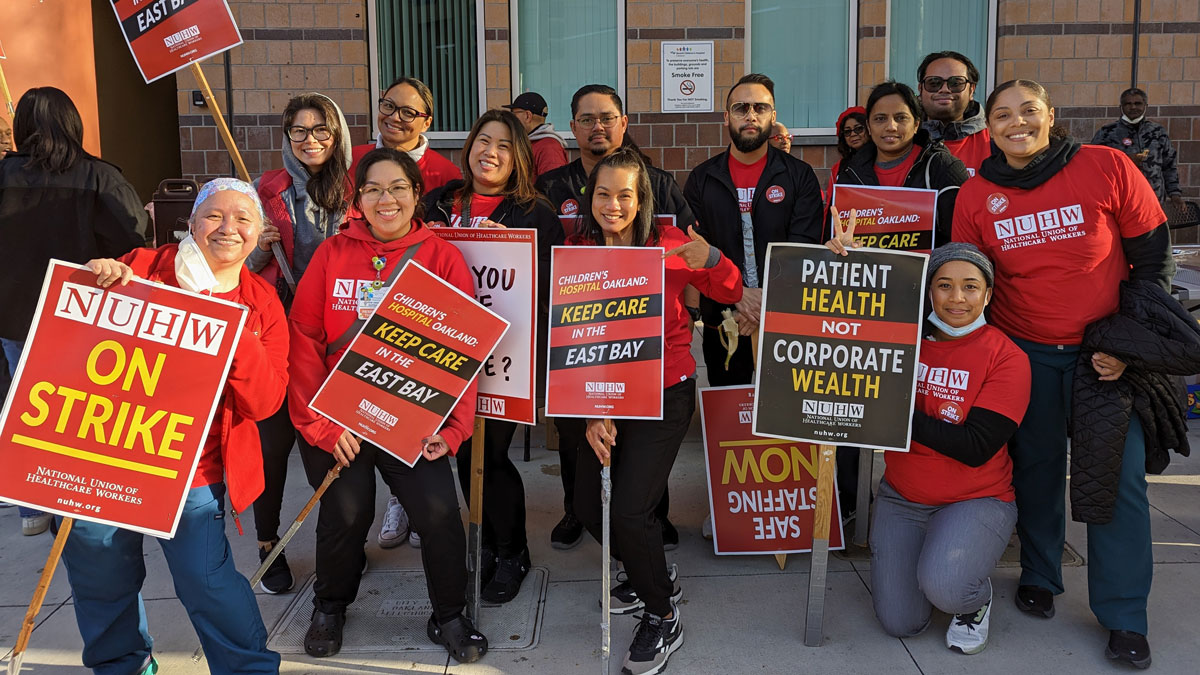
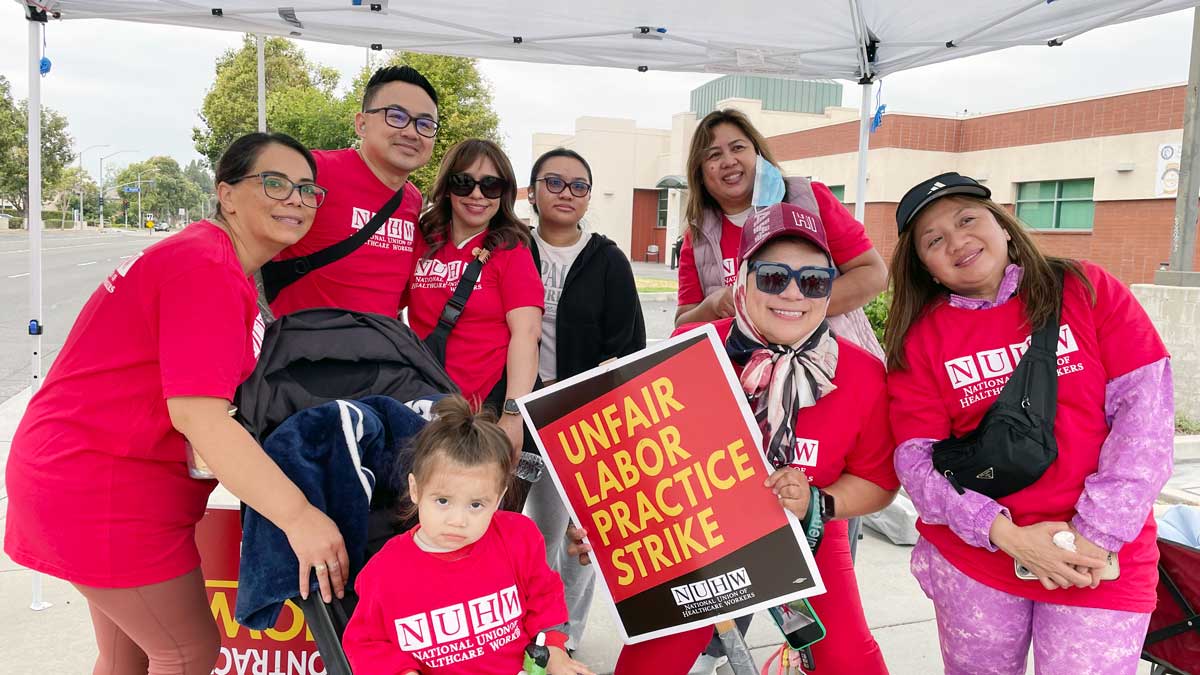
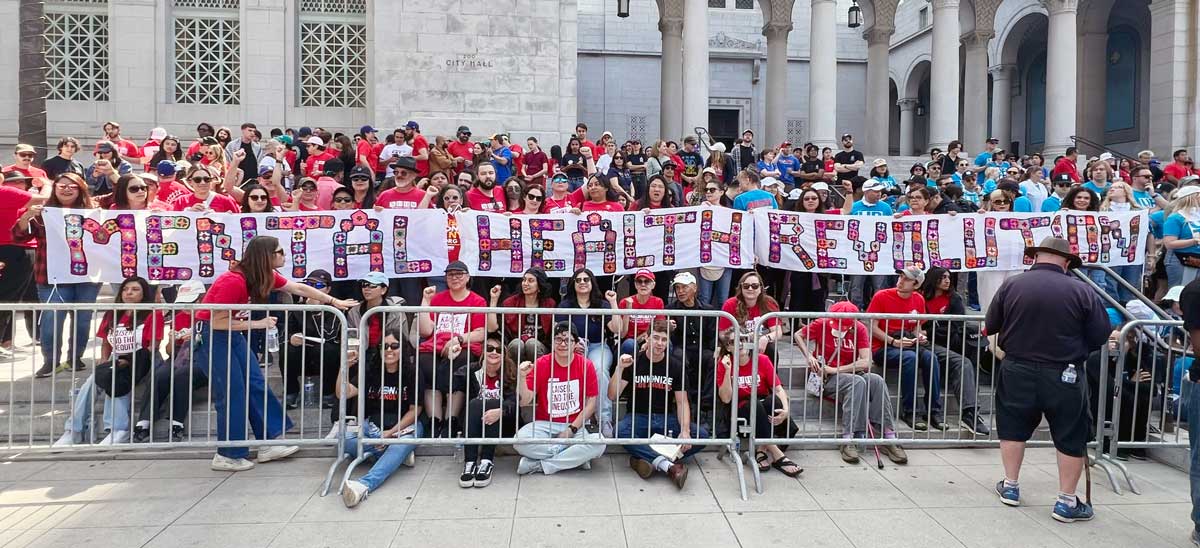
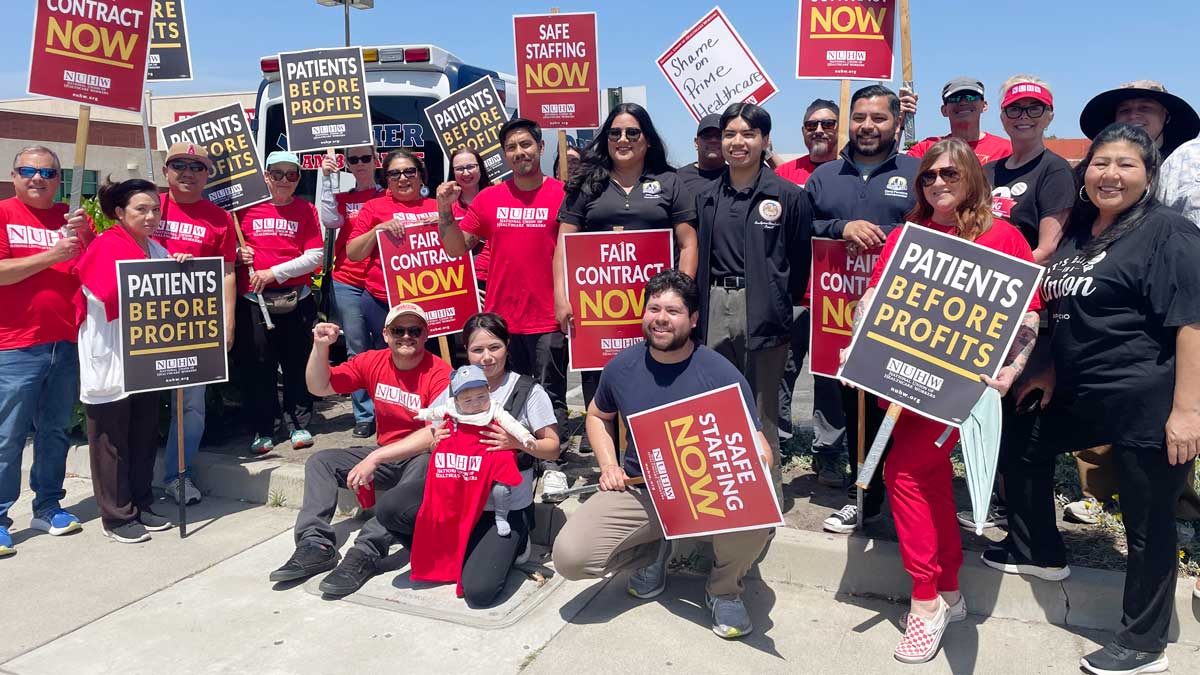
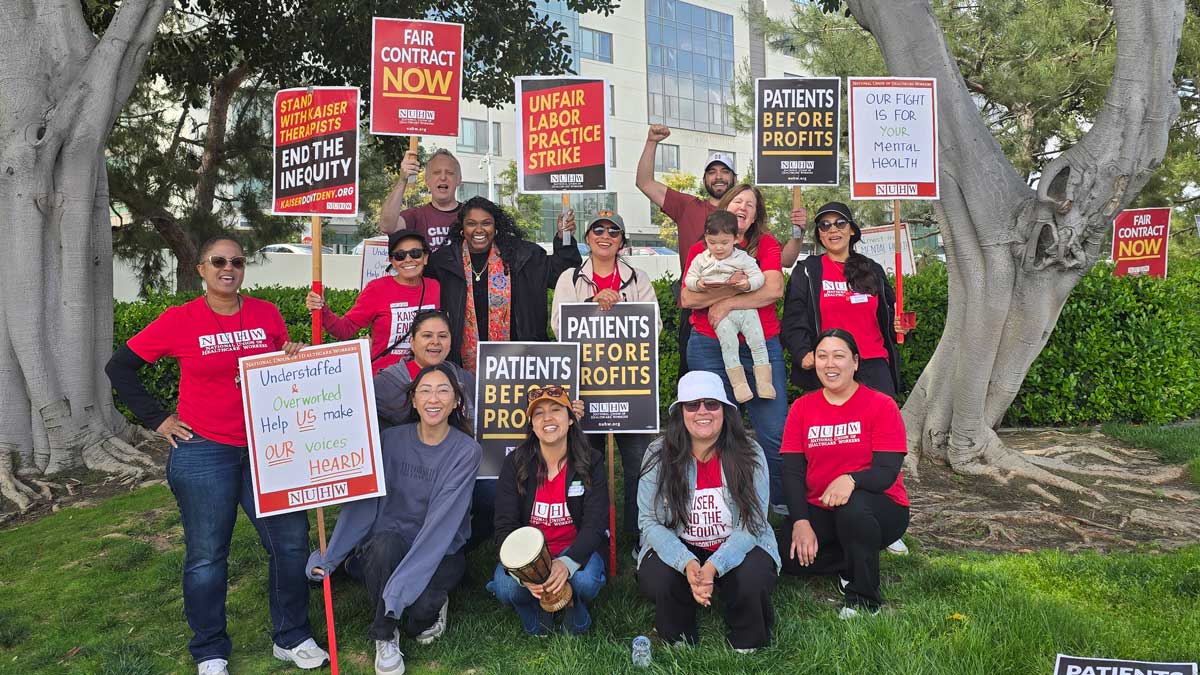
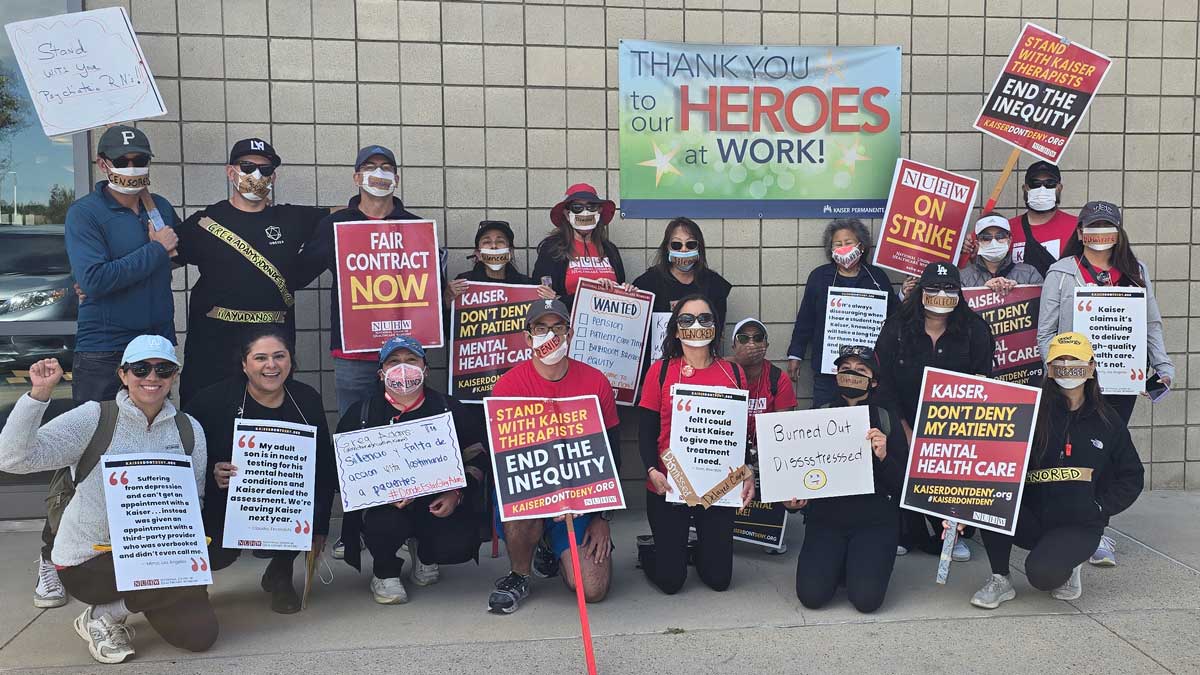
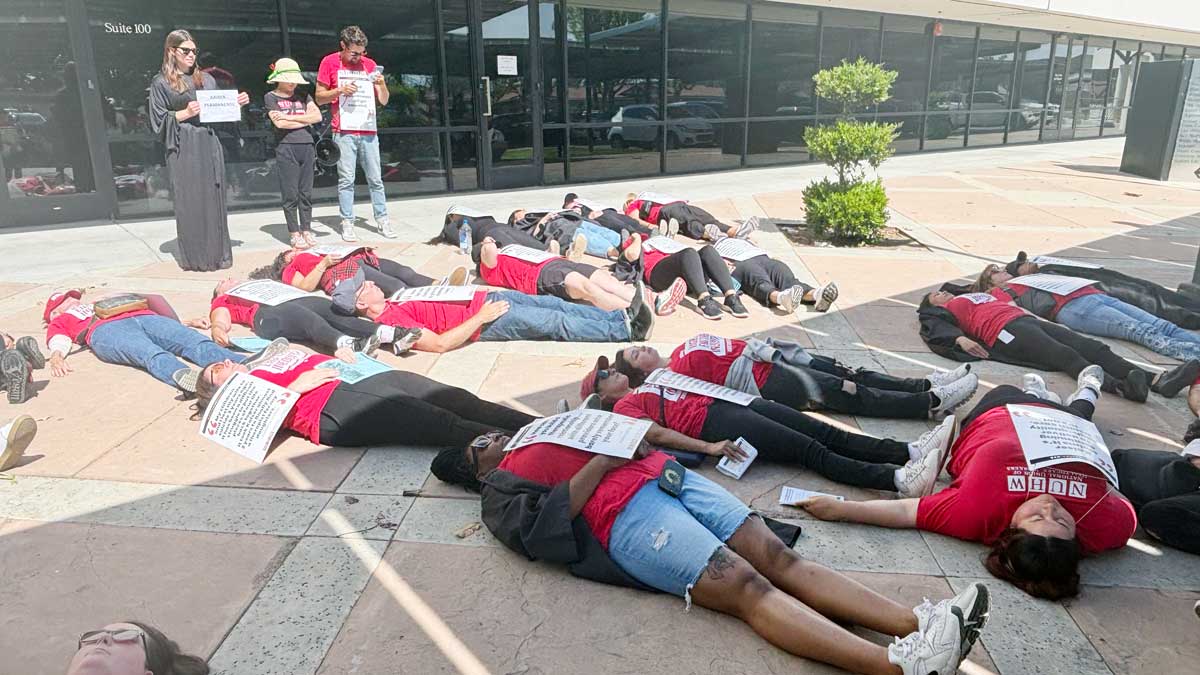
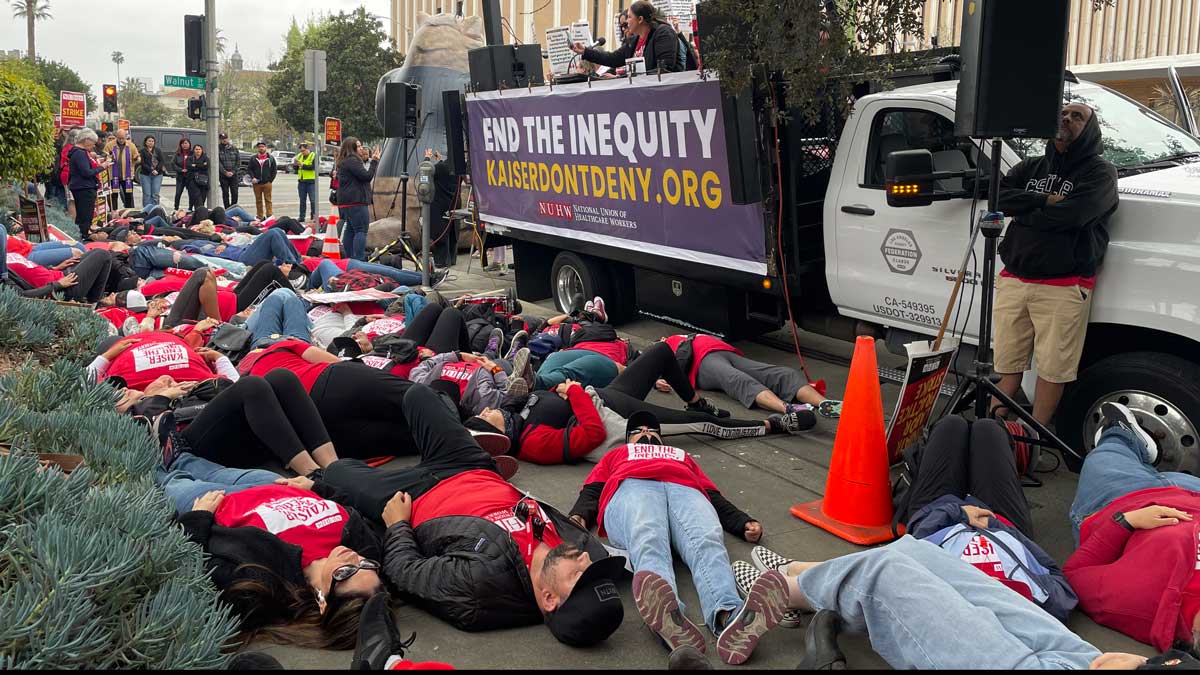
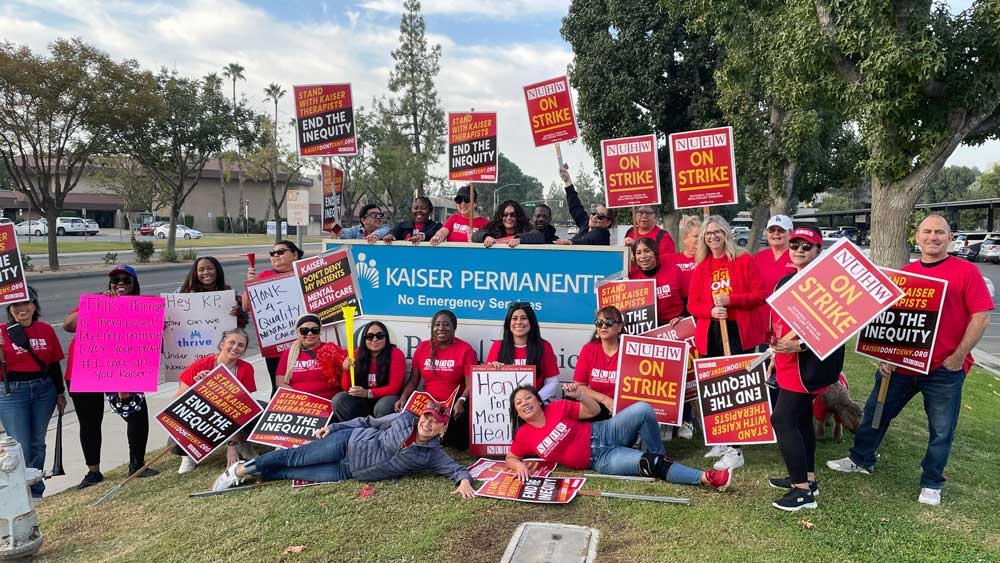
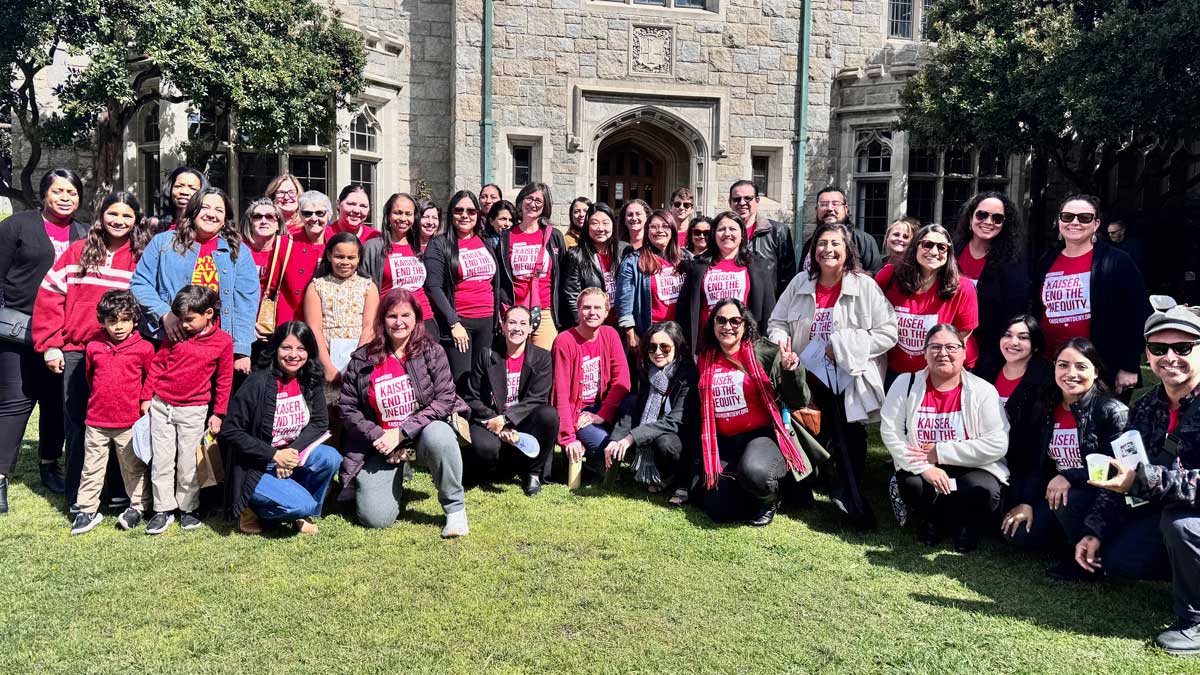
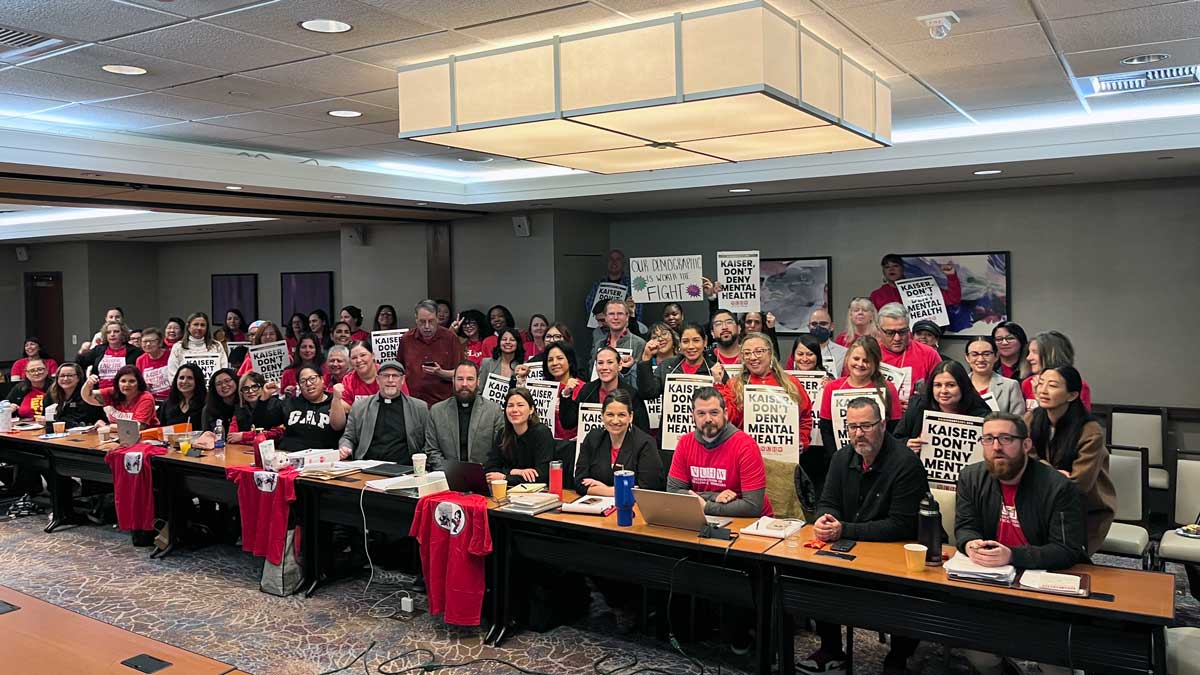
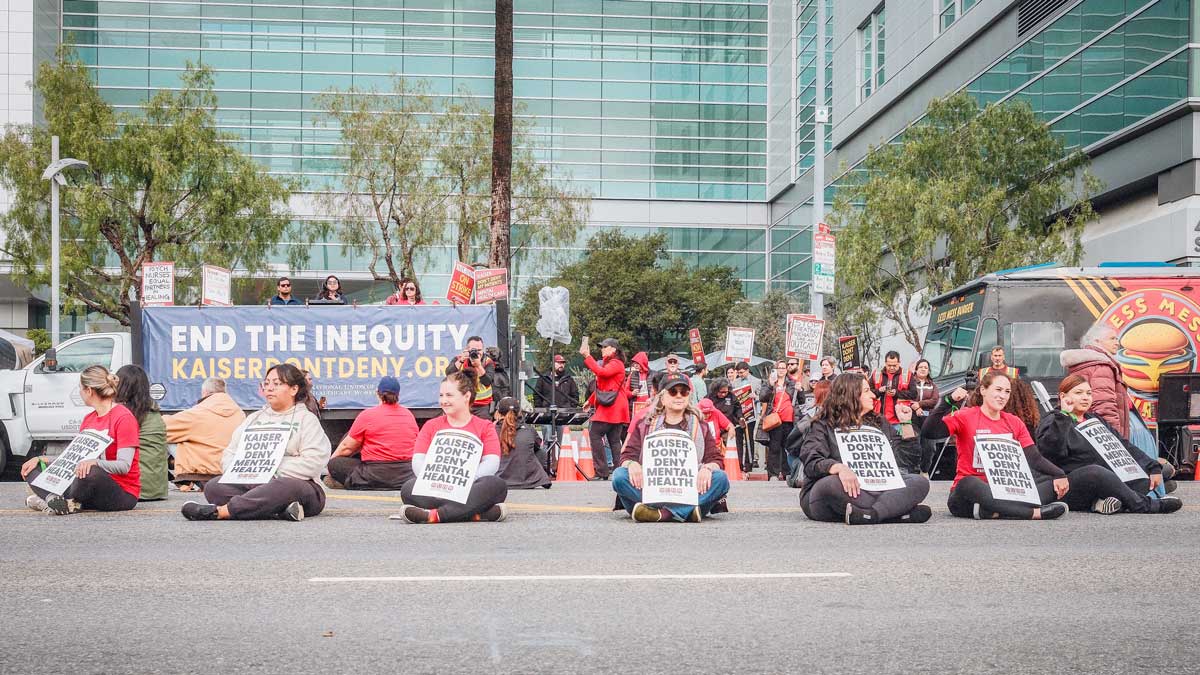
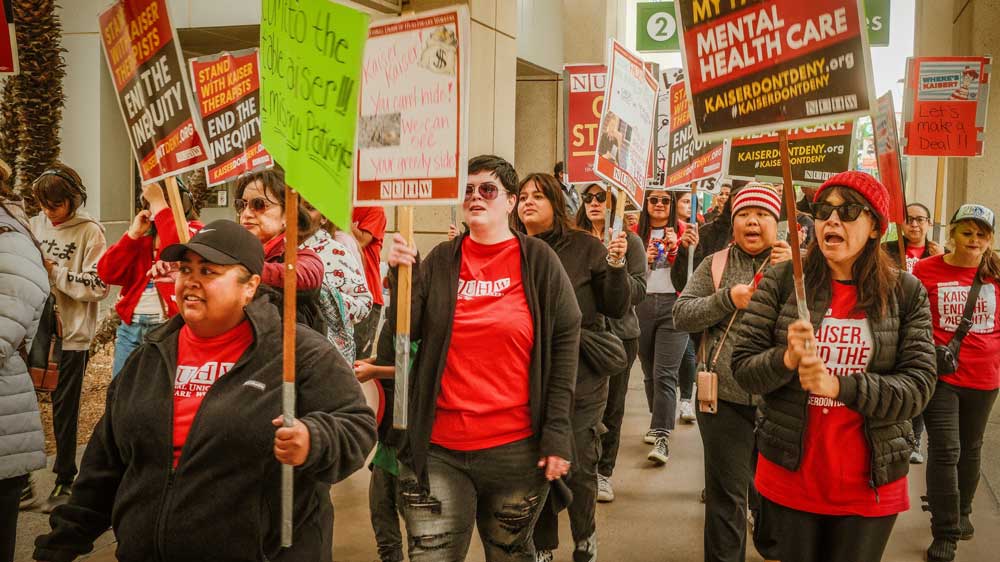
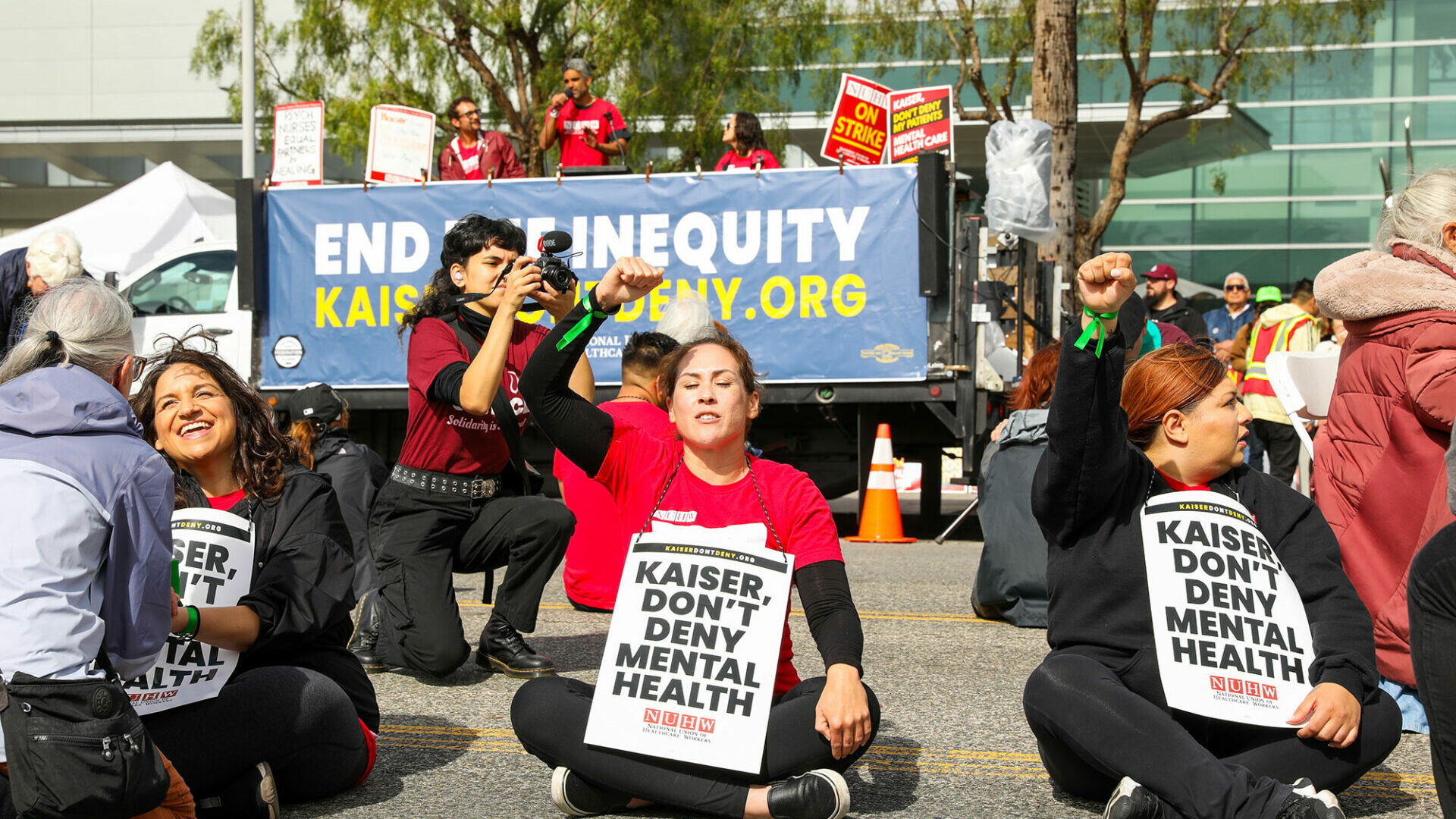
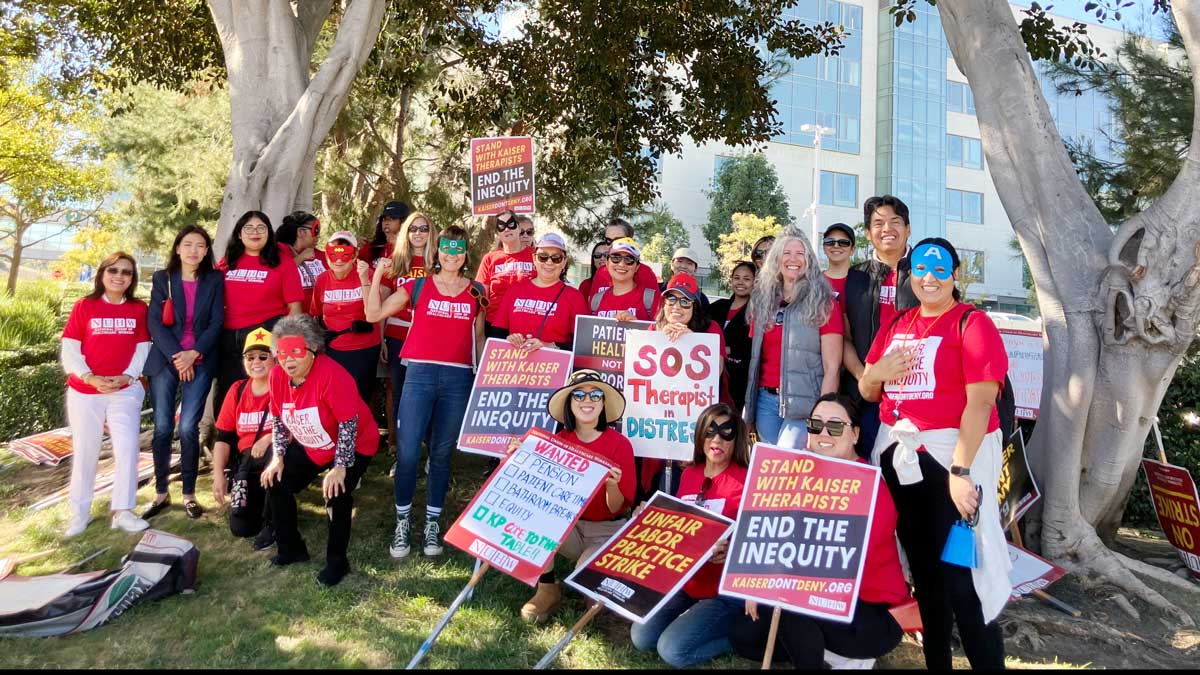
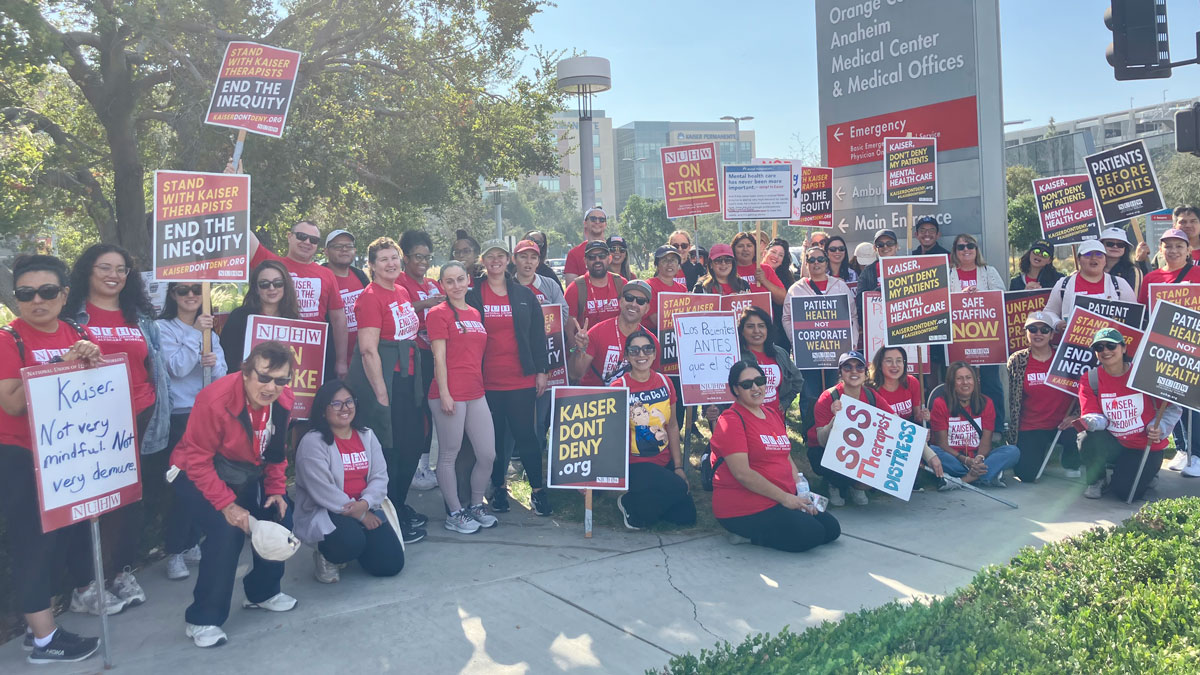
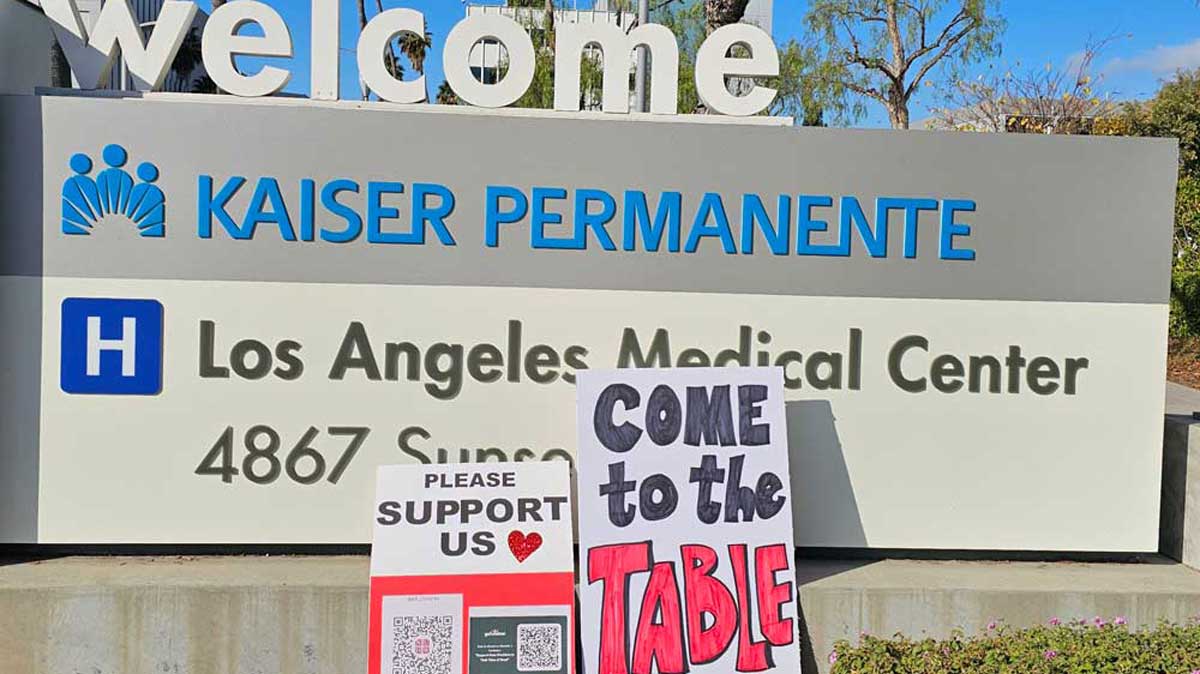
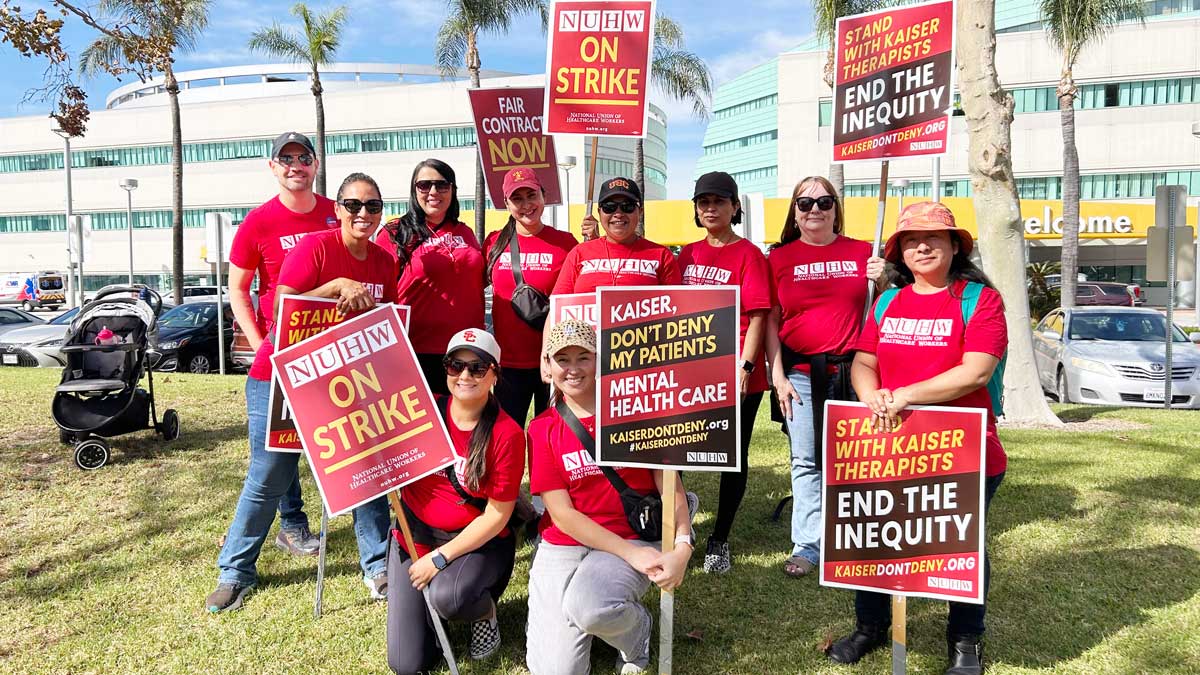
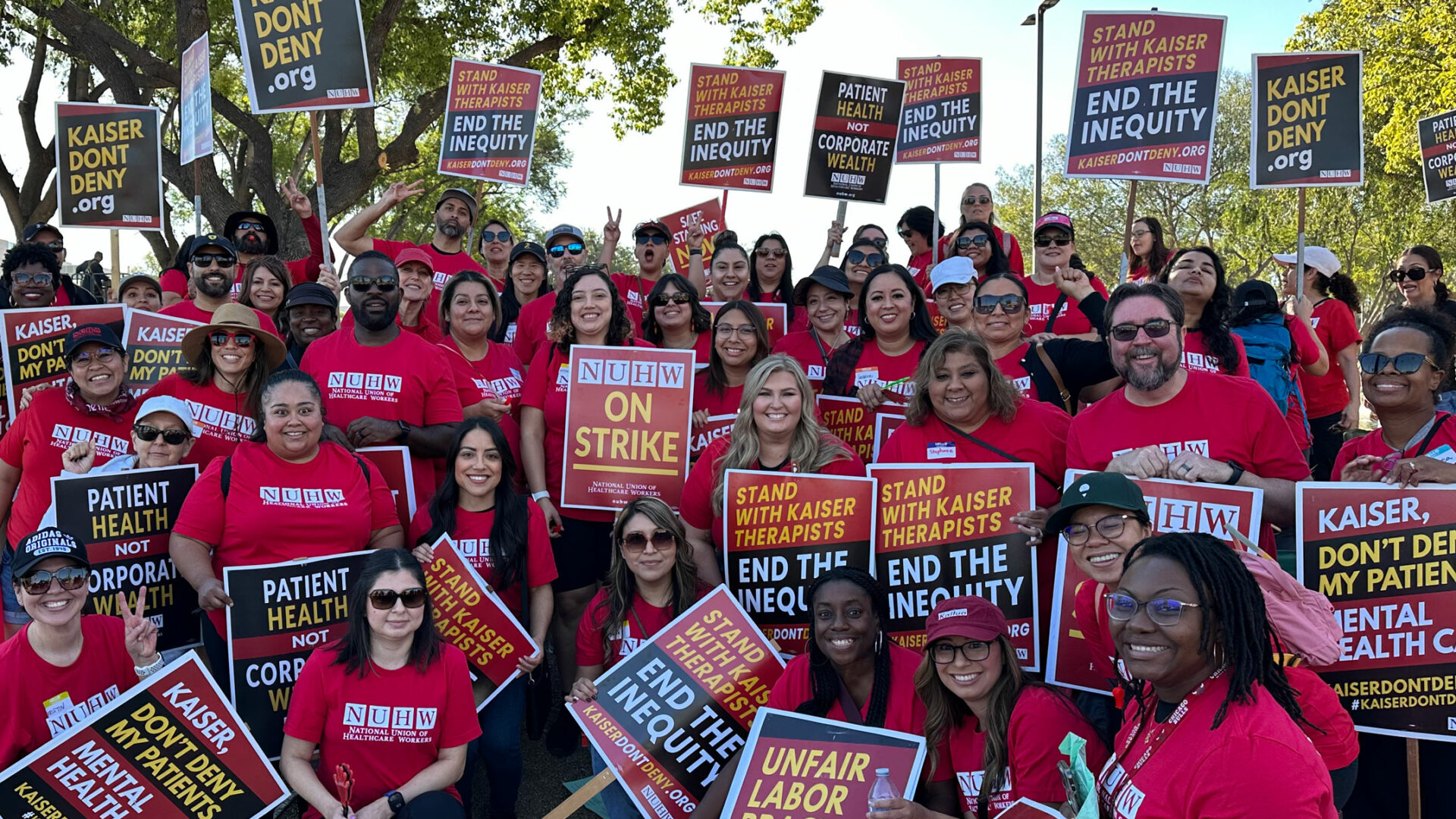
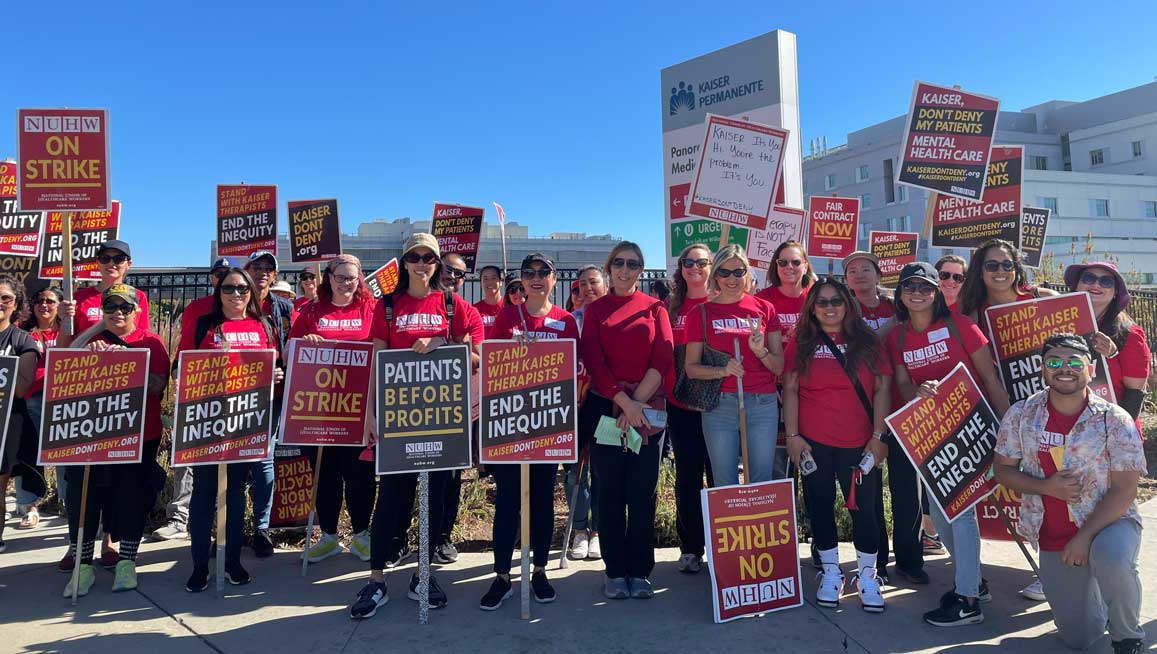
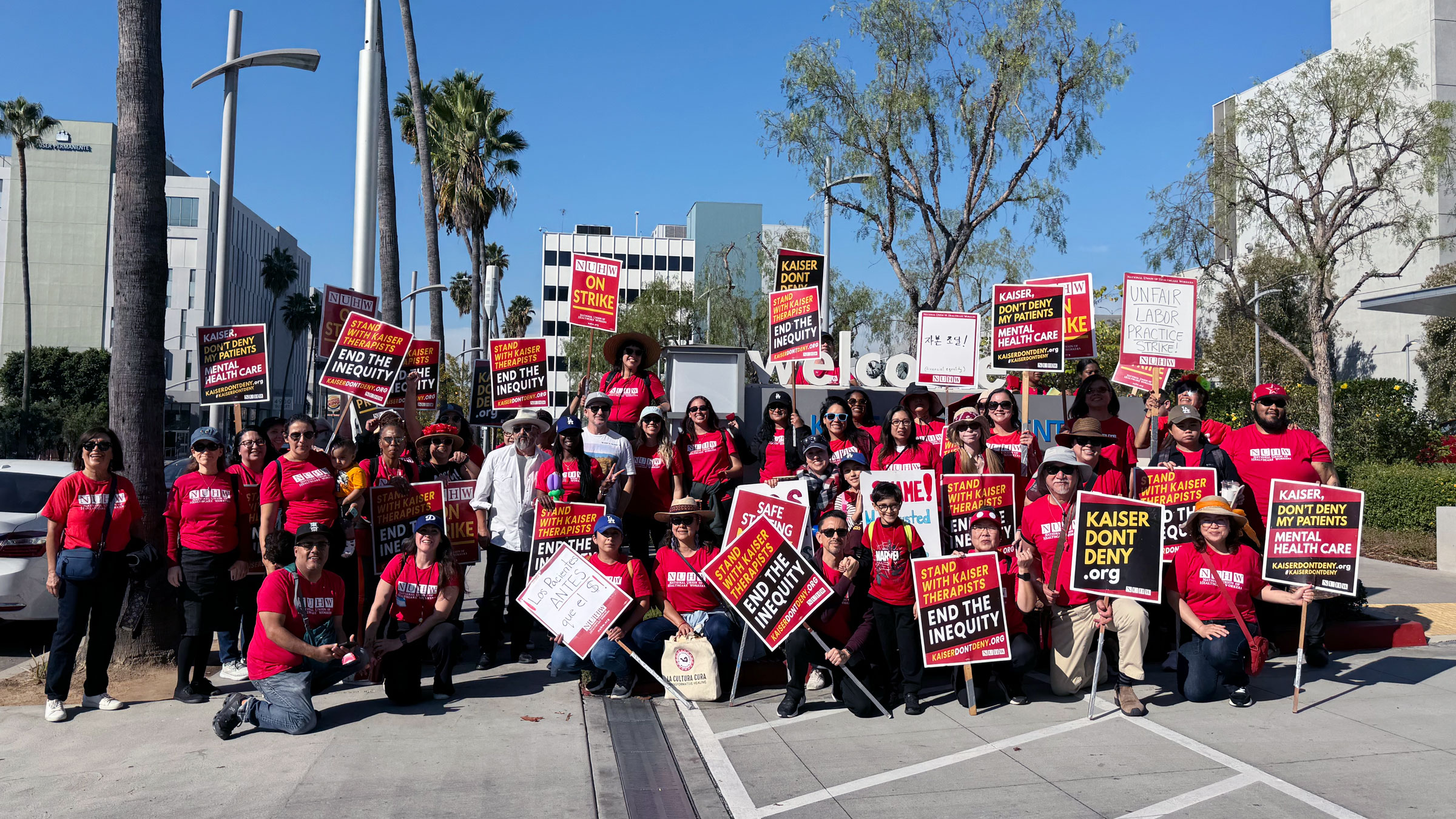
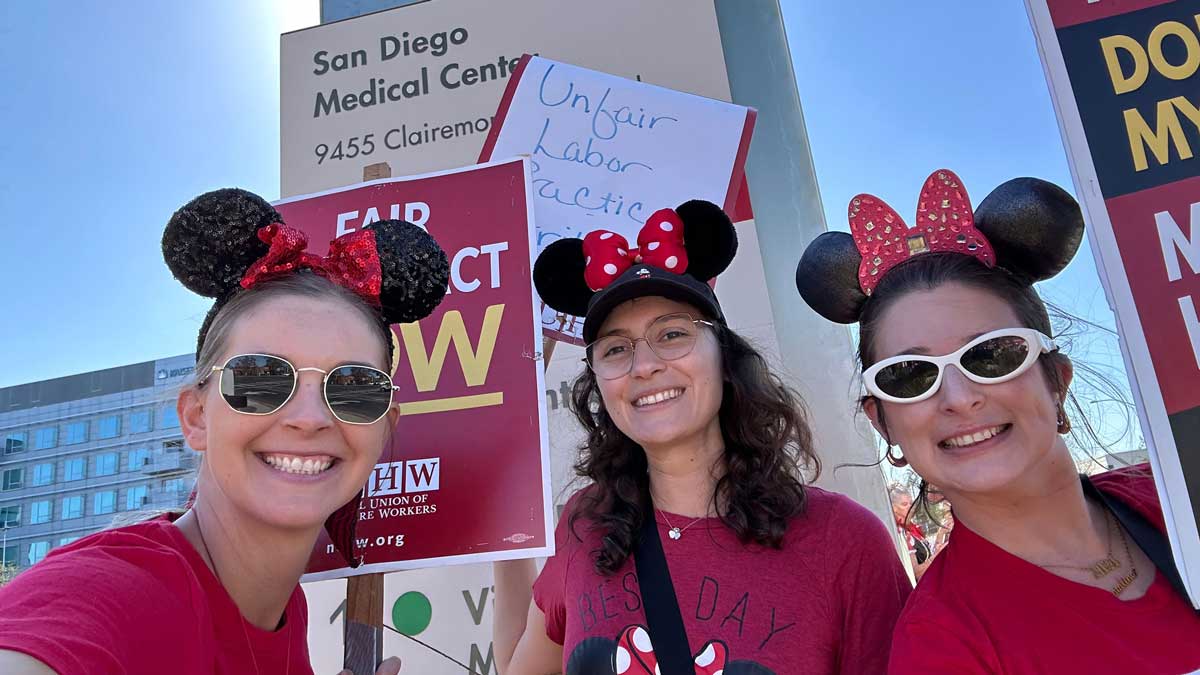
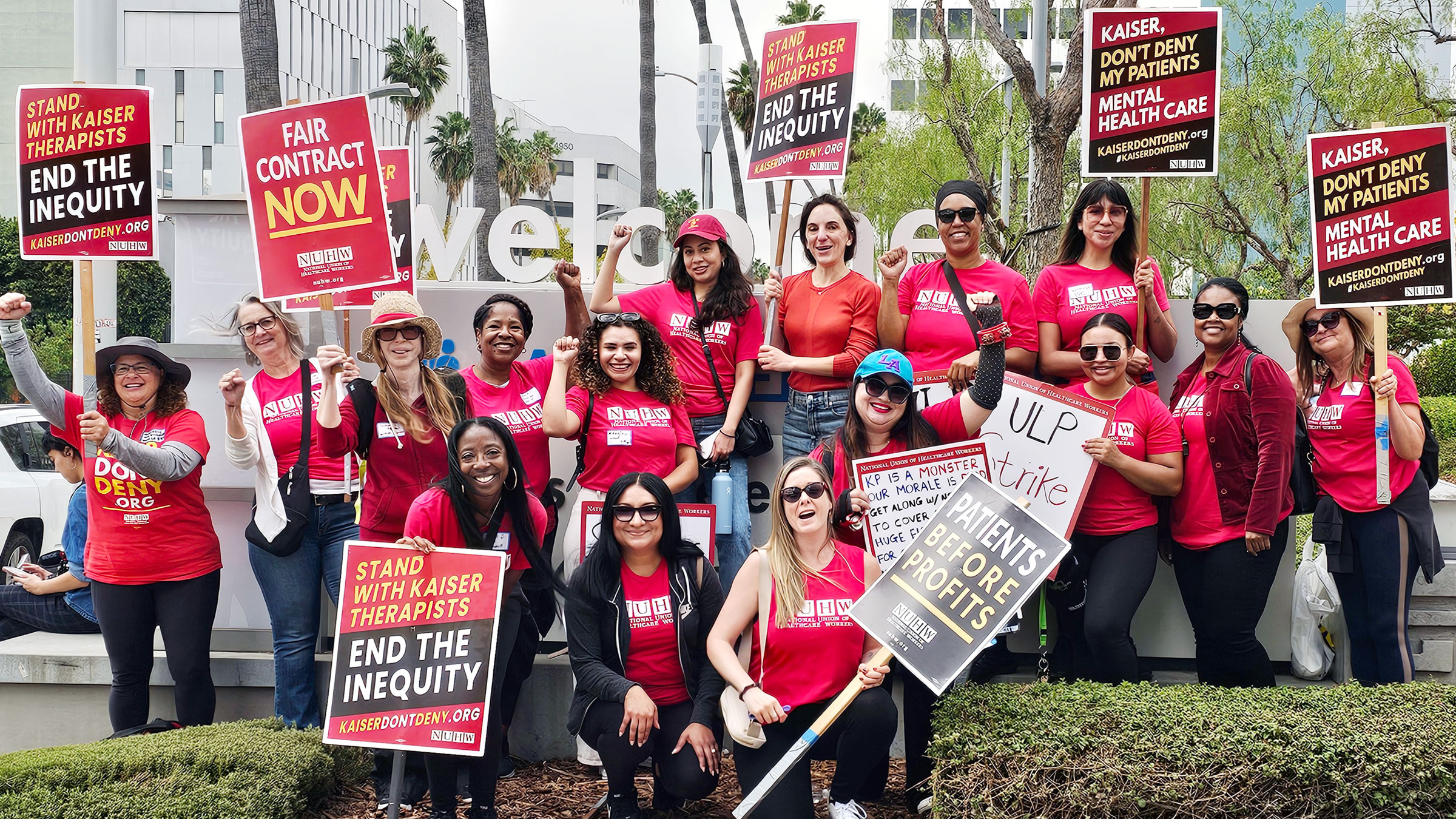
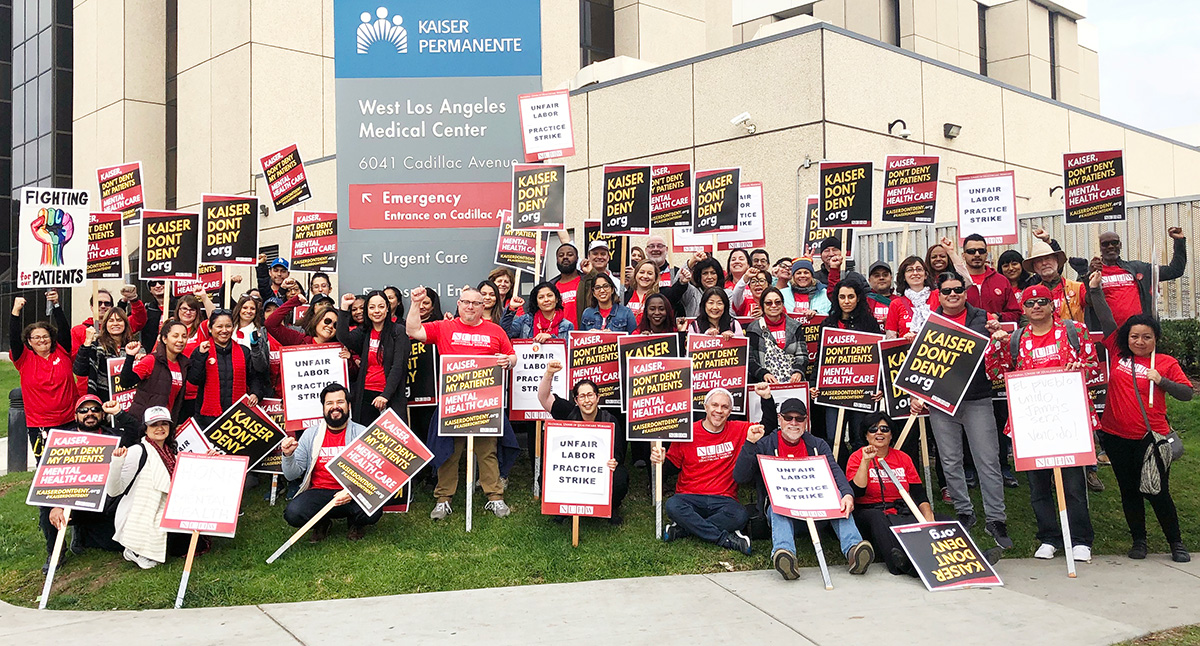
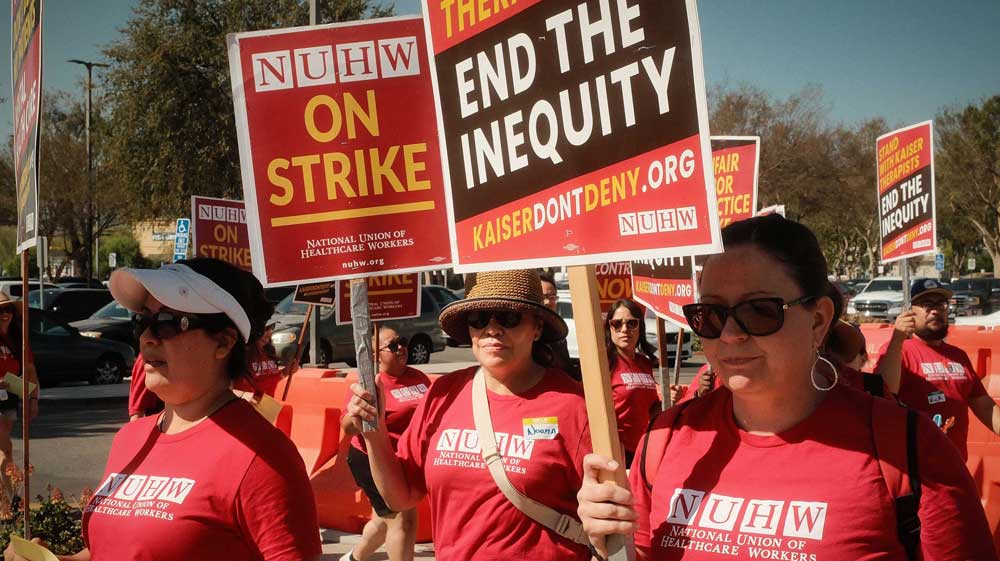
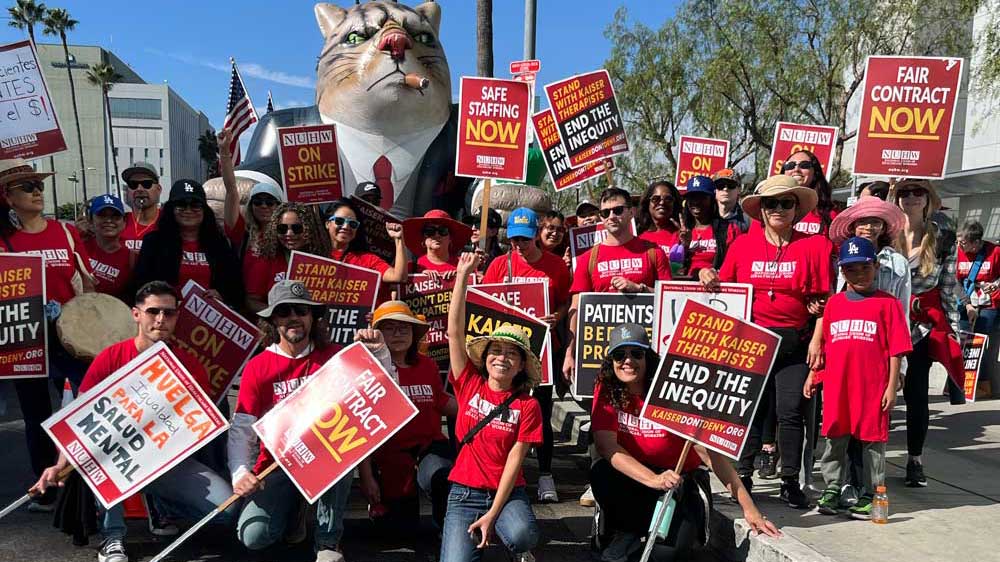
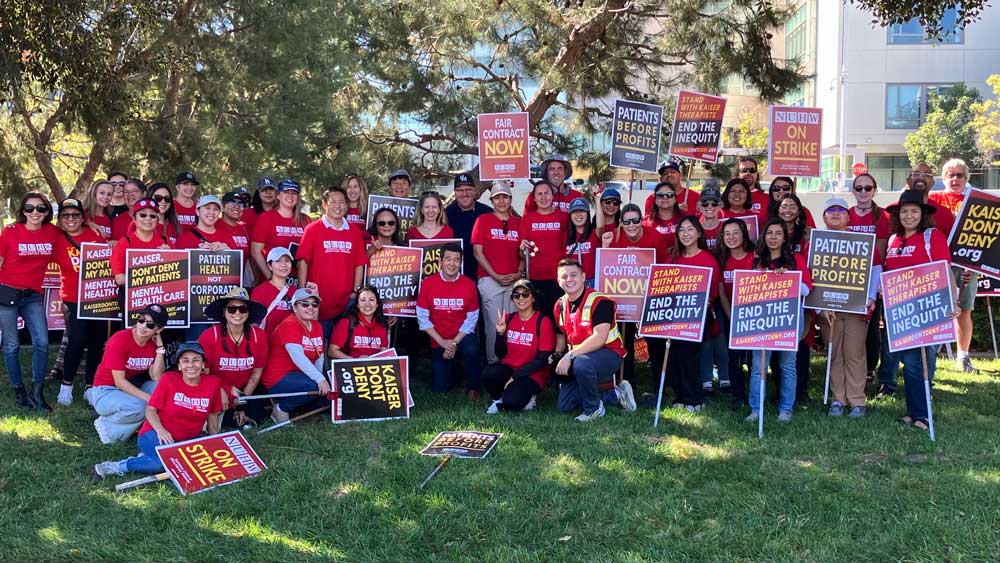
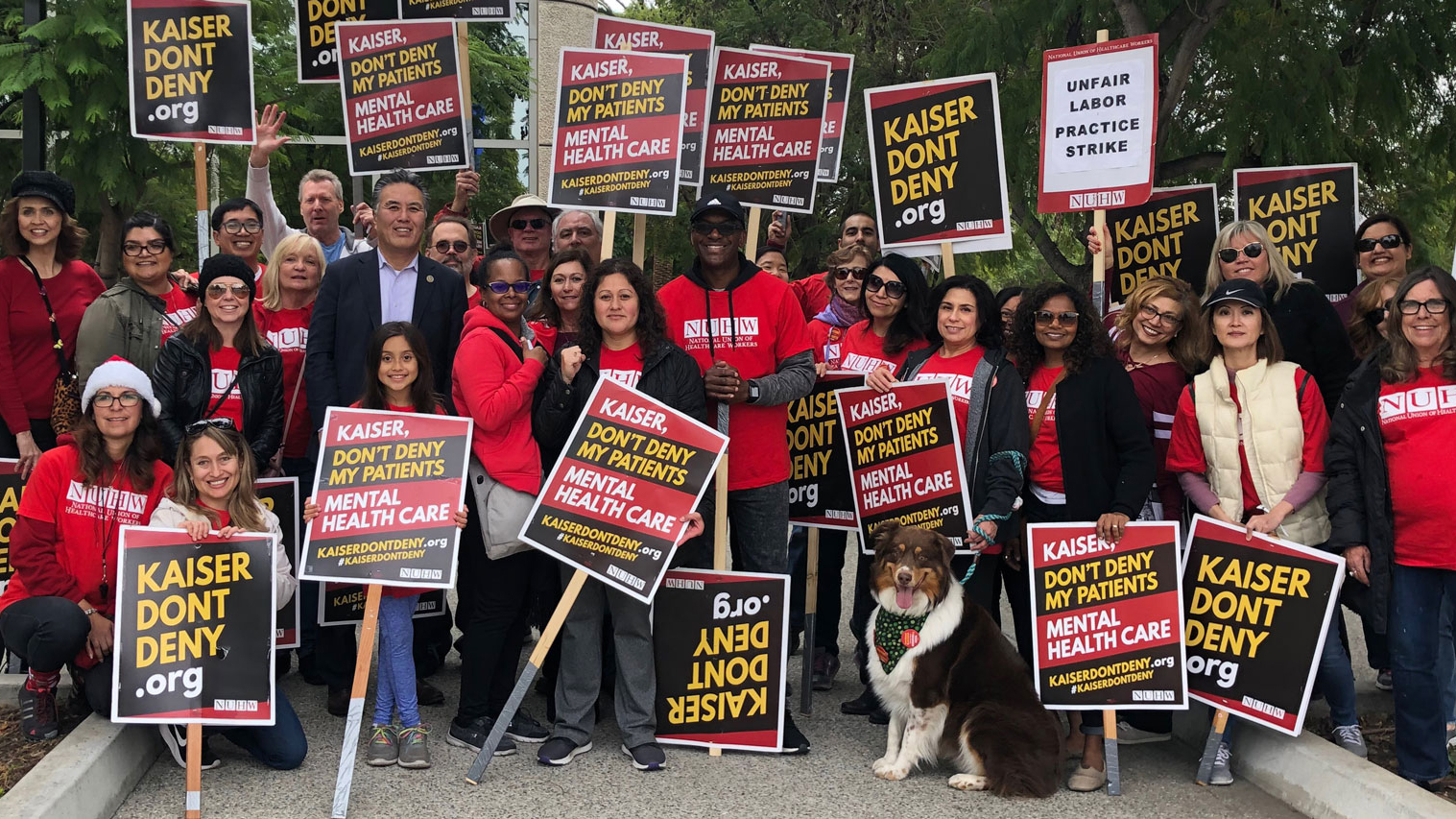
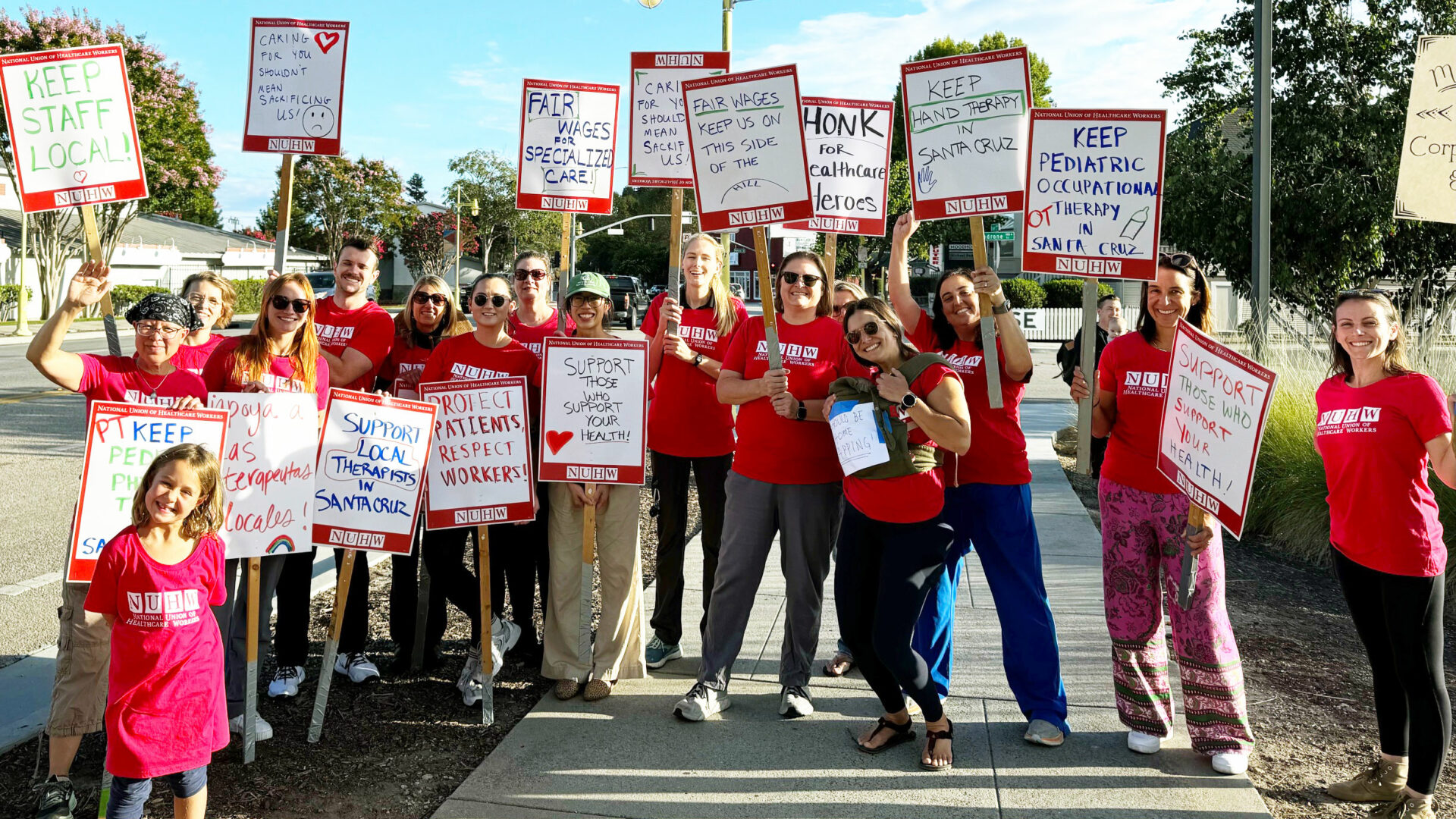
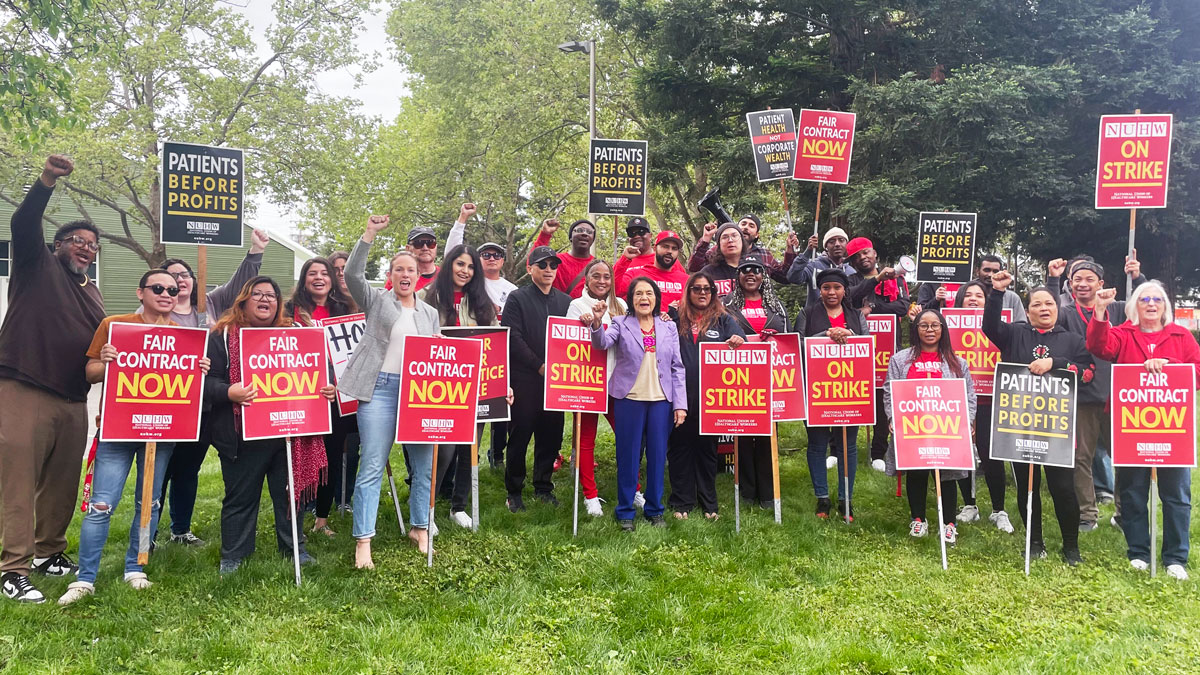
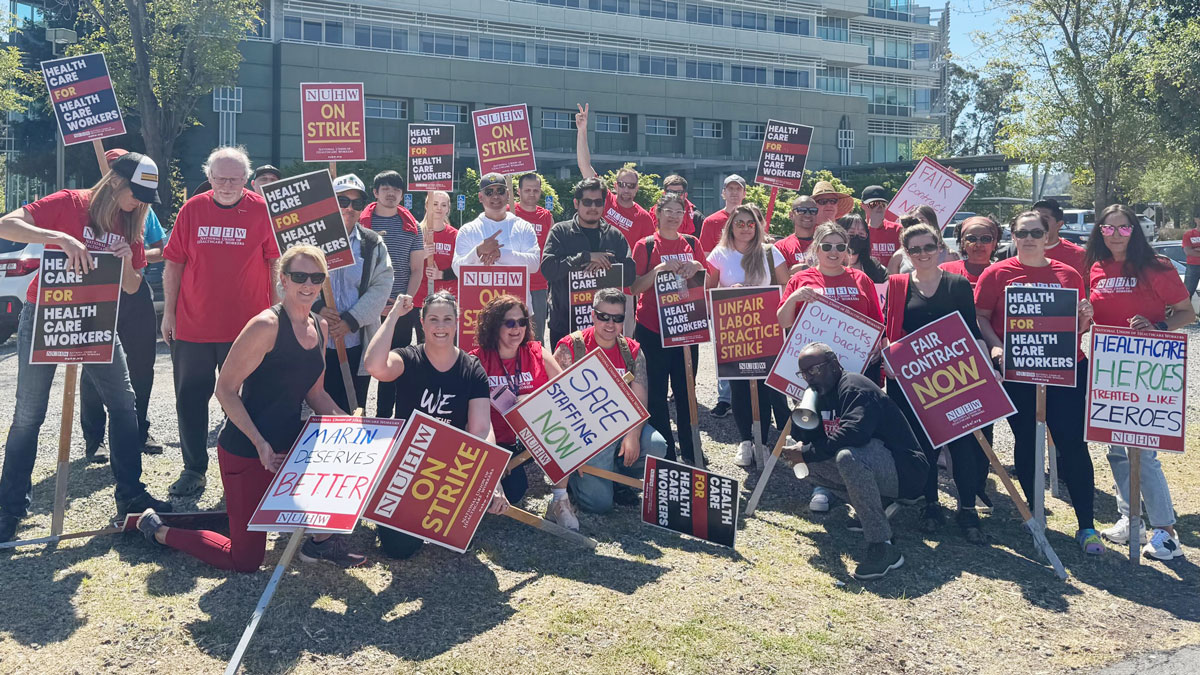
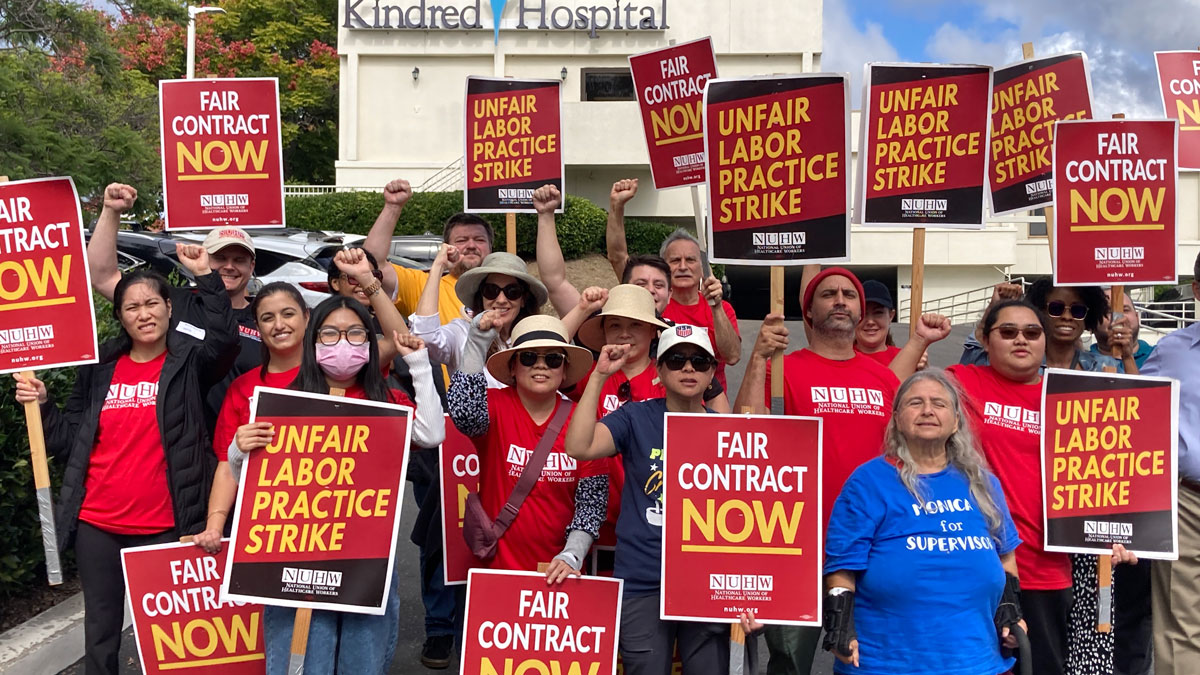
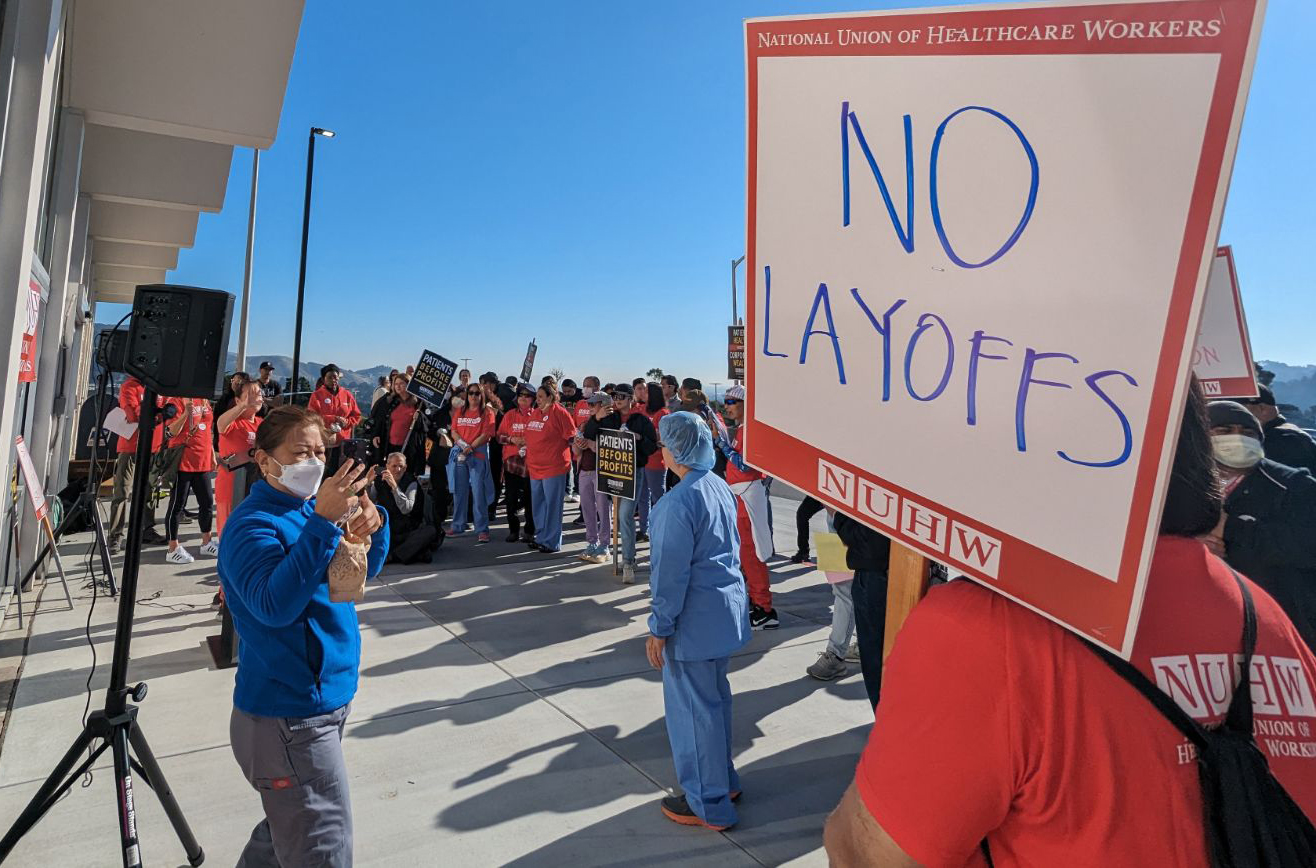
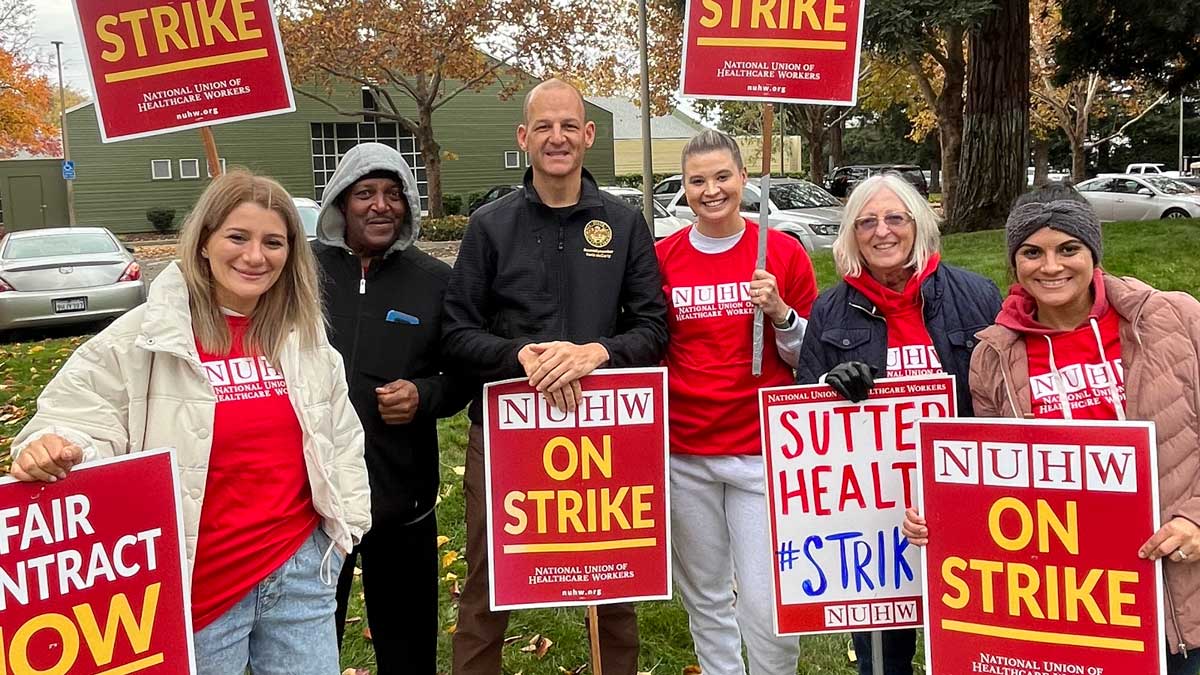
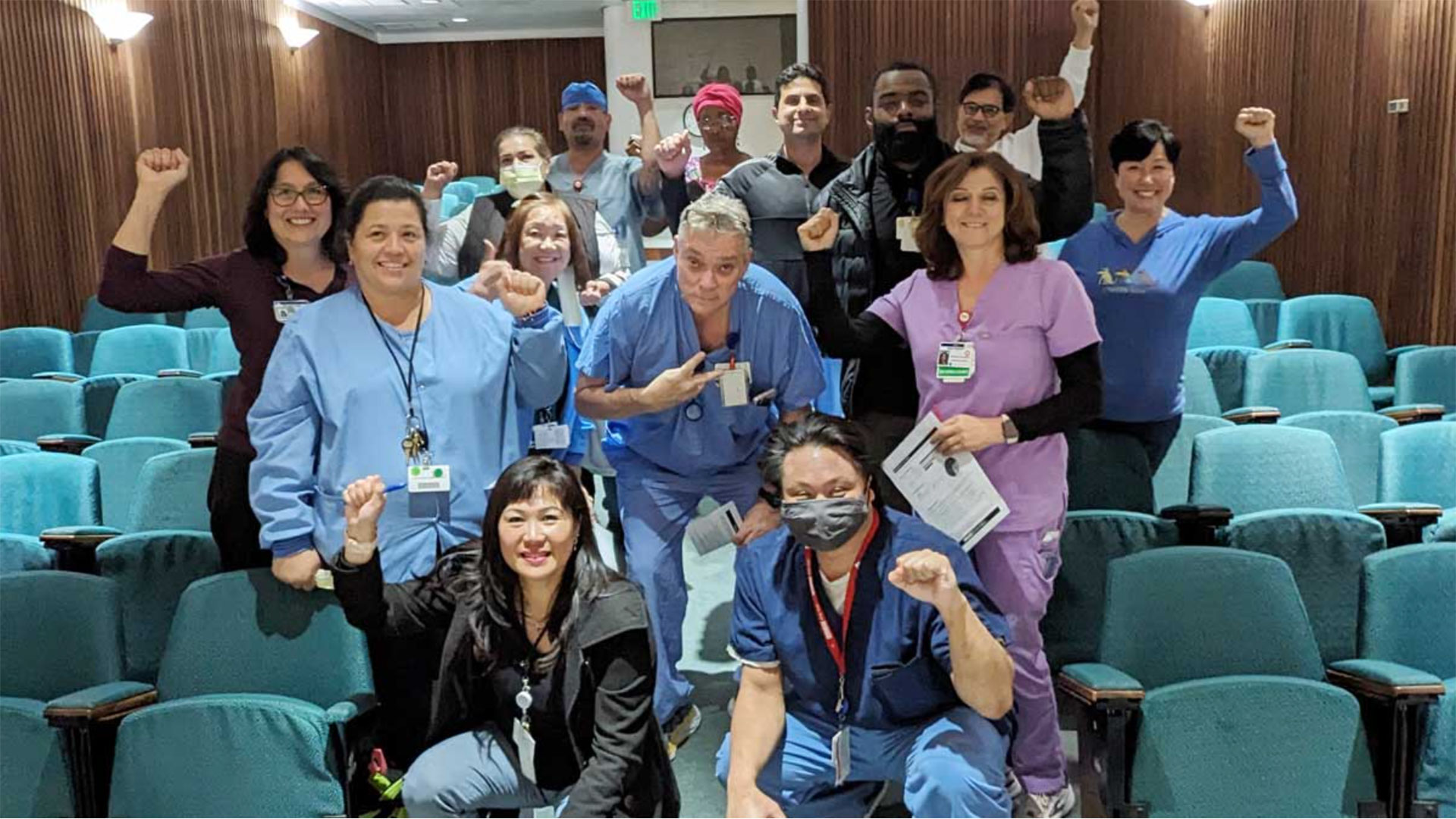
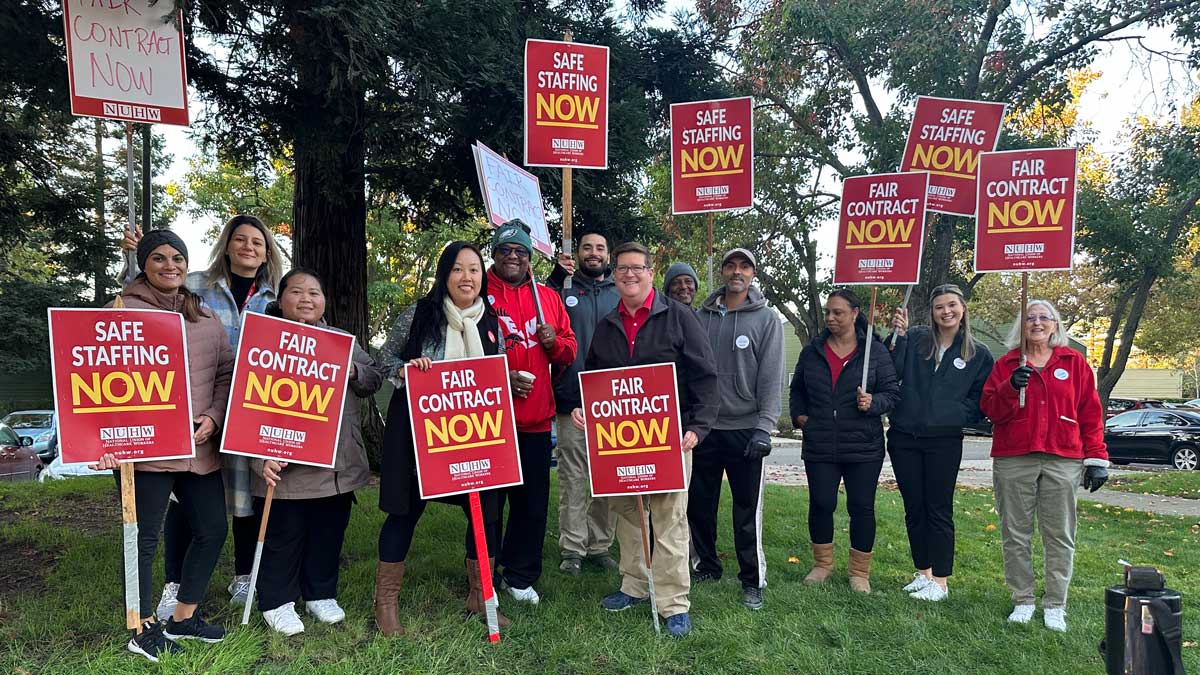
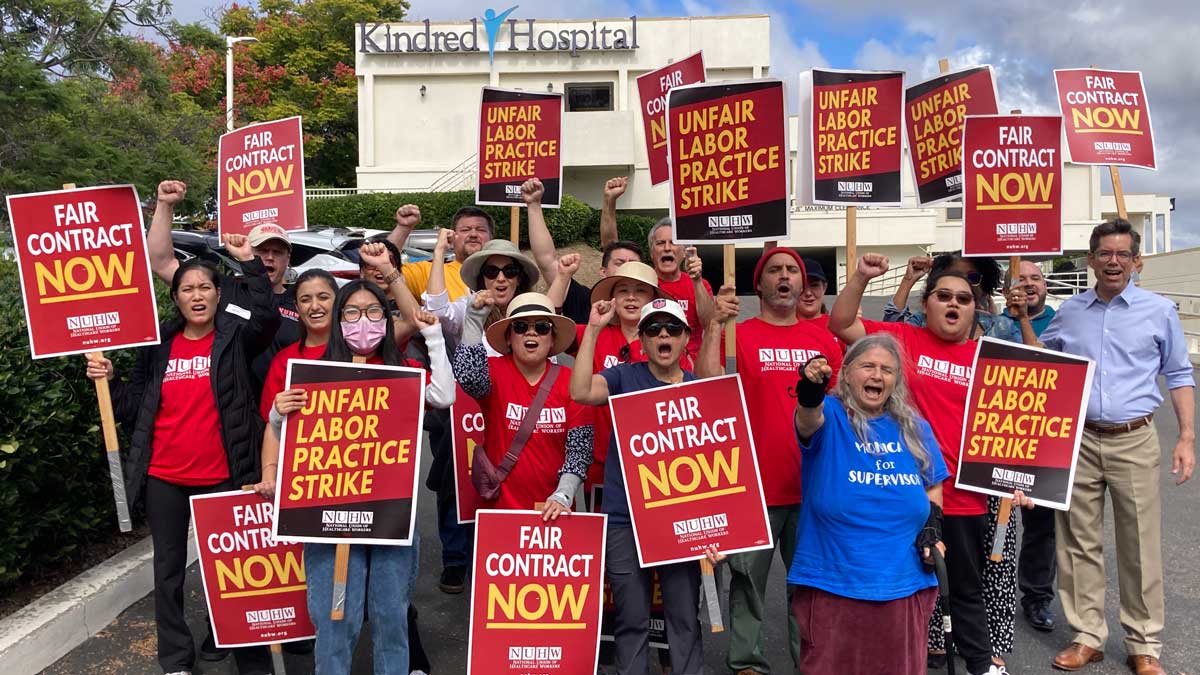
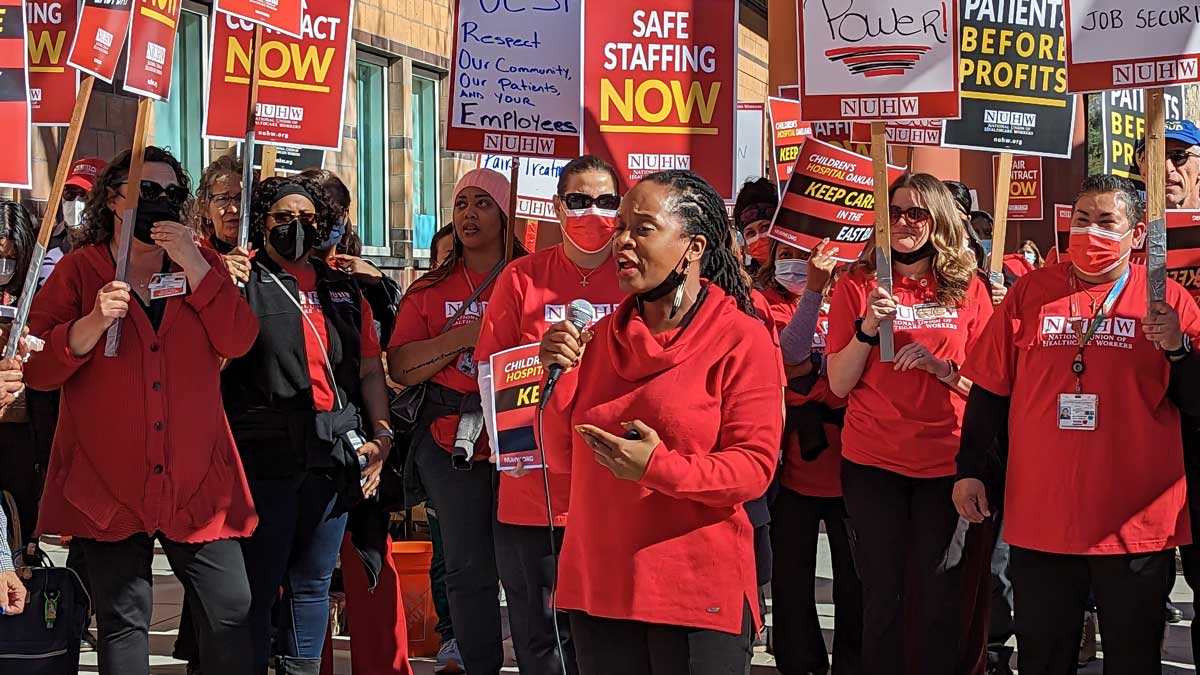
OAKLAND, Calif. — Approximately 2,400 mental health therapists, social workers and psychologists who provide mental healthcare for Kaiser Permanente’s 4.6 million patients in the Bay Area, Central Valley and Sacramento will hold a one-day Unfair Labor Practice Strike on Wednesday, March 18 in response to Kaiser deploying new technology to replace their work and diminish patient care standards.
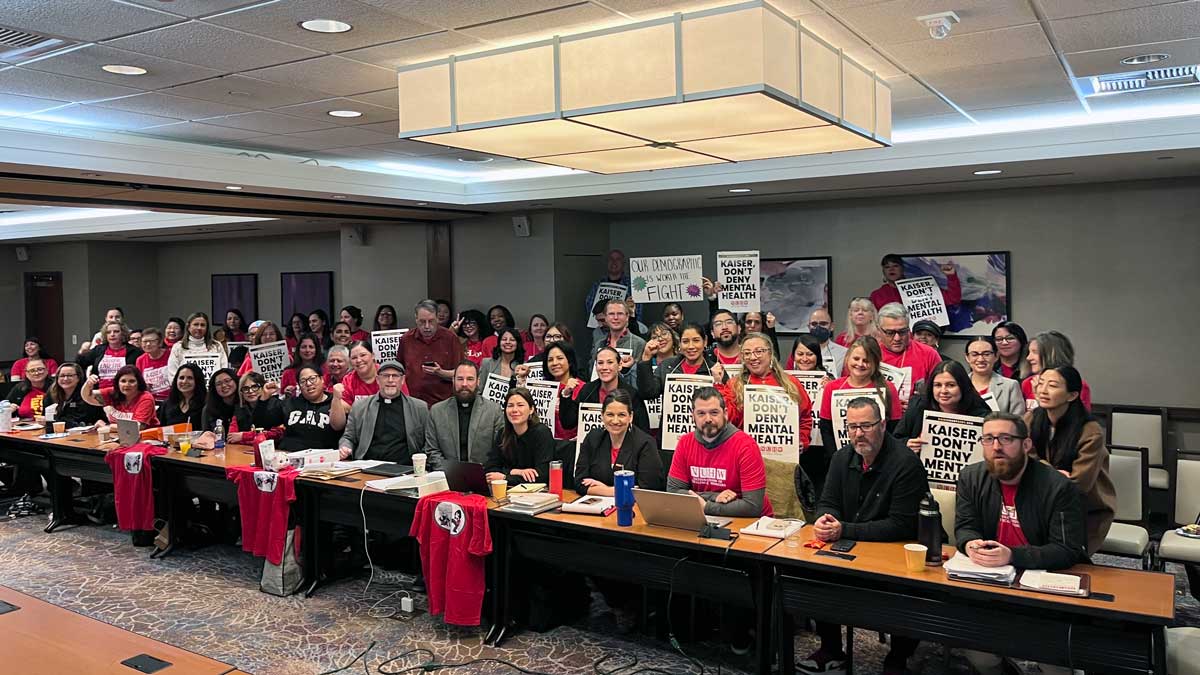
The strike comes while therapists, represented by the National Union of Healthcare Workers, have been without a contract since the end of September. Both sides remain far apart with Kaiser sticking to extreme proposals that would reverse patient care safeguards previously won by therapists and open the door to replacing therapist jobs with artificial intelligence and further outsourcing care.
The strike will run from 6 a.m. Wednesday, March 18 to 6 a.m. Thursday, March 19. Picket lines will begin at 6 a.m. outside medical centers in Oakland and Sacramento and 8 a.m. outside medical centers in Fresno, Santa Rosa and Santa Clara.
“We want mental healthcare that works for patients, not just Kaiser’s bottom line,” said Raul Figueroa, a therapist in Sacramento. “Therapy is about human connection, but Kaiser increasingly wants its patients to rely on chatbots, and its therapists go from patient-to-patient like they’re working on an assembly line instead of helping people overcome depression and trauma.”
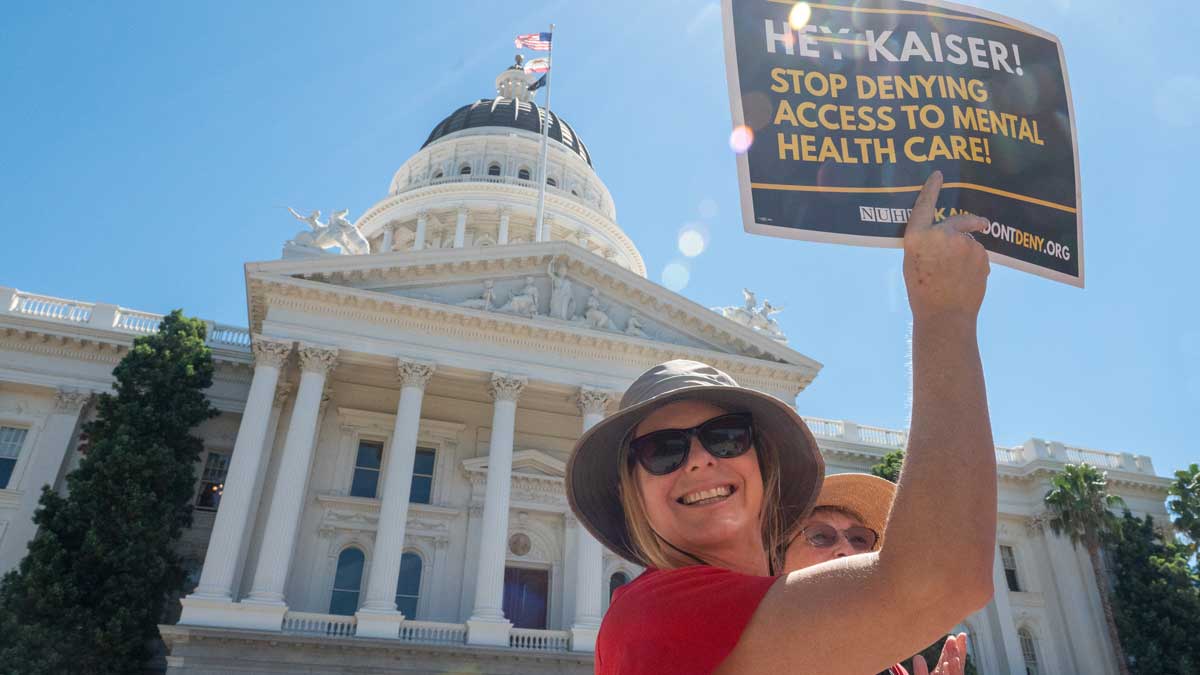
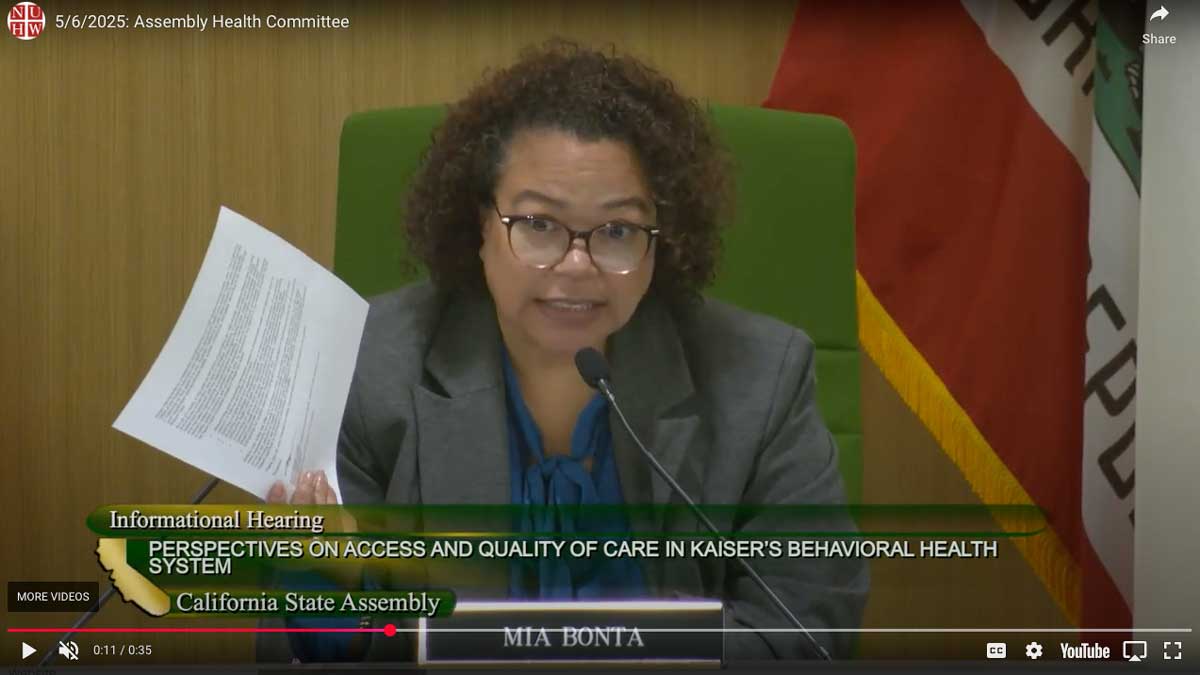
Kaiser is a serial violator of mental health parity laws, having acknowledged in a $200 million settlement agreement with the California Department of Managed Health Care that “it lacks sufficient behavioral health providers” and that “This lack of clinical staff has resulted in excessive wait times for enrollee individual therapy appointments…”
Last month, Kaiser entered into a $31 million settlement with the U.S. Department of Labor over violations of mental health parity laws. Under the 38-page settlement agreement, Kaiser must reimburse patients who had to pay out-of-pocket for mental health treatment they couldn’t get from Kaiser.
Despite being under both state and federal monitoring of its mental health services and having $67 billion in reserves, Kaiser has refused to work with therapists to improve care and has invested heavily into artificial intelligence, including a program that records therapy sessions.
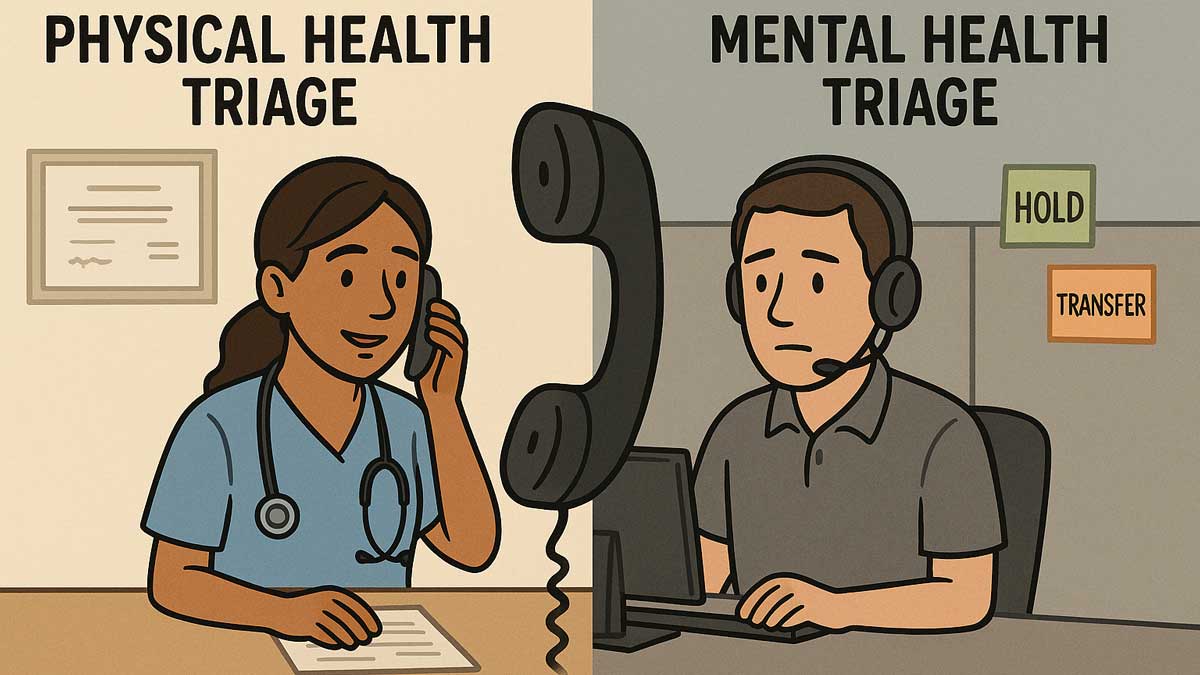
The upcoming strike is predicated on an Unfair Labor Practice charge therapists filed against Kaiser for unilaterally overhauling its system for triaging patients seeking mental health services.
Patients entering Kaiser’s mental healthcare system are no longer guaranteed to talk to a human therapist trained to ask the right questions to determine what kind of treatment they need and how urgently they need it. Now, most patients must answer yes-or-no prompts, while Kaiser telephone operators and artificial intelligence decide the next step. As a result, therapists report seeing more patients who should have been seen immediately or assigned to a different treatment program.
When it comes to AI, Kaiser is setting the stage to not just replace work done by therapists, but to replace therapists themselves.
In ongoing contract negotiations, The HMO is refusing to agree to the same language in its 2025 contract with Southern California mental health professionals stating that the intention of new technologies, including artificial intelligence, “is not to replace but to assist (therapists) in providing safe therapeutic and effective patient care and support.” When Northern California therapists on the union’s bargaining committee asked Kaiser management officials if their about-face on AI foreshadowed potential layoffs, Kaiser officials responded that they wanted “flexibility.”
“Kaiser is taking the humanity out of health care,” said Brittany Beard, a Kaiser therapist in the Bay Area. “We want to make therapeutic care more accessible, but not at the expense of patient privacy or patient safety. Kaiser should be working with us to improve its services, not trying to replace us so that it can mechanize them.”
Kaiser’s position on A.I. is one of several hardline stances in contract bargaining that would diminish patient care standards. The HMO is also seeking to:
- Exert unilateral authority to lay off therapists in order to further outsource mental health services, severing mental health care from the rest of Kaiser’s integrated services. Kaiser’s proposal even details severance packages.
- Reverse patient care safeguards therapists won in previous contracts including scheduling rules that reduce wait times for return appointments and give therapists enough time to respond to patient communications and prepare for appointments.
###
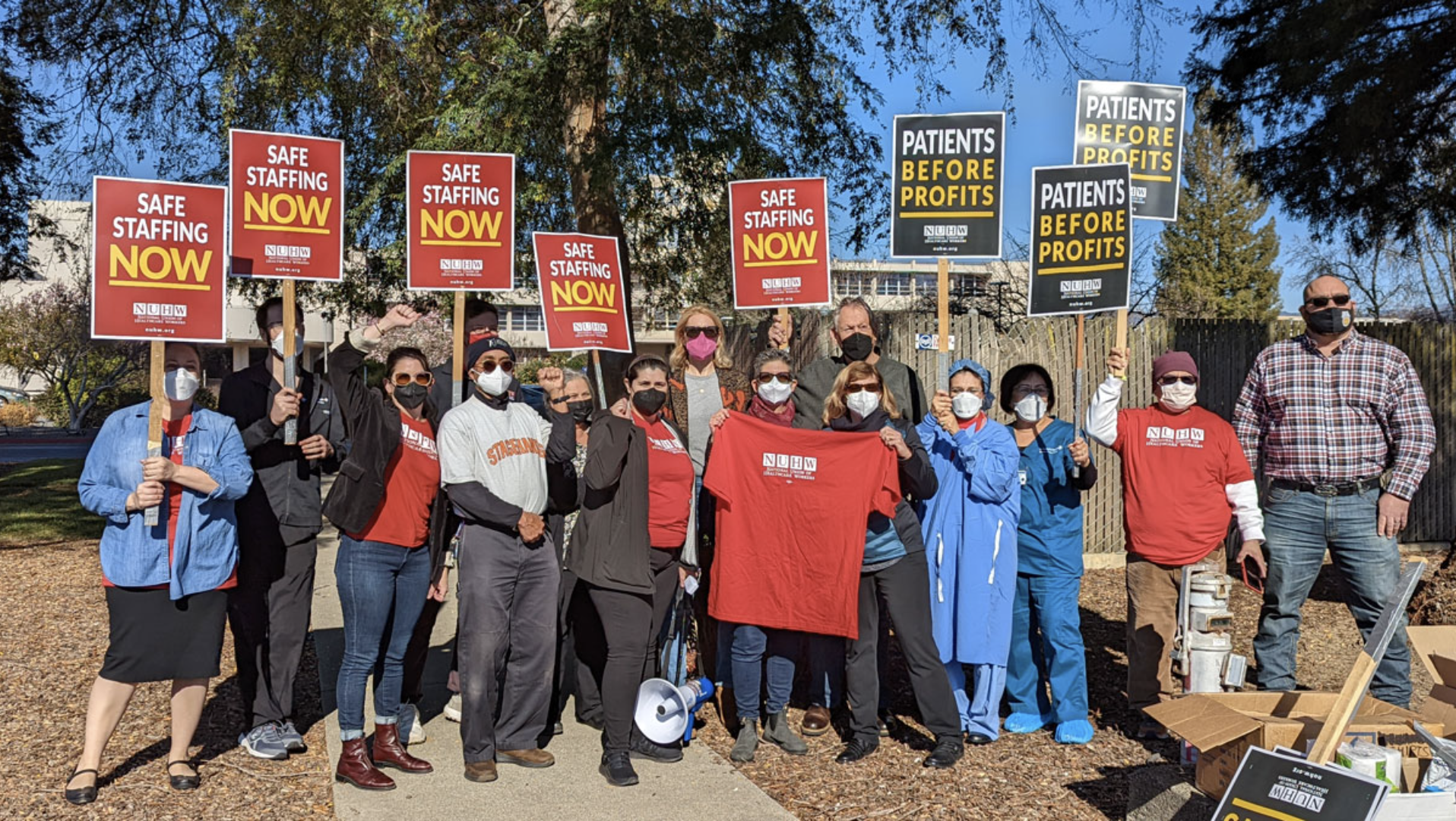
The National Union of Healthcare Workers is a member-led movement that represents 19,000 healthcare workers in California and Hawaii, including more than 4,700 Kaiser mental health professionals in California.