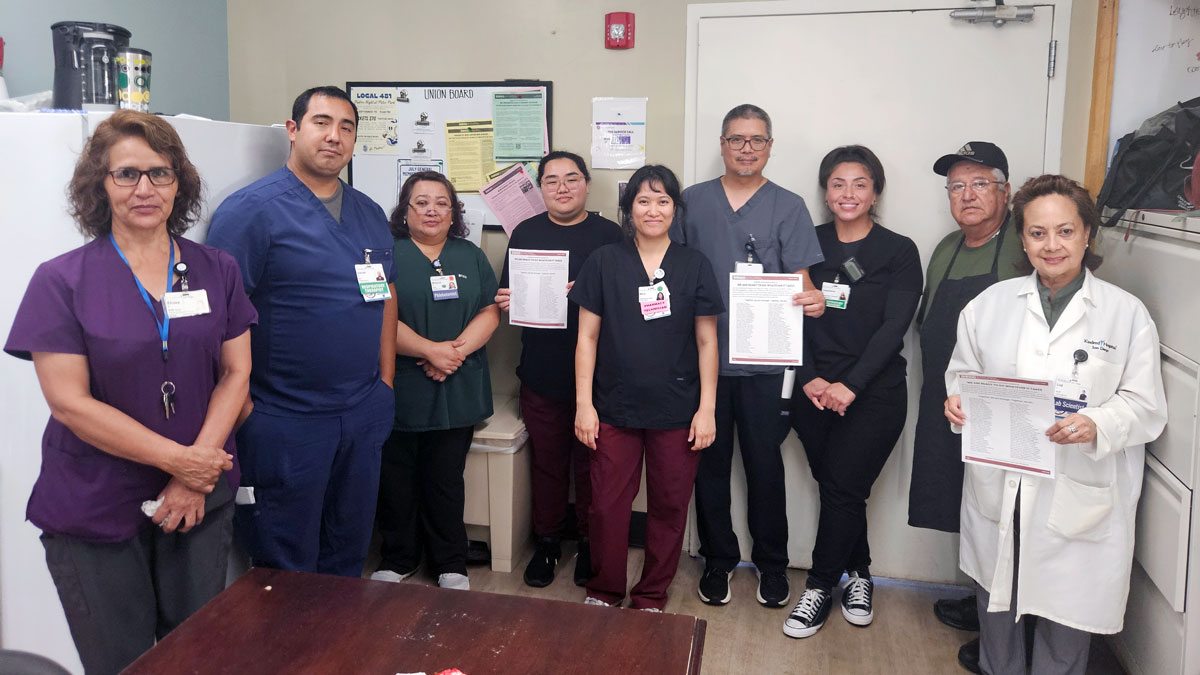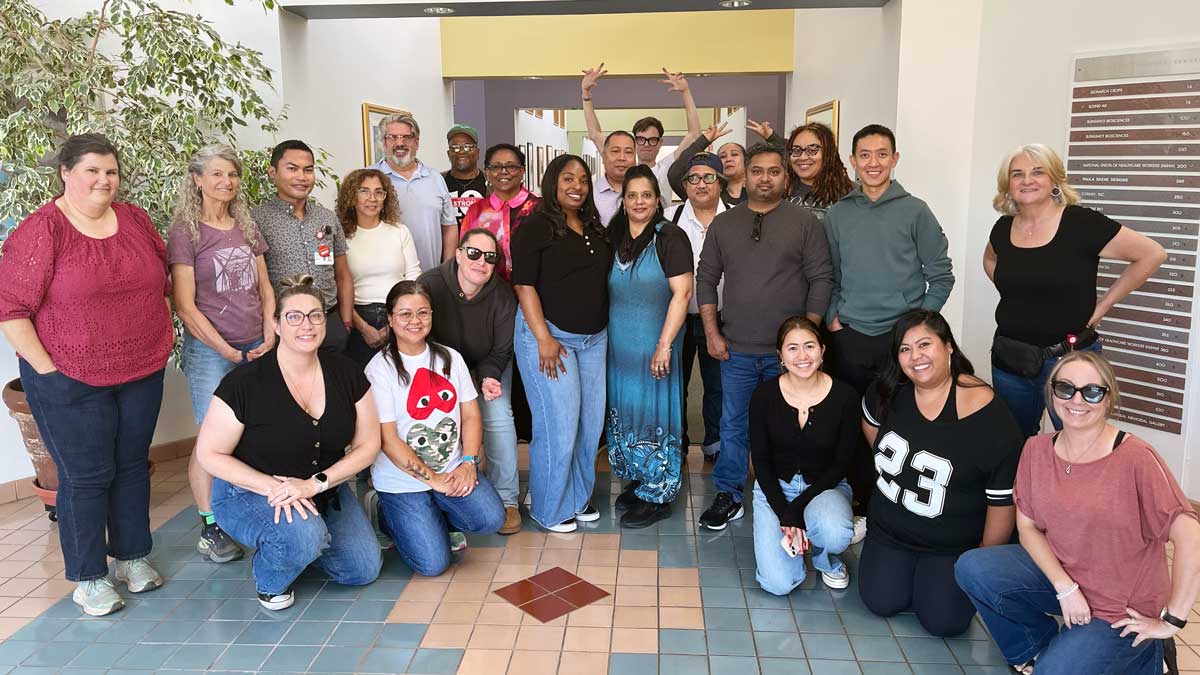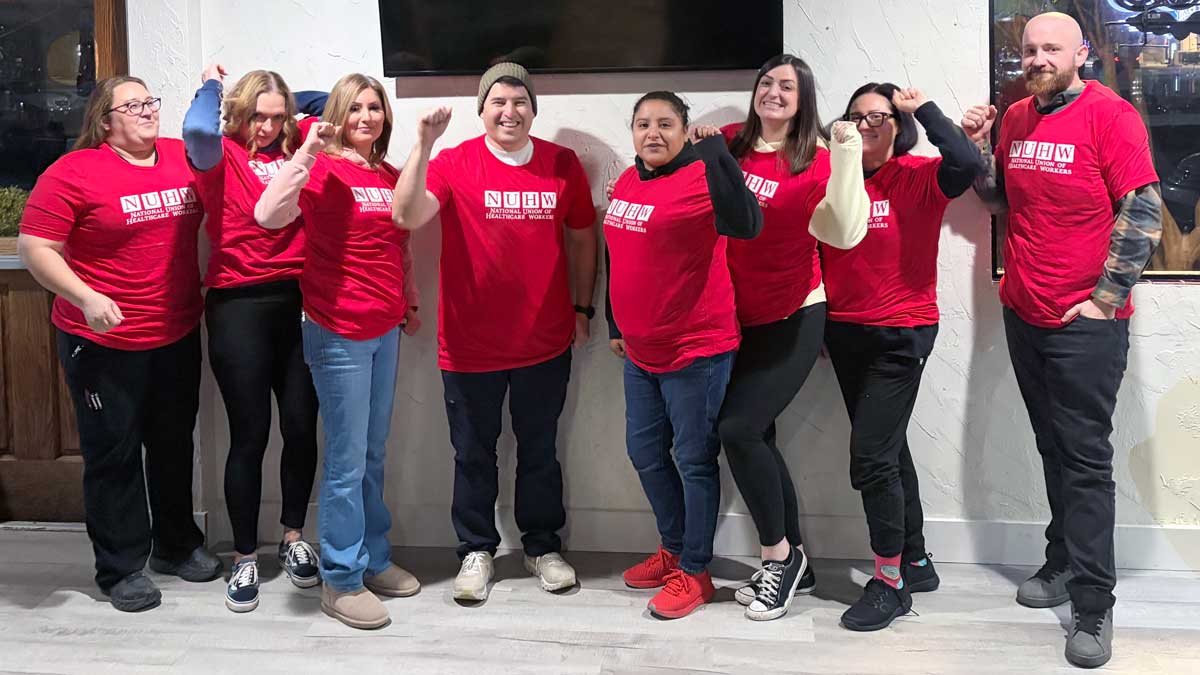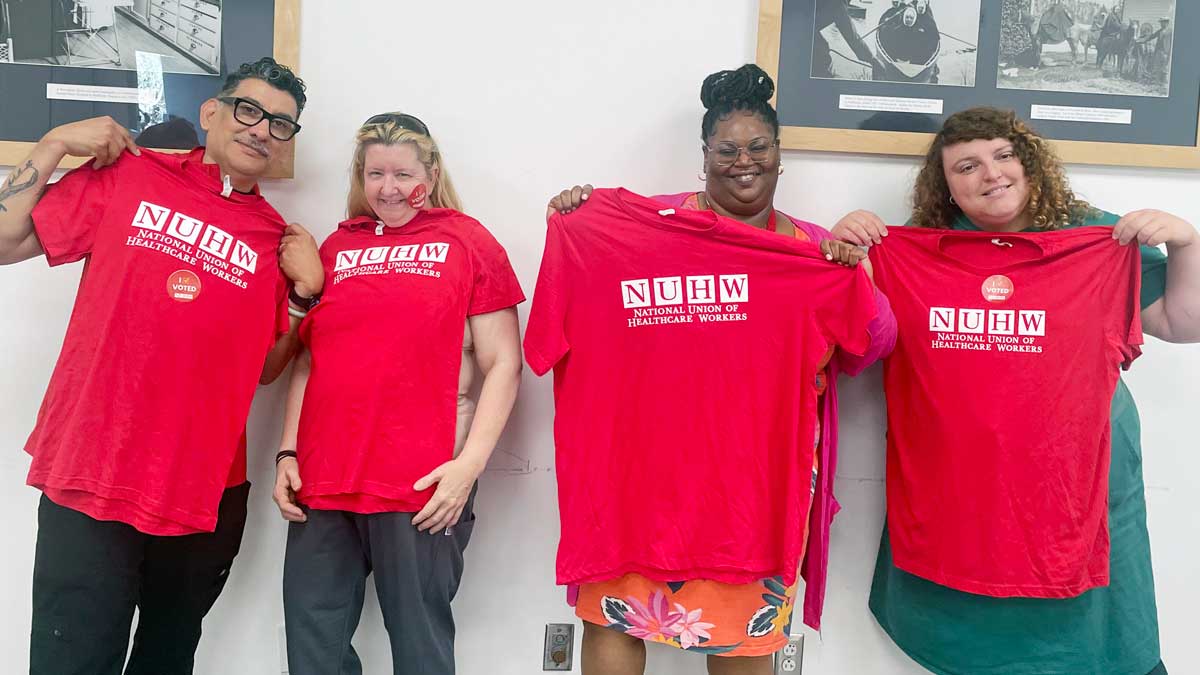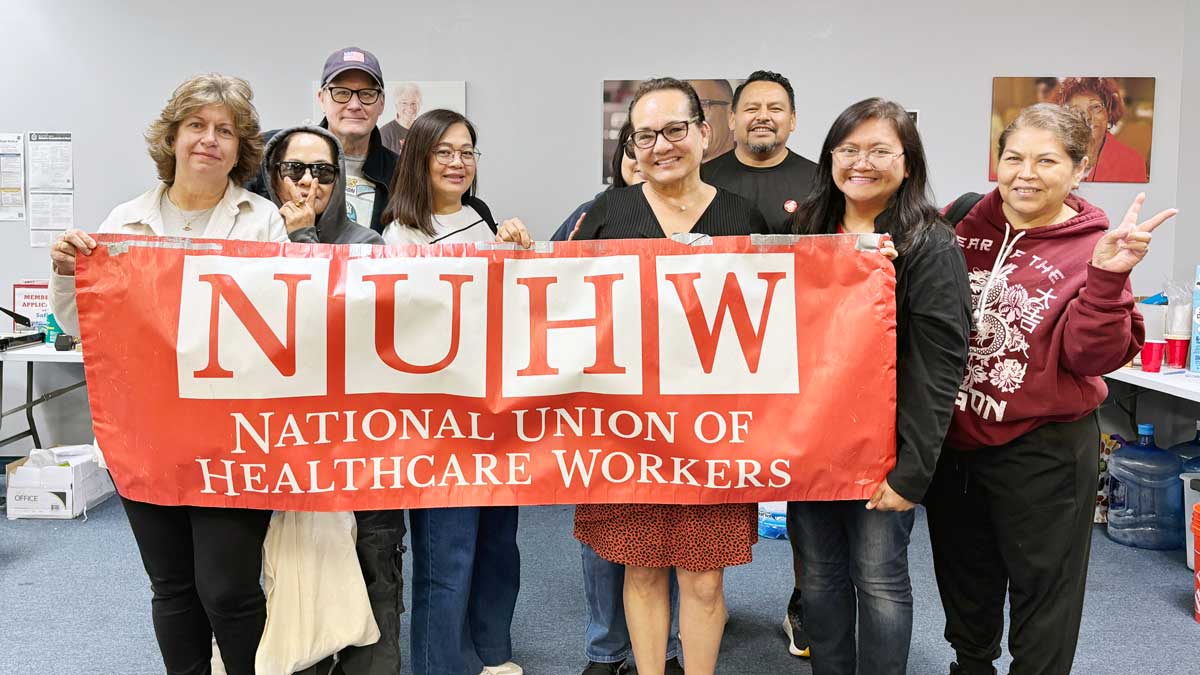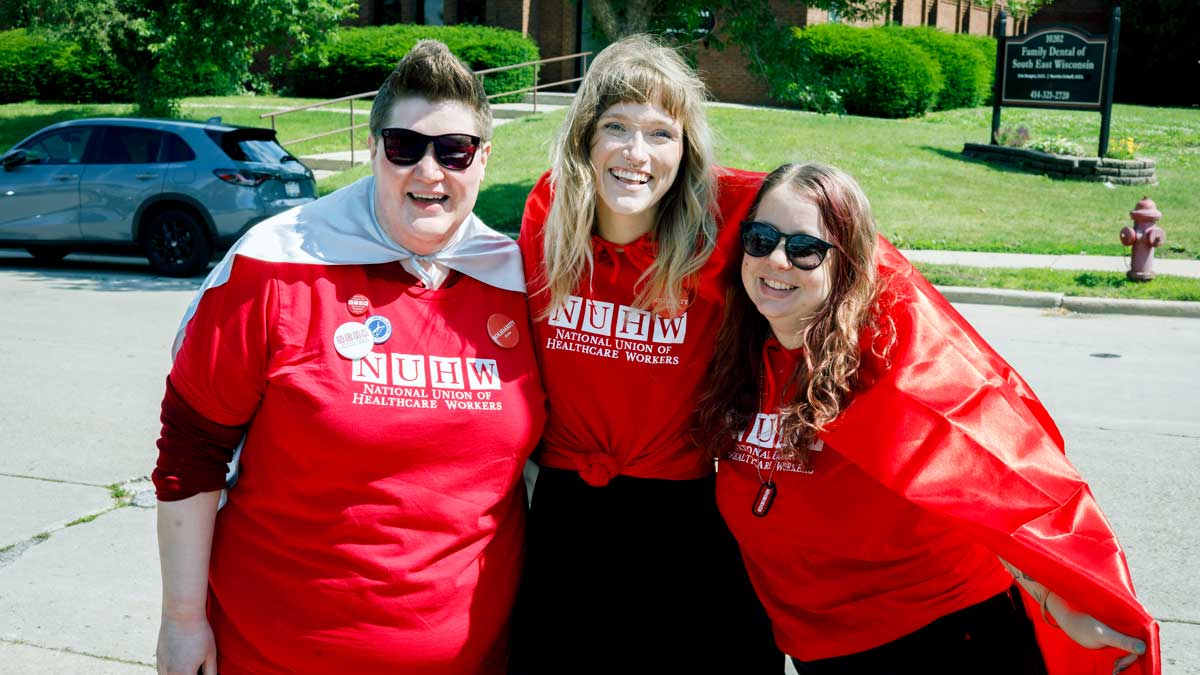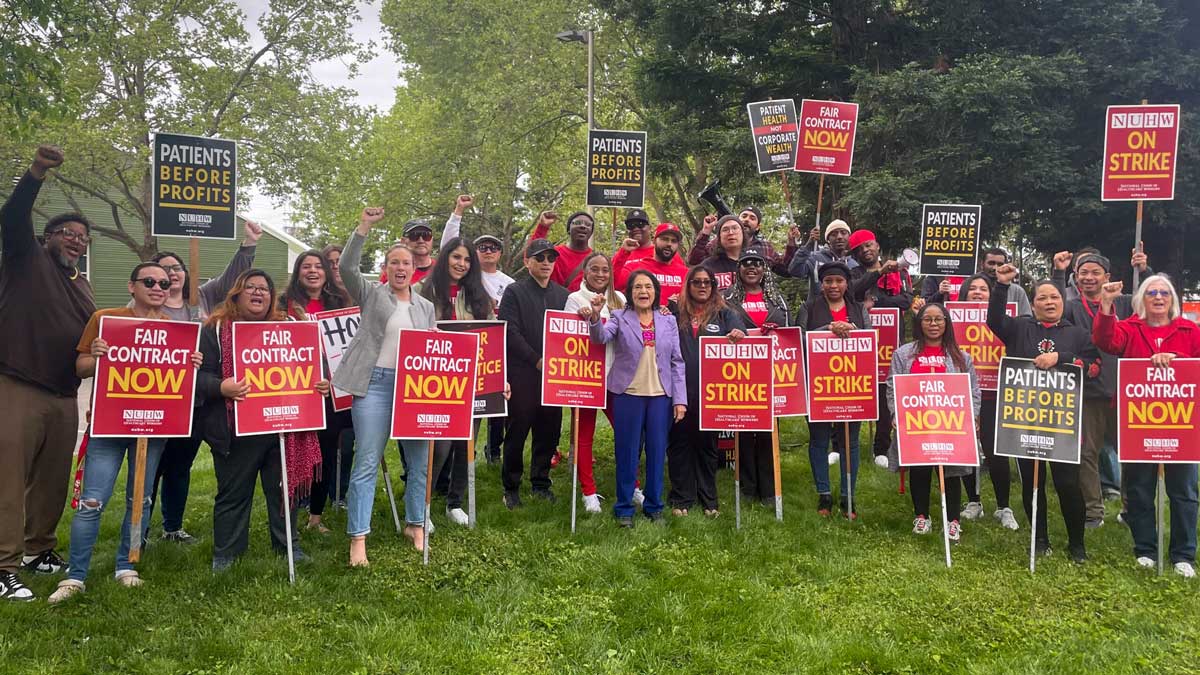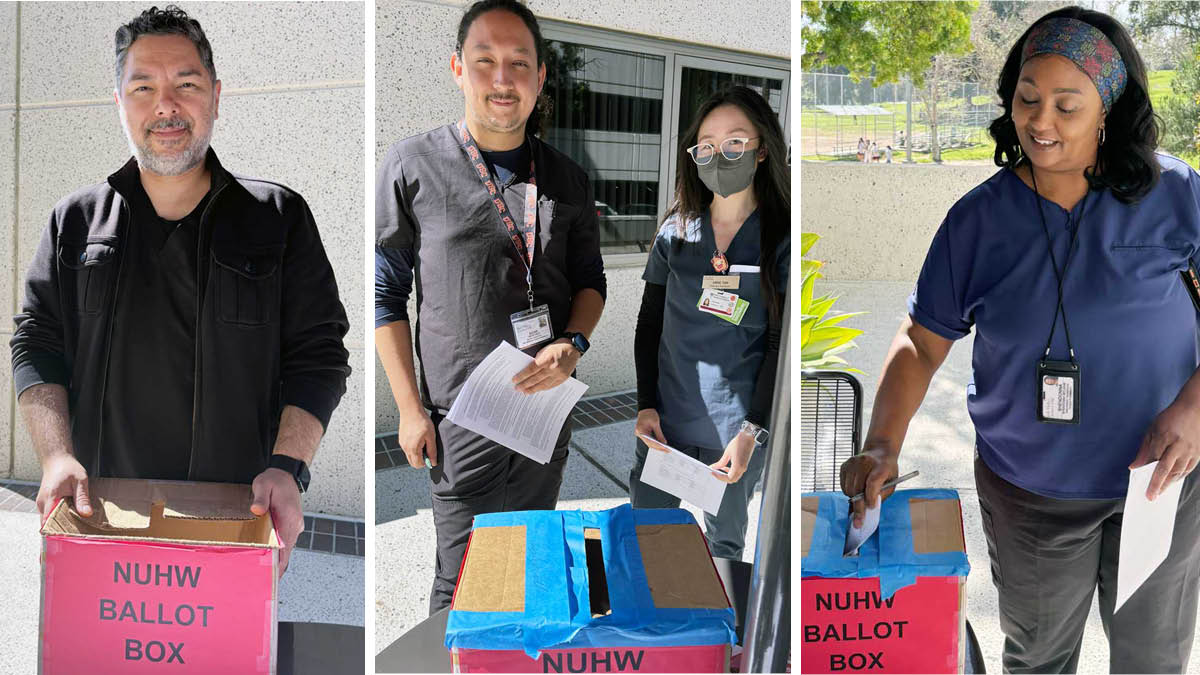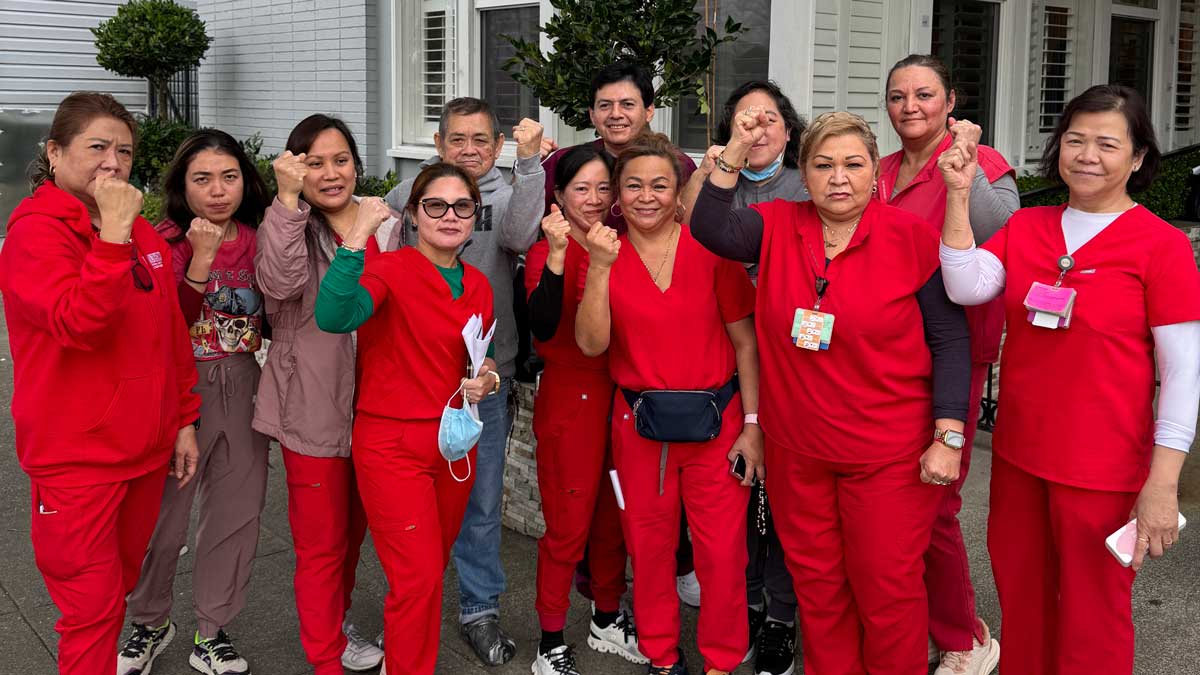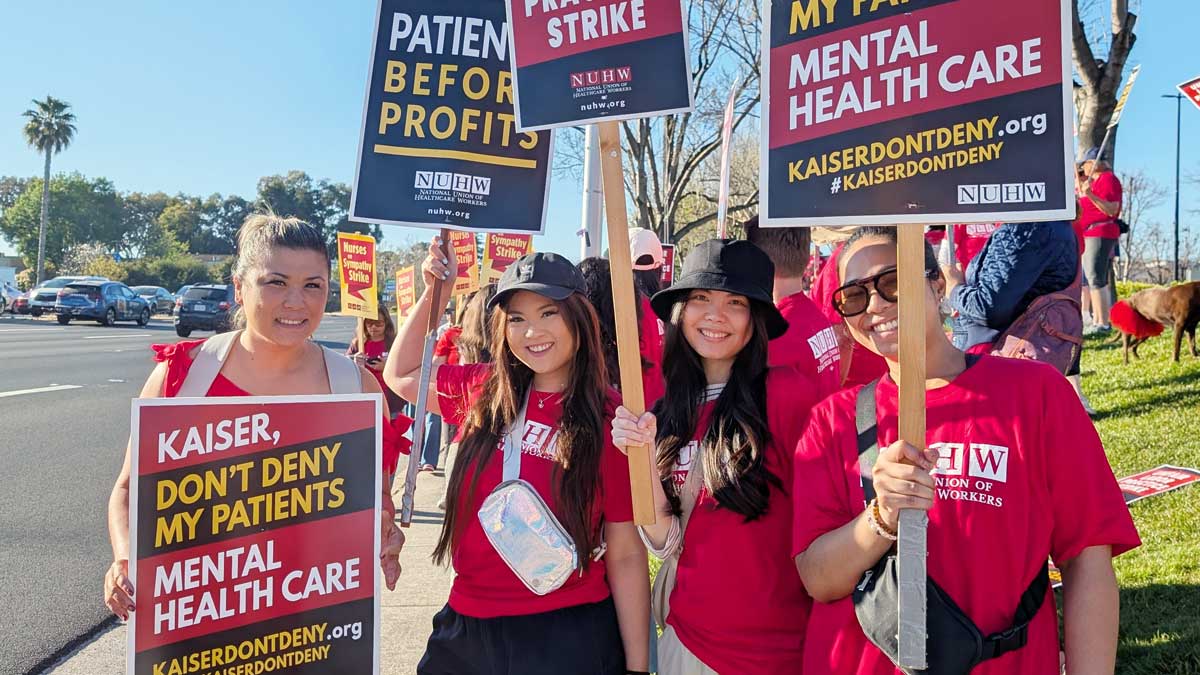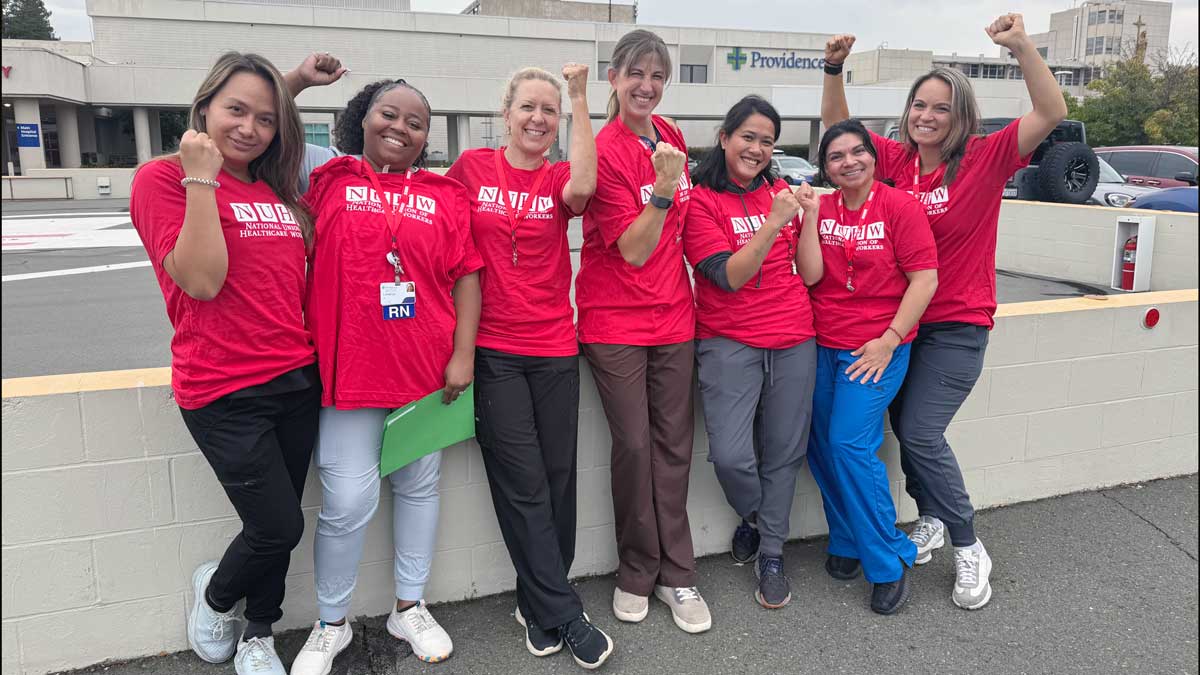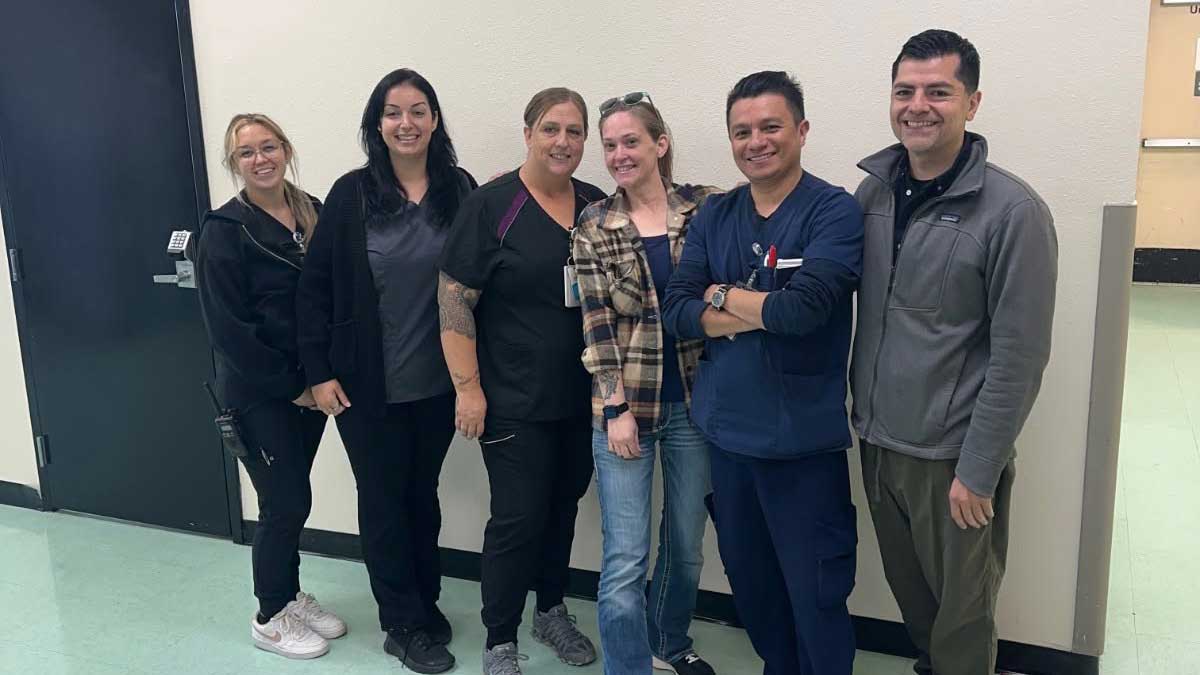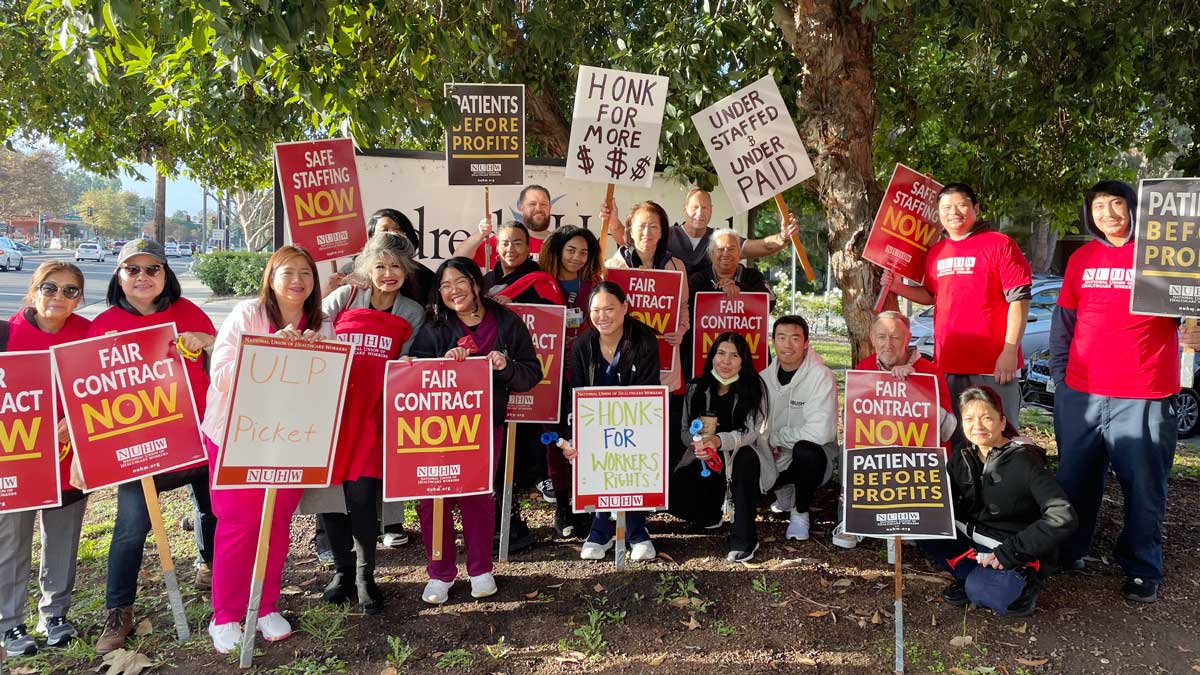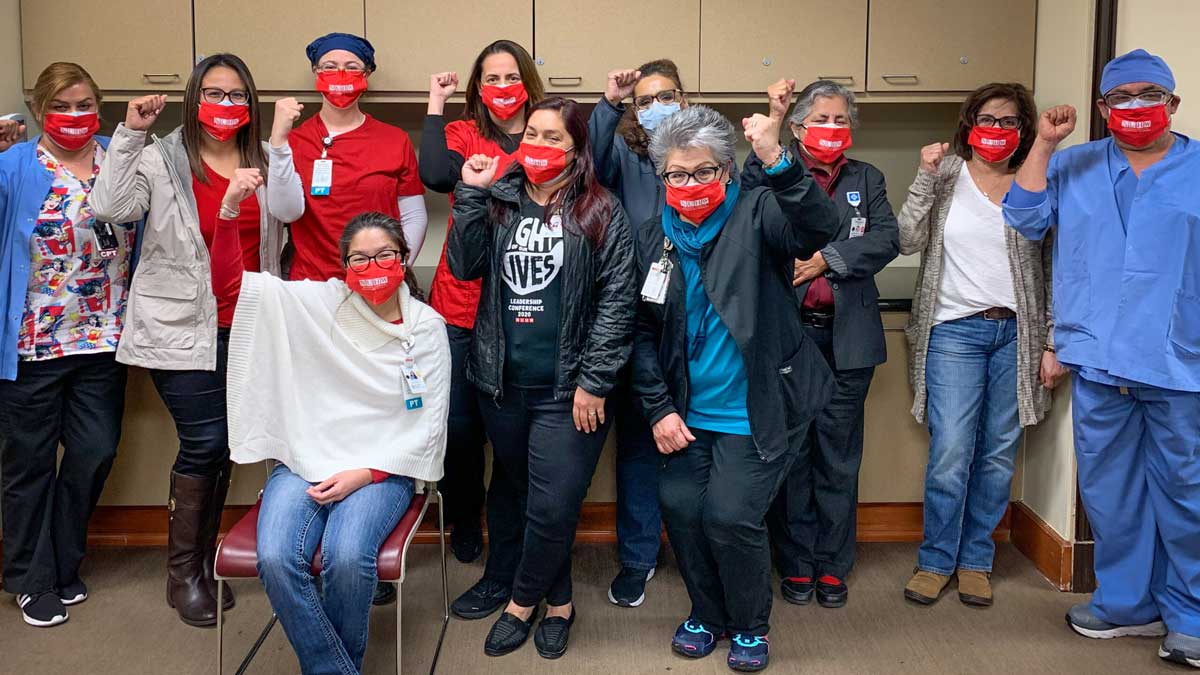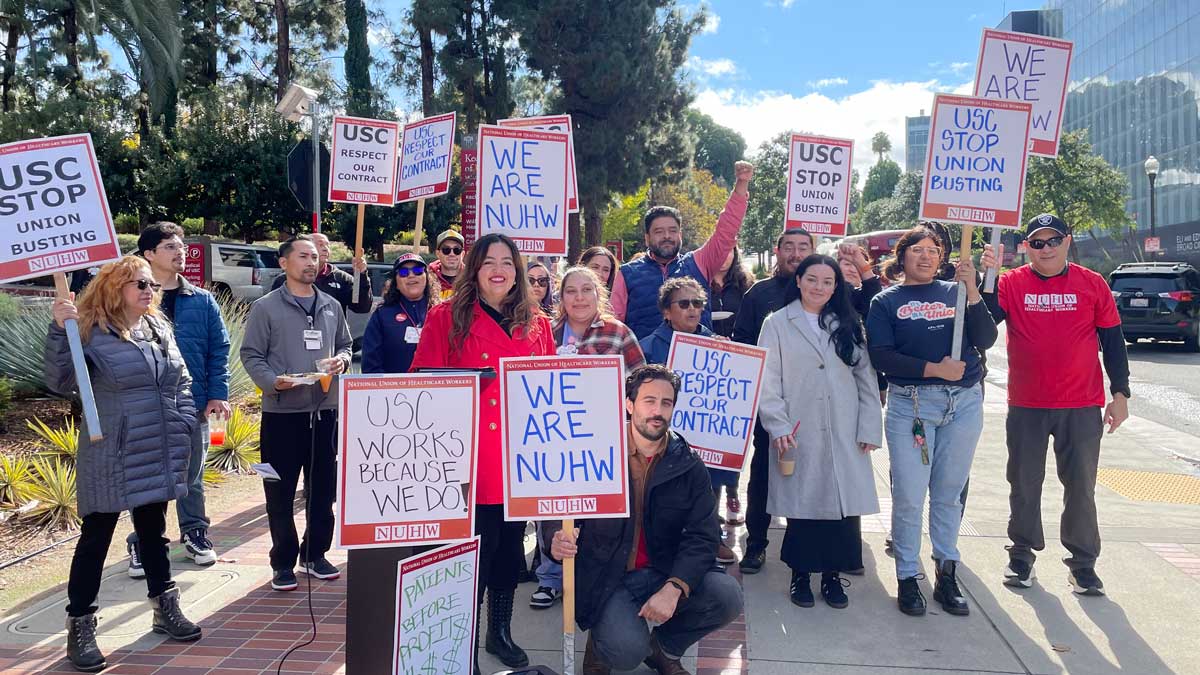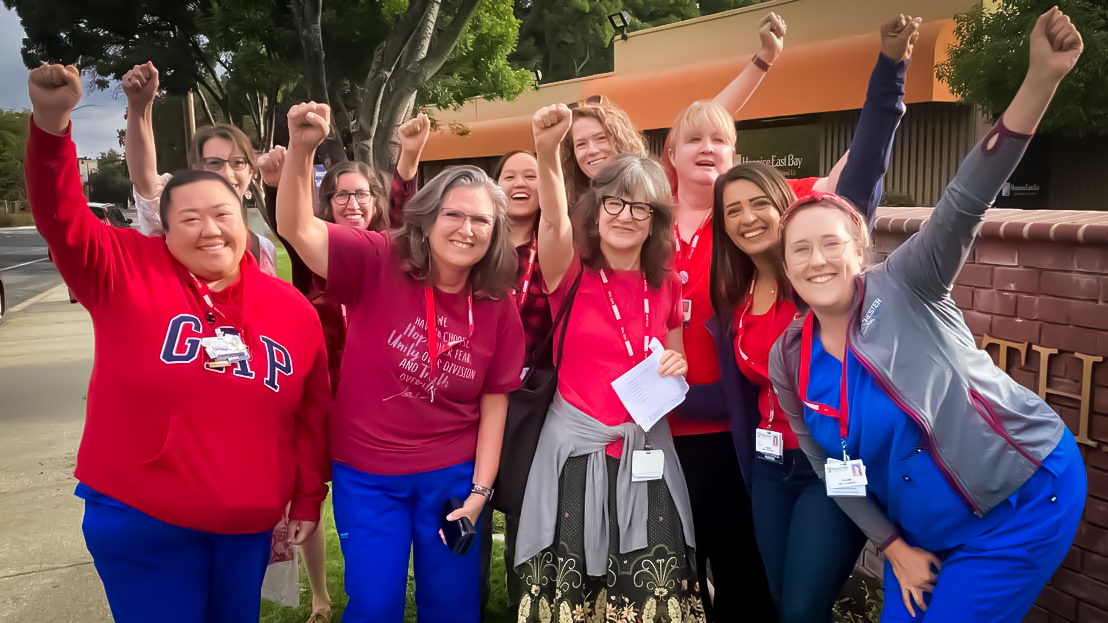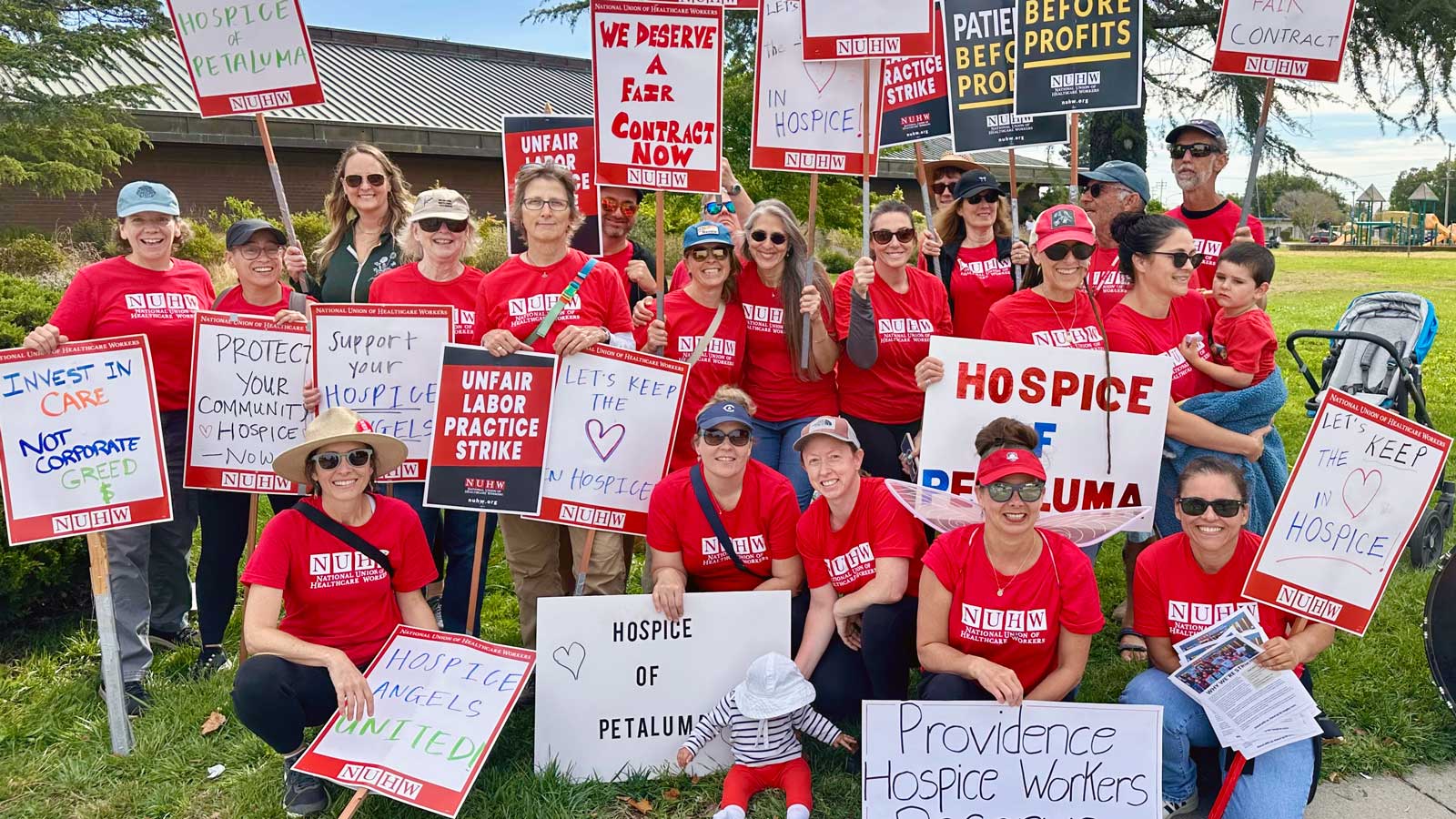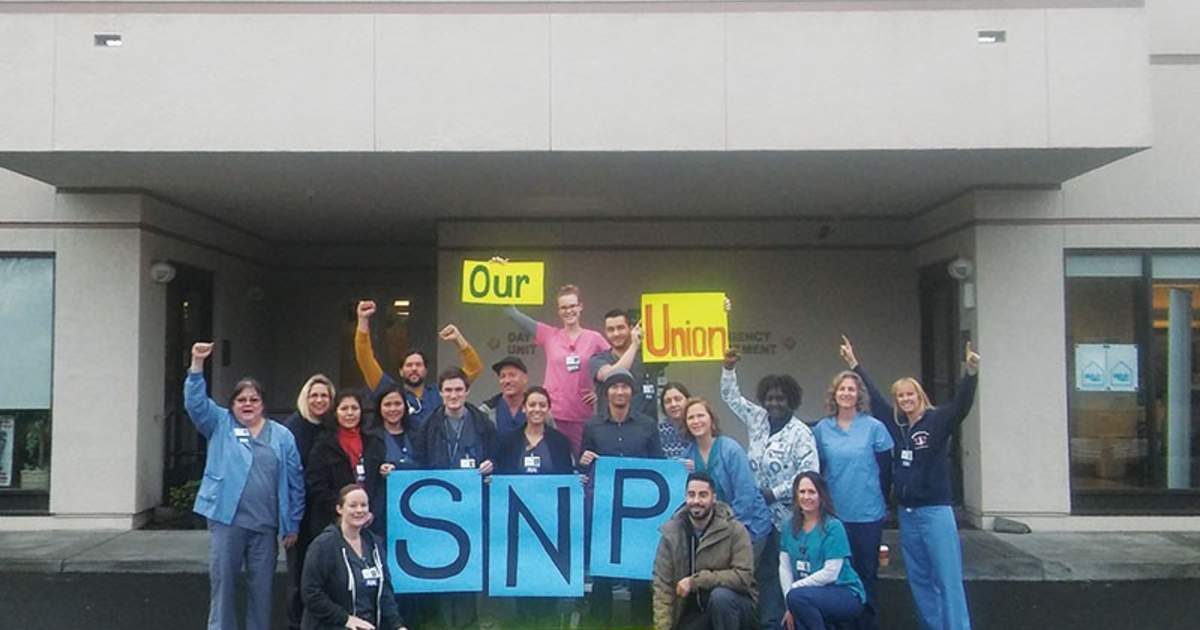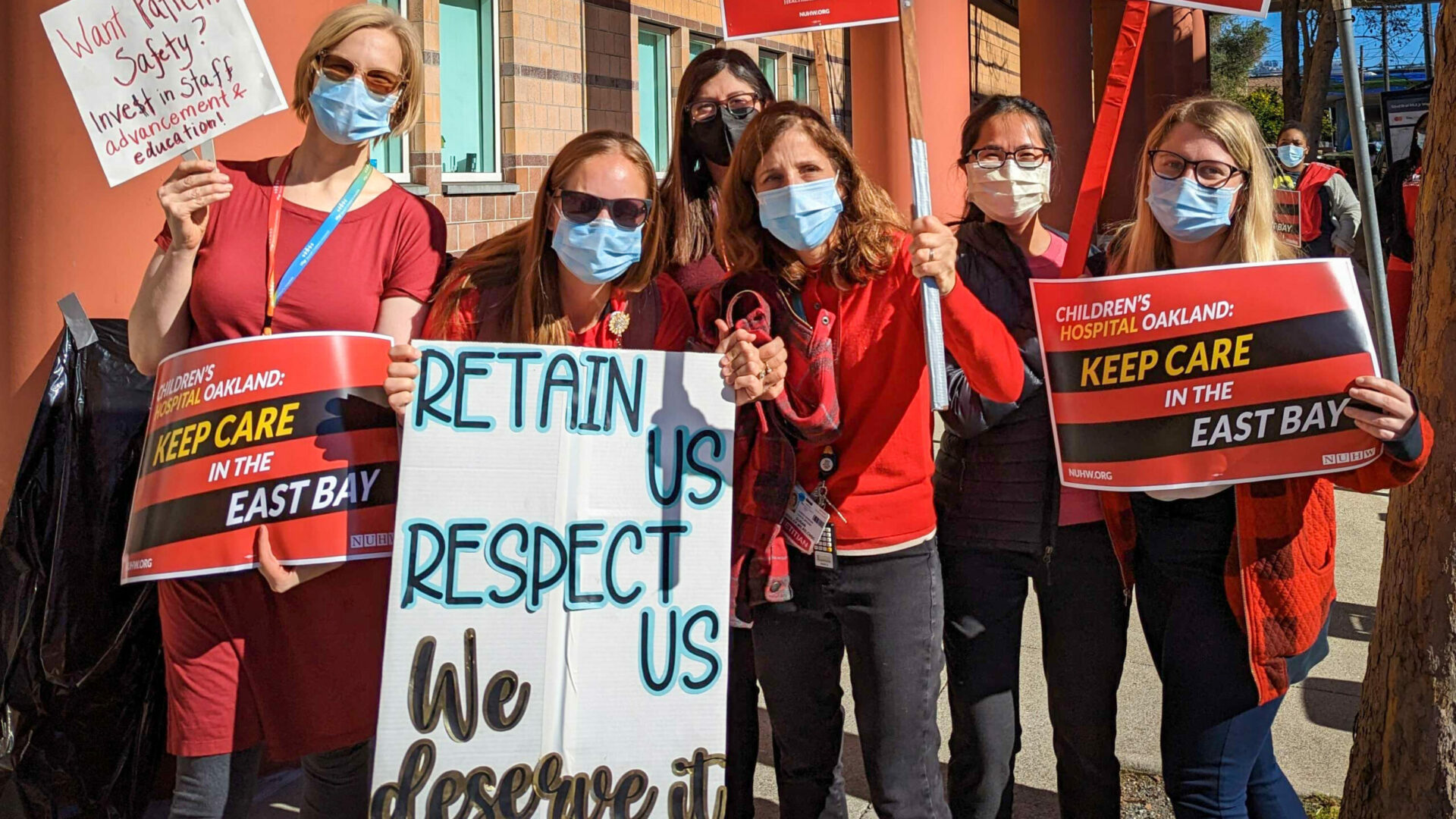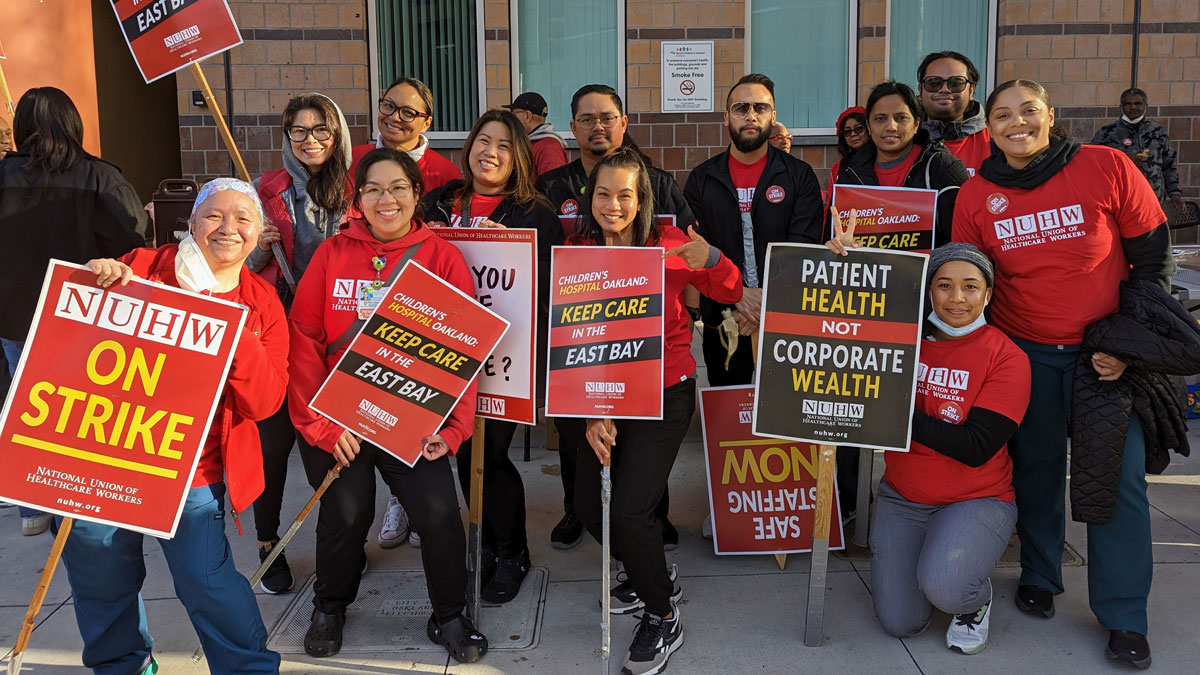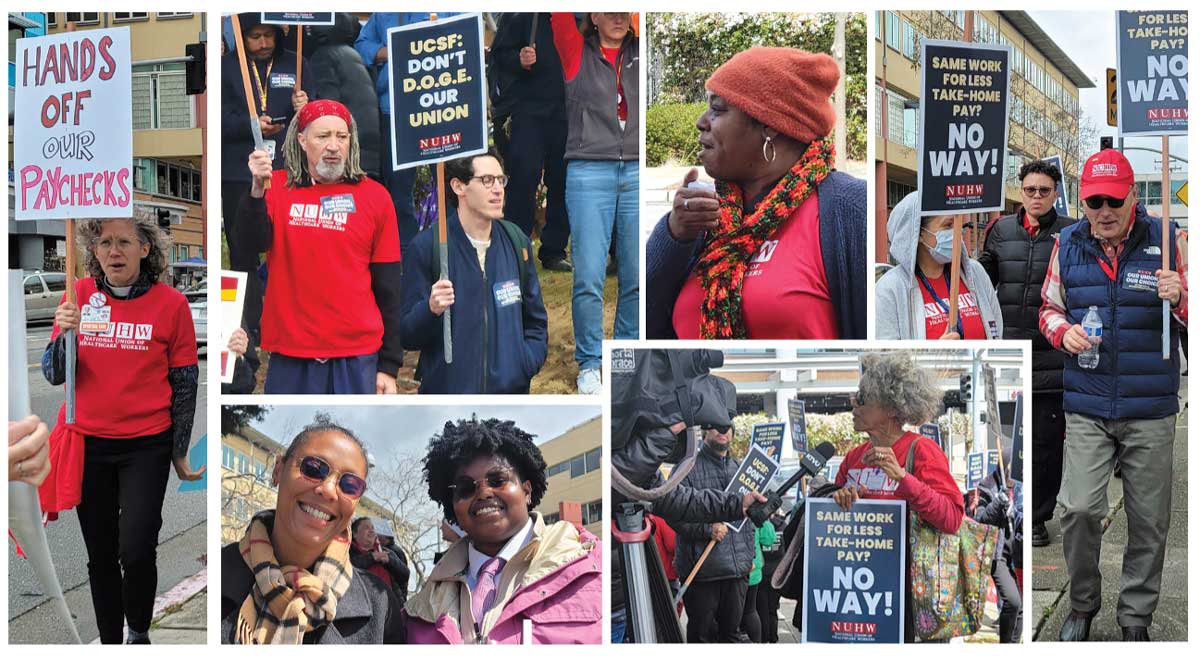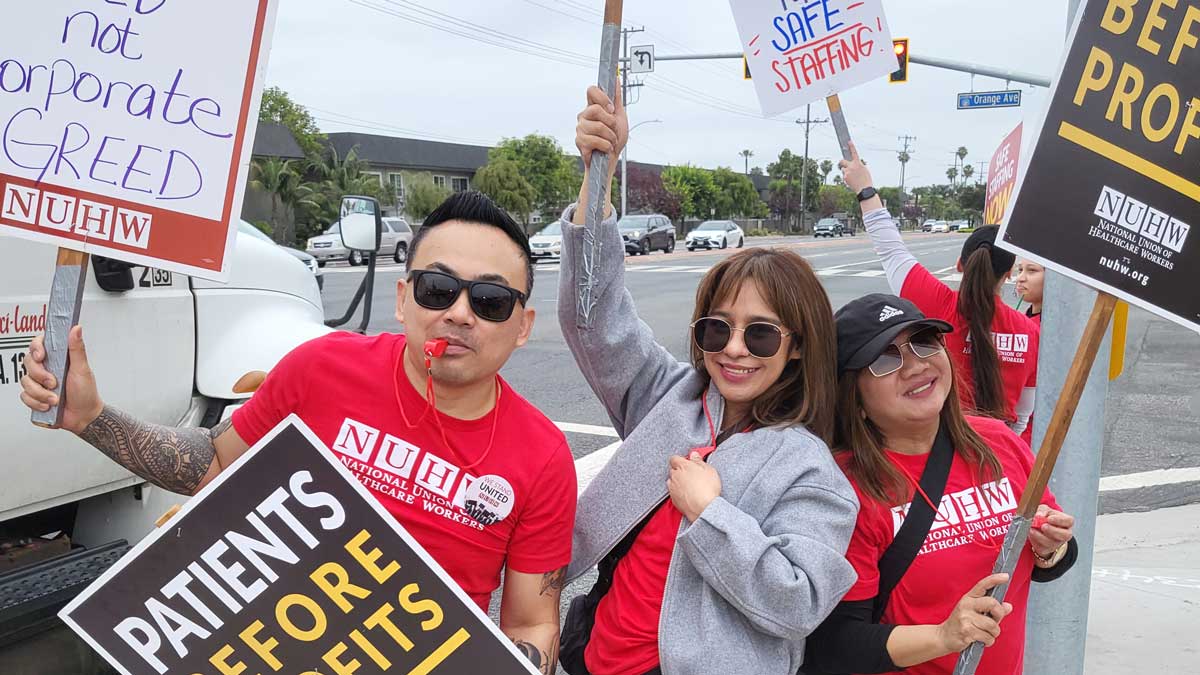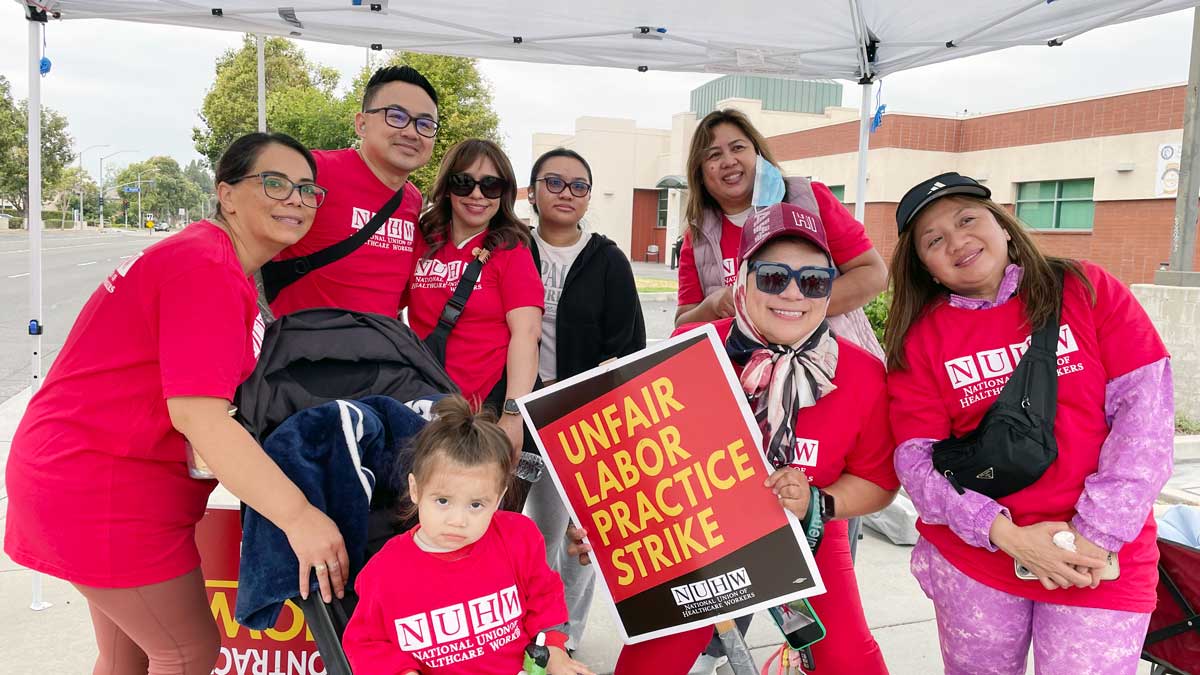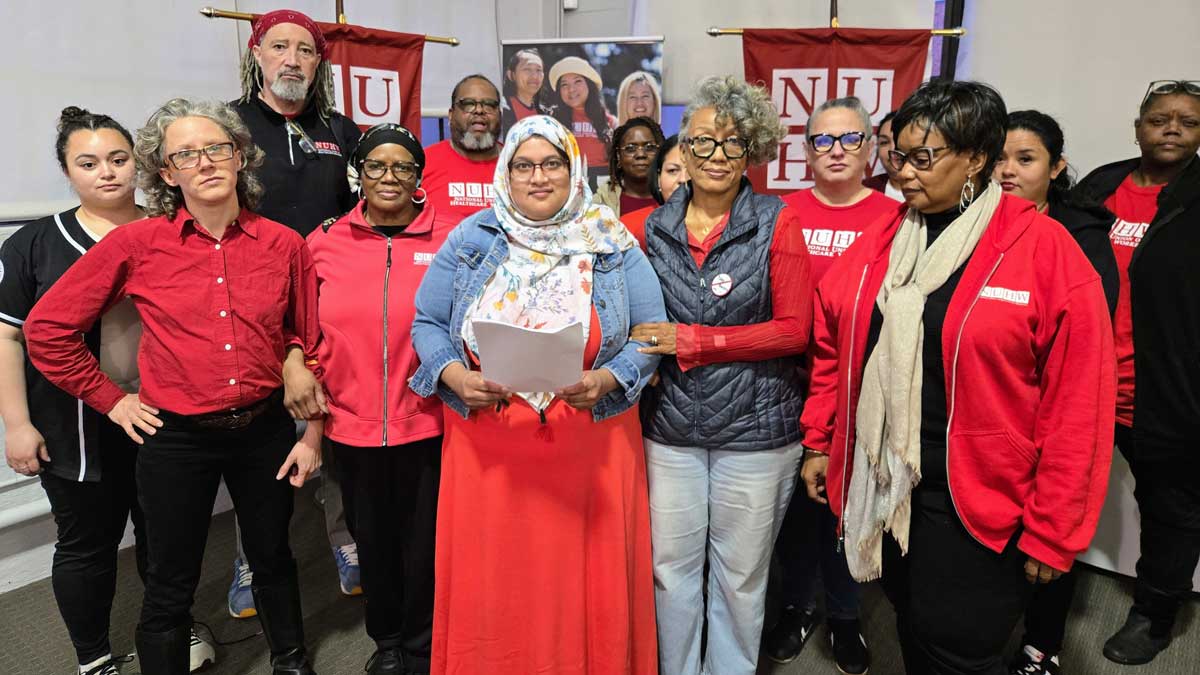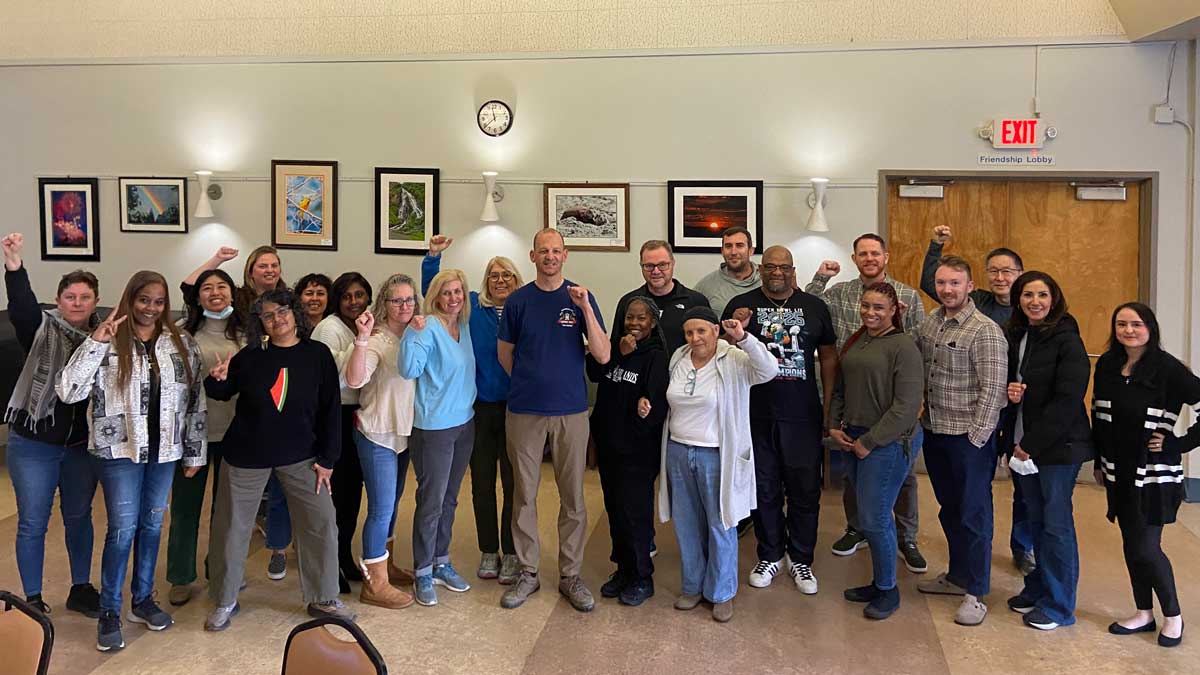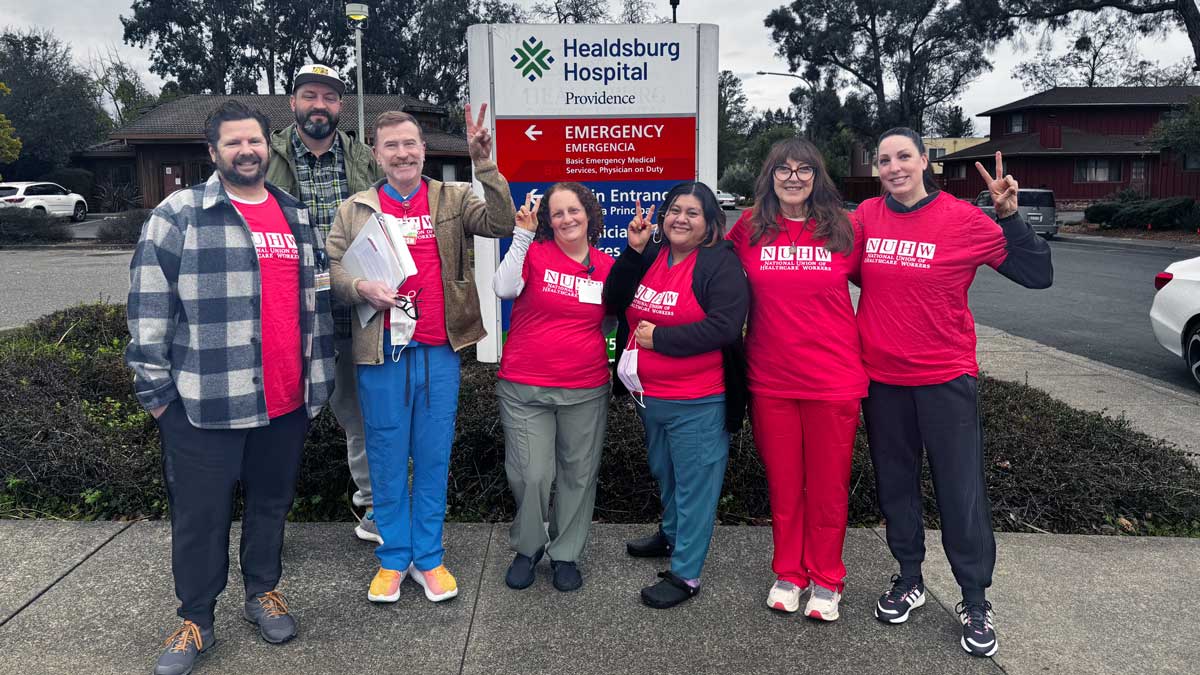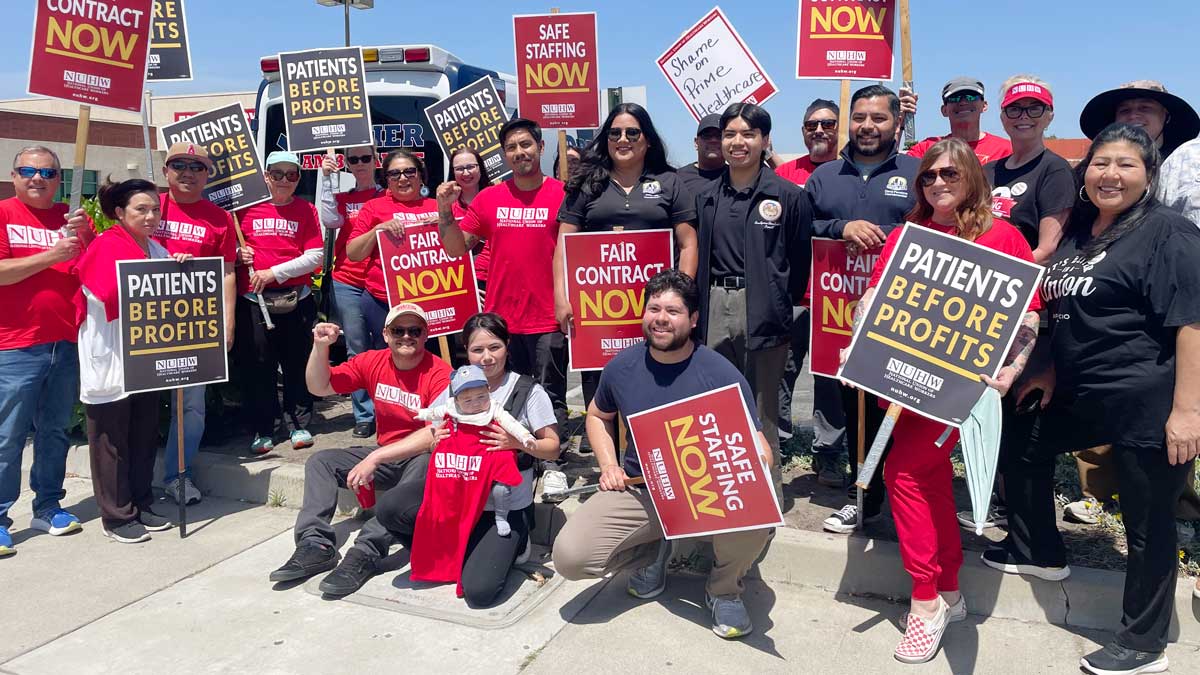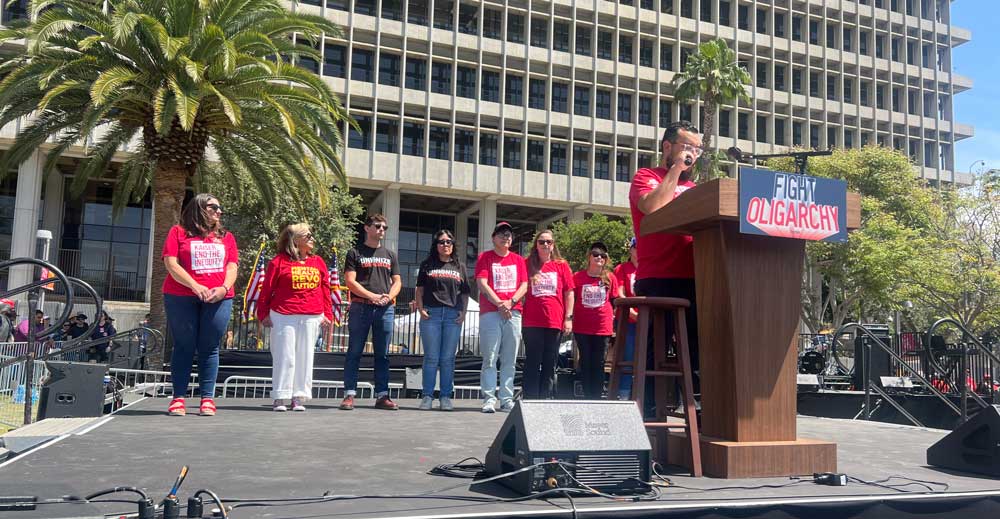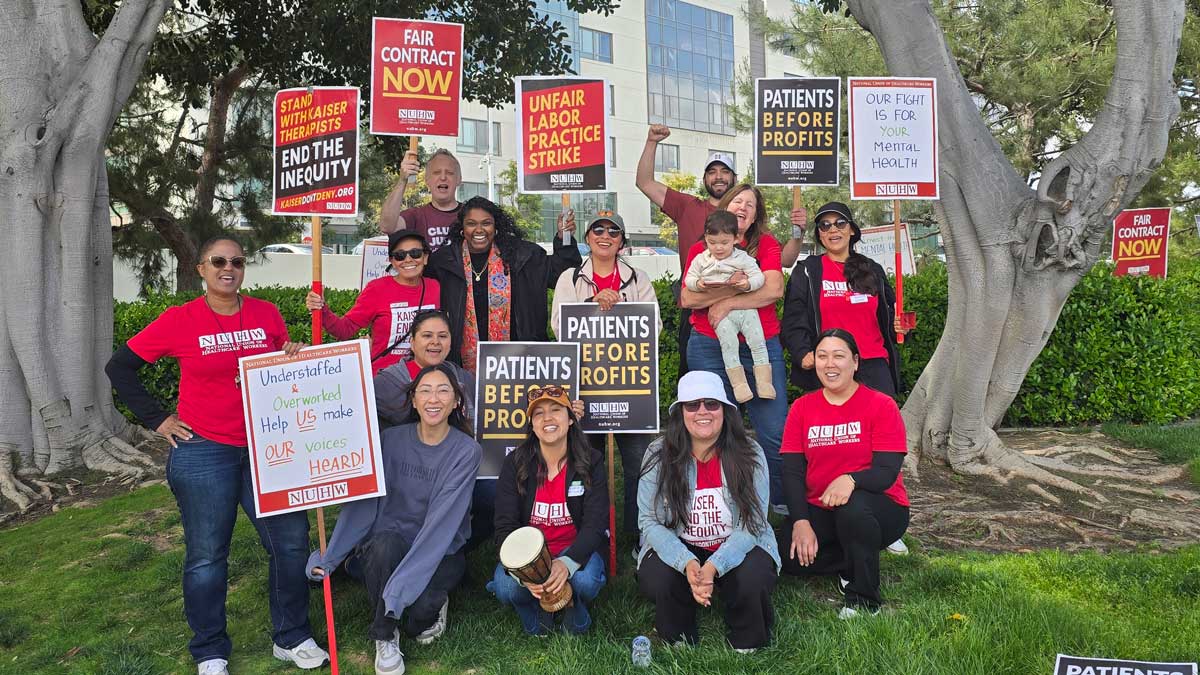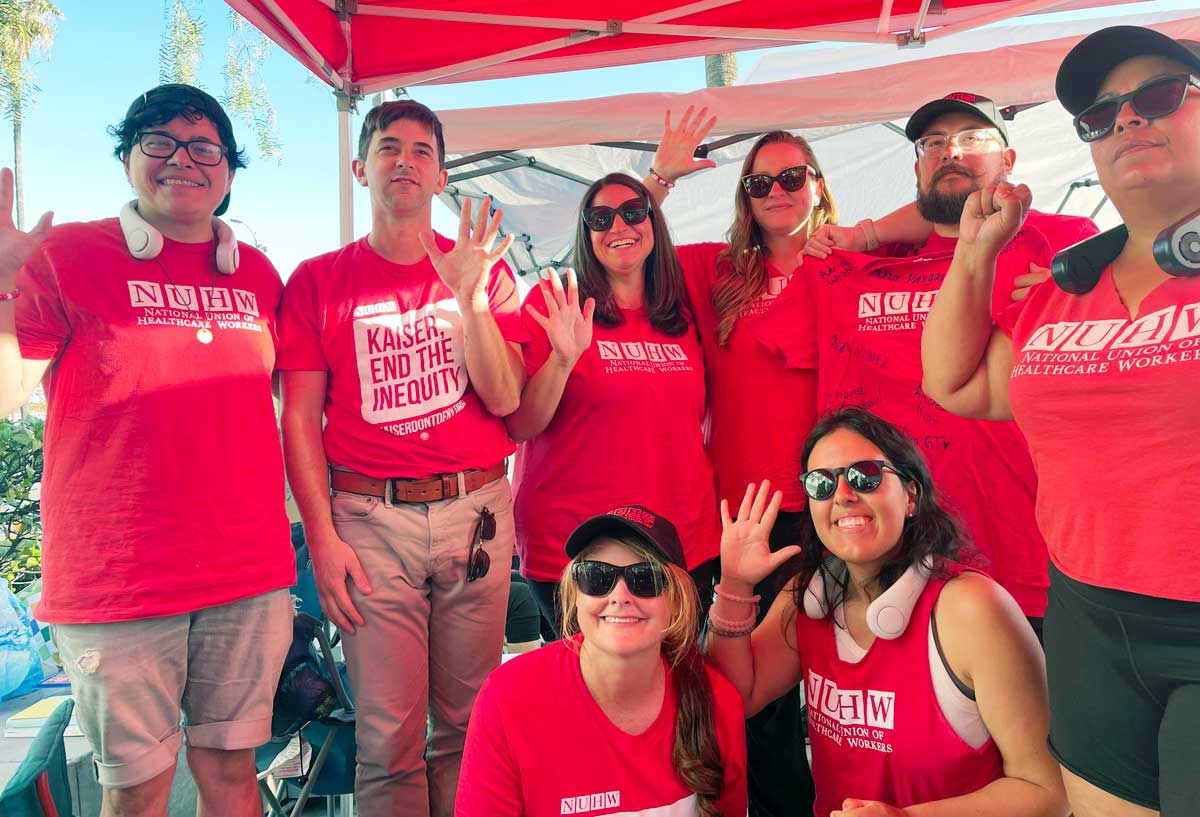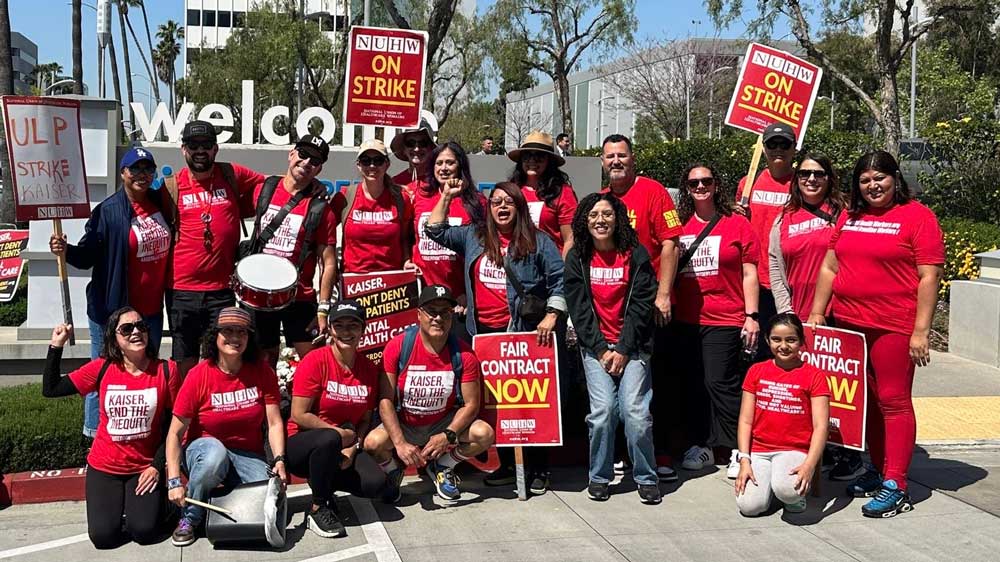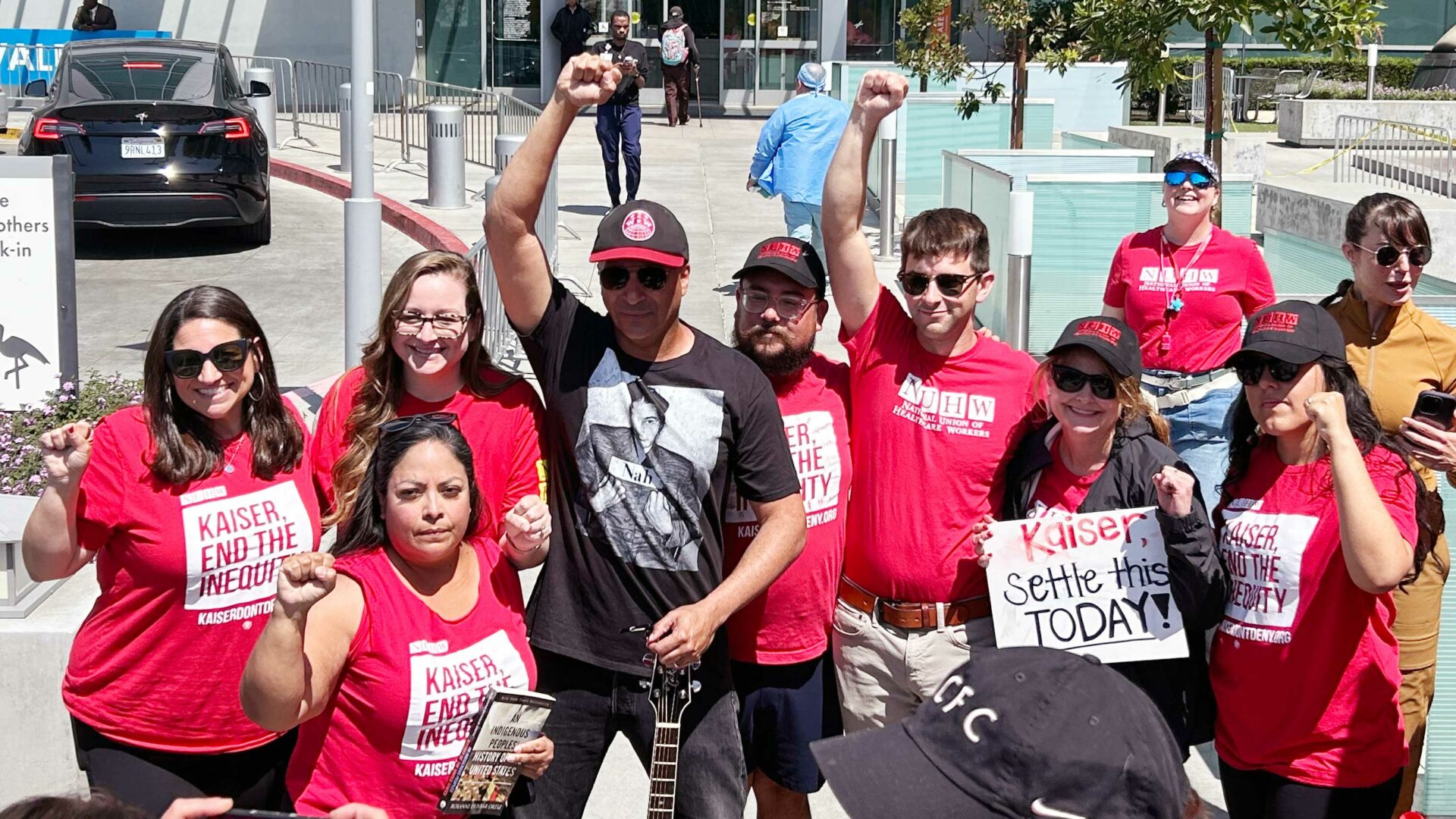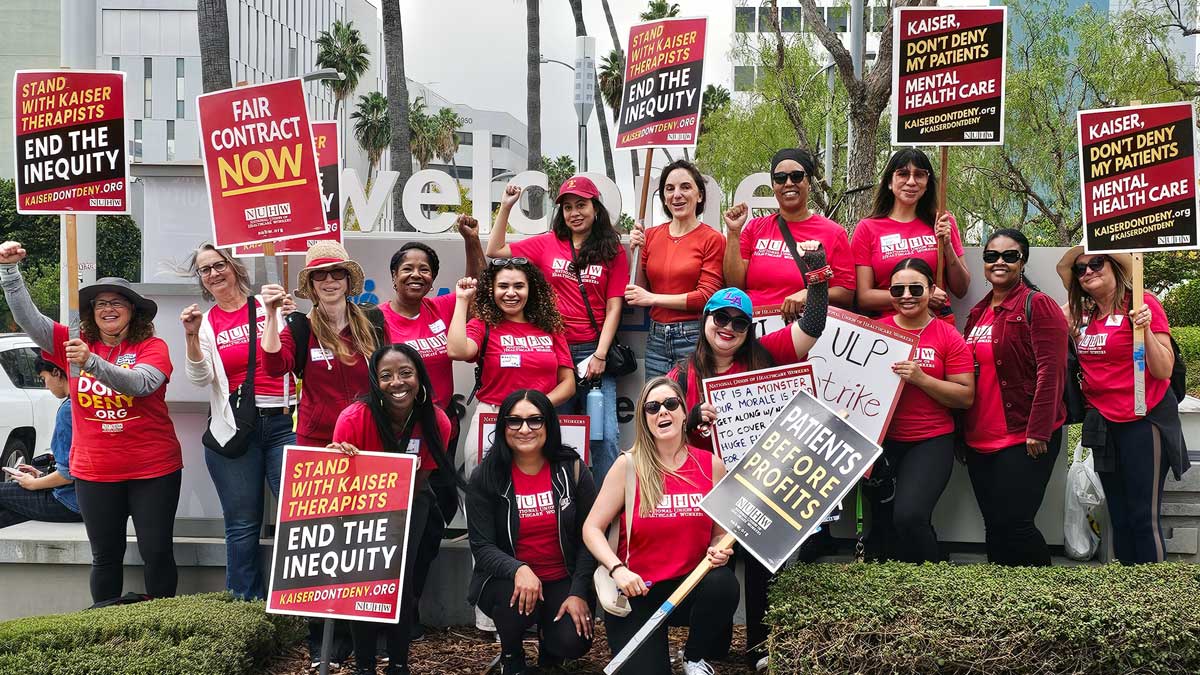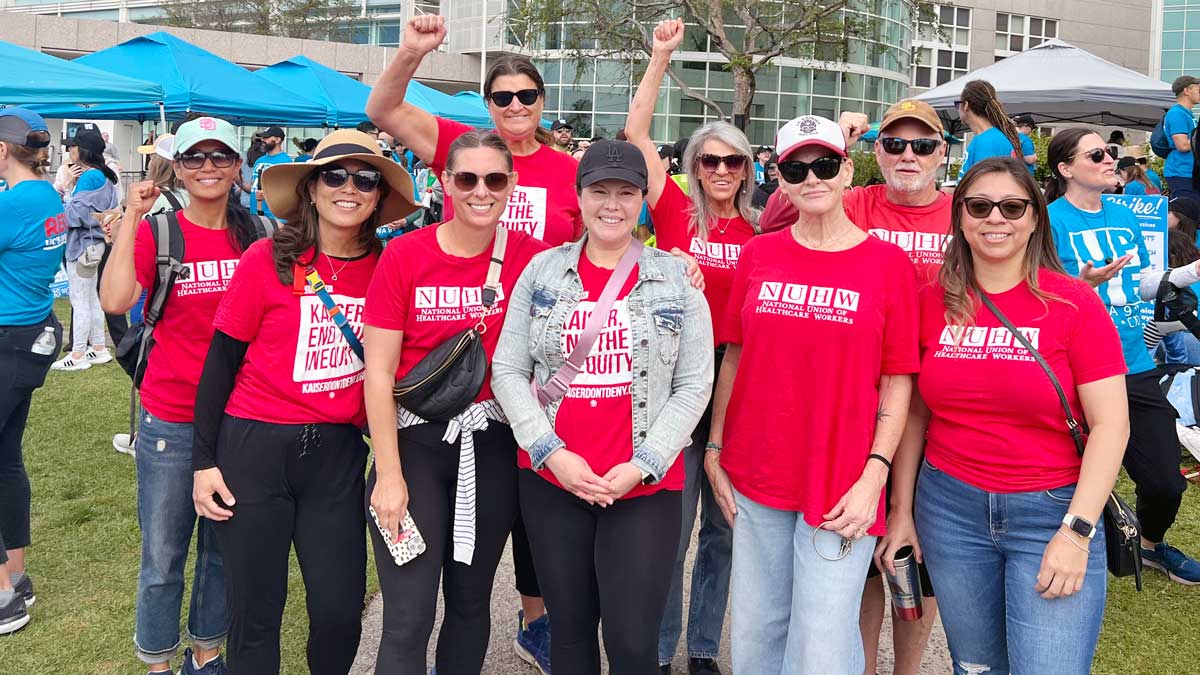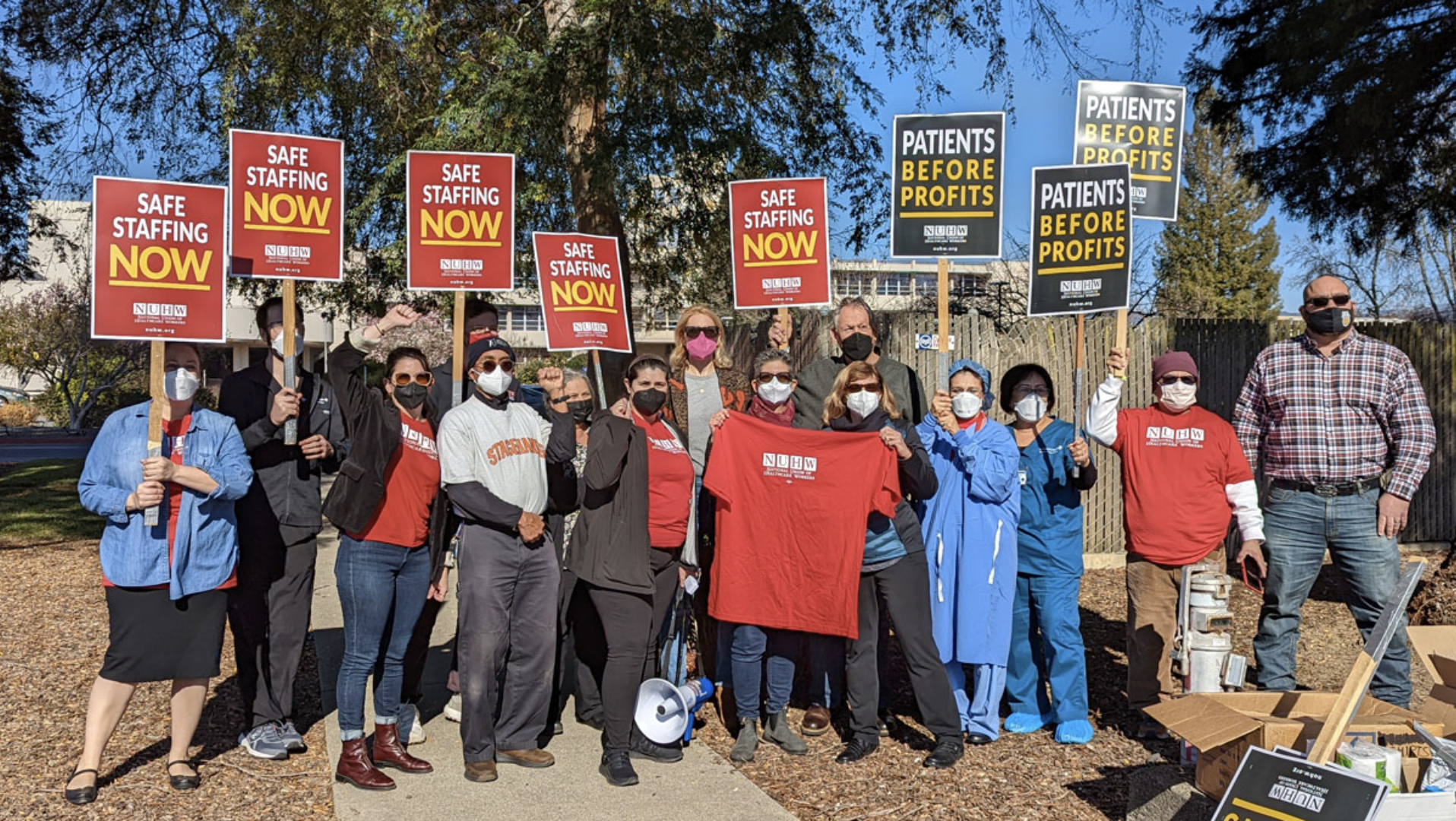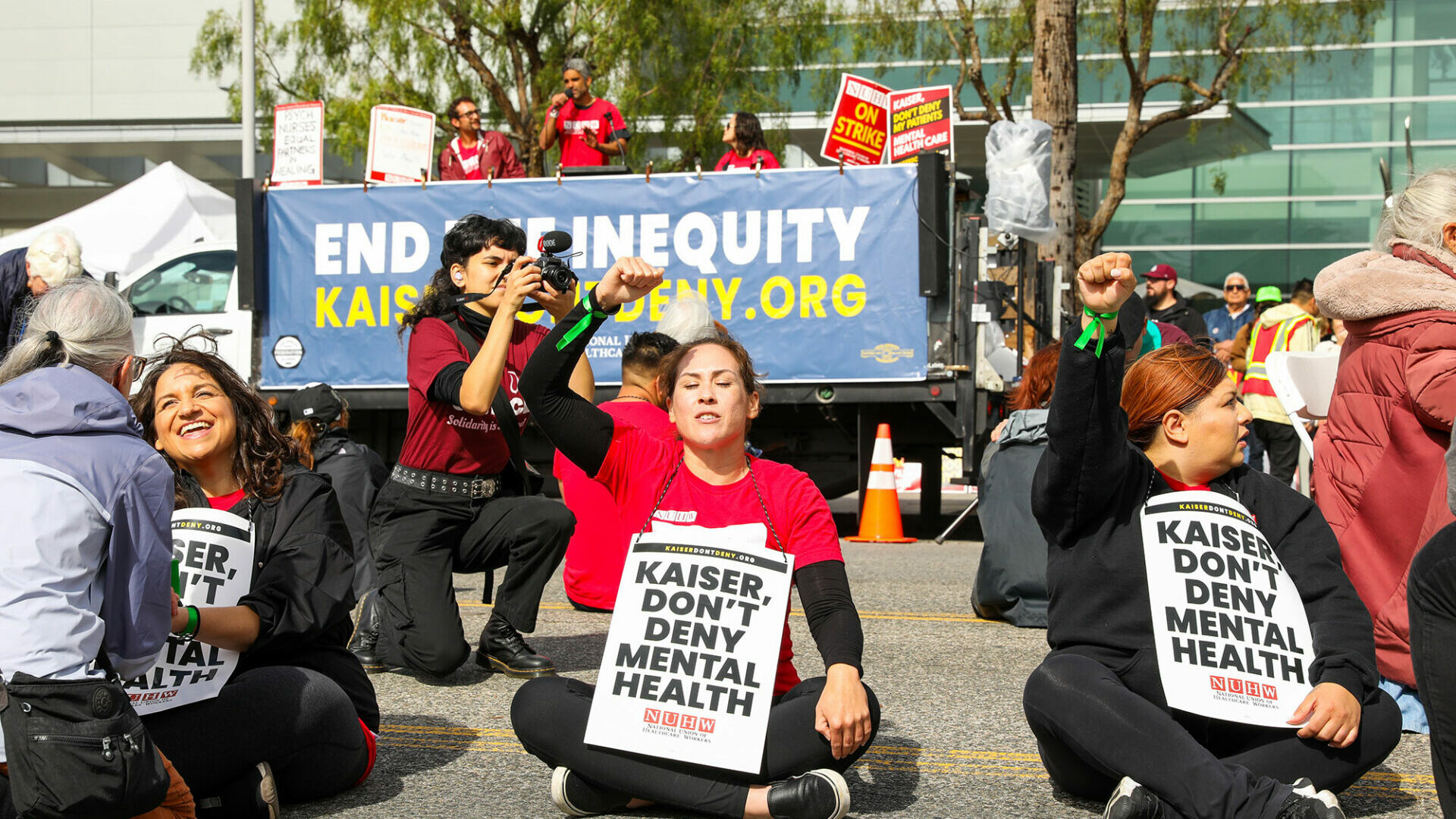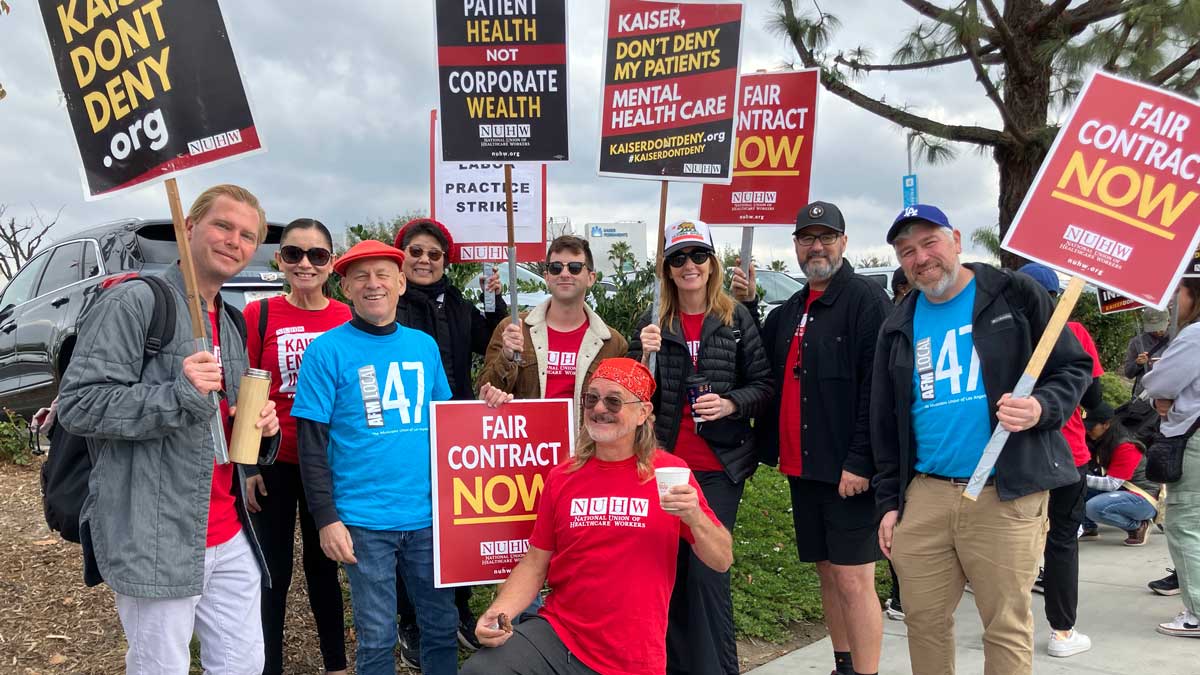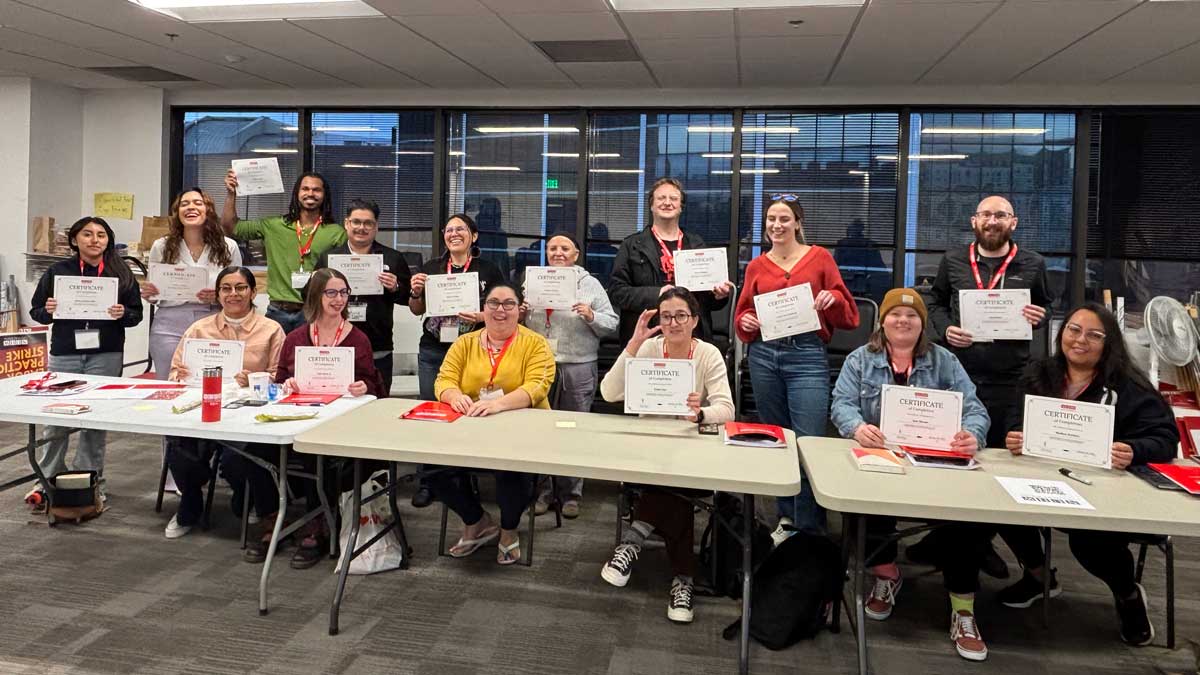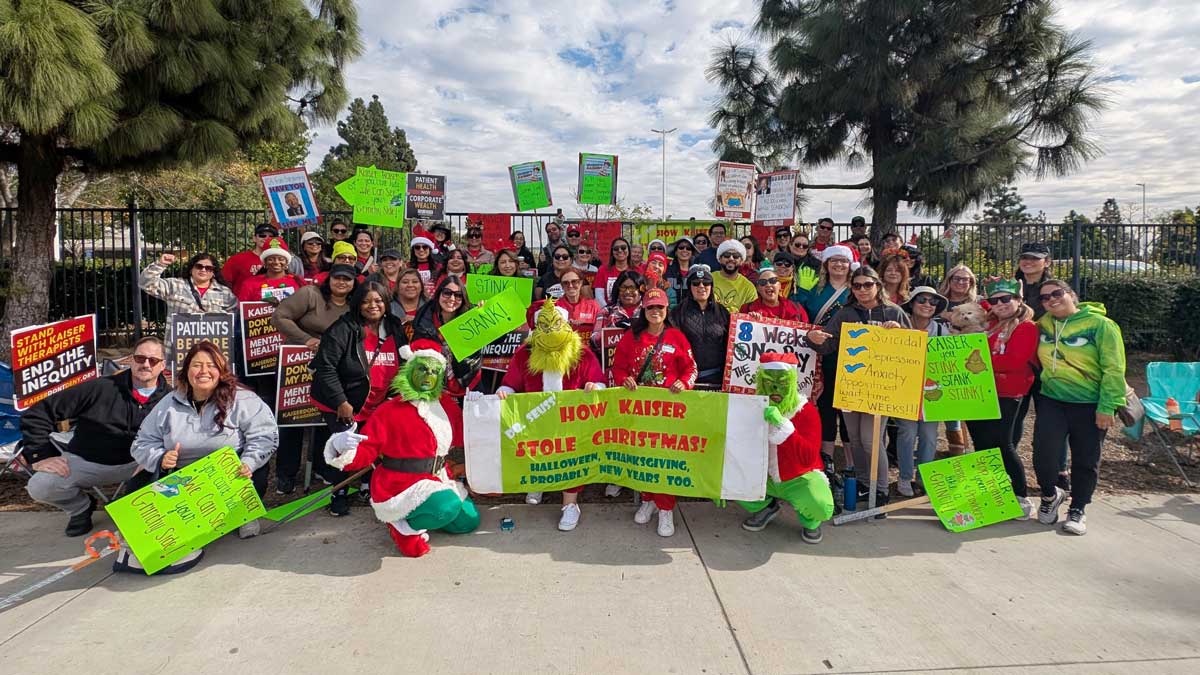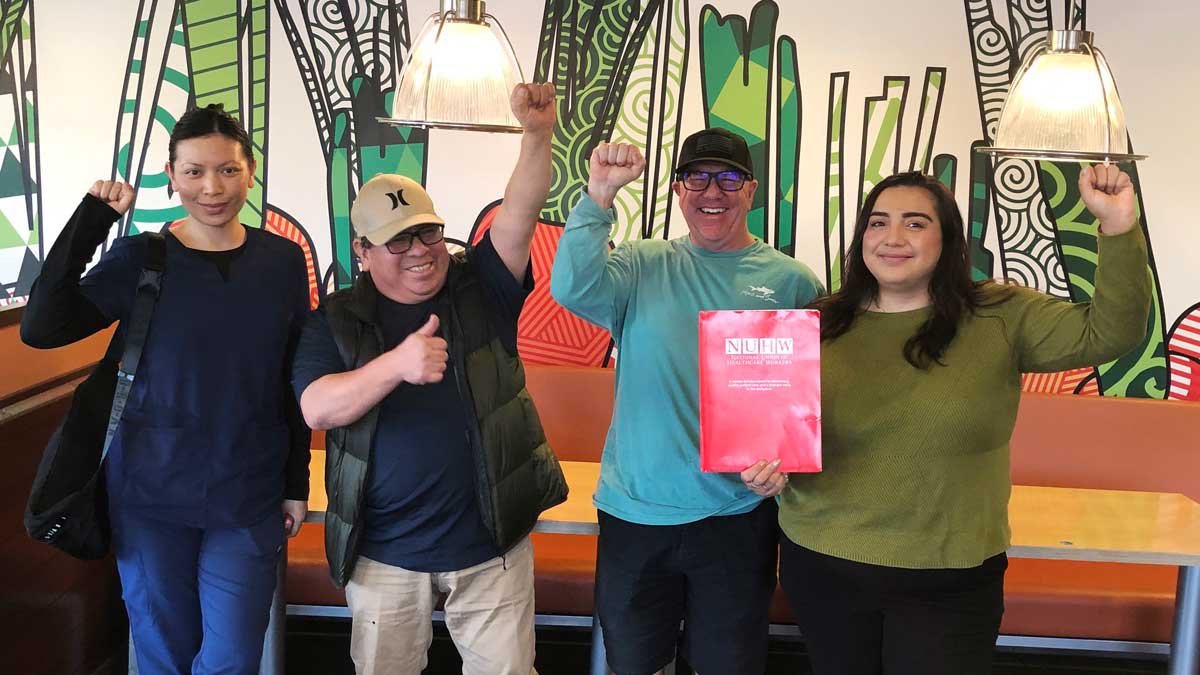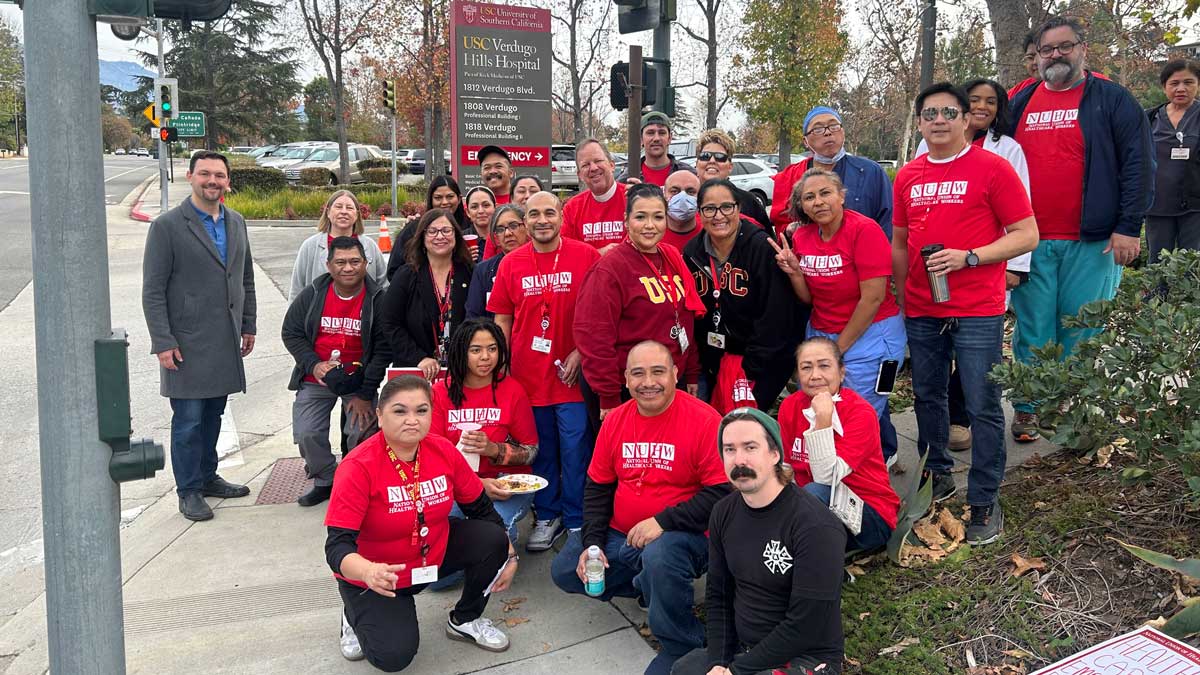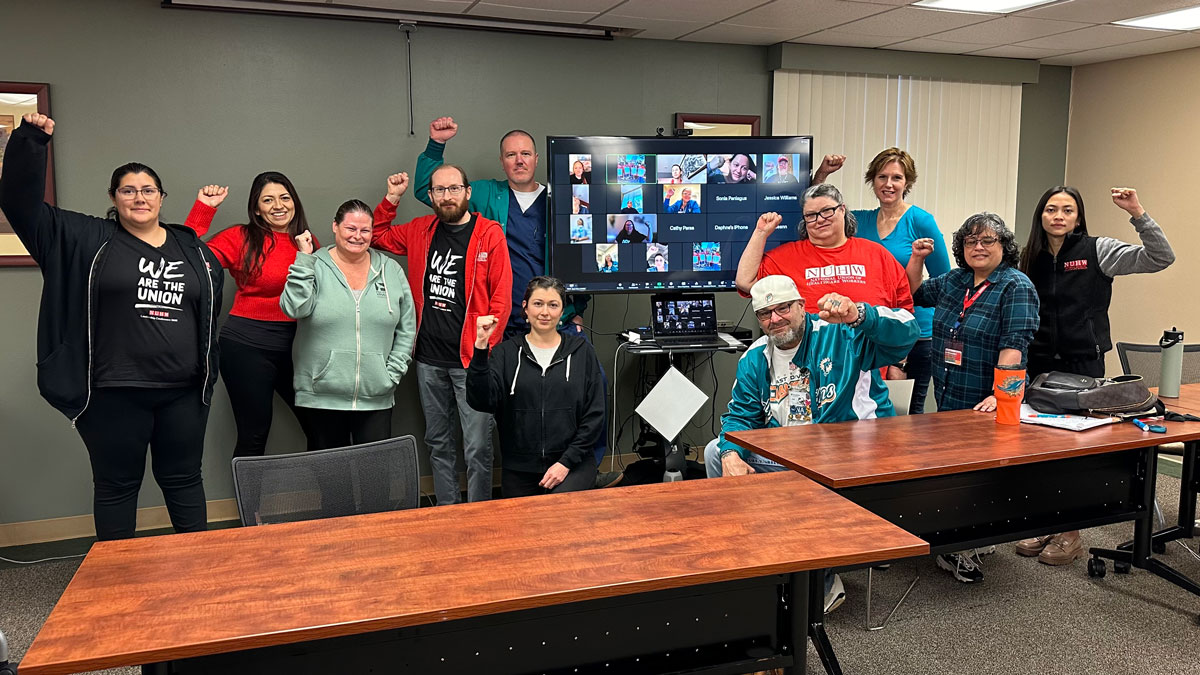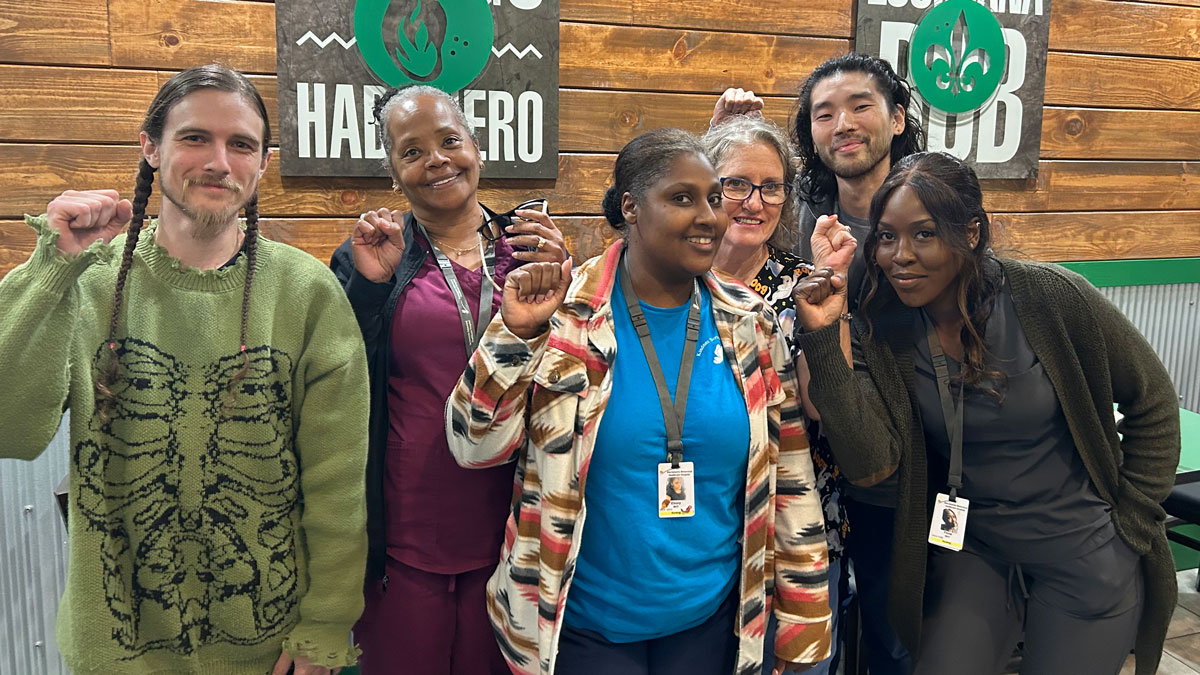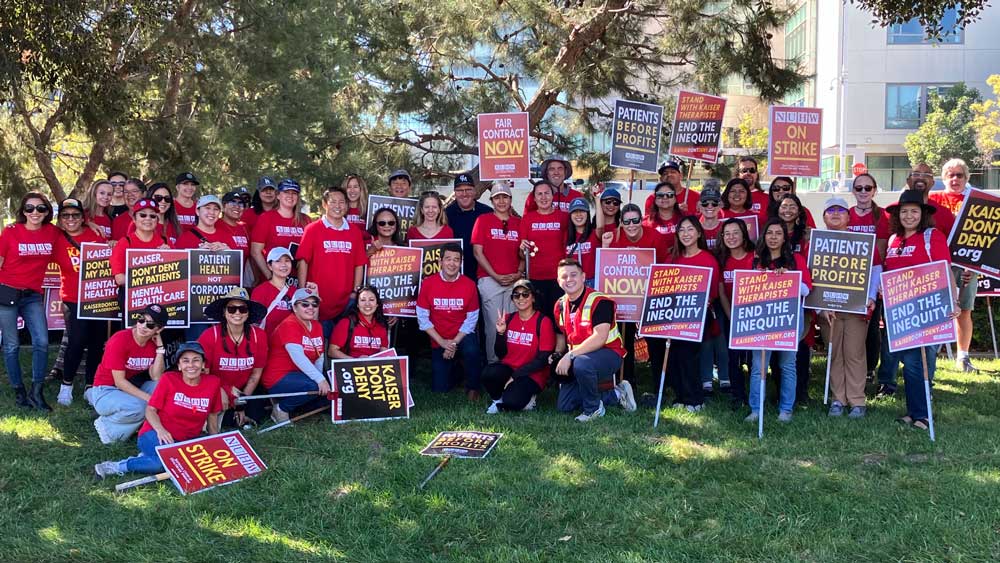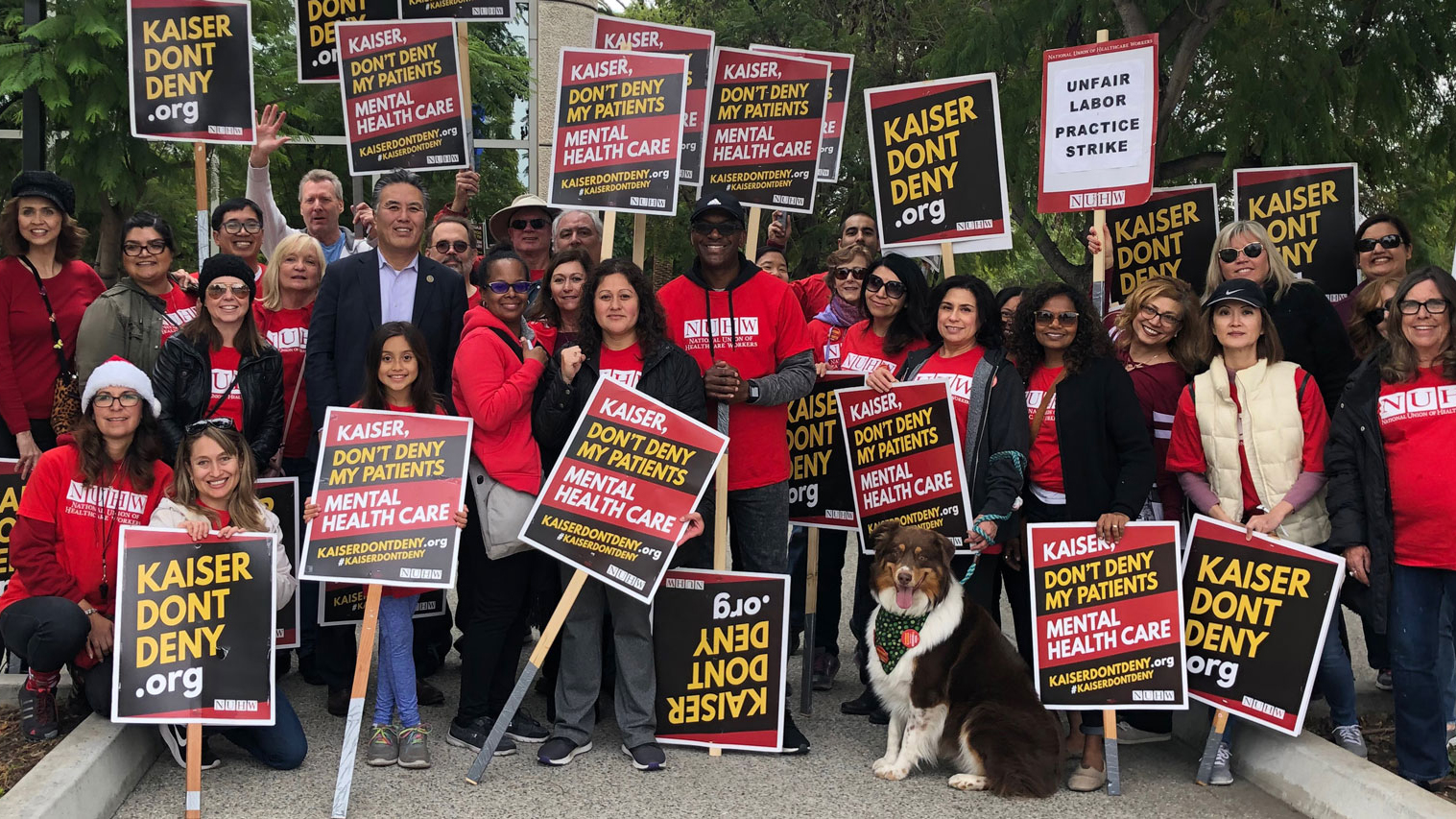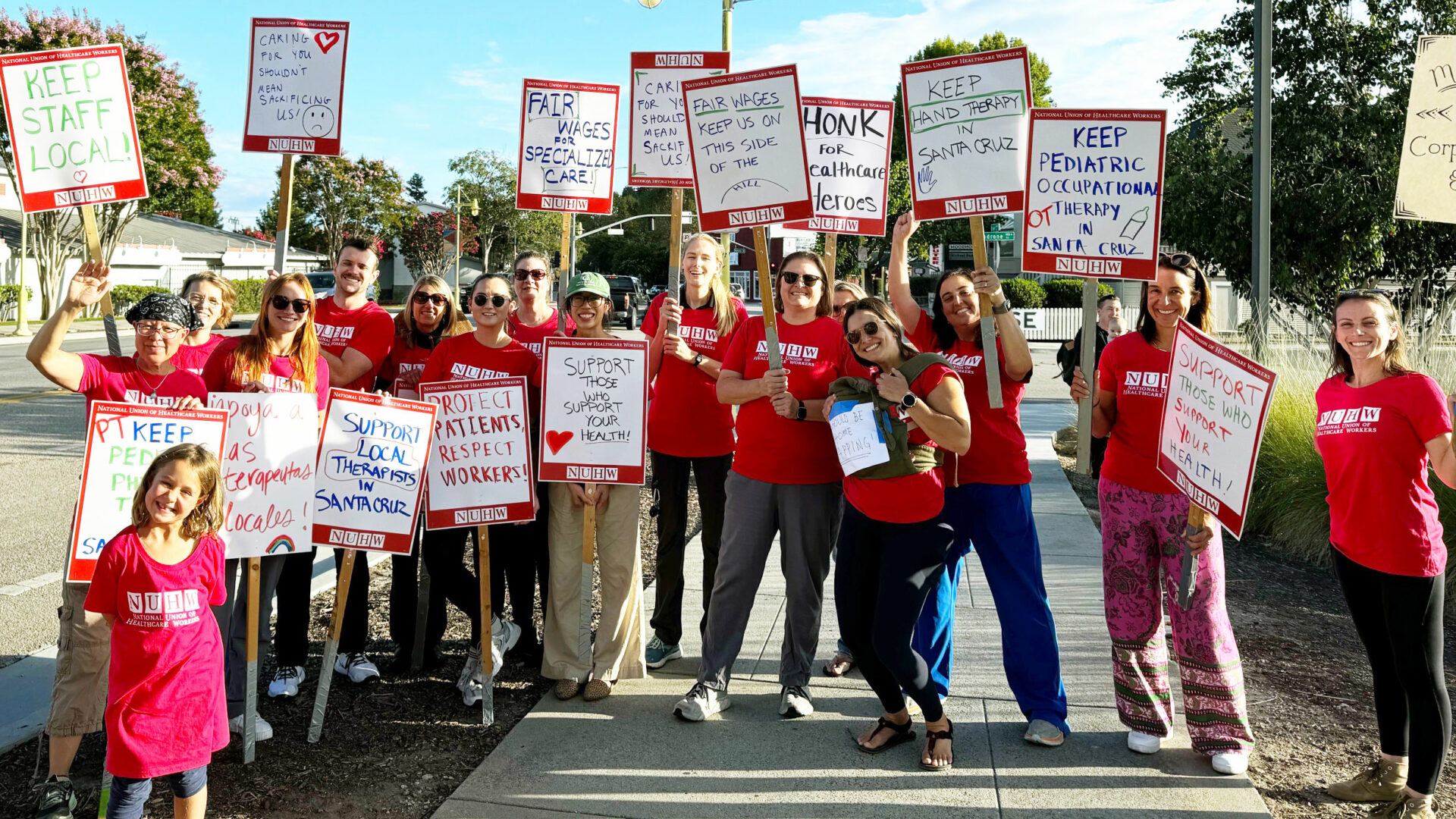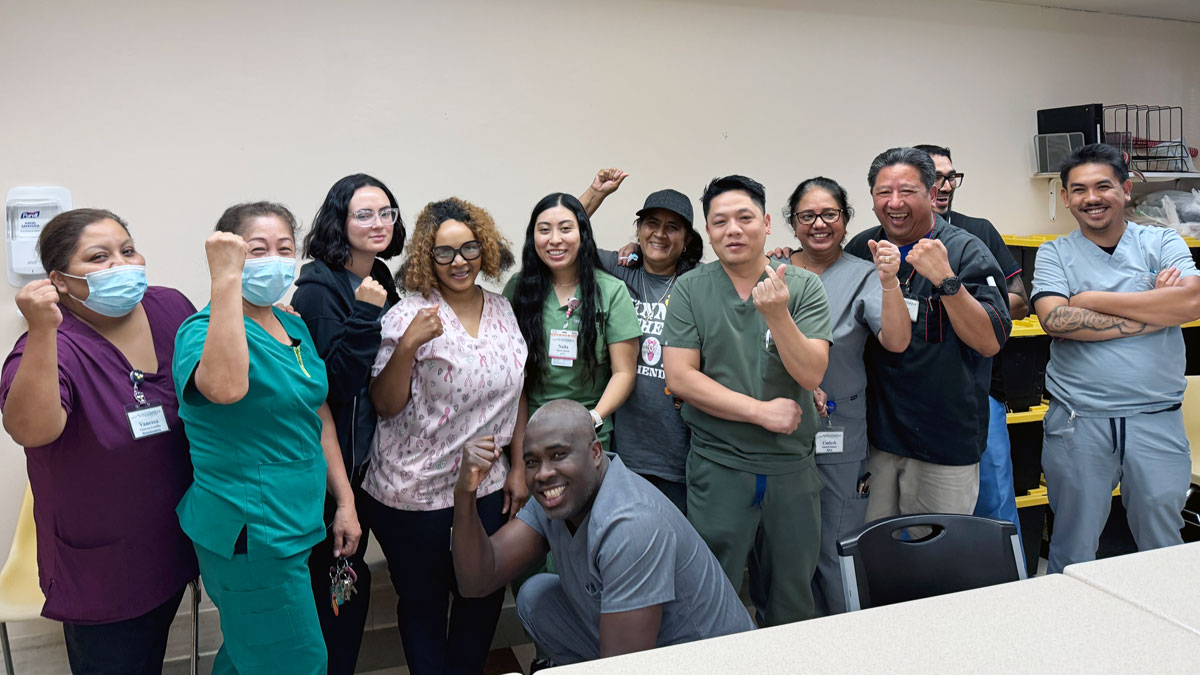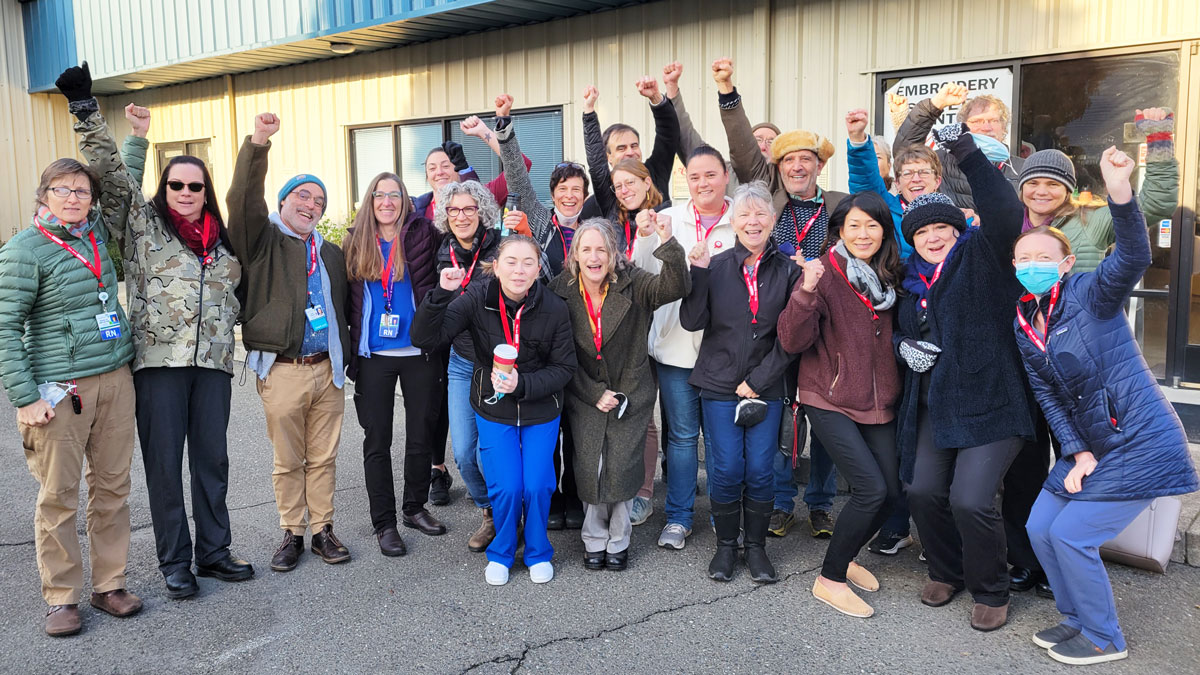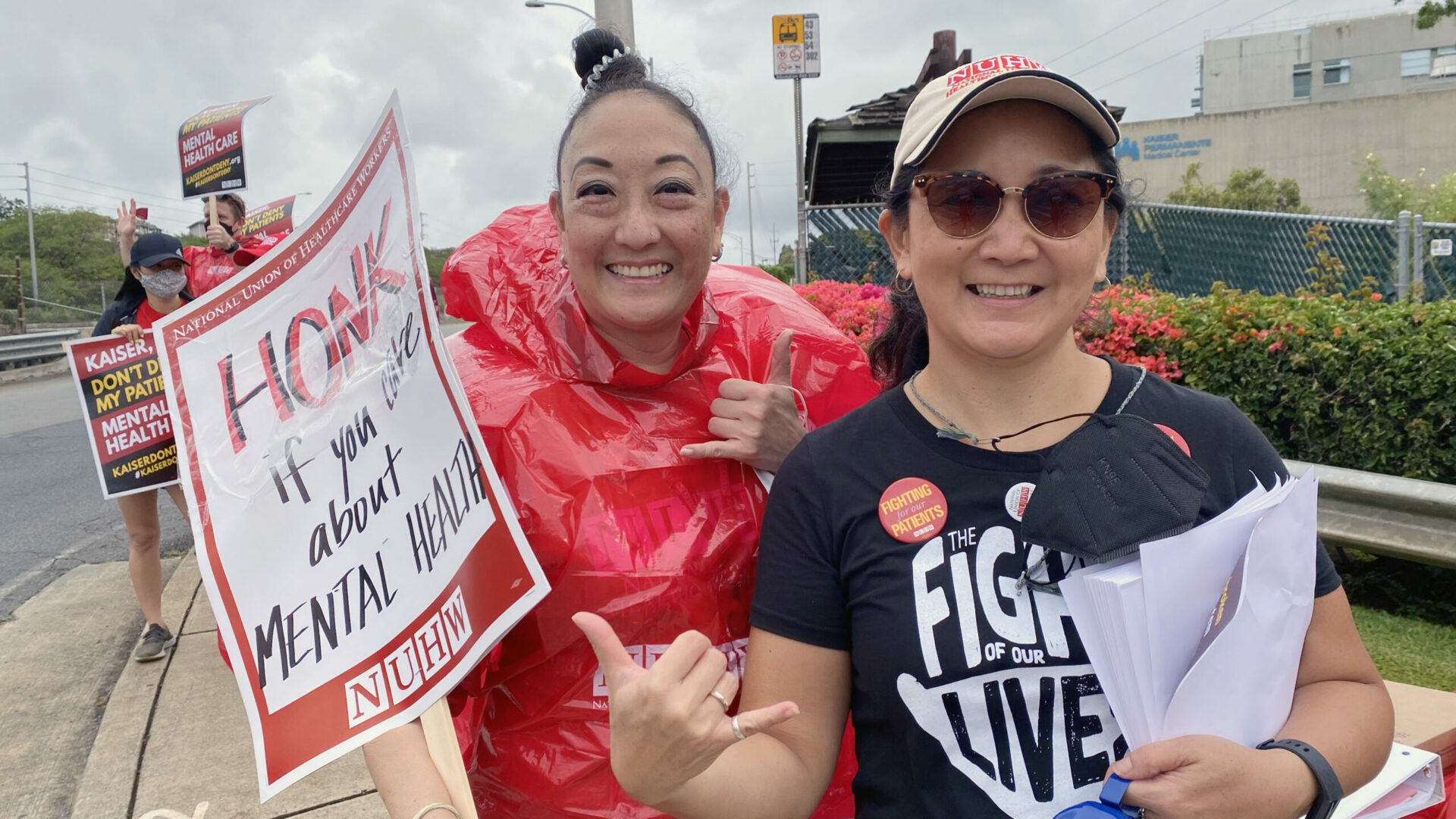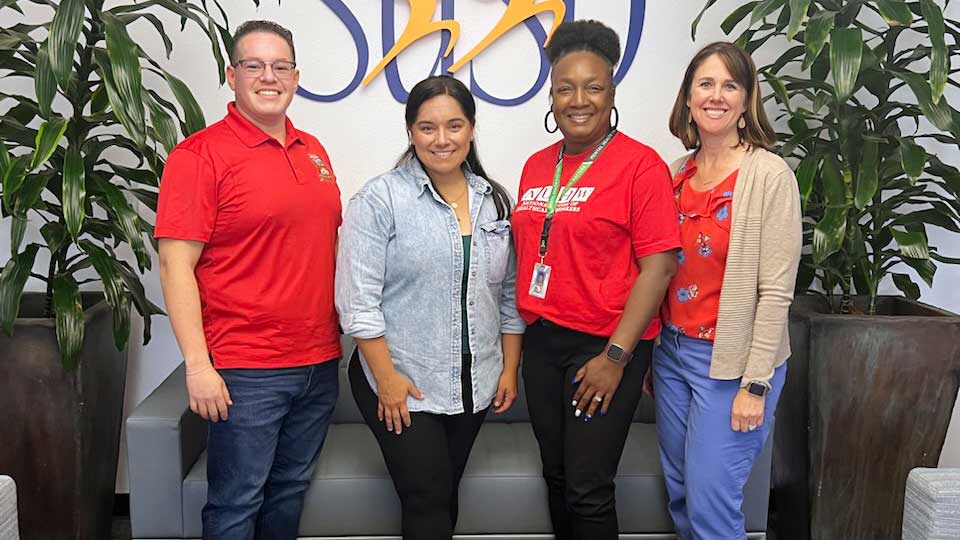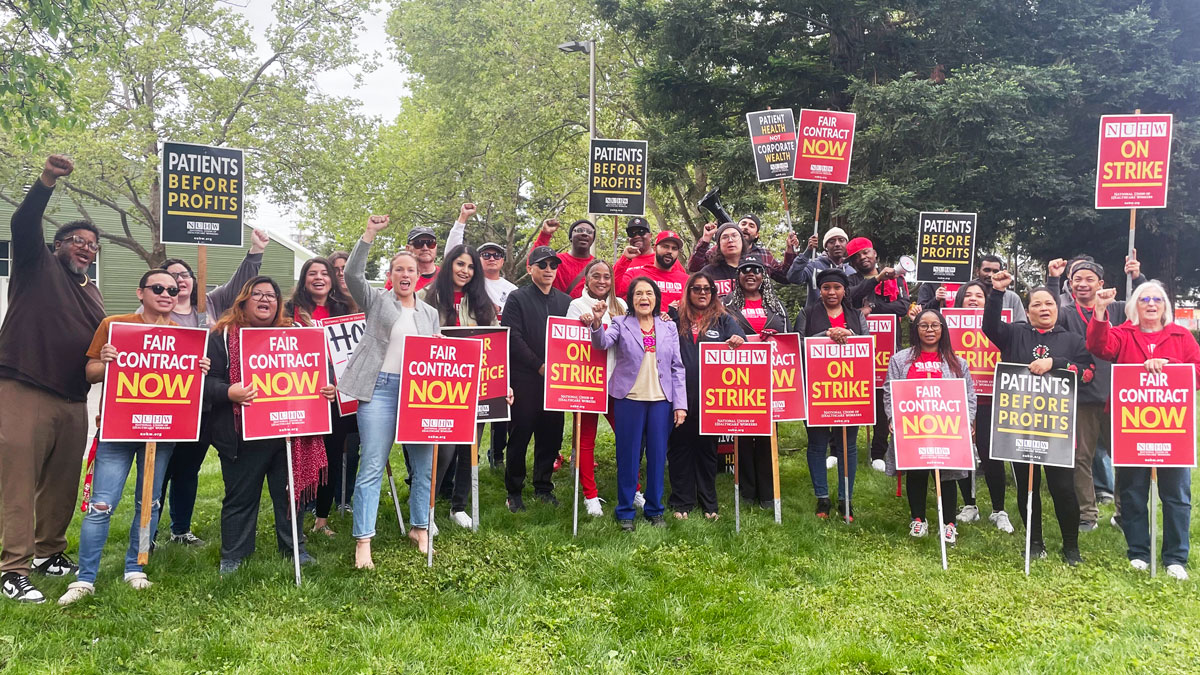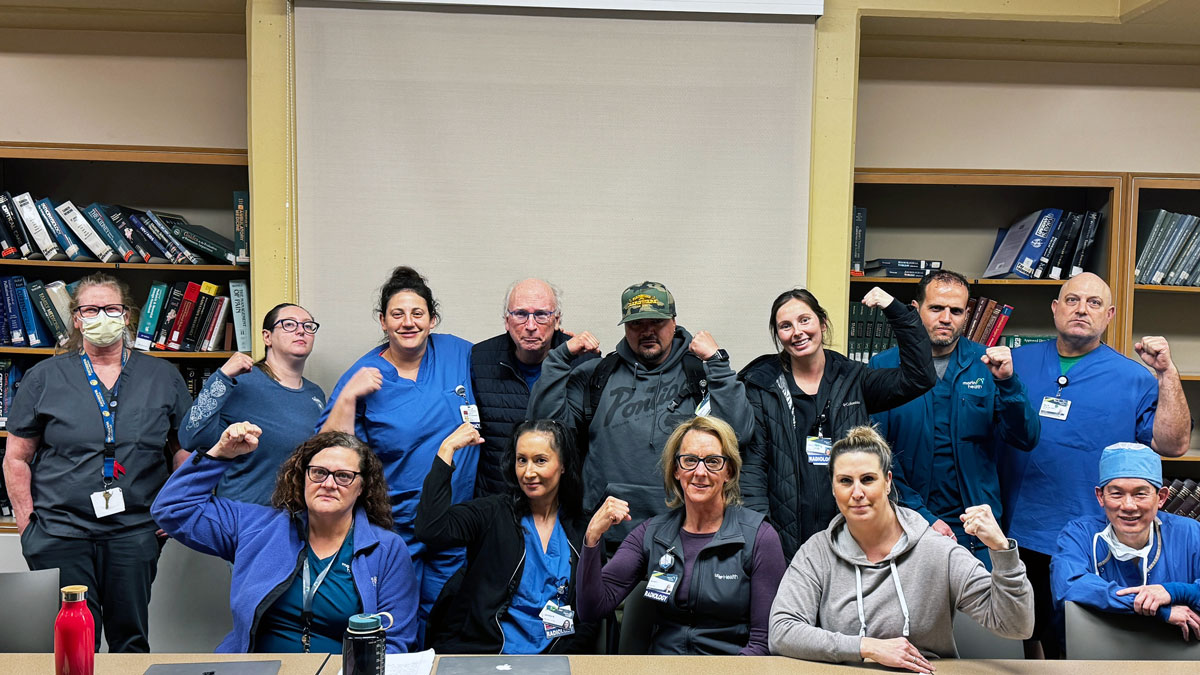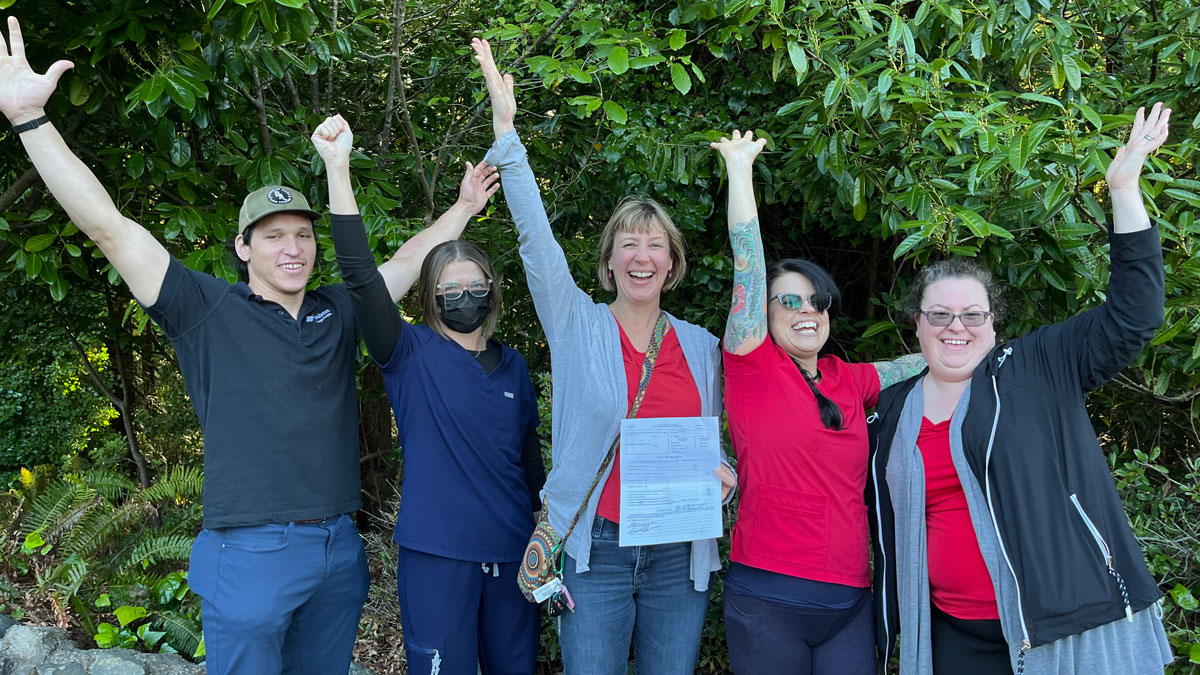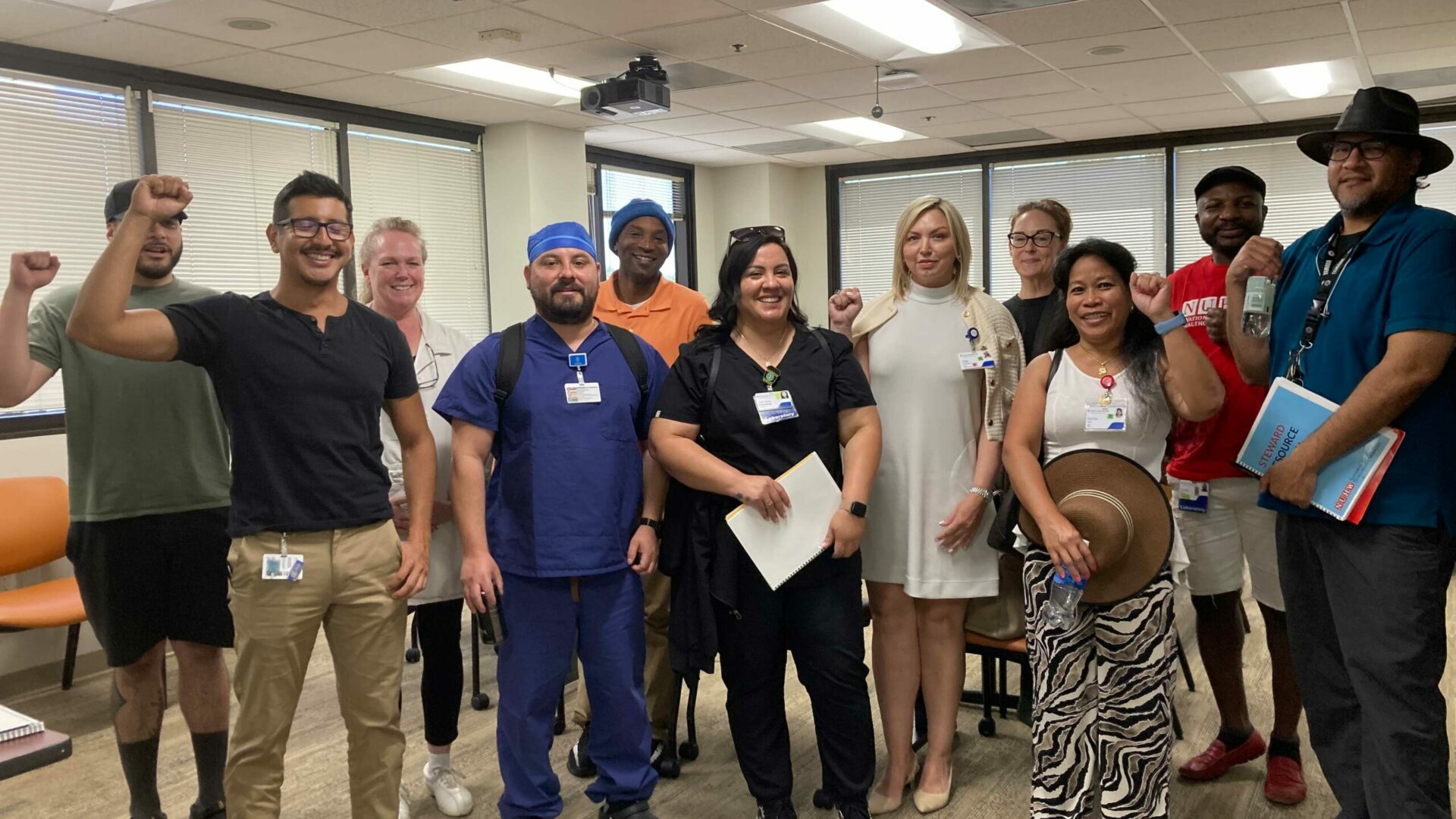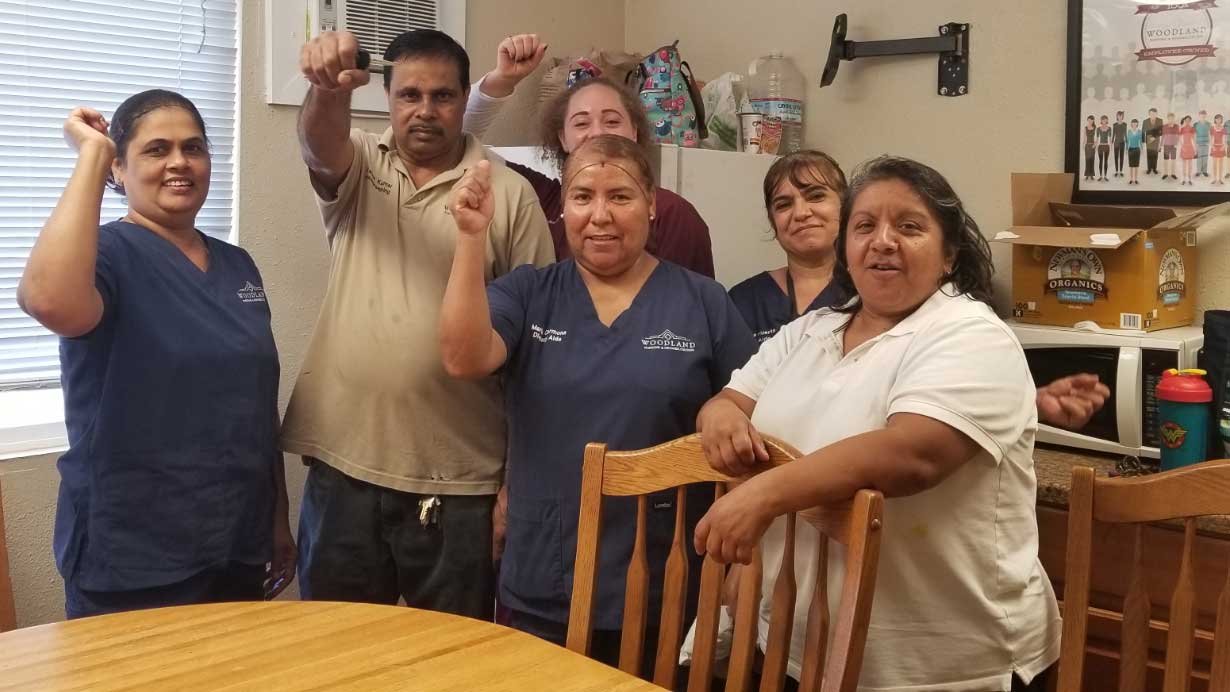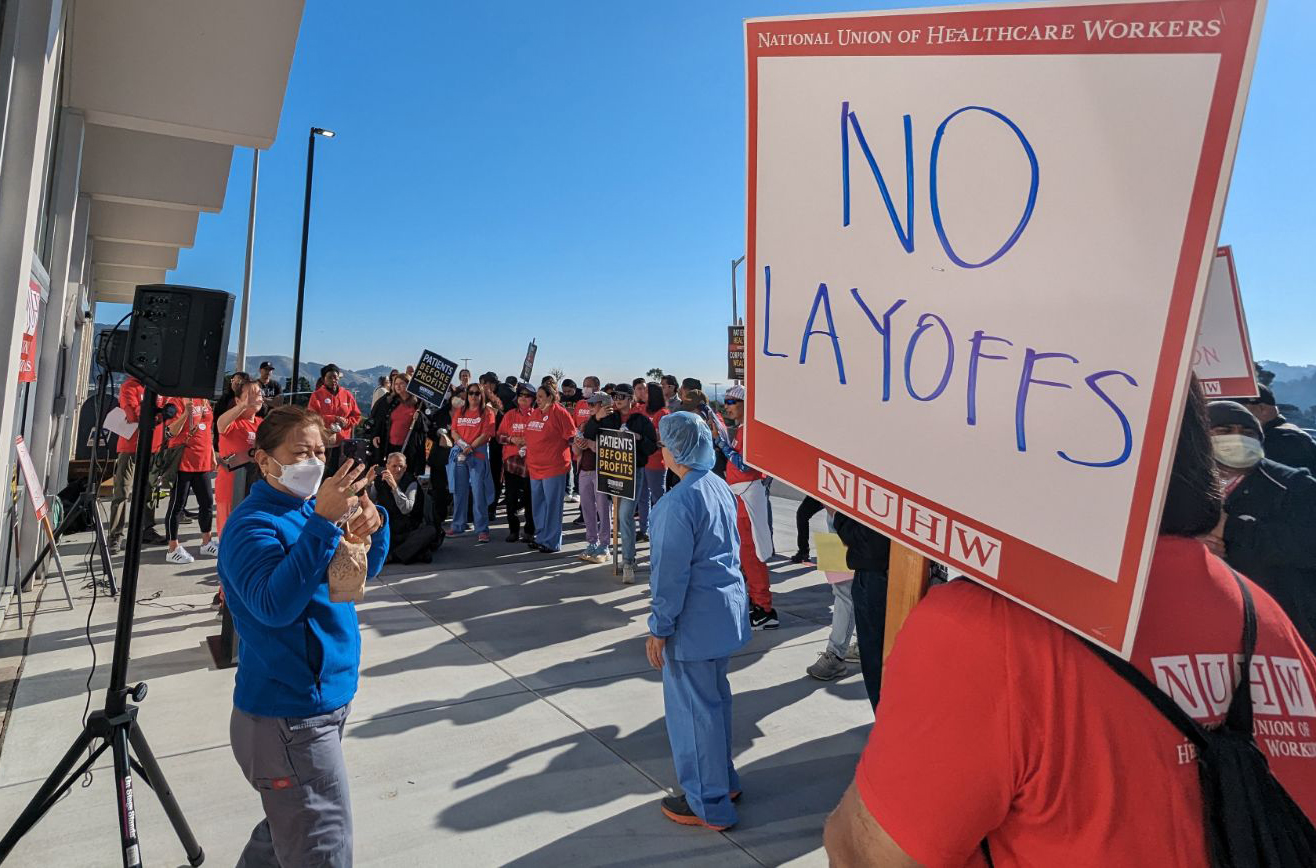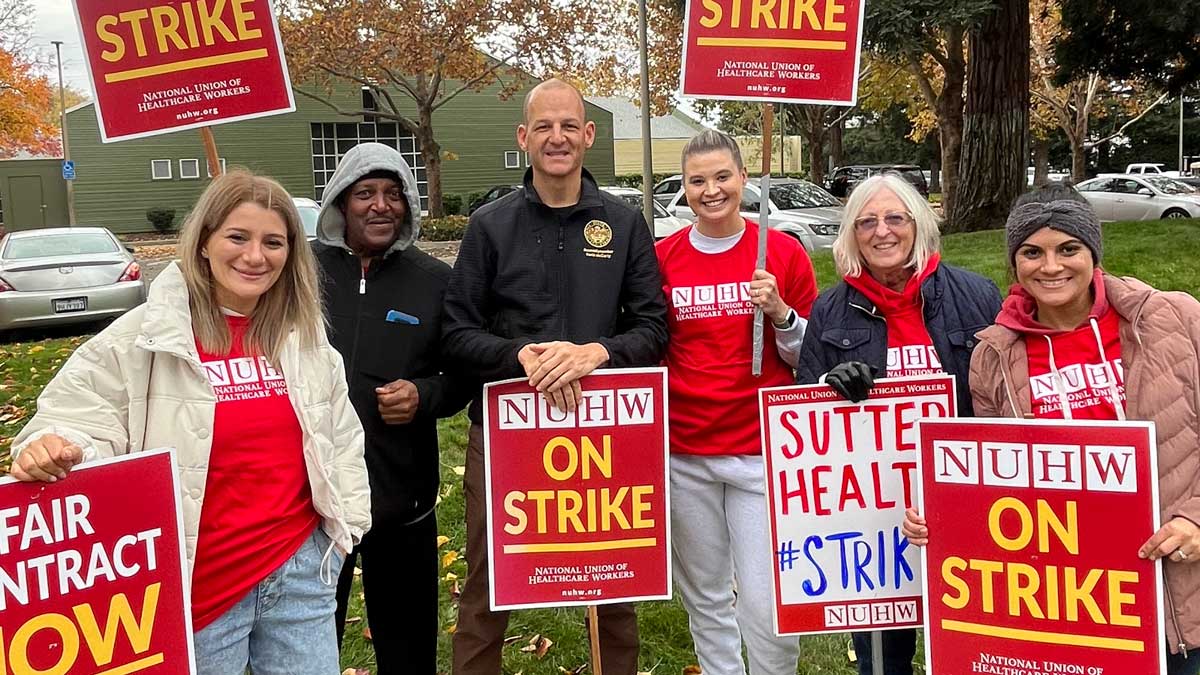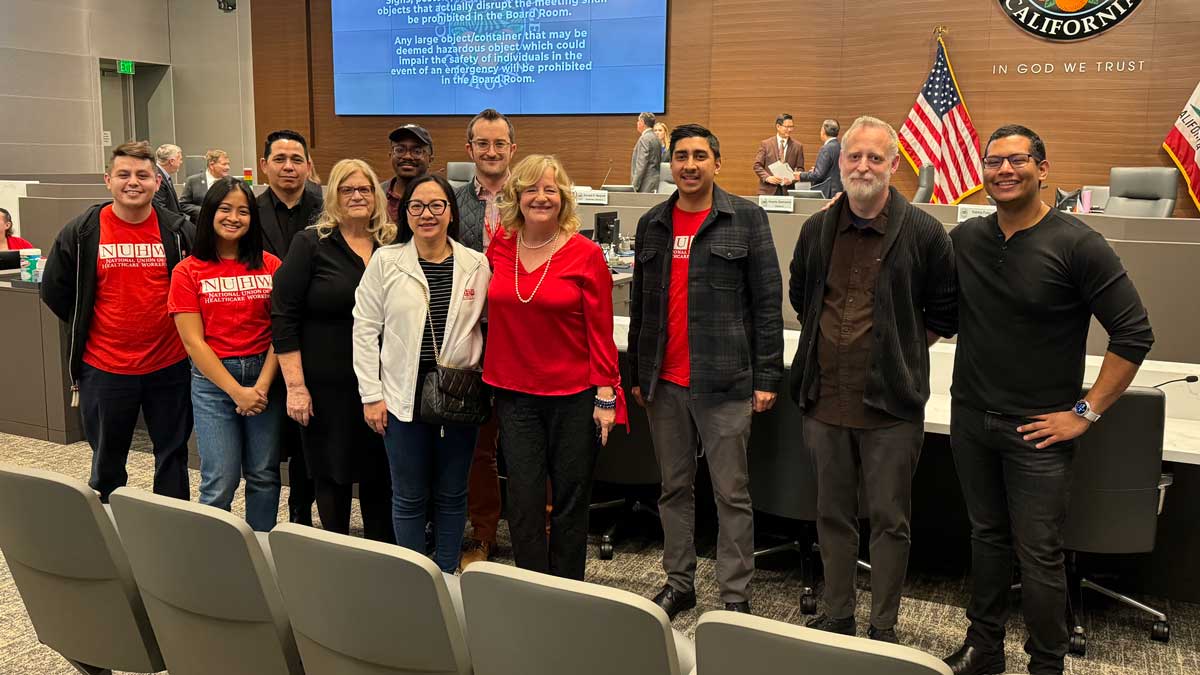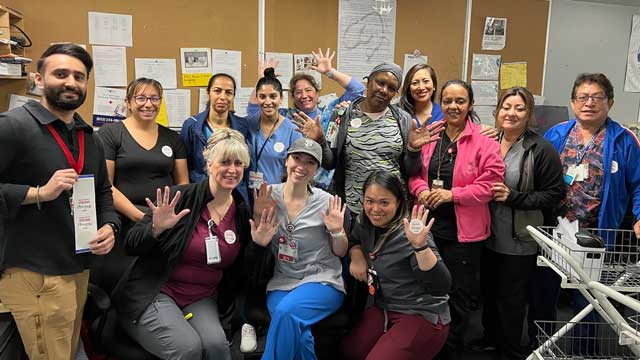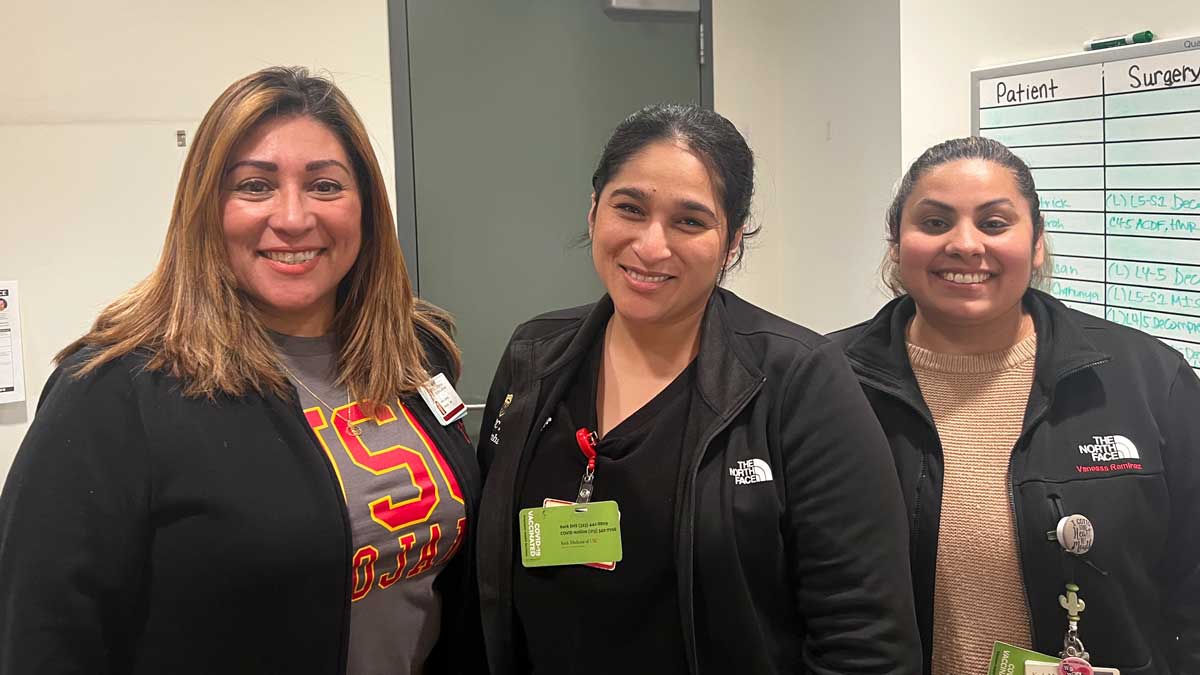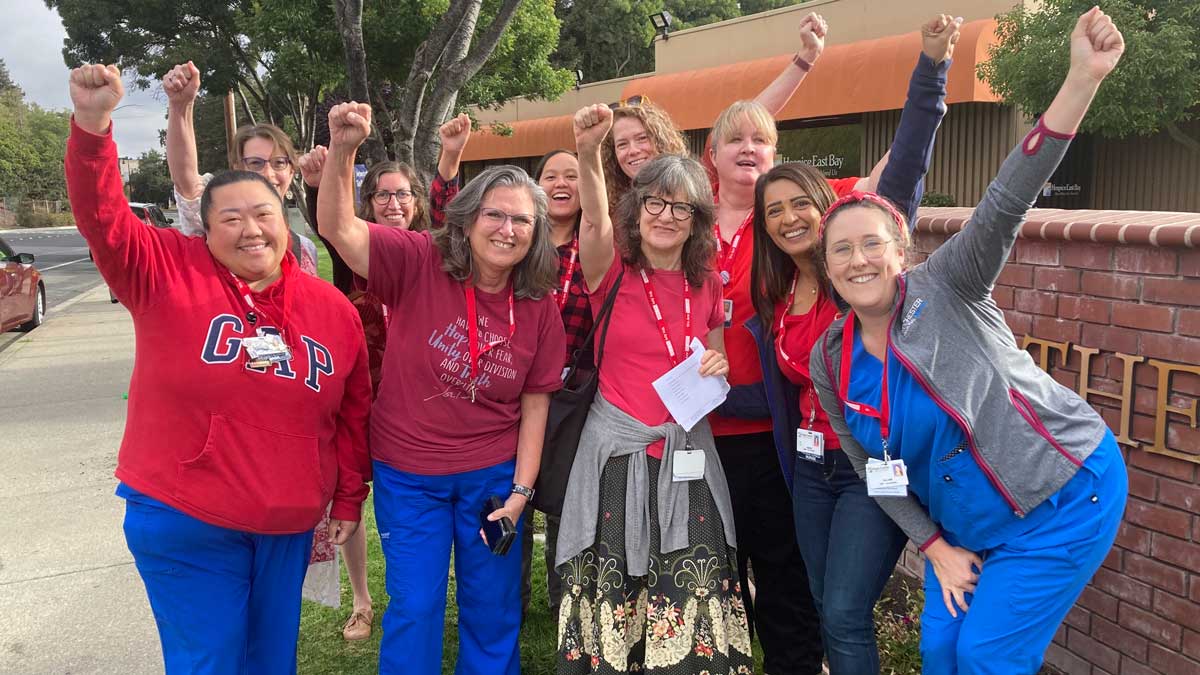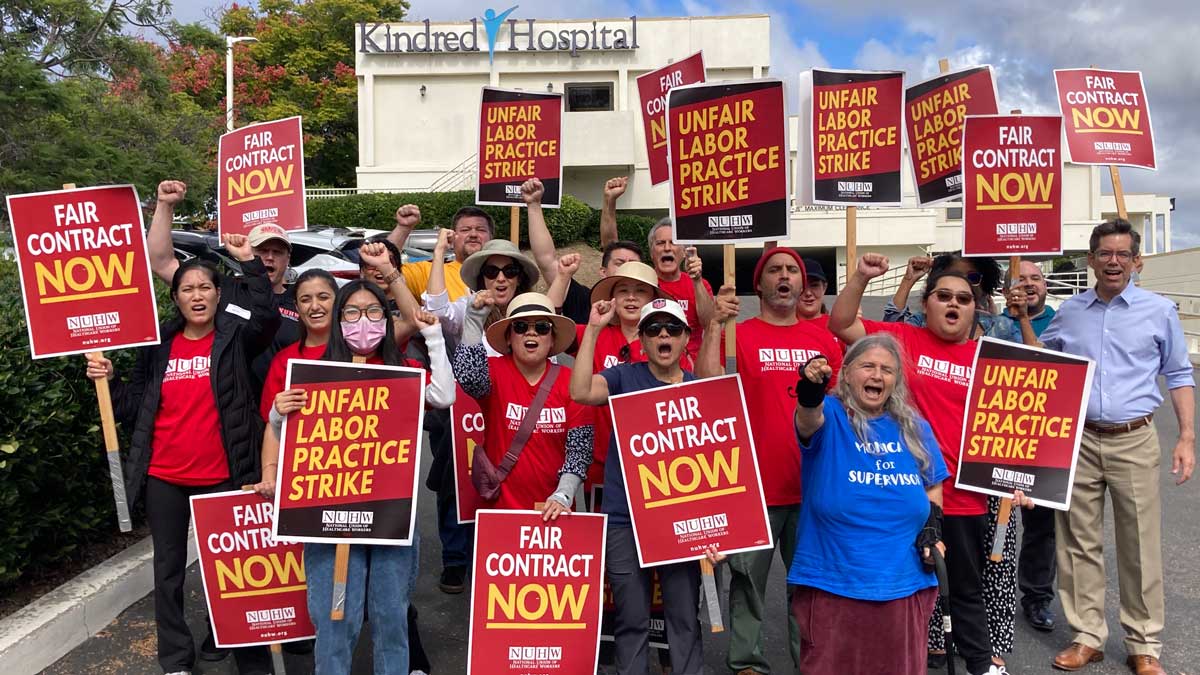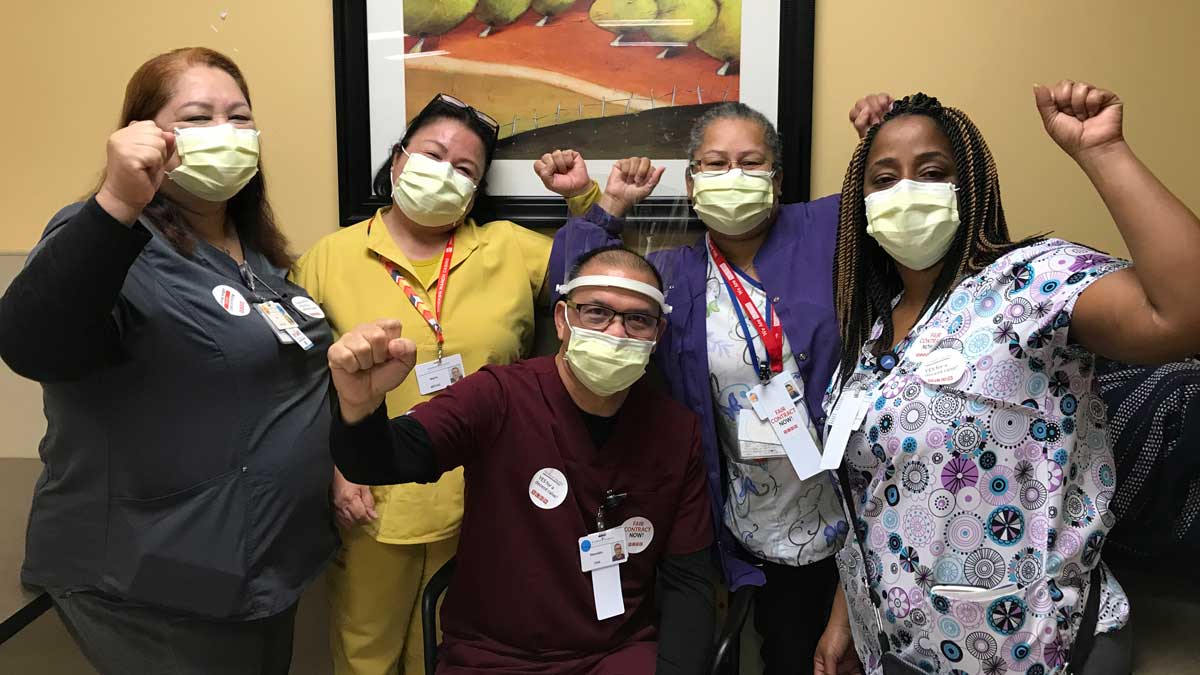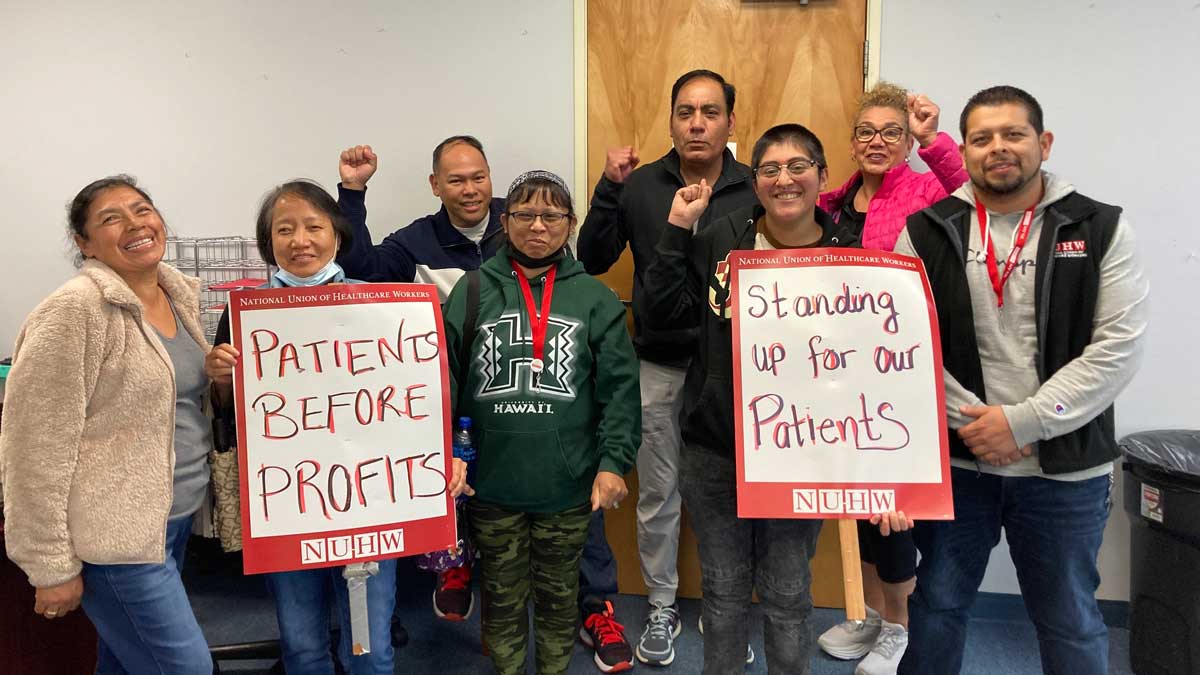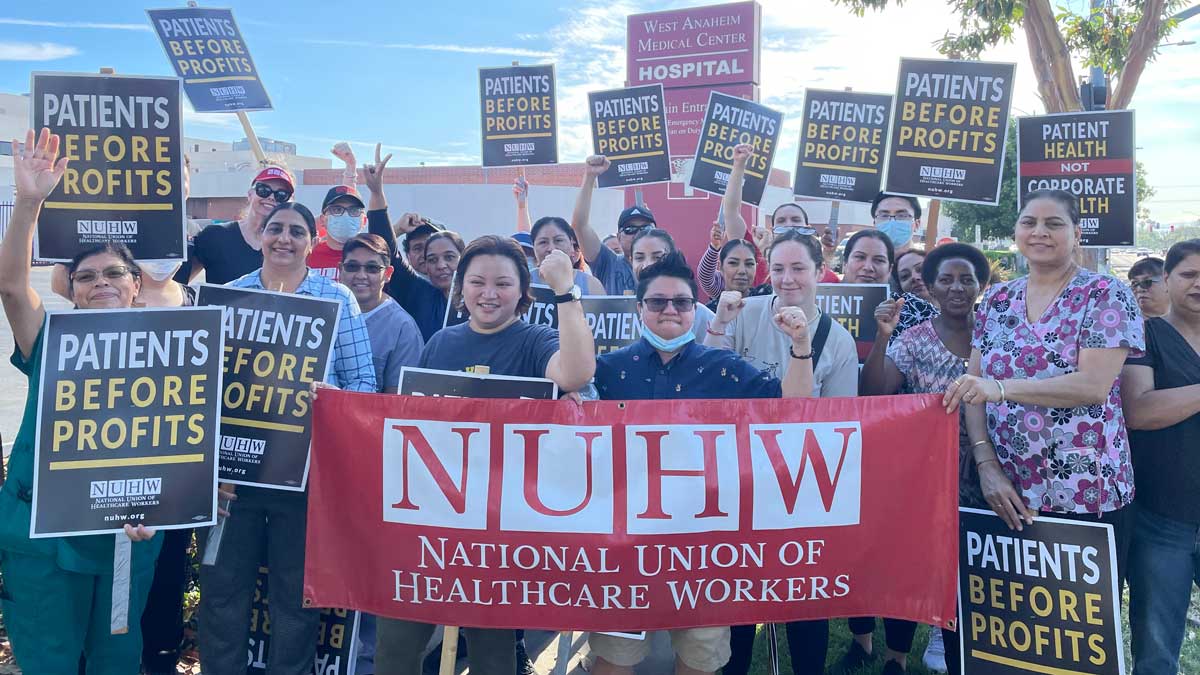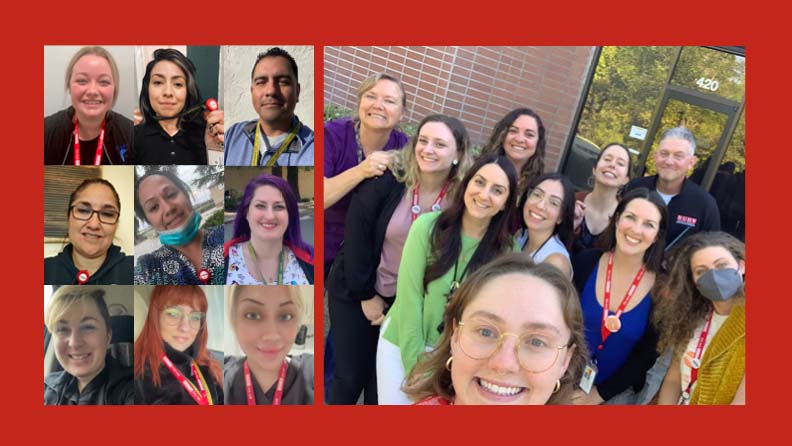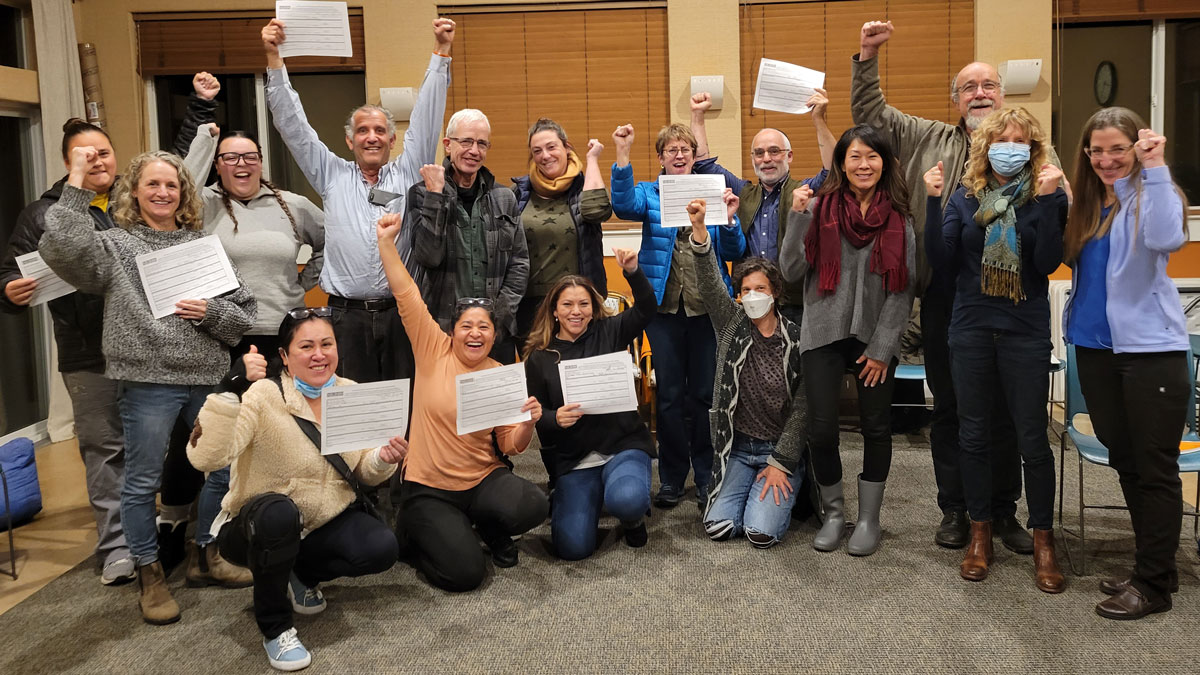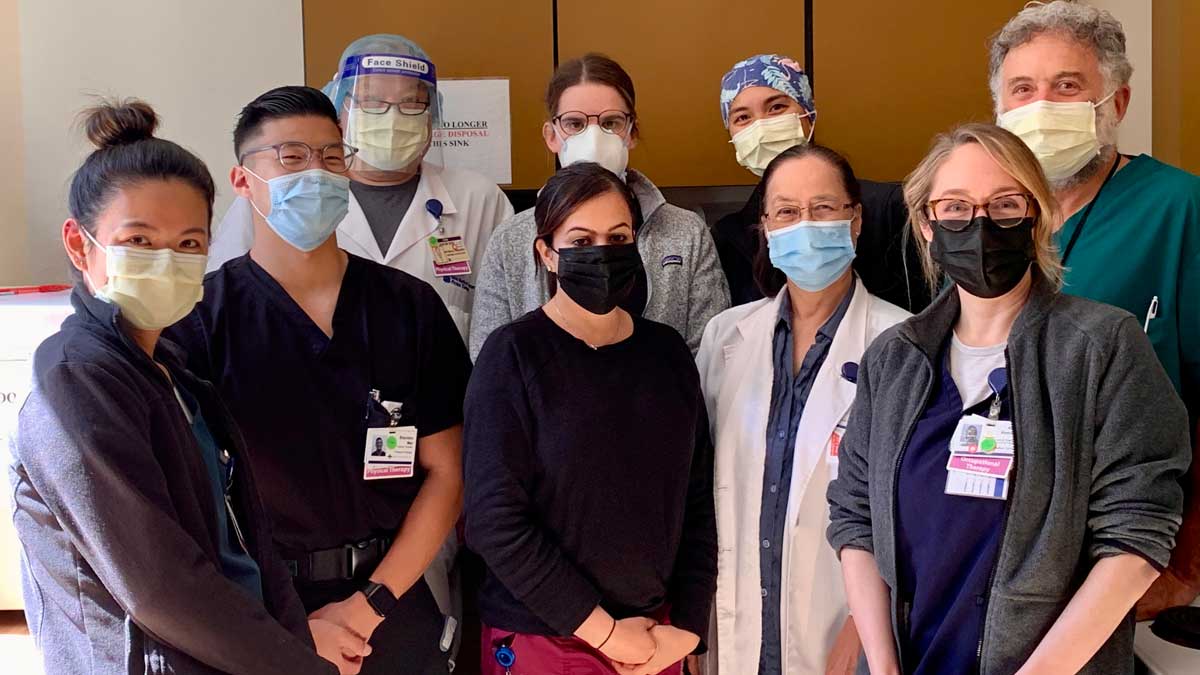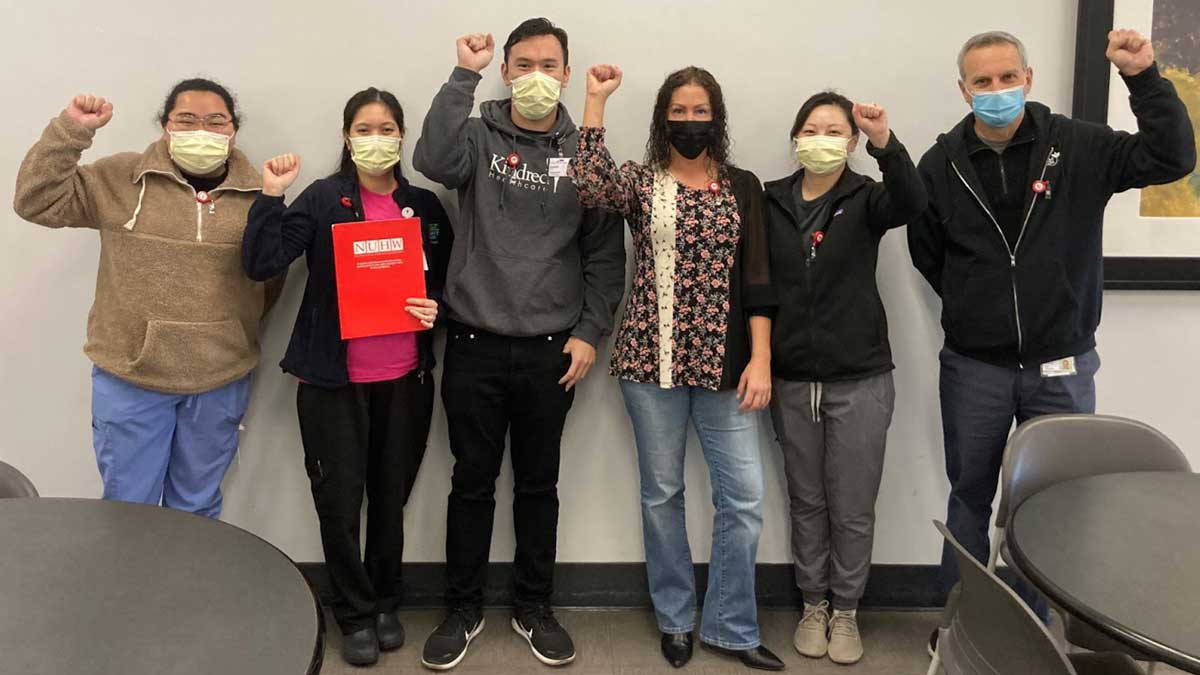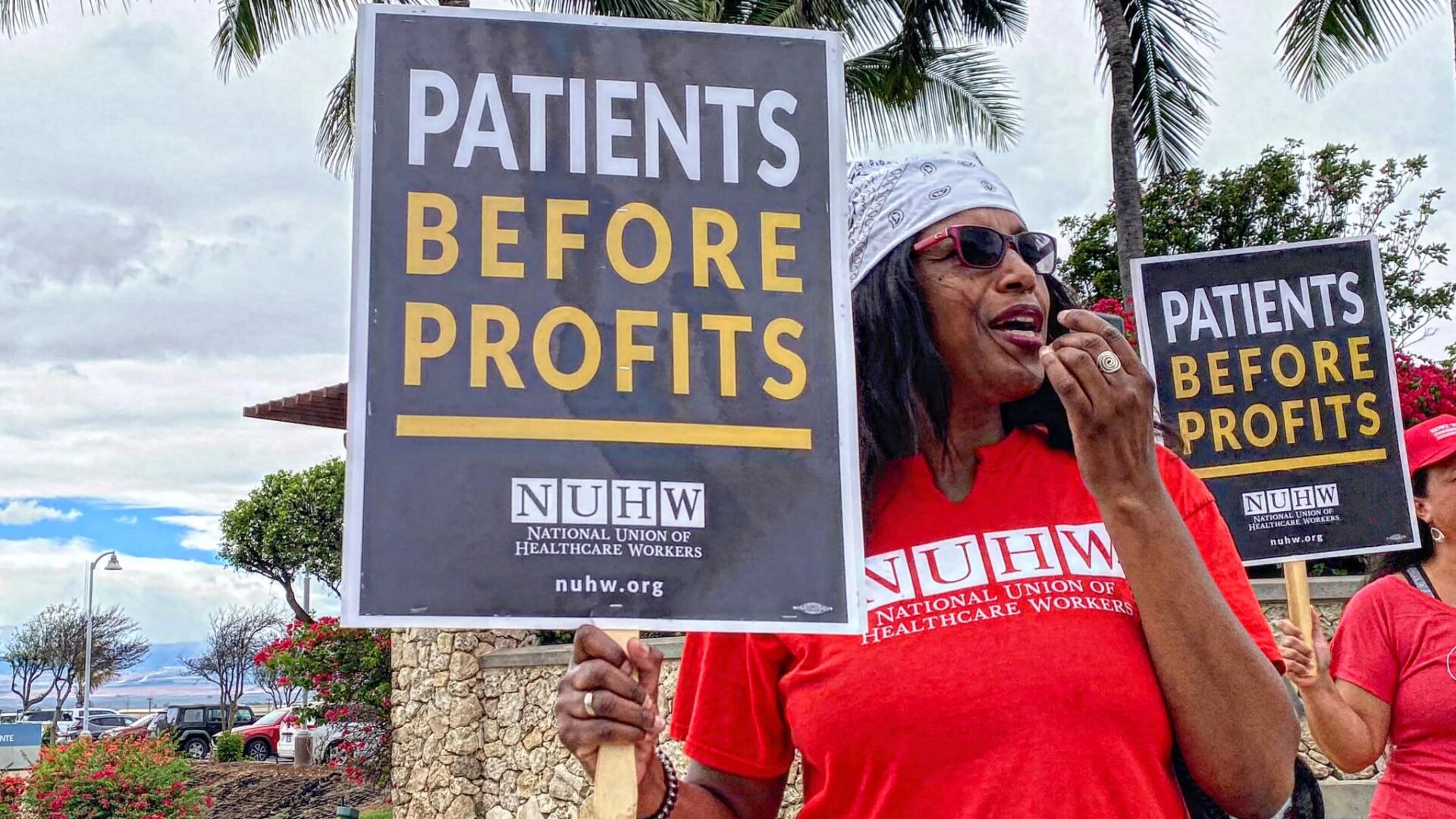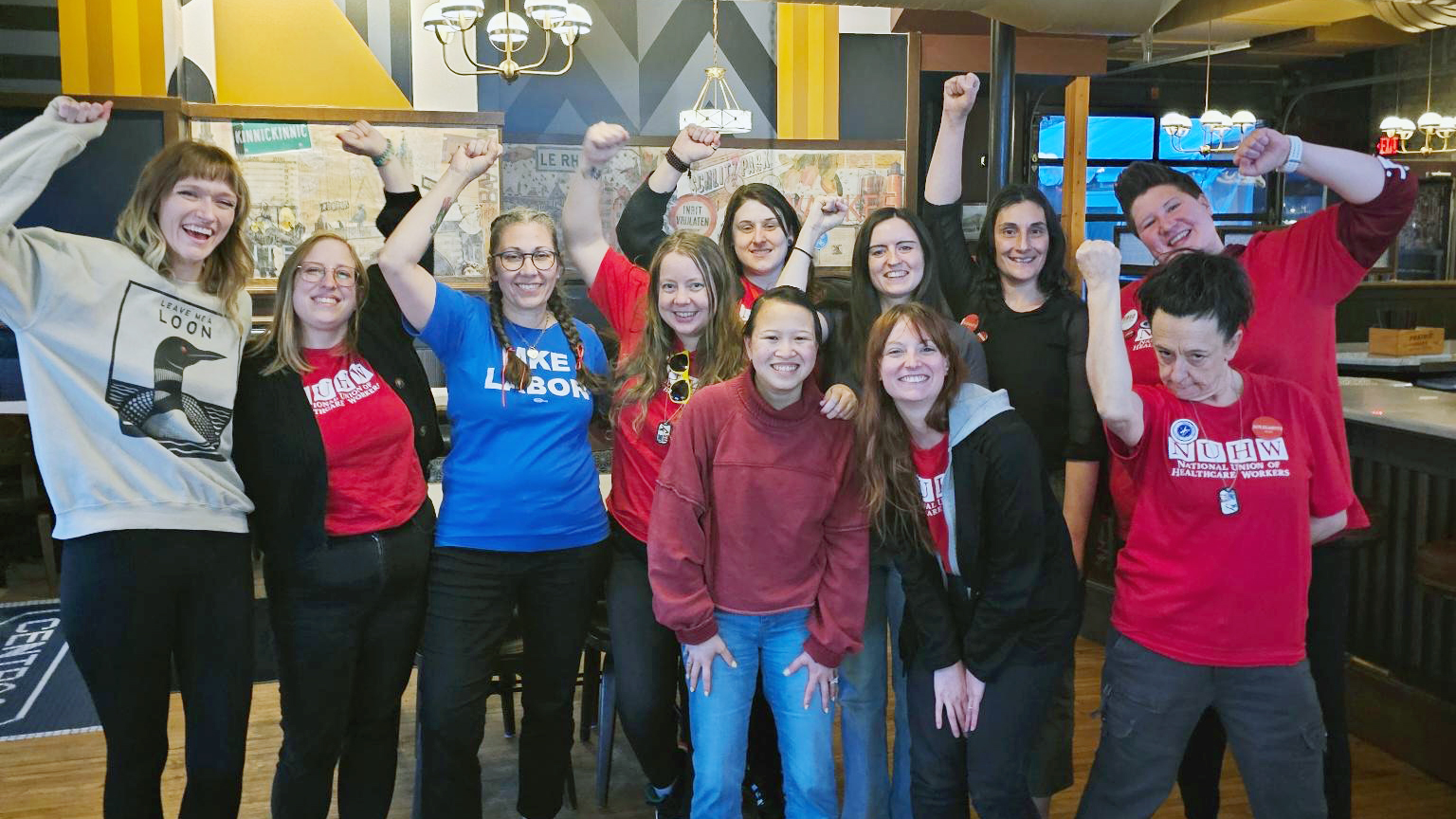
Refusing to be intimidated by their employer’s fierce union-busting tactics, workers at two Rogers Behavioral Health facilities in Wisconsin — in West Allis and Madison — voted in separate elections on April 22 to join the National Union of Healthcare Workers.
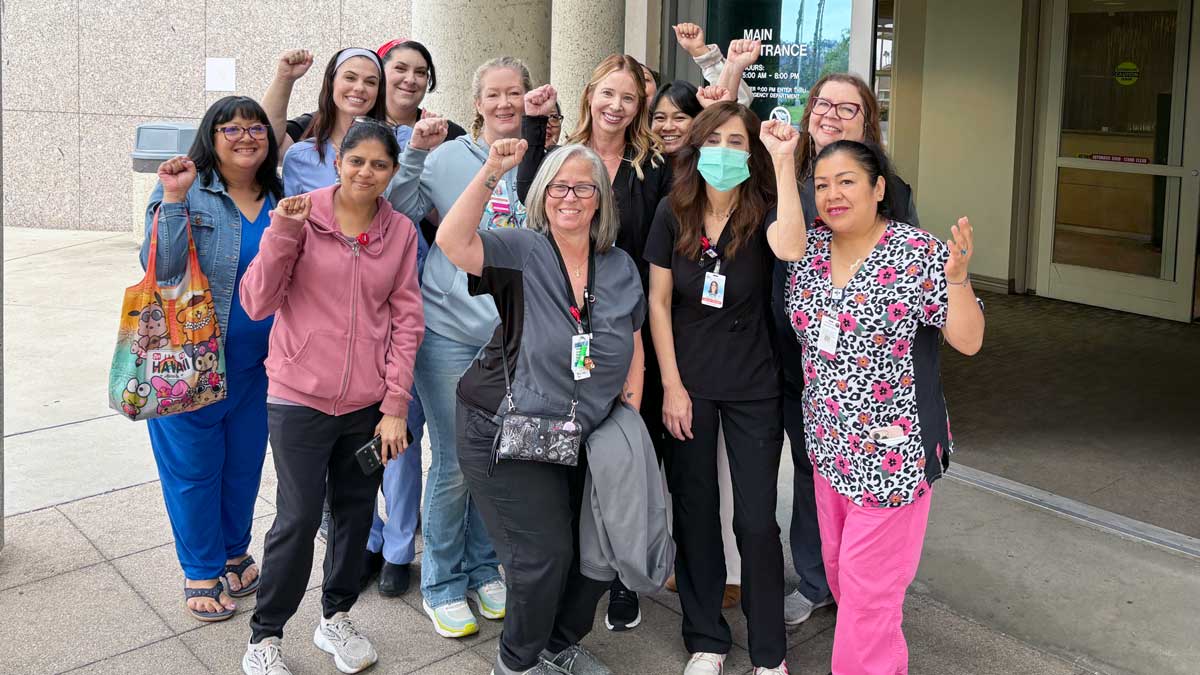
The approximately 63 workers in West Allis and 33 workers in Madison are ready to negotiate contracts that would provide better pay, protections to ensure safe staffing levels, and more time to care for individual patients, as Rogers workers secured in California after joining NUHW. In West Allis, the vote was 53 to 4; in Madison, 26 to 4.
Local news outlets reporting on the election included the Milwaukee Journal Sentinel, Wisconsin Examiner, and WiscPolitics.
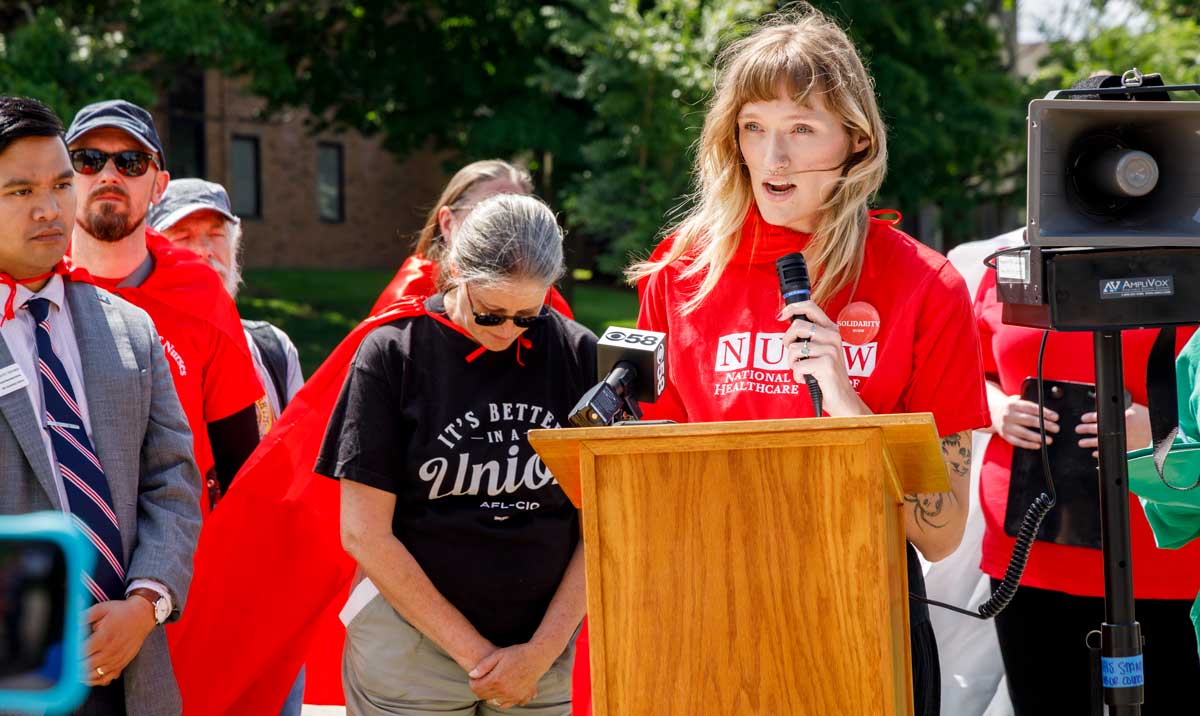
“This vote shows that we want to have a real voice in the care we provide to give our patients their best opportunity to put their lives back in order,” said T’Anna Holst, a therapist at Rogers in West Allis. “It’s been a difficult few months, but Rogers has negotiated strong union contracts in California, and we’re ready to move forward and negotiate a contract here in Wisconsin that will make Rogers the best place to give and receive mental healthcare.”
Rogers is one of the country’s largest providers of mental health and addiction treatment services. The nonprofit corporation, based in Oconomowoc, voluntarily recognized the right of its employees at three Rogers’ clinics in California and one in Philadelphia to be represented by NUHW. While contract negotiations are still ongoing in Philadelphia, the contracts Rogers agreed to for workers based in the Bay Area, Los Angeles, and San Diego are among the best in the industry. They include strong raises, limits on caseloads, and guarantees that no jobs will be lost to new technologies, including artificial intelligence.
However, in its home state, Rogers tried to squelch the organizing drive by hiring union-busters to intimidate mental health therapists, behavioral health technicians, and nurses in both West Allis and Madison. As part of that intimidation effort, Rogers illegally fired two nurse practitioners and one physician at the West Allis clinic on February 9 after they approached management asking for recognition of their union — a clear violation of federal labor law.
In a 29-page ruling issued last week, National Labor Relations Board Regional Director Jennifer A. Hadsall rejected the company’s argument aimed at blocking union representation elections and ruled that the three Rogers workers illegally fired in February were eligible to vote in Wednesday’s election. On April 21, a federal judge denied Rogers’ motion for a temporary restraining order to block the election.
The company continued on Wednesday to try to stop the election in West Allis even as workers were casting ballots. It prohibited NUHW’s representative from entering the facility and then suspended a worker who had agreed to serve as the union’s observer. The National Labor Relations Board requires both union and management representatives to observe the vote count, and the absence of a union representative could have led to the ballots being impounded and not counted immediately. However, a second worker stepped forward and served as the union’s observer over the objections of Rogers’ representatives. There was no attempt by Rogers to stop ballot counting in Madison.
“We could not be prouder to have Rogers behavioral healthcare providers in Wisconsin as members of our union,” NUHW President Sophia Mendoza said. “These workers have demonstrated incredible strength, and they’ve been supported by so many elected and labor officials throughout the state. Rogers has violated its employees’ trust and wasted hundreds of thousands of dollars in patient care funds on union-busting lawyers, but it can still set things right. We’ve had good faith negotiations with Rogers in California that have improved patient care standards, and we remain ready to work together to make similar improvements in Wisconsin.”
Rogers originally tried to prevent the union elections from taking place by arguing to the Labor Board that its 13 locations in Wisconsin constituted a single bargaining unit, even though it had bargained separate contracts with NUHW-represented workers in California and is now doing so with workers in Philadelphia. In rejecting this argument, Regional Director Hadsall wrote: “The facilities generally operate independently of other Employer facilities, and there is little evidence of regular contact between employees working at different facilities.”
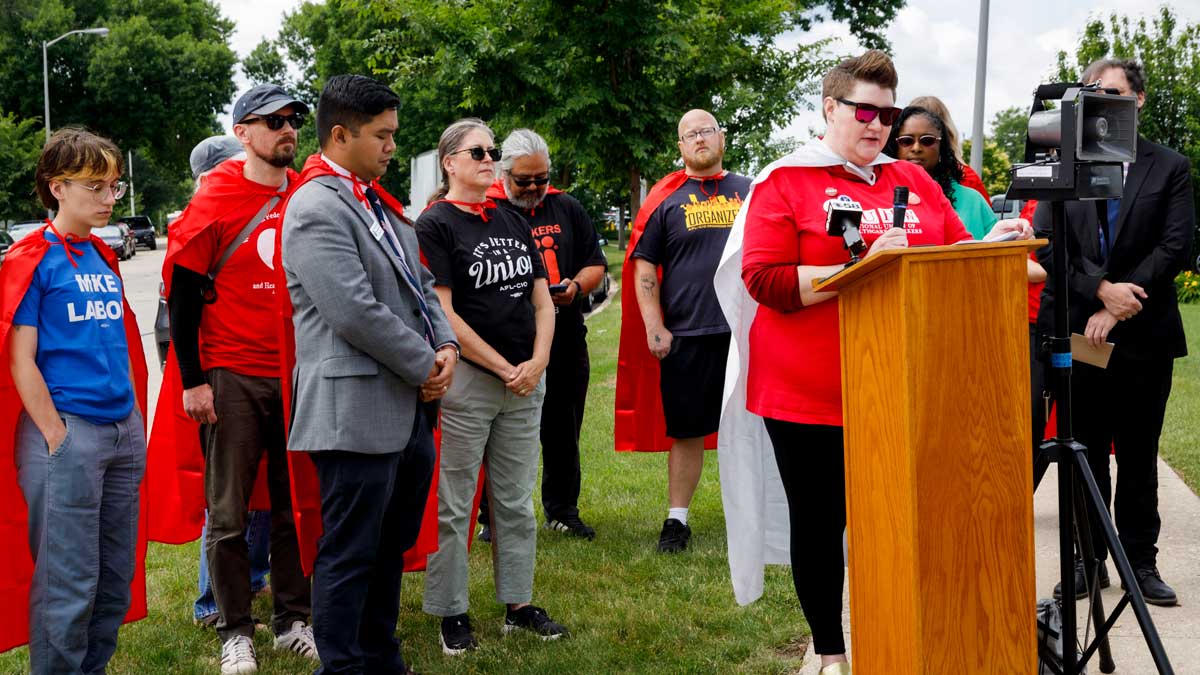
Prominent state elected leaders, joined by union supporters, have written Rogers CEO Cynthia Meyer, calling on her to reinstate three workers who were fired for union organizing, recognize their union, and bargain a fair contract.
The staff at Rogers West Allis clinic began organizing a union late last year, several months after the company reclassified its mental health clinicians from salaried to hourly workers. The shift led to many workers being called off when the patient census dipped, resulting in higher patient volumes for the remaining staff and less available care for patients. Rogers also lifted caseload caps, forcing caregivers to be responsible for far more patients than before.
“Rogers took a wrong turn here in Wisconsin, but it’s not too late for the company to reverse course and work with us to improve conditions for everyone,” said Erin Quinlan, a behavioral health specialist at the Madison clinic. “This has always been about making sure we have the staffing and the resources to give the best care to our patients, and we’re determined to make that a reality in our first contract.”