Another Kaiser Strike?
Kaiser Permanente Mental Health Therapists in Northern California and Central Valley Voting on Strike Authorization
Kaiser wants to reverse patient care gains and set the stage to layoff therapists and replace them with A.I.
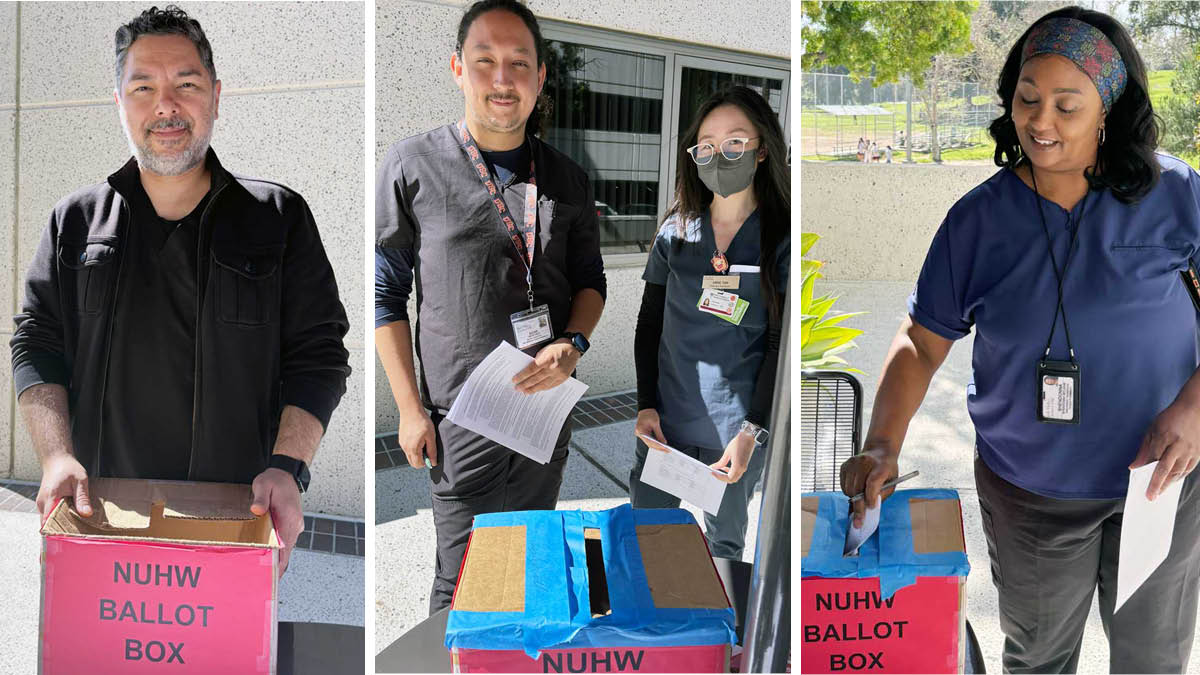
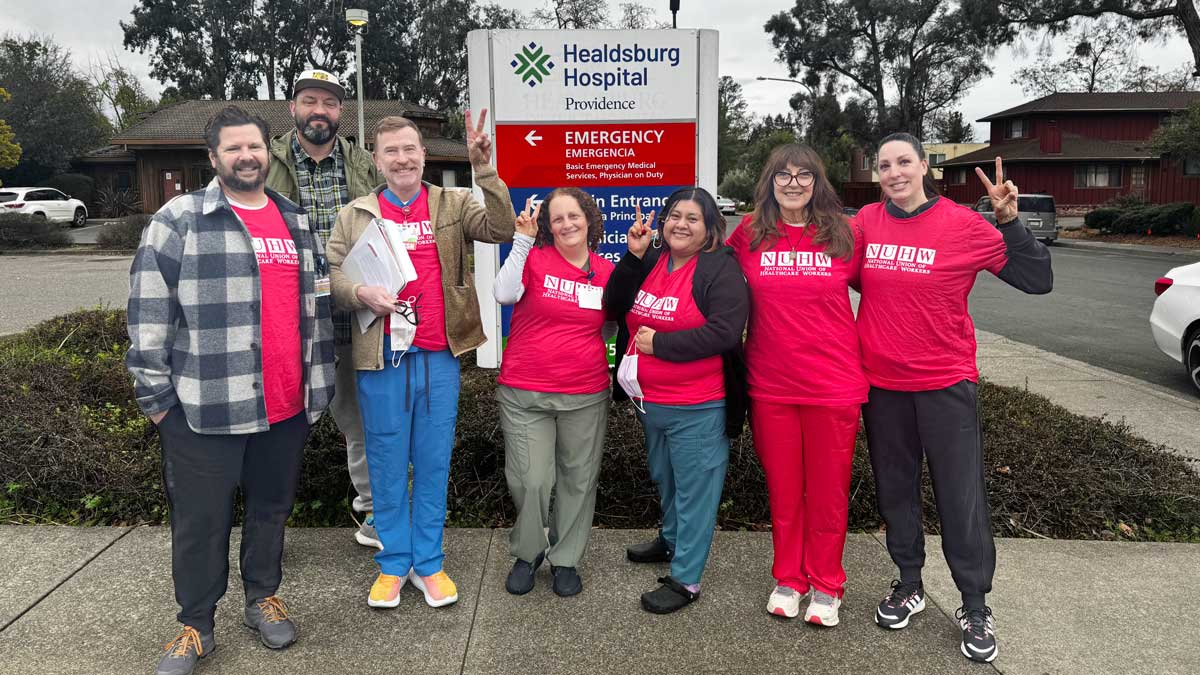
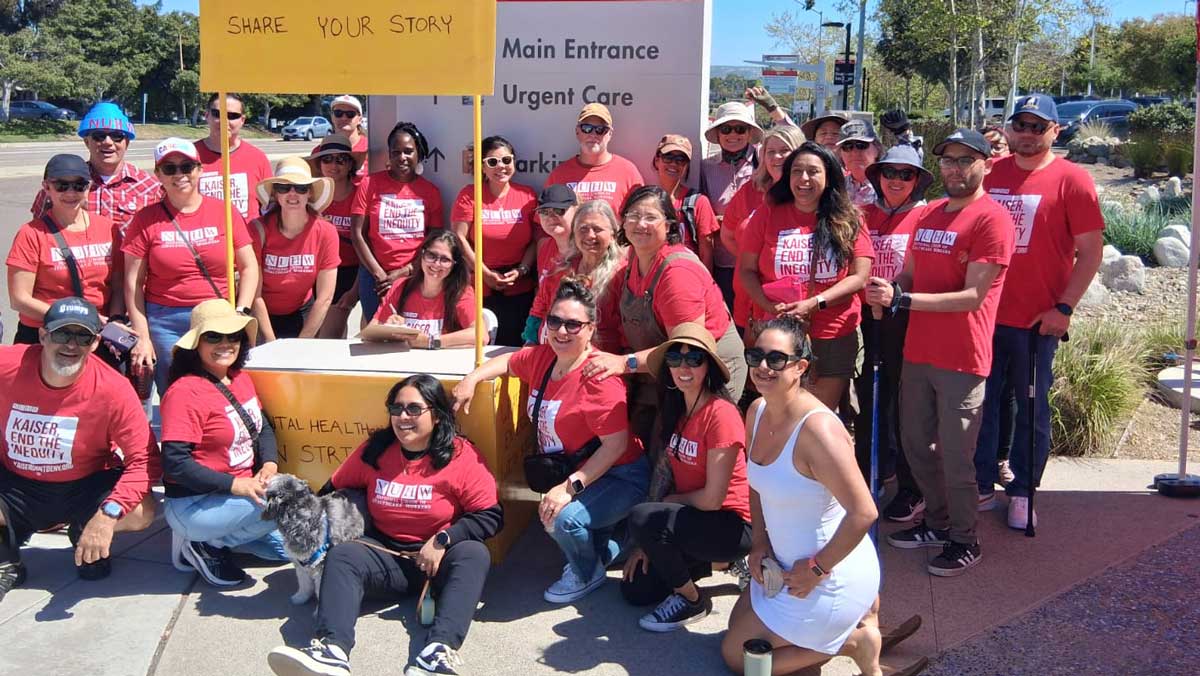
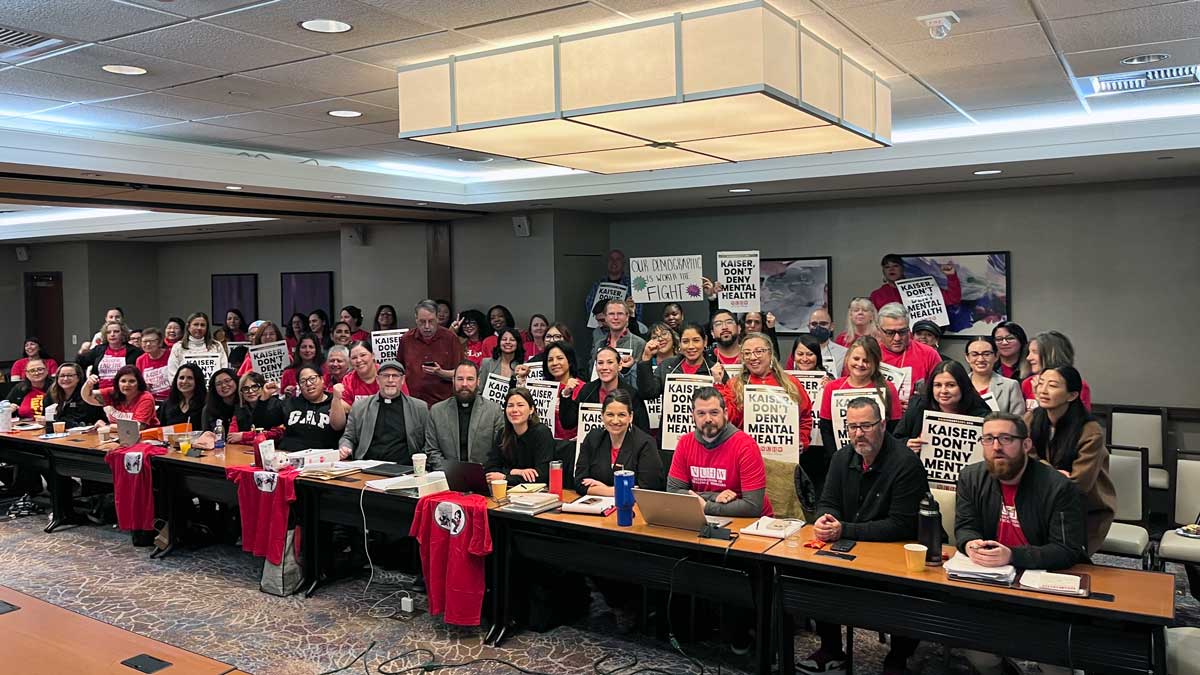
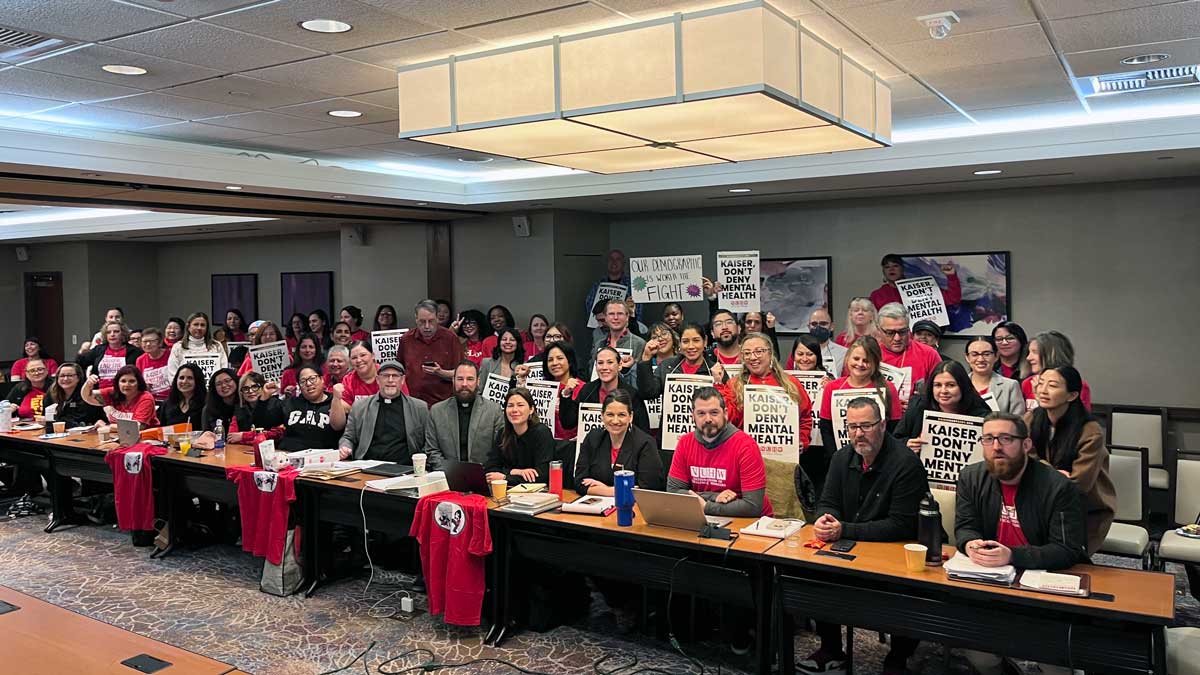
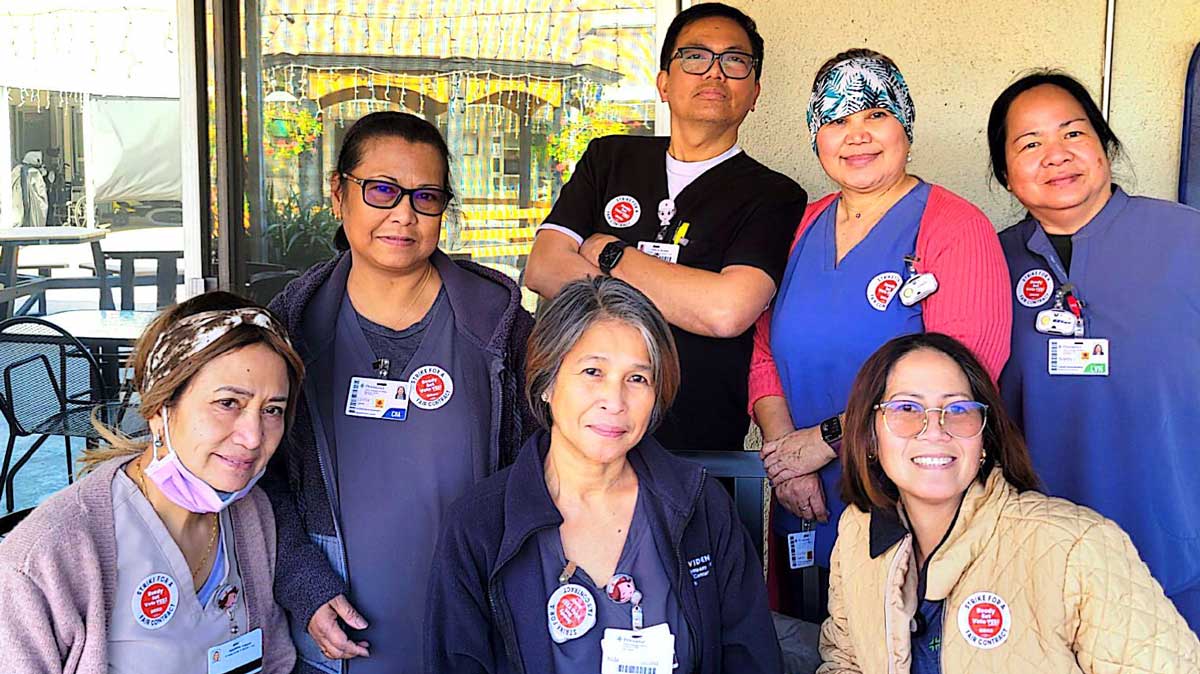
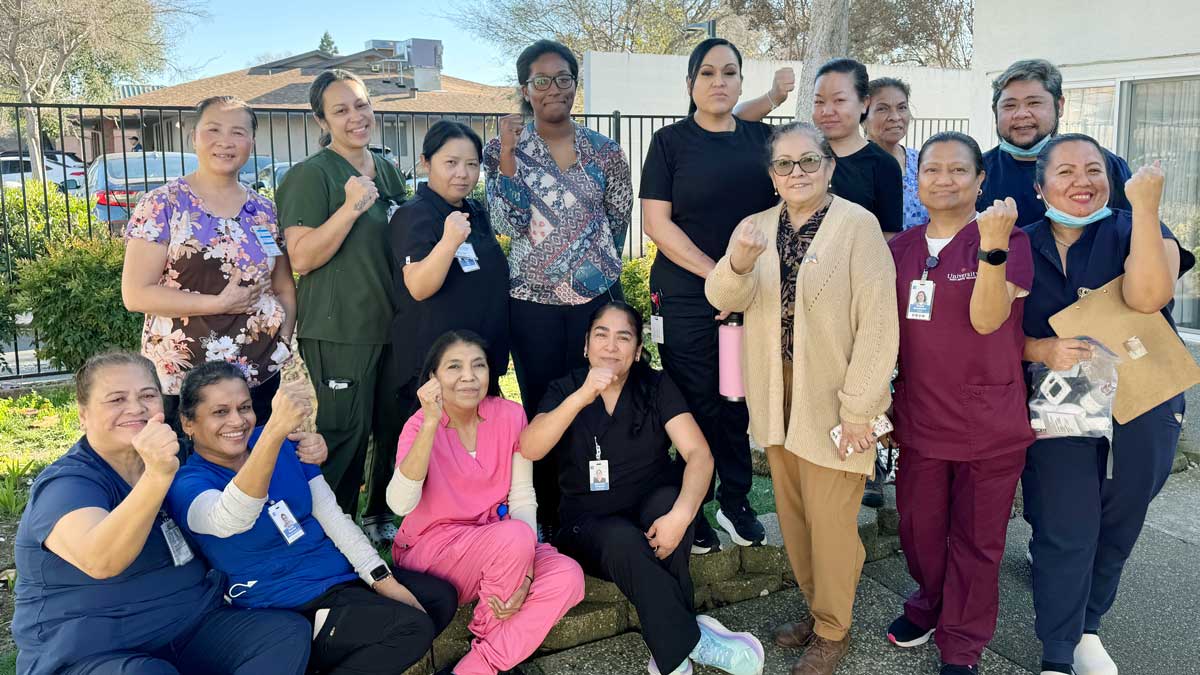
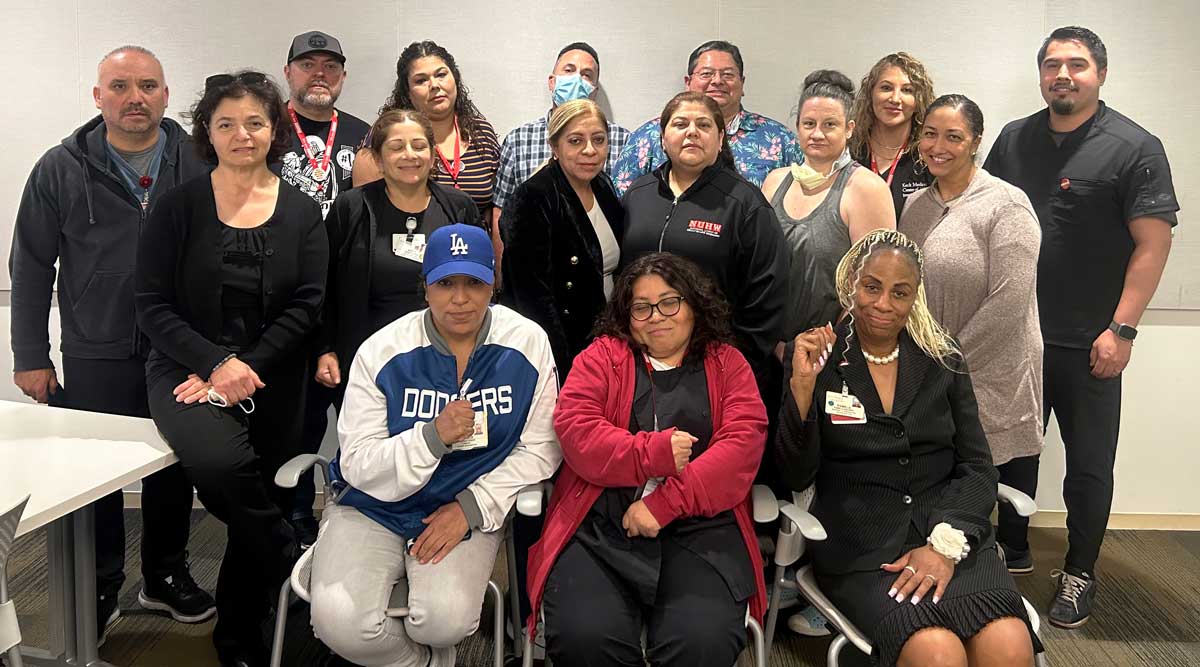
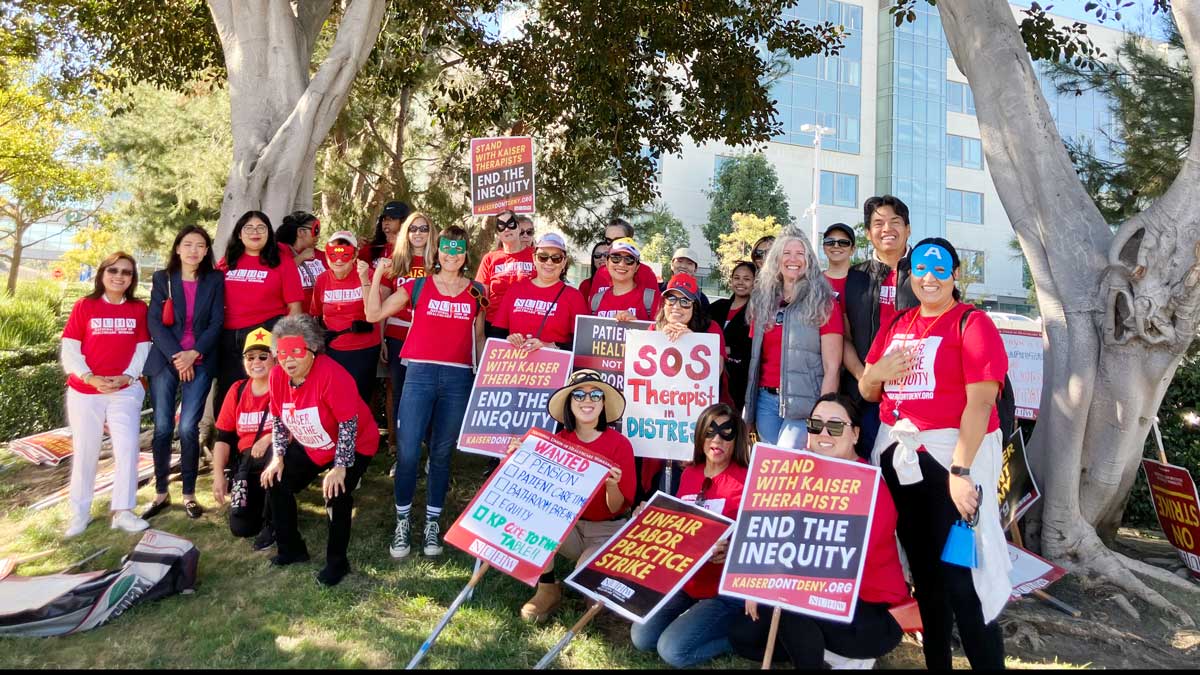
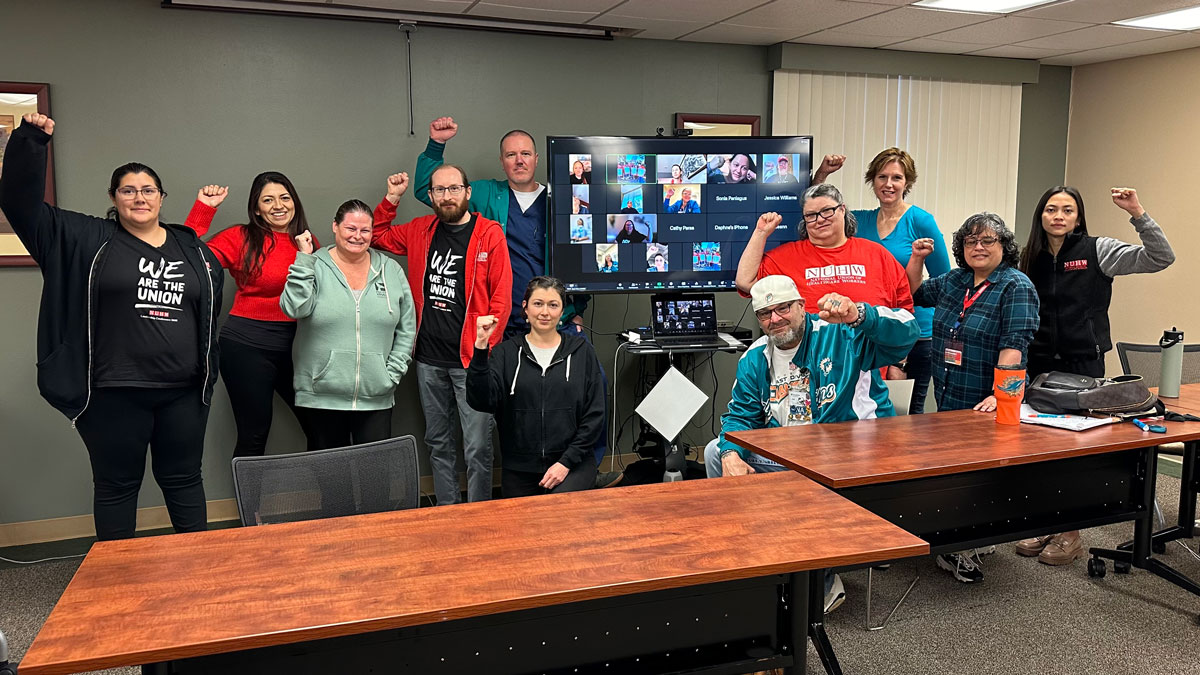
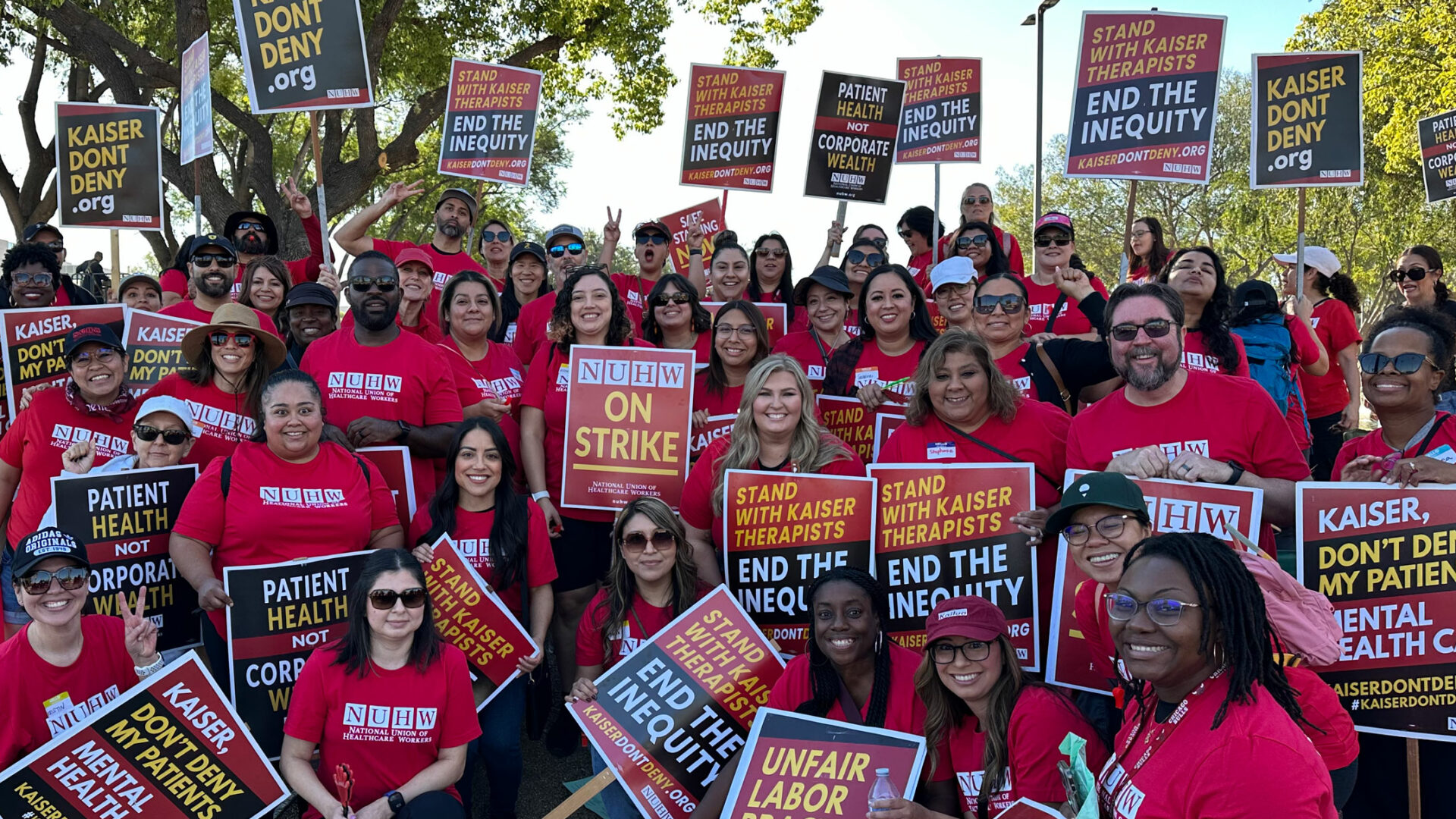
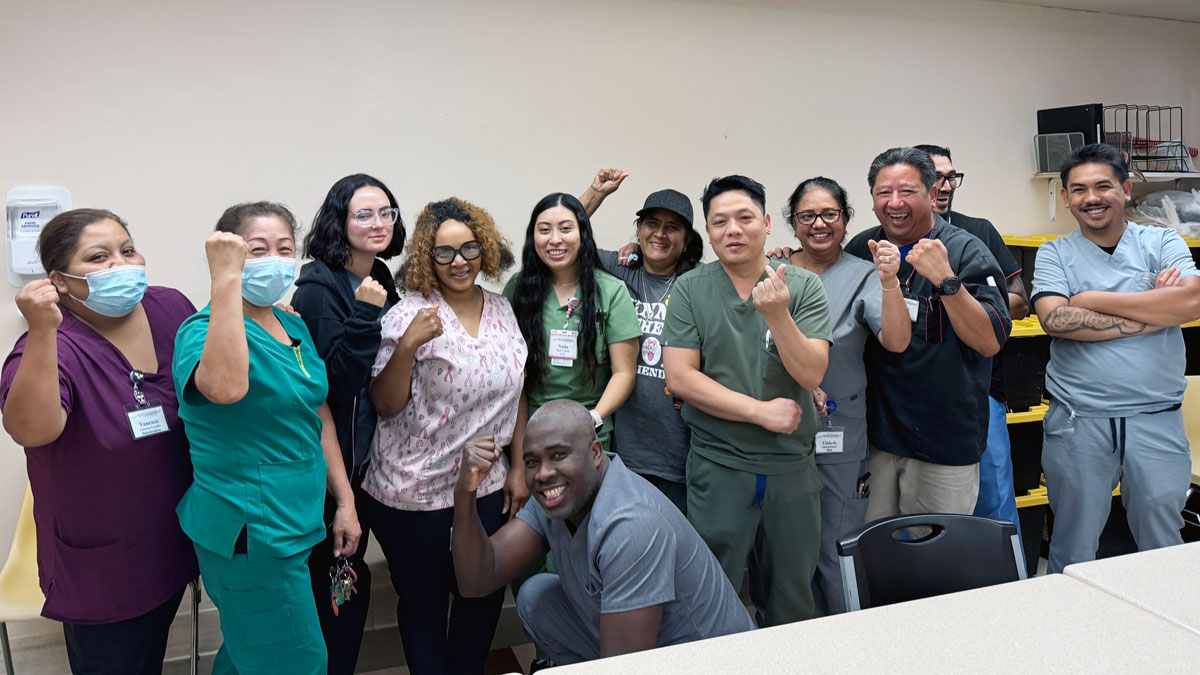
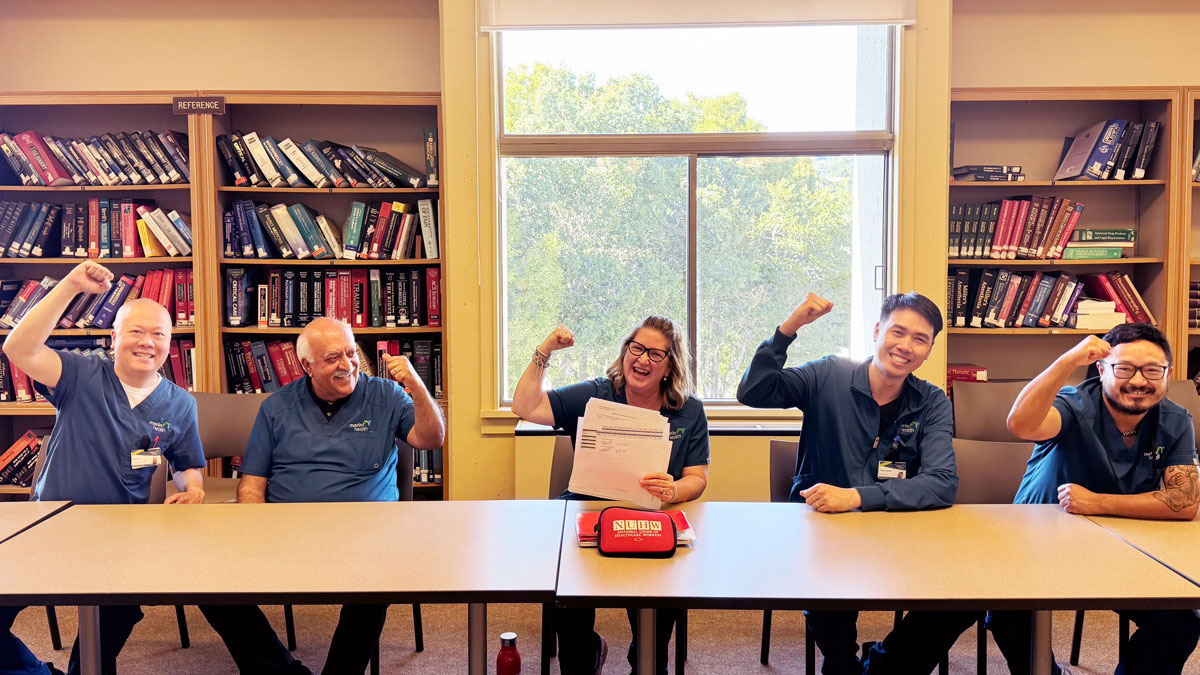
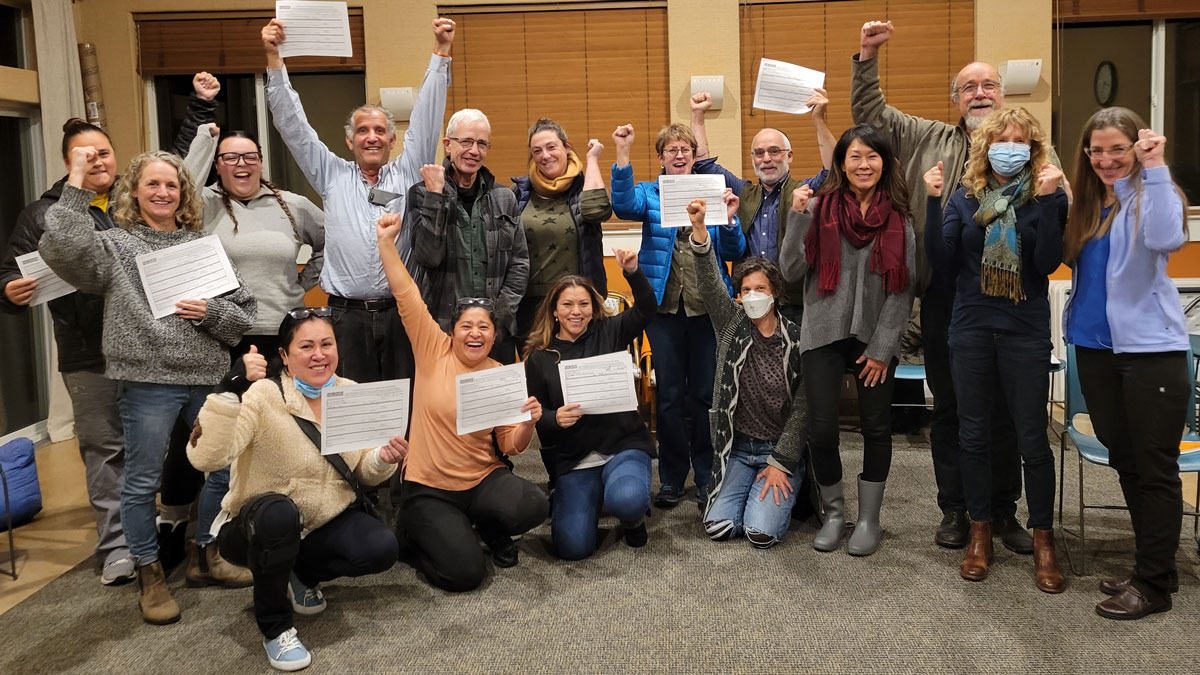
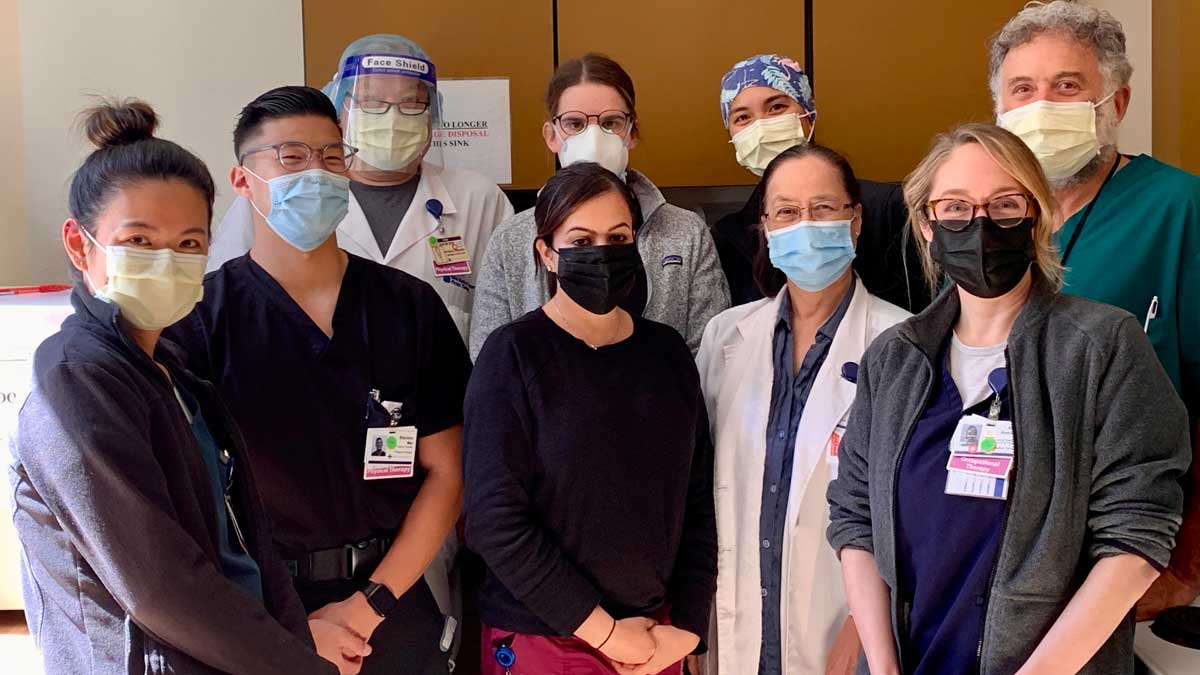
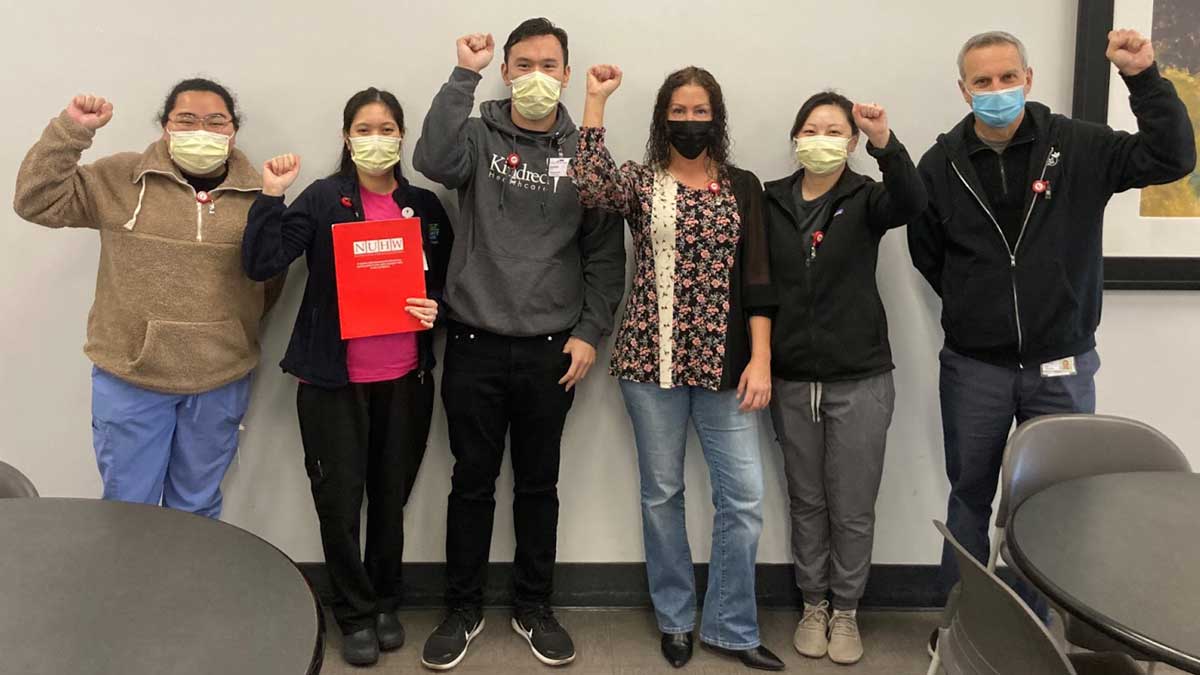
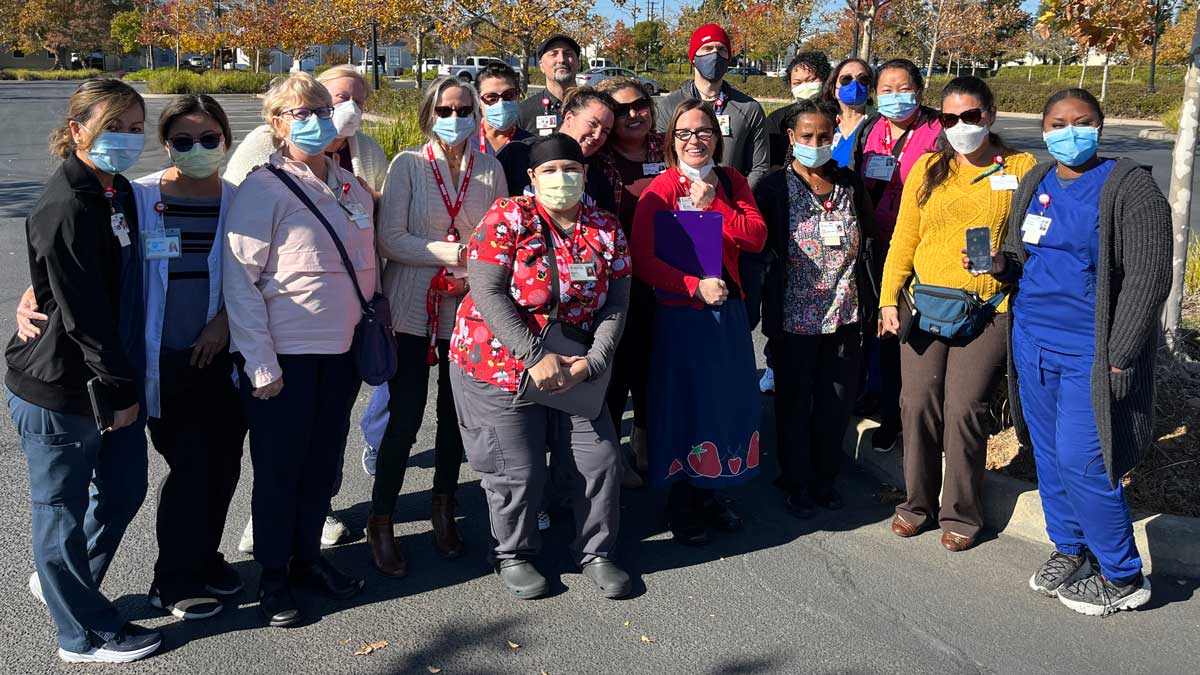
Approximately 2,400 mental health therapists, social workers and psychologists who provide mental healthcare for Kaiser patients in the Bay Area, Central Valley and Sacramento are voting on authorizing a one-day strike.
Their strike vote, which began this week, will continue into February. No strike date has been set.
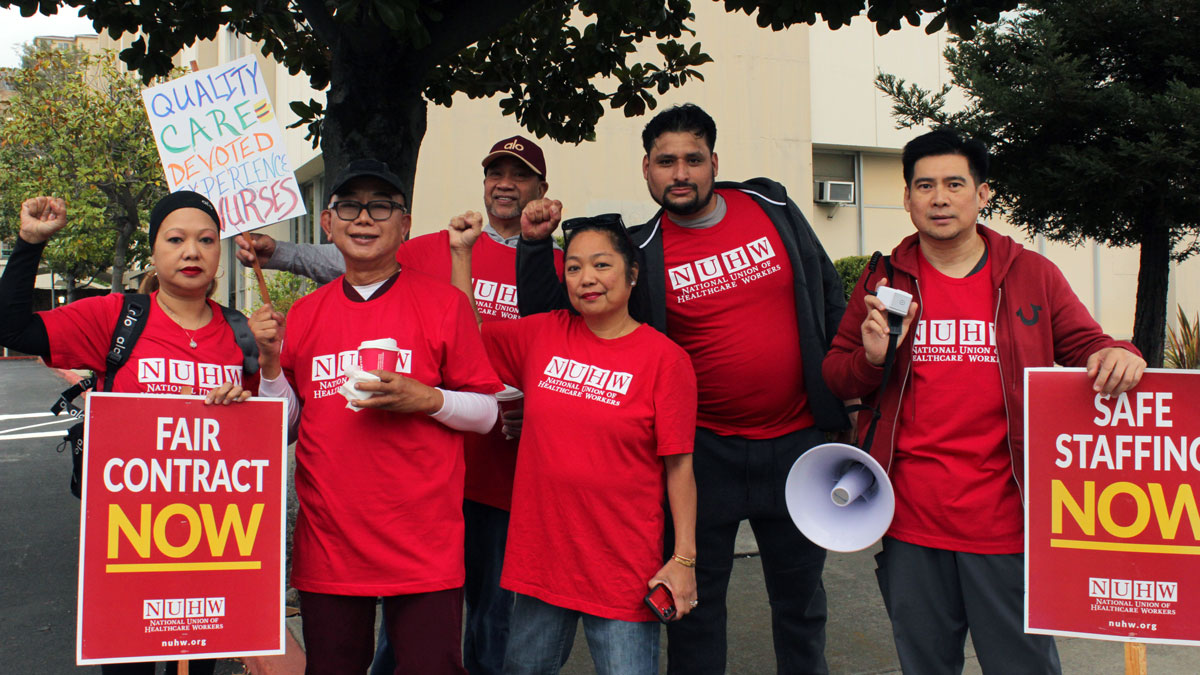
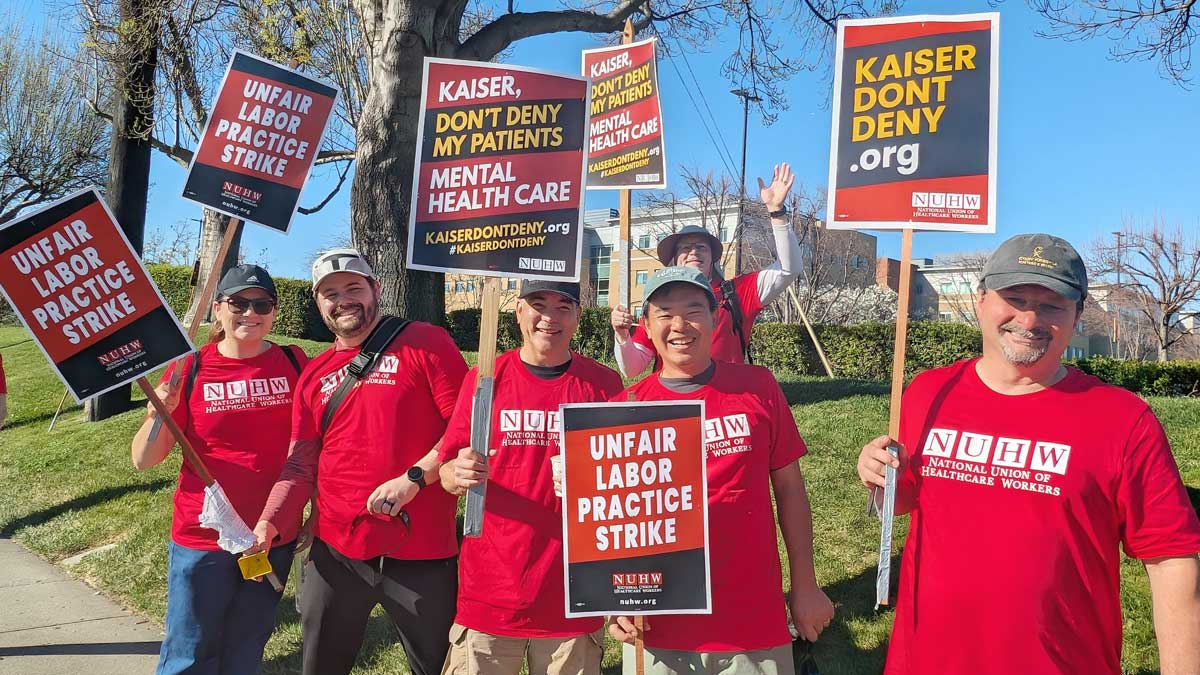
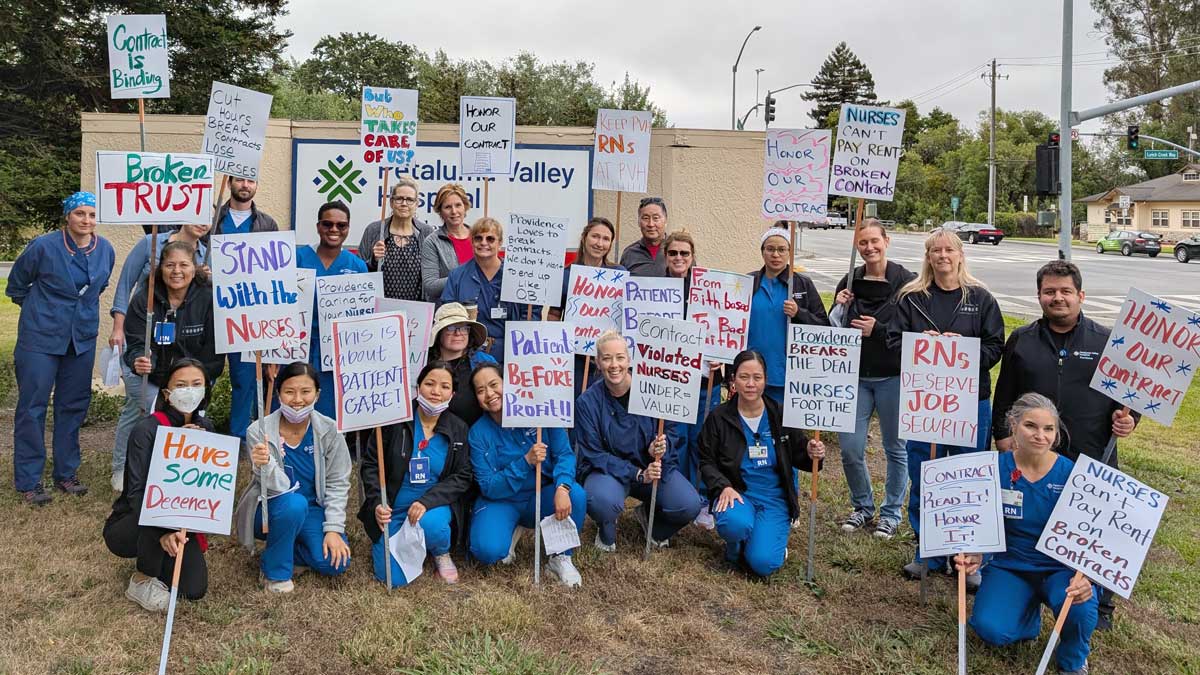
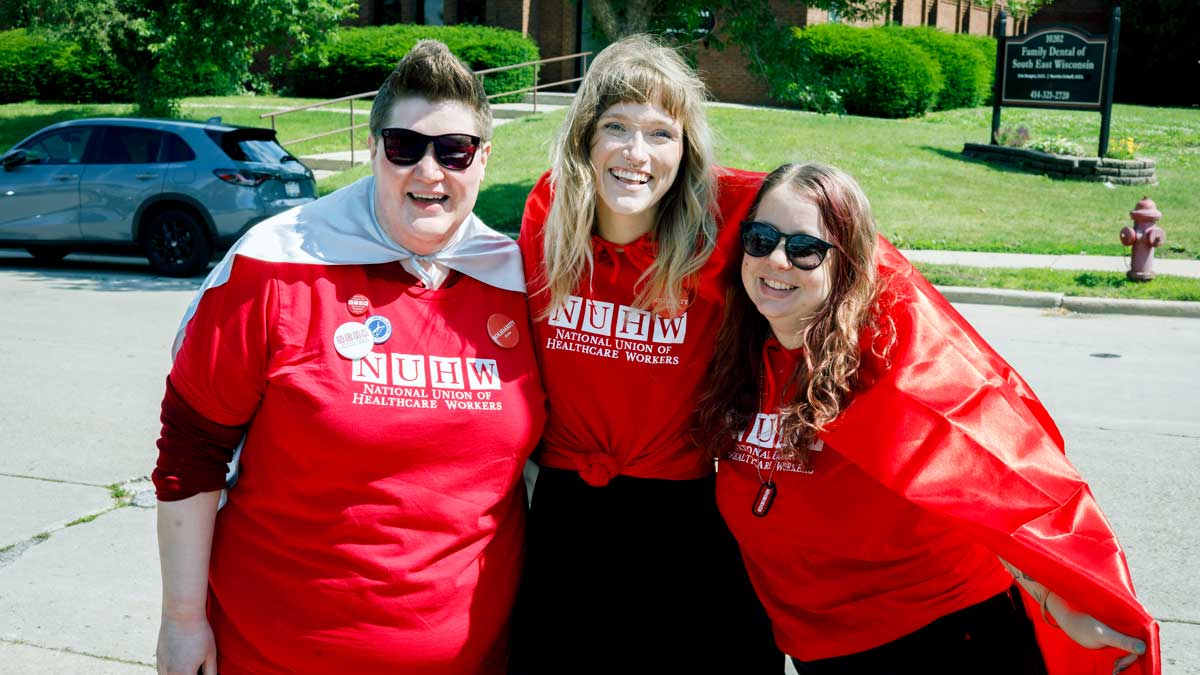
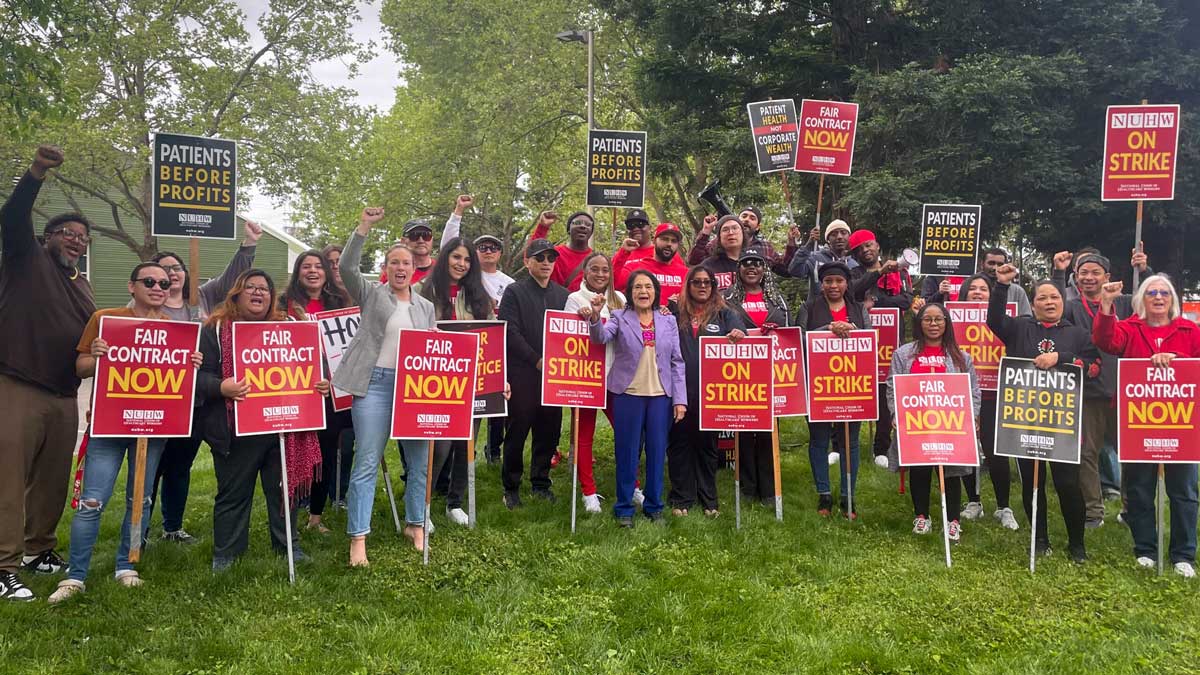
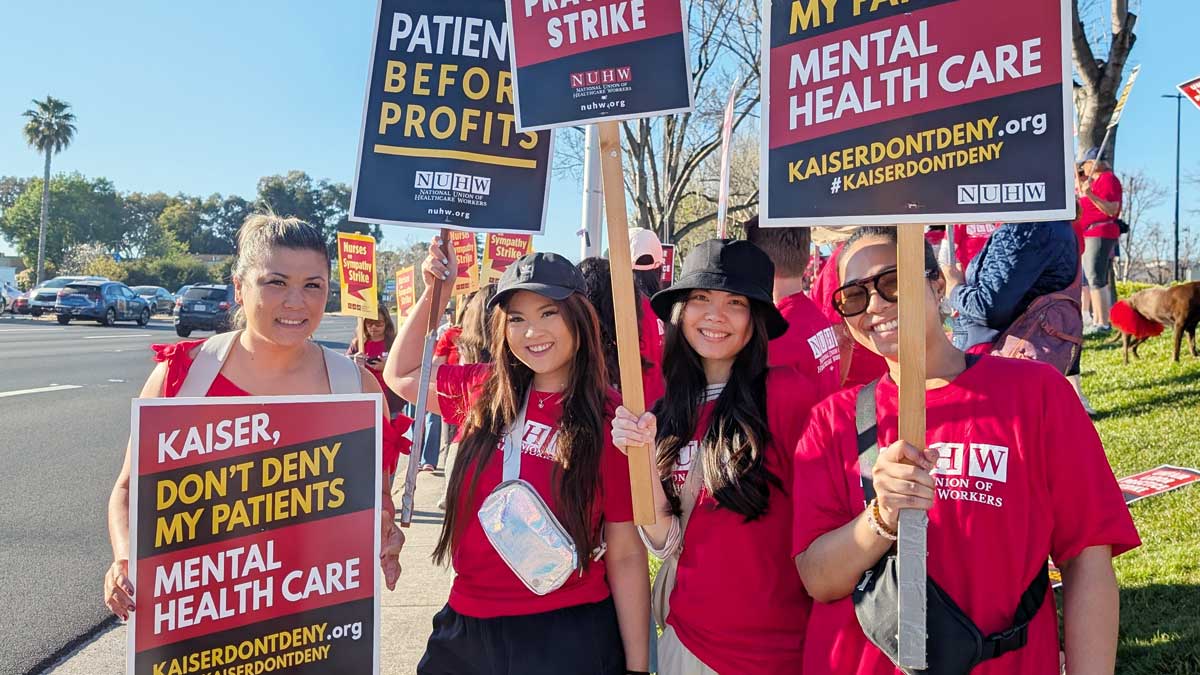
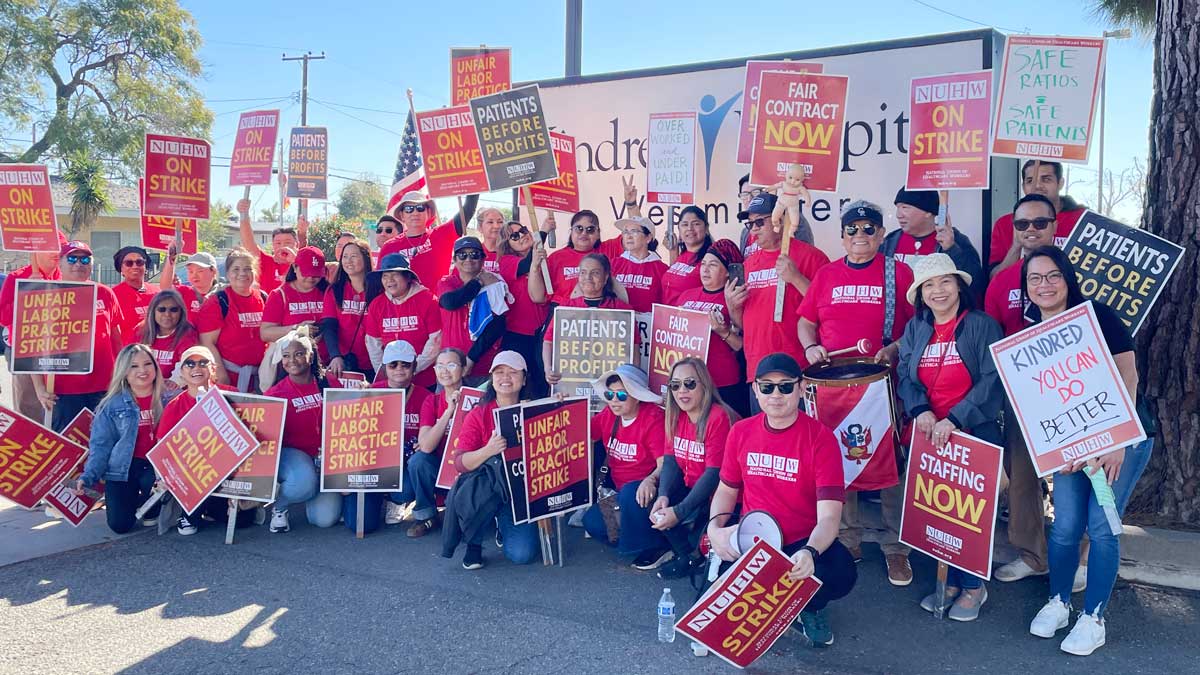
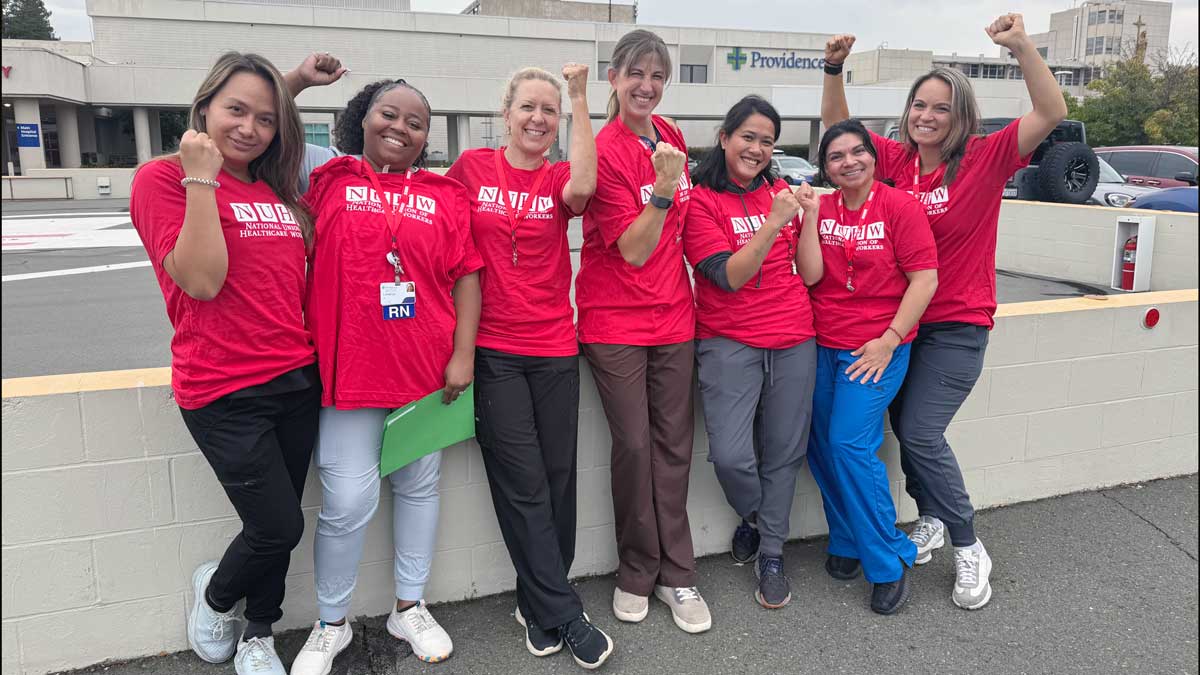
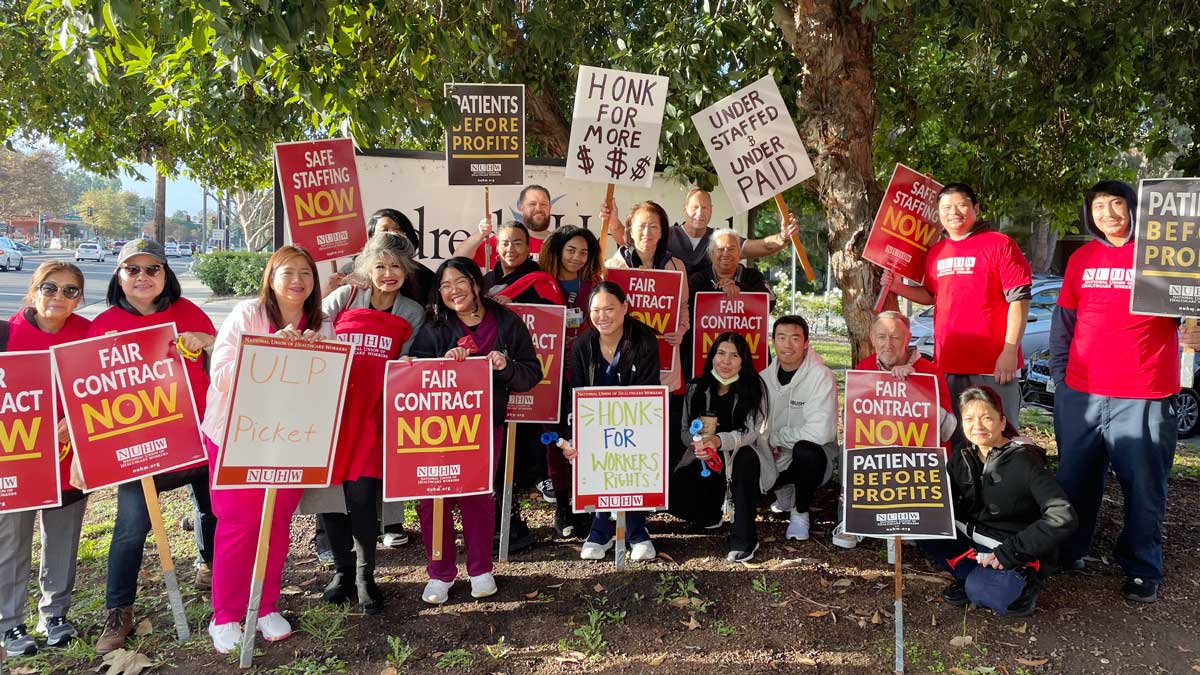
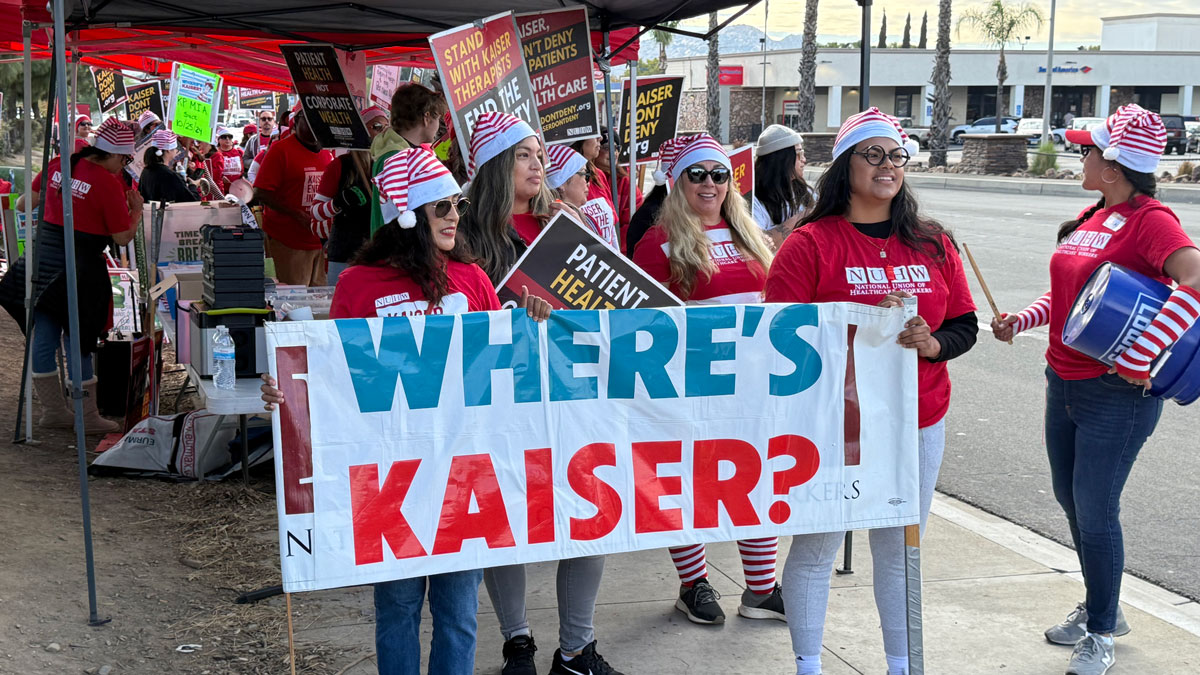
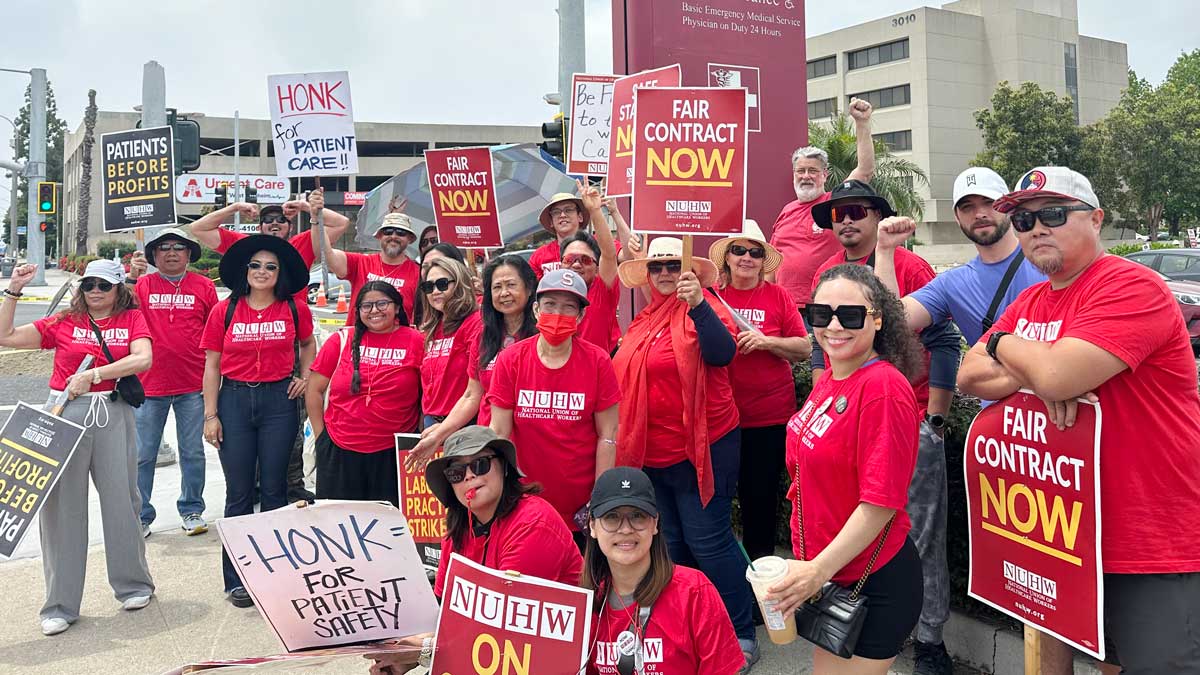
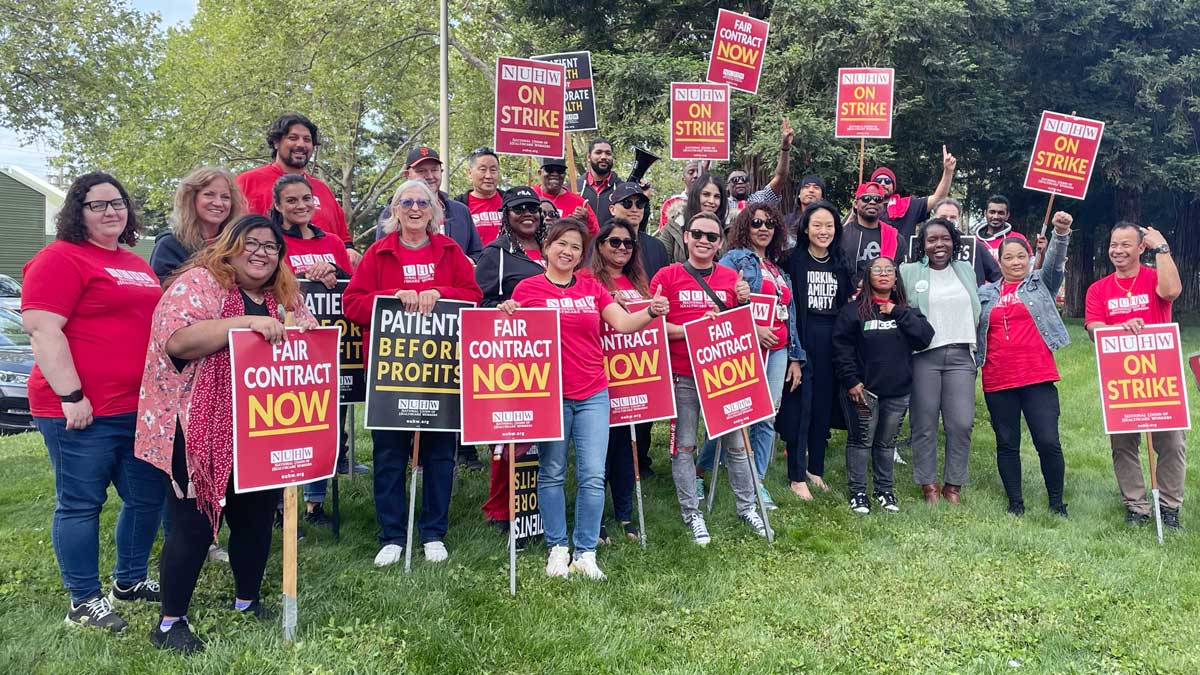
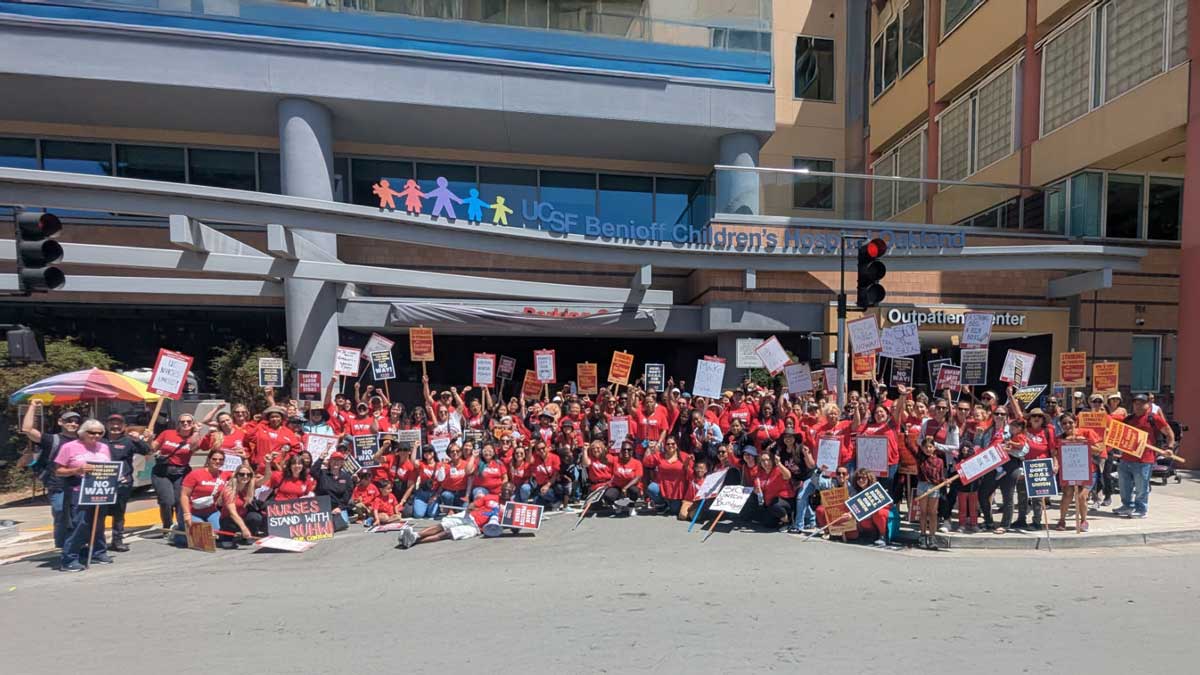
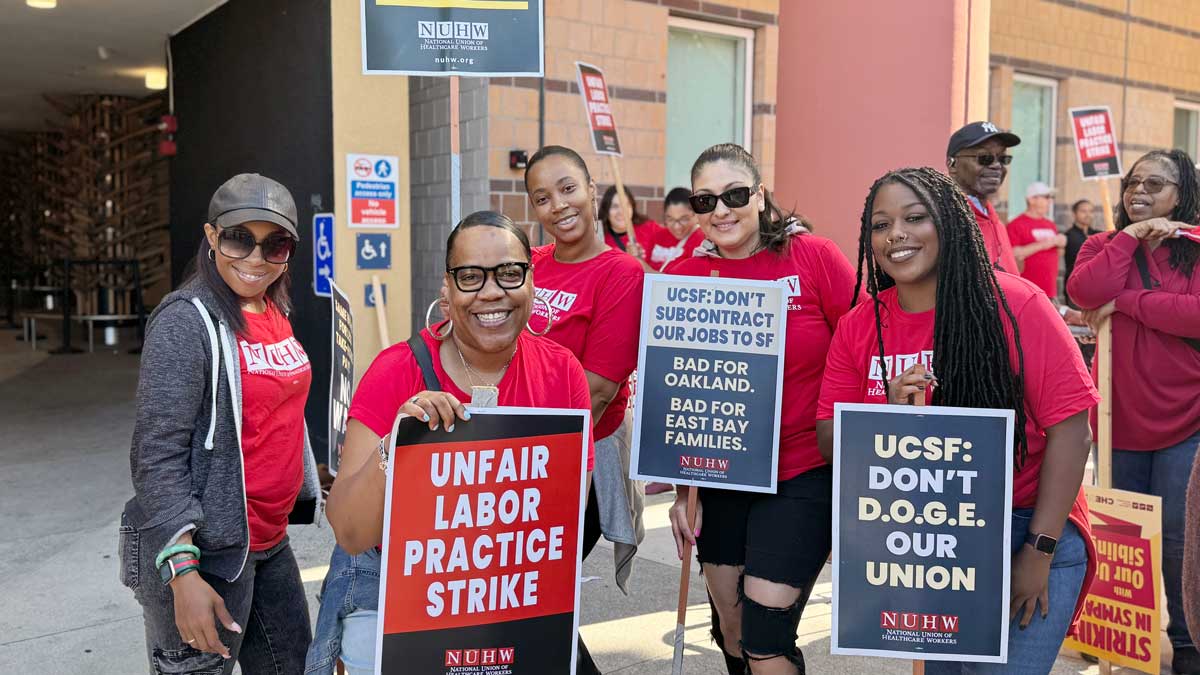
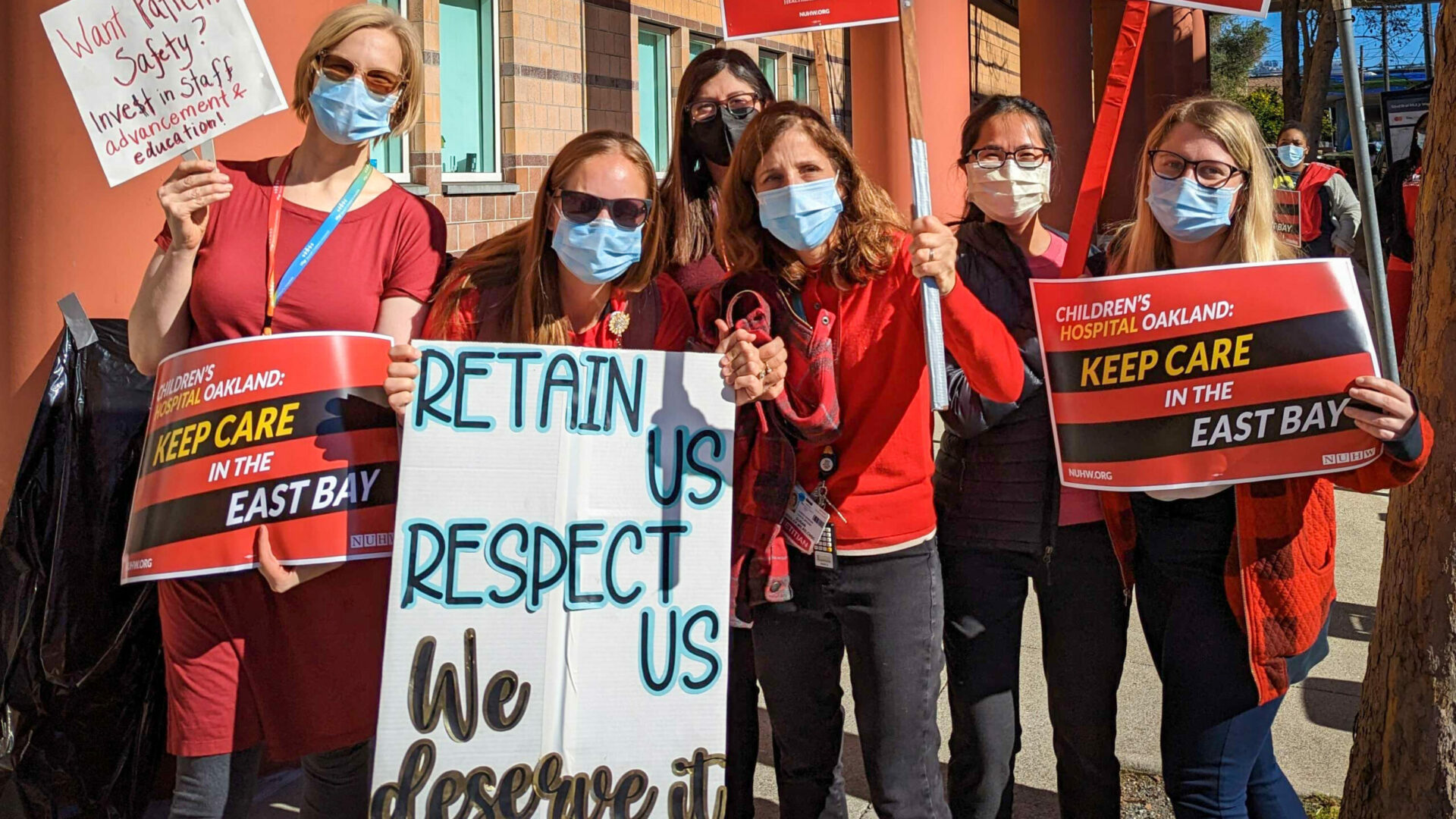
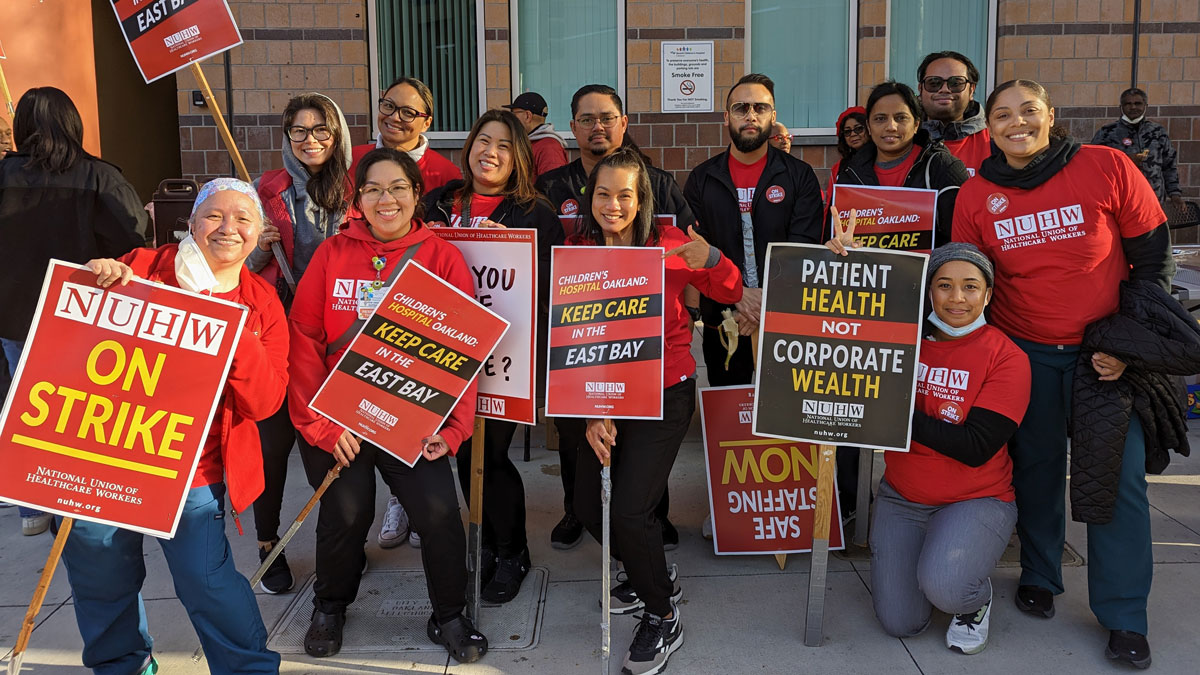
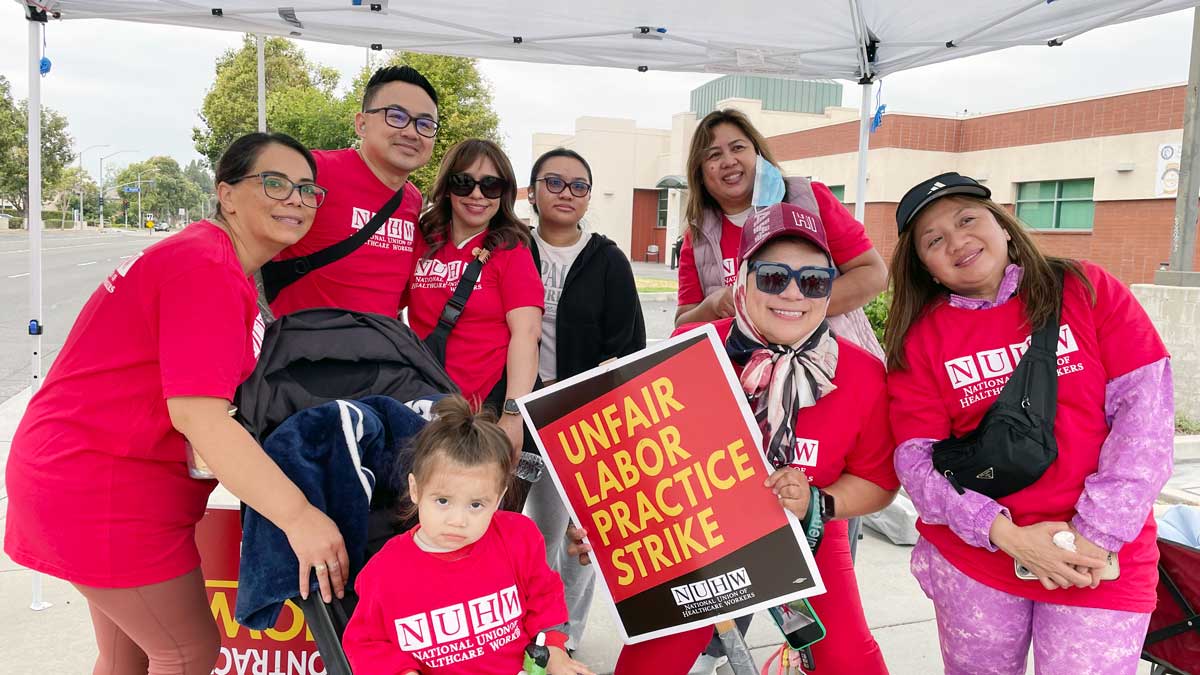
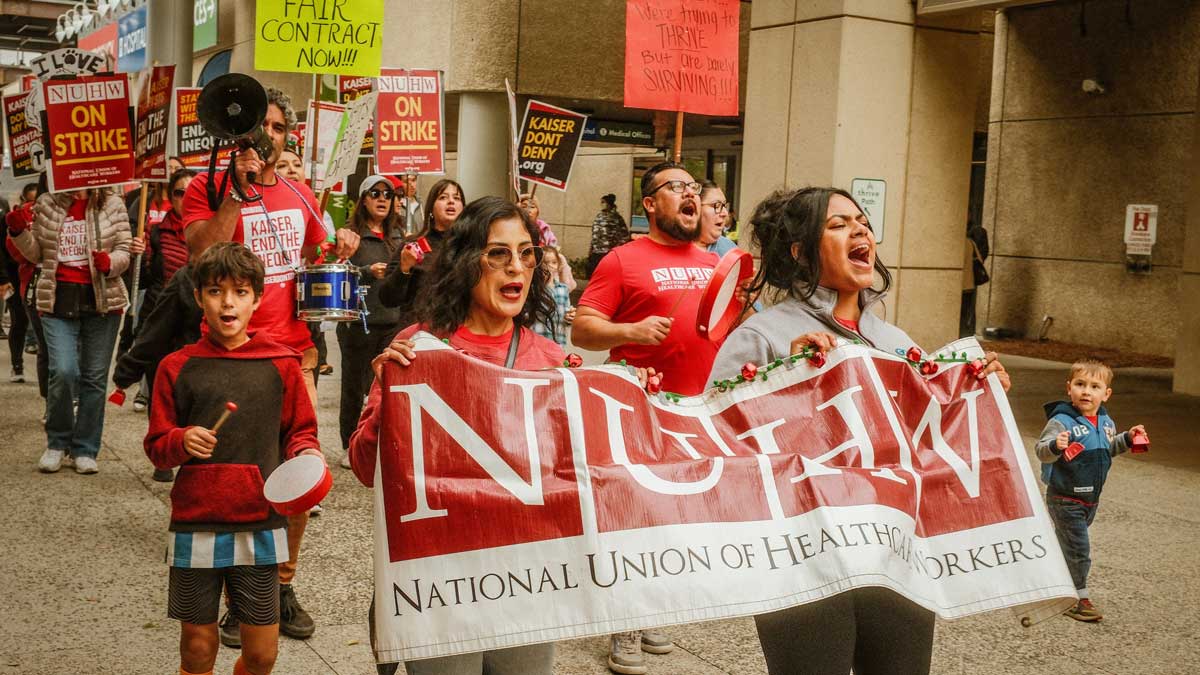
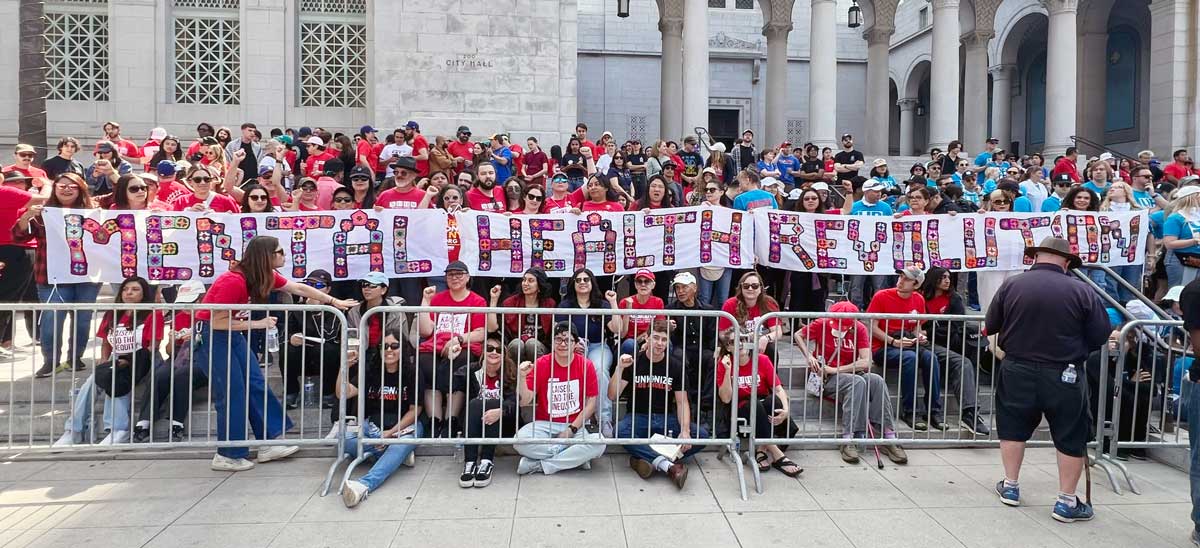
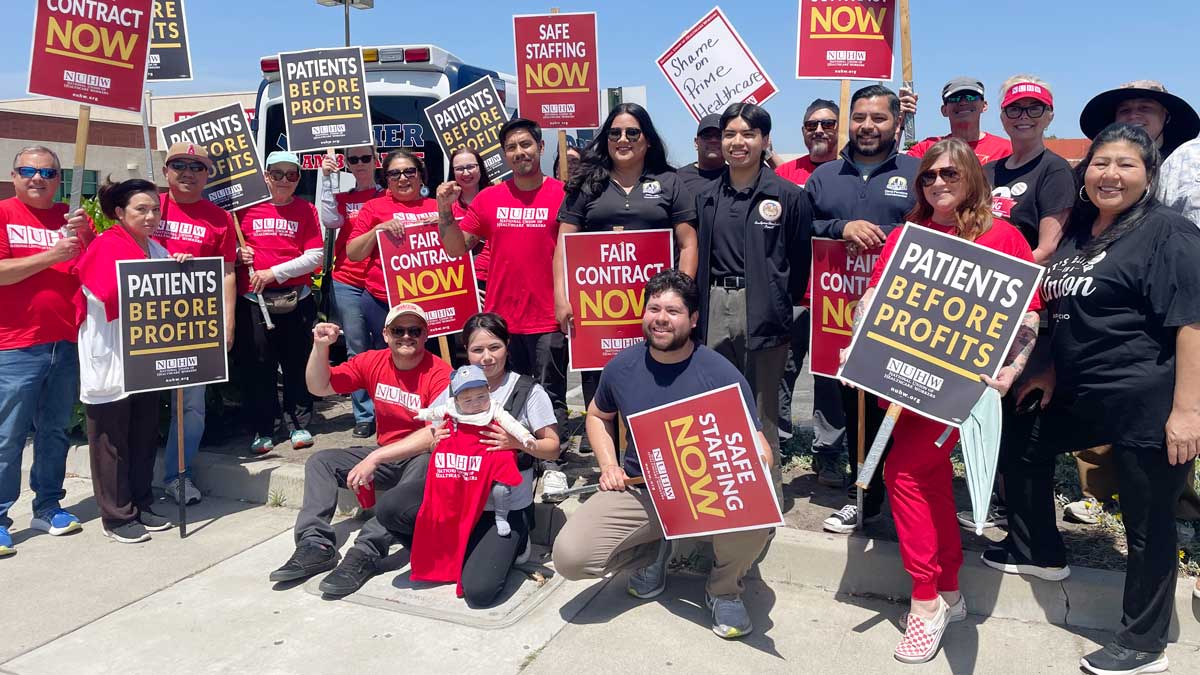
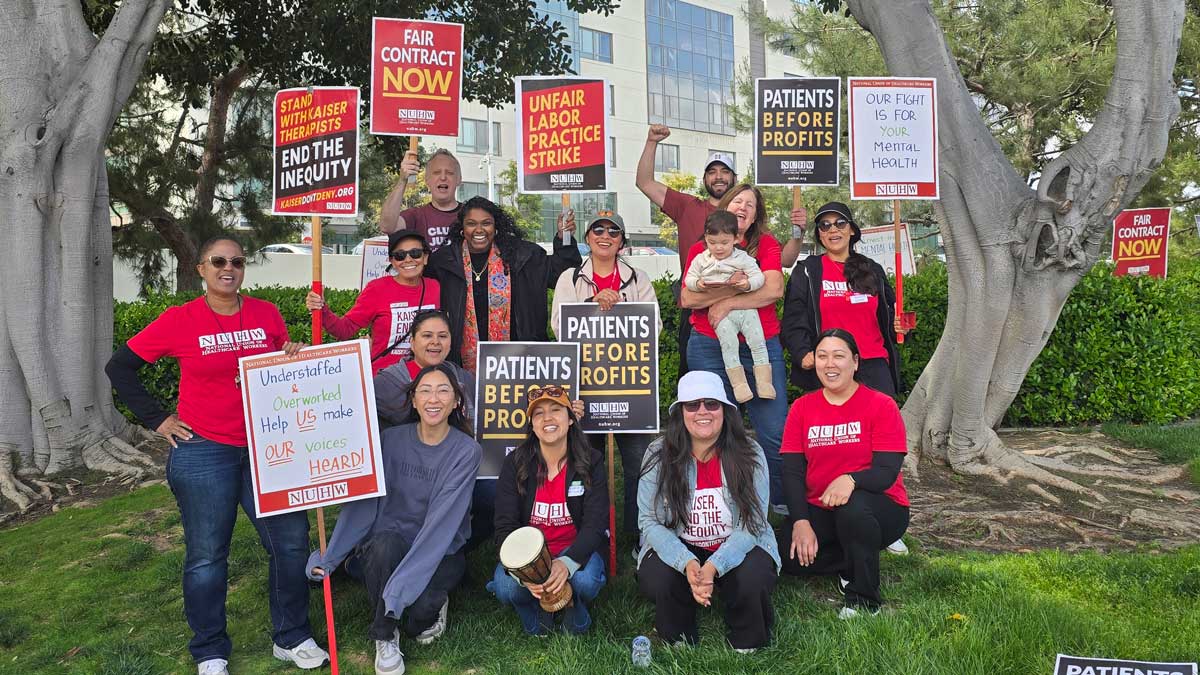
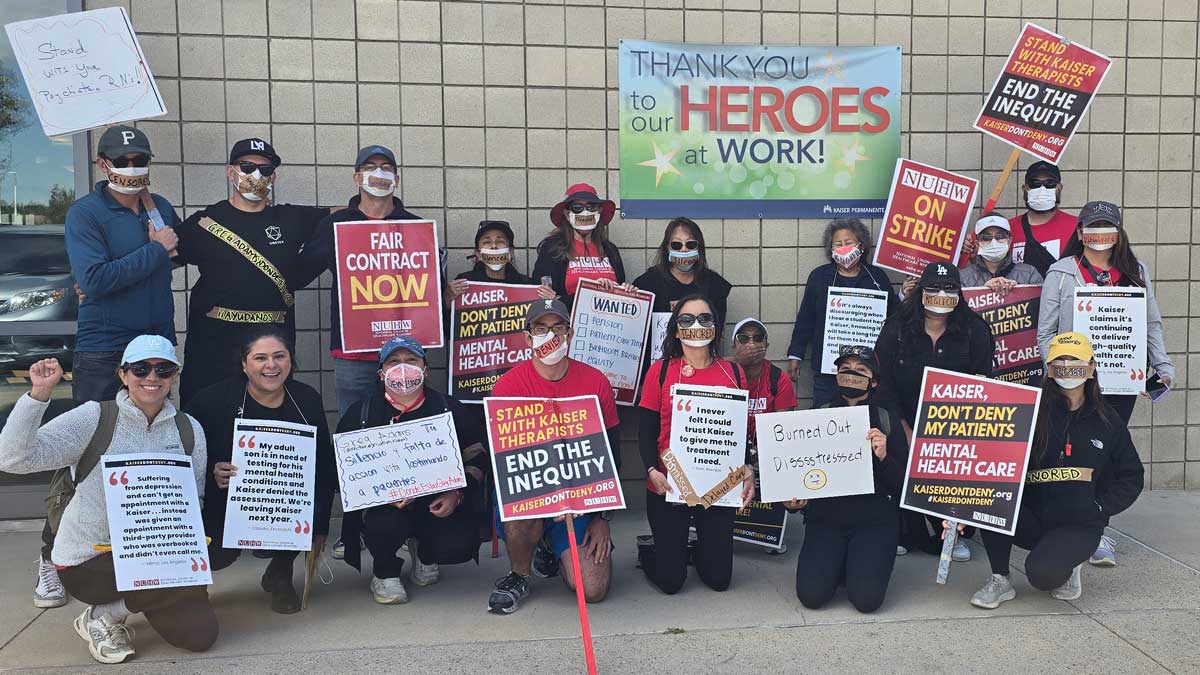
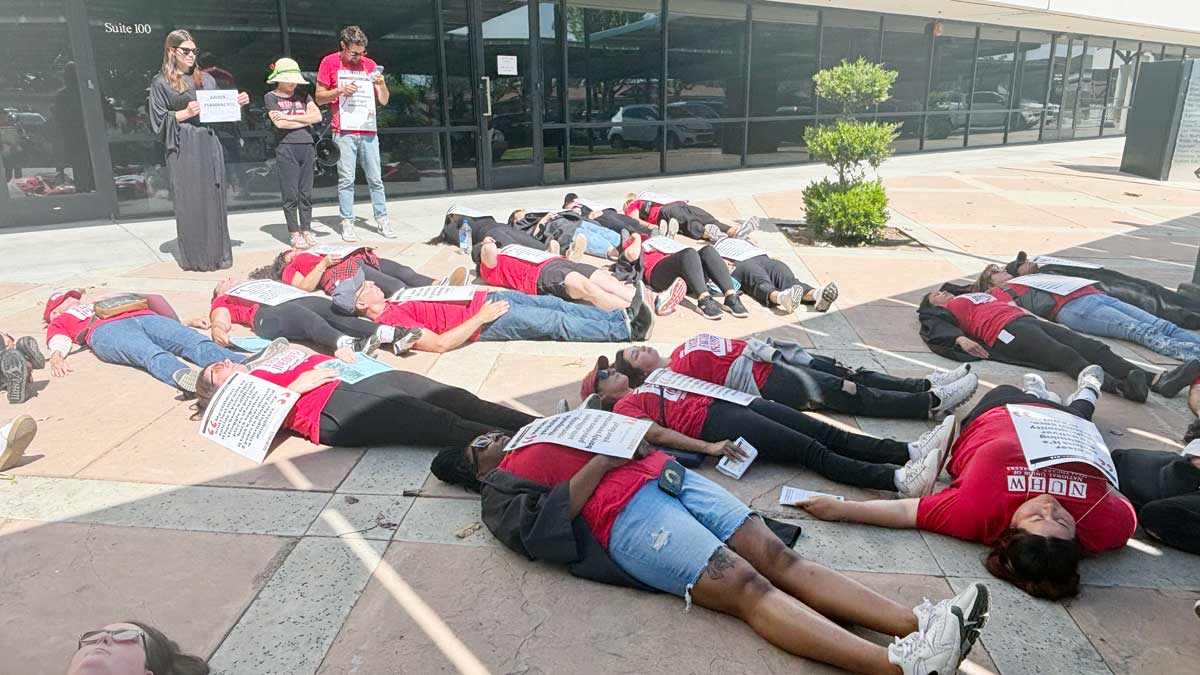
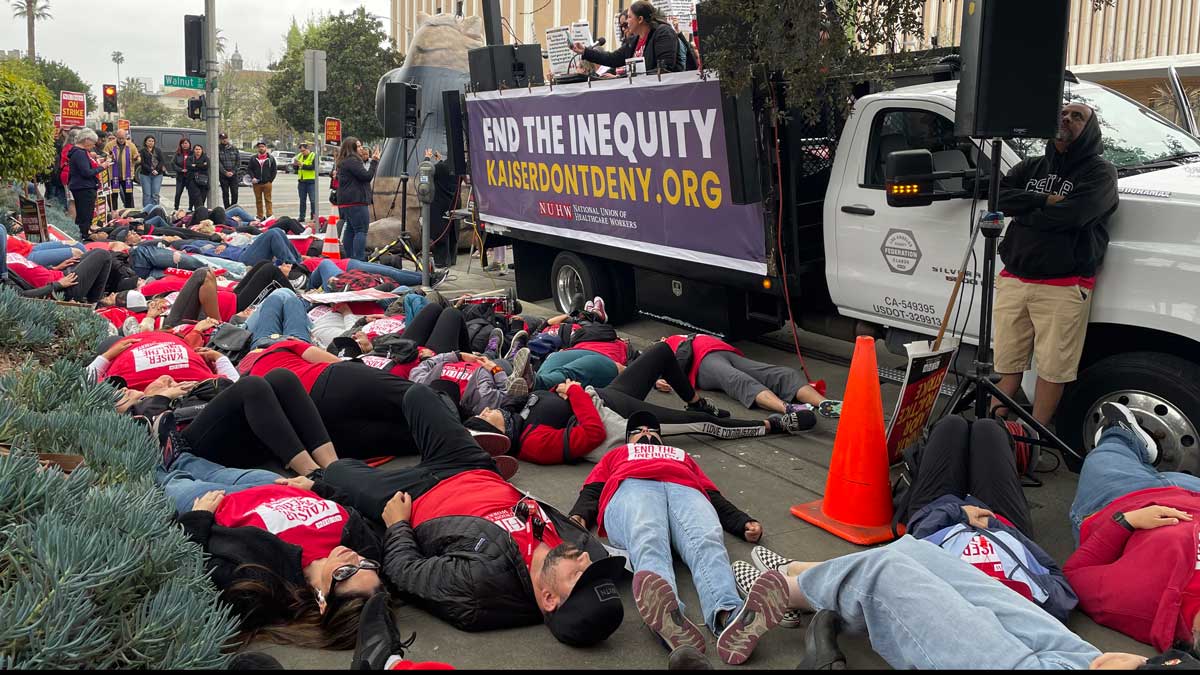
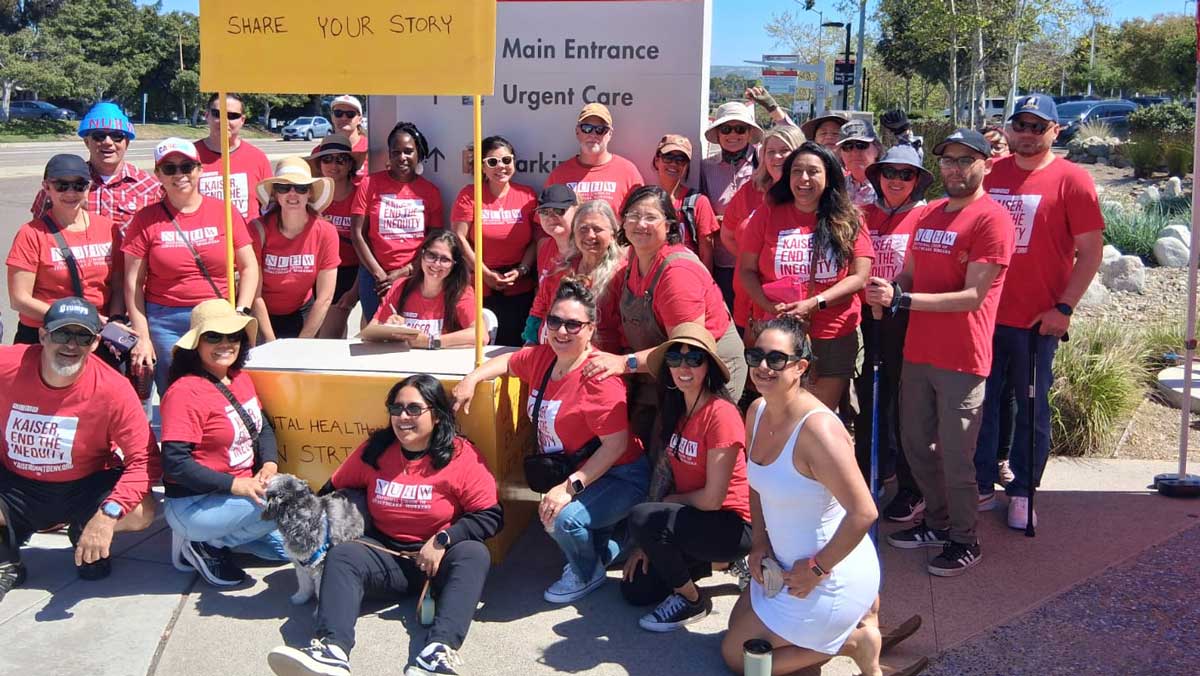
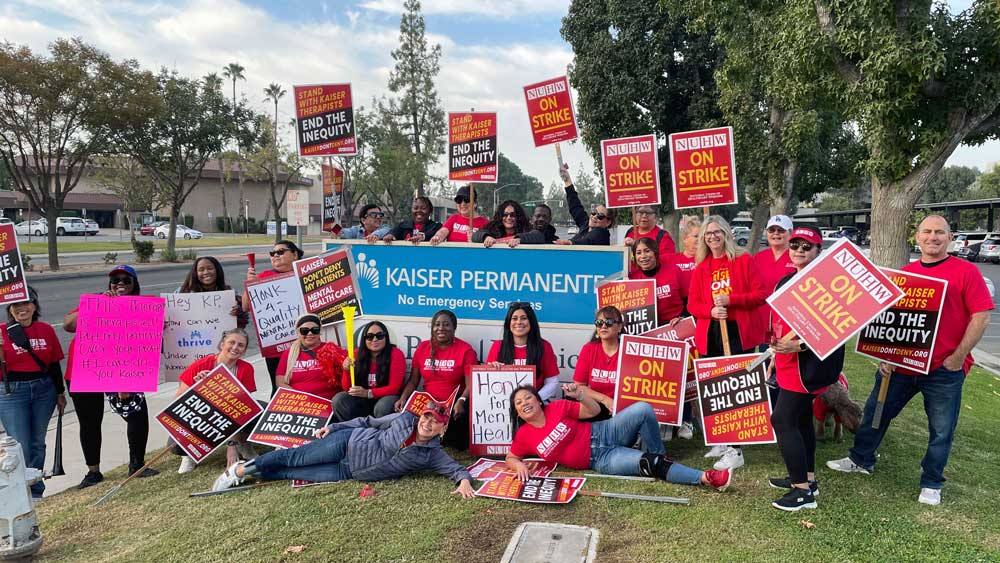
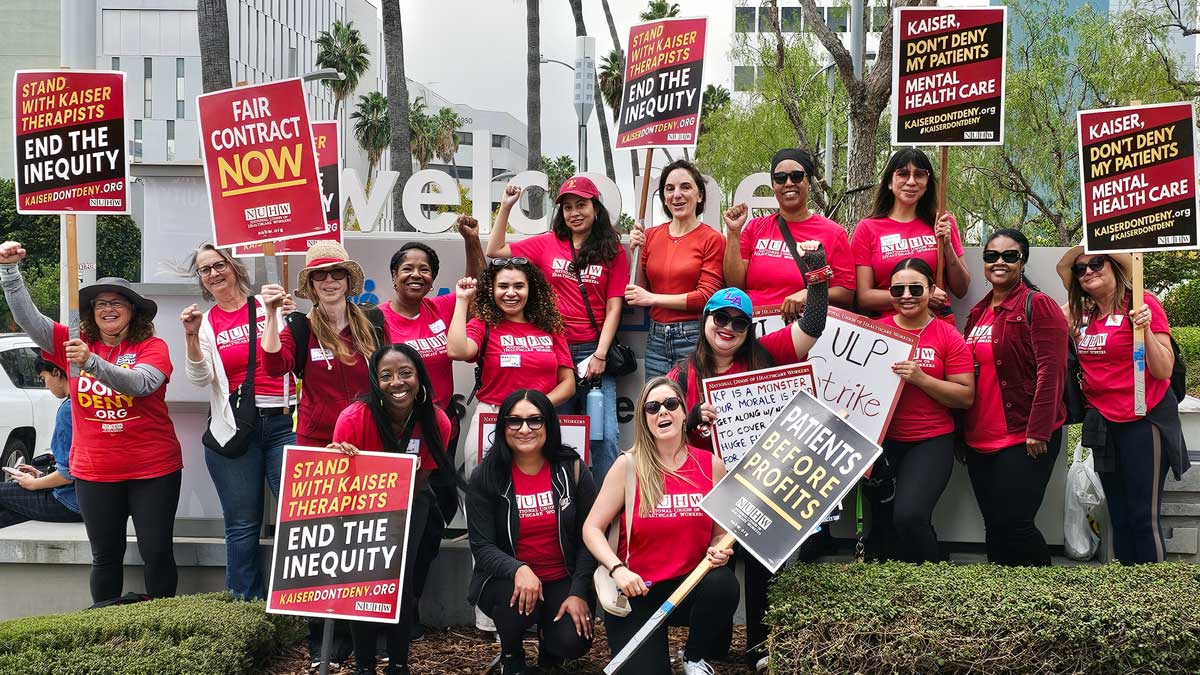
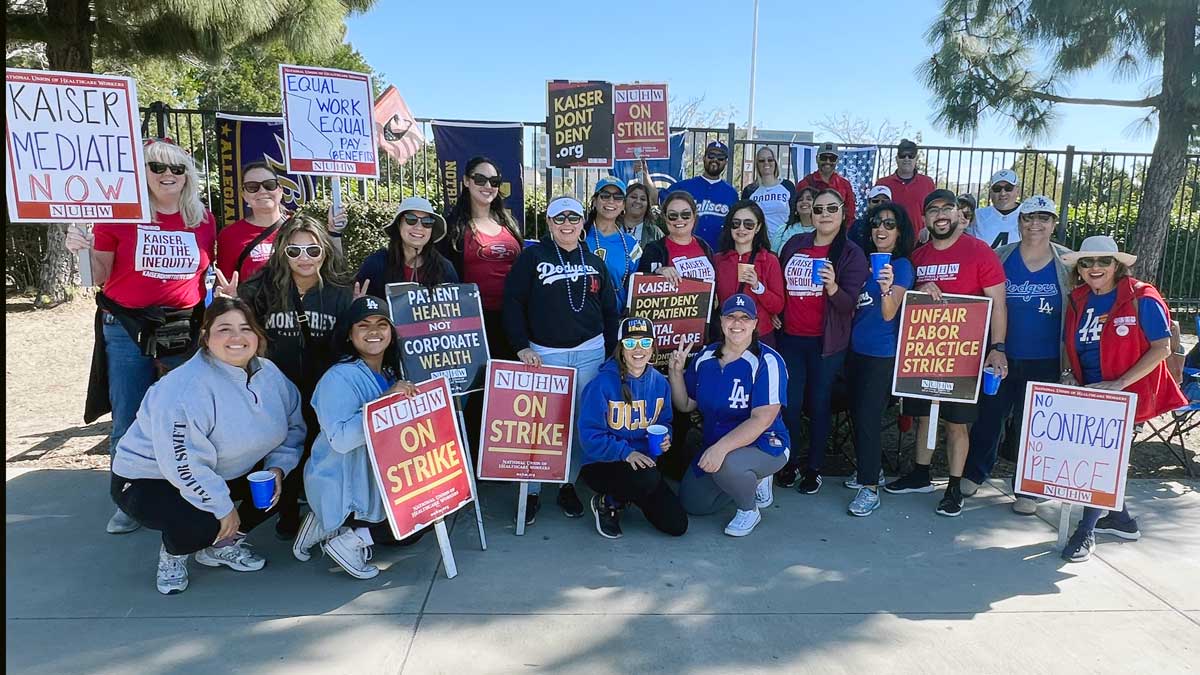
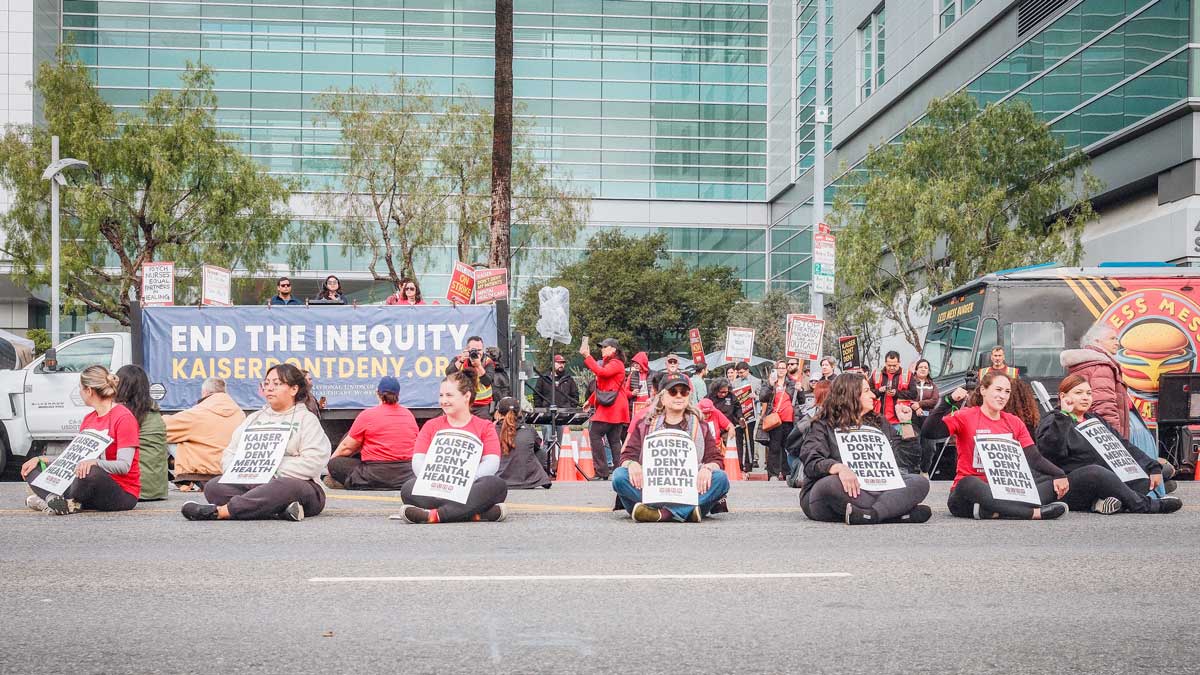
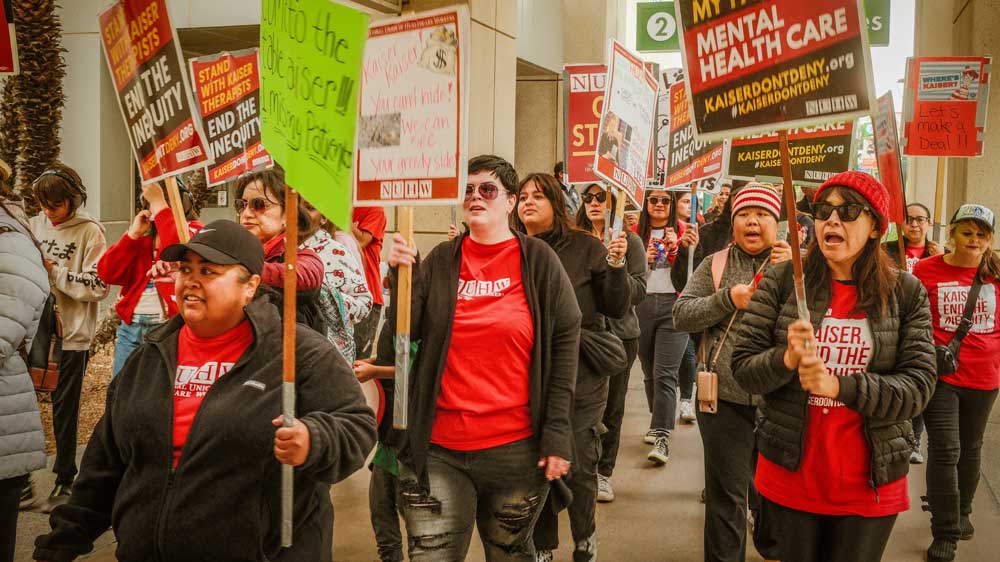
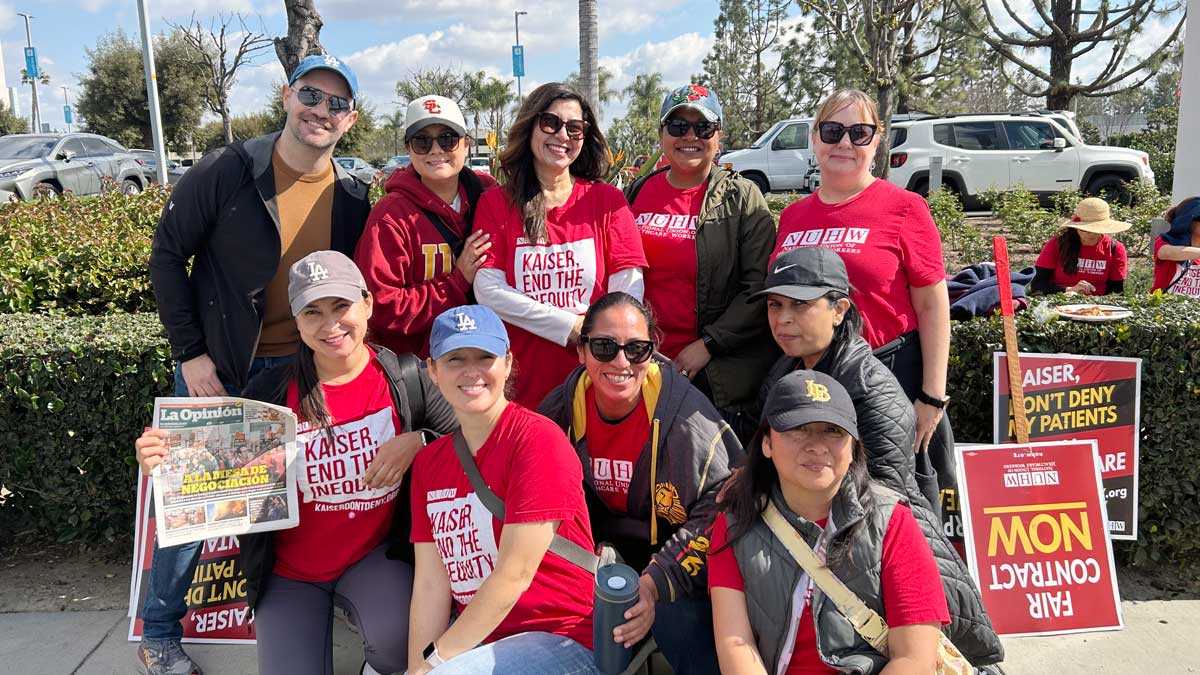
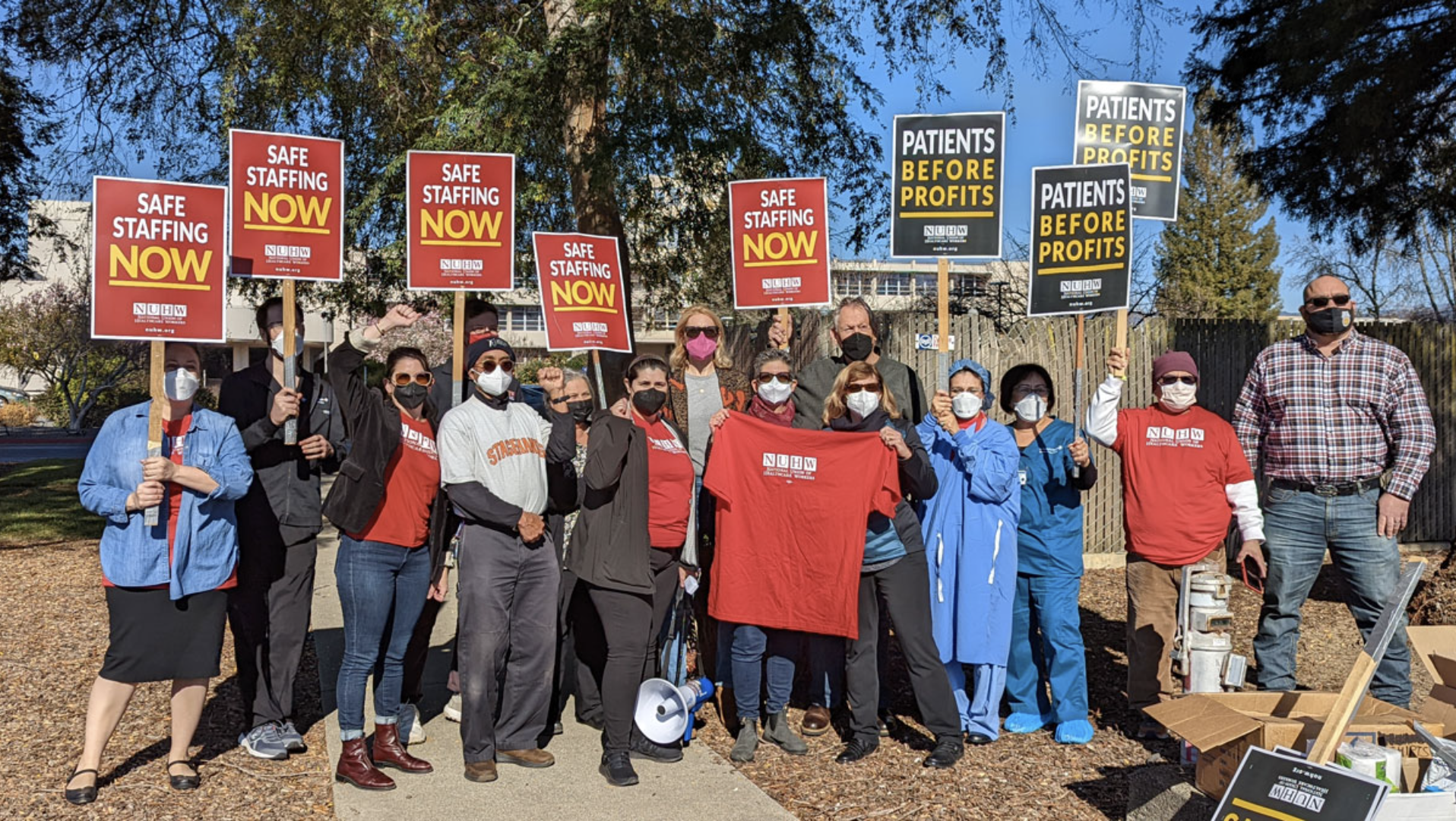
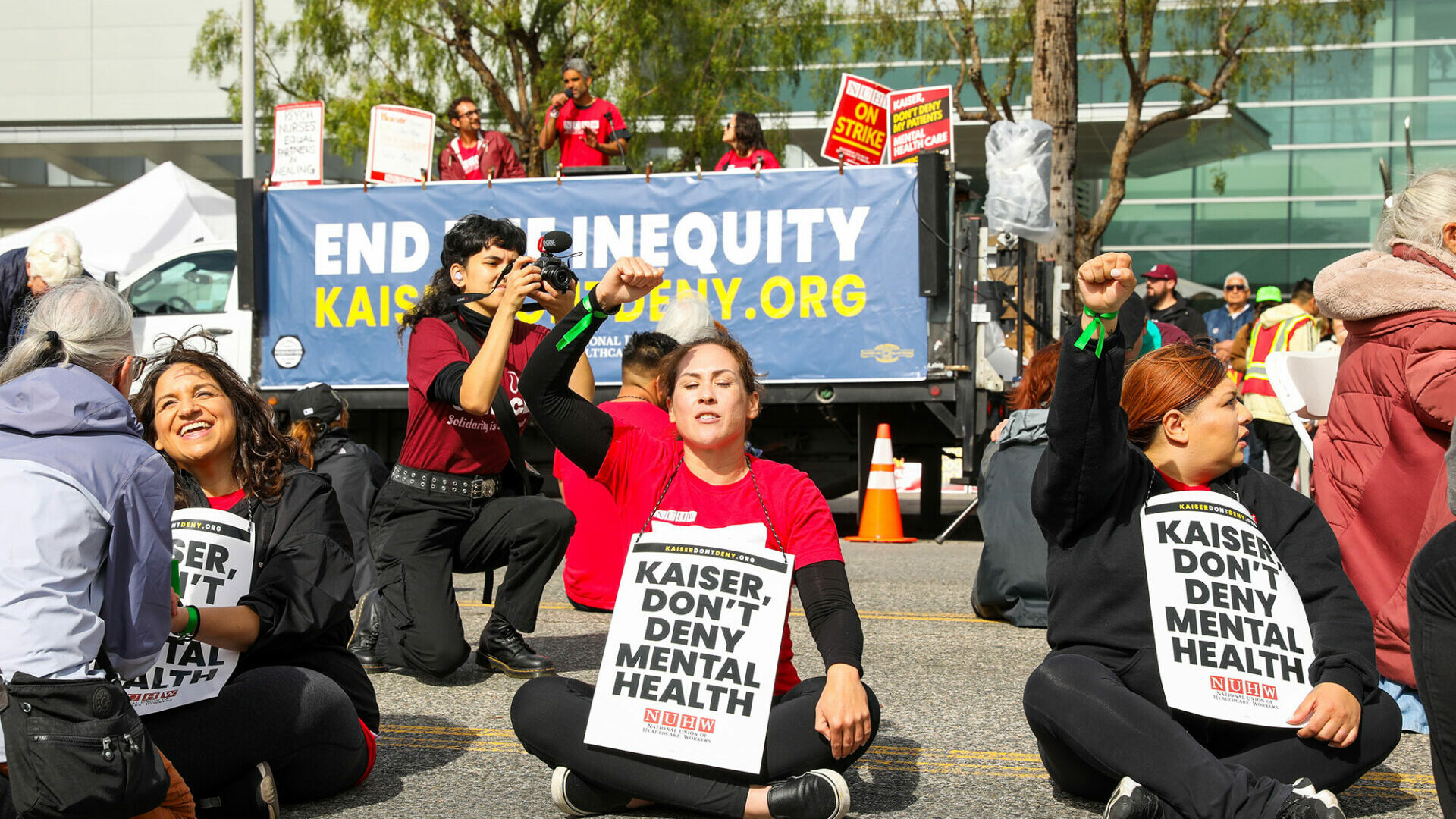
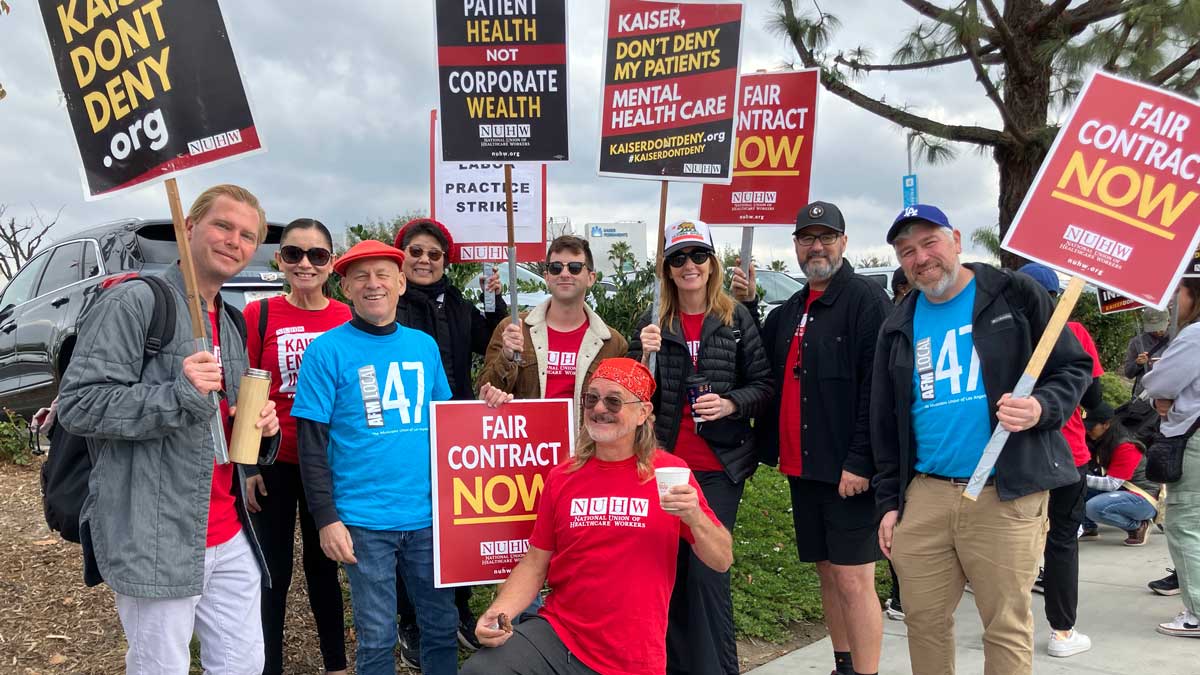
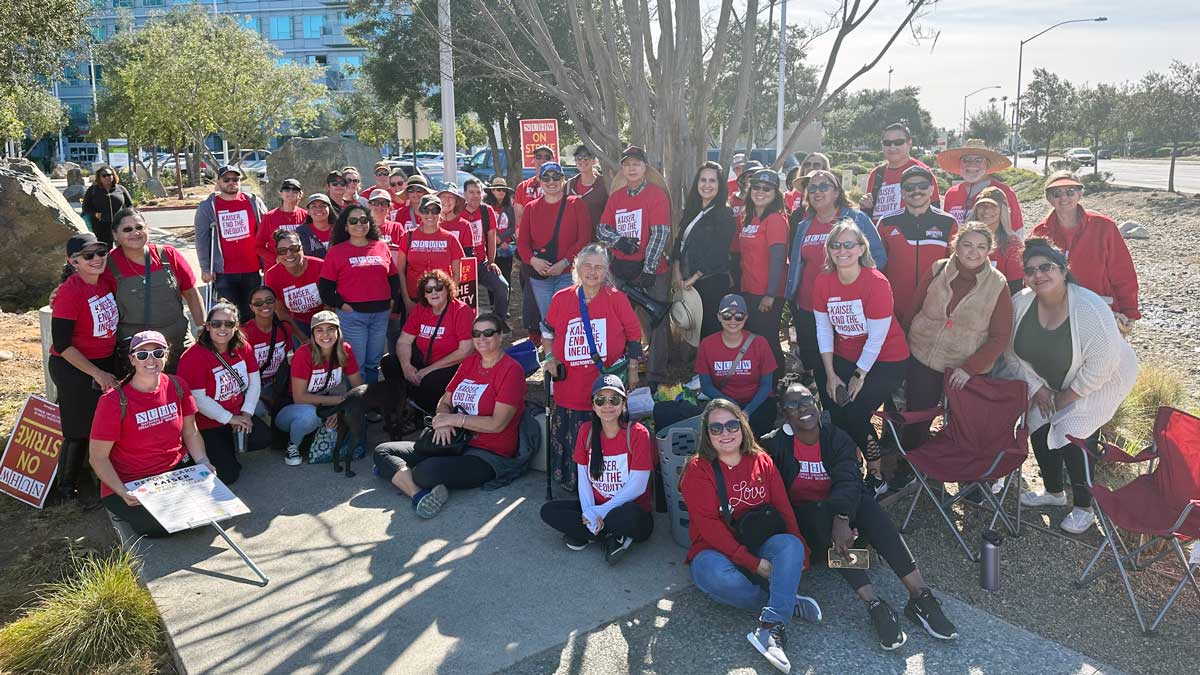
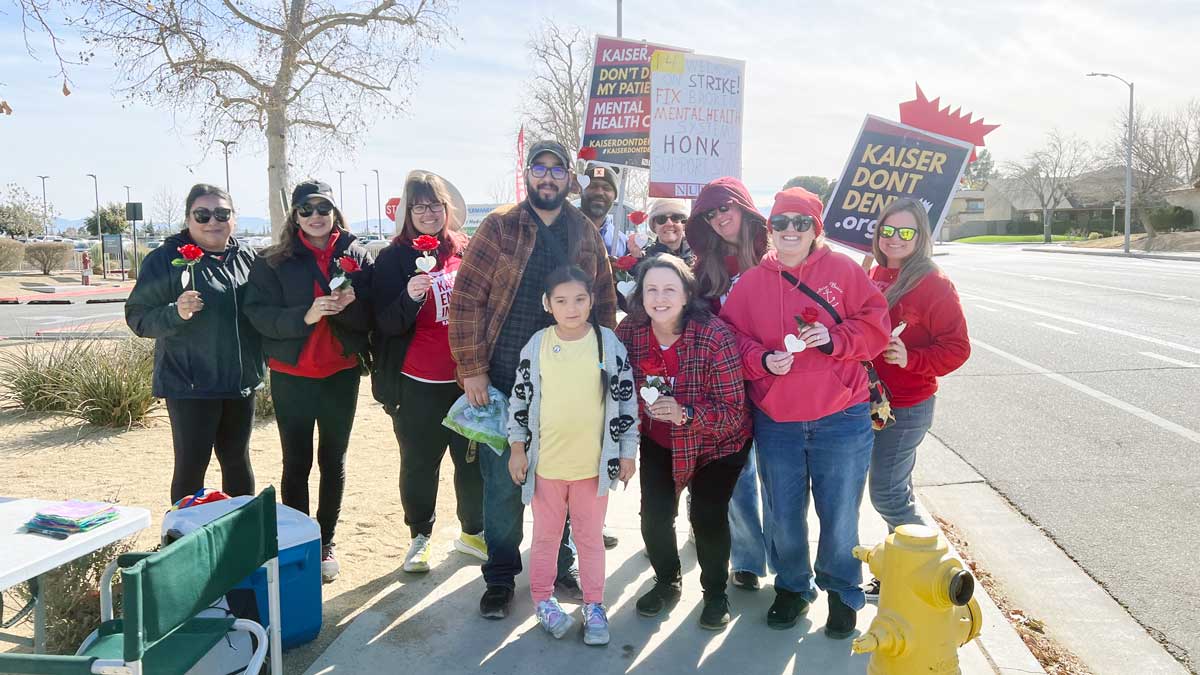
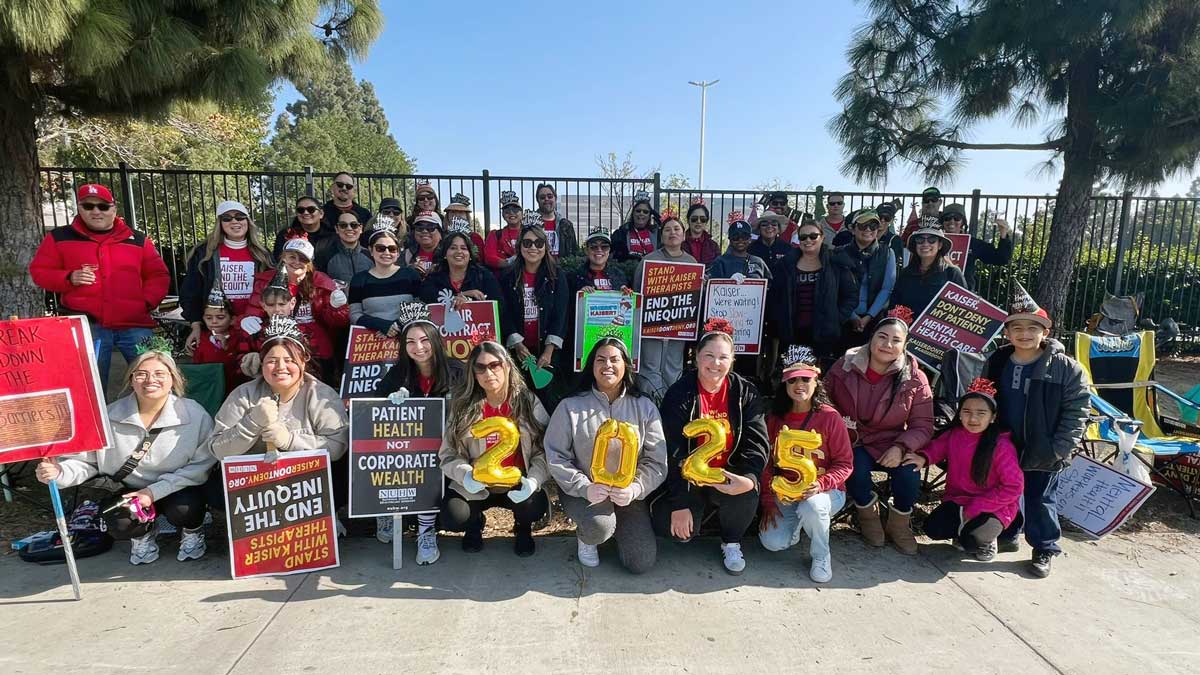
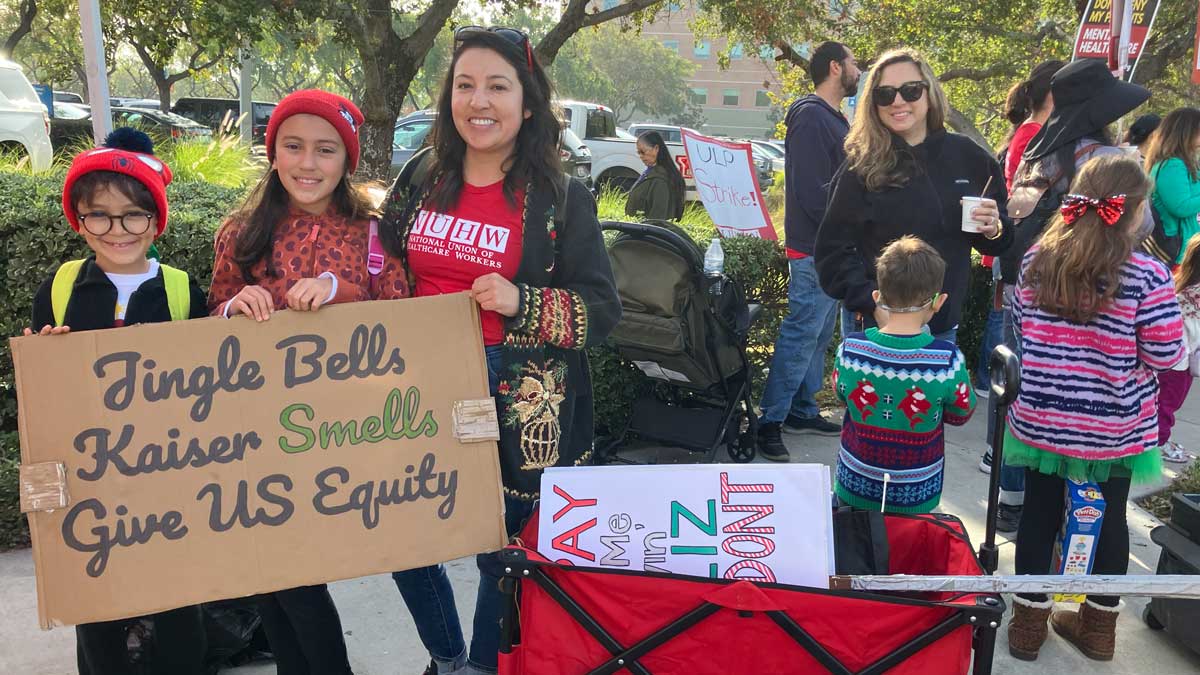
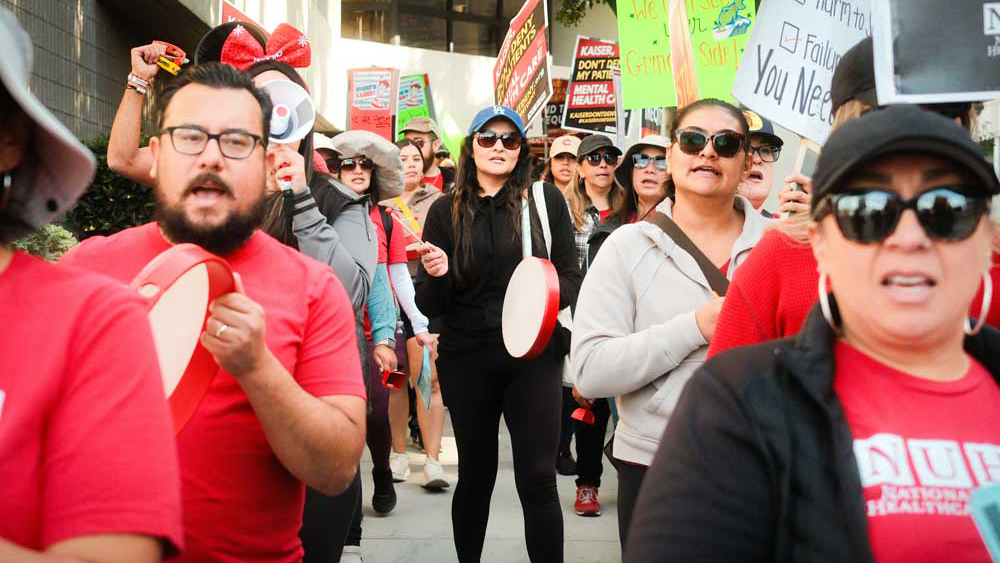
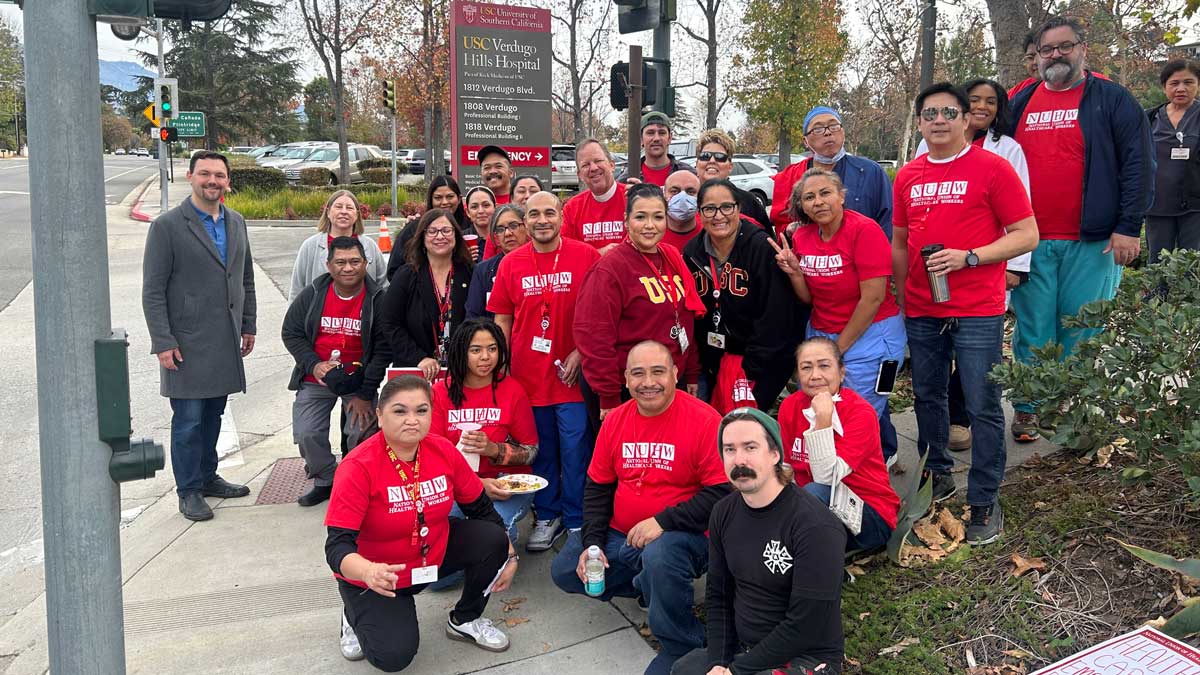
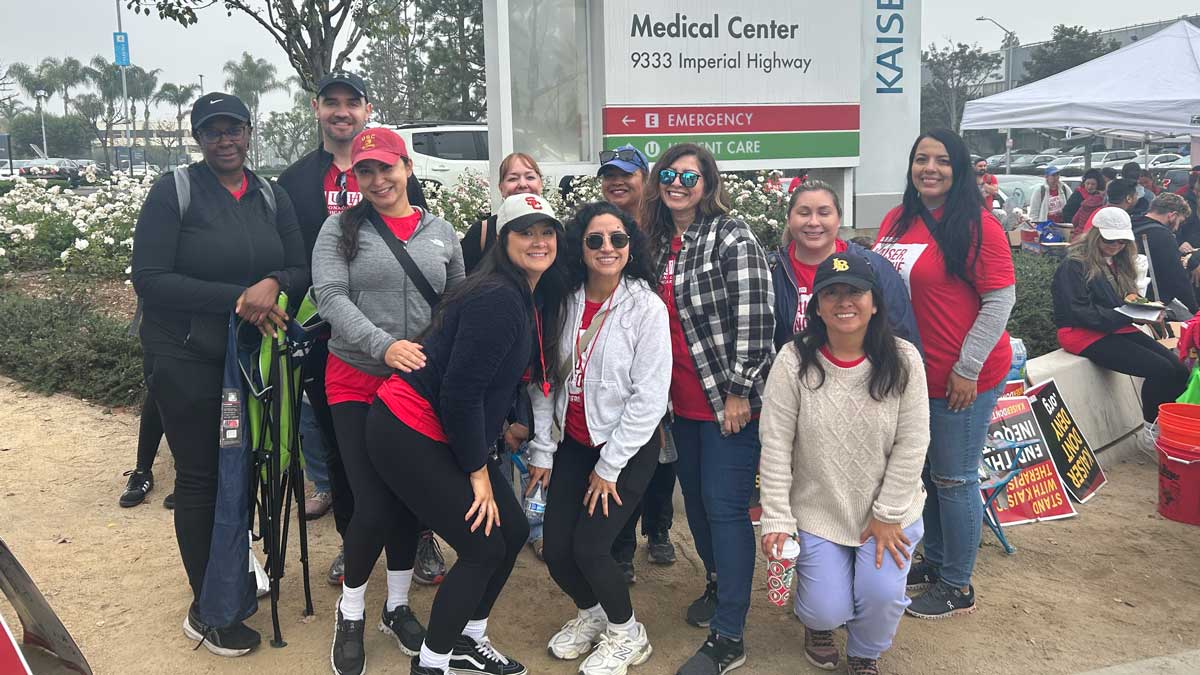
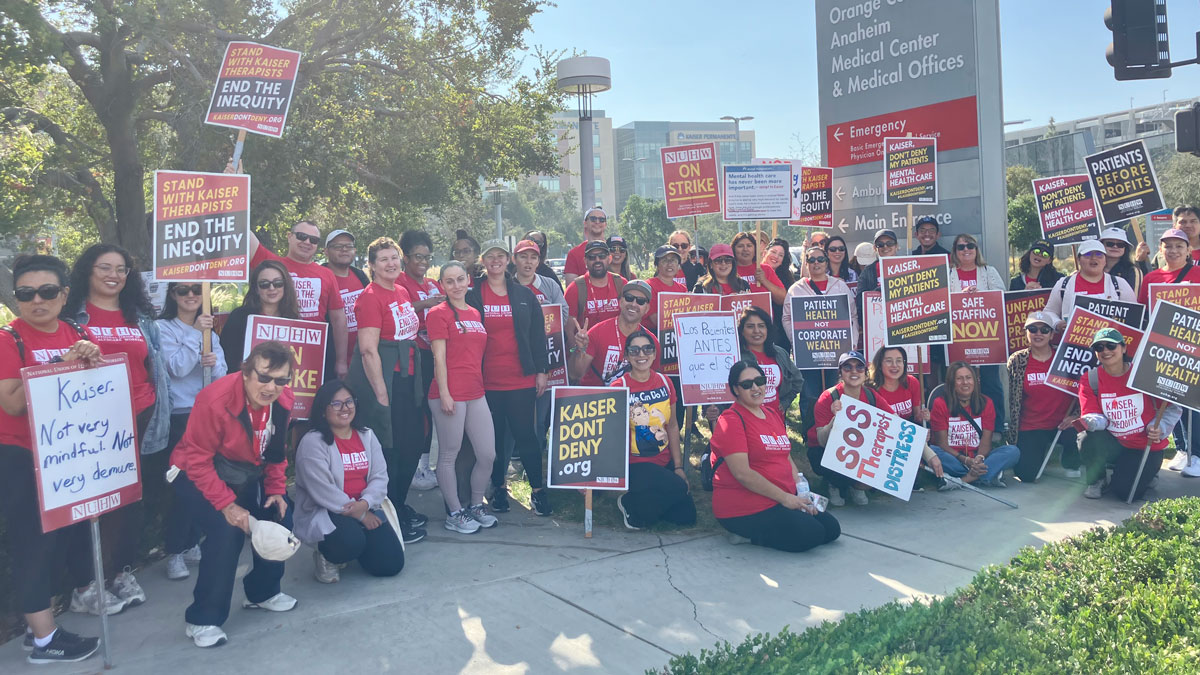
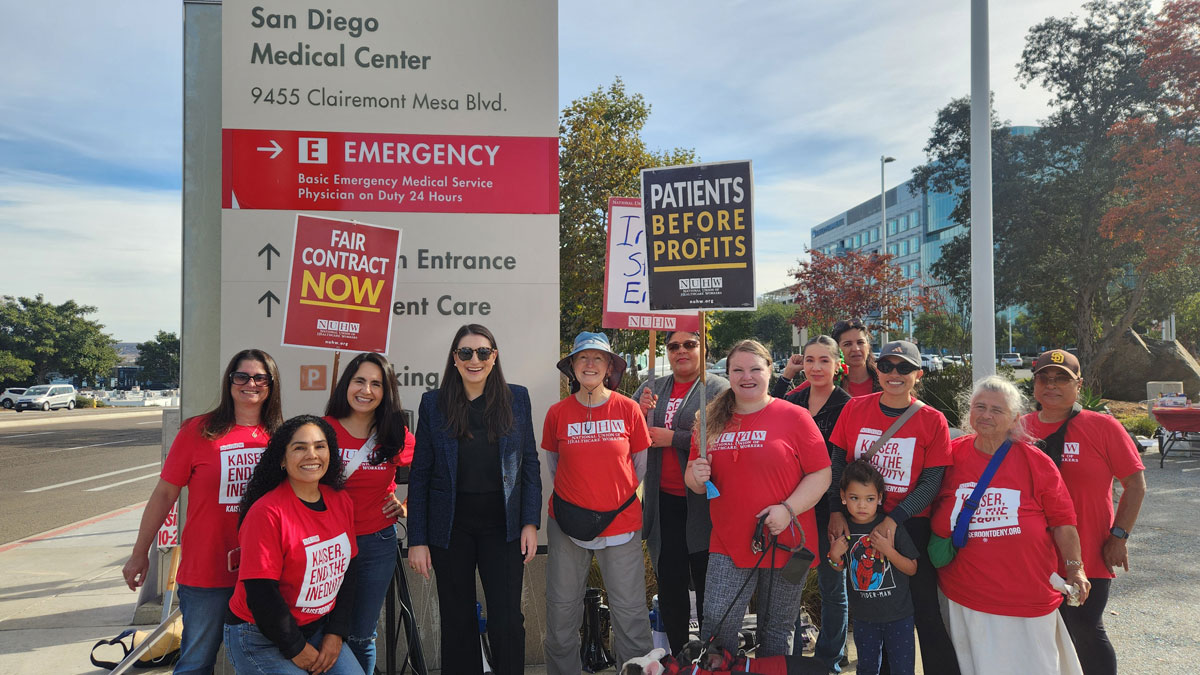
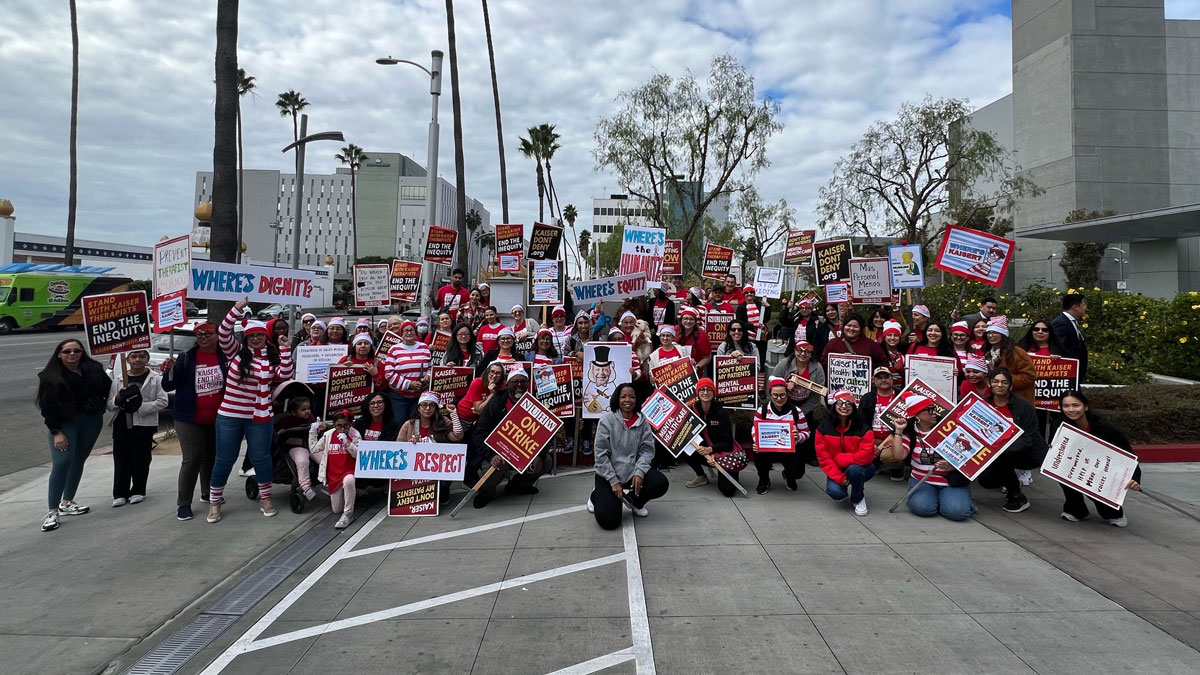
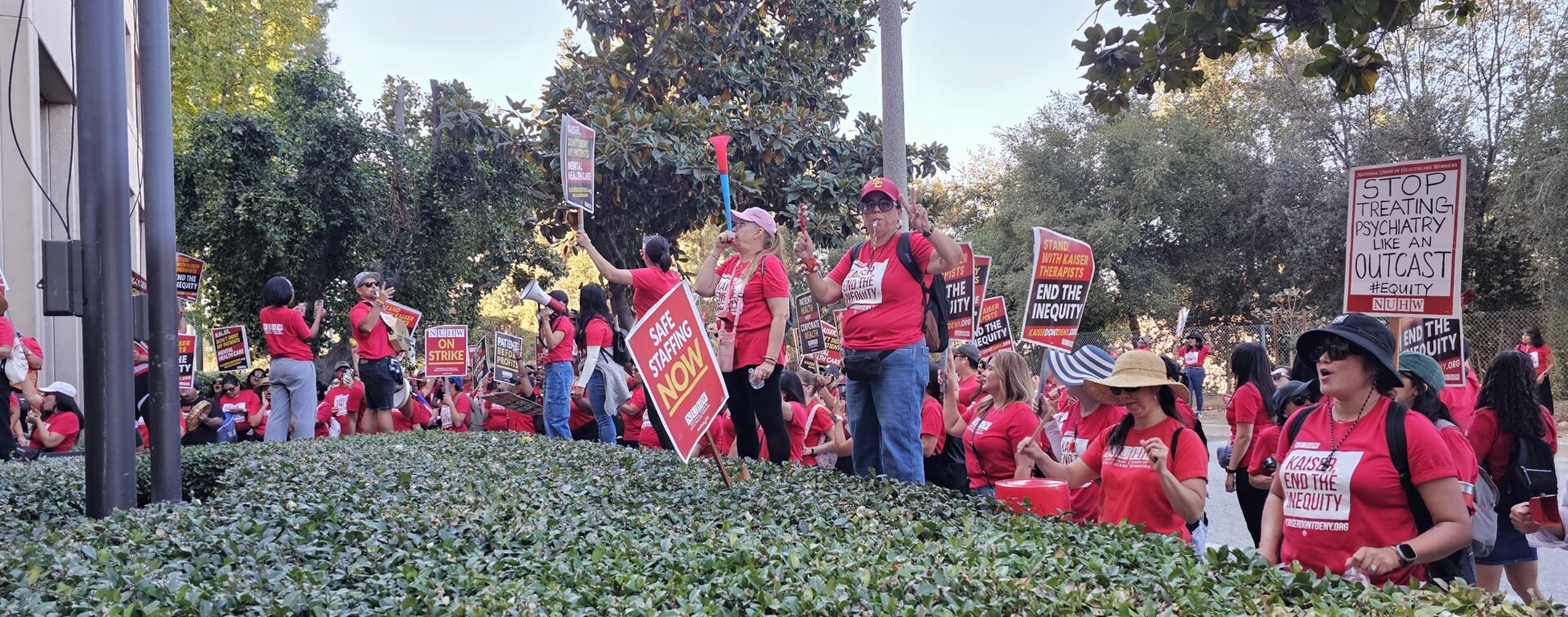
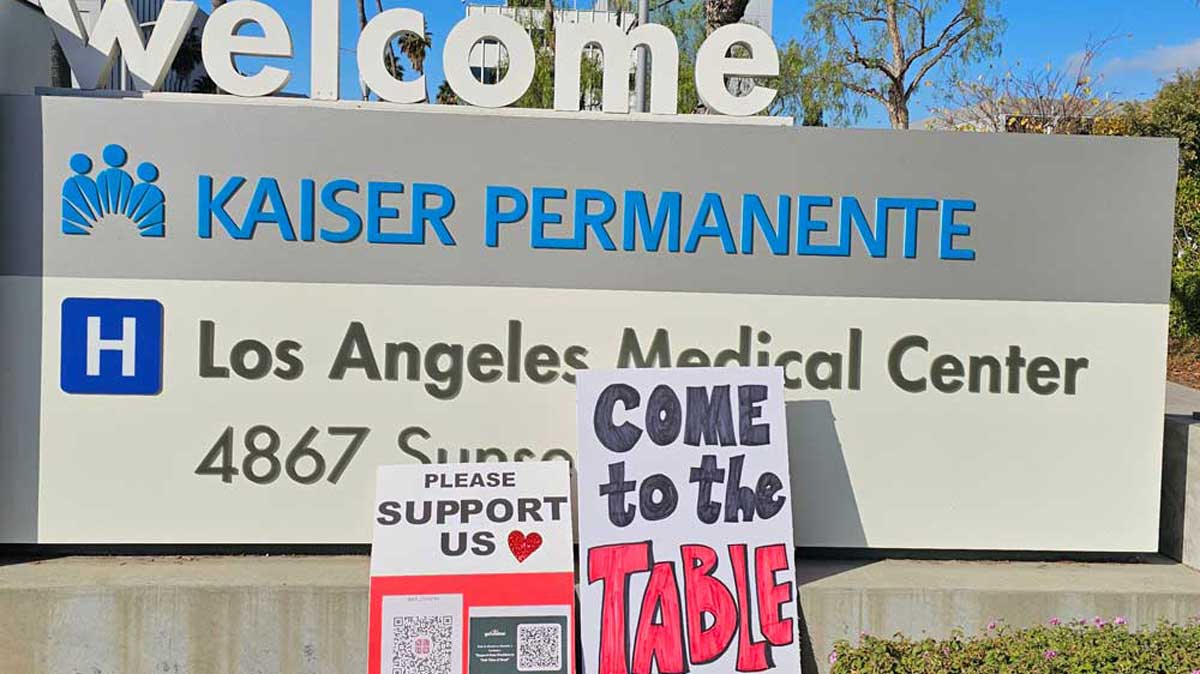
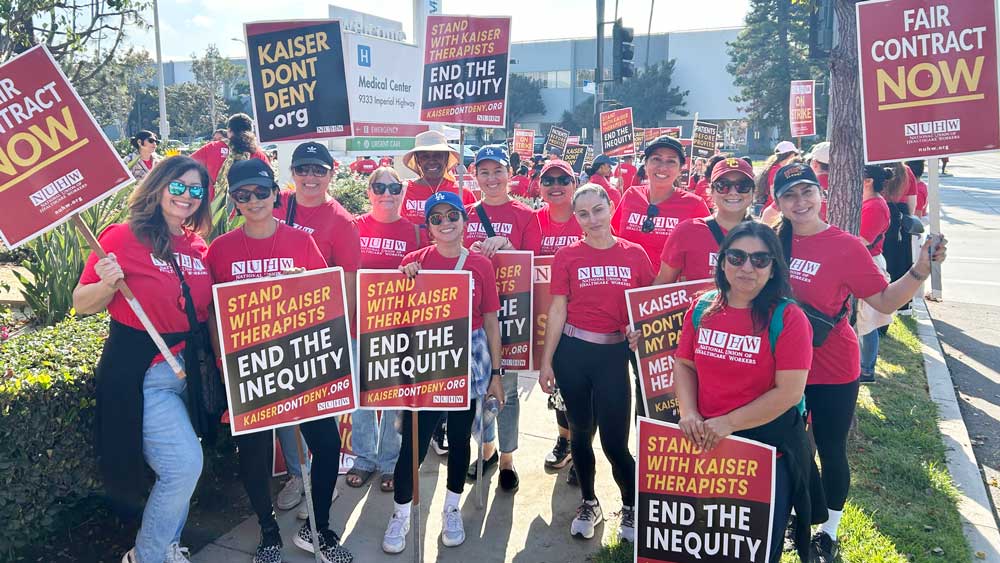
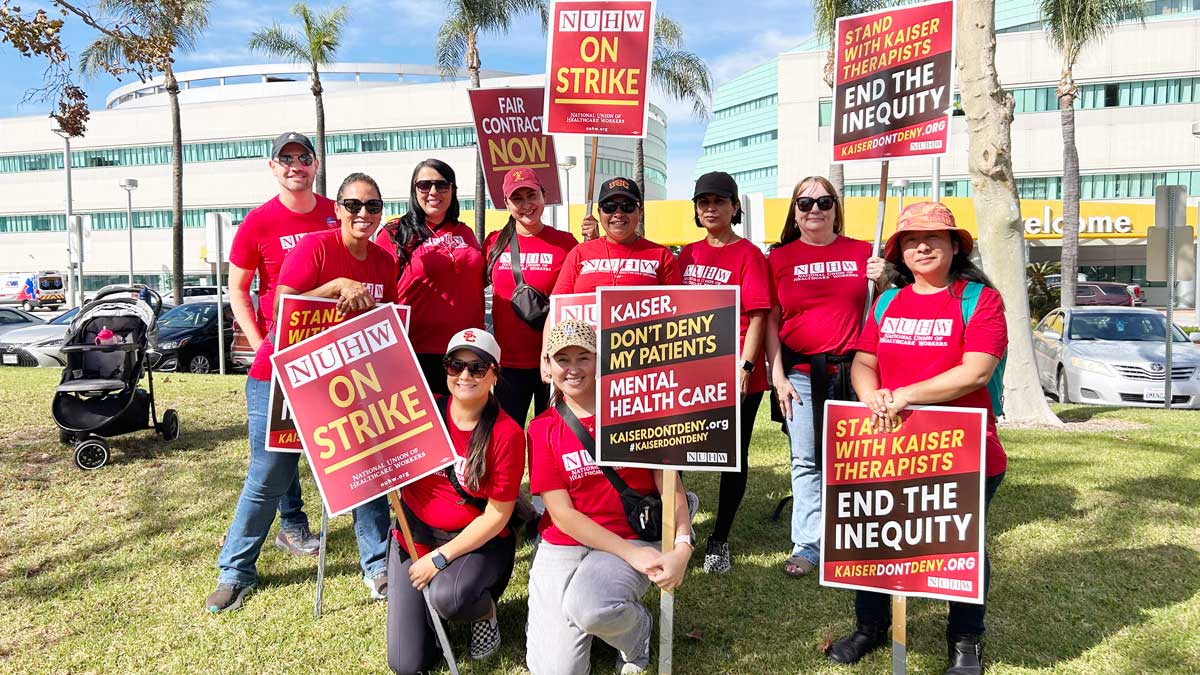
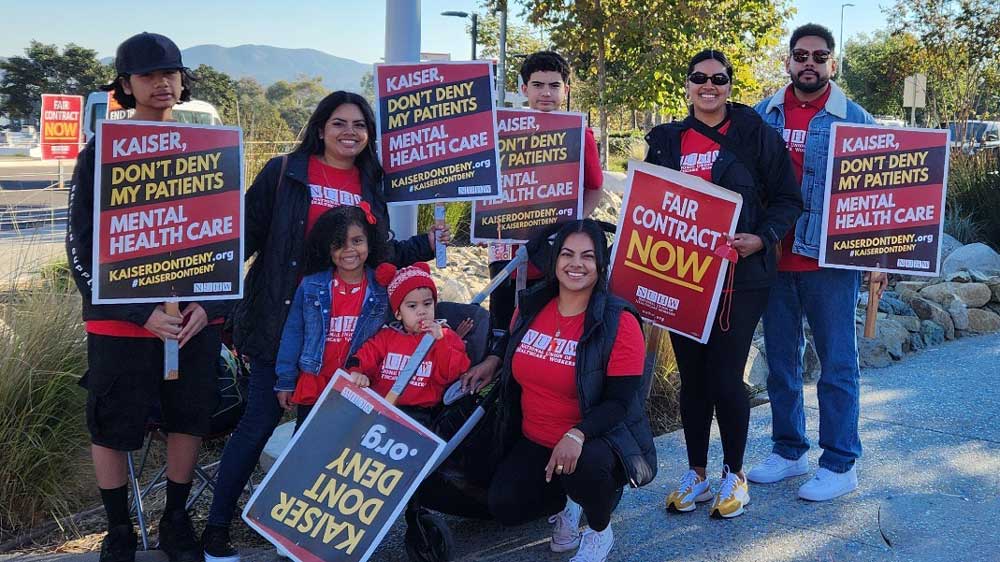
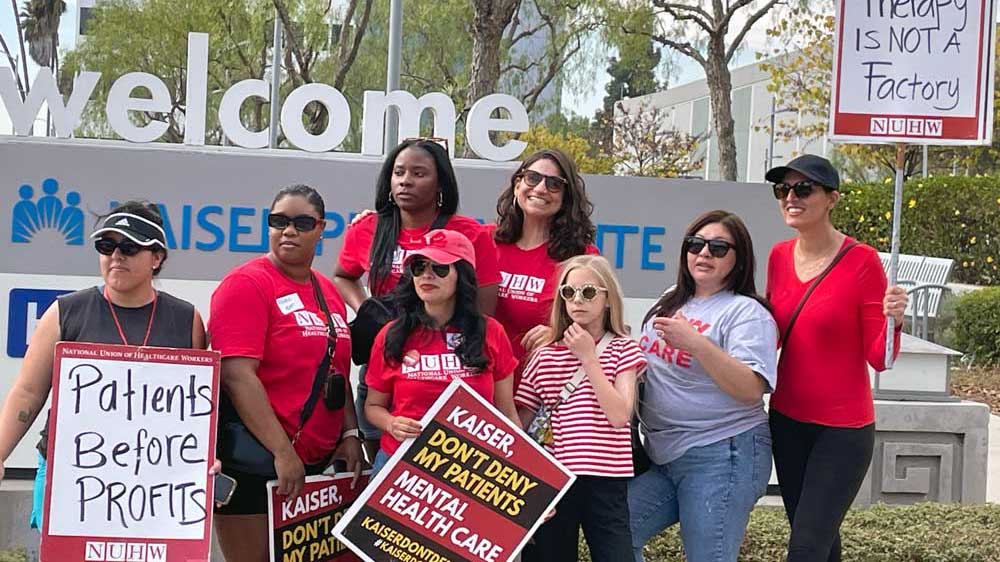
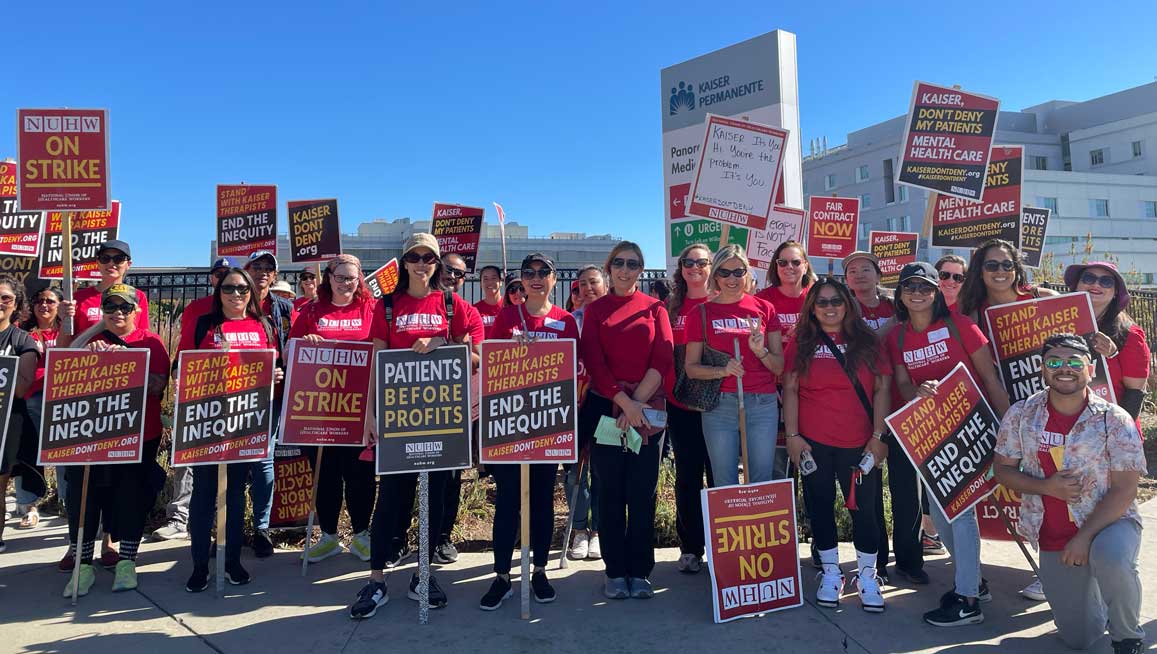
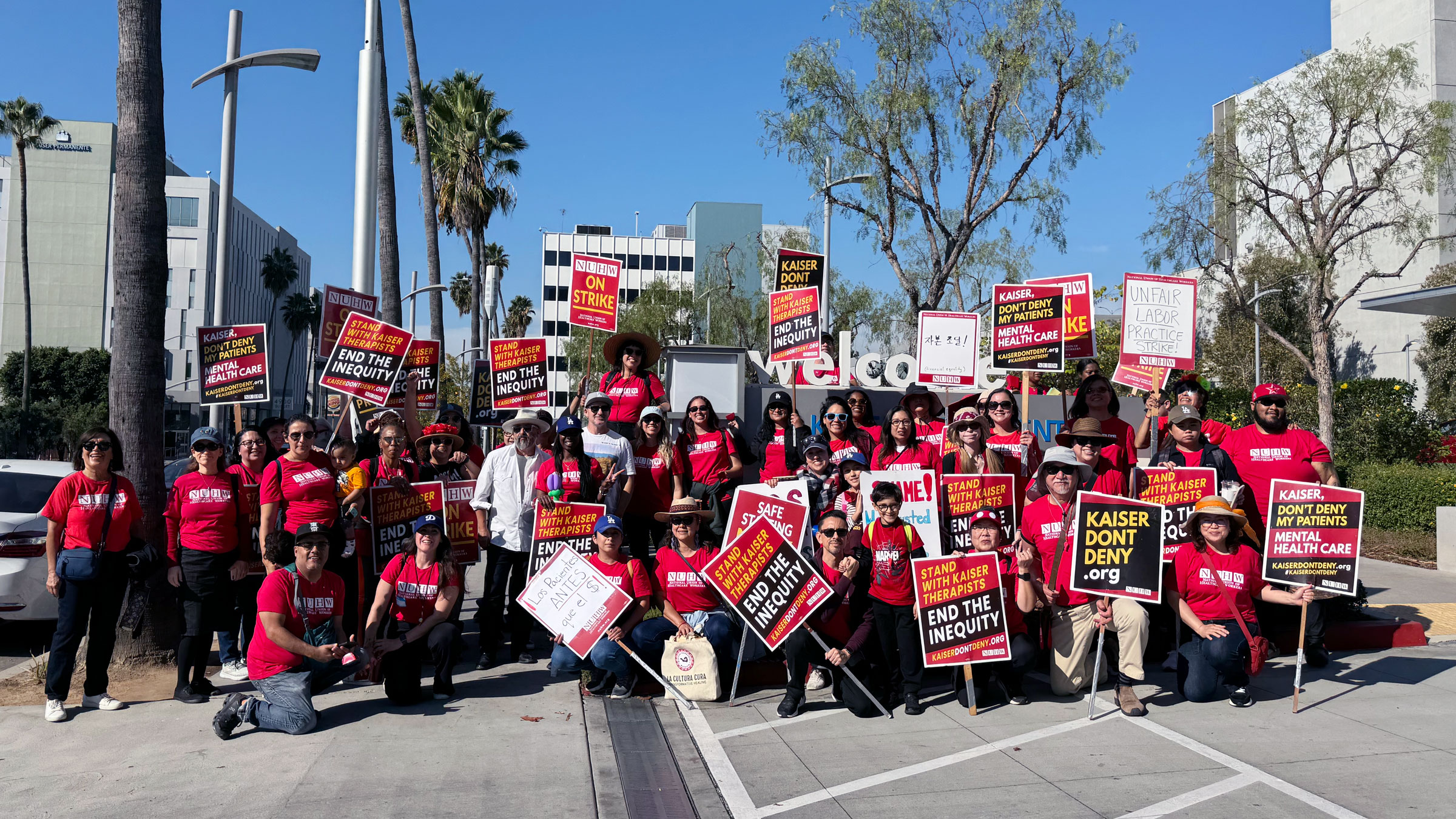
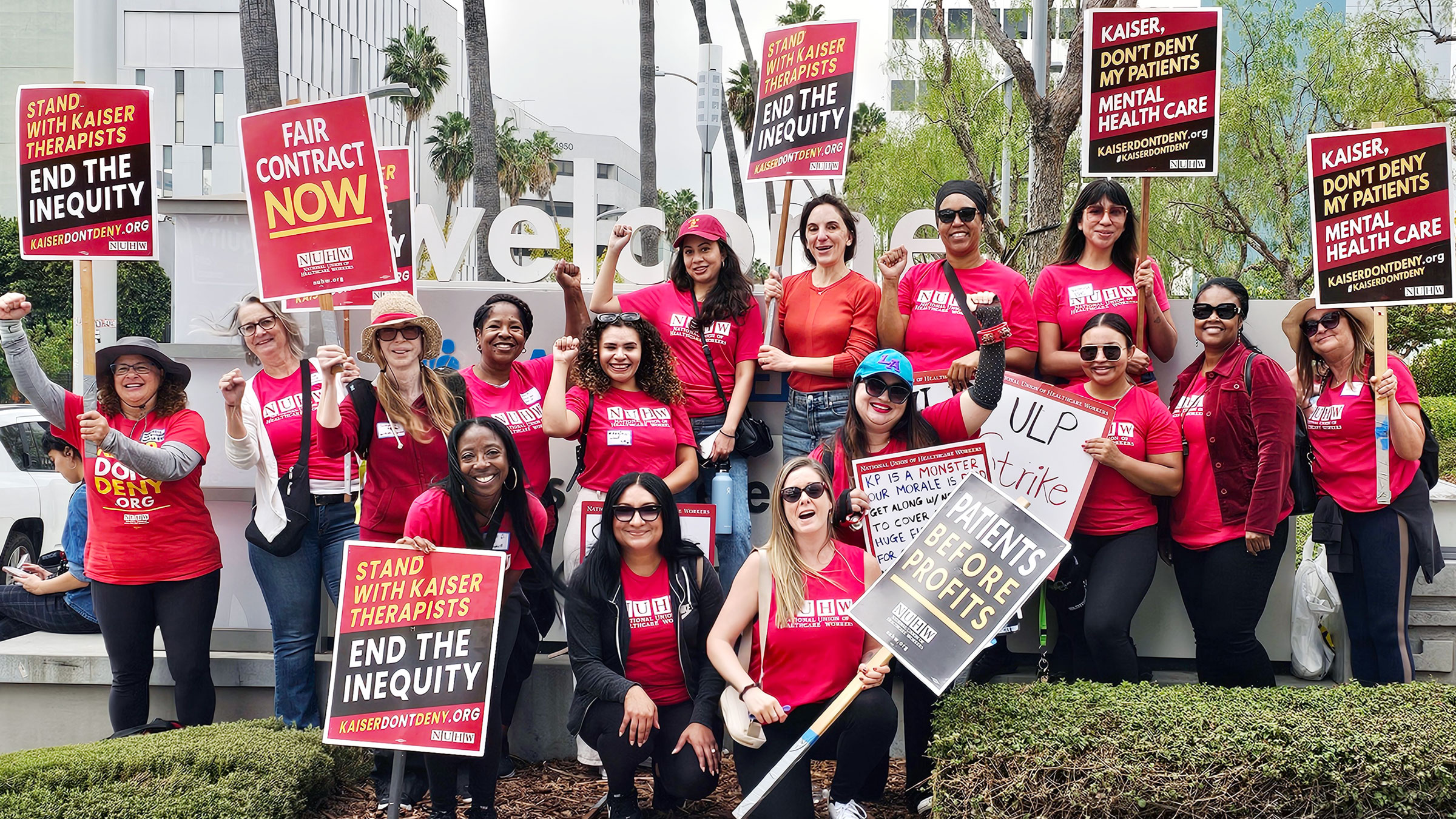
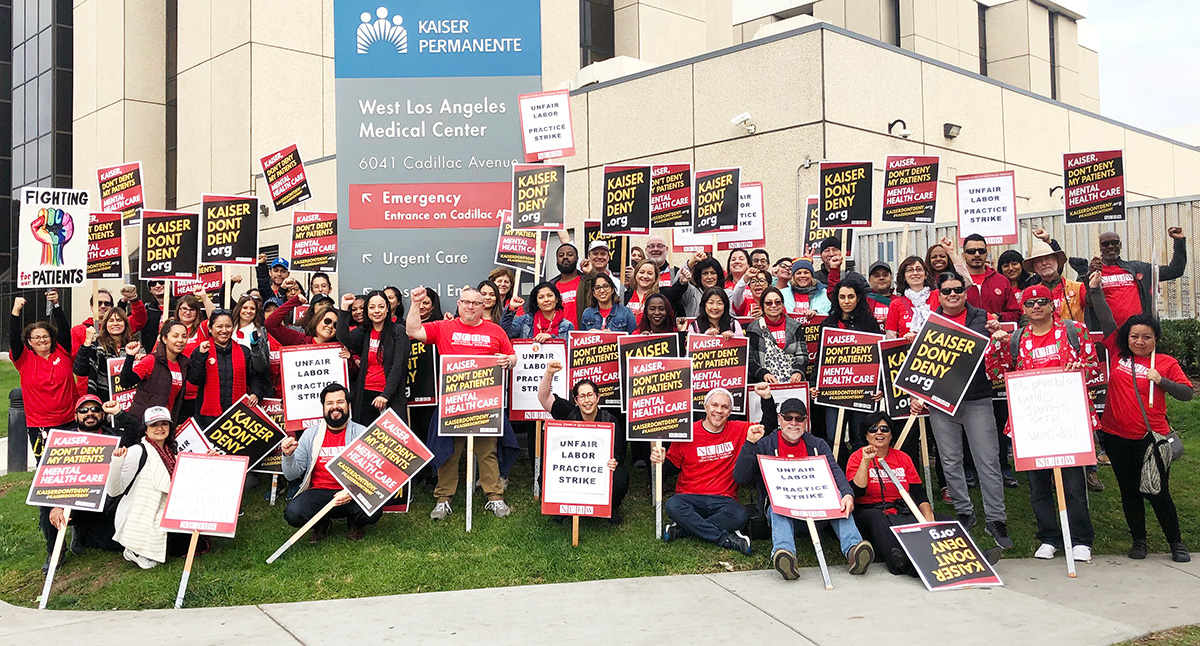
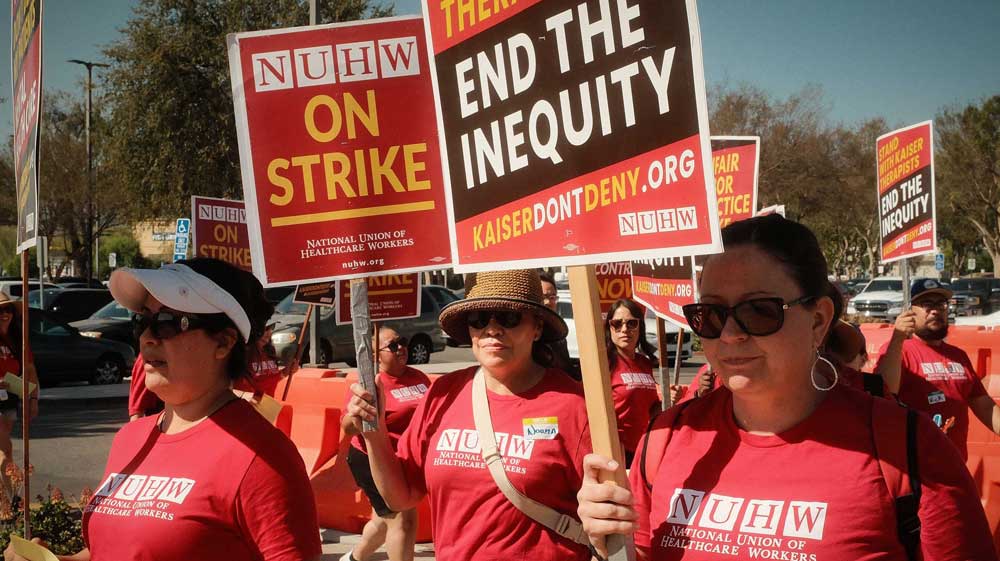
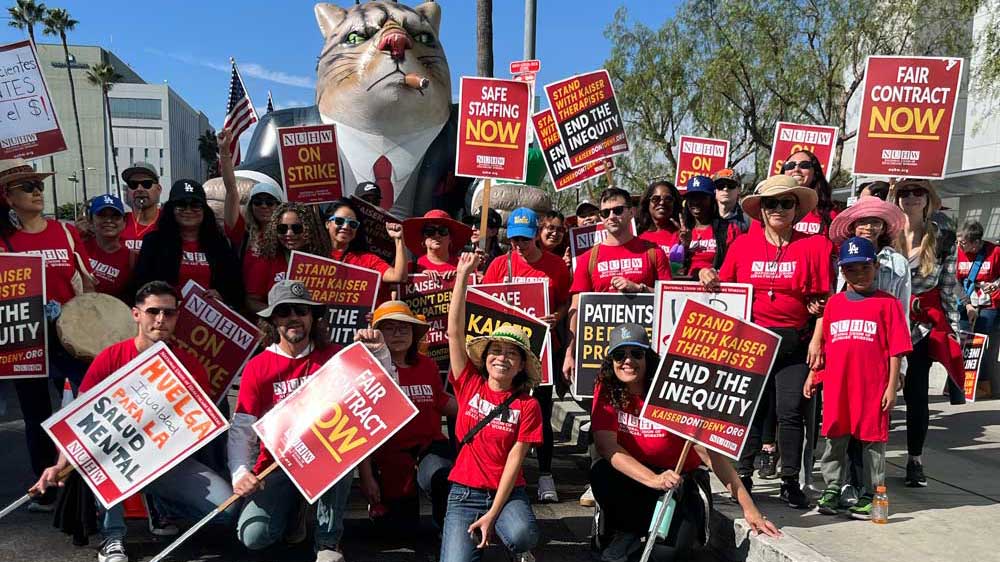
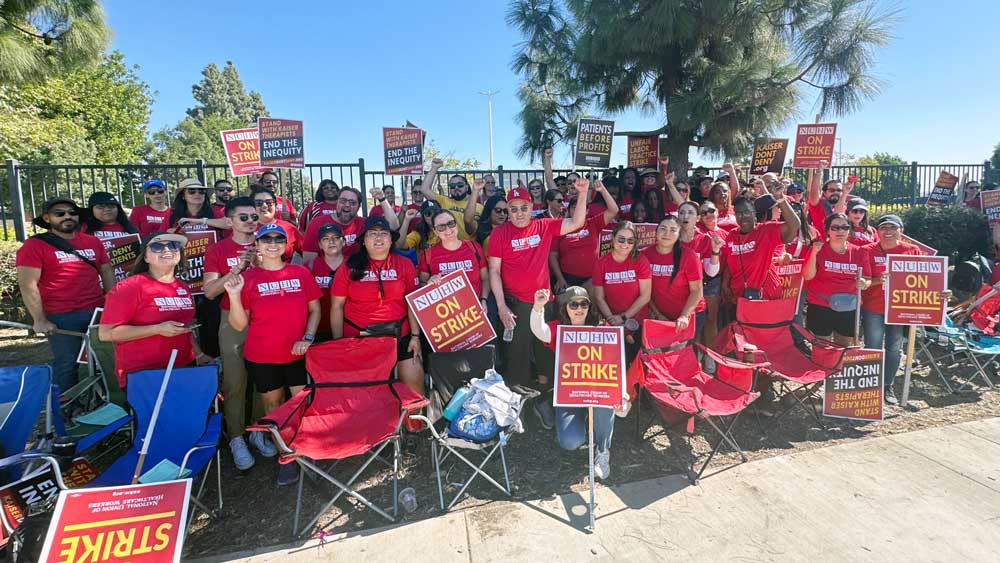
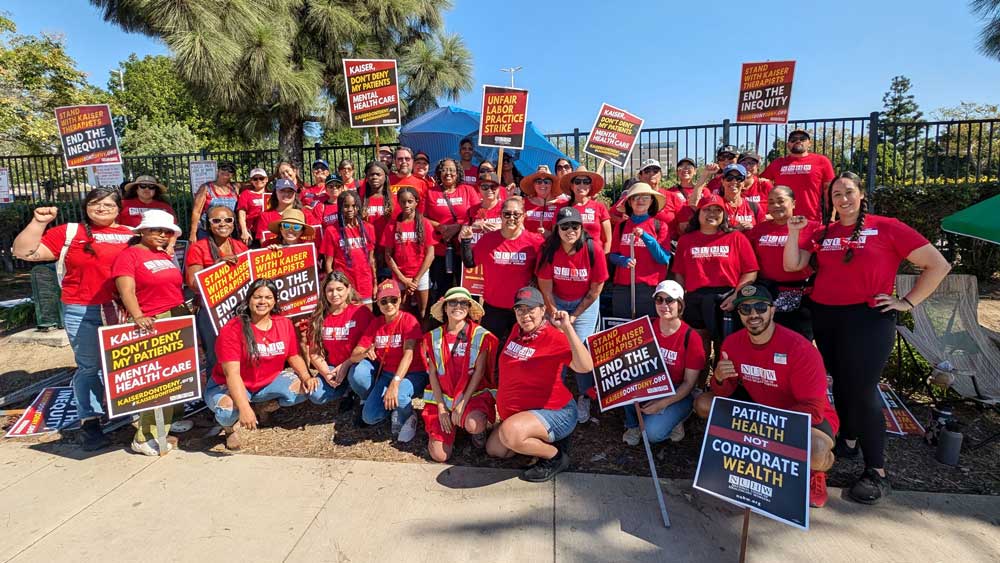
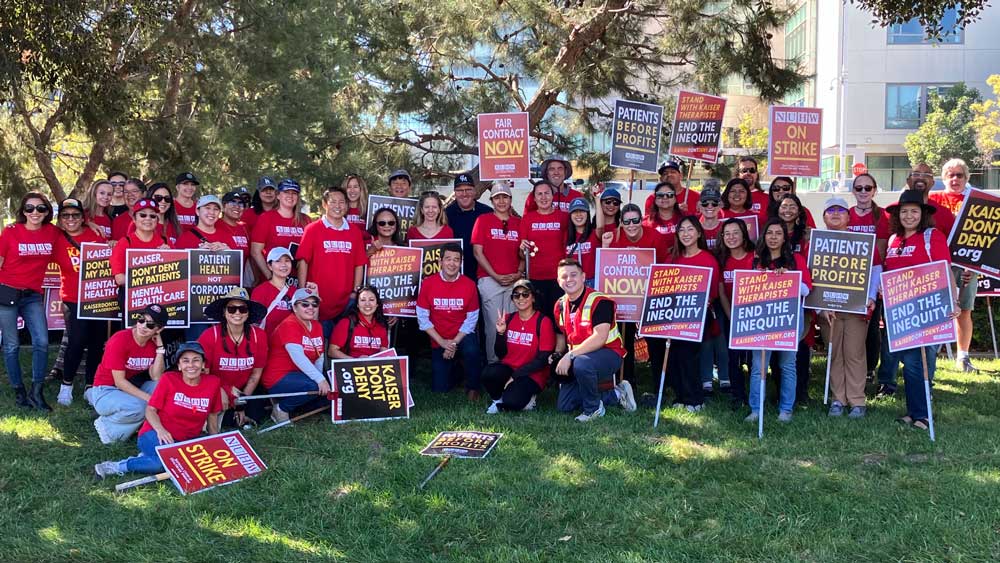
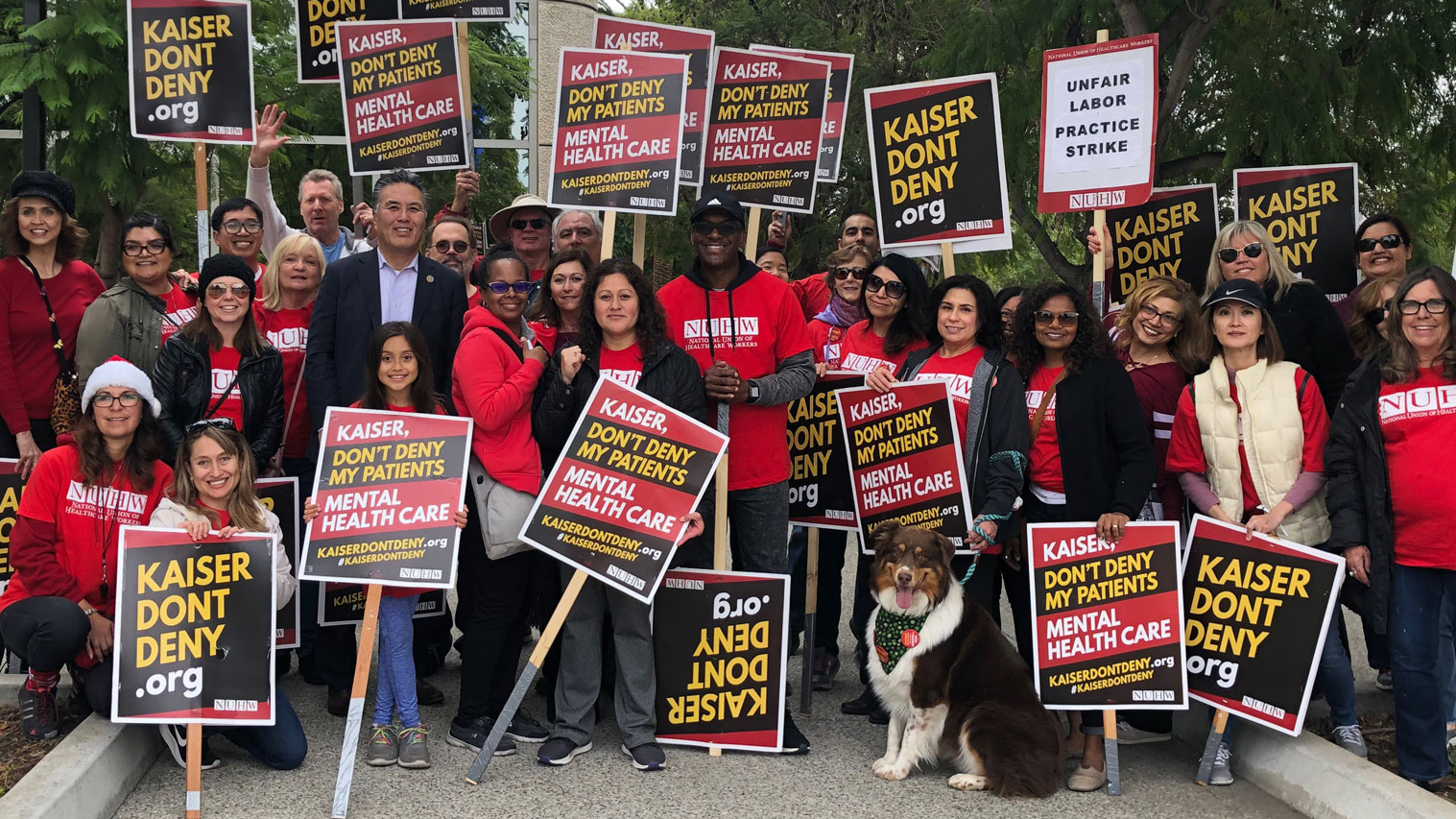
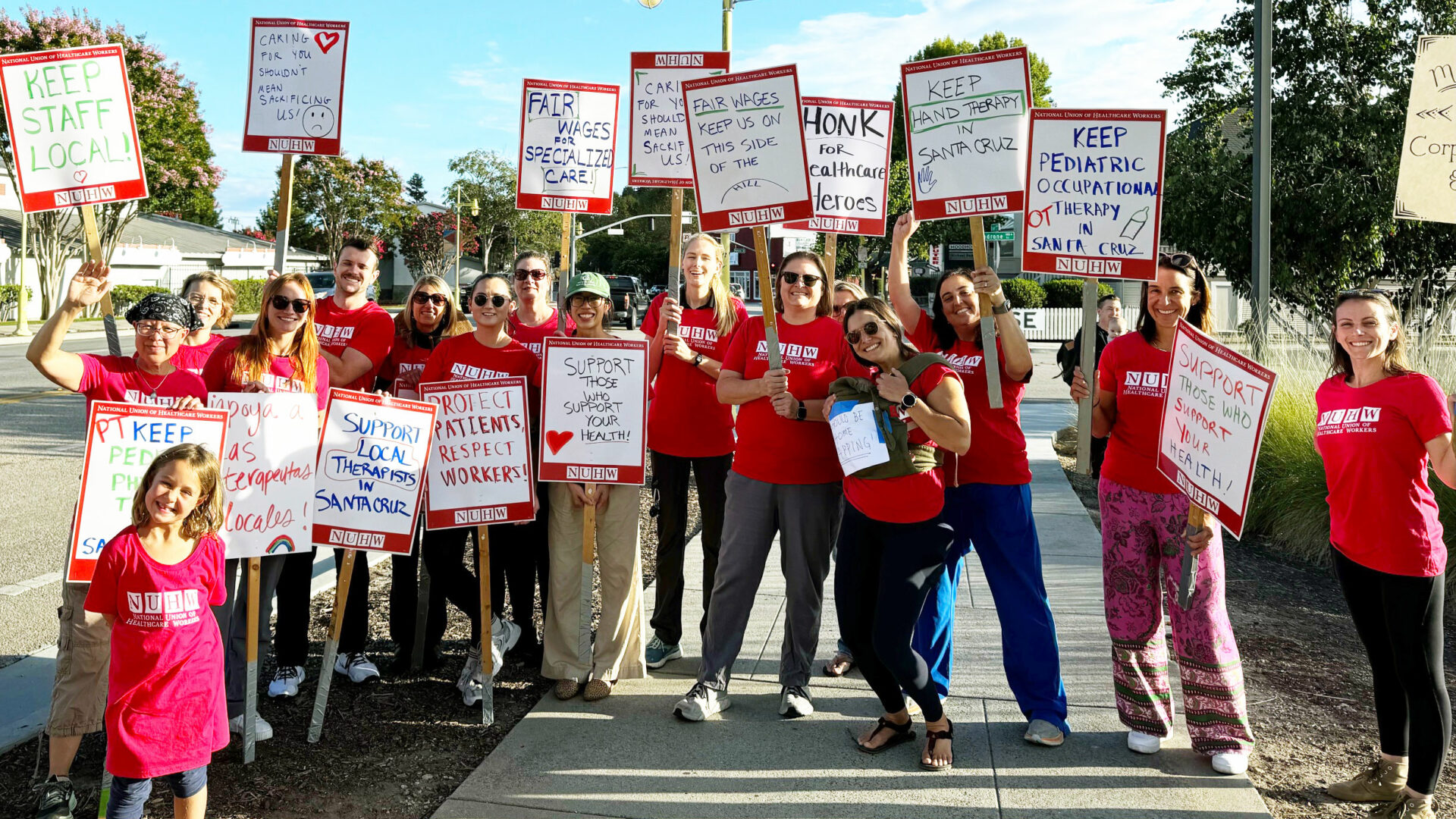
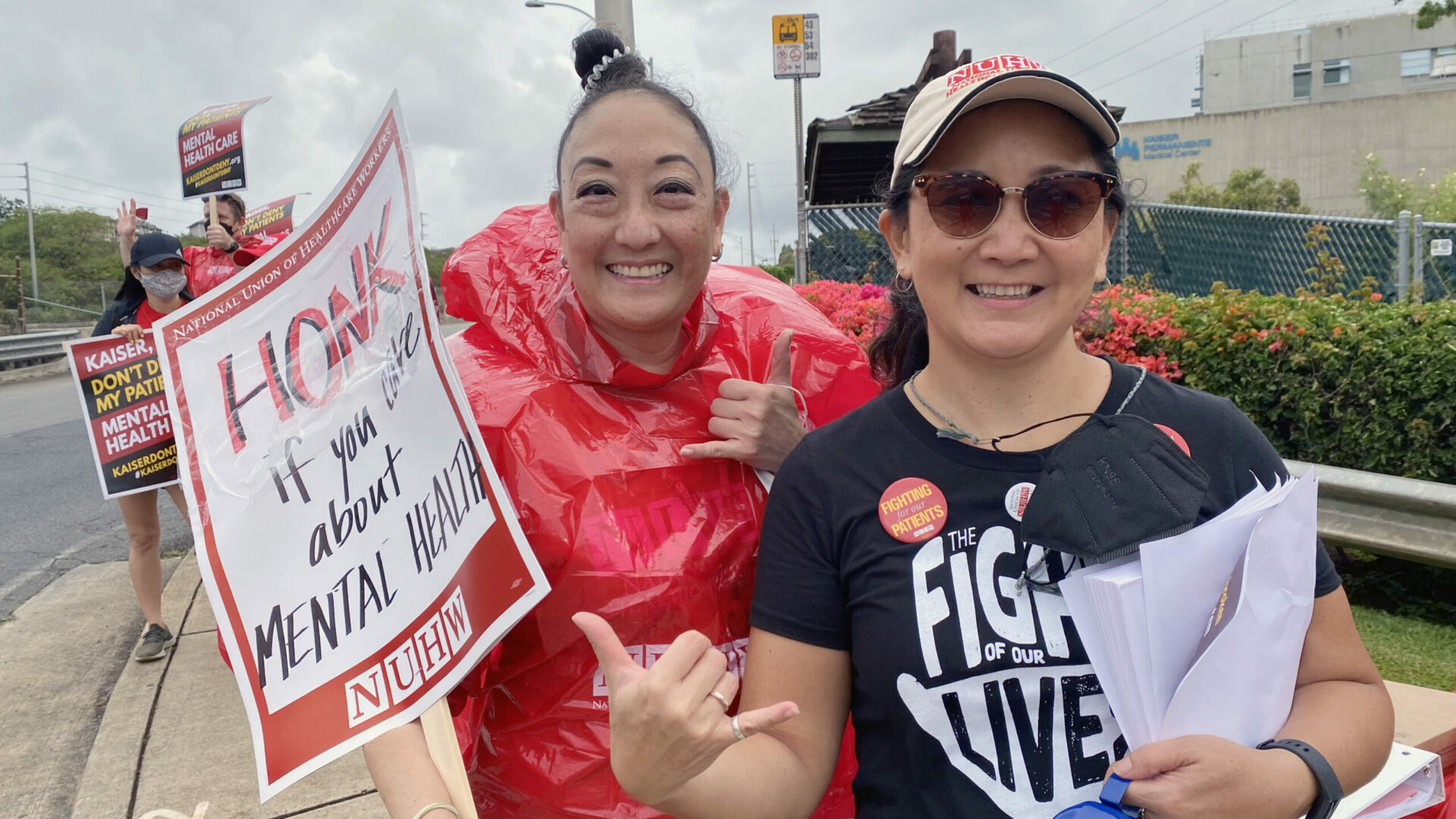
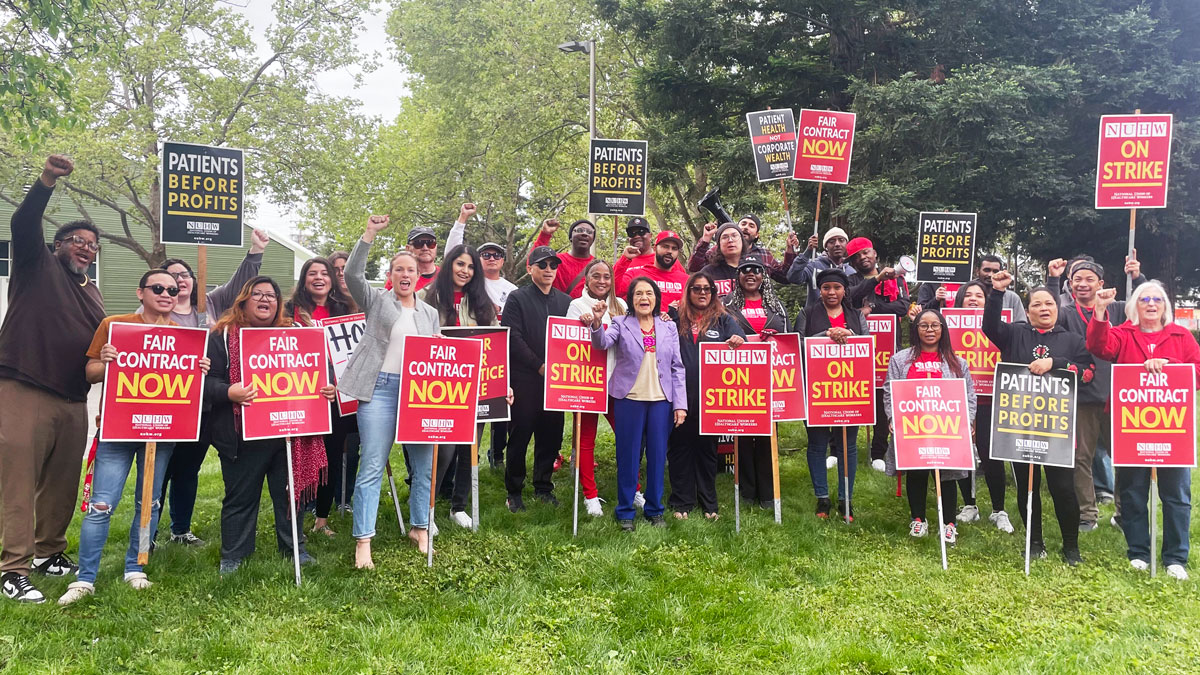
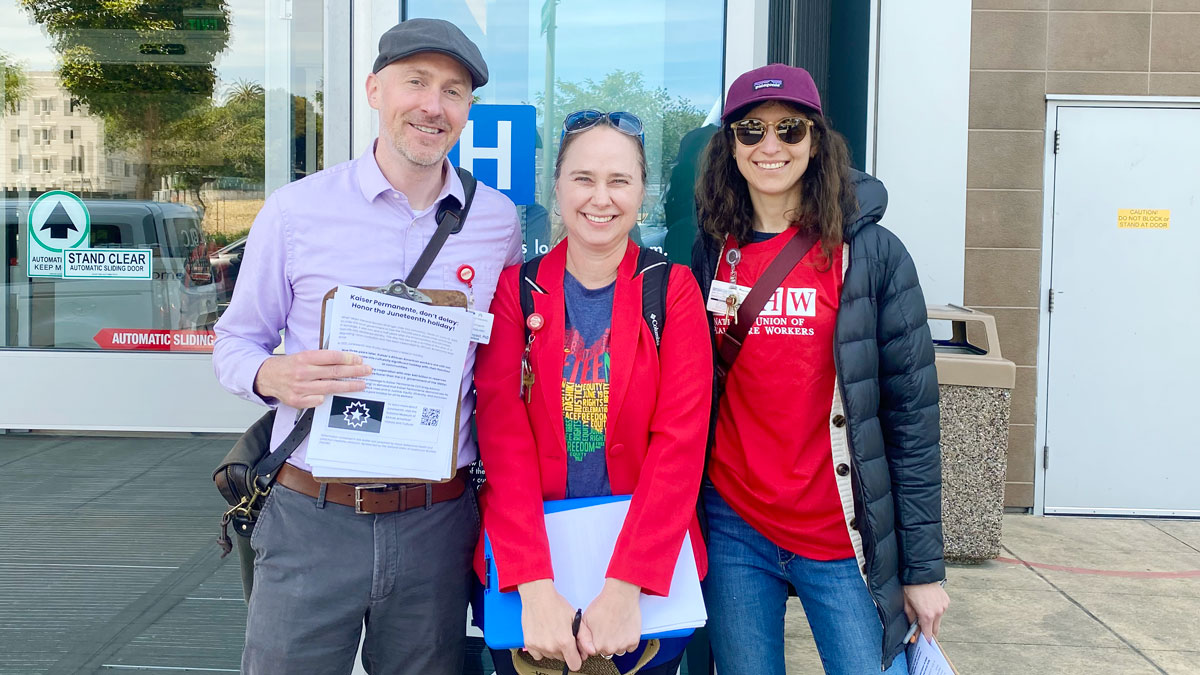
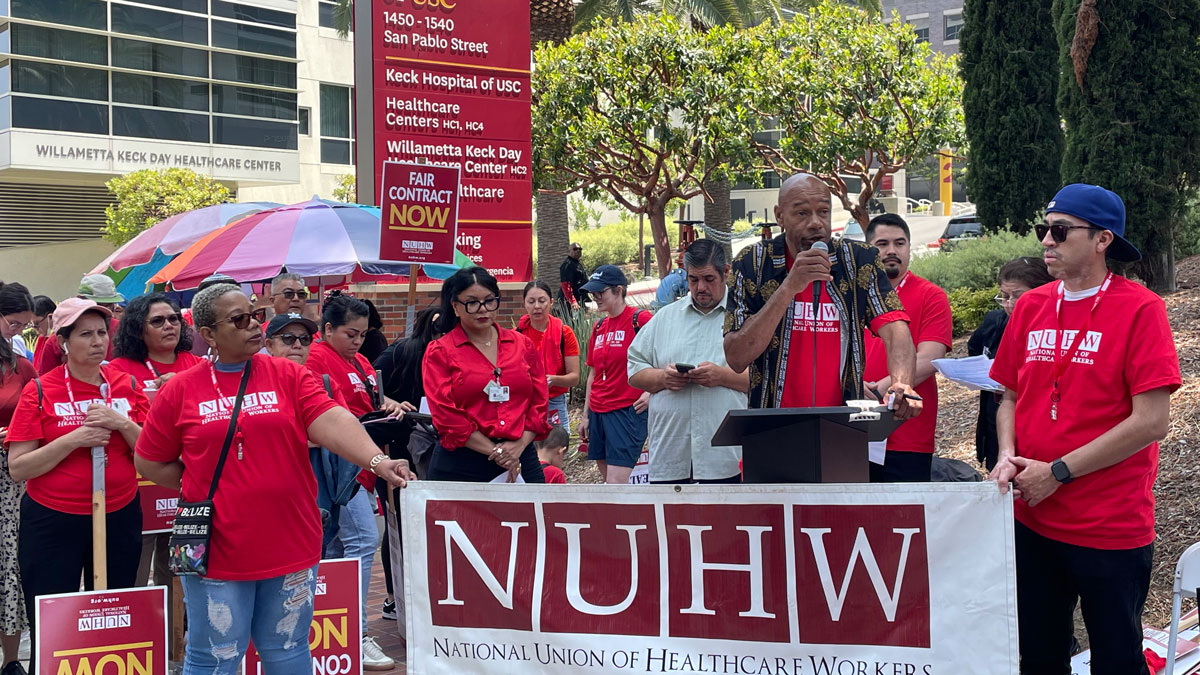
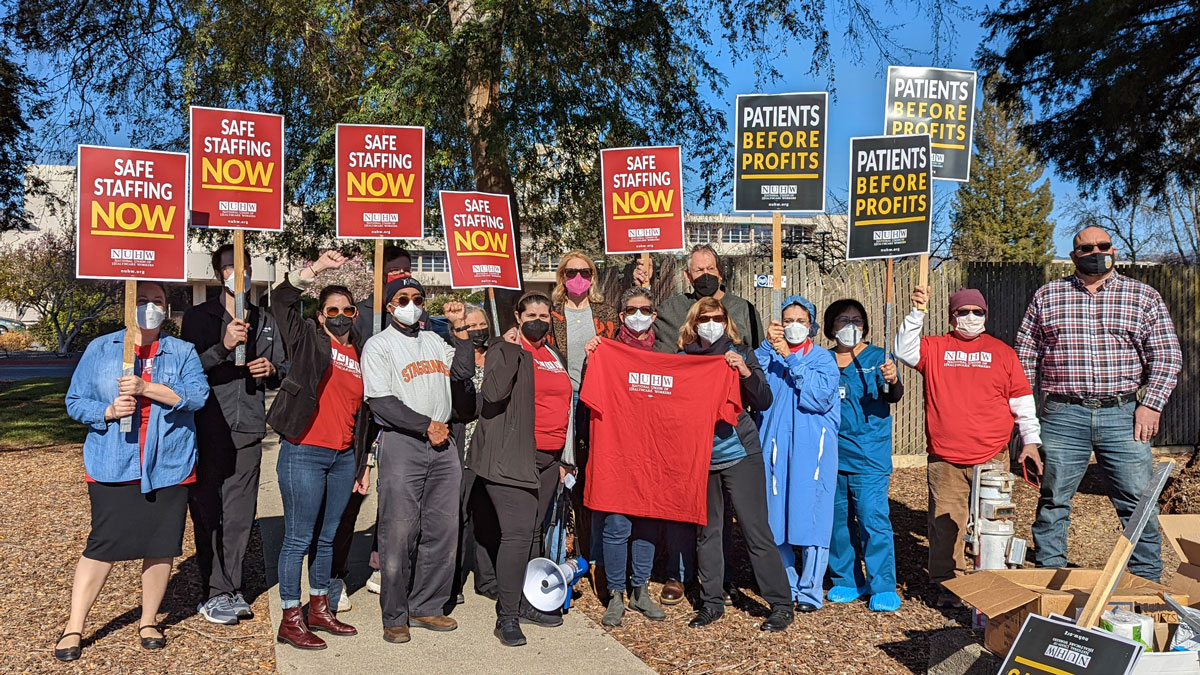
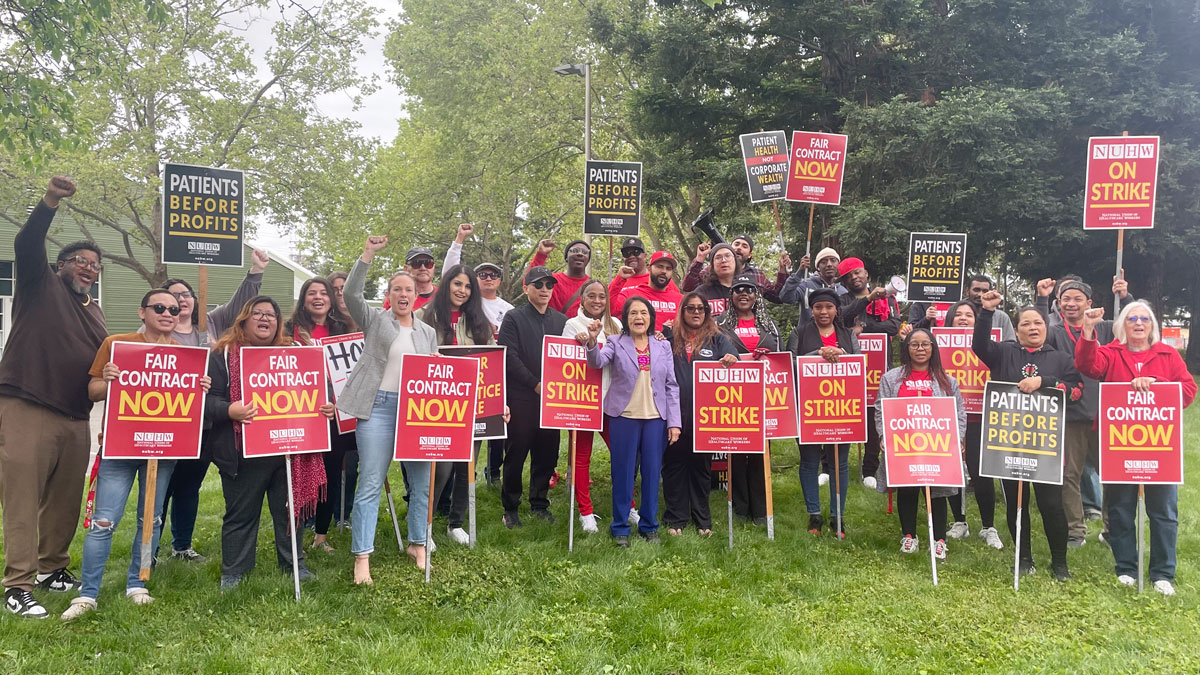
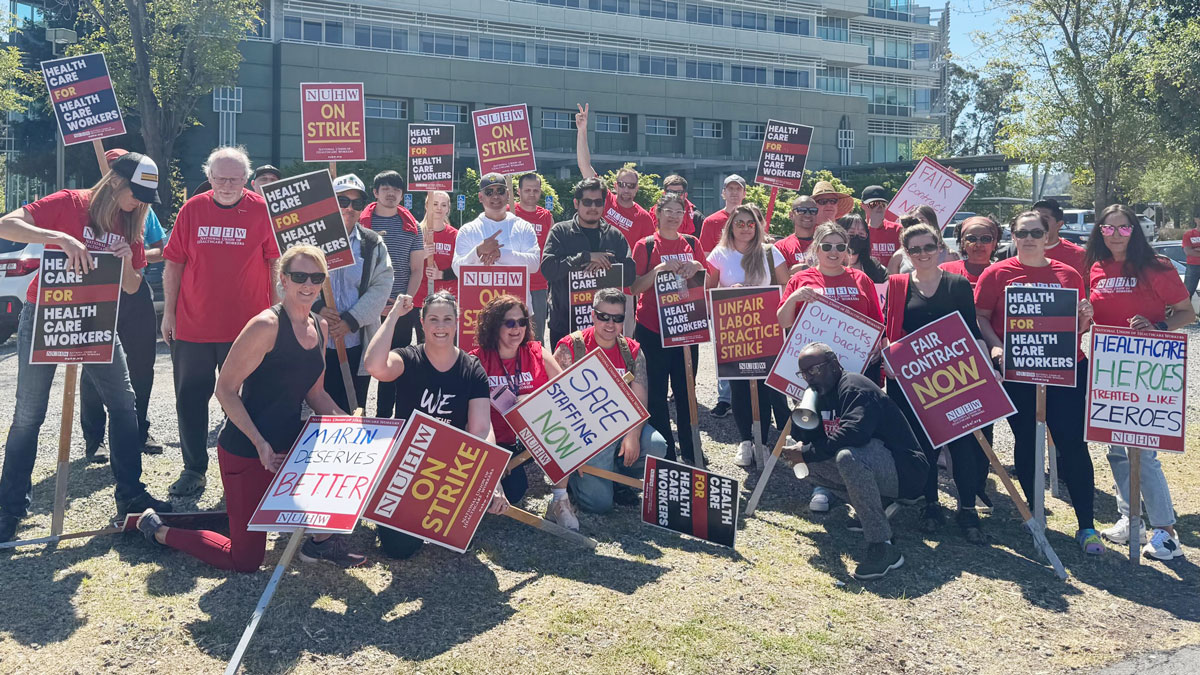
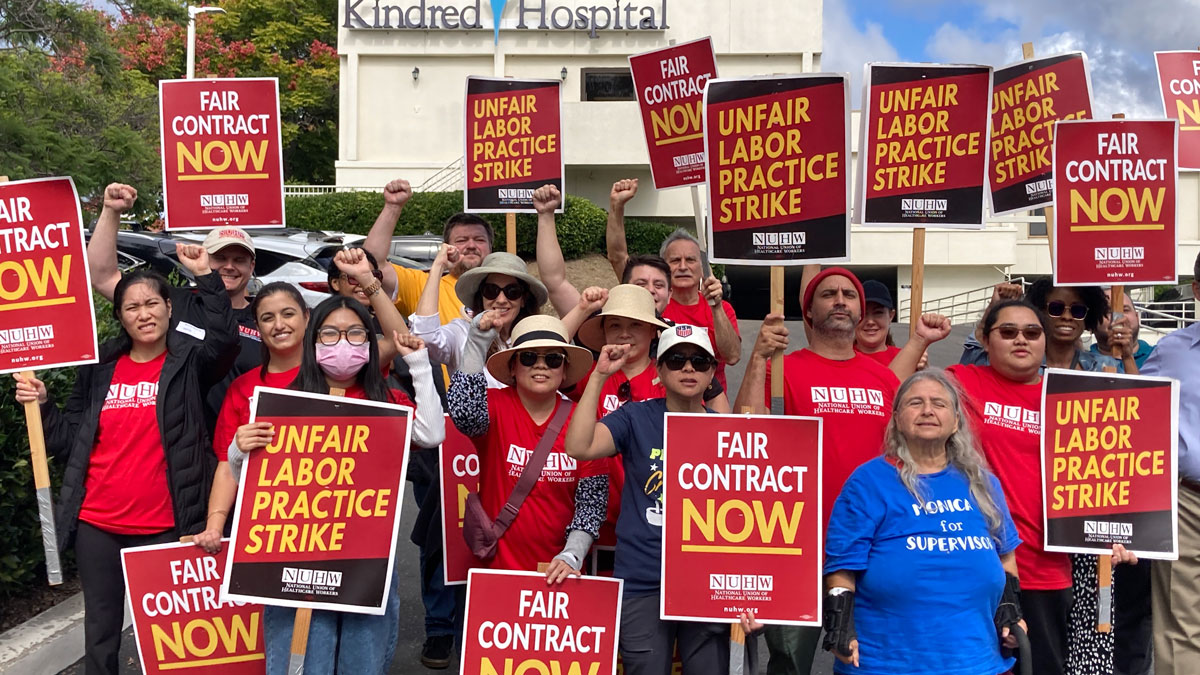
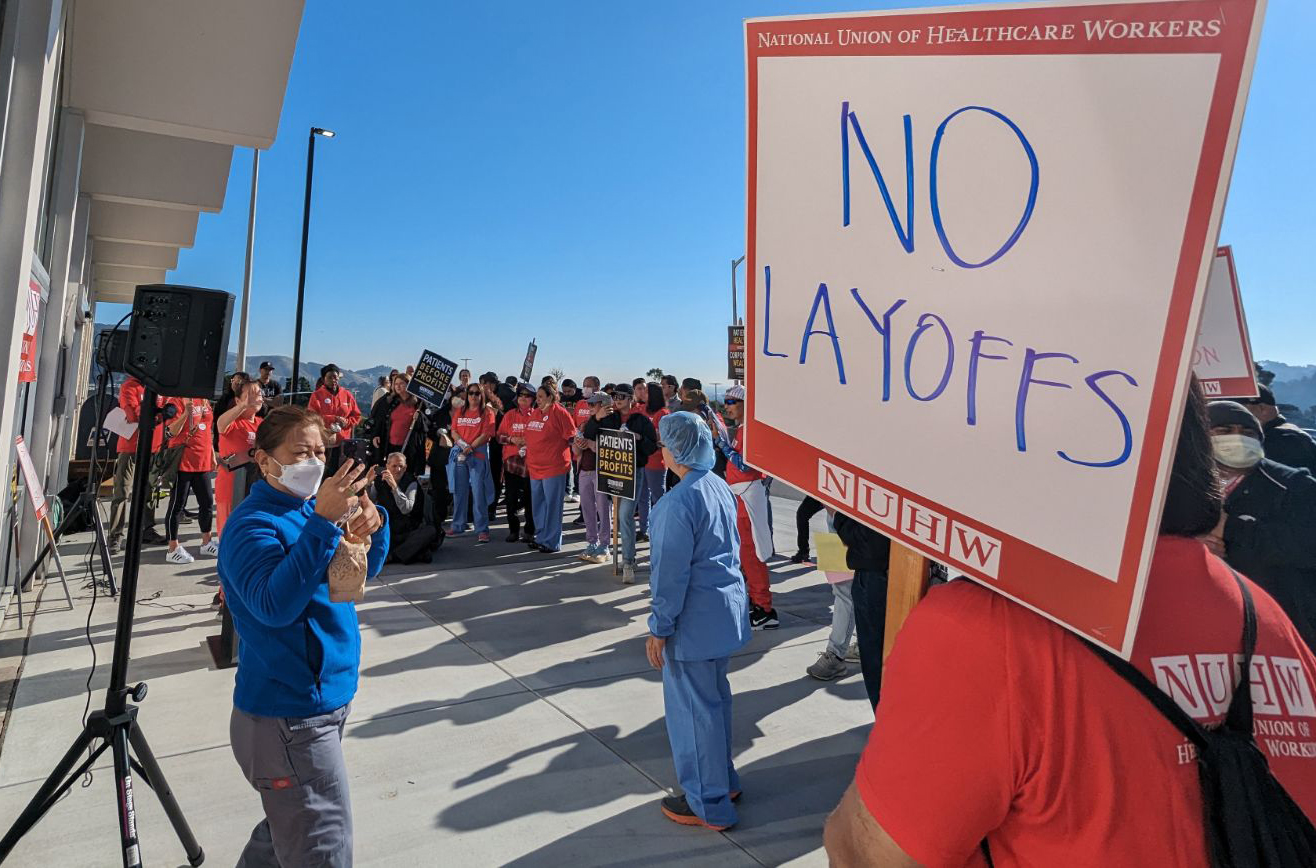
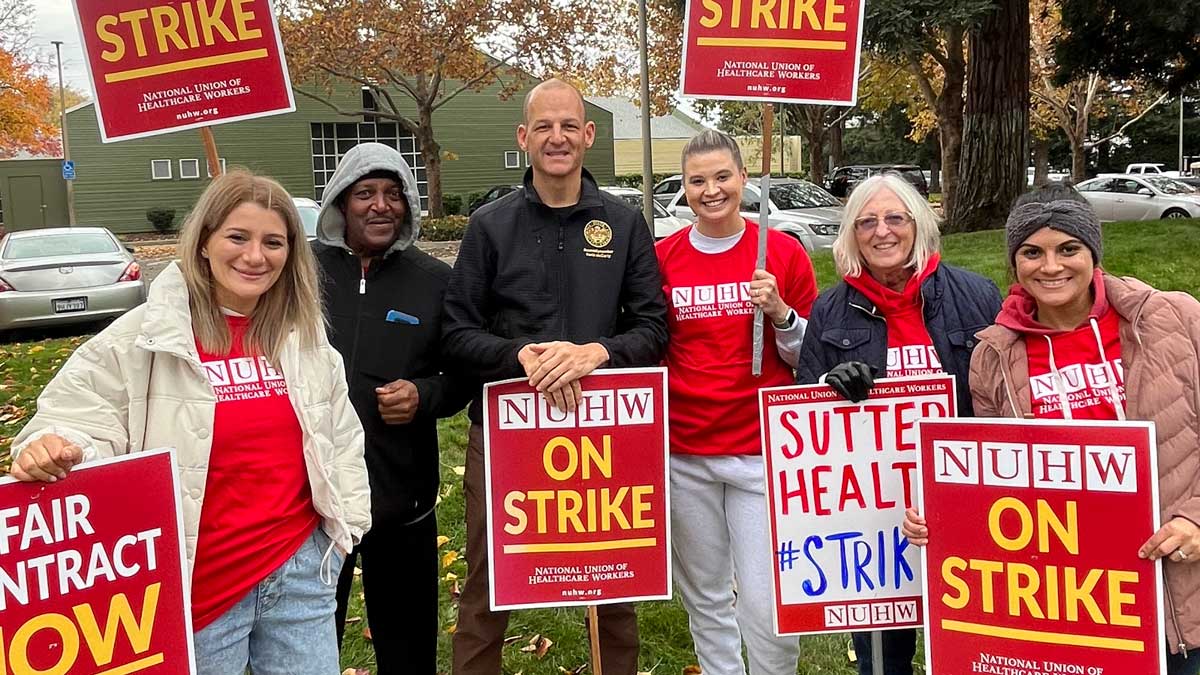
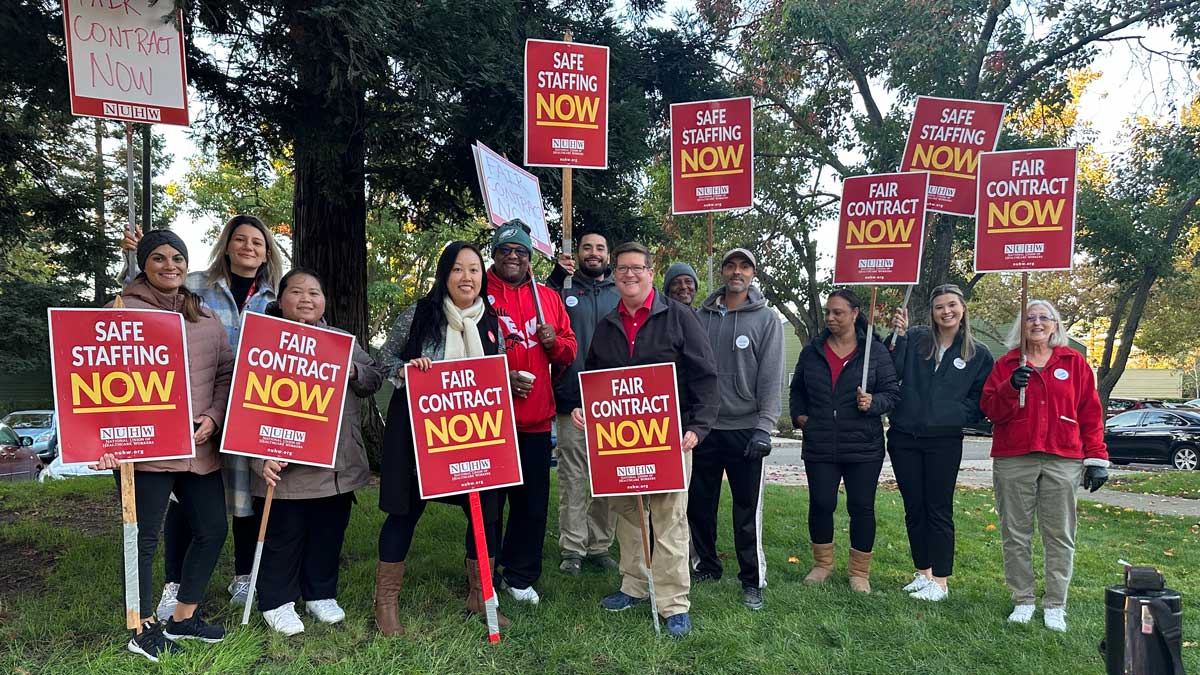
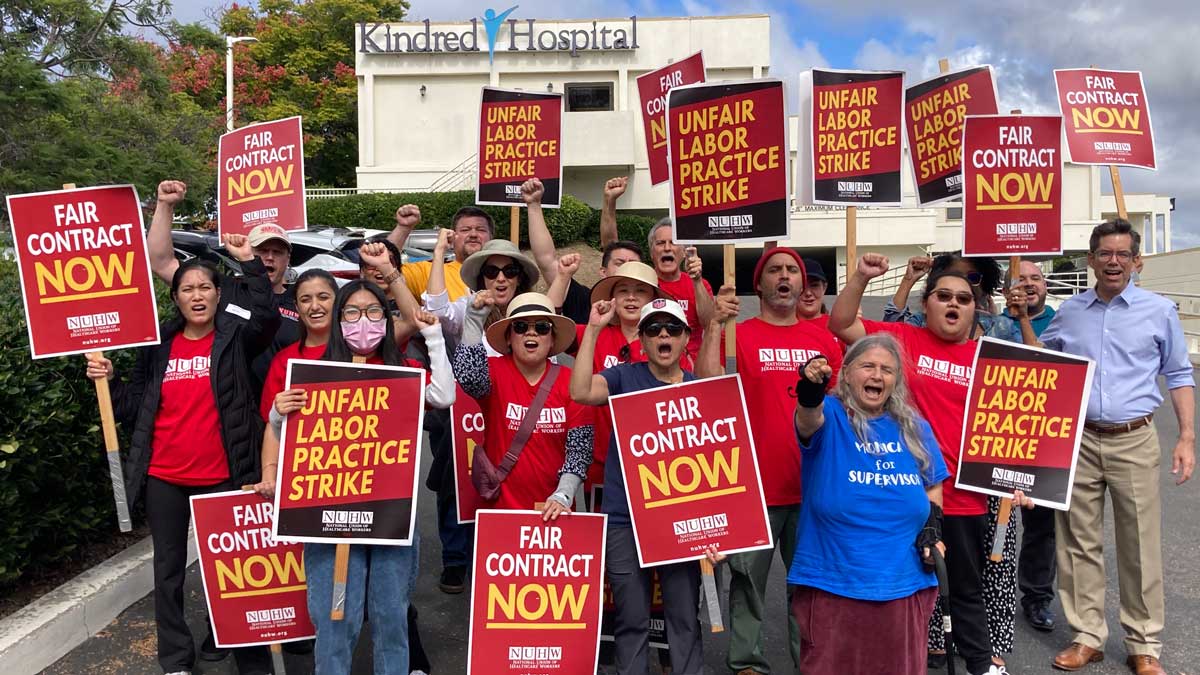
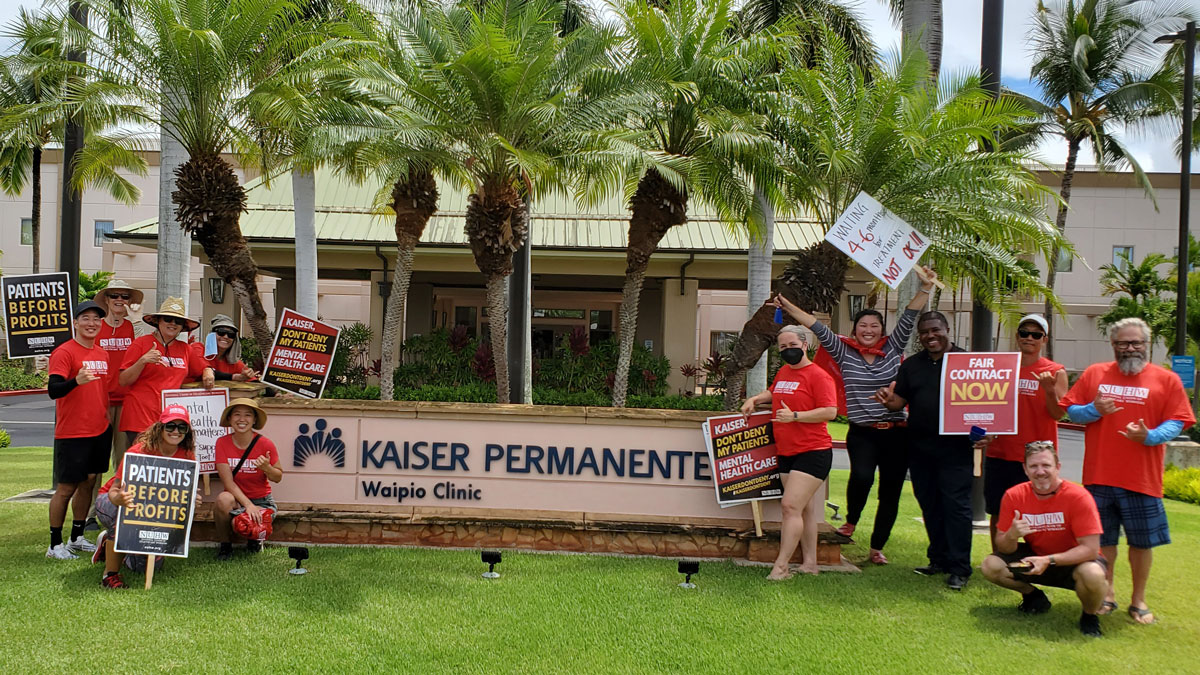
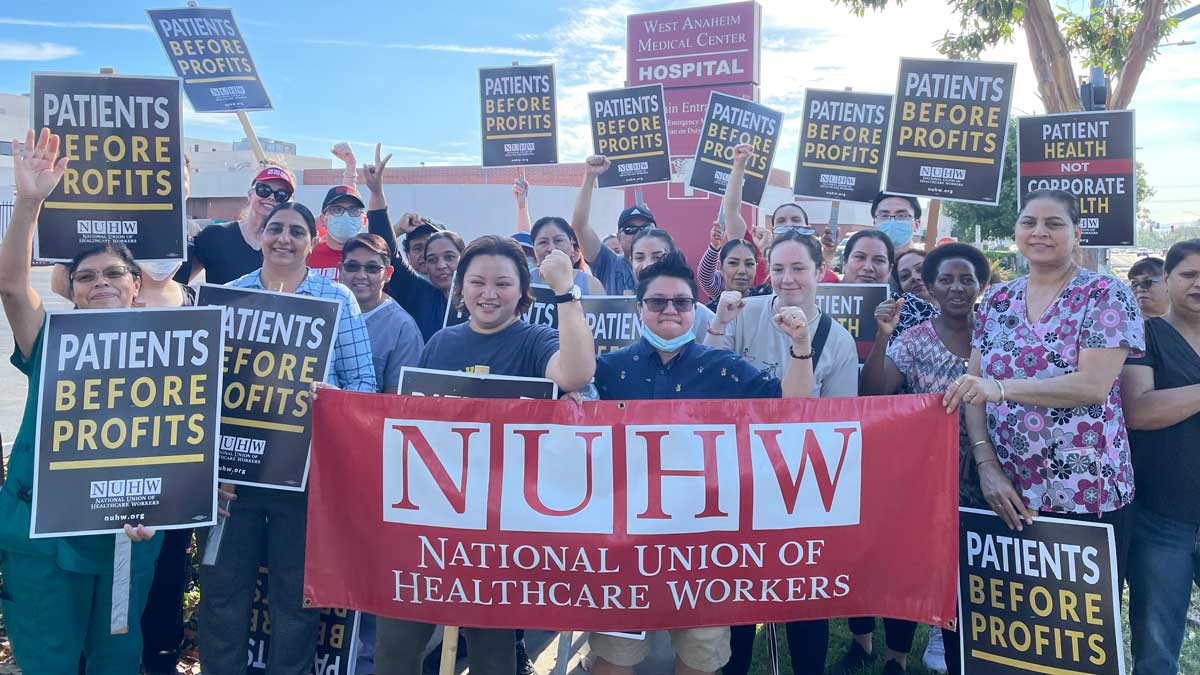
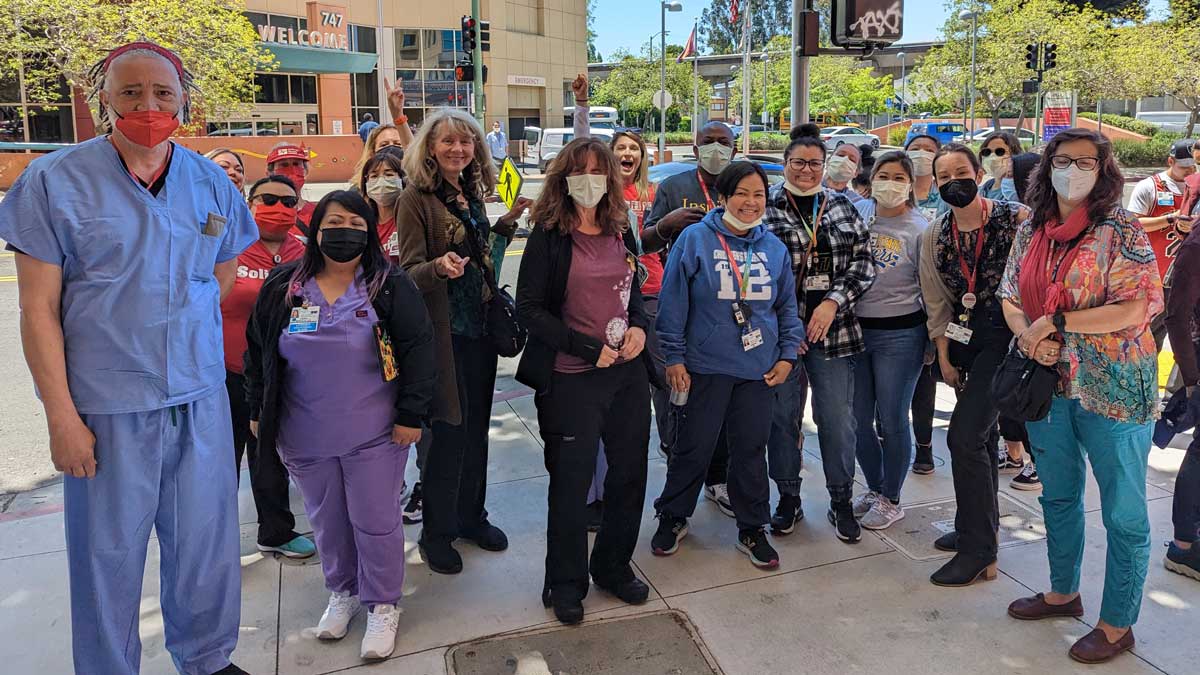
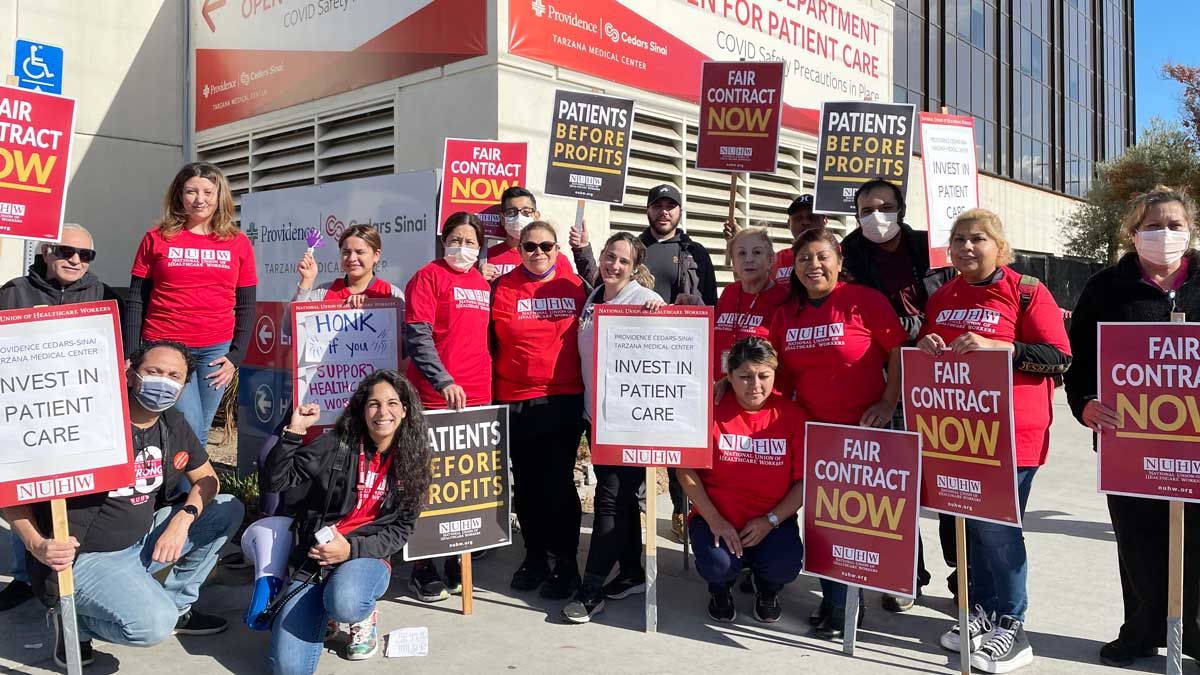
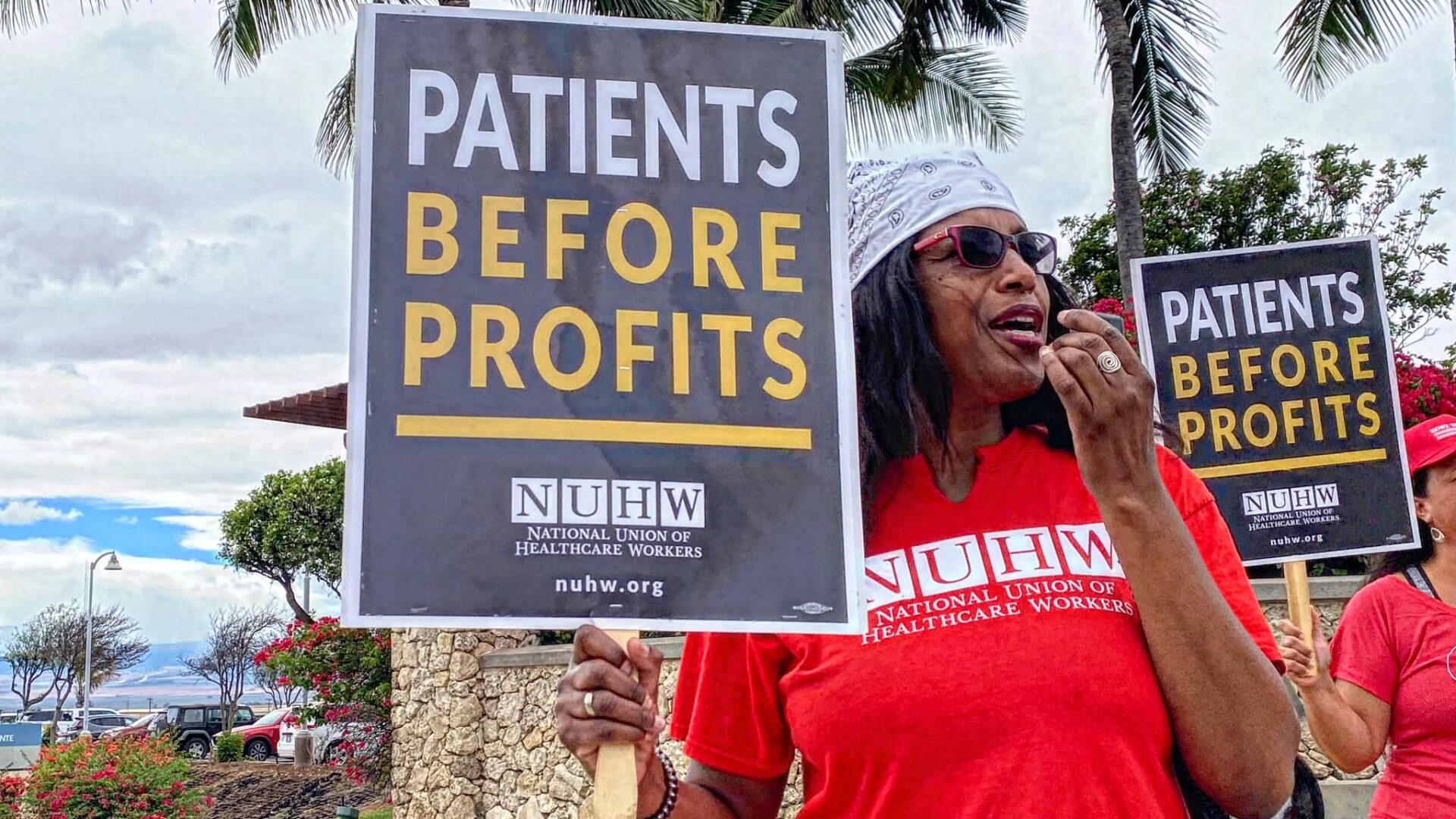
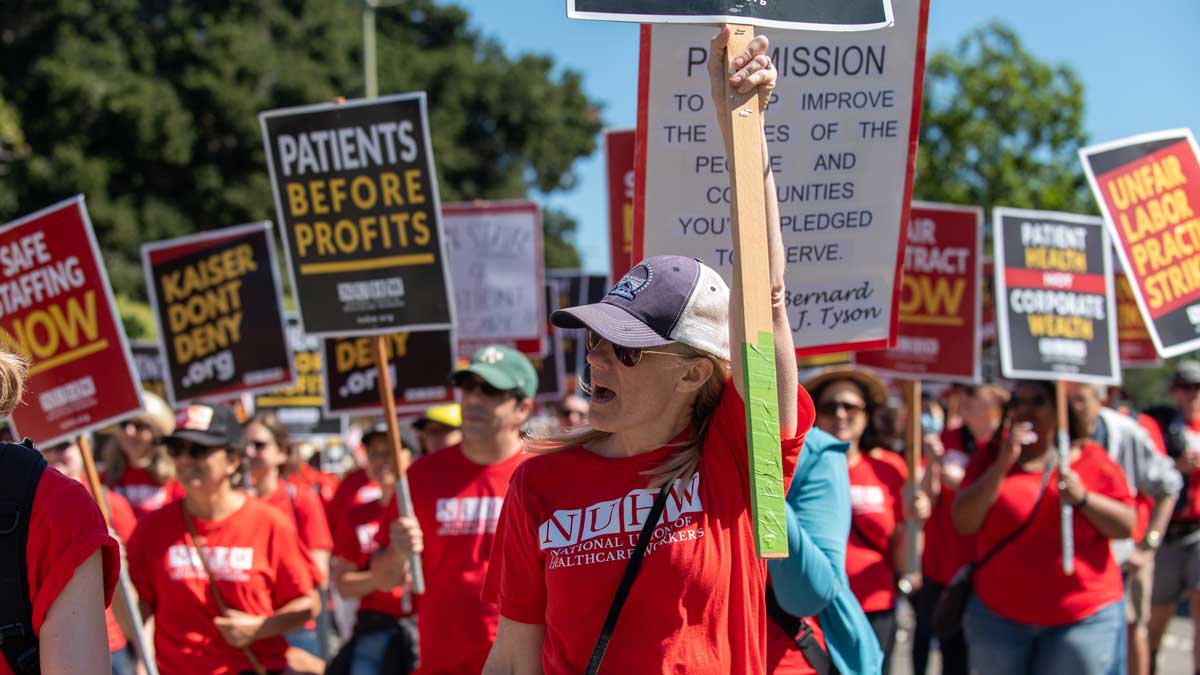
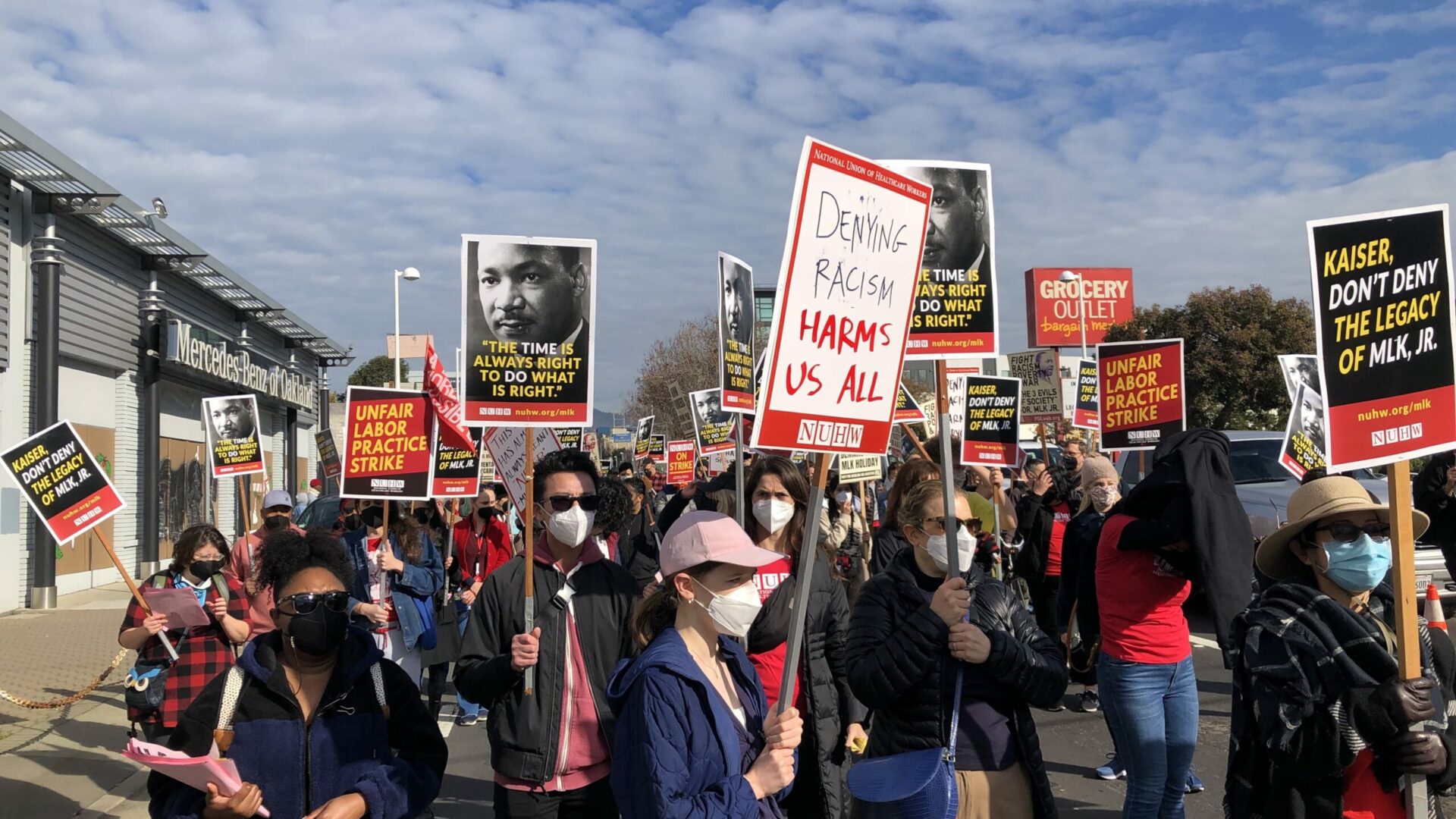
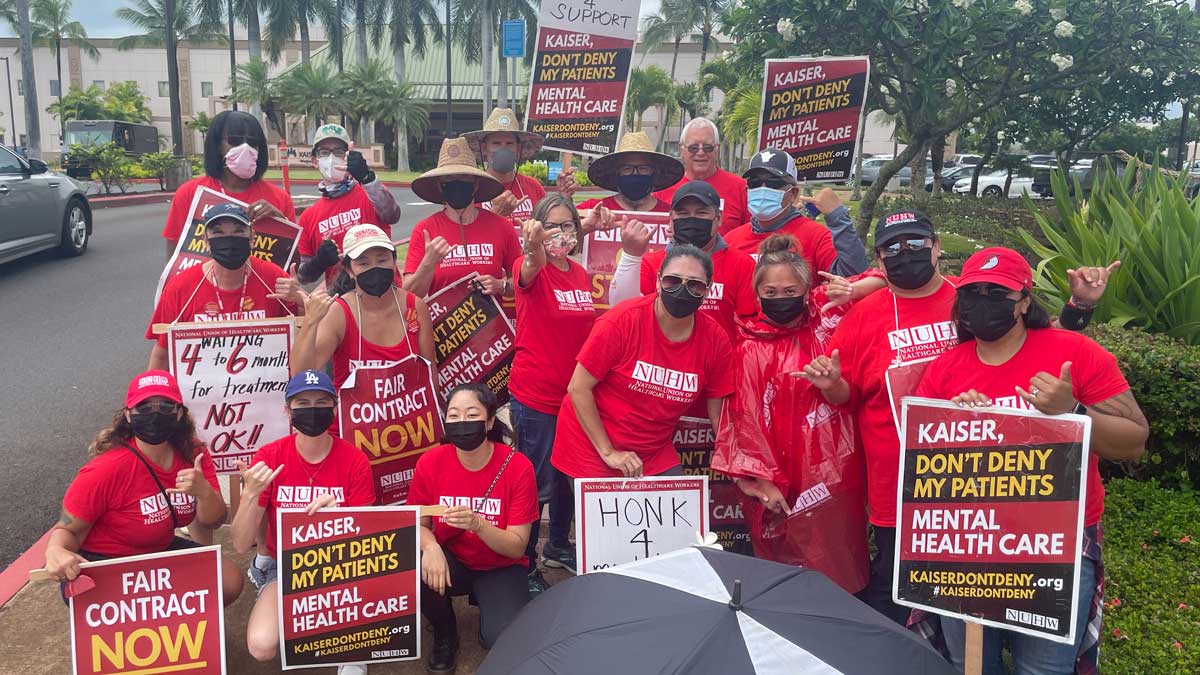
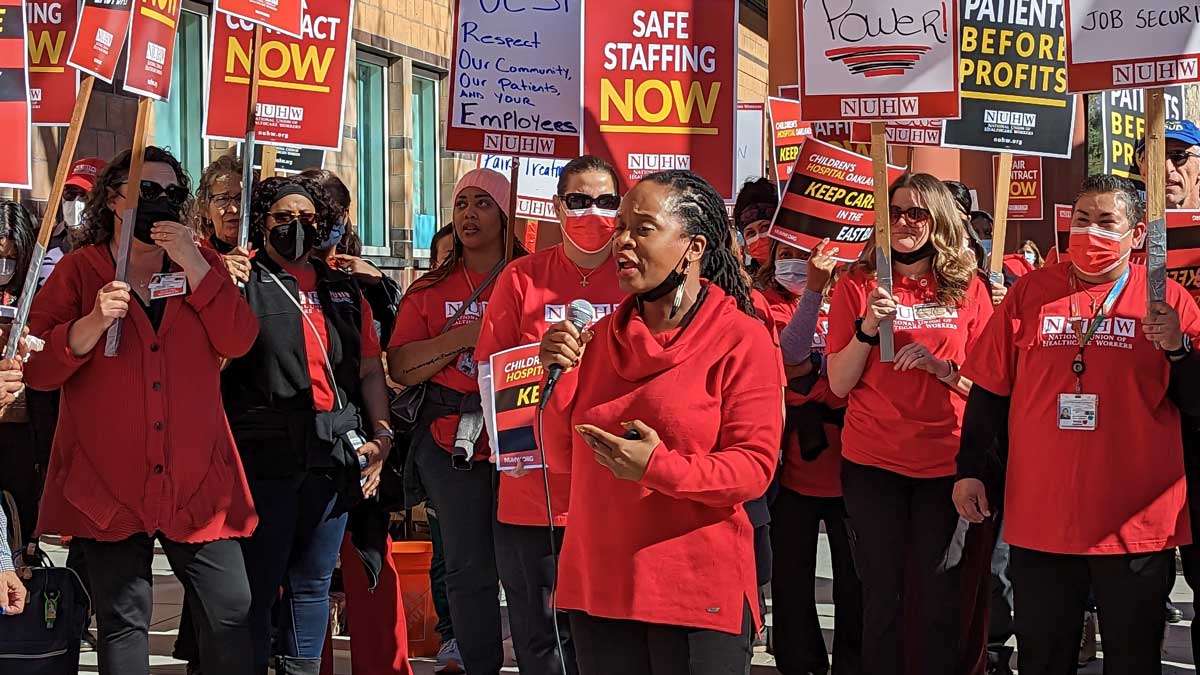
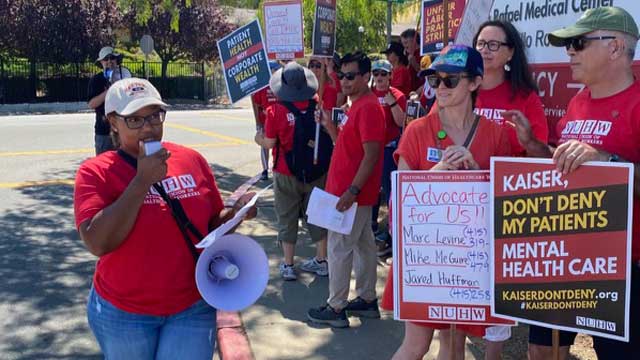
Northern California Kaiser mental health therapists, represented by the National Union of Healthcare Workers, have been without a contract since September. Many therapists this week are visiting picket lines outside Kaiser facilities throughout California to support their striking colleagues represented by UNAC-UHCP, who began an open-ended strike Monday.
“We all find ourselves confronting a Kaiser that no longer seeks input from its caregivers and is focused squarely on providing the least amount of care for the biggest possible profit,” said Shay Loftus, a psychologist at Kaiser in Fairfield. “Kaiser management wants us to be cogs in their machine, but that’s not how healthcare, especially mental health care works best for patients.”
Kaiser mental health therapists held a 10-week strike in 2022, during which they succeeded in securing significantly more time in their schedules for patient care duties that can’t be done during appointments, such as responding to patient calls and emails, preparing for appointments and tailoring treatment plans.
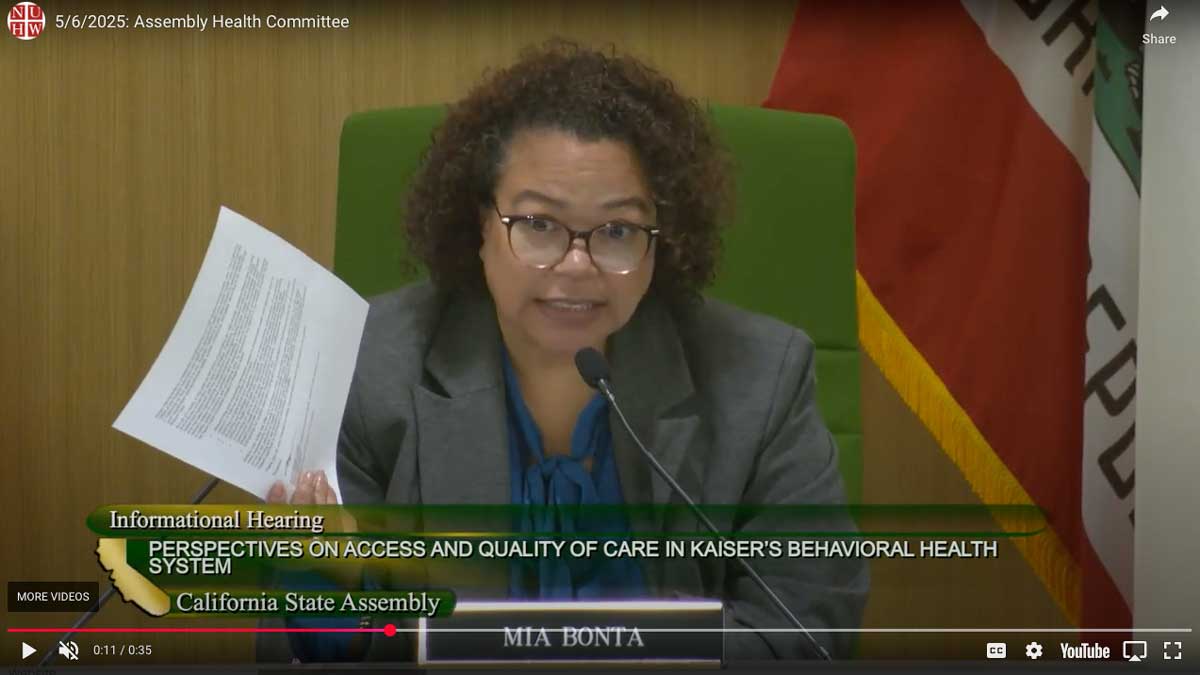
A state investigation later found that Kaiser had cancelled 111,803 therapy appointments during the strike. That finding contributed to a record $50 million fine against Kaiser in 2023 for mental health violations and state monitoring of Kaiser’s mental health system, which remains ongoing.
In agreeing to the fine, Kaiser acknowledged that “it lacks sufficient behavioral health providers” and that “This lack of clinical staff has resulted in excessive wait times for enrollee individual therapy appointments…” However, the giant HMO, with $67 billion in reserves, has since initiated cost-cutting measures that have further diminished care.
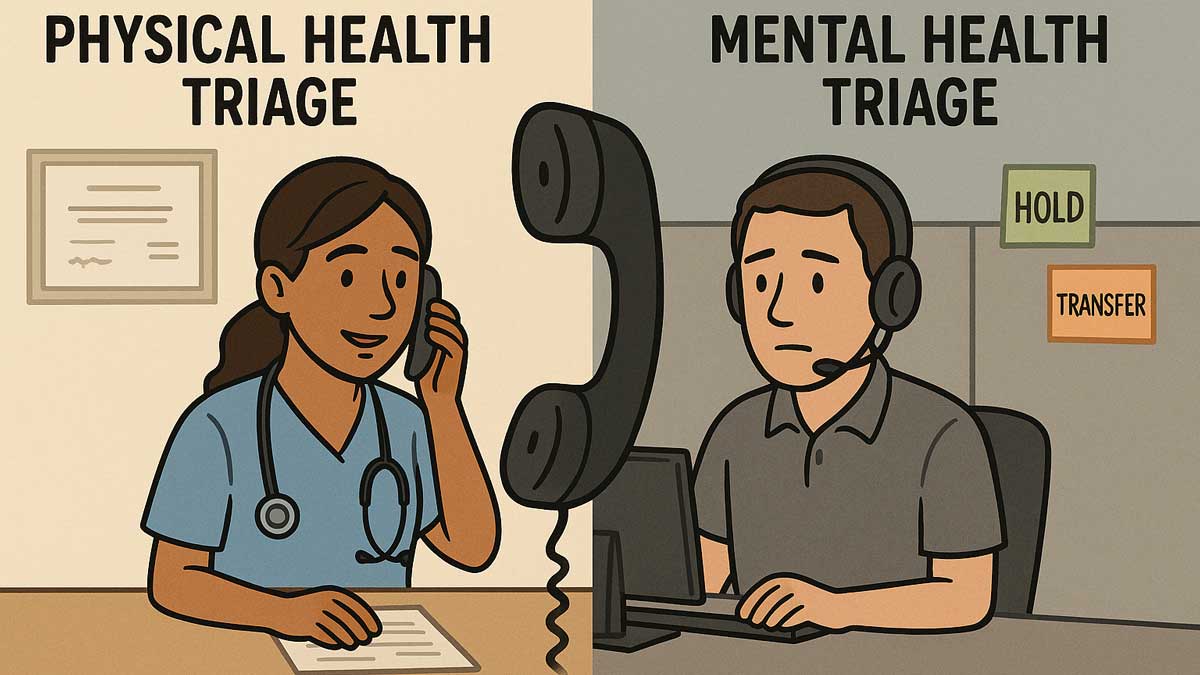
The strike vote is based on an Unfair Labor Practice charge therapists filed against Kaiser for unilaterally overhauling its system for triaging patients who are seeking mental health services for the first time.
Patients seeking mental healthcare are no longer guaranteed to talk to a human therapist trained to ask the right questions to determine what kind of treatment they need and how urgently they need it. Now, most patients answer prompts, while Kaiser telephone operators and artificial intelligence decide the next step. As a result, therapists report seeing more patients who should have been seen immediately or assigned to a different treatment program.
“We get inappropriate bookings all the time,” said Molly Parsons, a therapist with Kaiser in the Bay Area. “Sometimes the patients are high-risk and should have been seen right away and sometimes it’s the wrong program. It delays care and potentially harms patients who need immediate interventions.”
In addition to revamping its mental health triage system, Kaiser is seeking concessions from therapists at the bargaining table that would further imperil patient care. Kaiser wants to:
- Reverse patient care safeguards therapists won in previous contracts including scheduling rules that reduce wait times for return appointments and give therapists enough time to respond to patient communications and prepare for appointments.
- Secure full autonomy to layoff therapists in order to further outsource mental health services. Kaiser’s proposal even details severance packages.
- Open the door to replacing therapists with artificial intelligence, depriving patients of the human-to-human contact that makes mental health therapy effective.
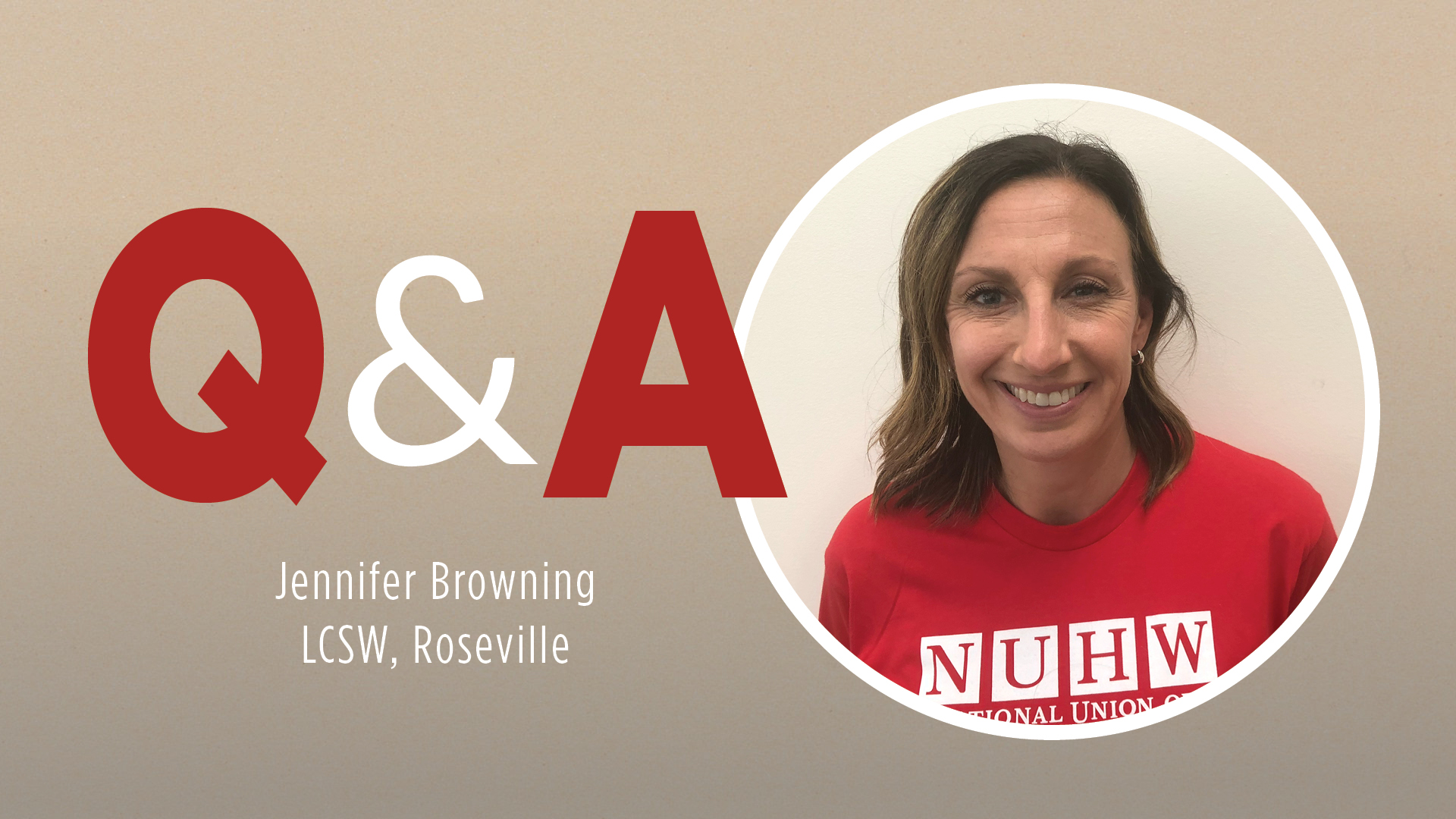
“Kaiser wants total control and maximum profit, and patients are already paying the price,” said Jen Browning, a licensed clinical social worker for Kaiser in Roseville. “What’s the point of having Kaiser insurance if you can’t even have a trained therapist on the other line when you’re reaching out for help?”
###
The National Union of Healthcare Workers is a member-led movement that represents 19,000 healthcare workers in California and Hawai’i, including more than 4,700 Kaiser mental health professionals in California.