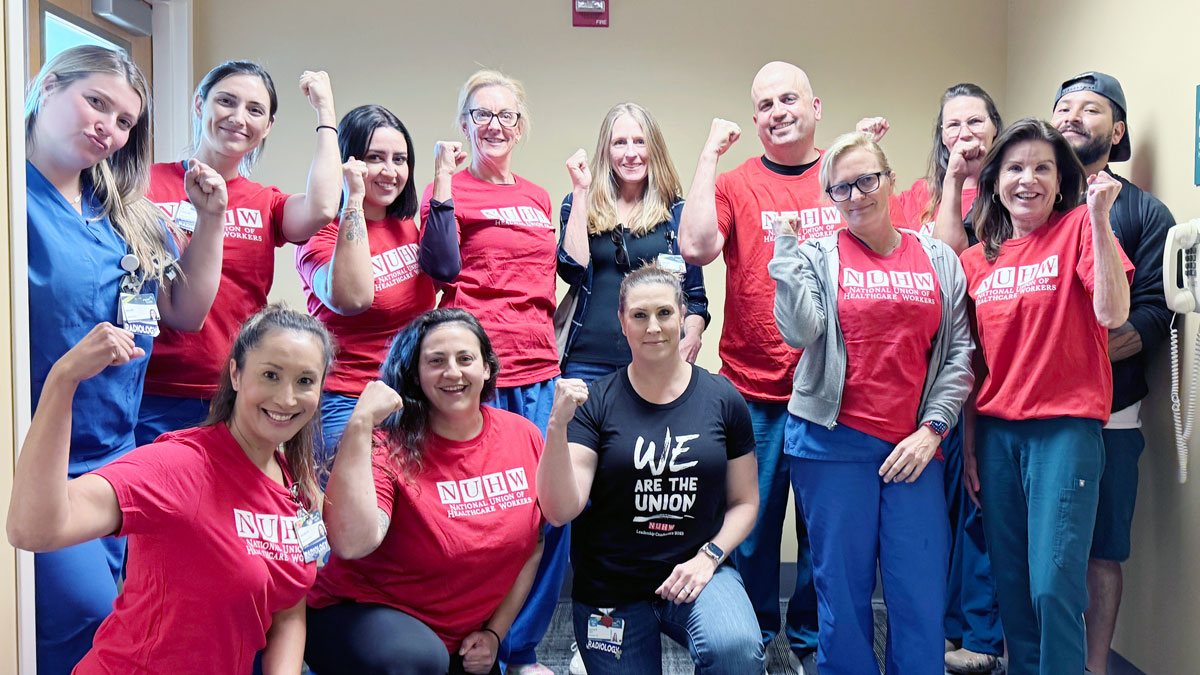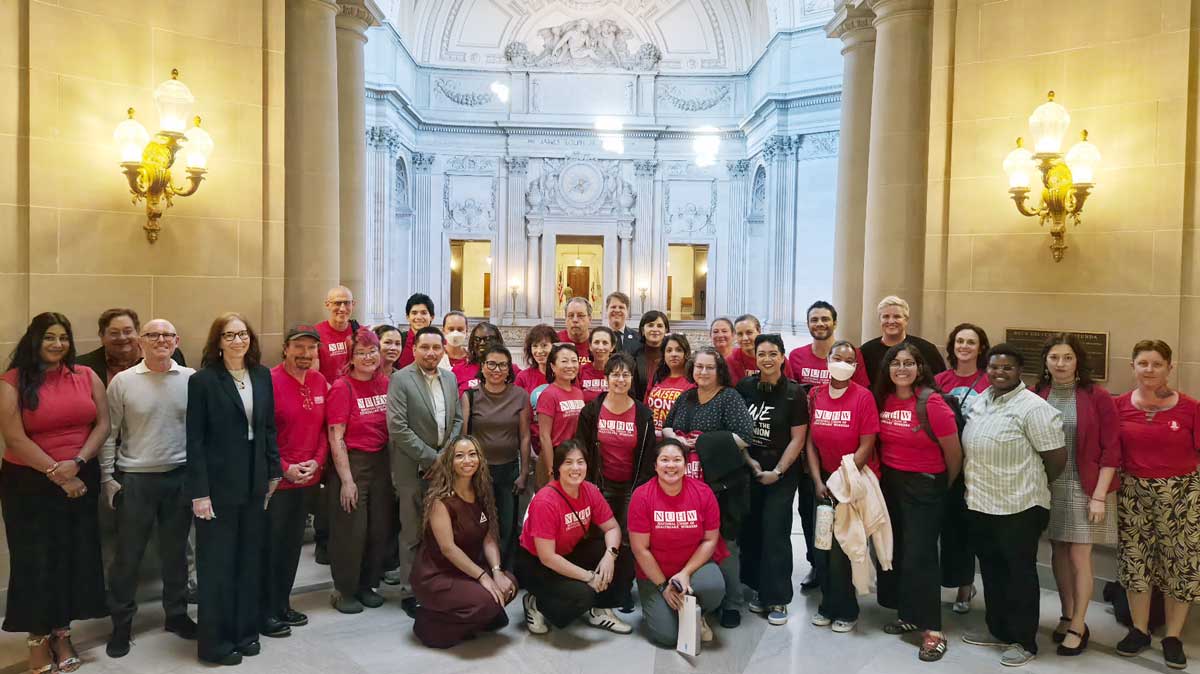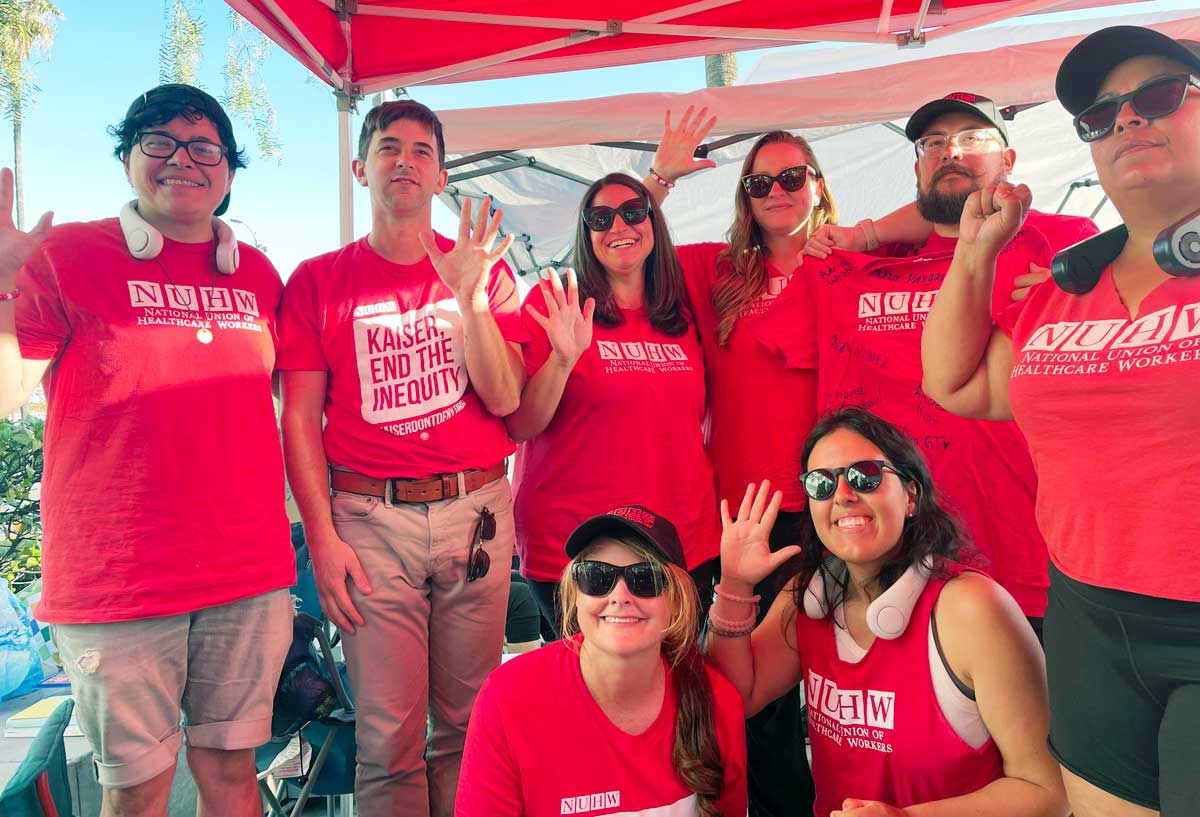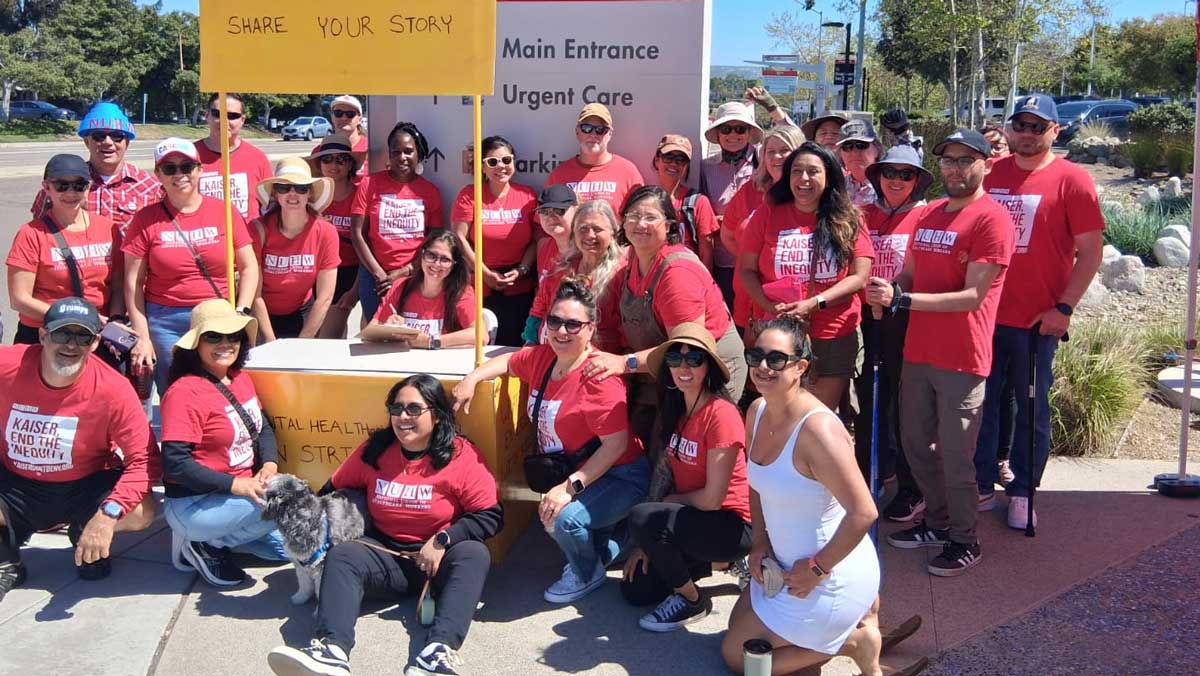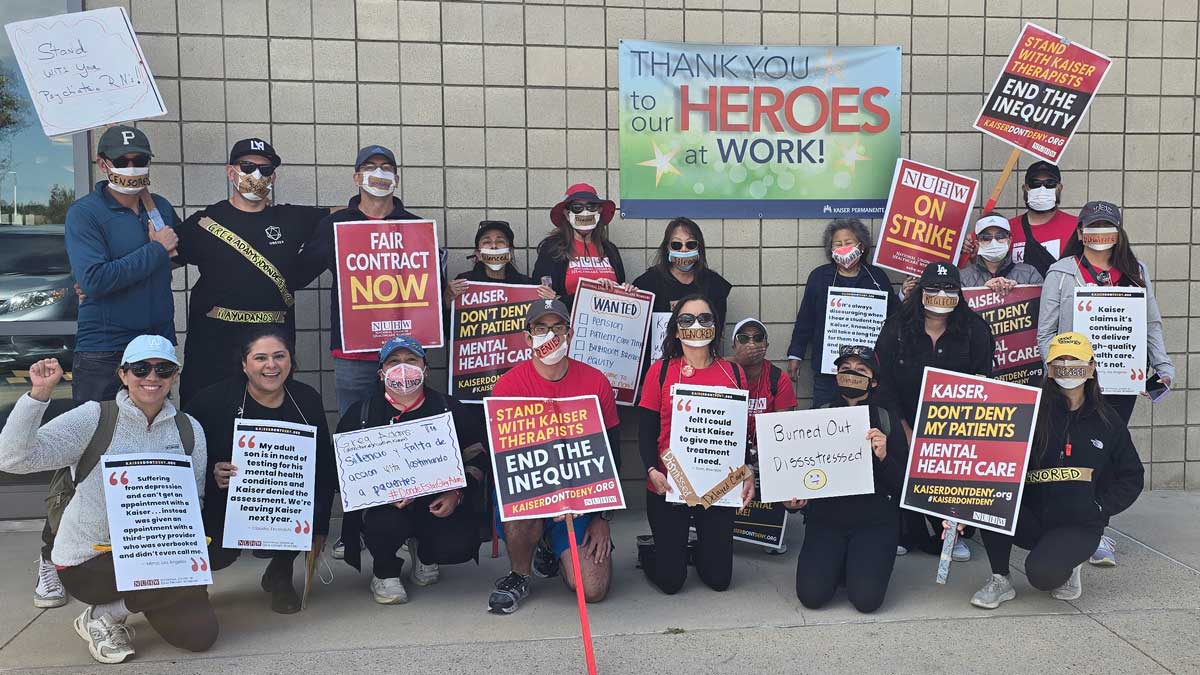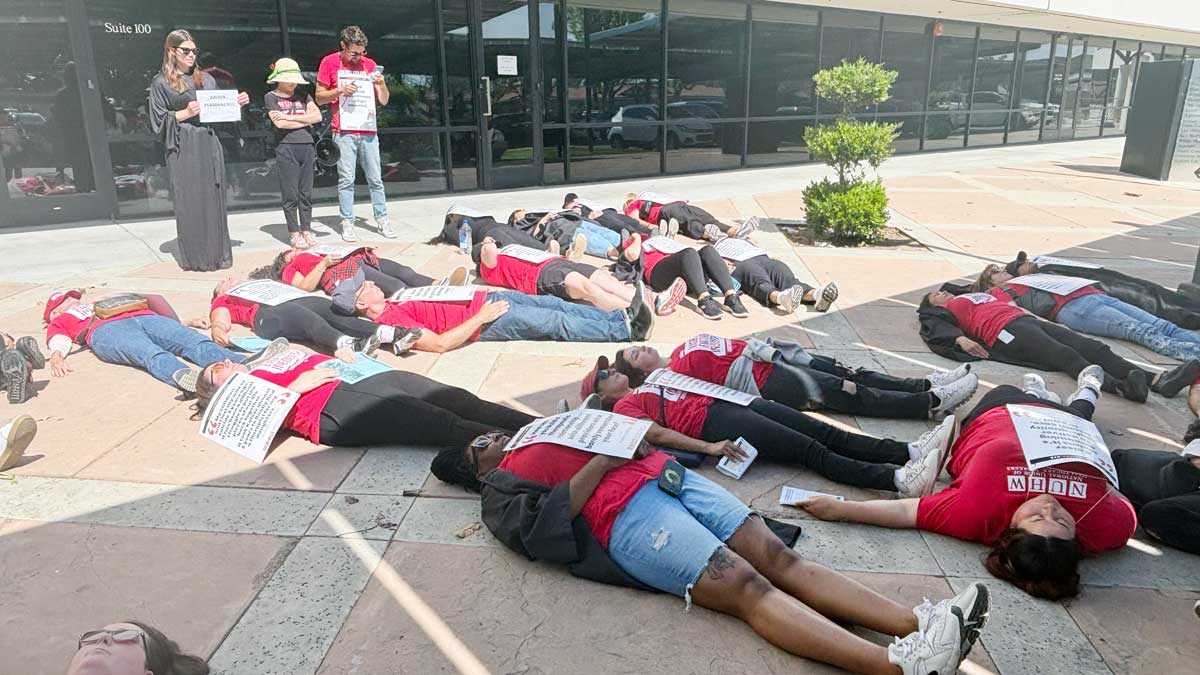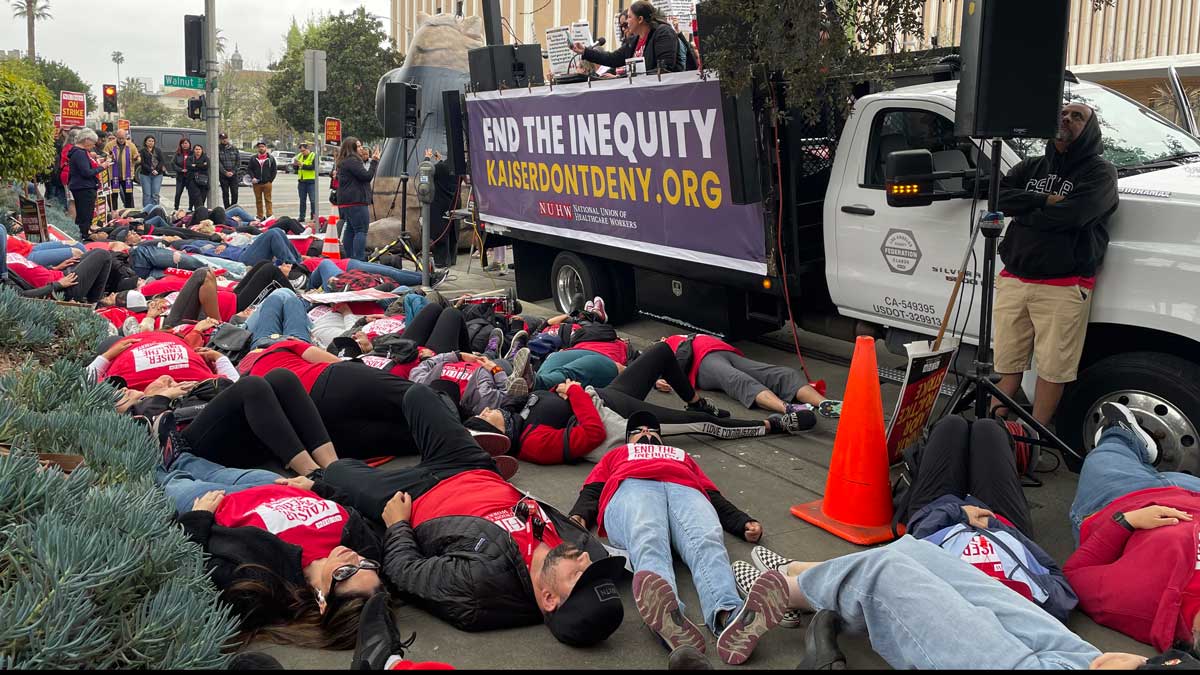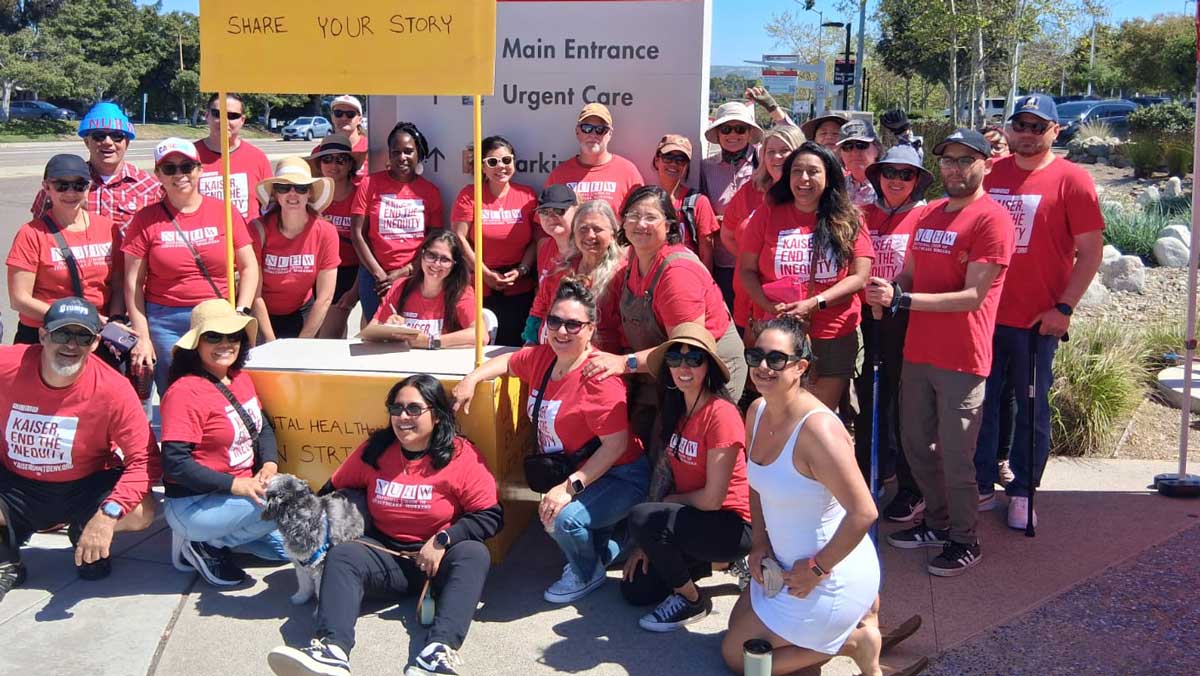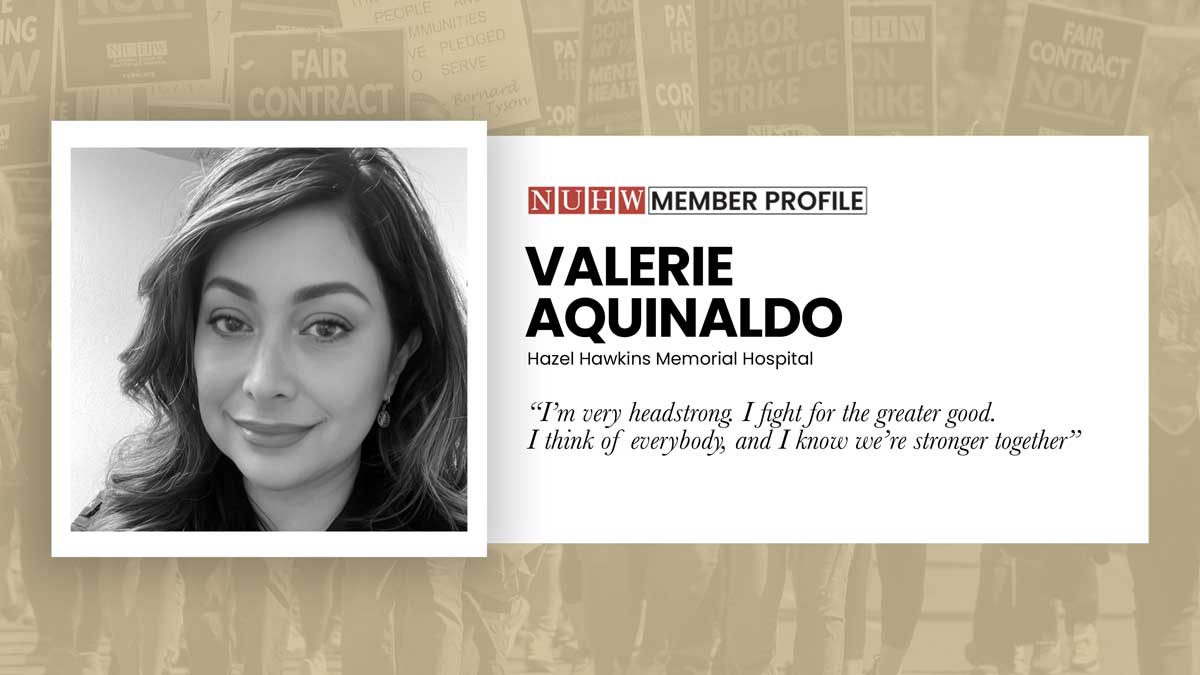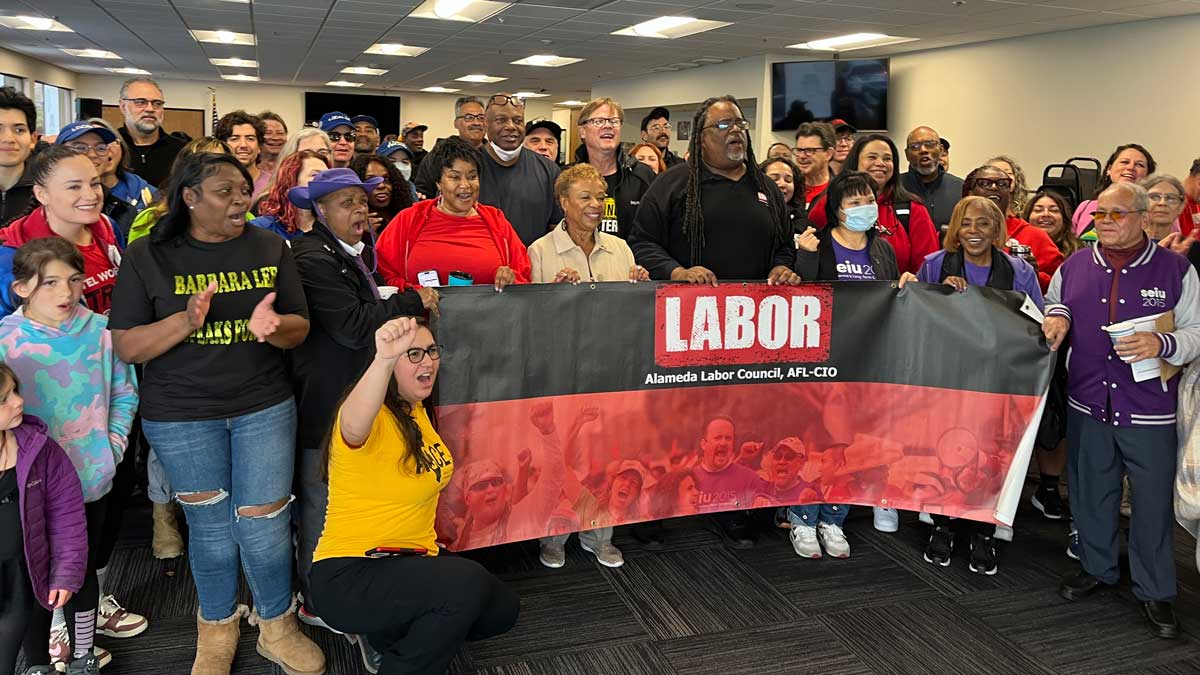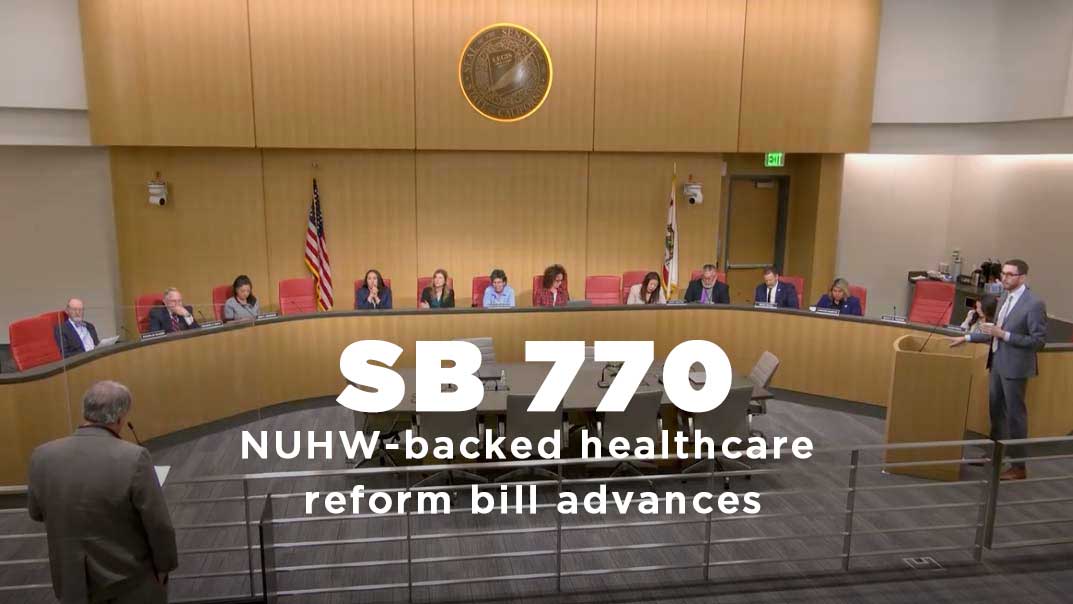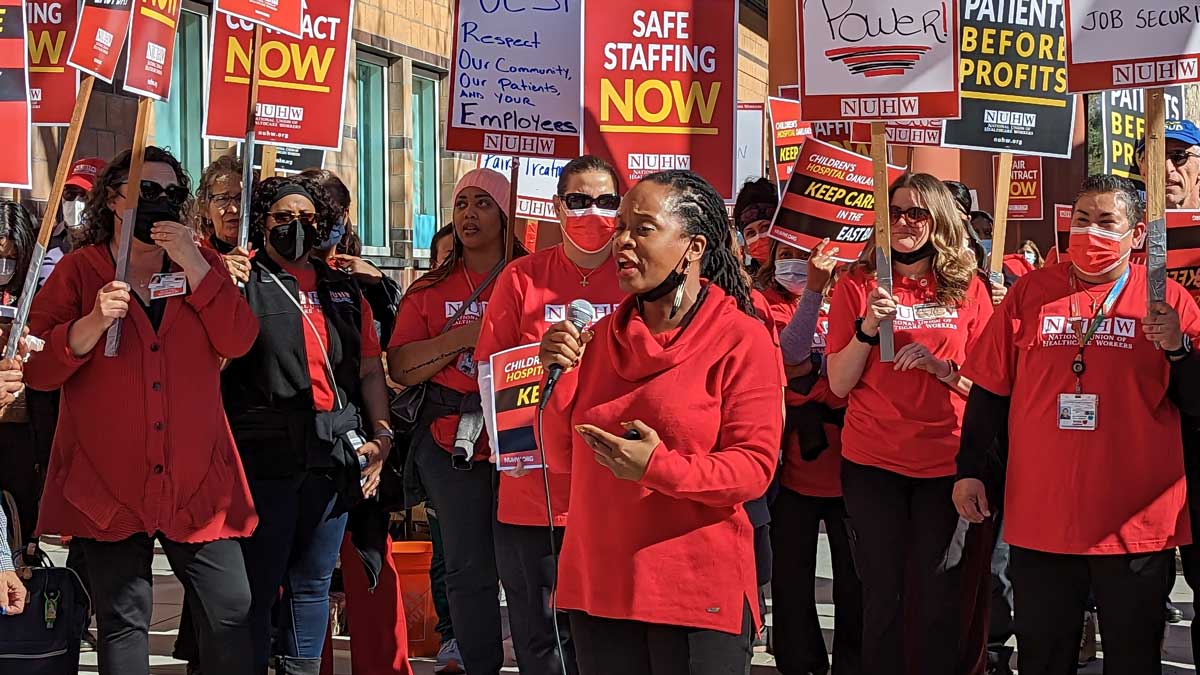
NUHW’s two biggest legislative priorities advanced through their committee hearings in April, potentially on their way to a full vote of their respective chambers later in the spring.
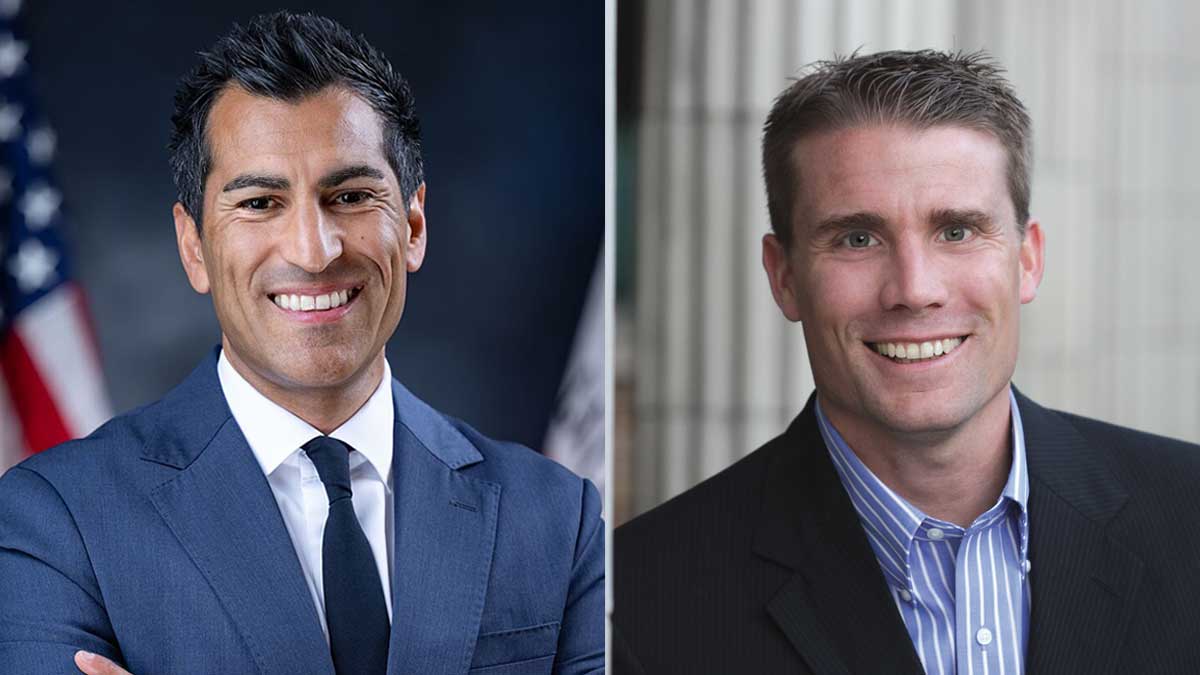
NUHW is the driving force behind AB 2511, a bill authored by Assembly member Patrick Ahrens, D-Sunnyvale, that would get to the bottom of the disparity in pay between mental health providers and medical-surgical providers, whose jobs require similar educational and licensing requirements. The bill advanced easily this month out of the Assembly’s Labor and Health committees.
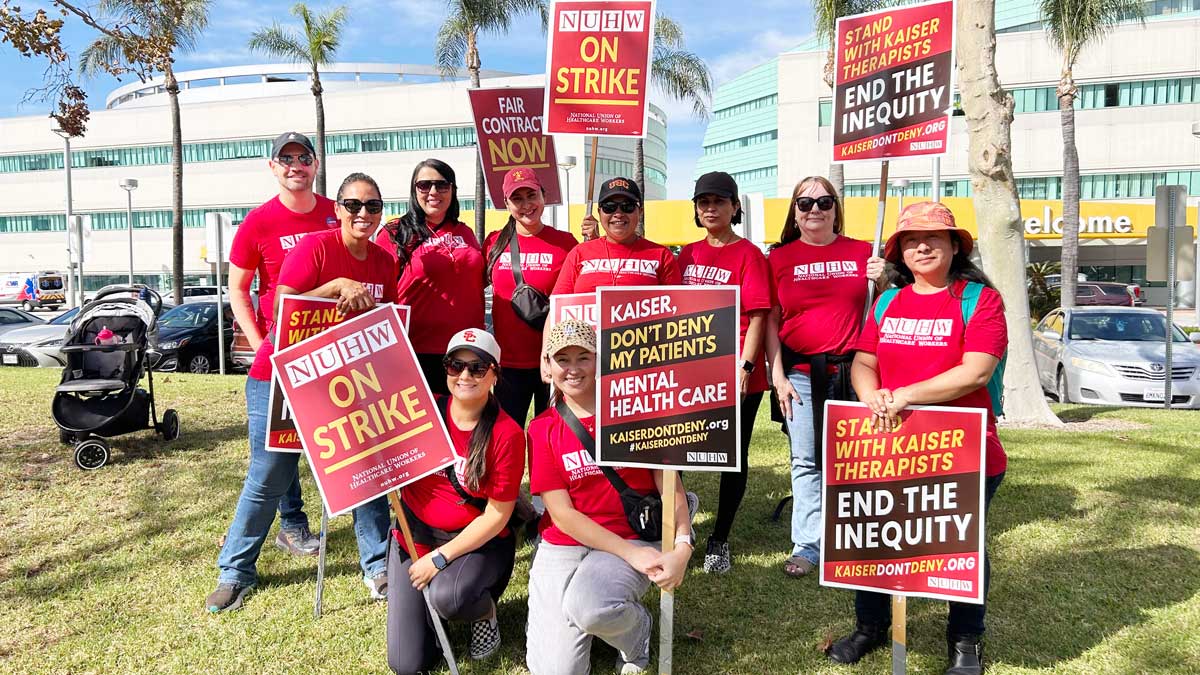
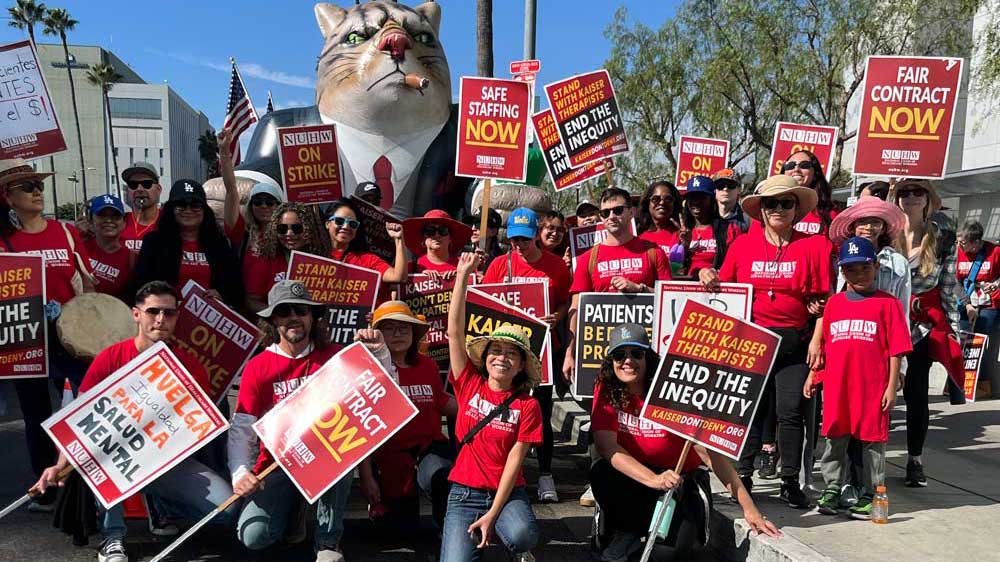
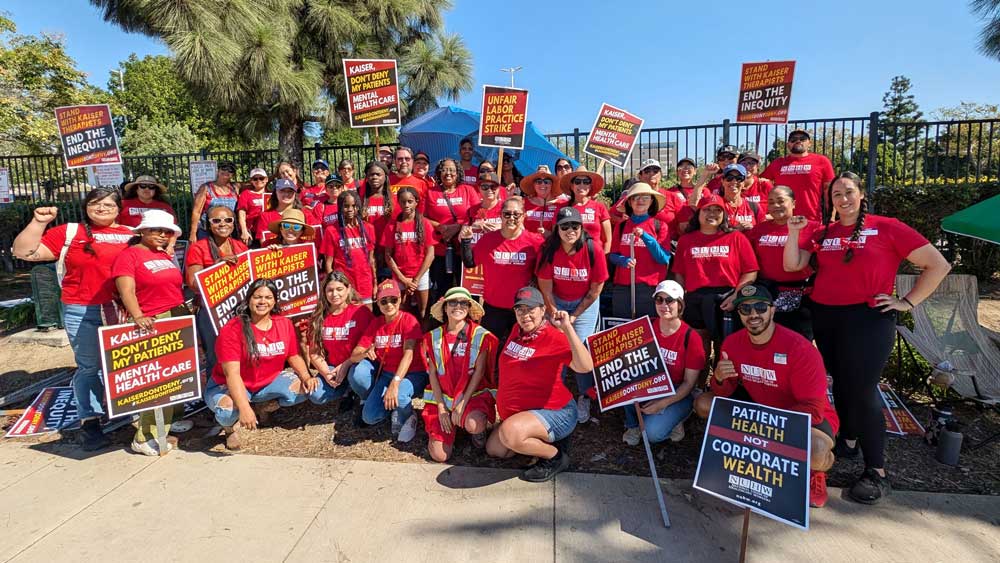
It’s been well documented that Kaiser Permanente pays its medical-surgical workers up to 40 percent more than comparable behavioral health providers, but the practice is far more widespread, according to a recent report by RTI International.
The research institute found that nationwide, insurers reimbursed in-network behavioral health providers much less for office visits than for medical-surgical providers, creating disincentives for behavioral health providers to take private insurance. Psychiatrists and psychologists actually had lower reimbursements than physician assistants, the institute found.
The pay disparity is impacting patients in California, where only 55 percent of private practice therapists accept insurance, according to a 2024 article in Health Affairs Scholar. A 2023 survey by the California Health Care Foundation found that 55 percent of Californians who sought behavioral healthcare reported unreasonable wait times for treatment.
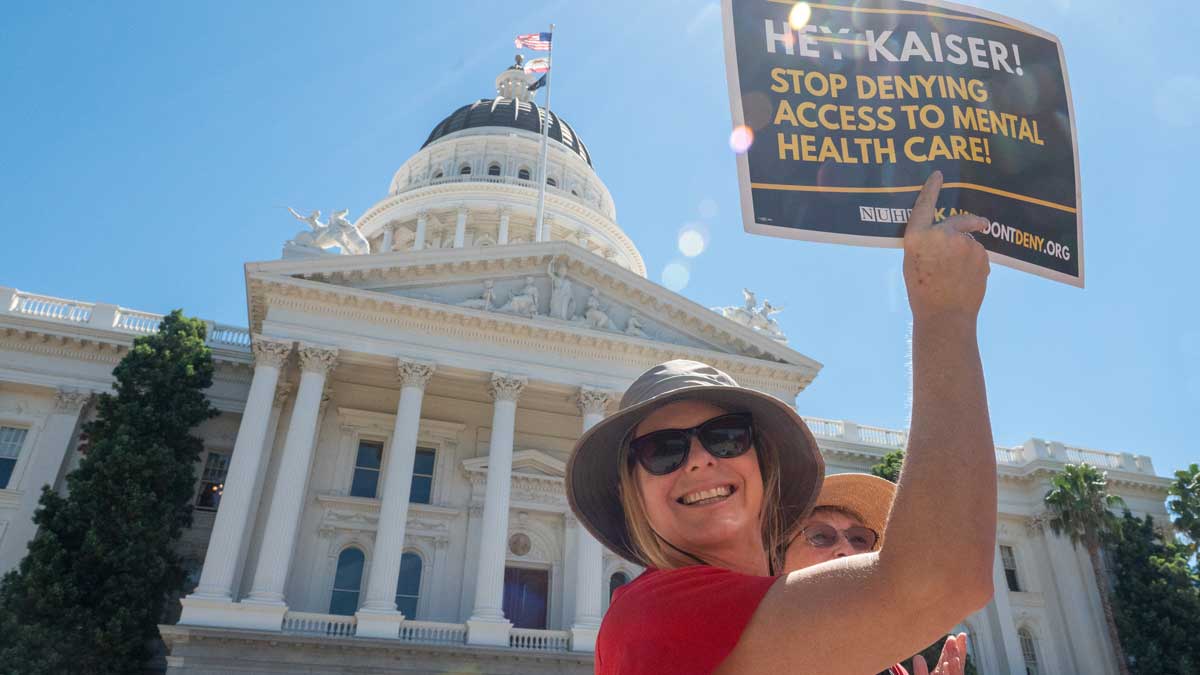
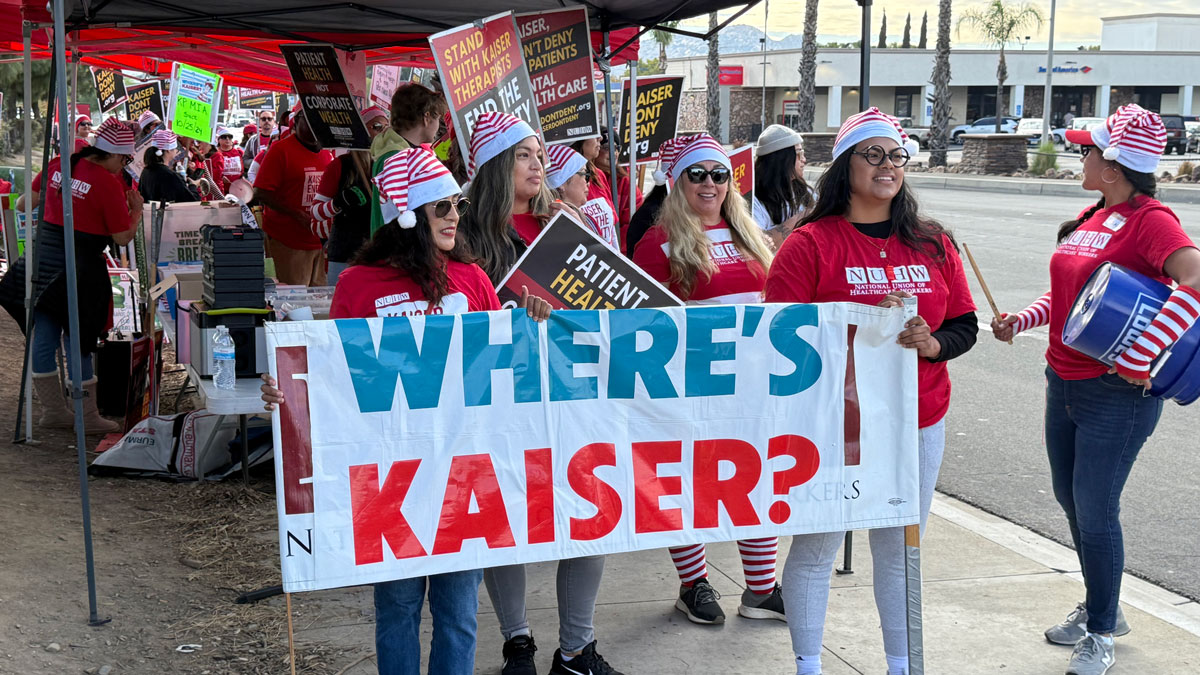
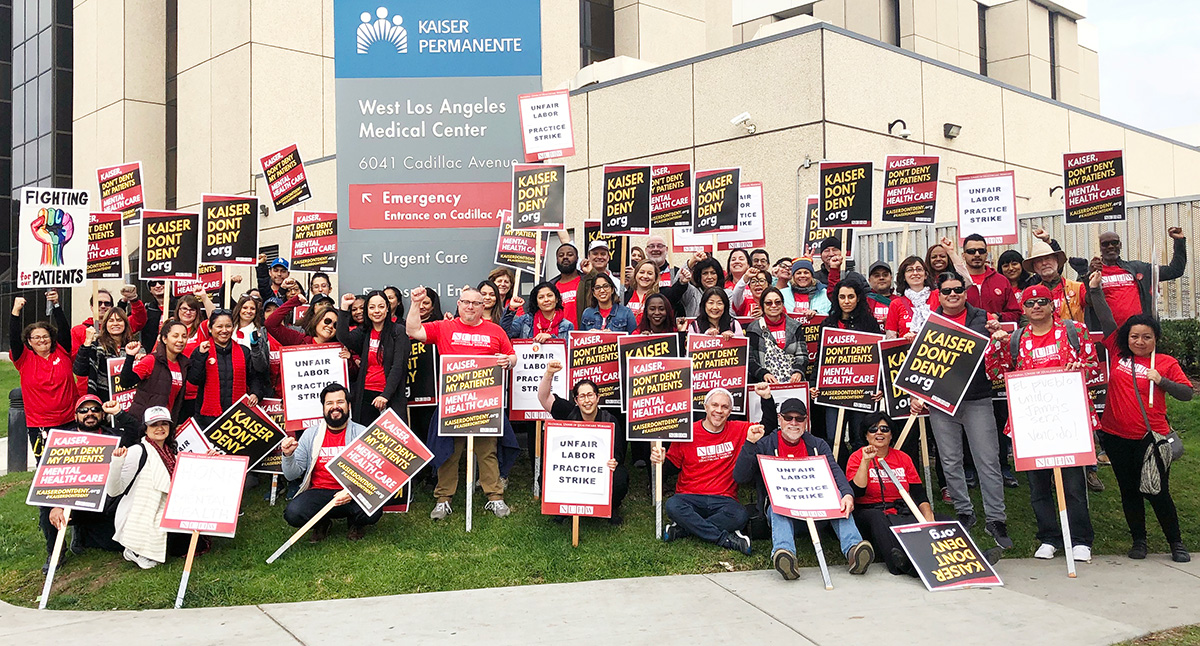
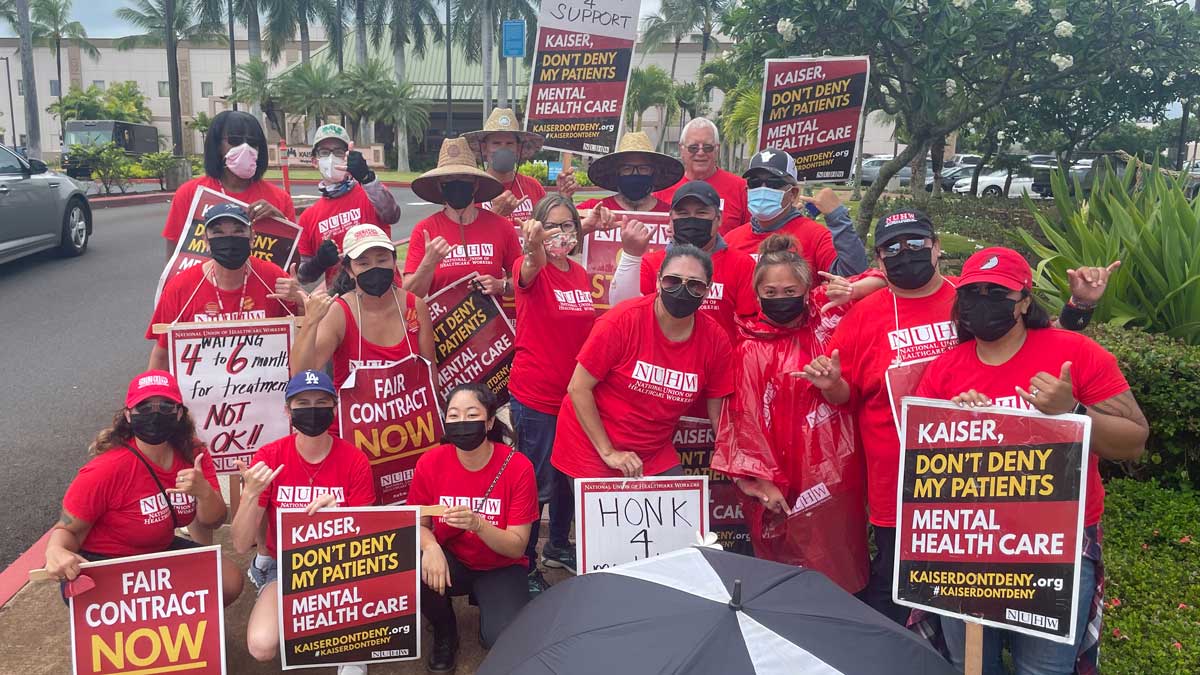
Meanwhile, Kaiser, the state’s largest private provider of behavioral health services, is under state and federal corrective action programs in part for understaffing services and making patients wait too long for care.
“Parity for mental healthcare can’t just be an empty slogan; it needs to become reality, and this study would be an important step forward,” NUHW President Sophia Mendoza said. “We’ve passed several important parity laws, but to make behavioral health care affordable and available to everyone in California, we can’t just have parity laws on the books; we need to have parity in how people are paid for their work.”
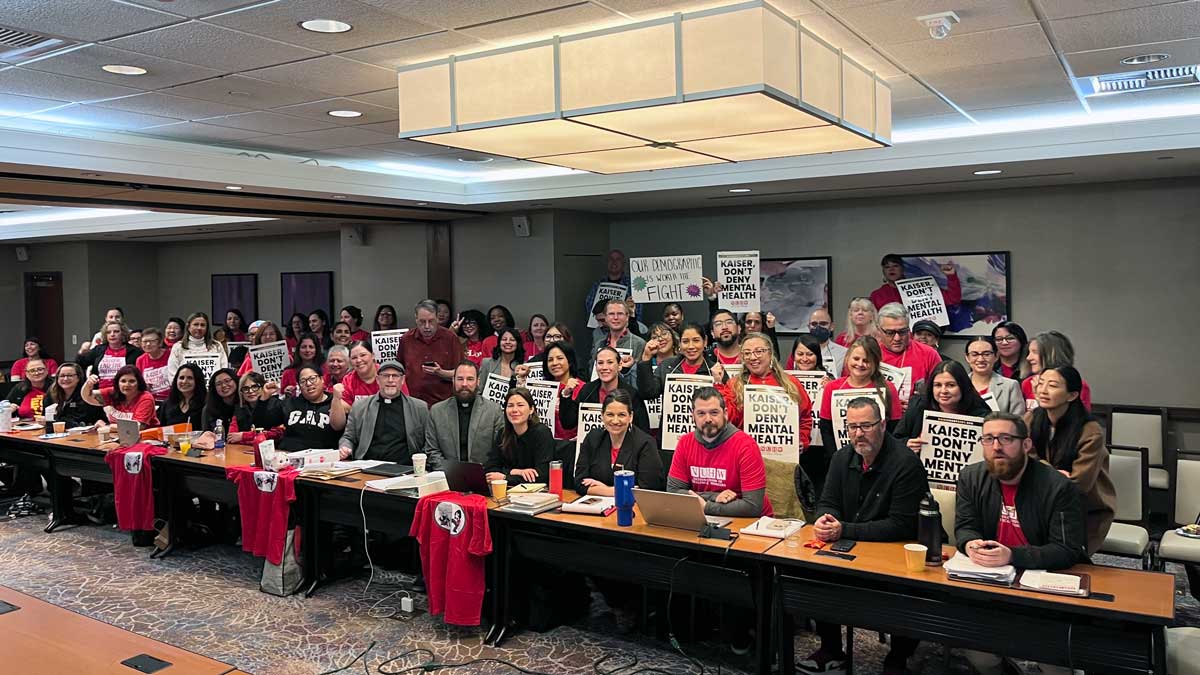
The bill, which is co-sponsored by the National Association of Social Workers California Chapter, would mark a first step toward making behavioral healthcare more accessible by studying the extent of the disparity between mental health and medical-surgical providers. It would require the California Department of Industrial Relations to work with other state agencies to produce a report that helps lawmakers understand why behavioral health providers are underpaid, so the state legislature can develop solutions to close the gap and make services more accessible to Californians.
SB 903
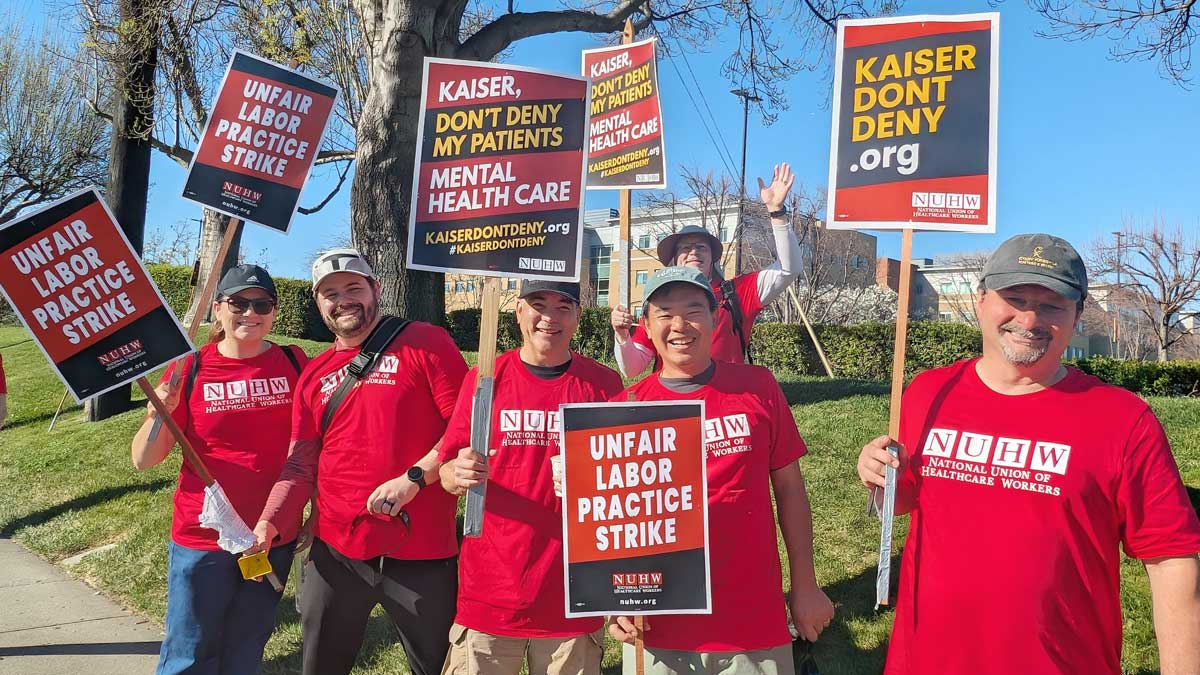
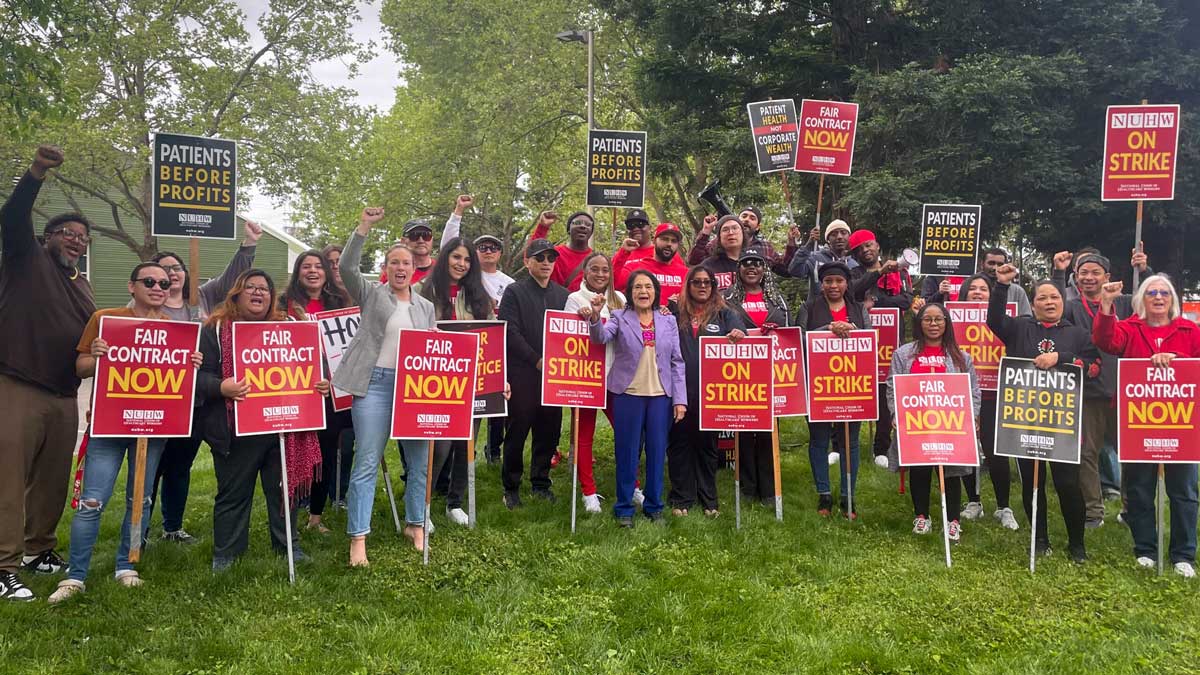
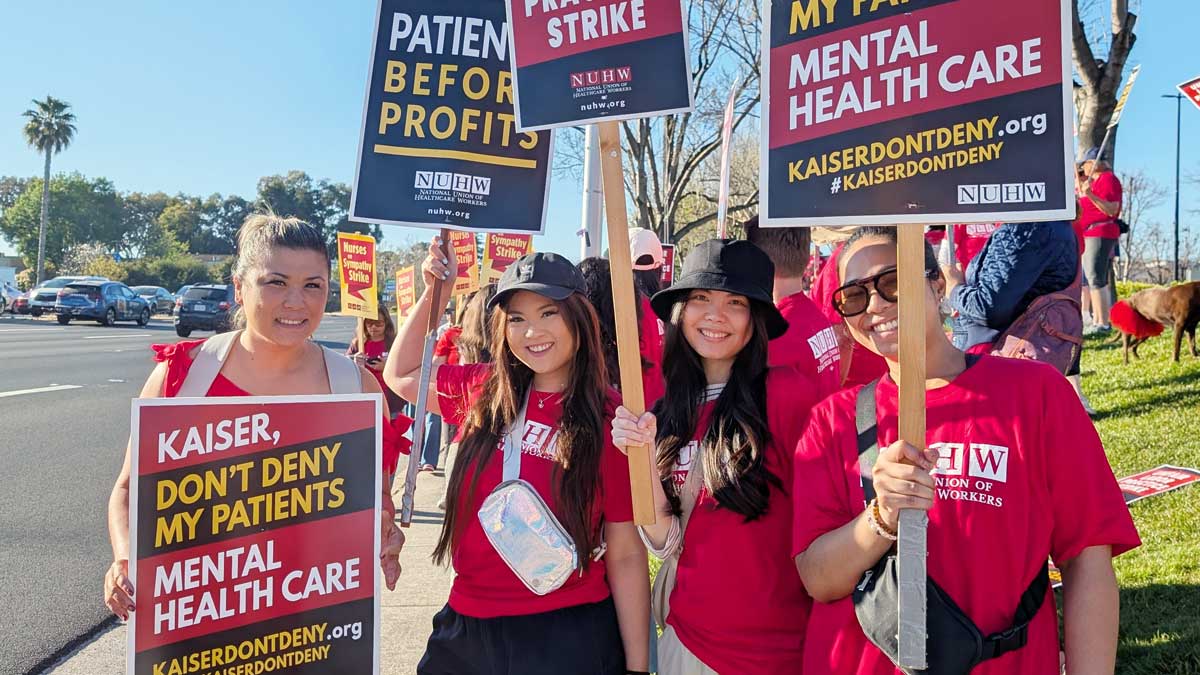
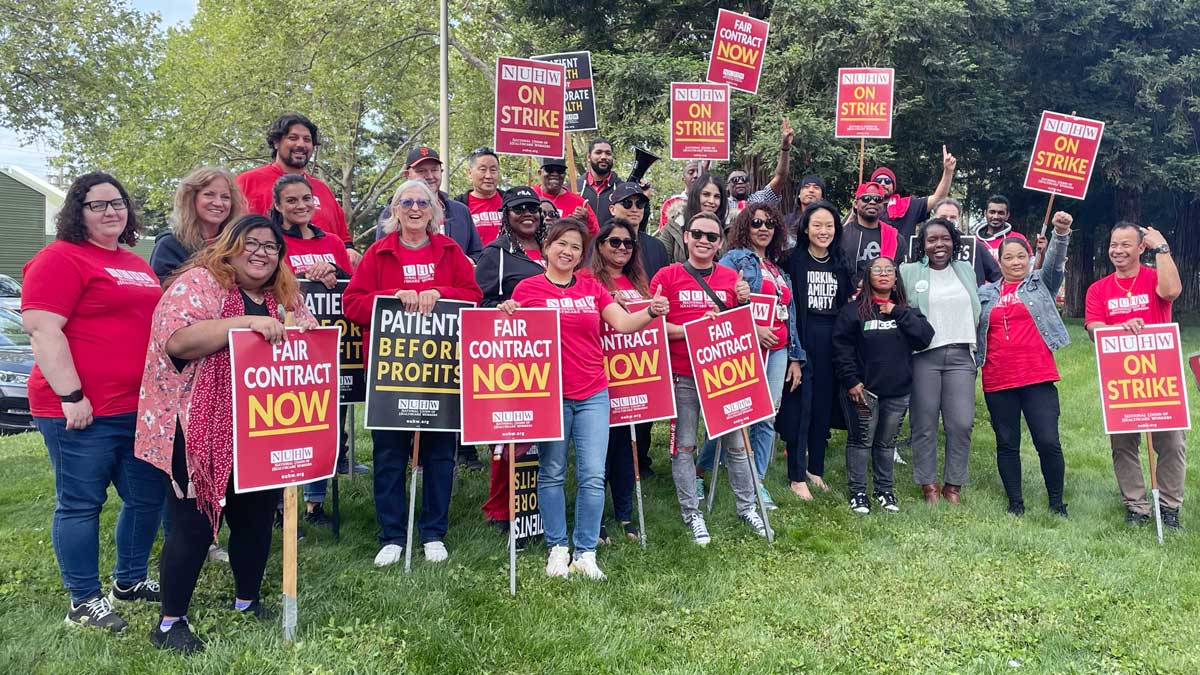
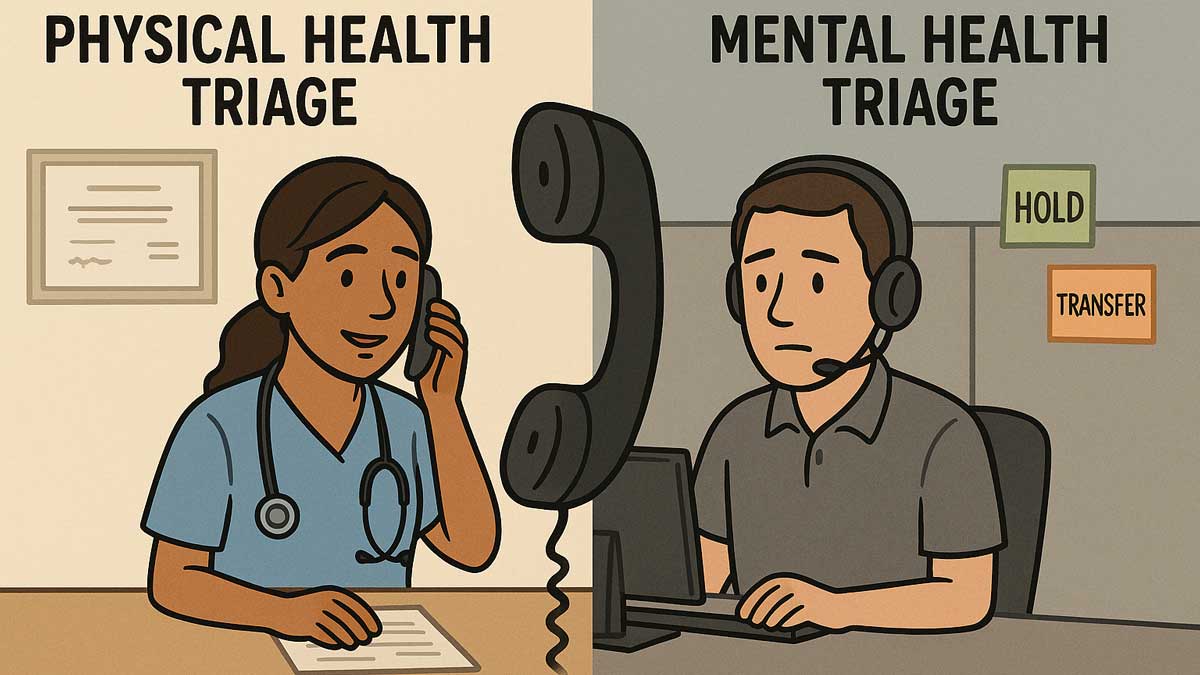
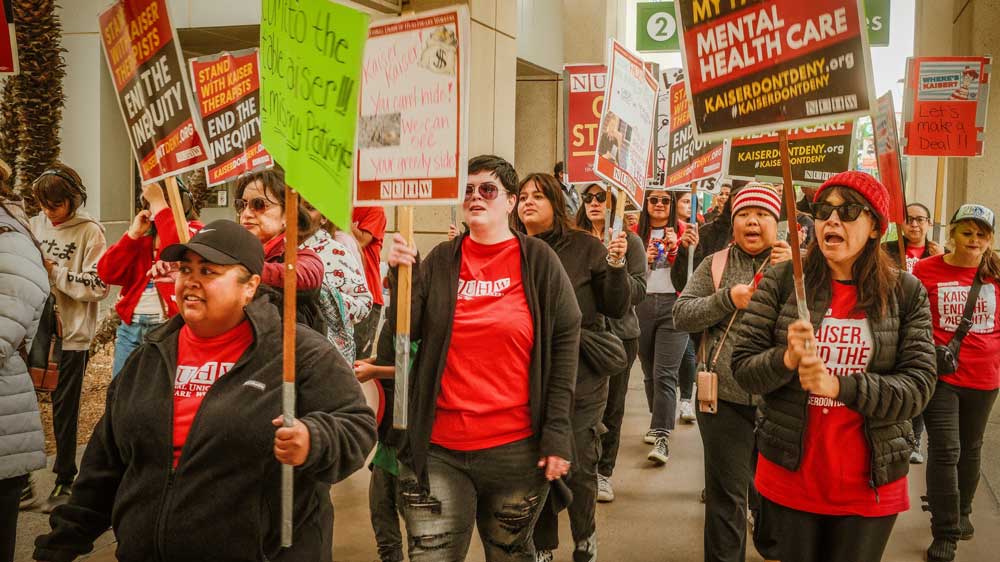
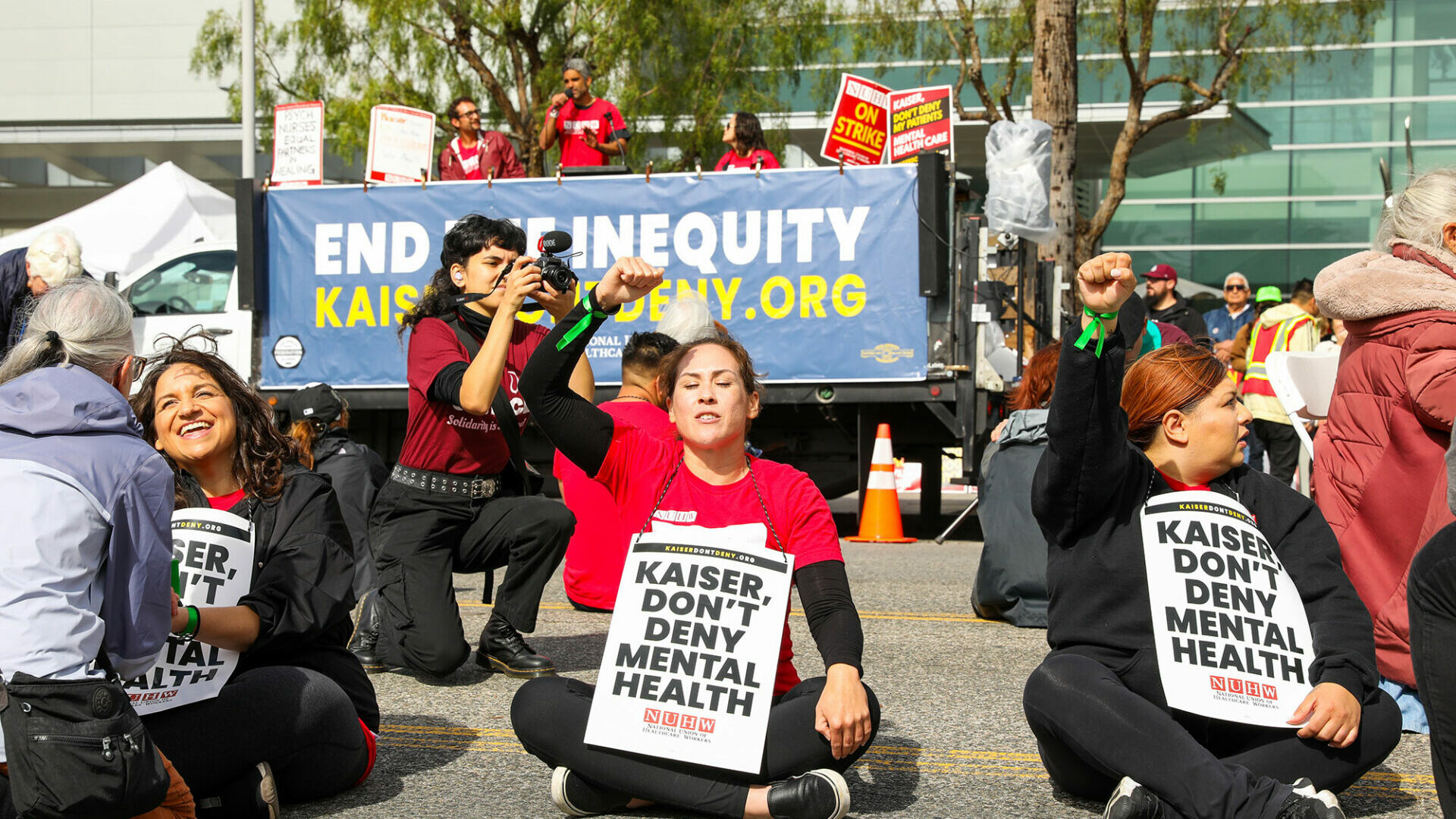
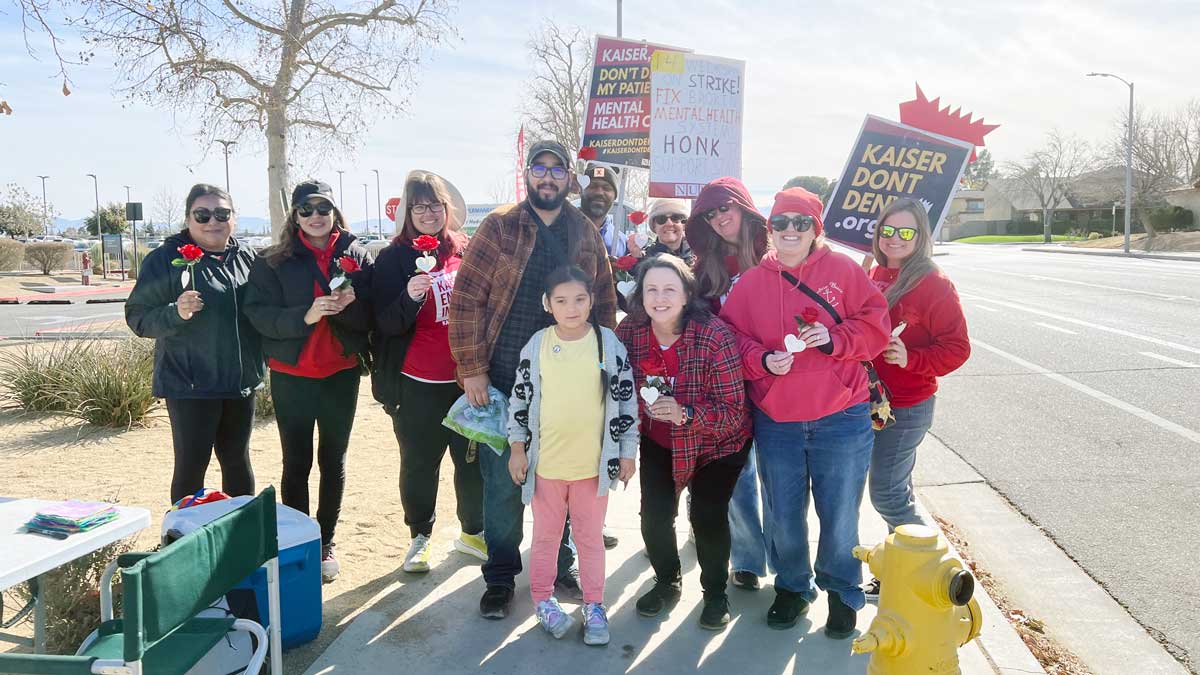
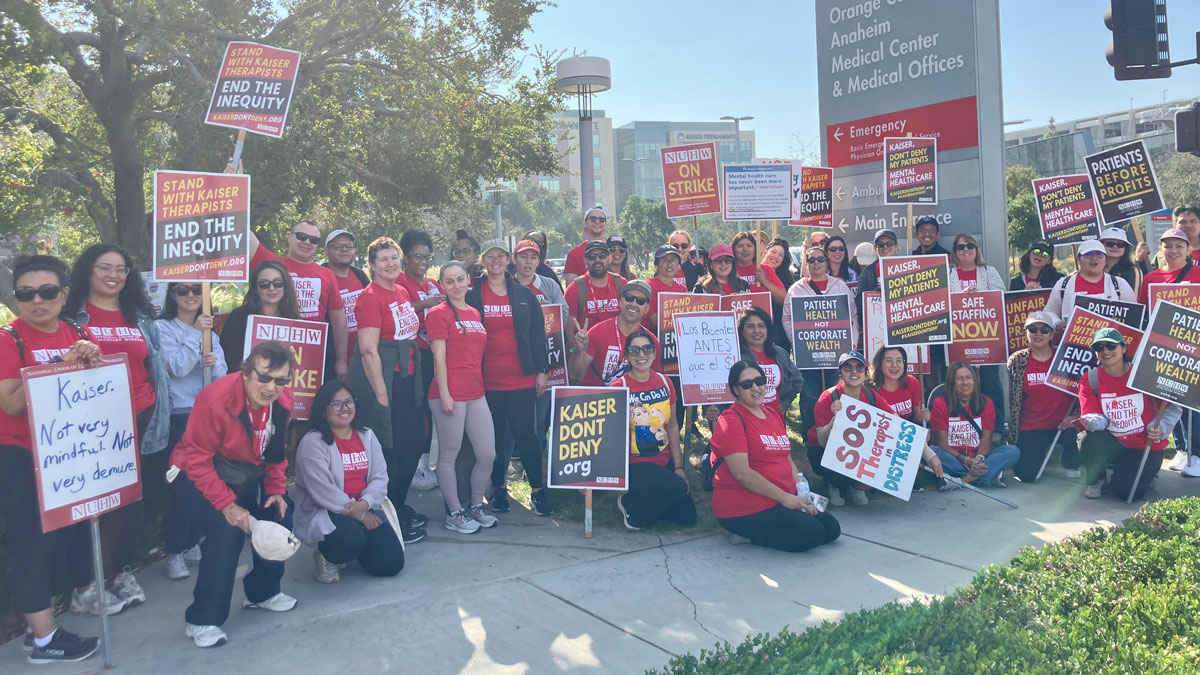
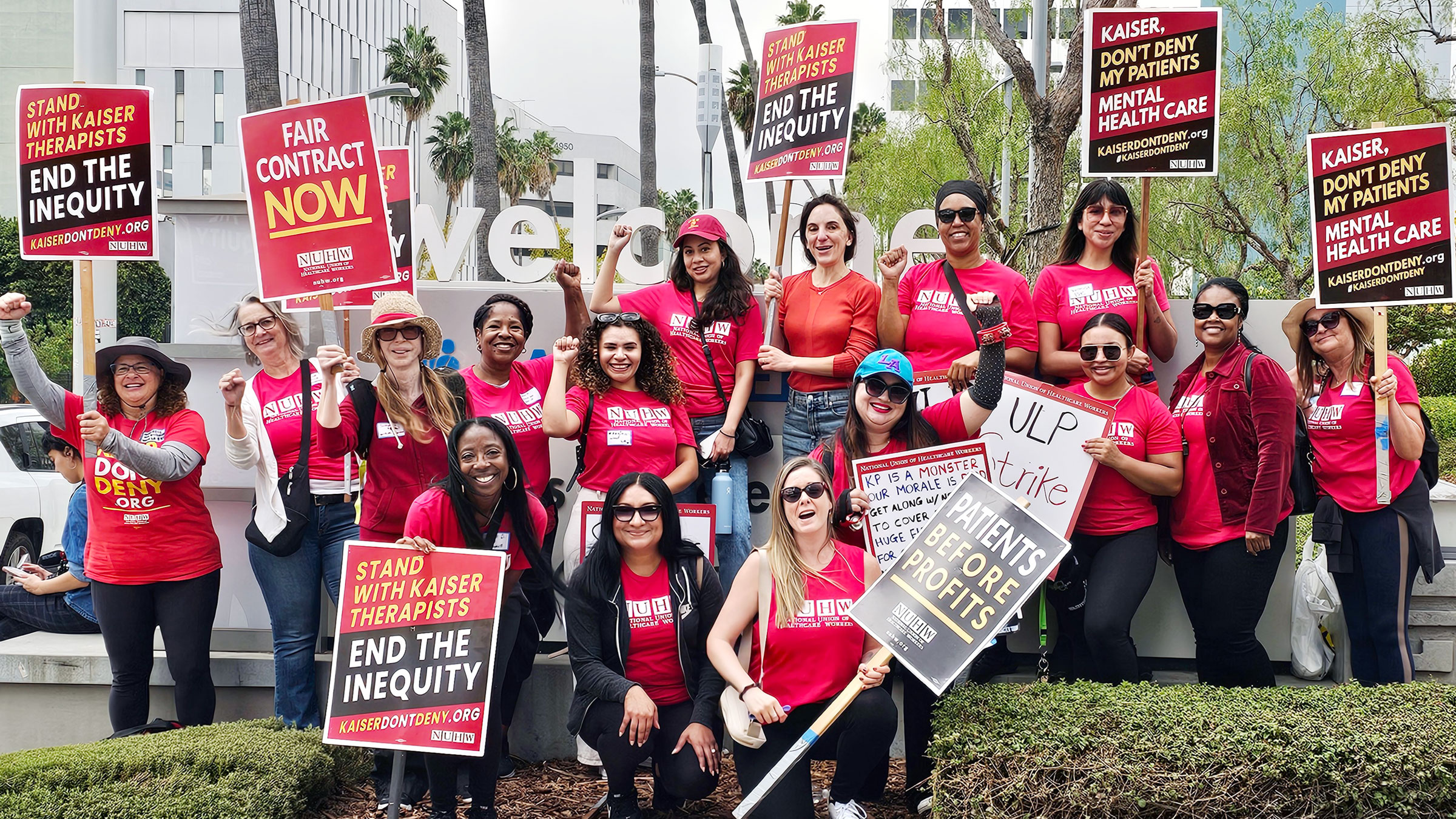
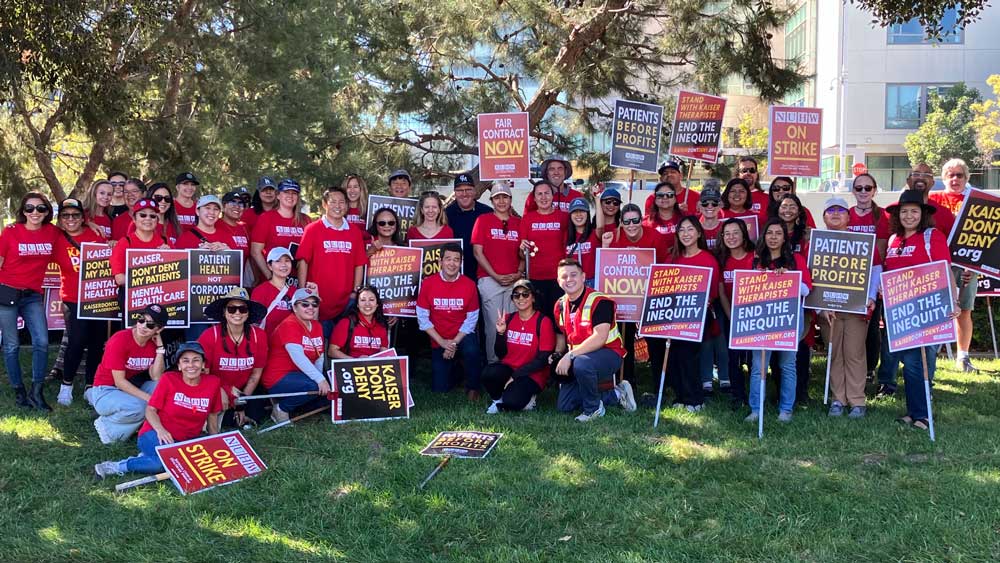
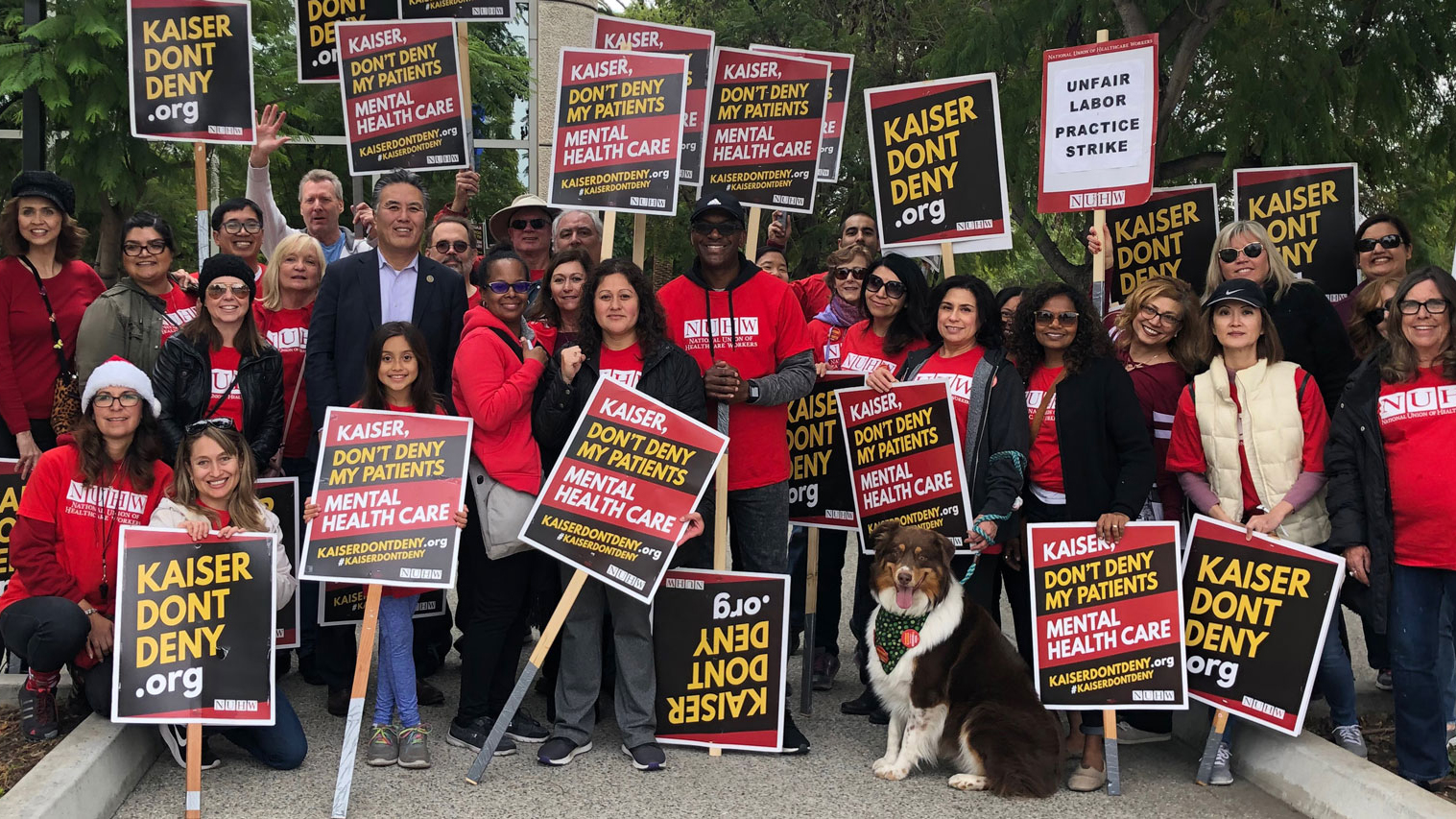
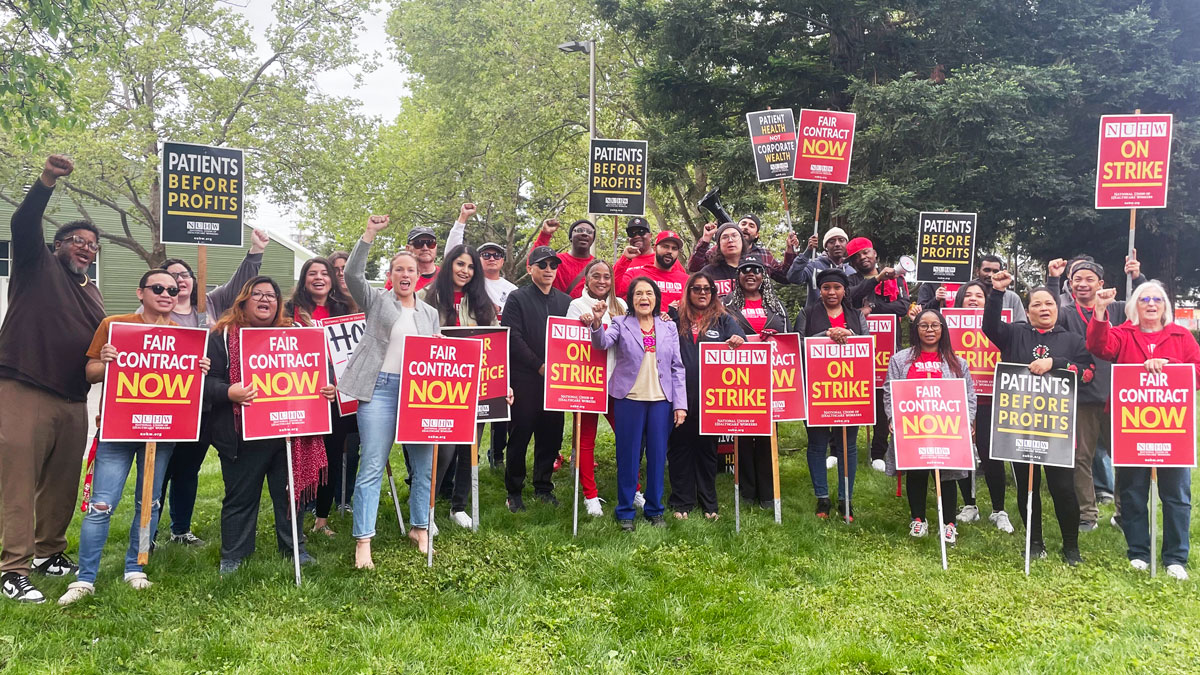
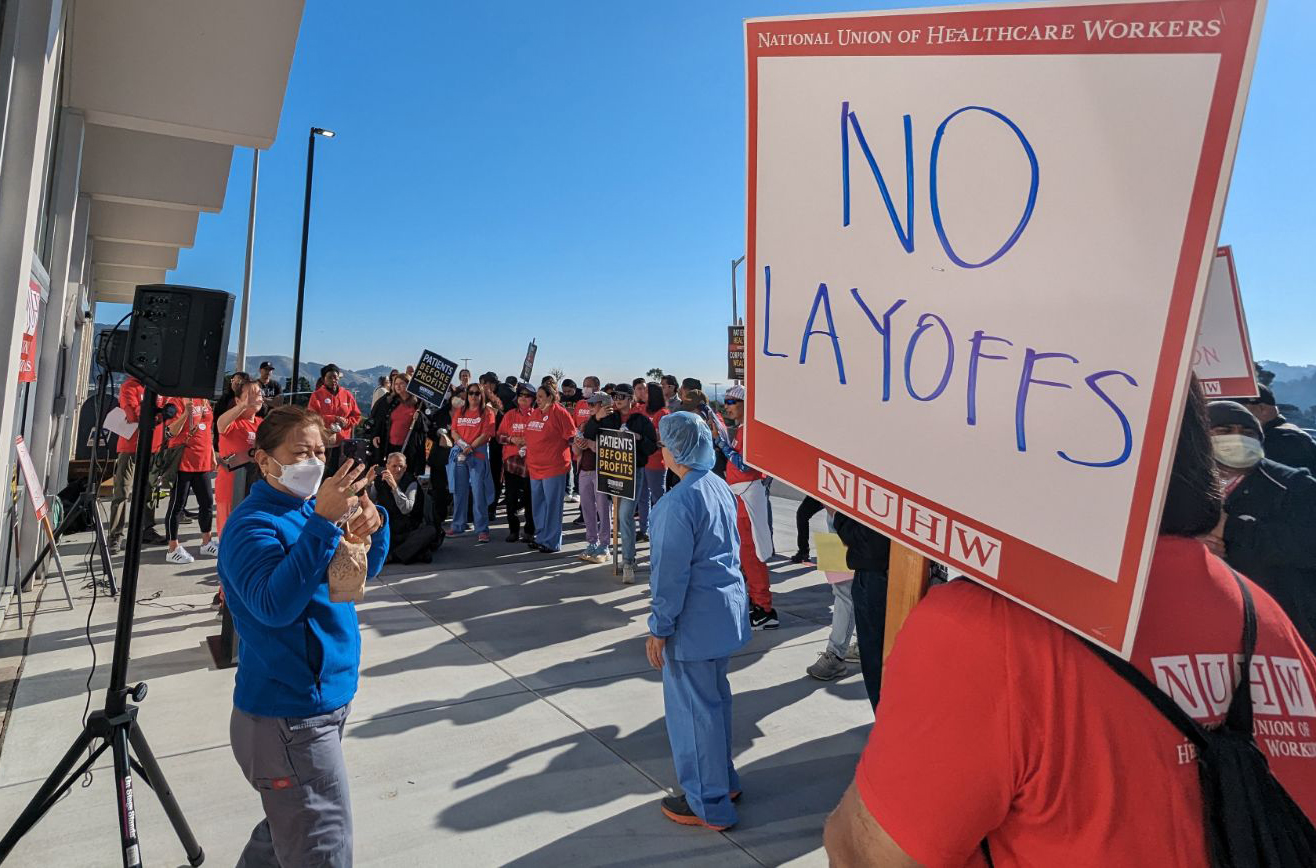
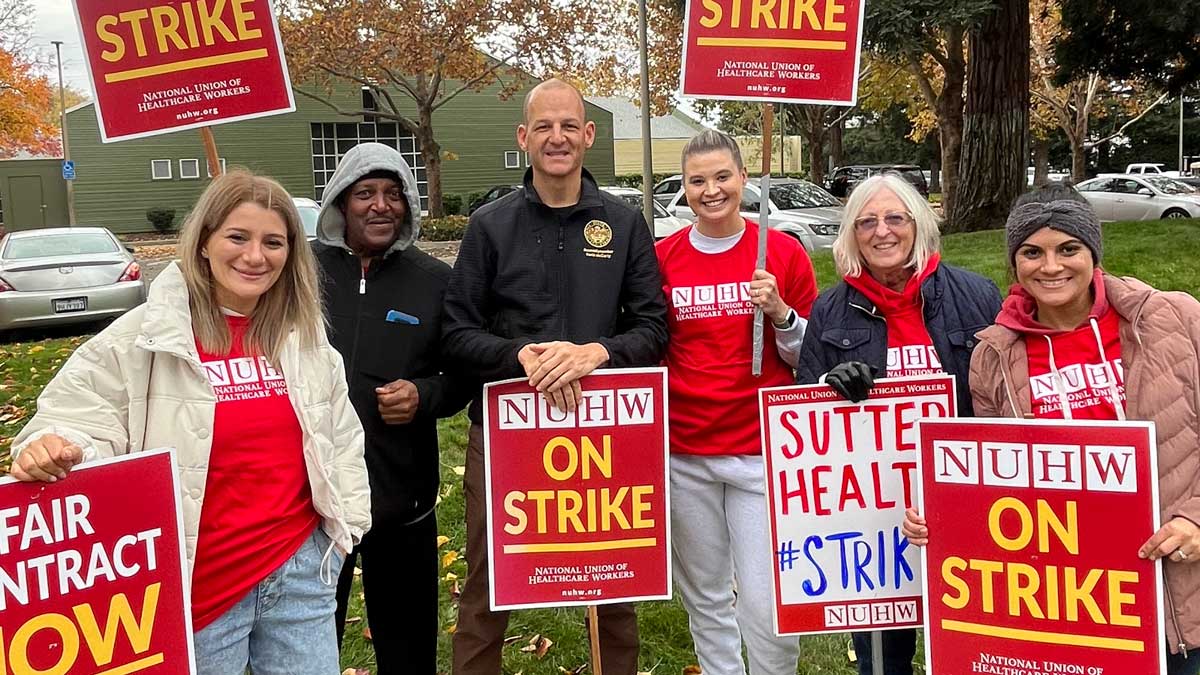
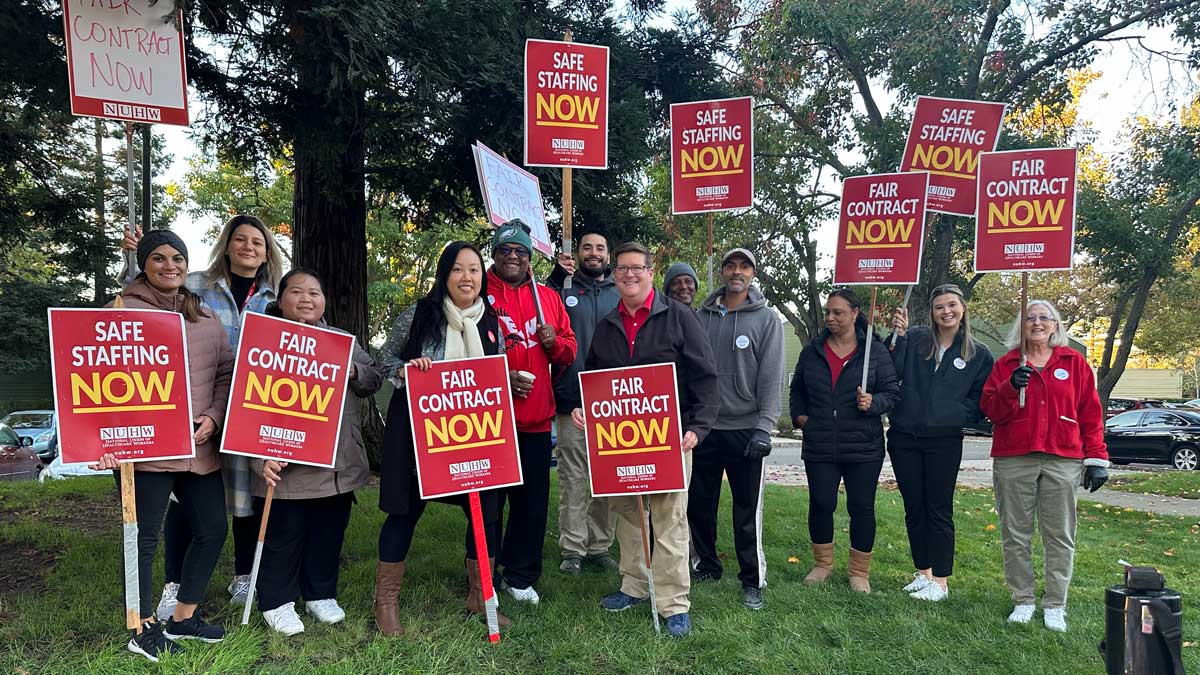
NUHW took a leading role in the battle to limit the intrusion of artificial intelligence into mental health care when 2,400 members at Kaiser in Northern California held a one-day strike in March over the giant HMO’s use of artificial intelligence and unlicensed telephone operators to screen patients seeking services.
Now NUHW is taking that fight to Sacramento as a co-sponsor on SB 903, a bill authored by State Senator Steve Padilla, D-San Diego, that would regulate how artificial intelligence can be used for behavioral health services. The bill was passed without any opposition by the Senate Standing Committee on Business, Professions and Economic Development and the Senate’s Committee on Privacy.
NUHW is part of a broad coalition working to advance the bill, including the California Psychological Association, the California Behavioral Health Association, the California Association of Marriage and Family Therapists, and the Alliance for Children’s Rights.
The bill would require healthcare providers, including Kaiser, to request a patient’s consent before using AI to record sessions or screen a person for mental health services. It would also prohibit the use of artificial intelligence tools to make independent therapeutic decisions or to detect emotions or mental states.
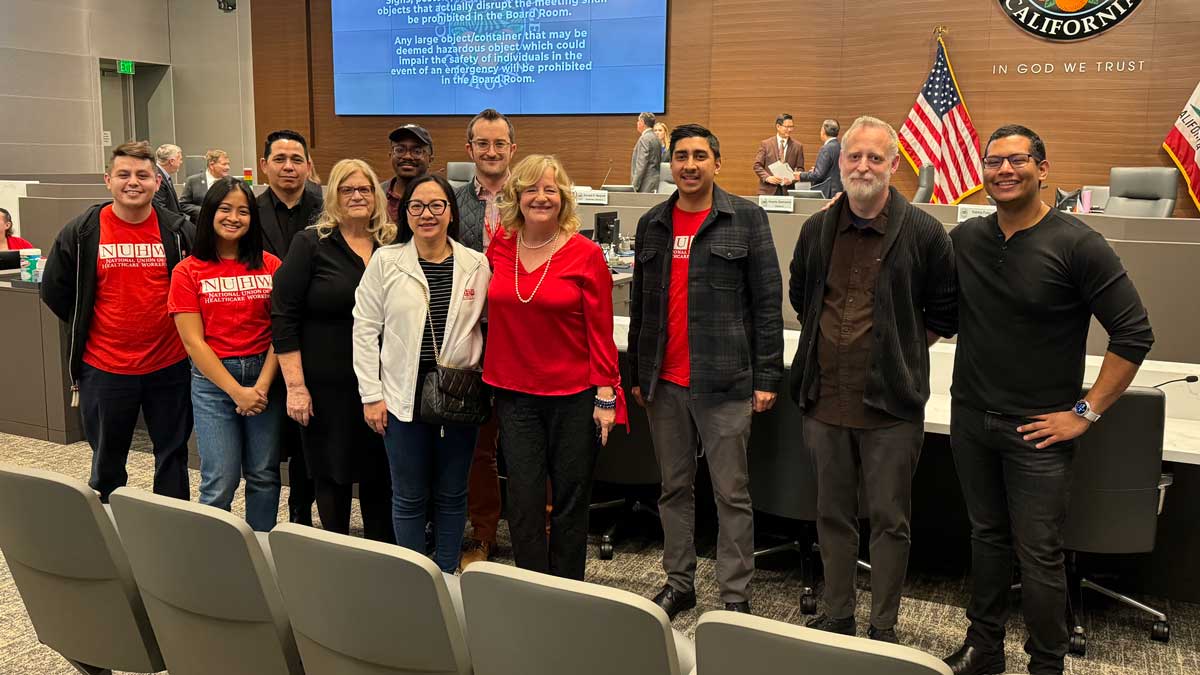
During a recent legislative hearing, NUHW member Ilana Marcucci-Morris told lawmakers that SB 903 “establishes clear, reasonable standards to protect consumers as artificial intelligence enters the mental health space.”
In urging their support, Marcucci-Morris added that: “NUHW clinicians have already seen AI technology implemented in our workplaces, and we’ve already seen cases where AI is recommending the wrong type of treatment for our patients.”