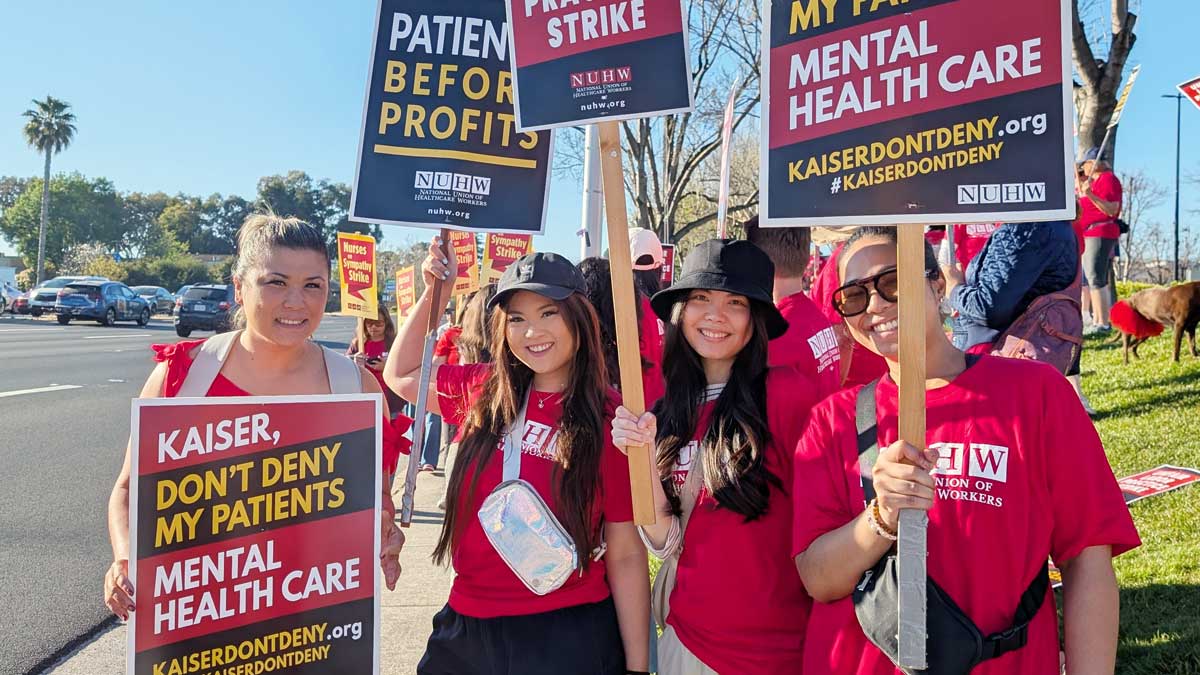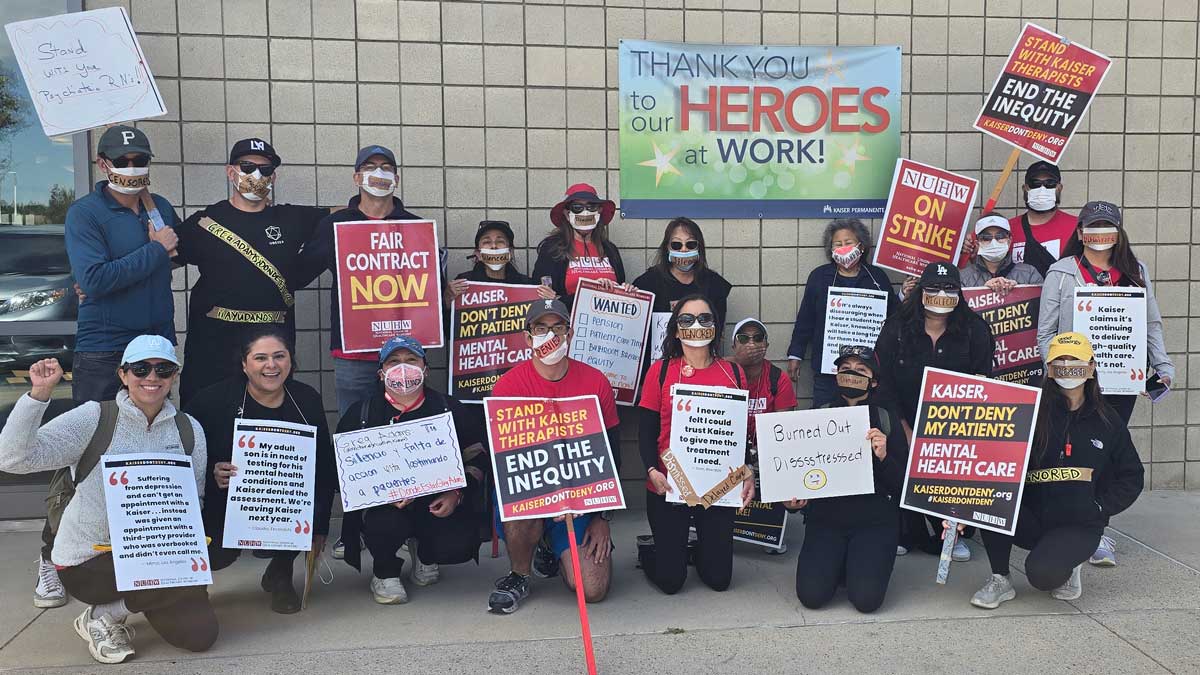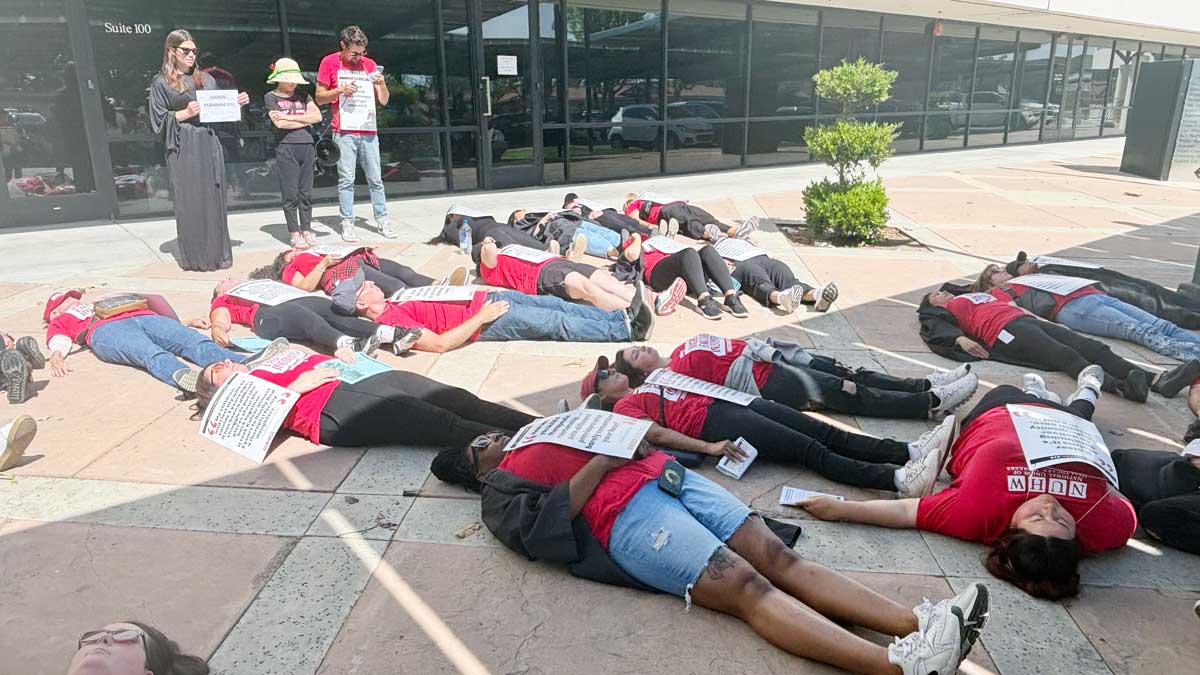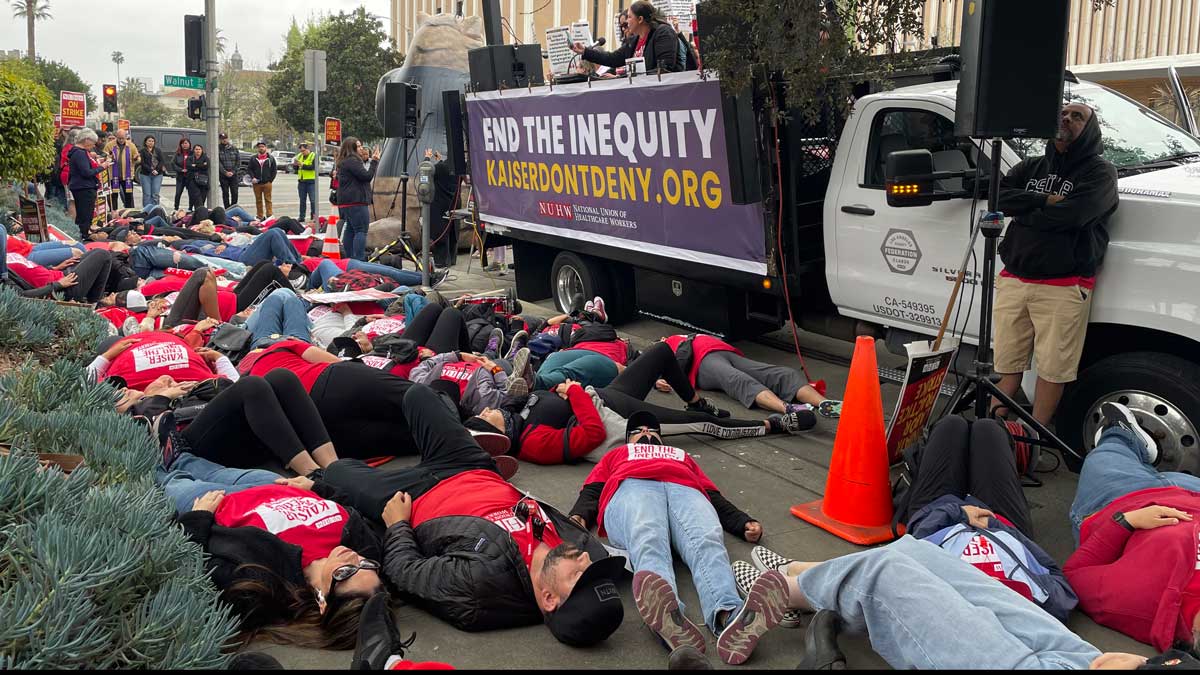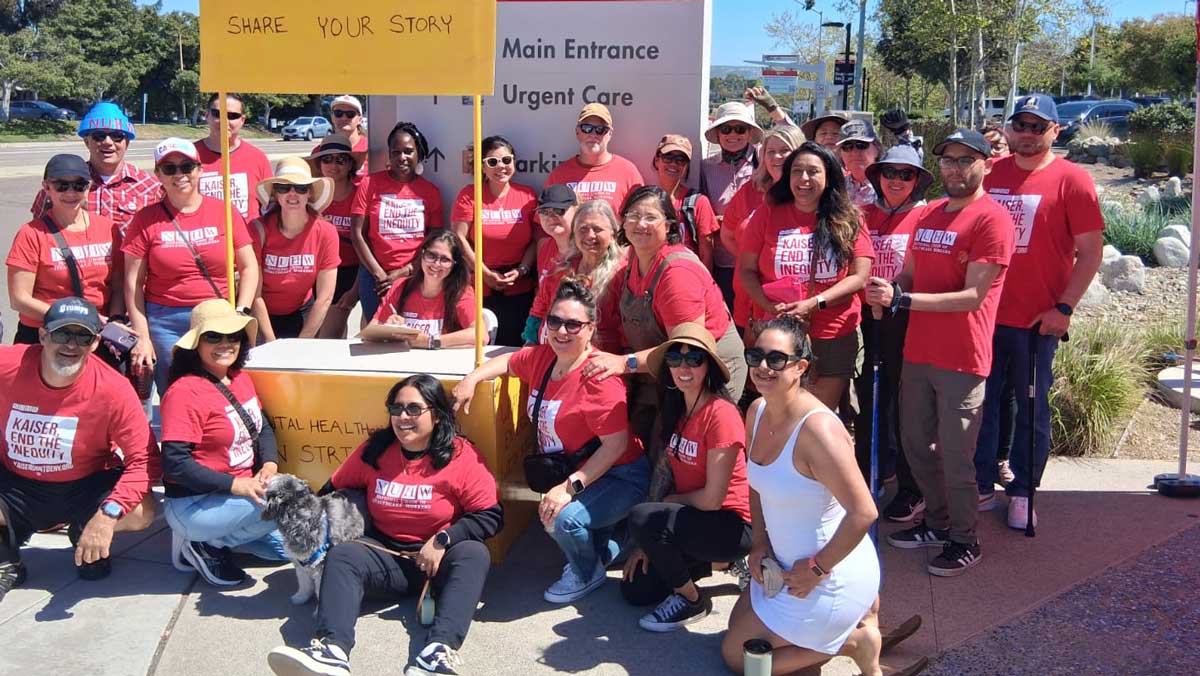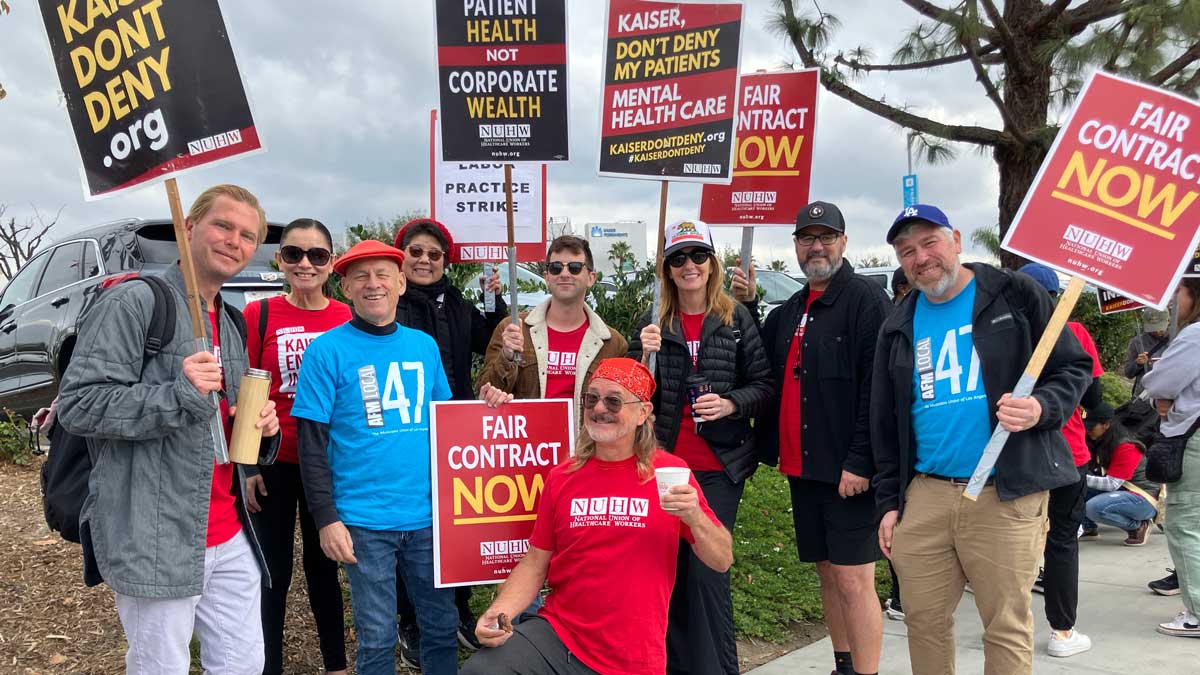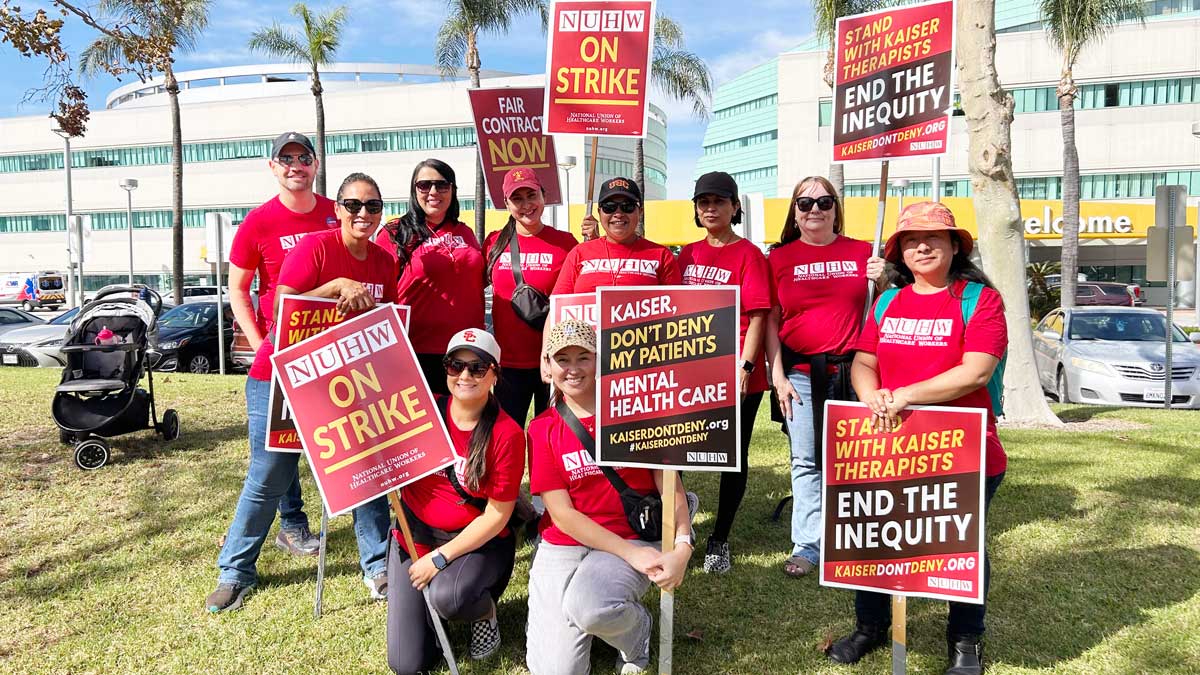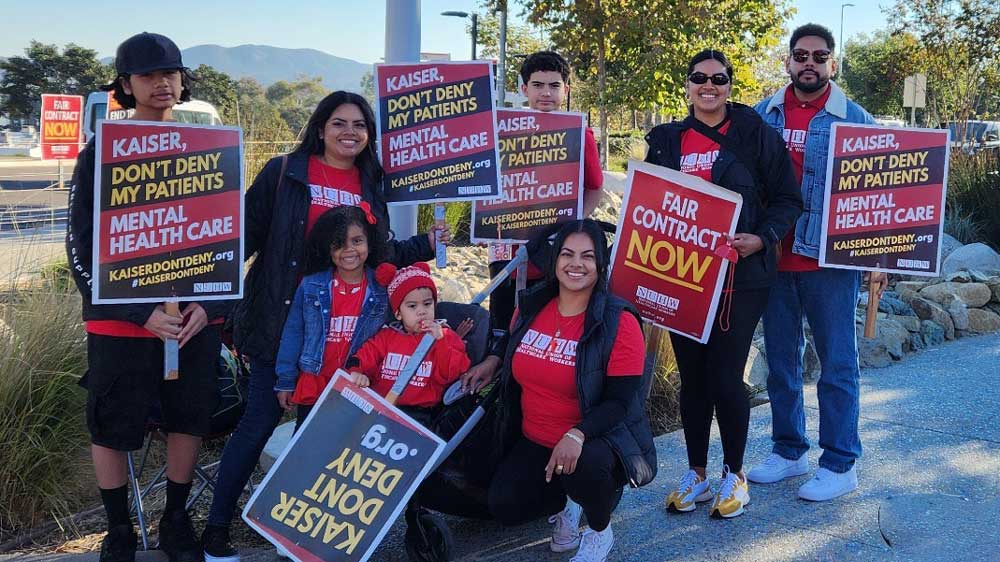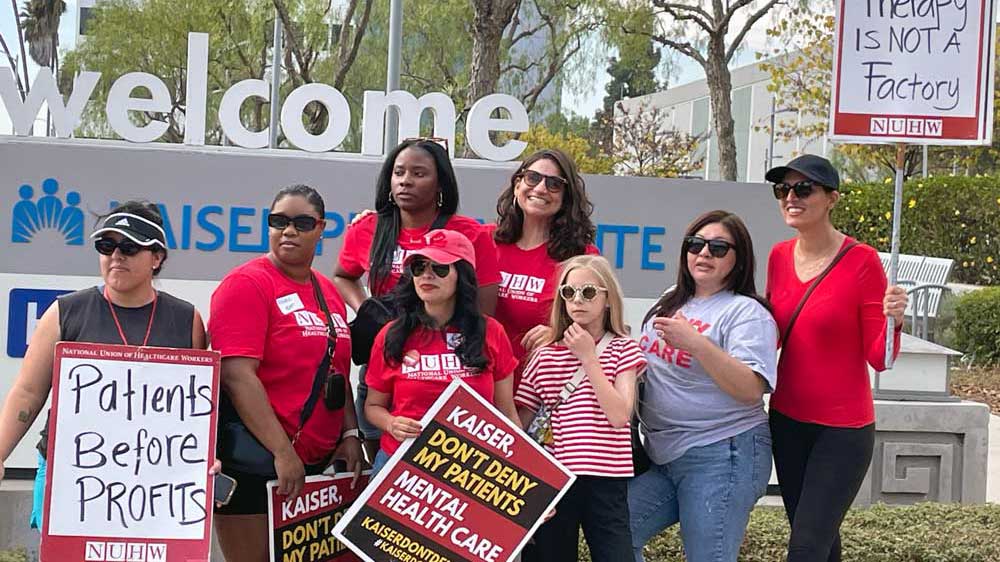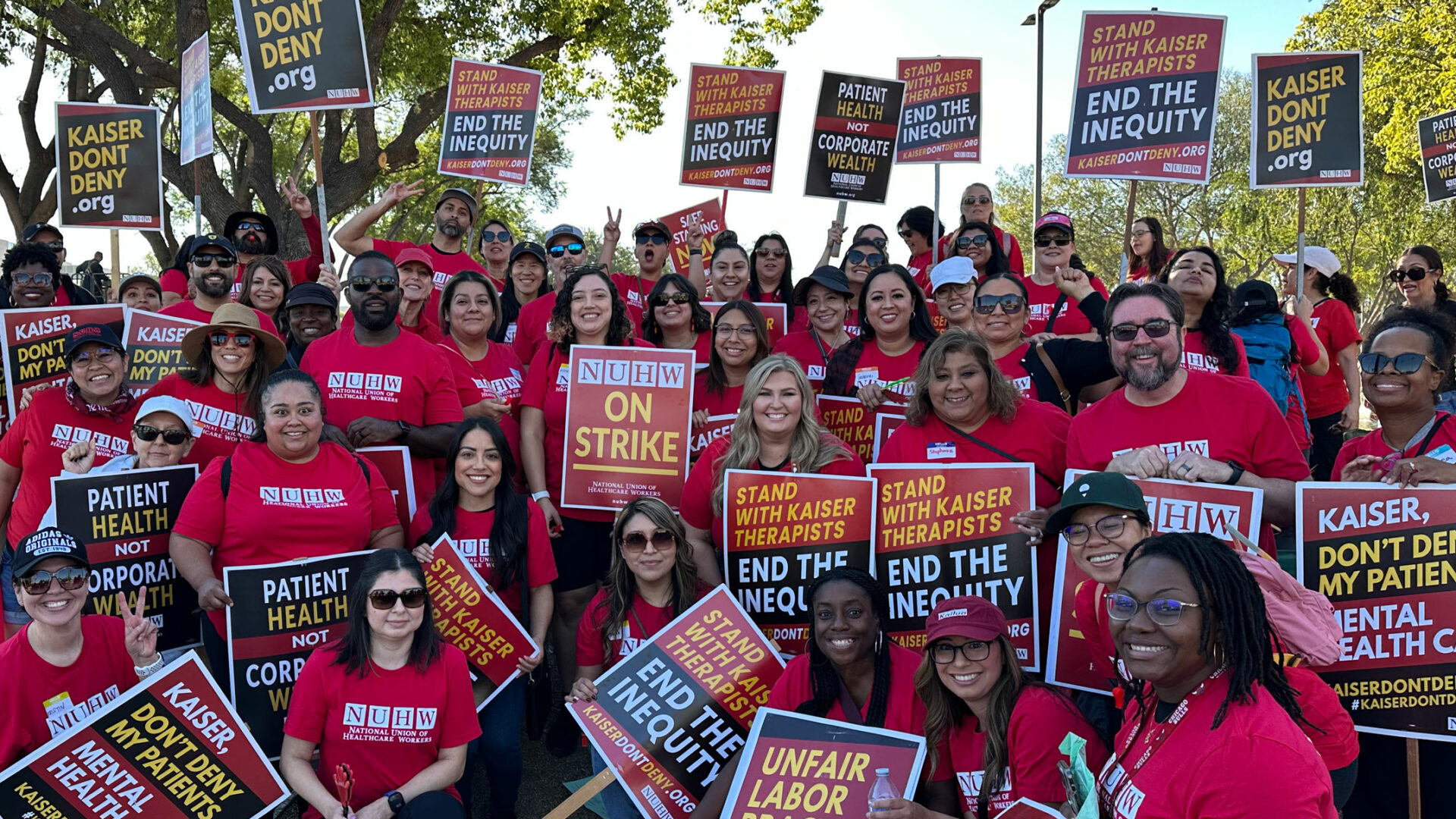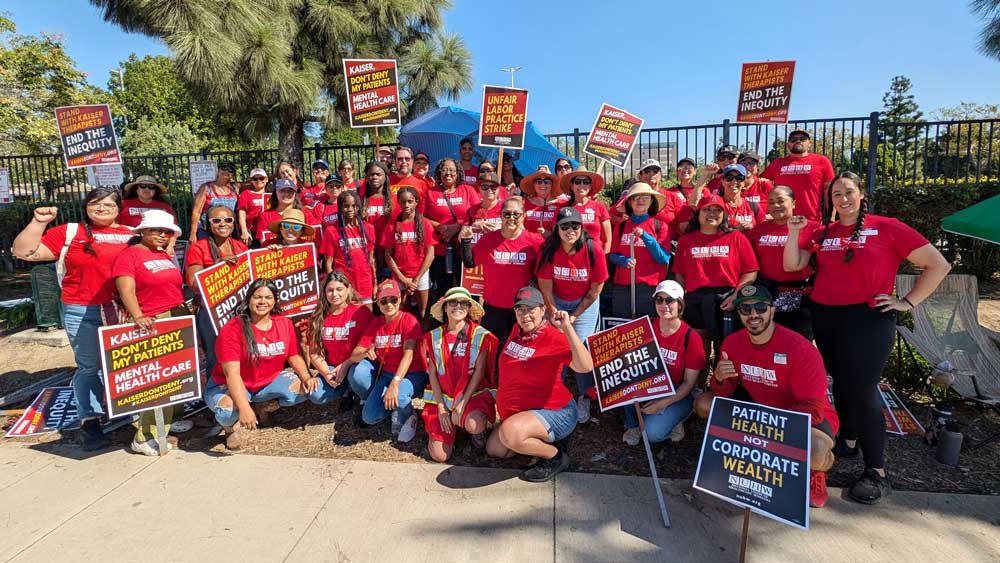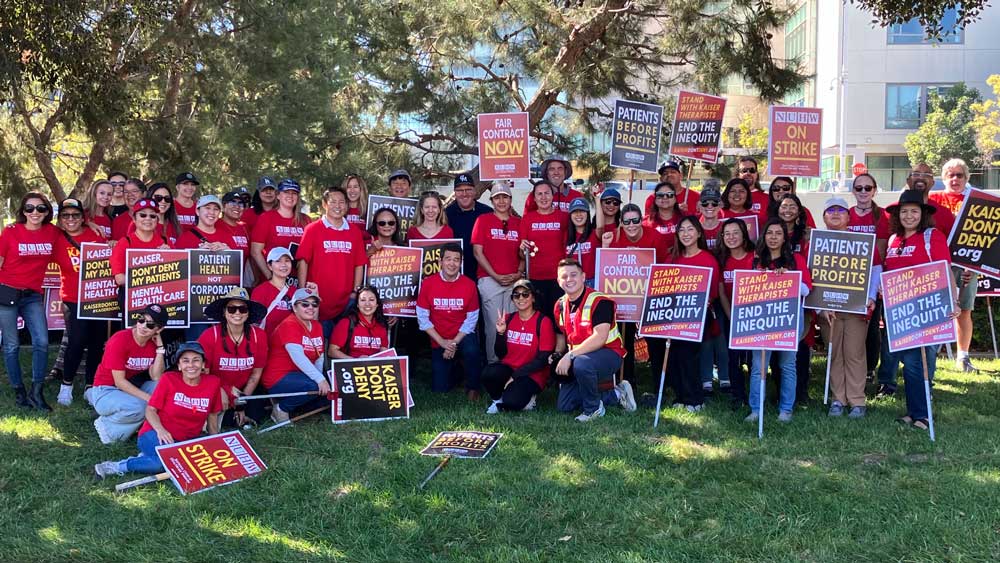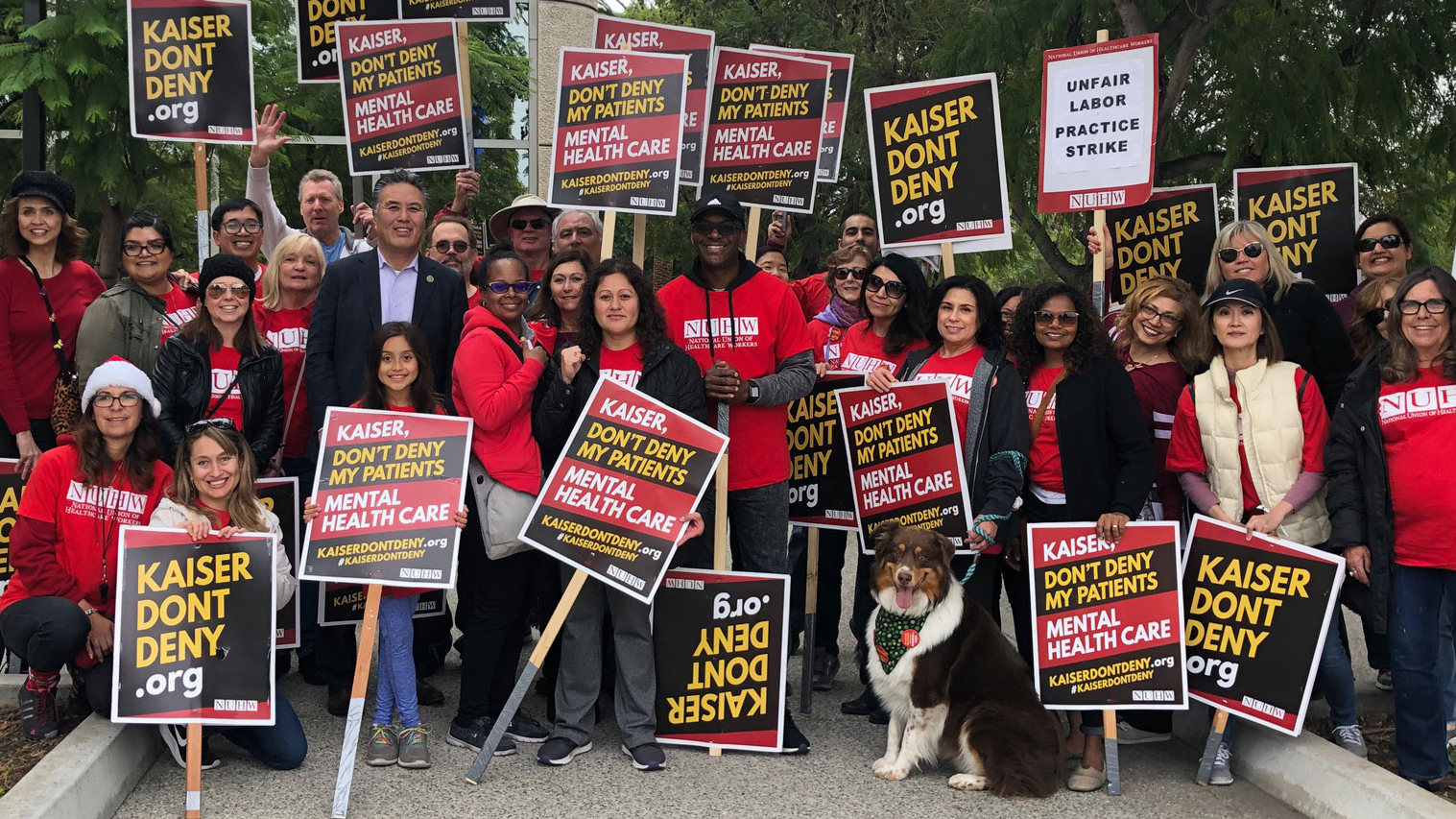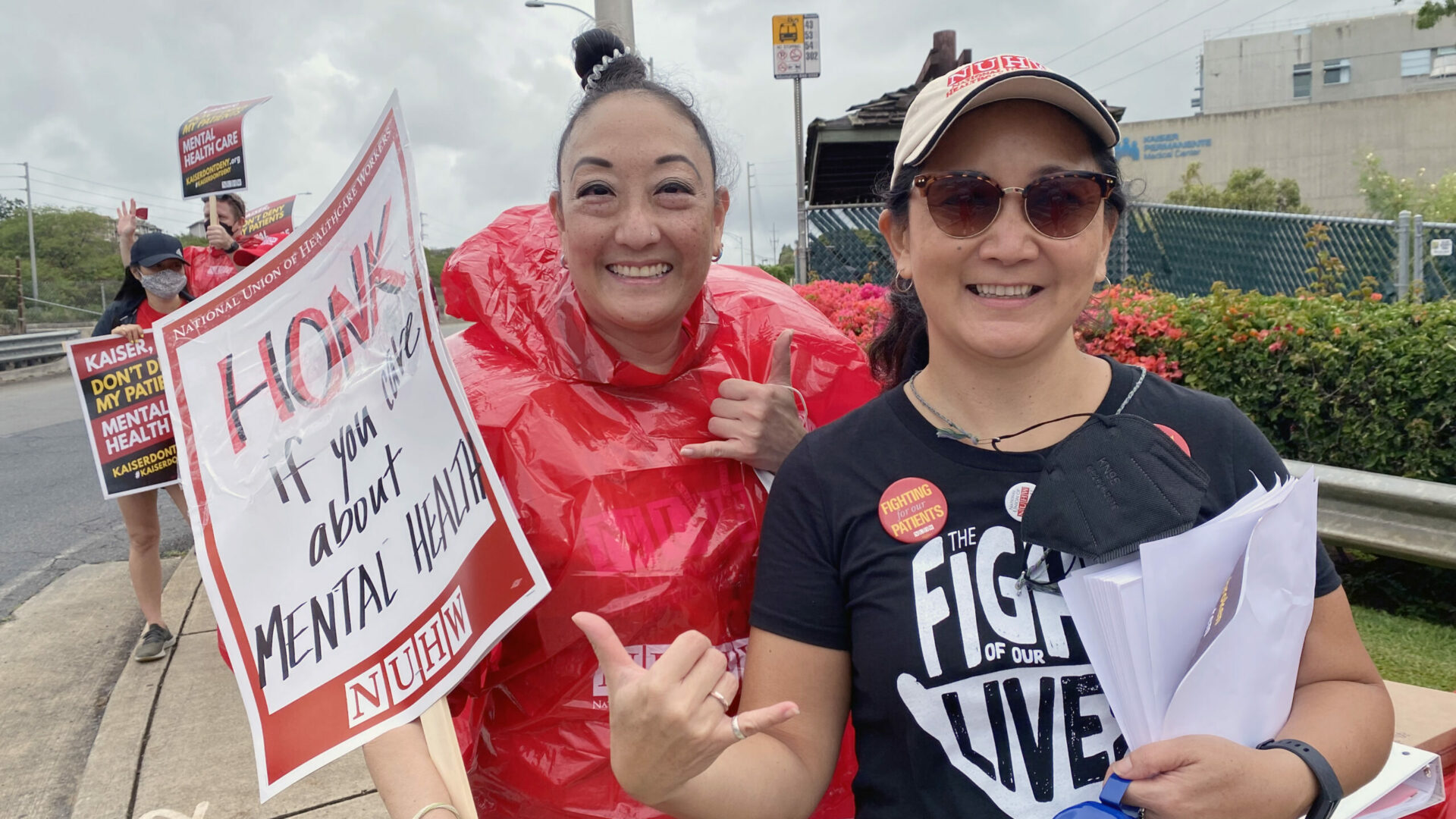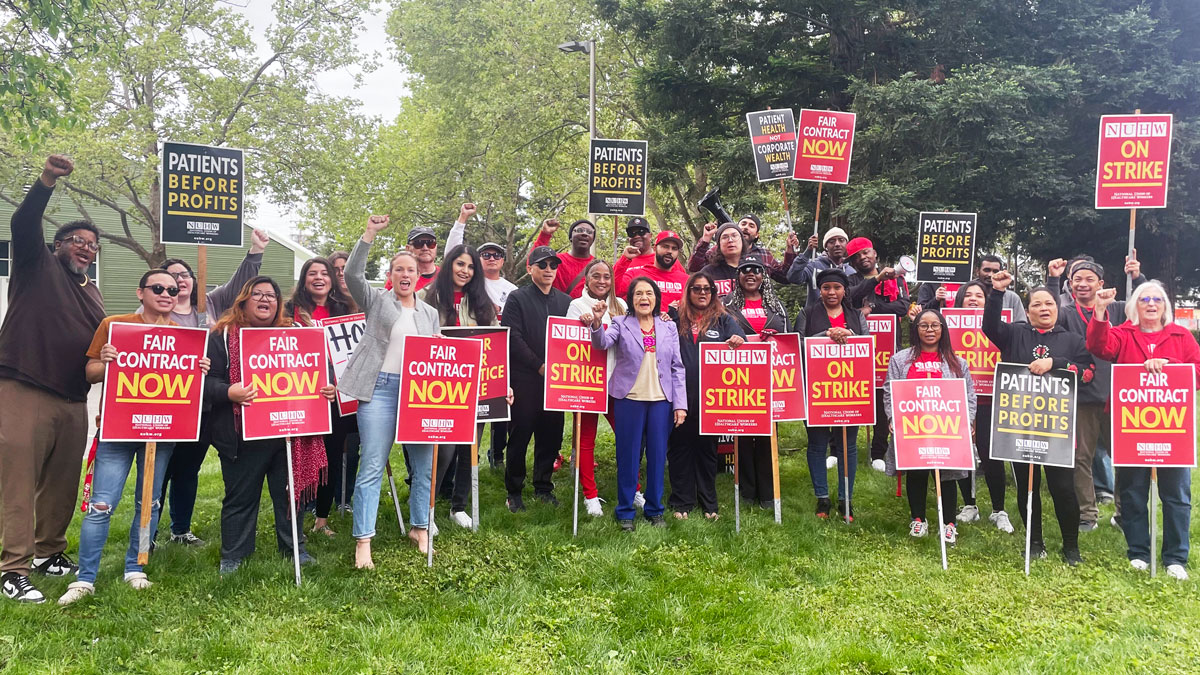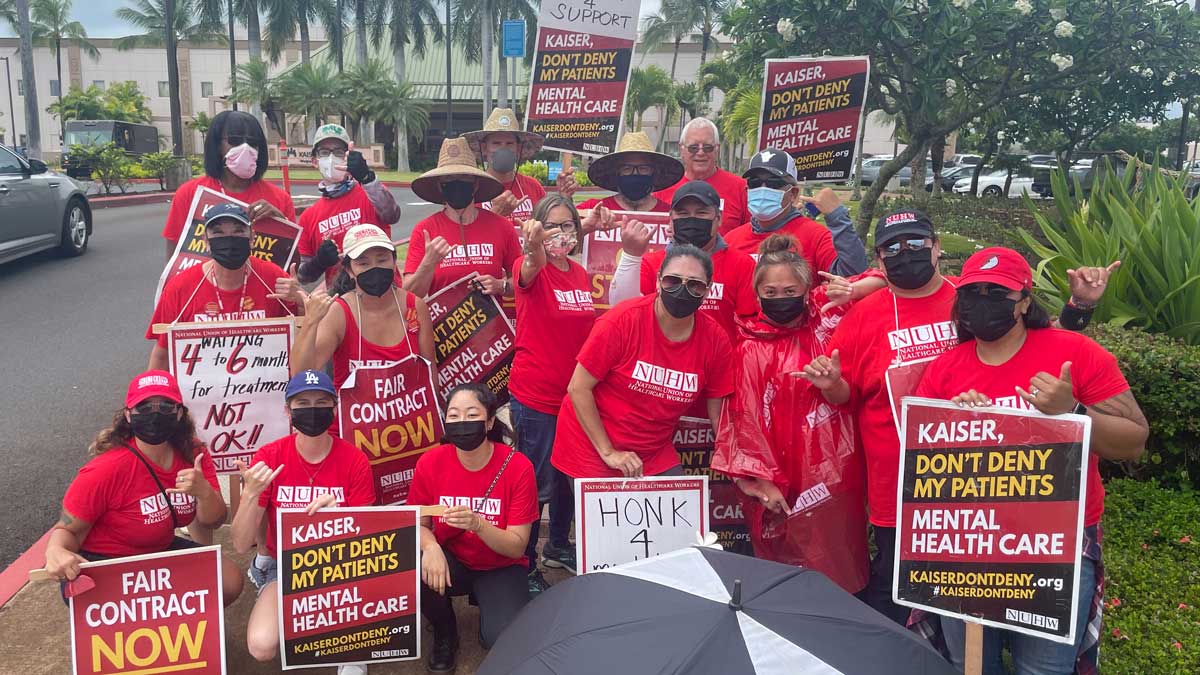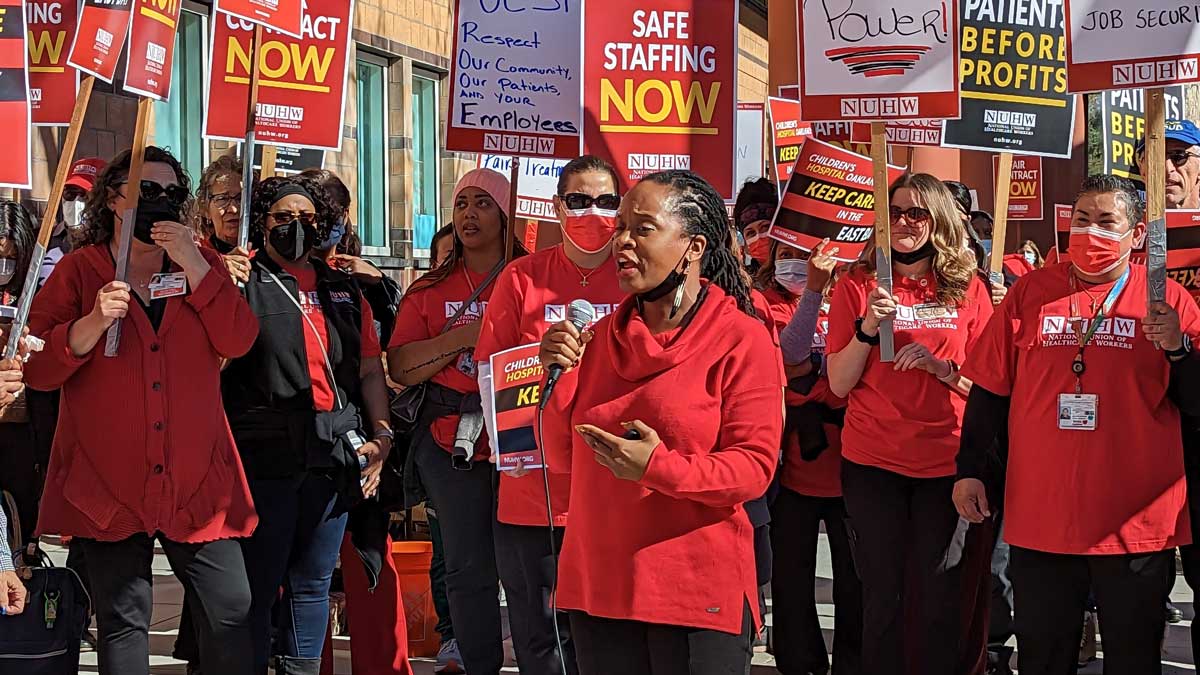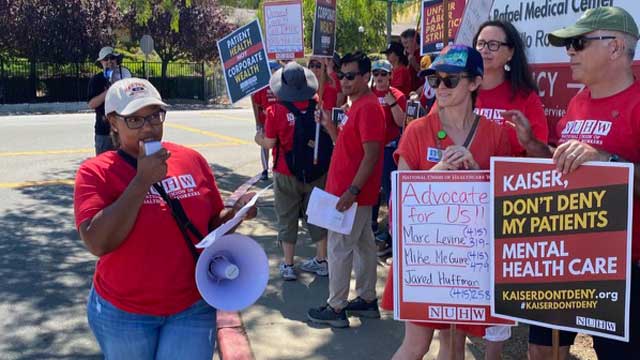
Kaiser Permanente Mental Health Therapists in Northern California and Central Valley Authorize Unfair Labor Practice Strike
Ninety-two percent of workers voted in favor of a one-day strike that is likely to be set for March
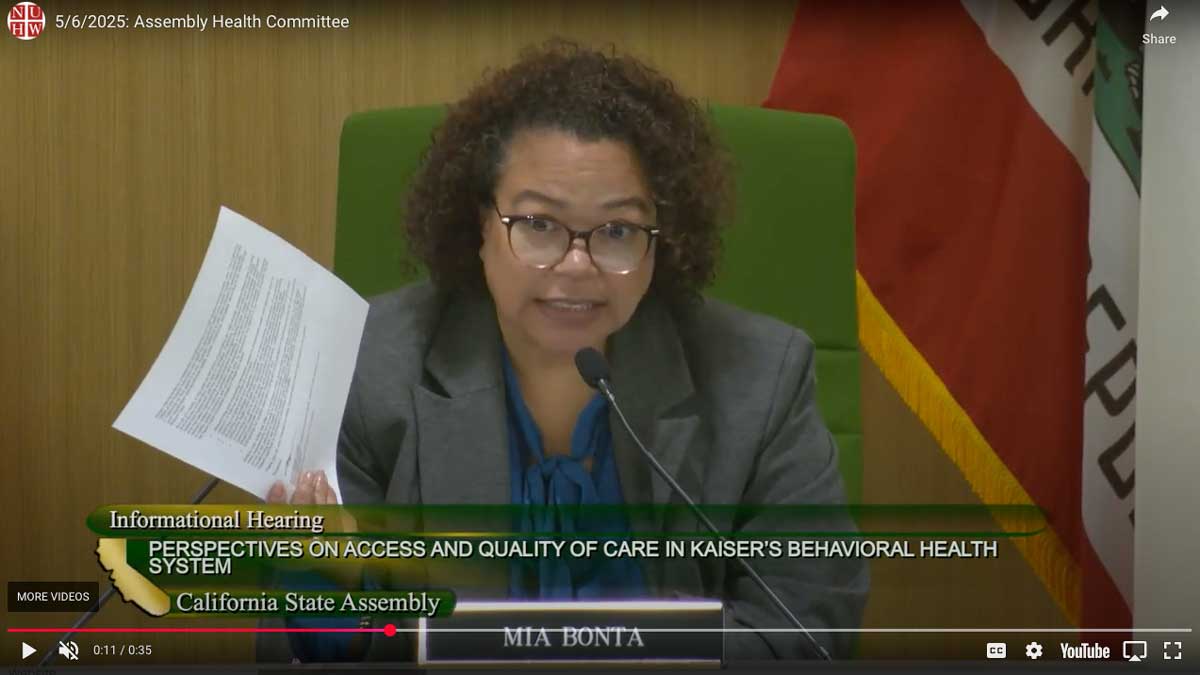
Kaiser has agreed to pay over $230 million in penalties since 2023 for mental health violations in California
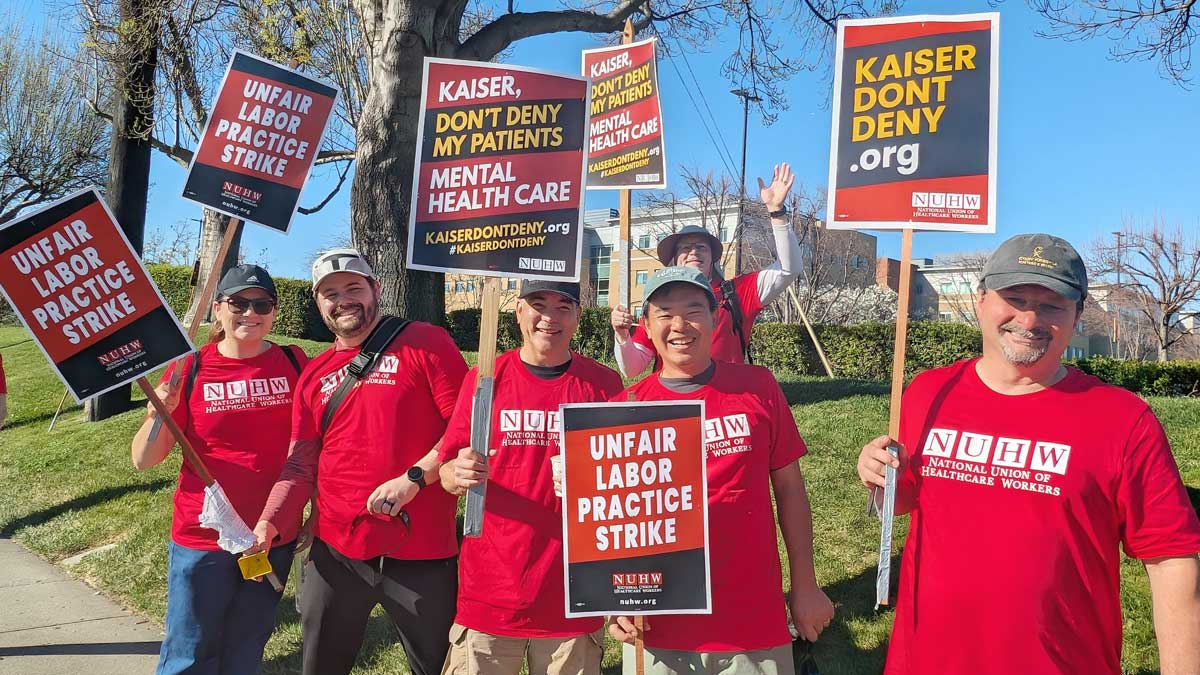
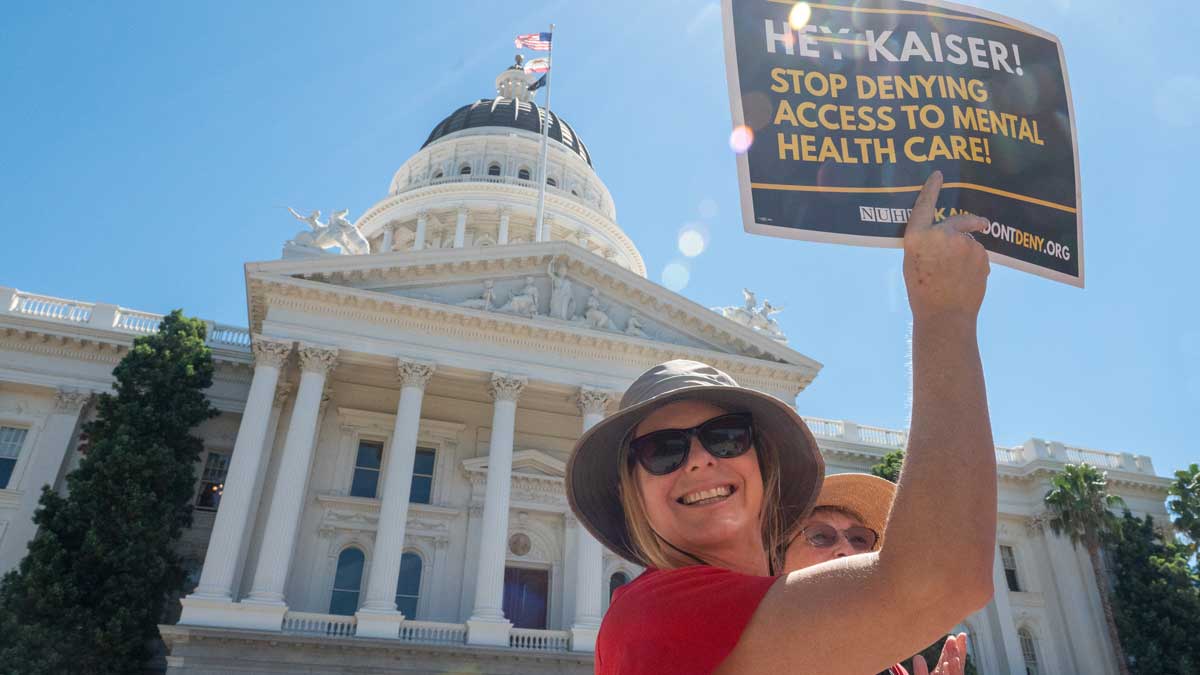
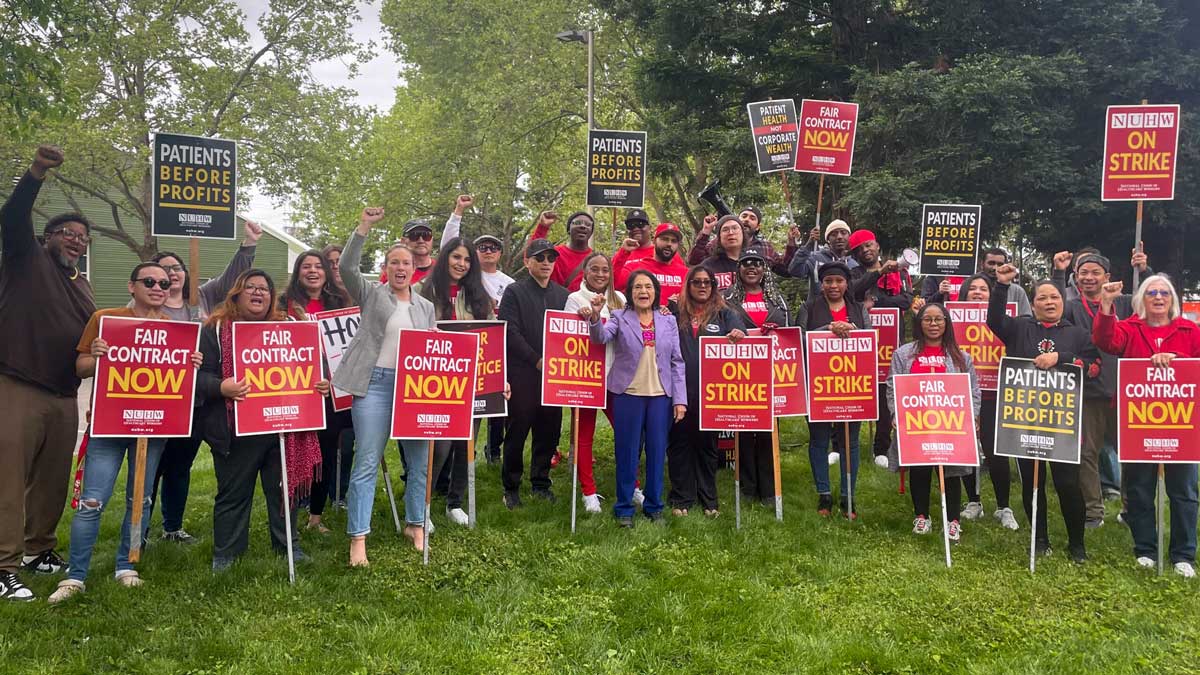
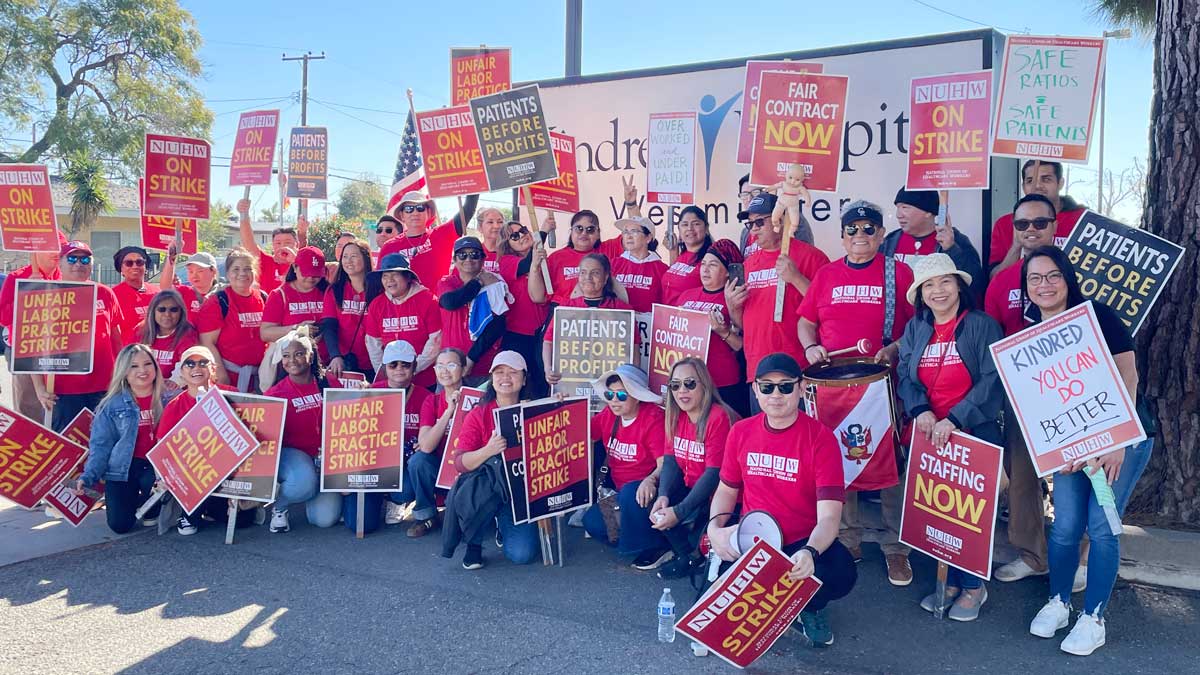
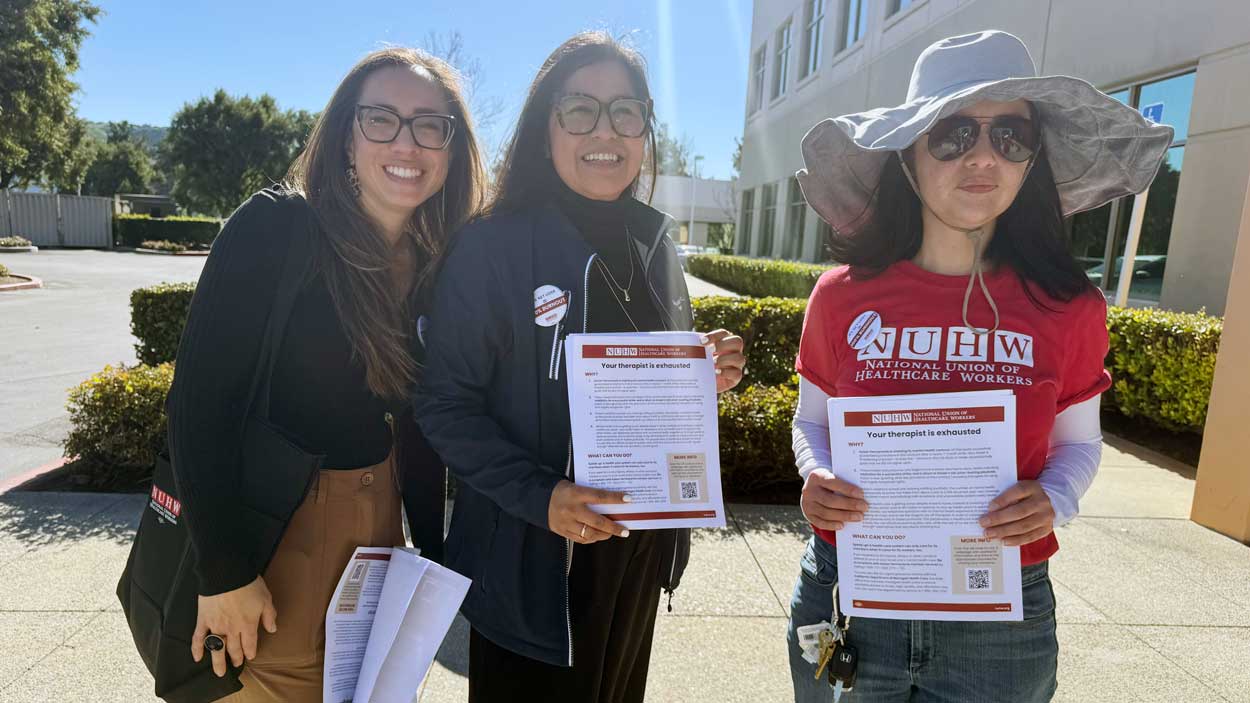
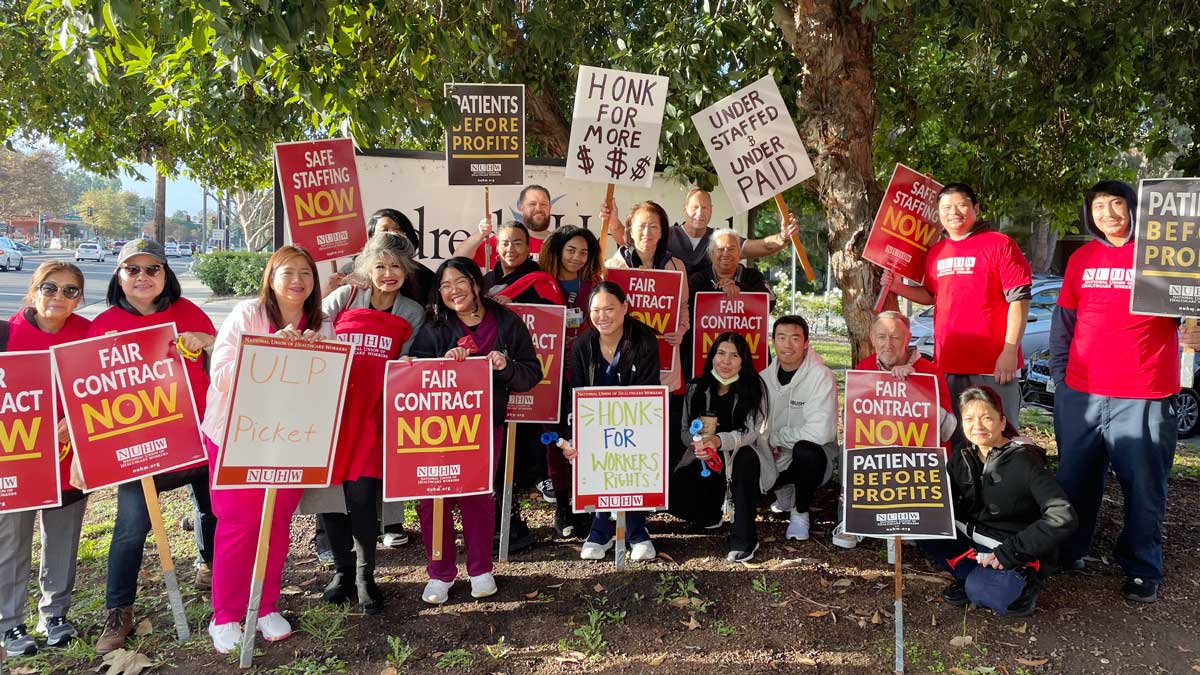
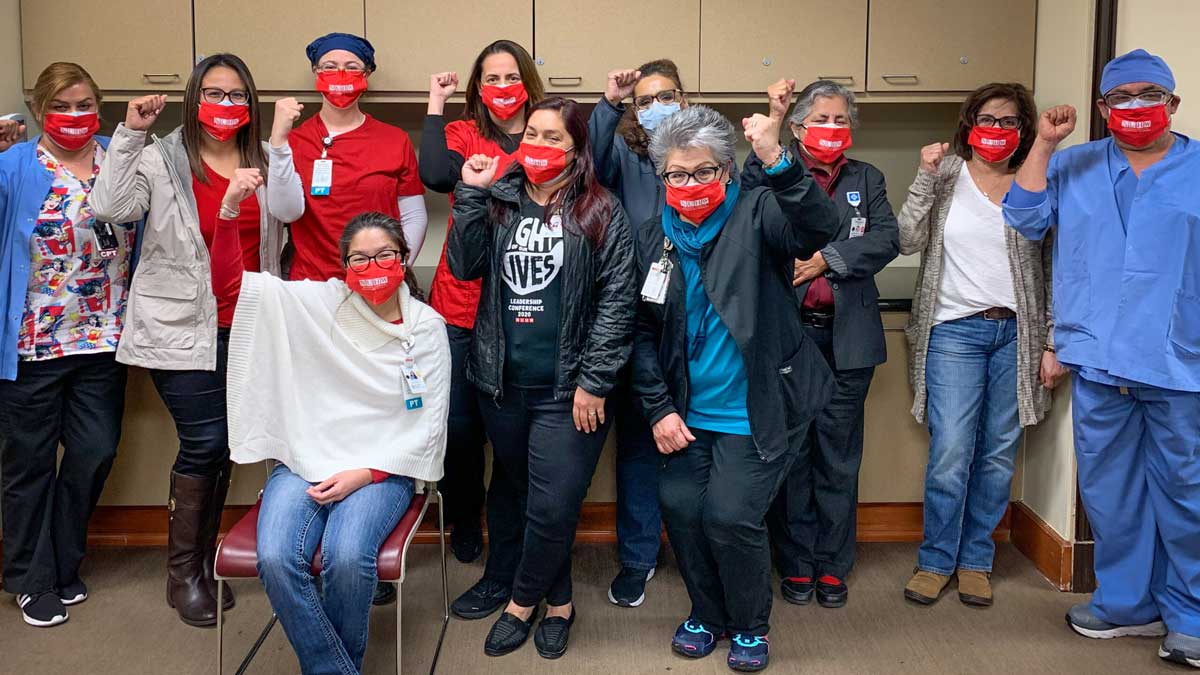
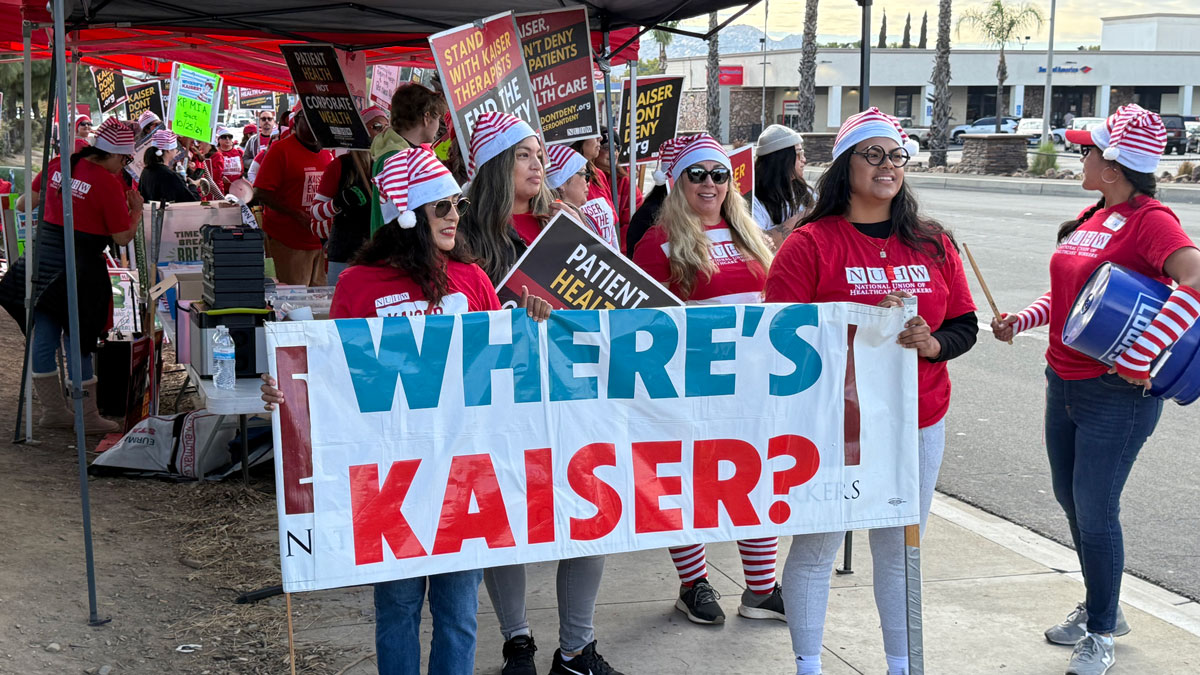
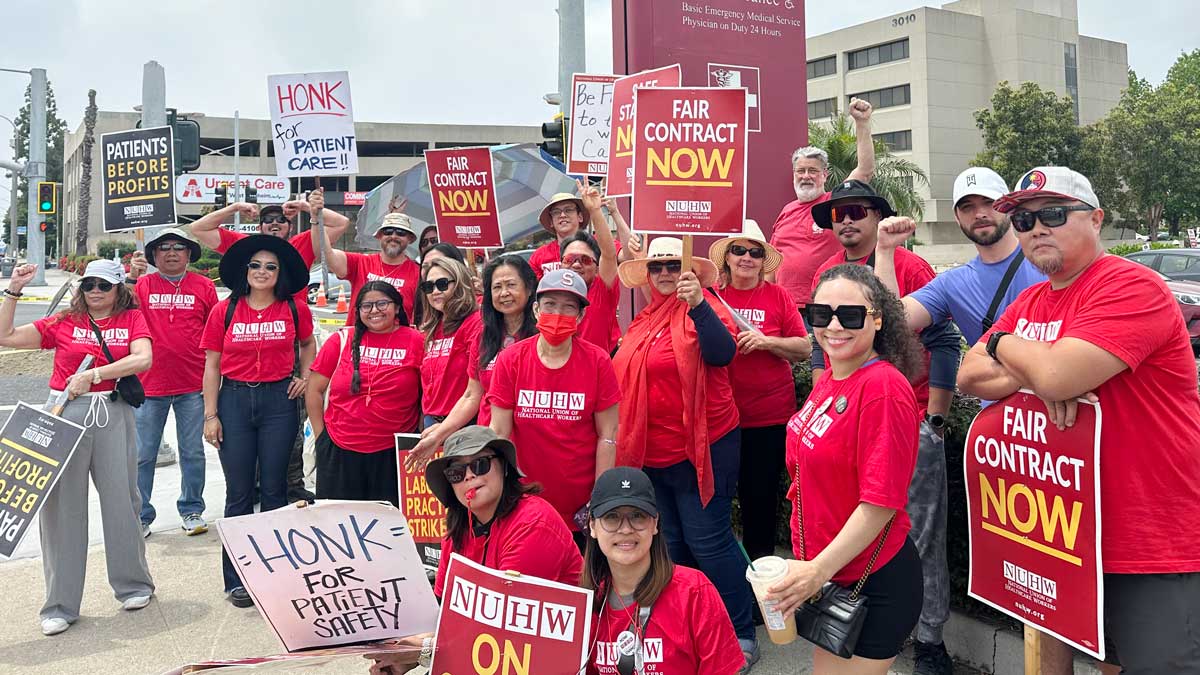
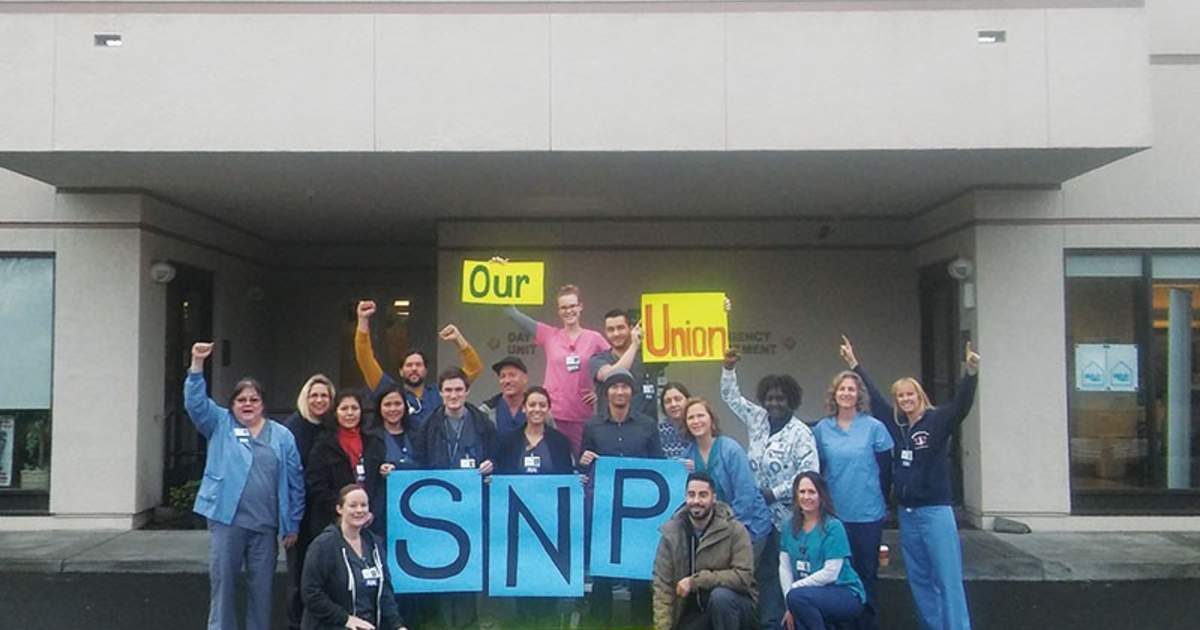
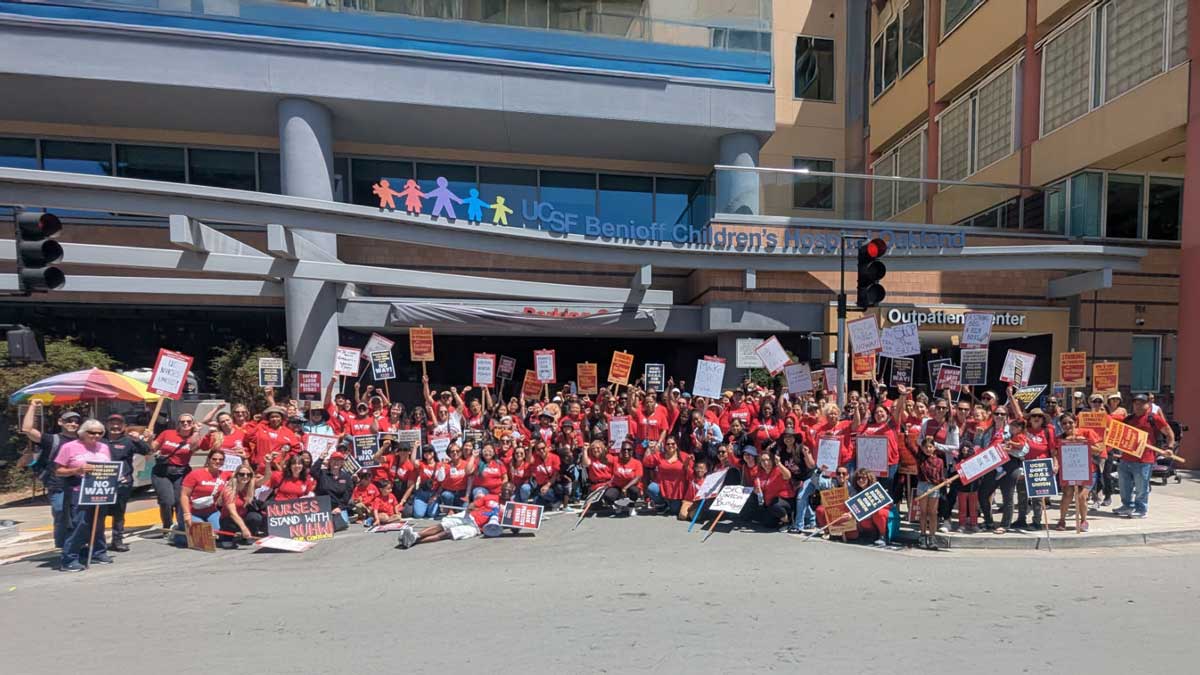
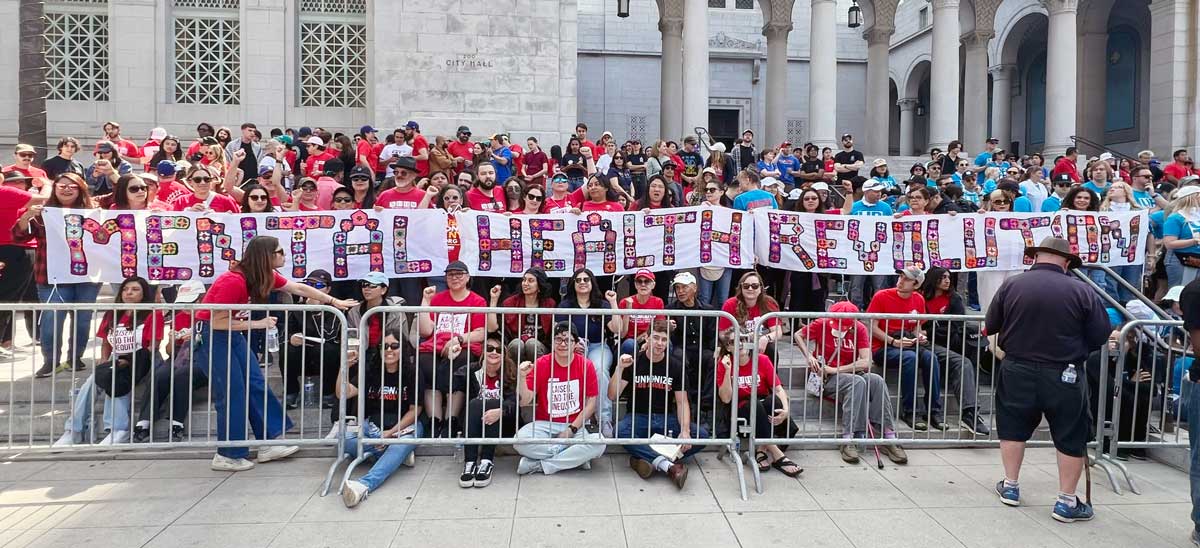
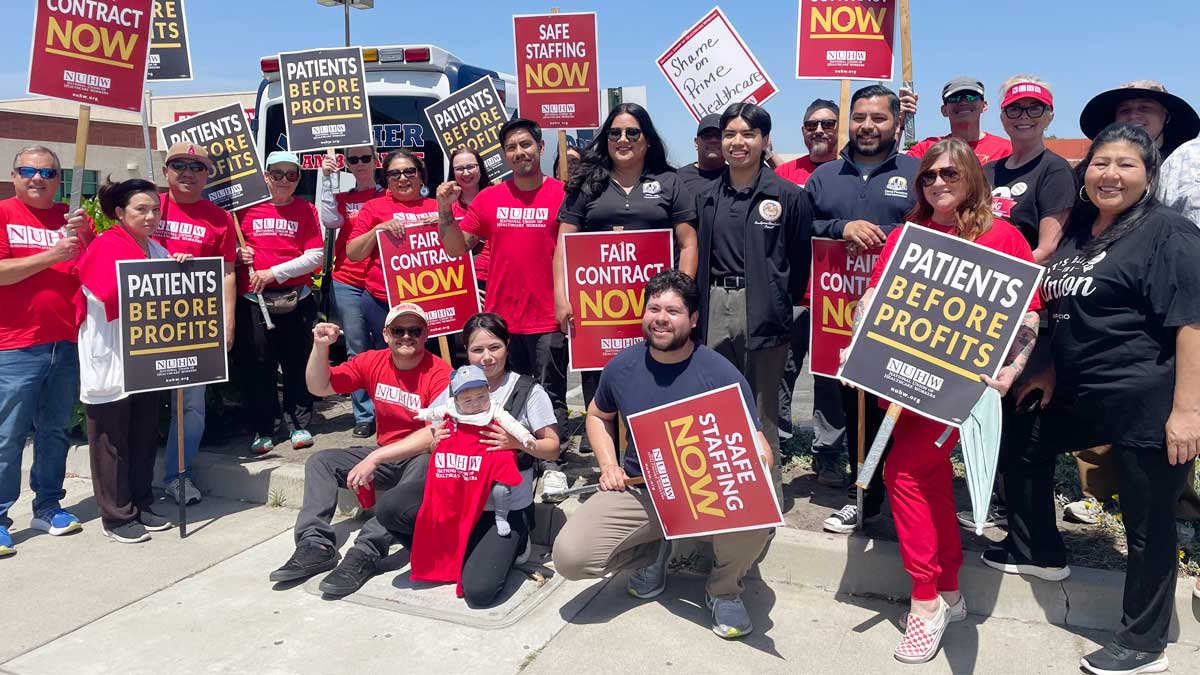
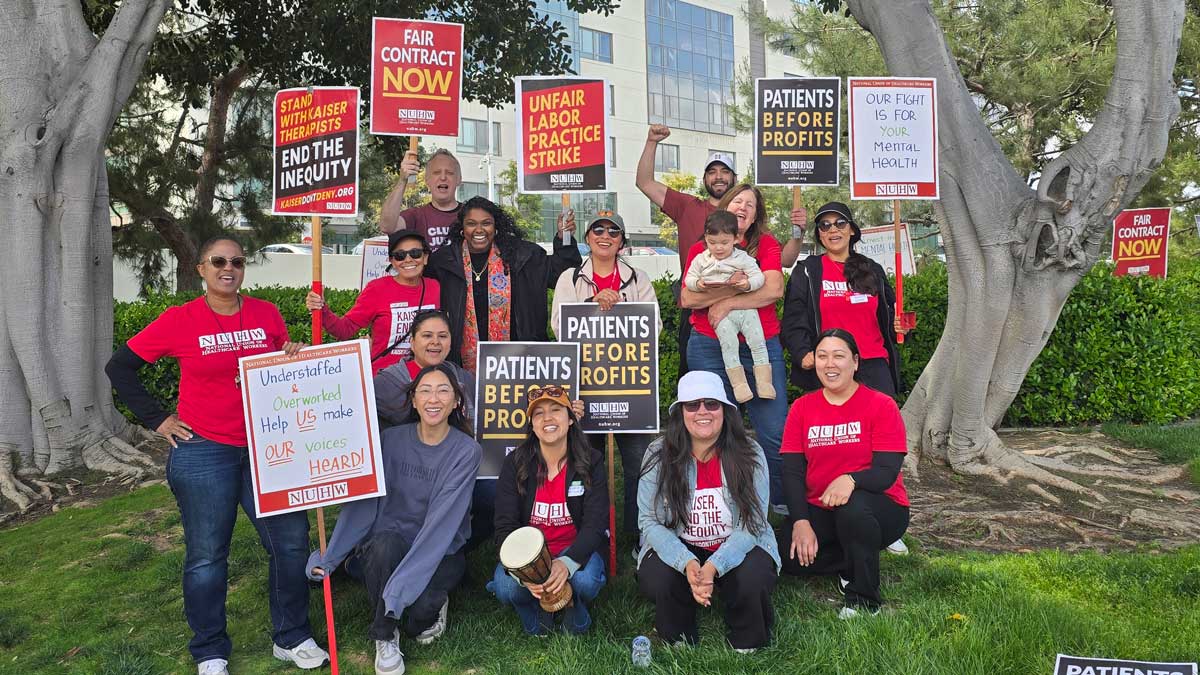
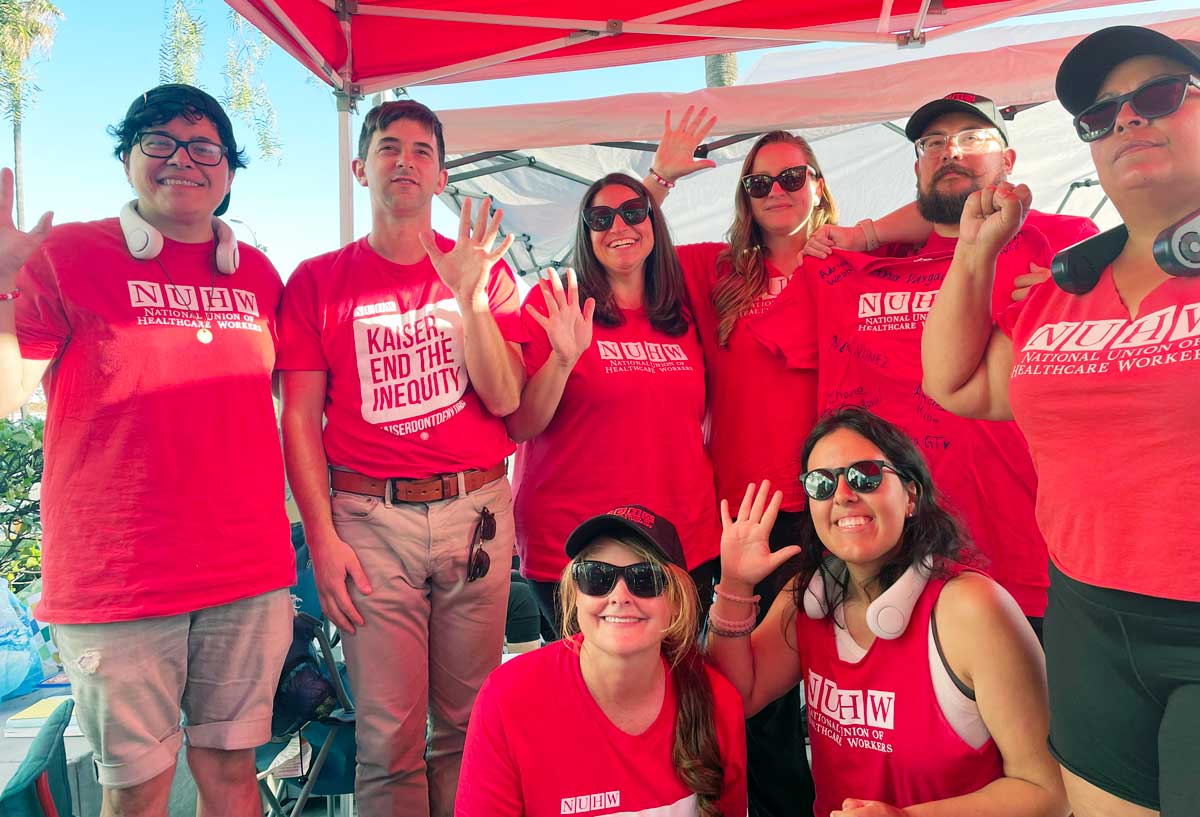
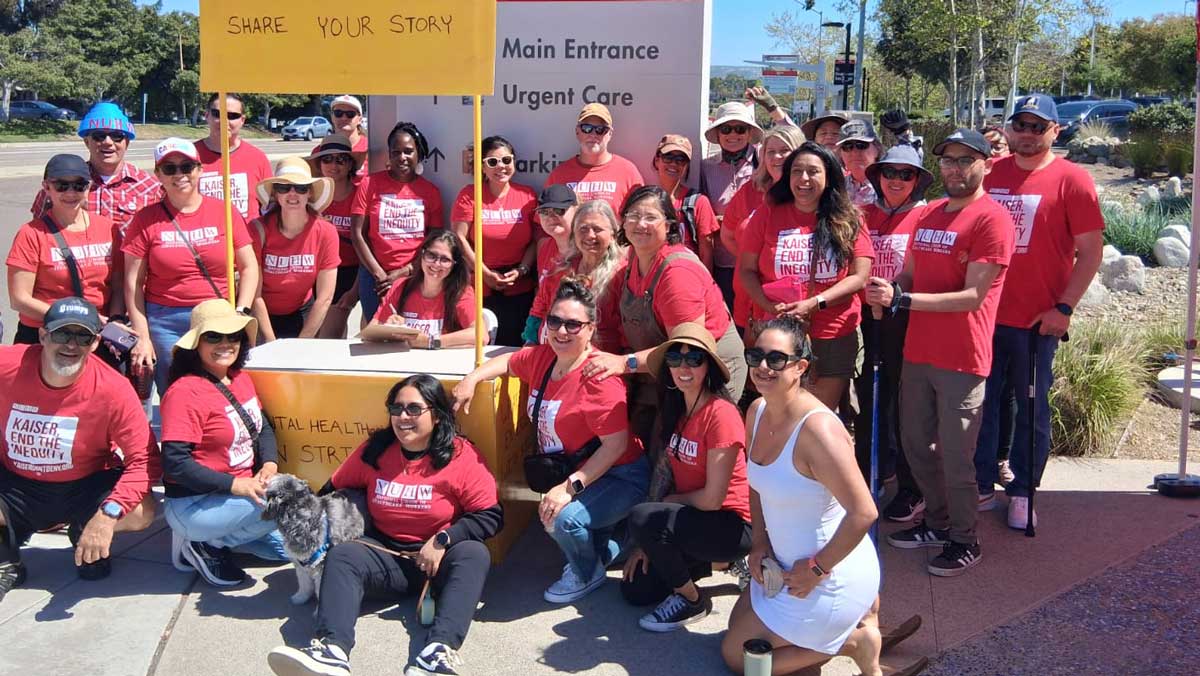
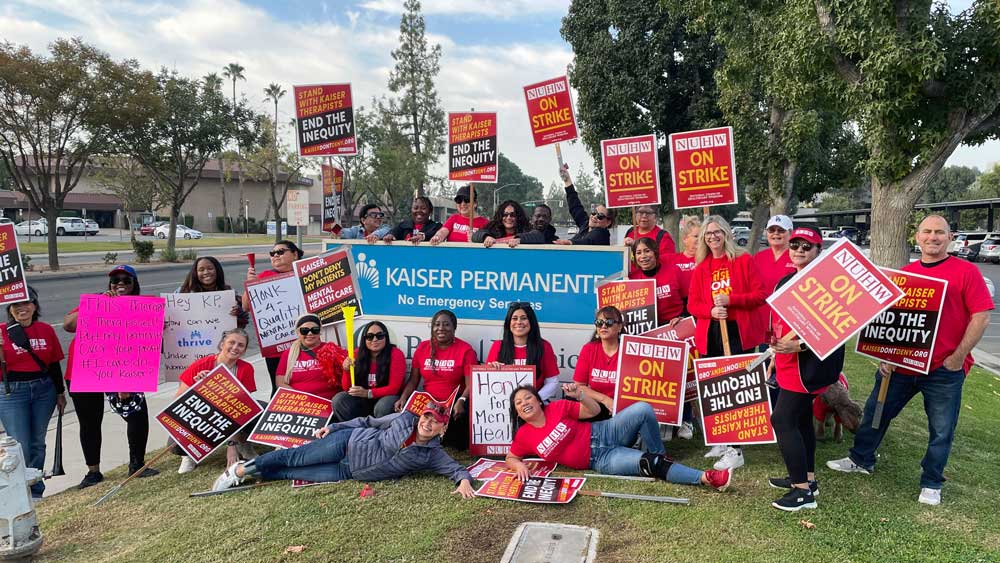
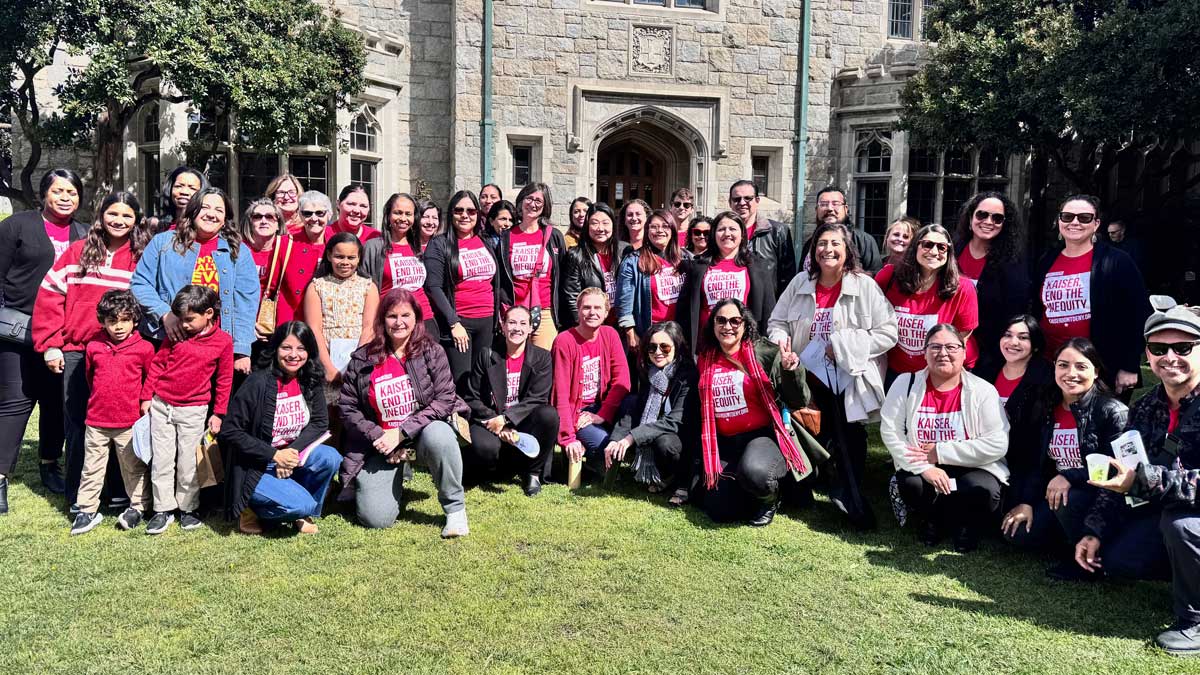
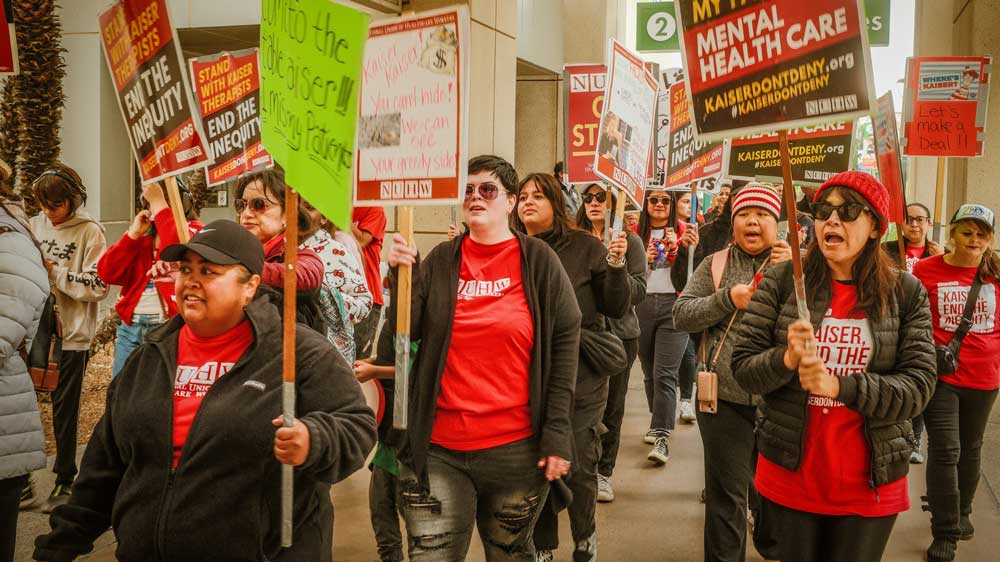
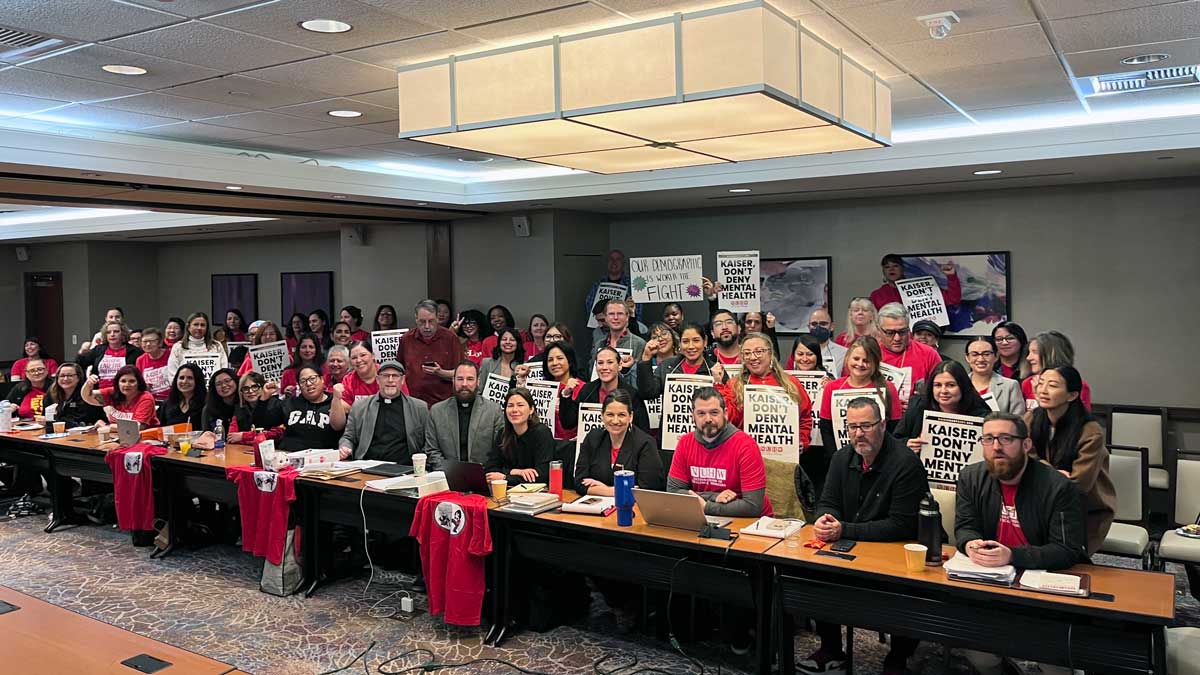
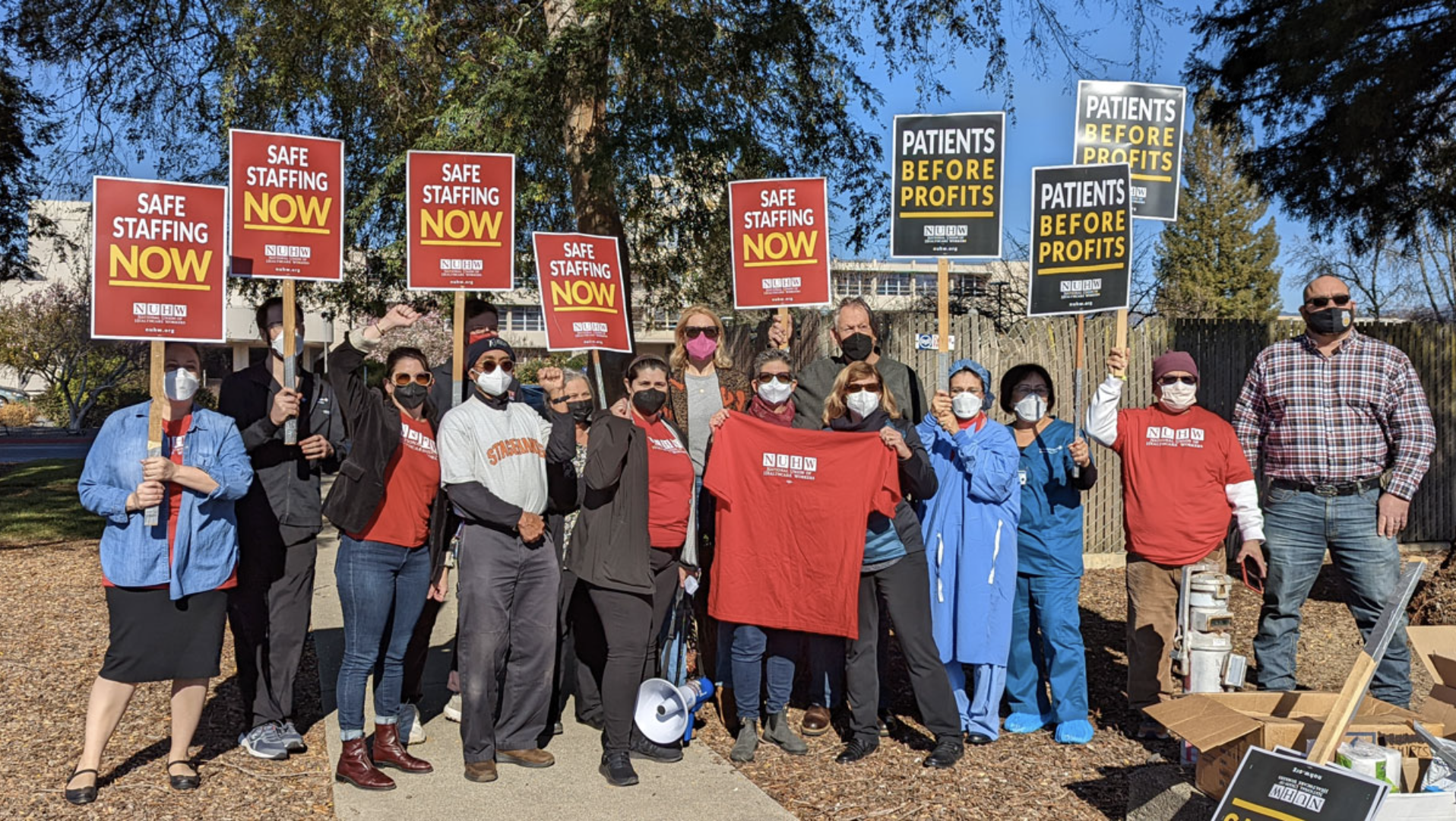
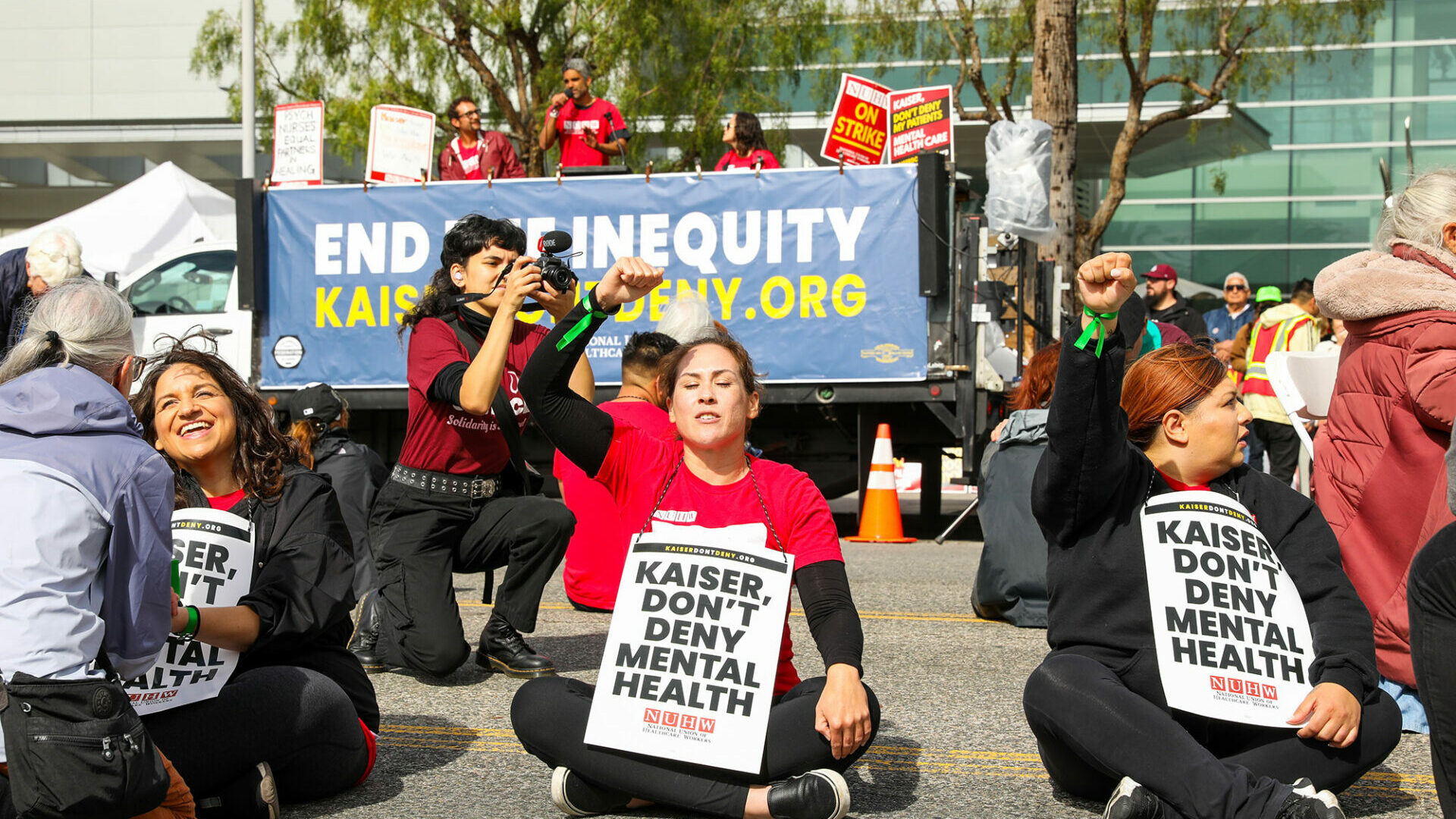
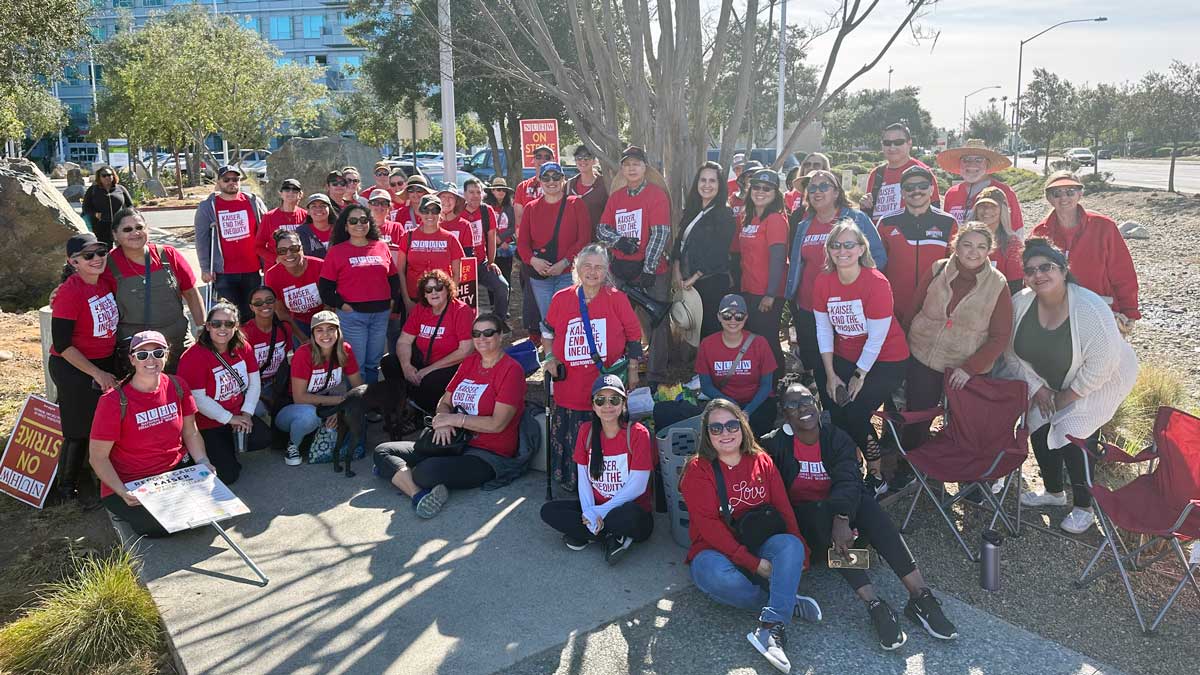
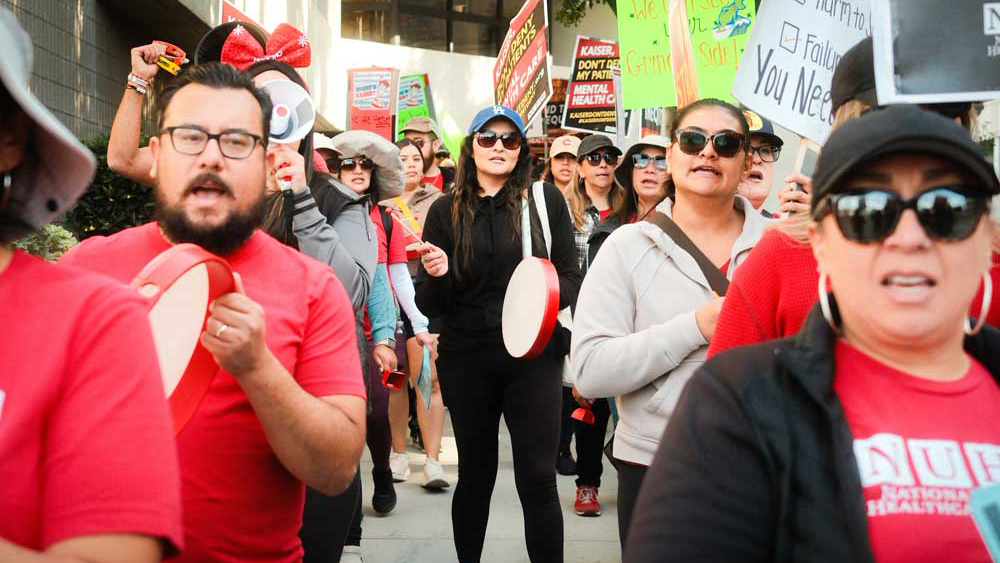
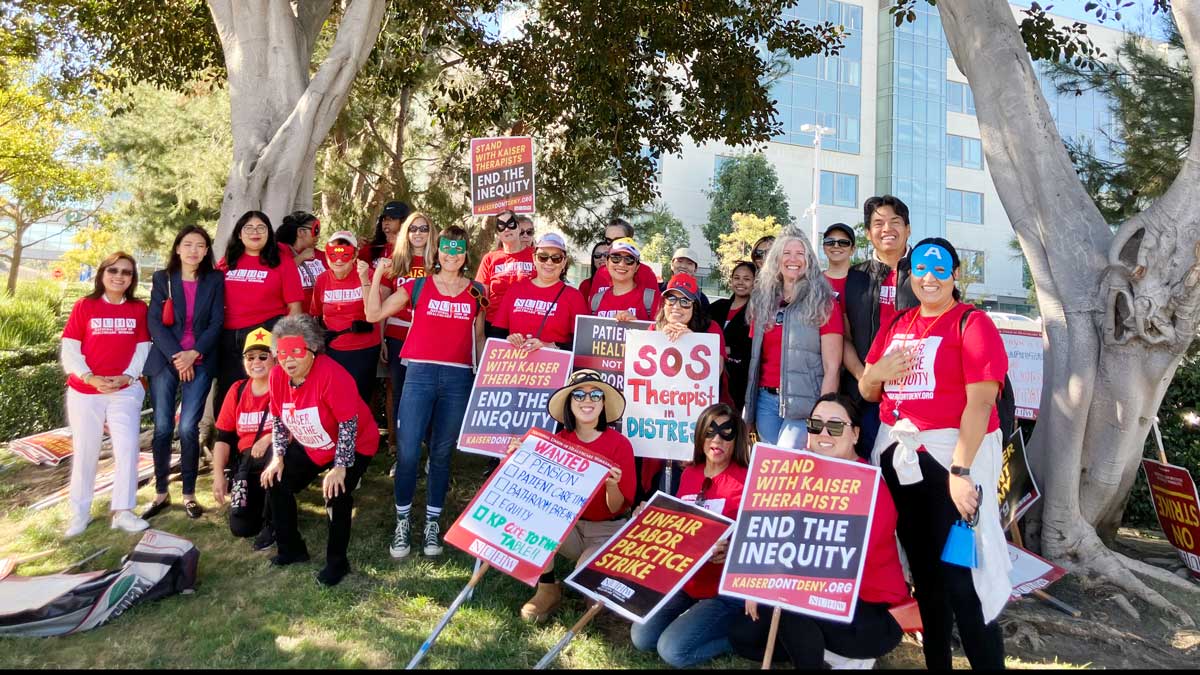
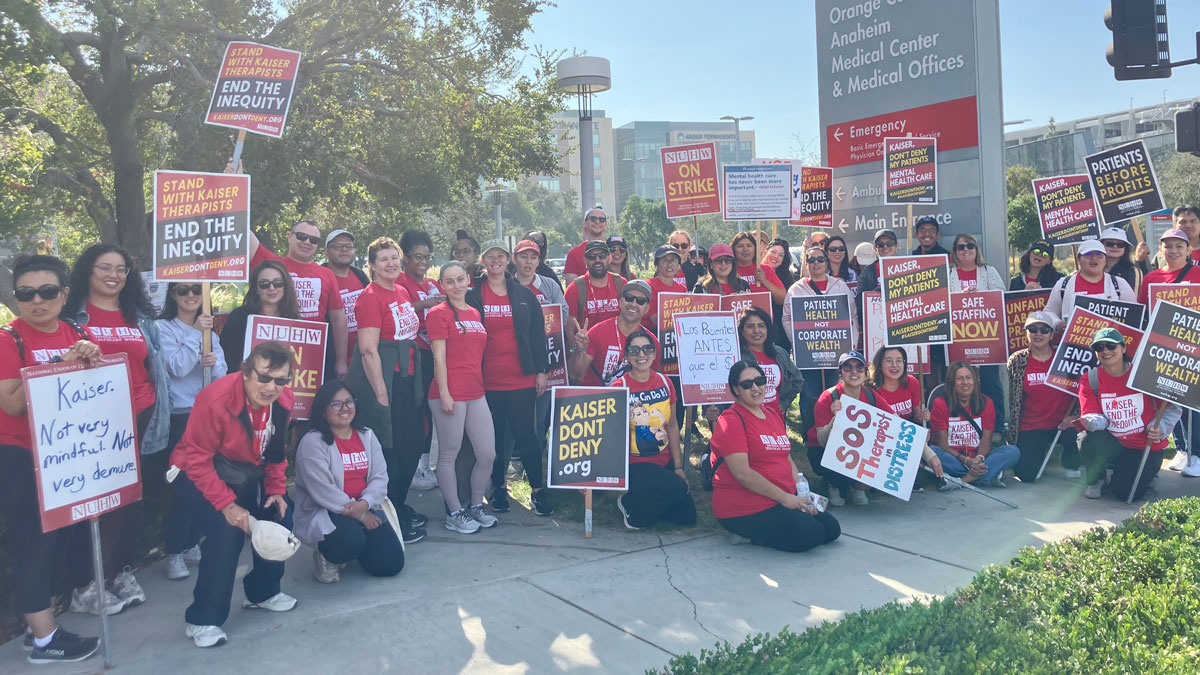
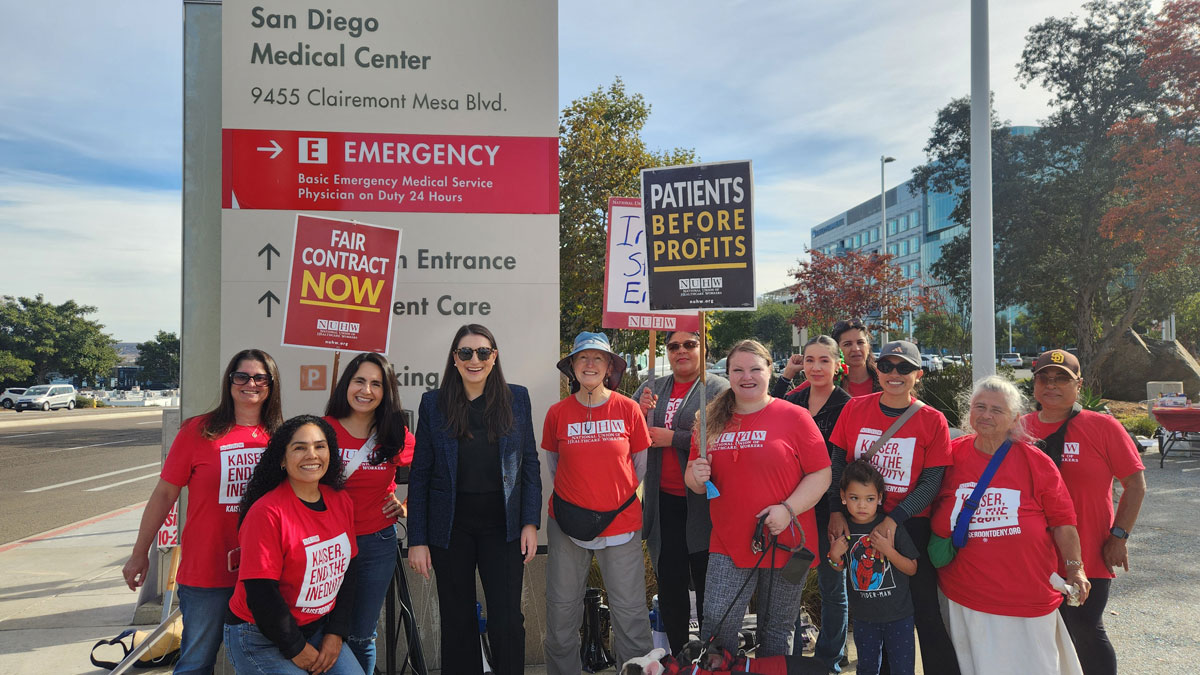
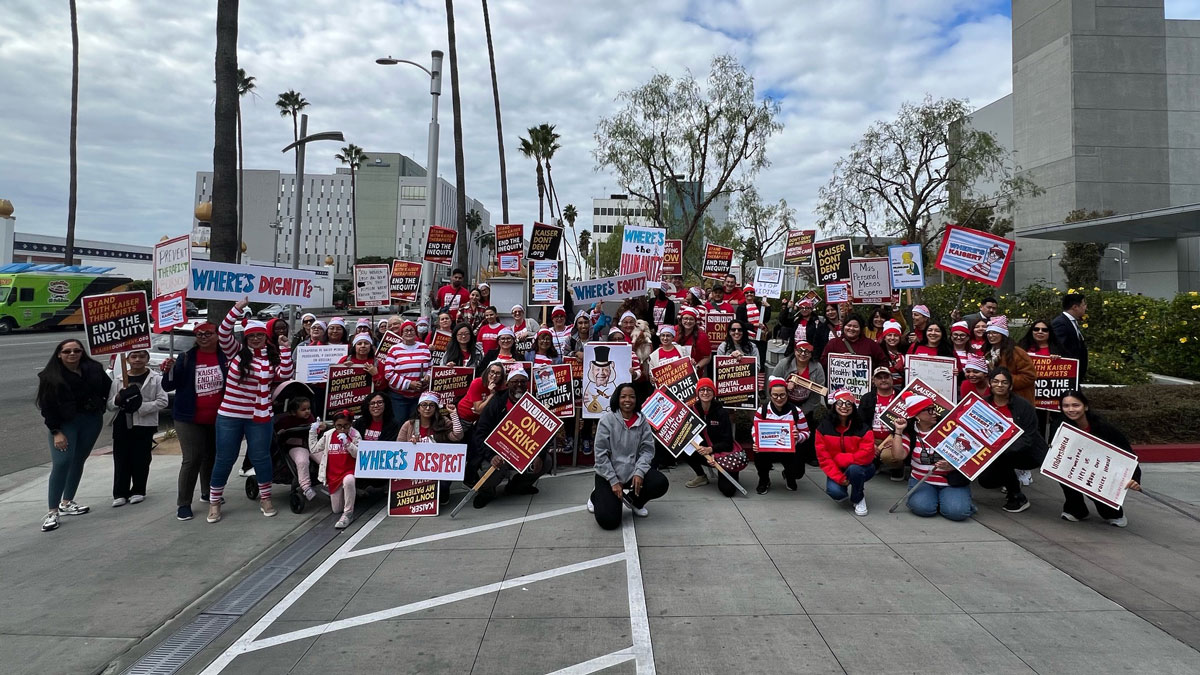
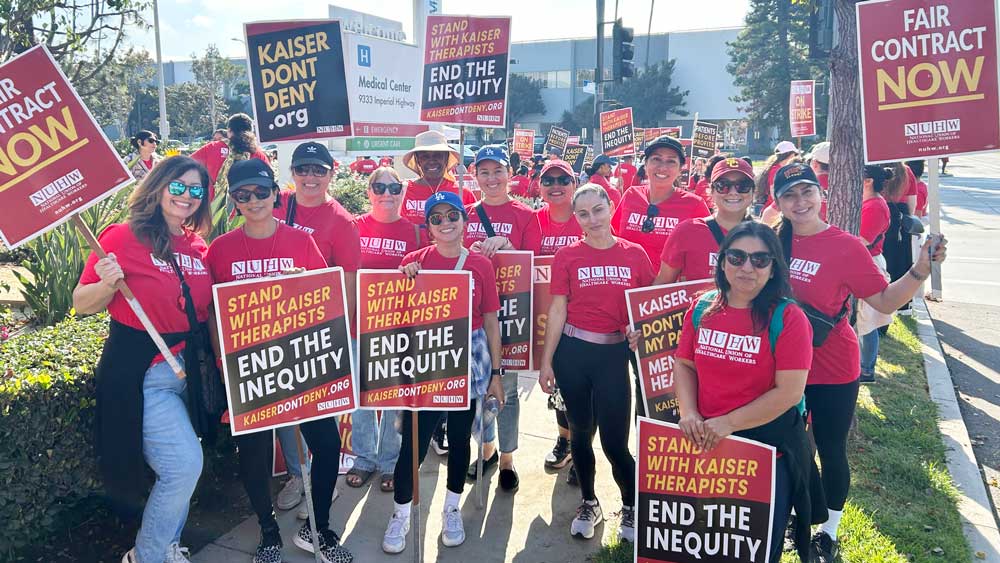
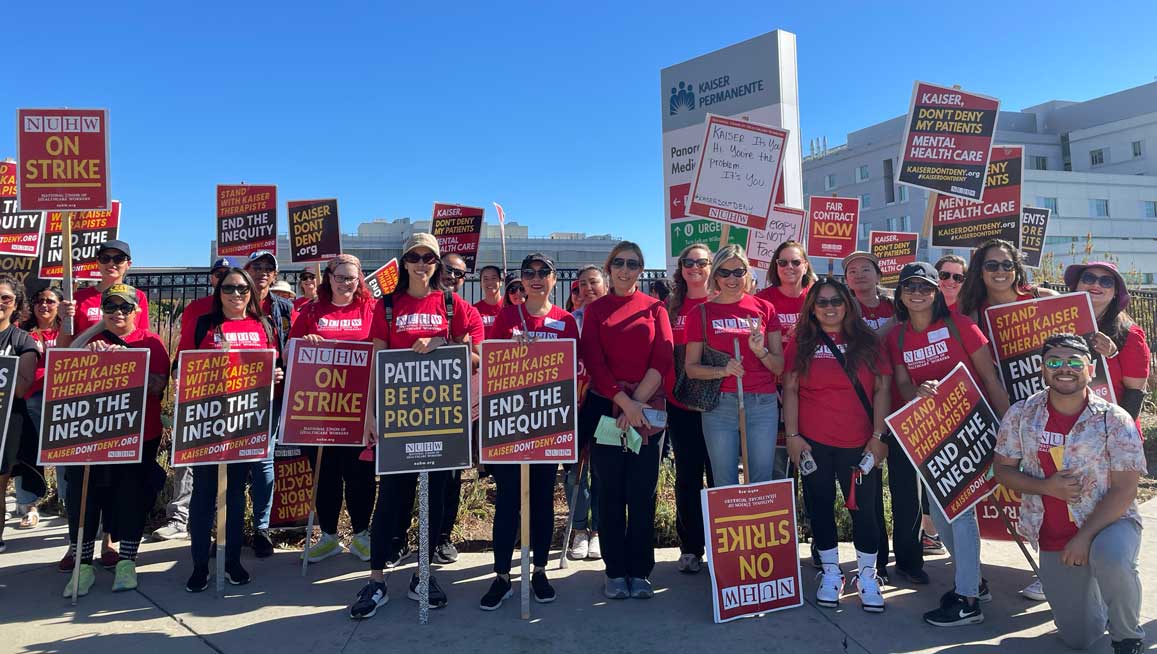
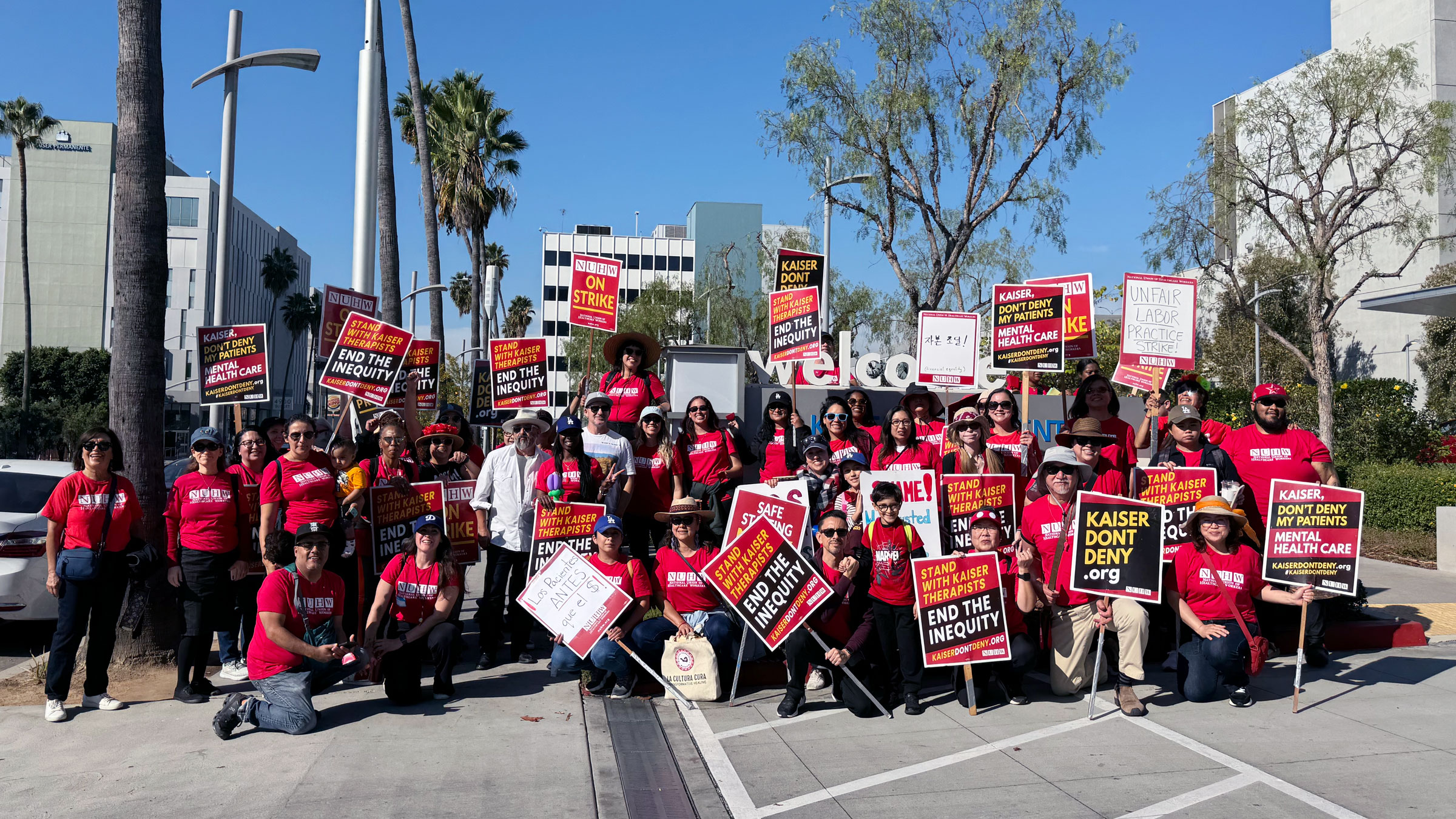
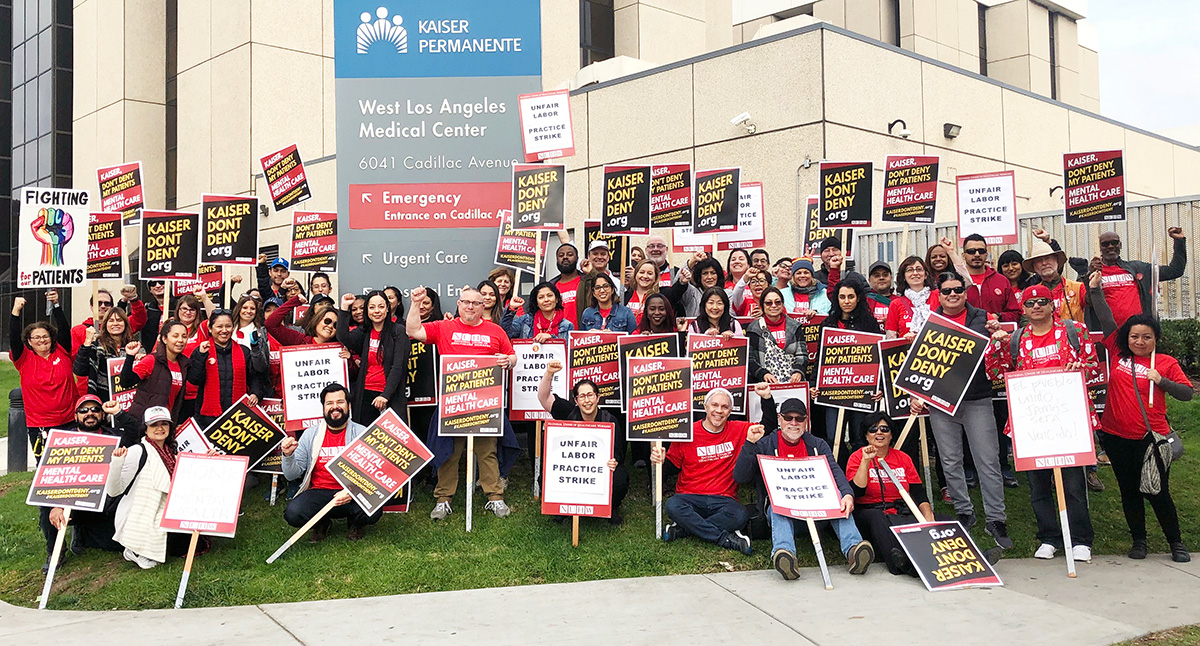
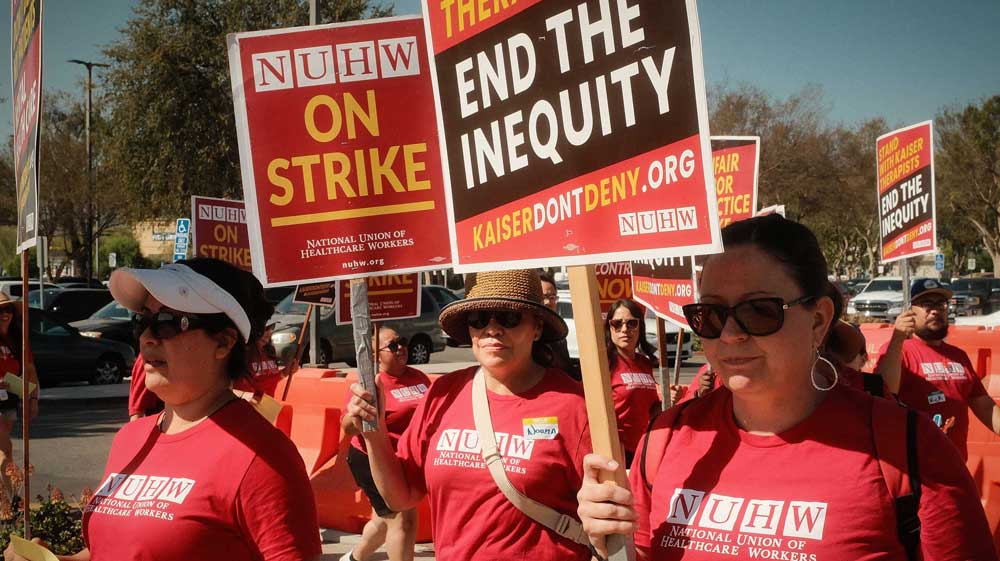
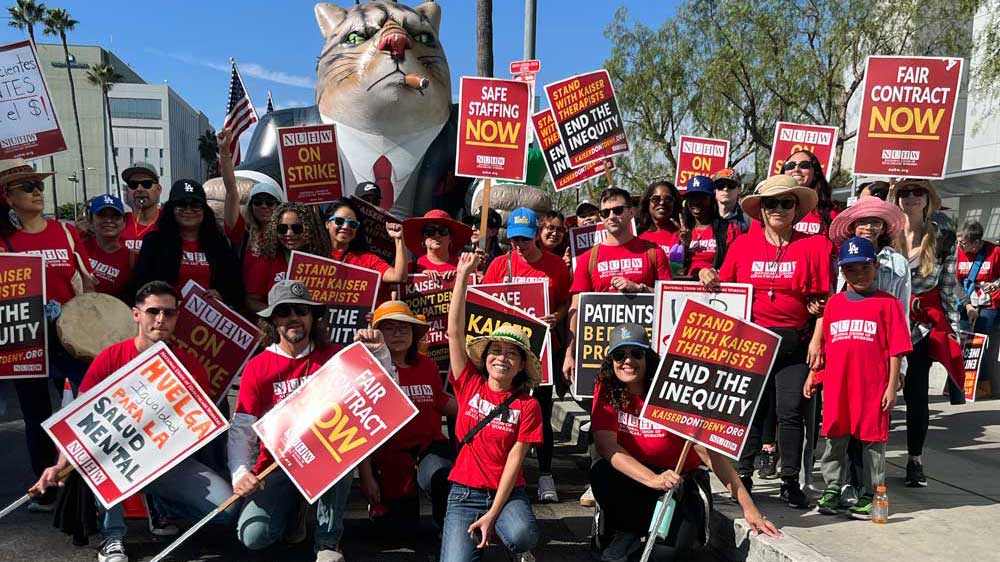
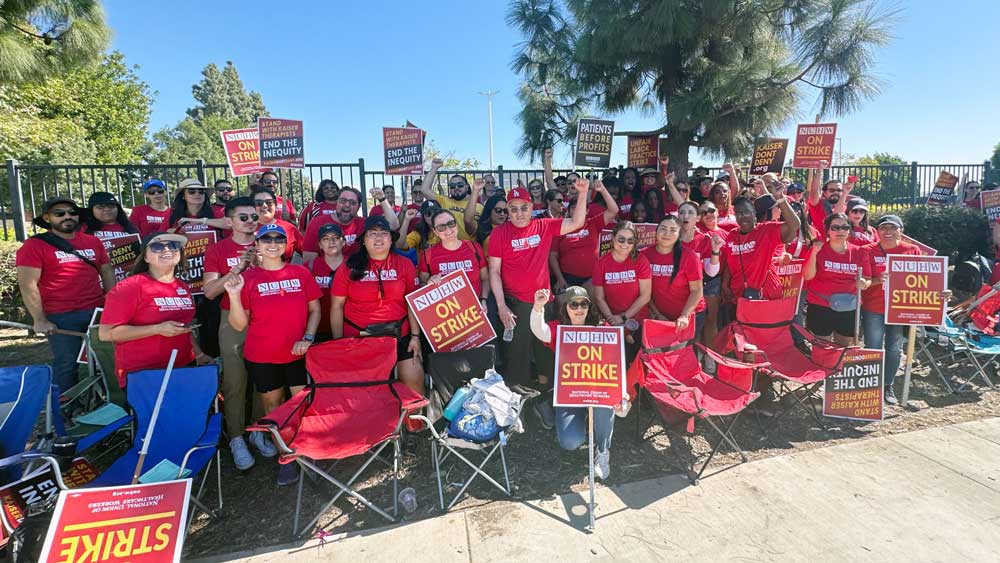
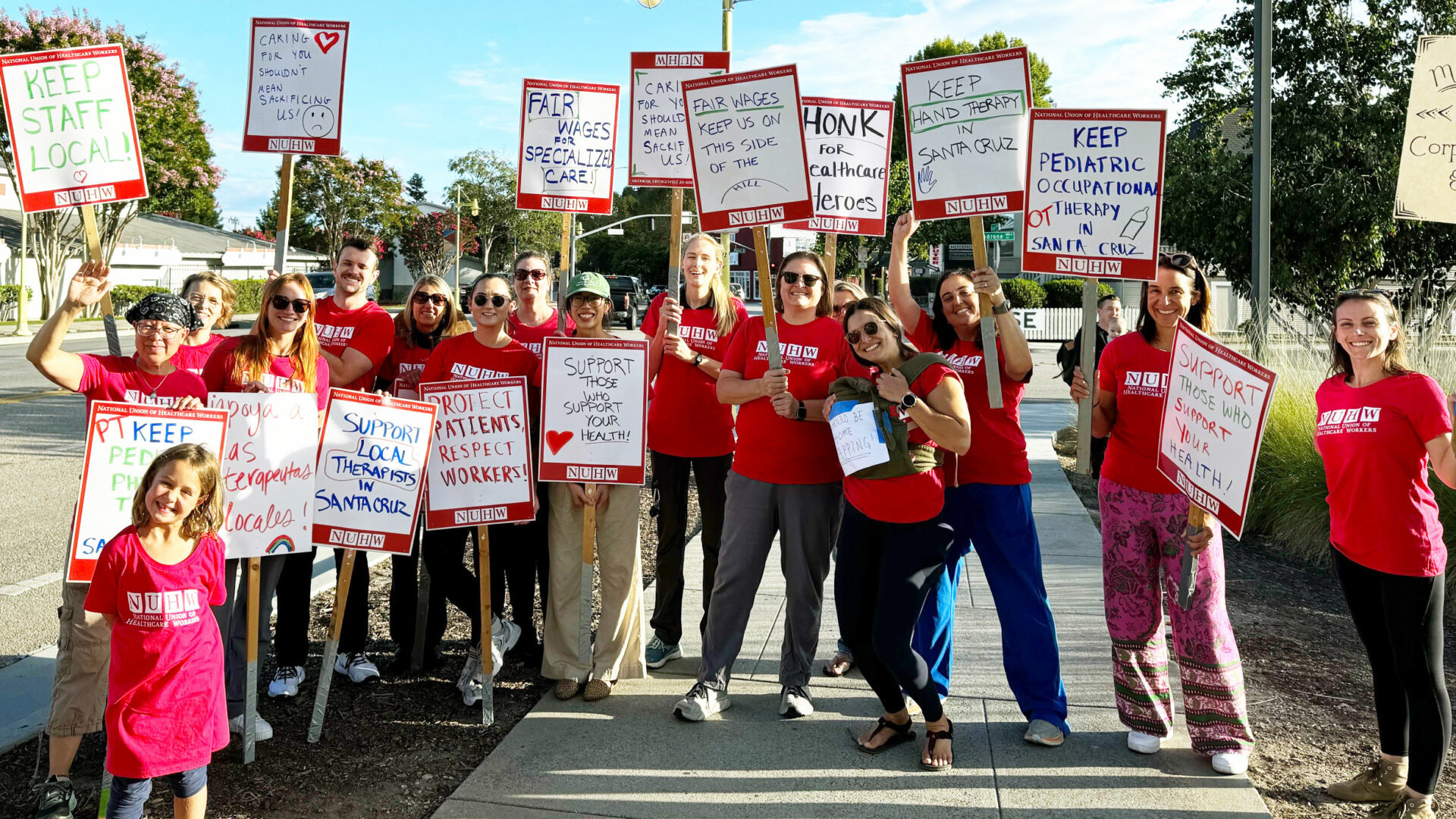
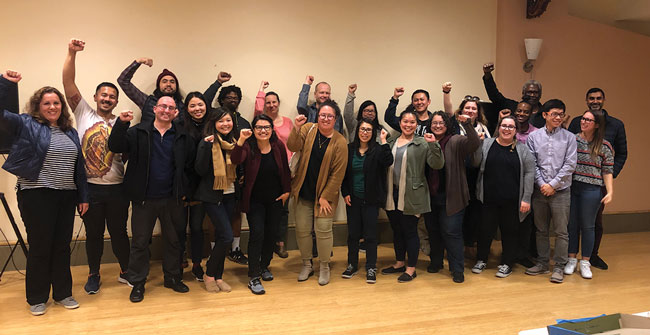
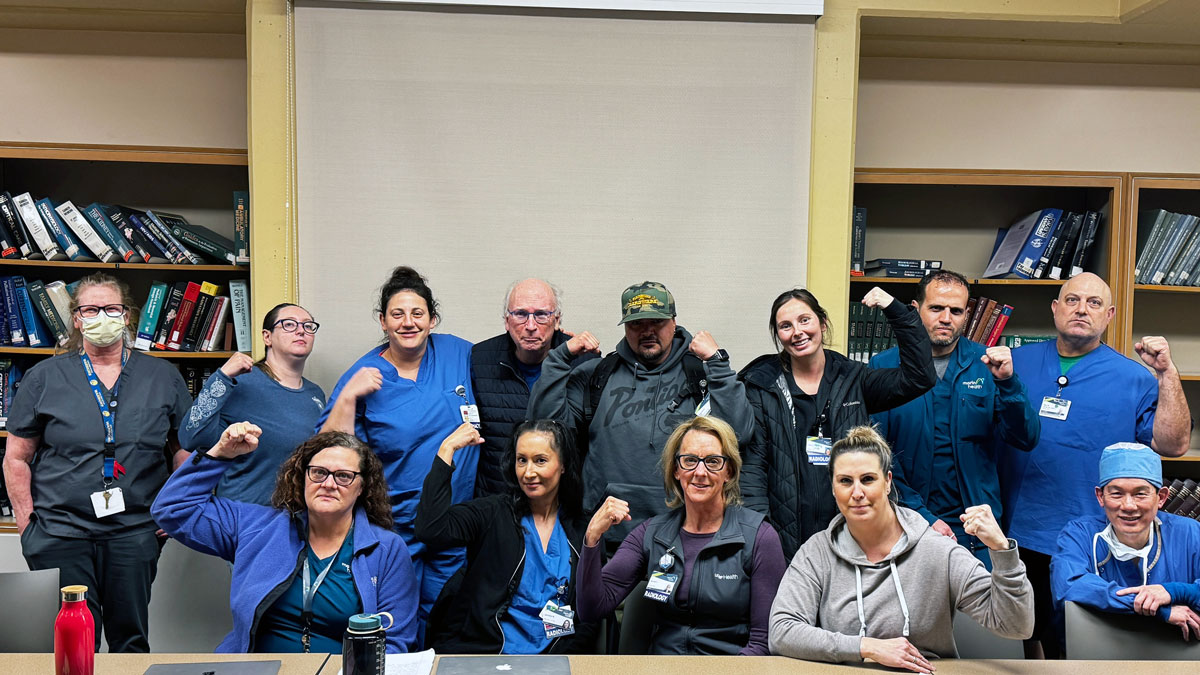
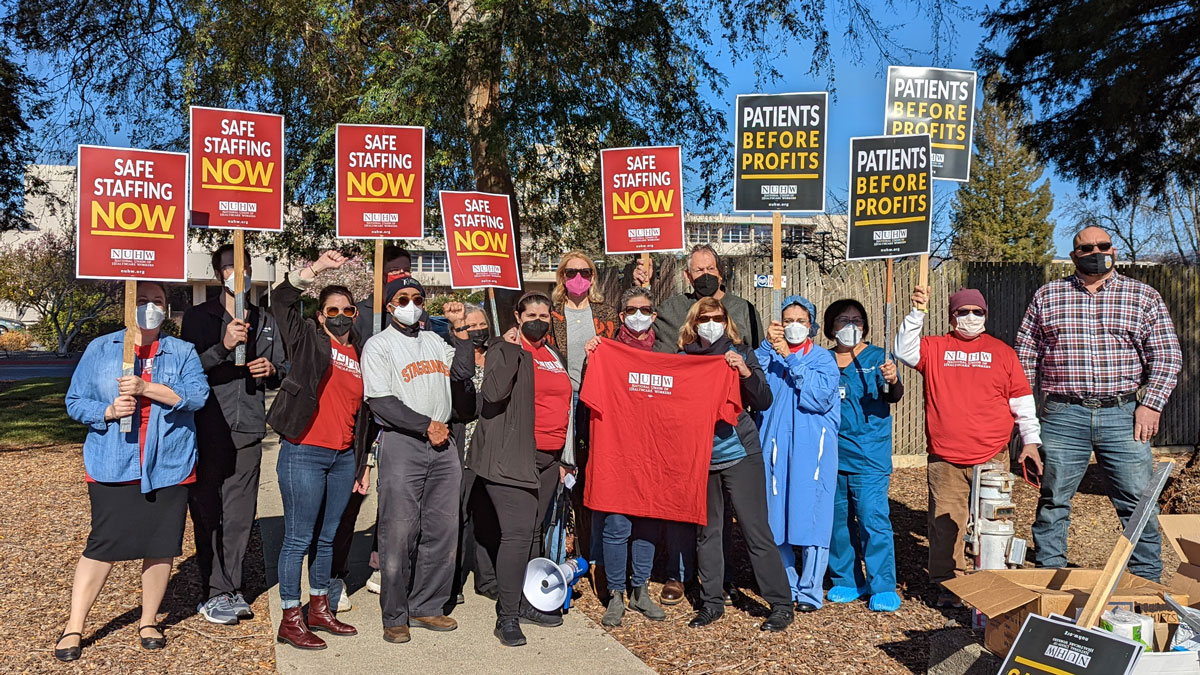
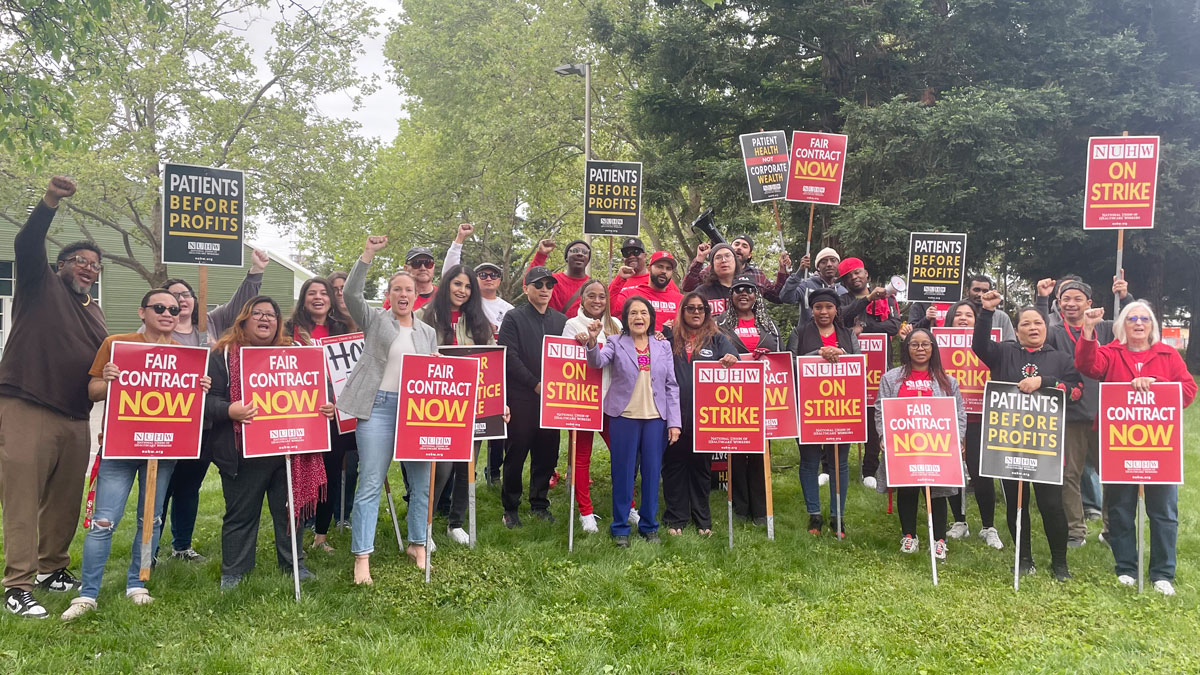
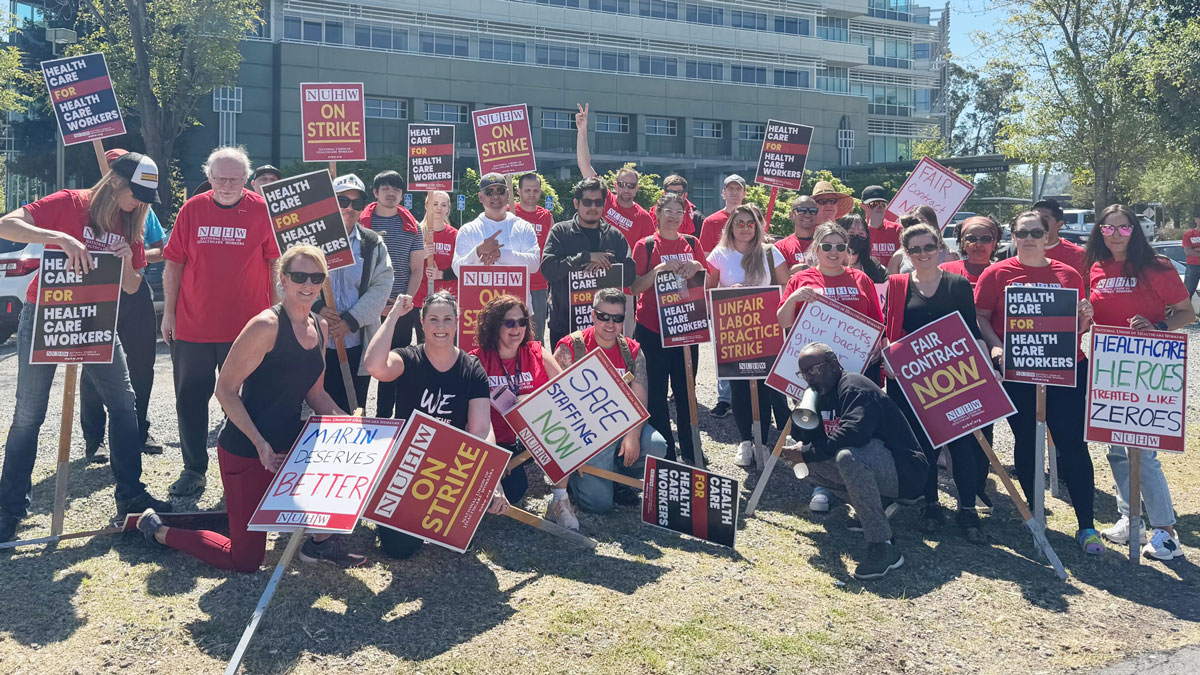
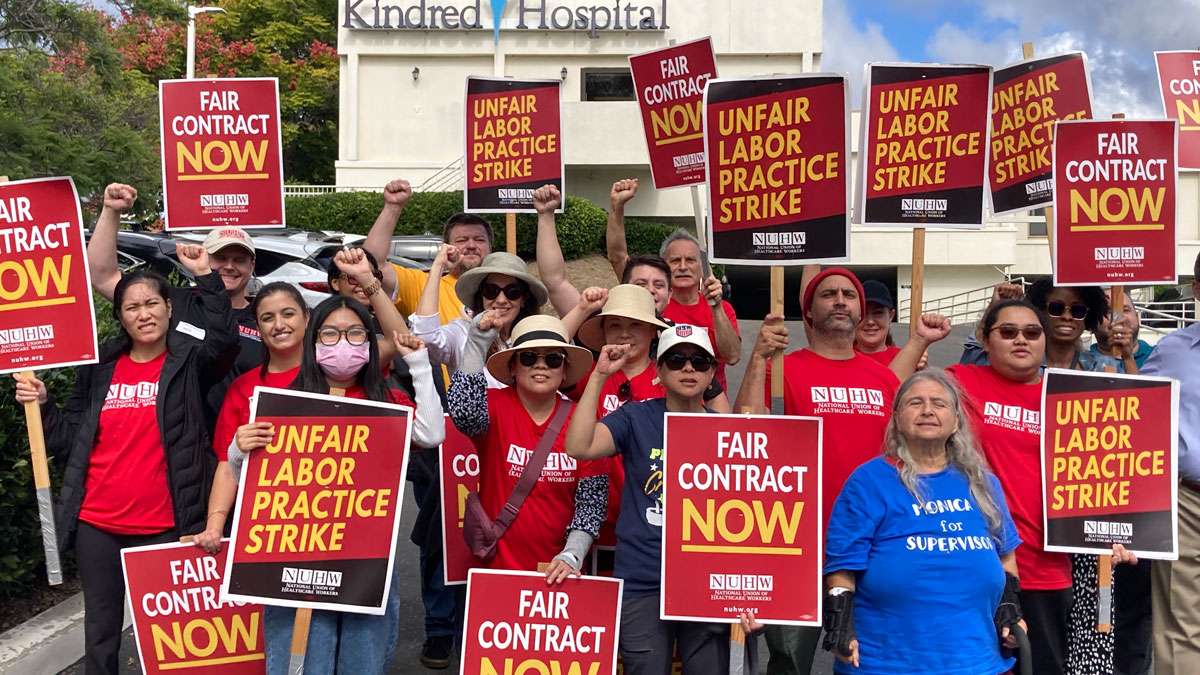
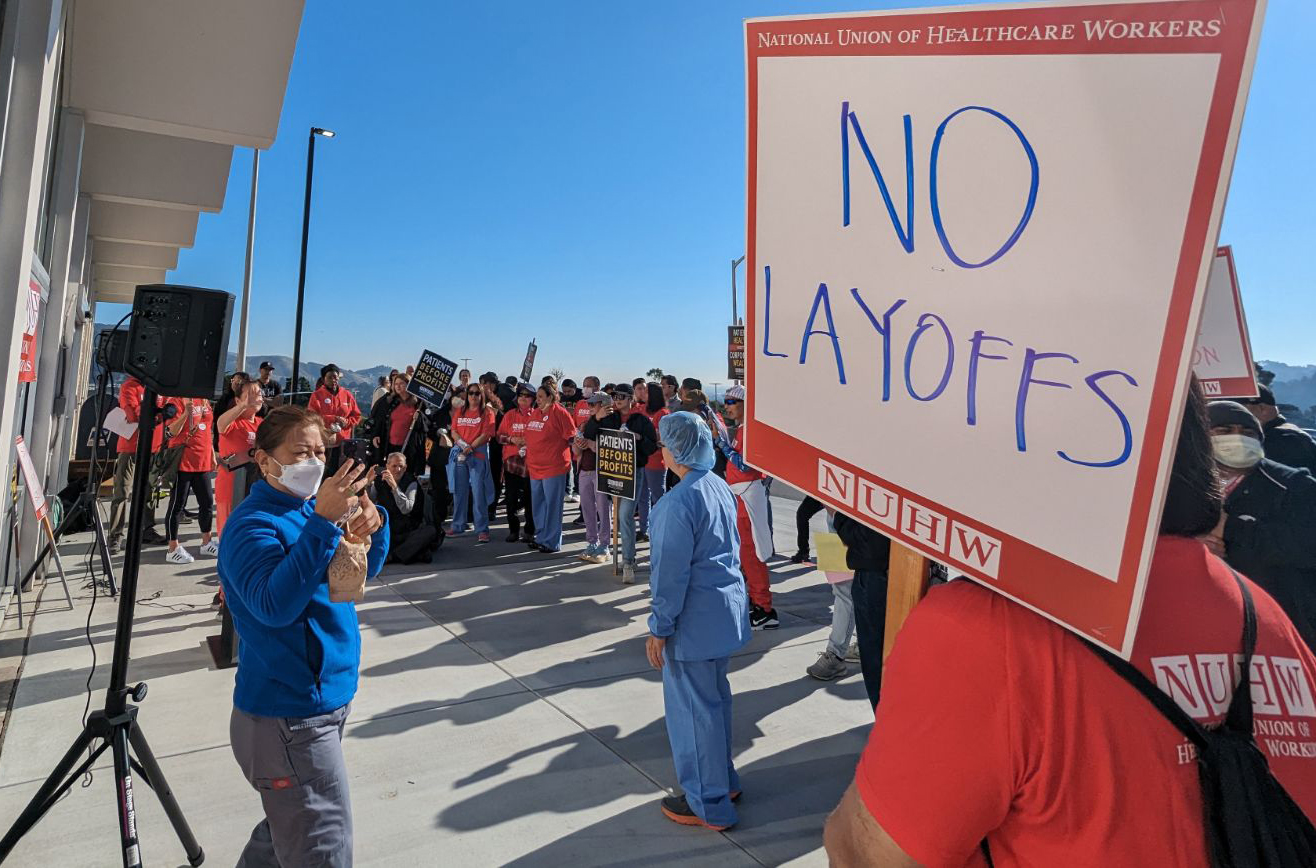
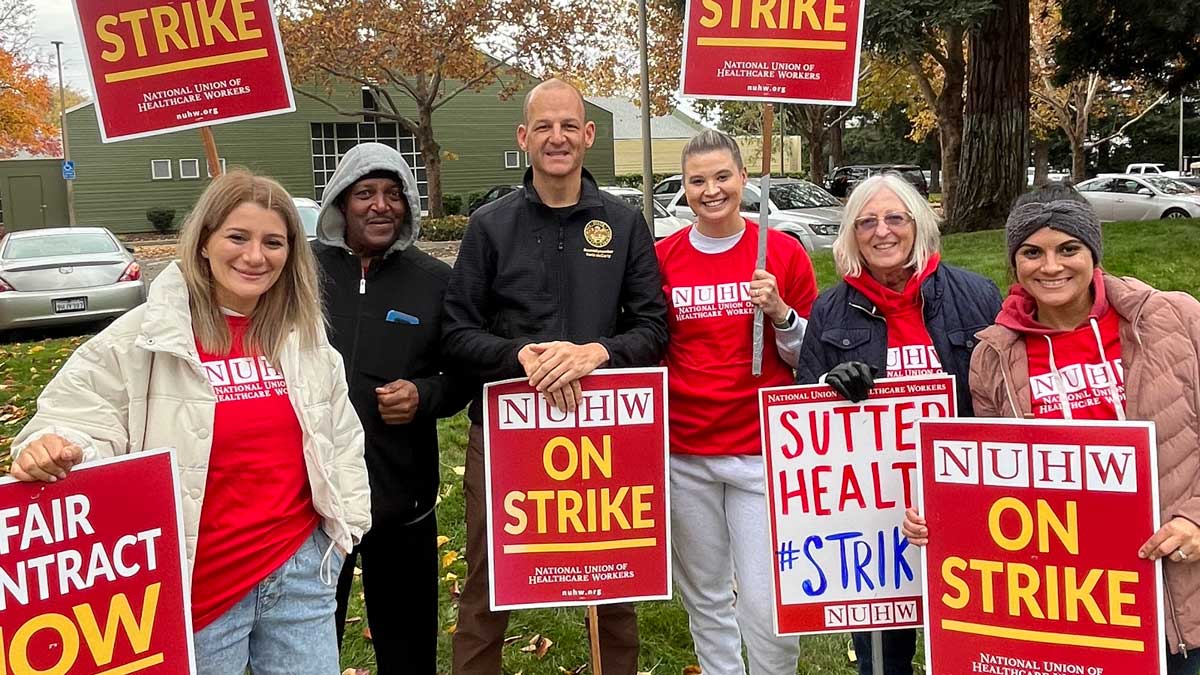
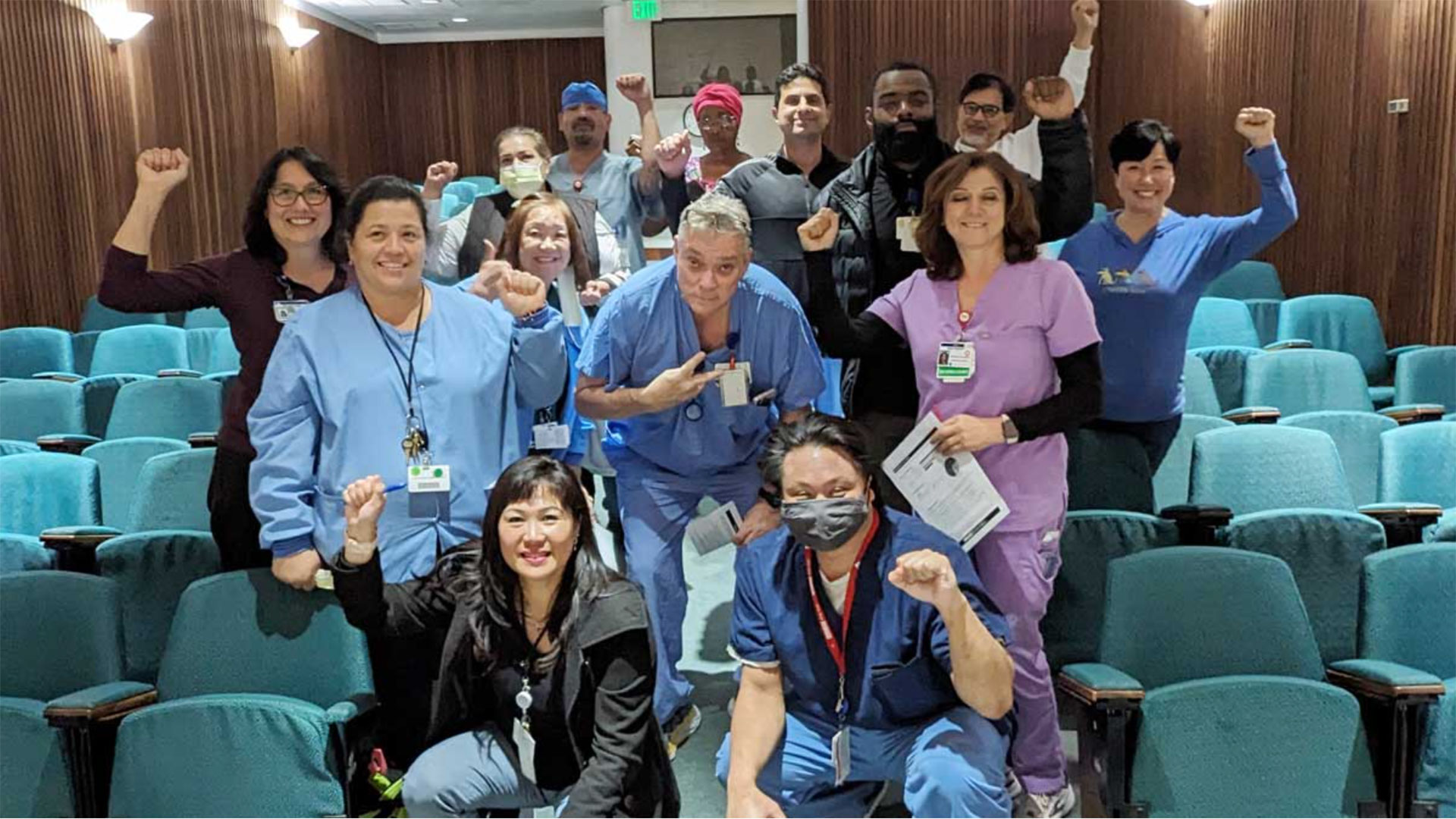
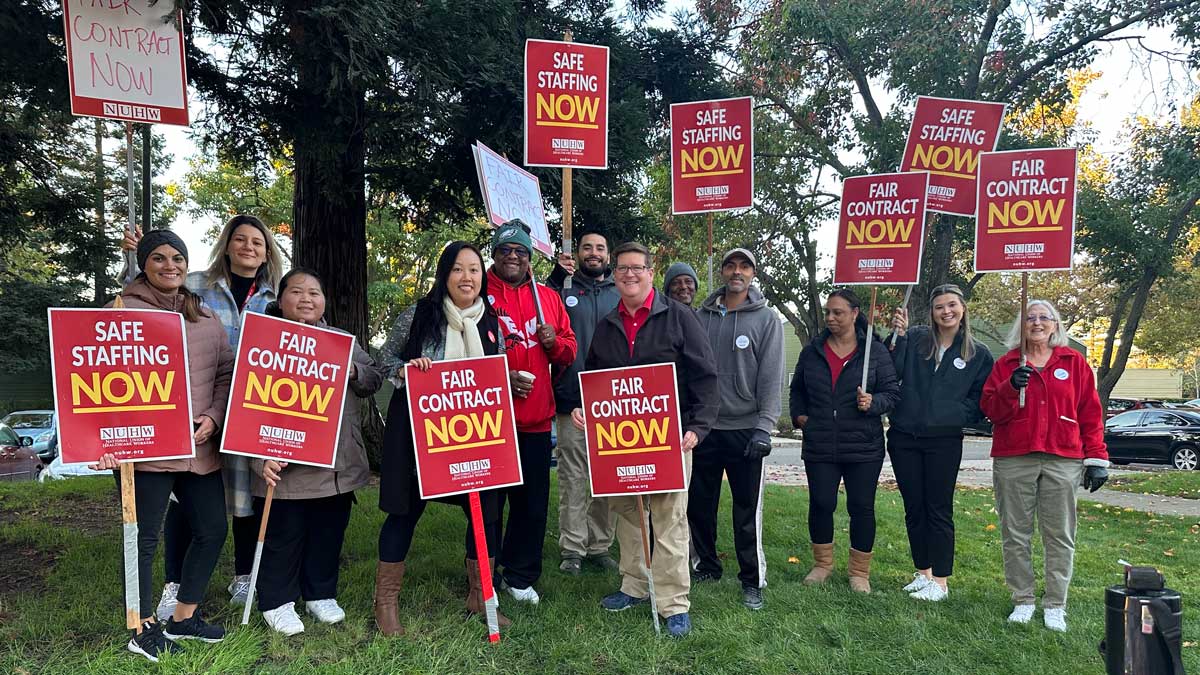
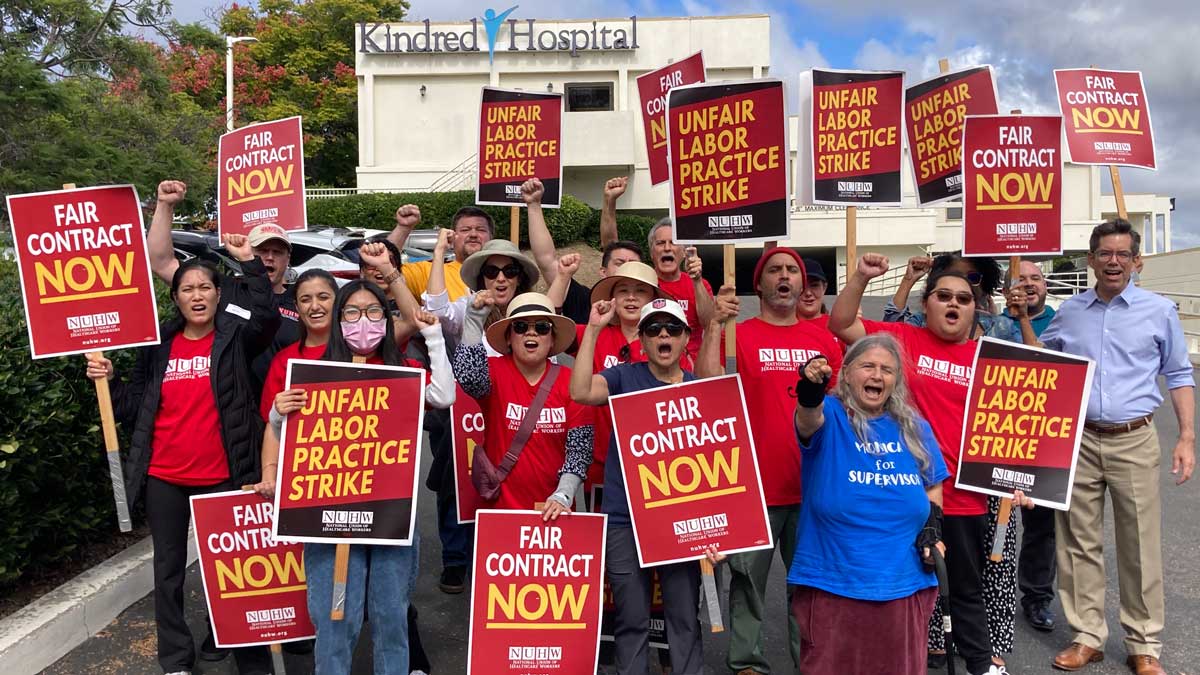
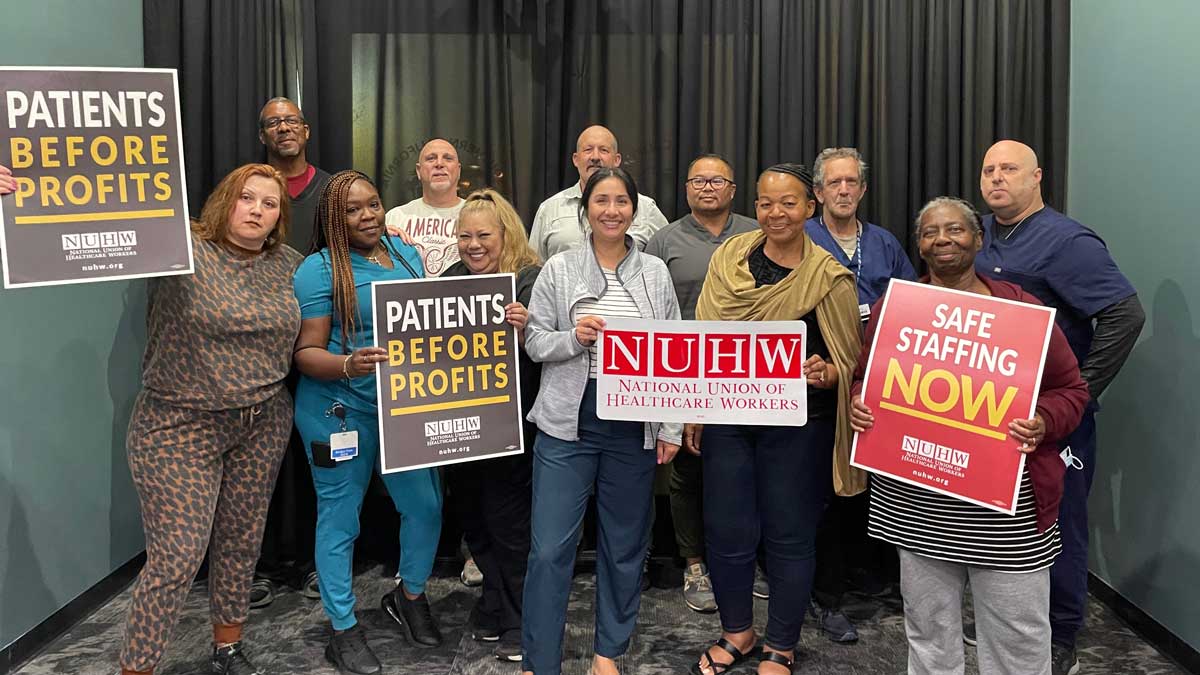
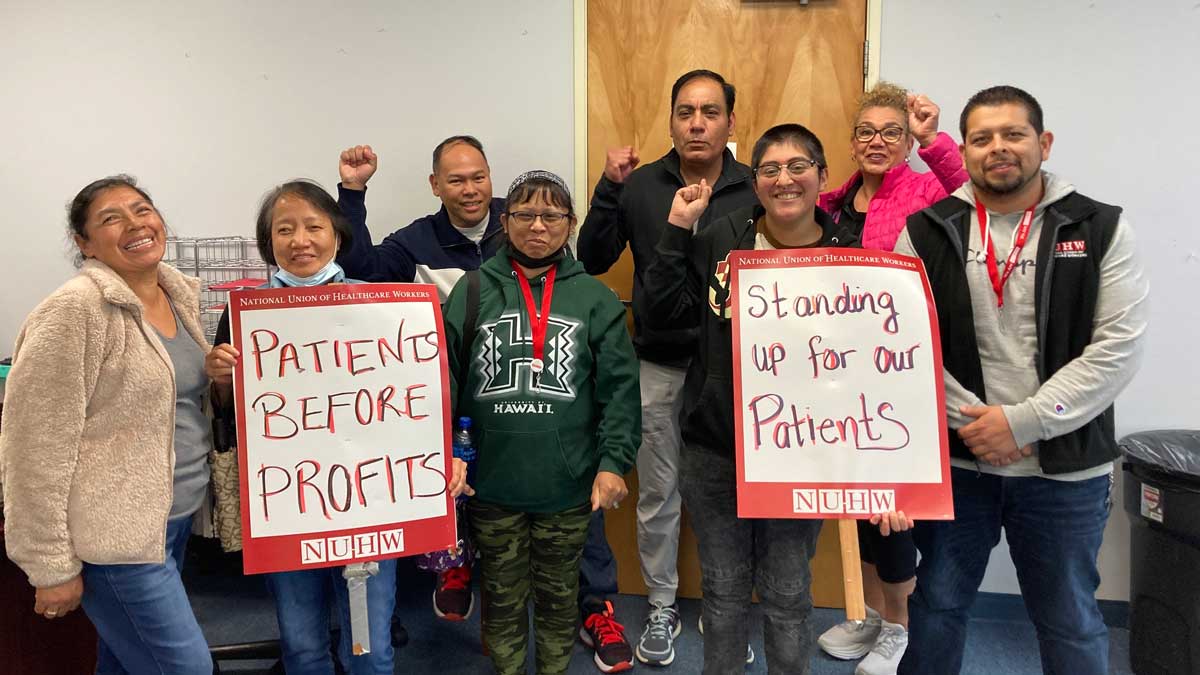
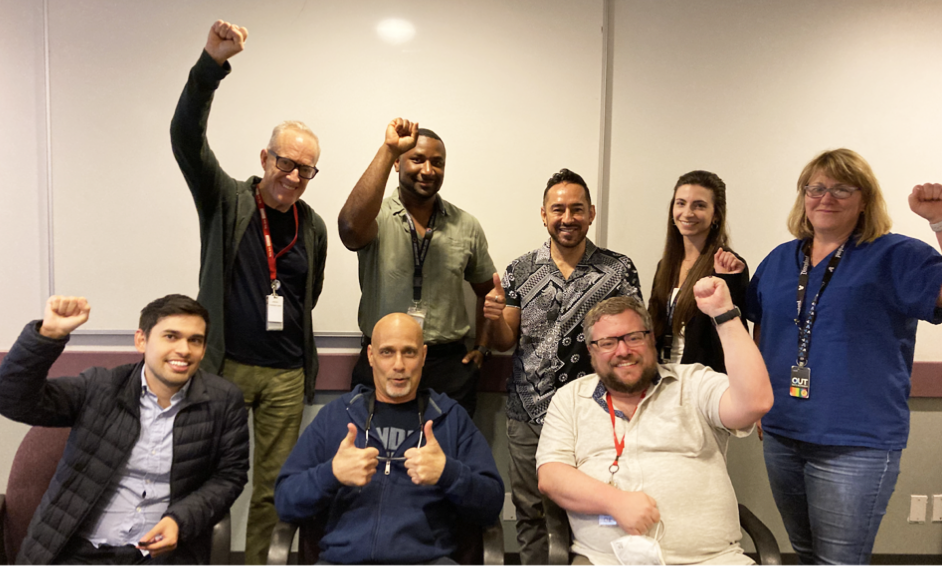
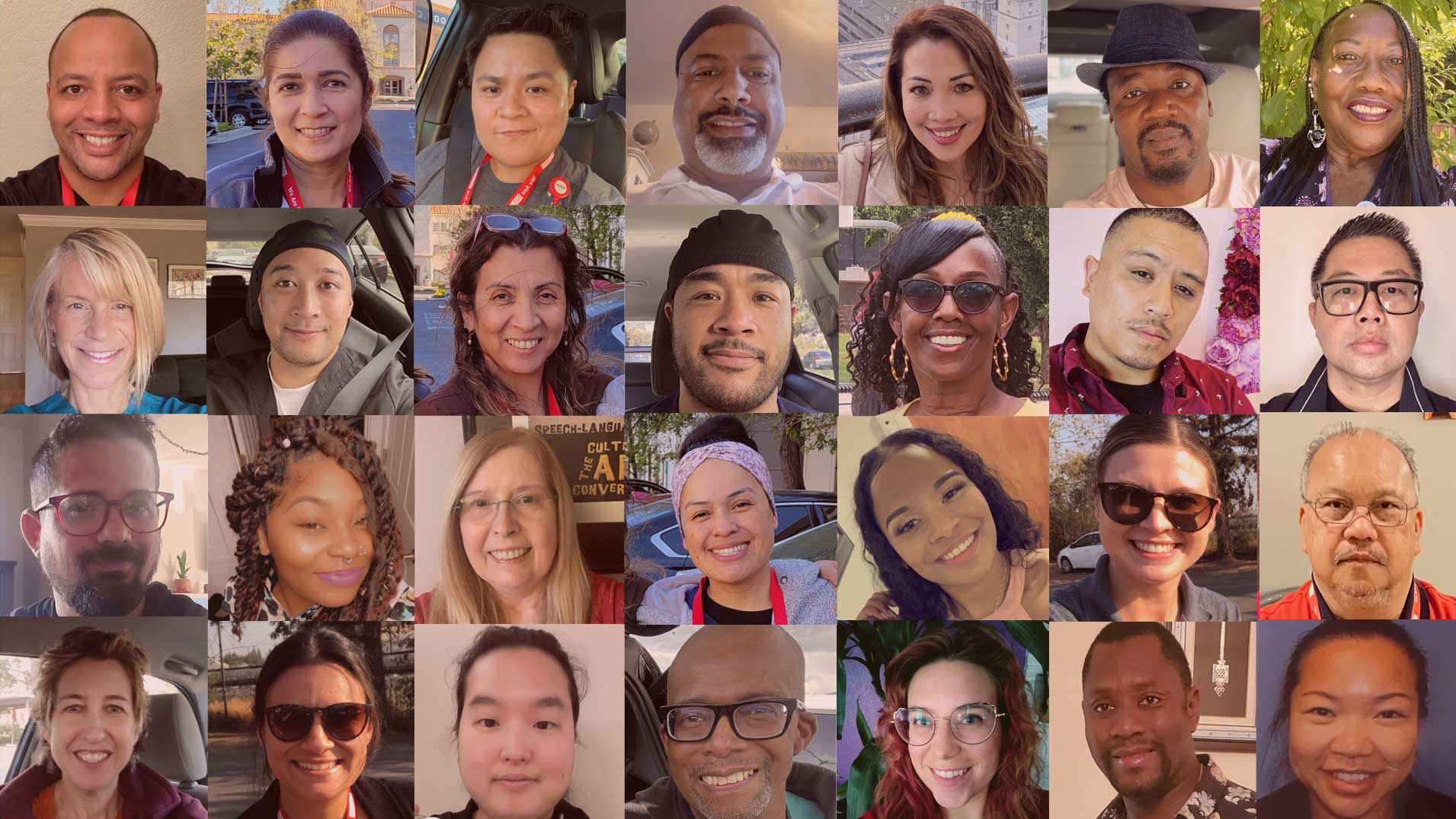
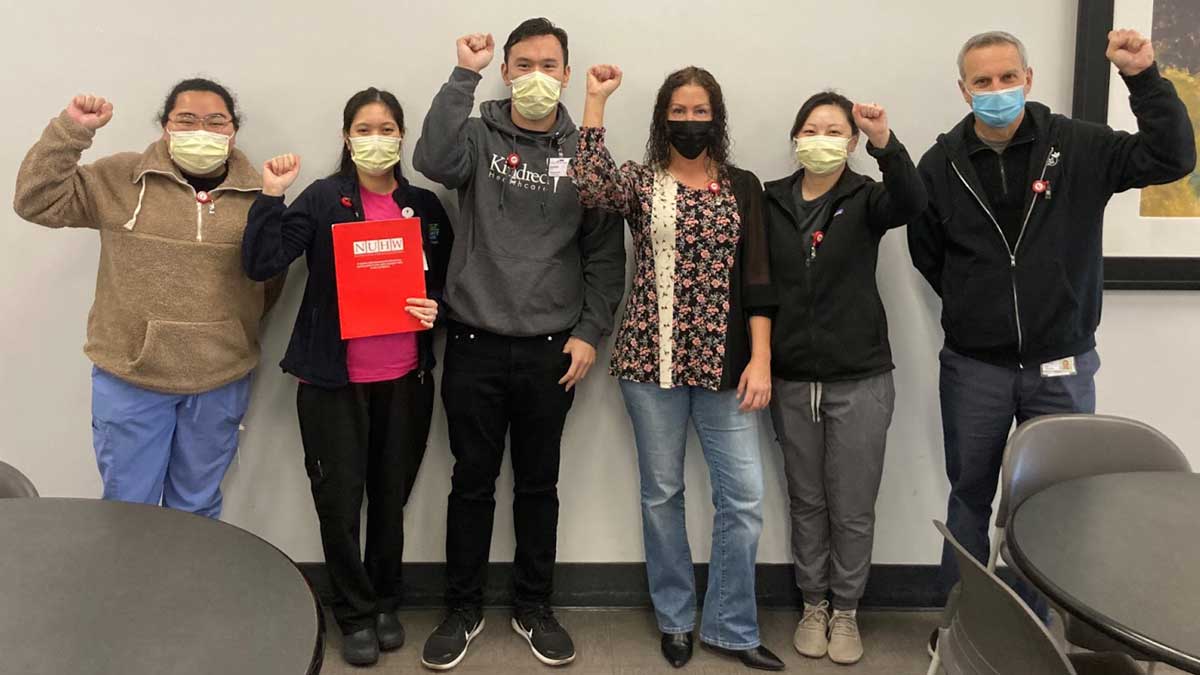
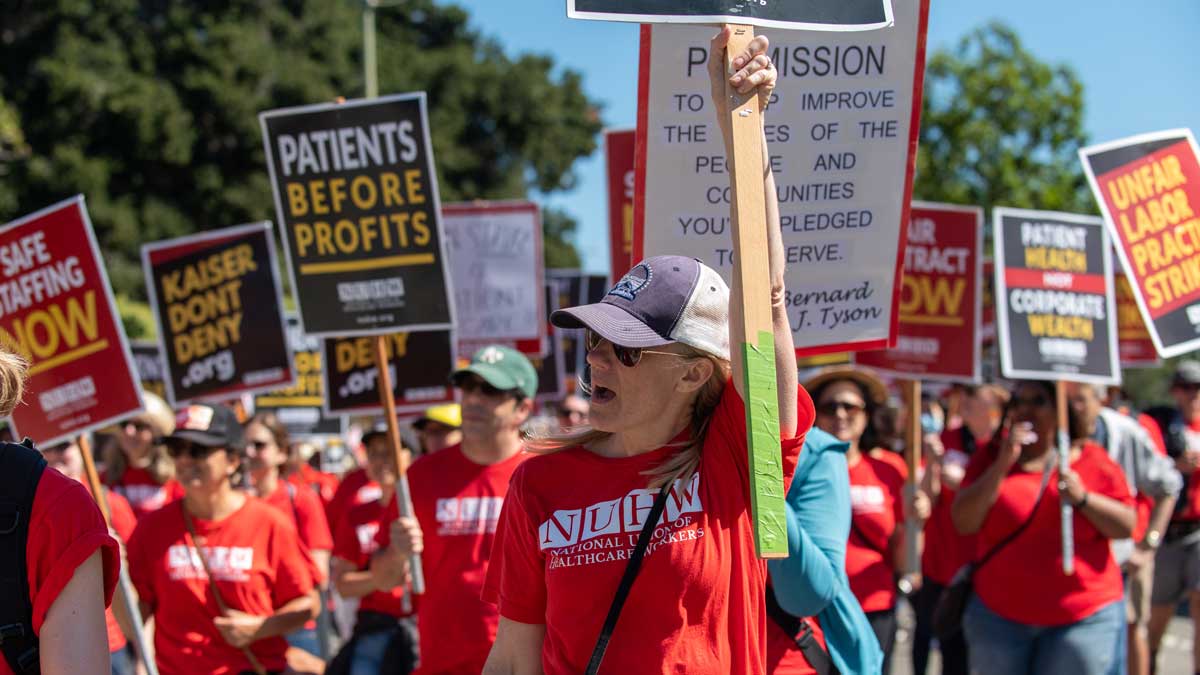
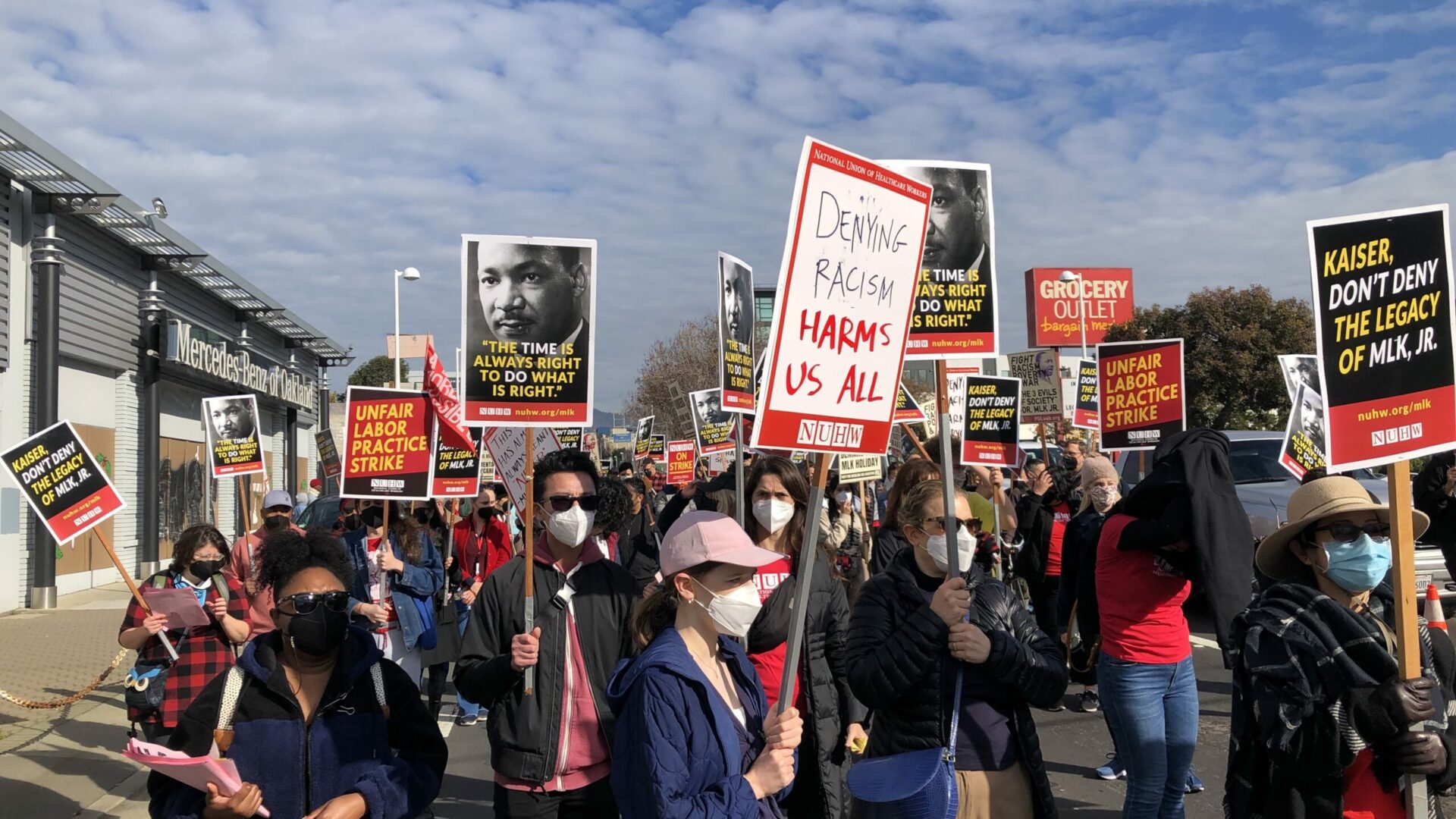
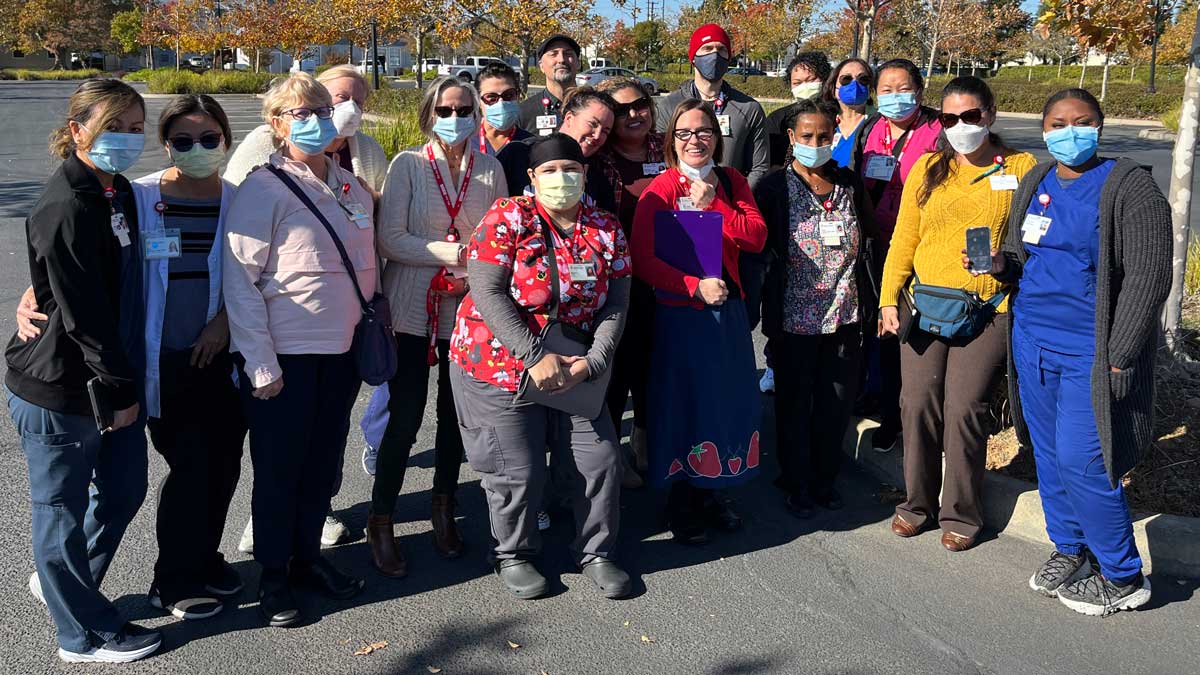
Approximately 2,400 mental health therapists, social workers and psychologists who provide mental healthcare for Kaiser patients in the Bay Area, Central Valley and Sacramento have authorized a one-day Unfair Labor Practice Strike as Kaiser now finds itself under both federal and state oversight for mental healthcare violations.
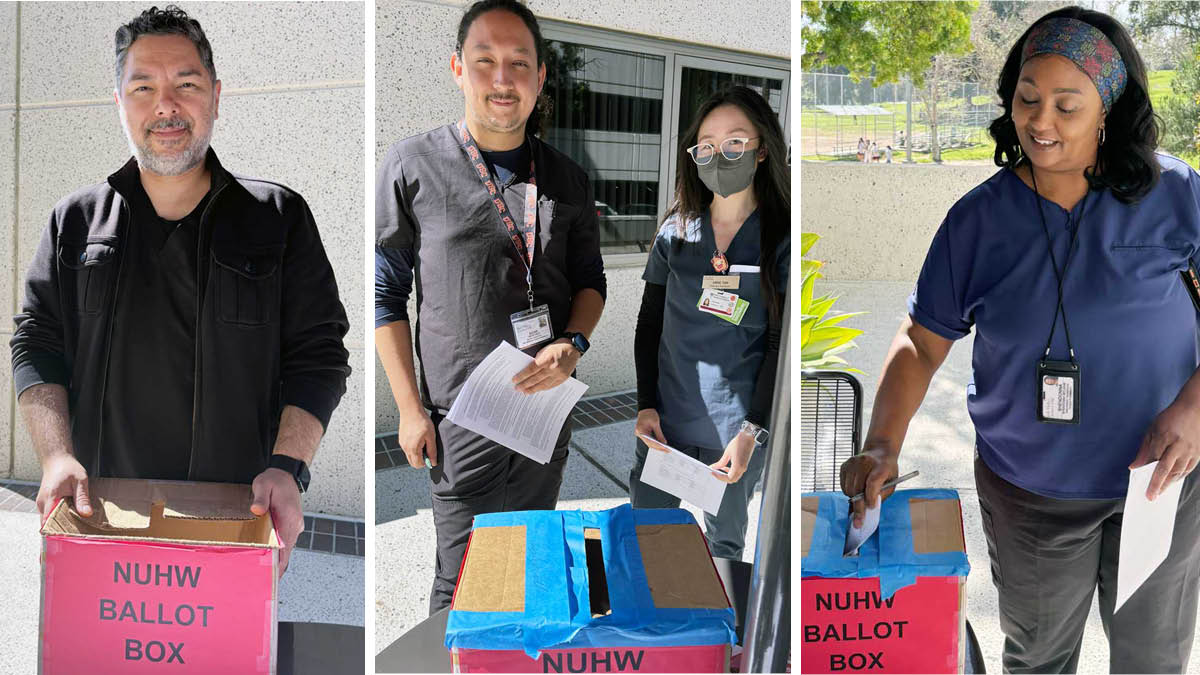
In voting that began in late January and ended on Saturday, 92 percent of the mental health professionals voted to authorize the strike.
“We’re not going to sit quietly while Kaiser diminishes the care our patients need and threatens to replace our jobs,” said Harrison Cunningham, a therapist for Kaiser in the Bay Area. “Mental healthcare is about human connection, and Kaiser wants to mechanize it to deliver the least amount of care at the lowest possible cost.”
The therapists, represented by the National Union of Healthcare Workers, have not announced a strike date. Their contract expired at the end of September. The next bargaining session is scheduled for Feb. 27, but both sides remain far apart with Kaiser sticking to extreme proposals that would open the door to layoffs and increased use of artificial intelligence as part of its mental health services.
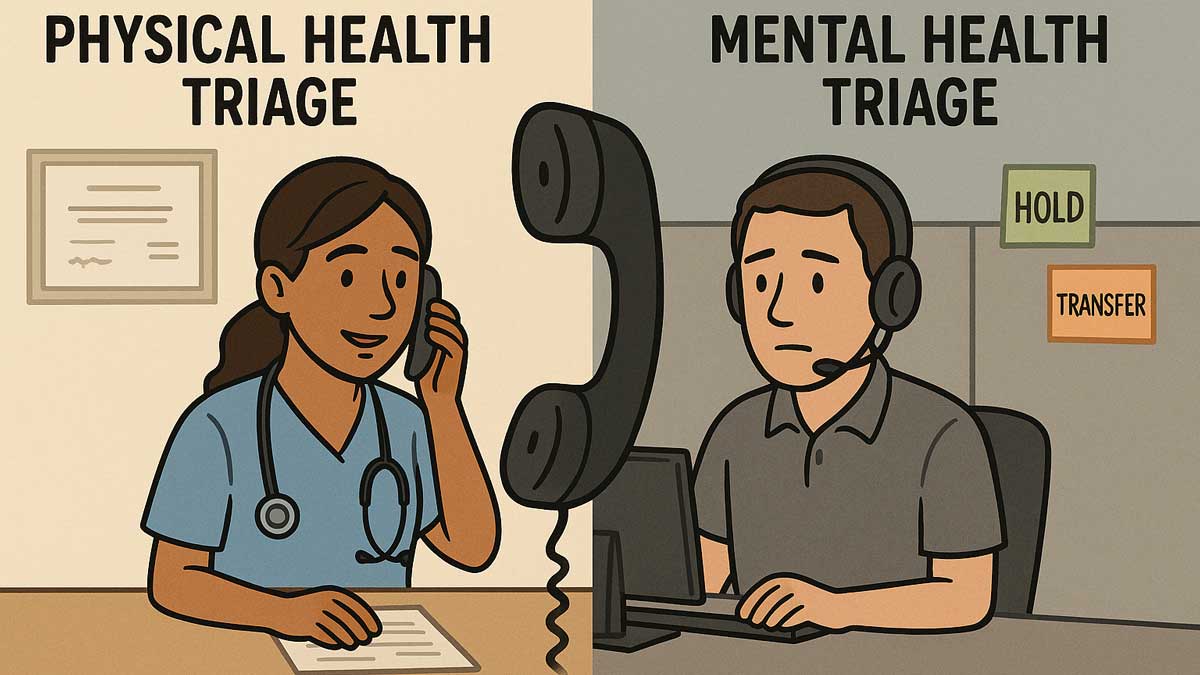
The strike vote is based on an Unfair Labor Practice charge therapists filed against Kaiser for unilaterally overhauling its system for triaging patients seeking mental health services.
Patients entering Kaiser’s mental healthcare system are no longer guaranteed to talk to a human therapist trained to ask the right questions to determine what kind of treatment they need and how urgently they need it. Now, most patients must answer yes-or-no prompts, while Kaiser telephone operators and artificial intelligence decide the next step. As a result, therapists report seeing more patients who should have been seen immediately or assigned to a different treatment program.
Kaiser’s move to replace therapists with AI in triaging patients foreshadowed its hardline stance in contract negotiations. The HMO wants to:
- Reverse patient care safeguards therapists won in previous contracts including scheduling rules that reduce wait times for return appointments and give therapists enough time to respond to patient communications and prepare for appointments.
- Enshrine full autonomy to lay off therapists in order to further outsource mental health services, severing mental health care from the rest of Kaiser’s integrated services. Kaiser’s proposal even details severance packages.
- Gain maximum flexibility to replace therapists with artificial intelligence, depriving patients of the human-to-human contact that makes mental health therapy effective.
While Kaiser is further diminishing its mental healthcare services, the HMO is continuing to rack up penalties for violating the rights of its patients to timely, appropriate care.
Earlier this month, Kaiser entered into a $31 million settlement with the U.S. Department of Labor over violations of mental health parity laws. Under the 38-page settlement agreement, Kaiser must reimburse patients who had to pay out-of-pocket for mental health treatment they couldn’t get from Kaiser.
The settlement agreement with the U.S. Department of Labor came just two years after the California Department of Managed Health Care issued a $200 million penalty against Kaiser, including a $50 million fine, as part of a settlement agreement over mental health violations that caused Kaiser patients to wait too long for treatment. Both settlement agreements resulted from complaints filed by workers and patients.
Kaiser mental health professionals have held several strikes over the past decade including a 10-week strike in 2022 across Northern California and the Central Valley, during which a state investigation found that Kaiser cancelled 11,803 therapy appointments.
“We don’t want to strike, but we don’t have much choice when Kaiser would rather pay fines than provide ethical mental health care,” said Joshua Gibbons, a Kaiser therapist in Sacramento. “The only way for Kaiser to improve care is to work with its therapists, not replace us.”
###
The National Union of Healthcare Workers is a member-led movement that represents 19,000 healthcare workers in California and Hawai’i, including more than 4,700 Kaiser mental health professionals in California.