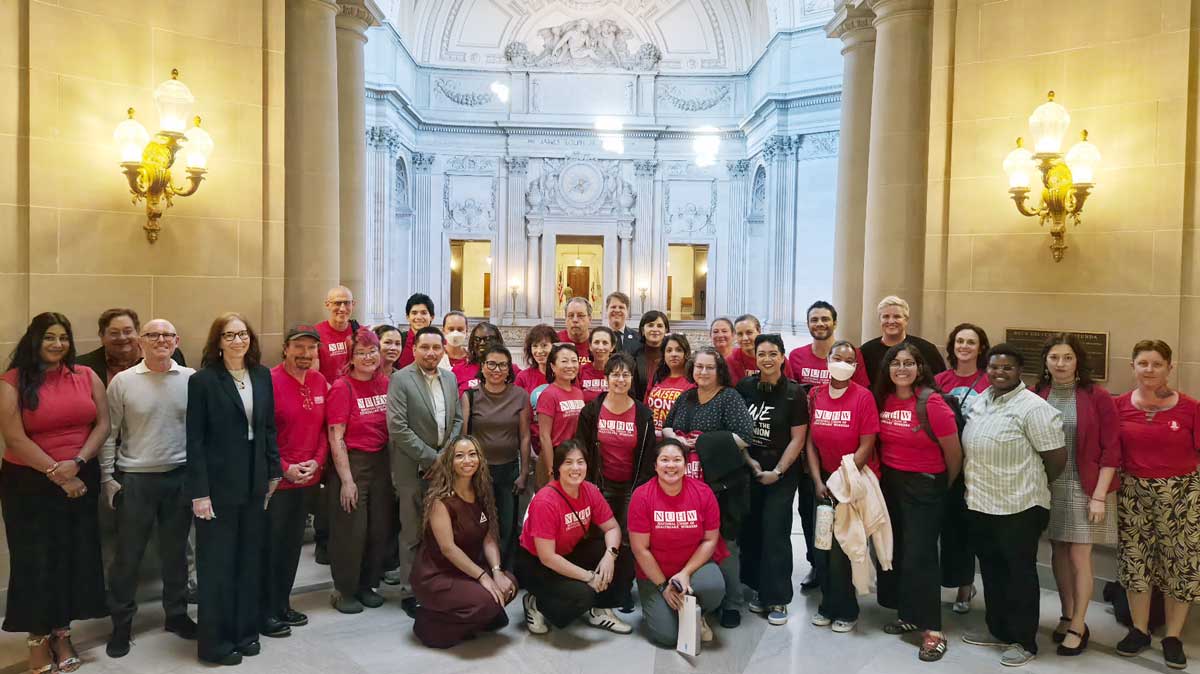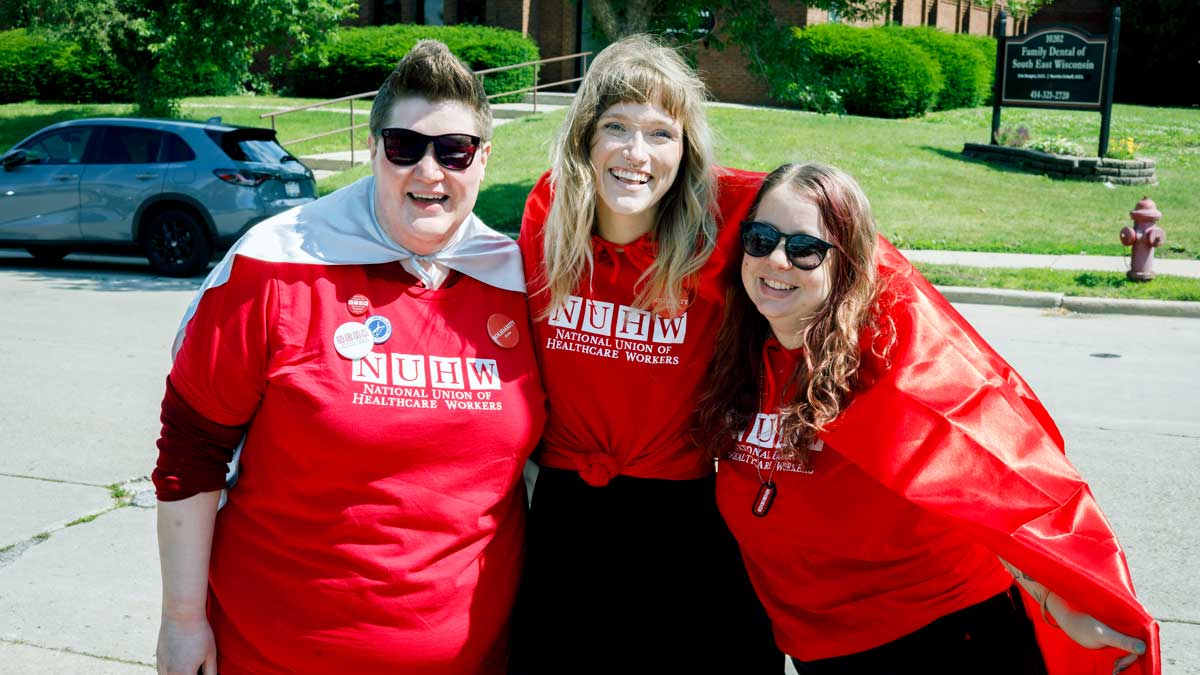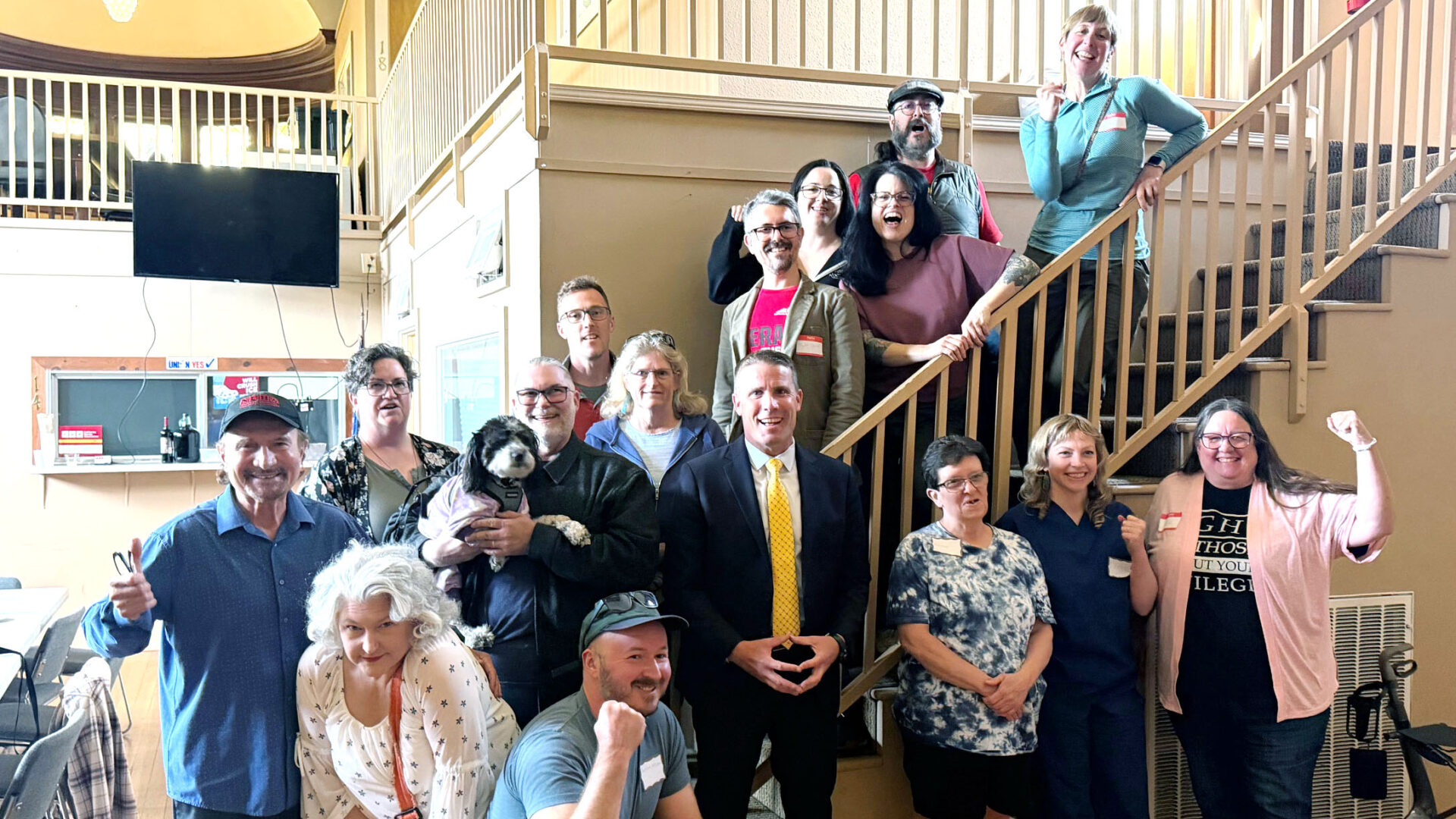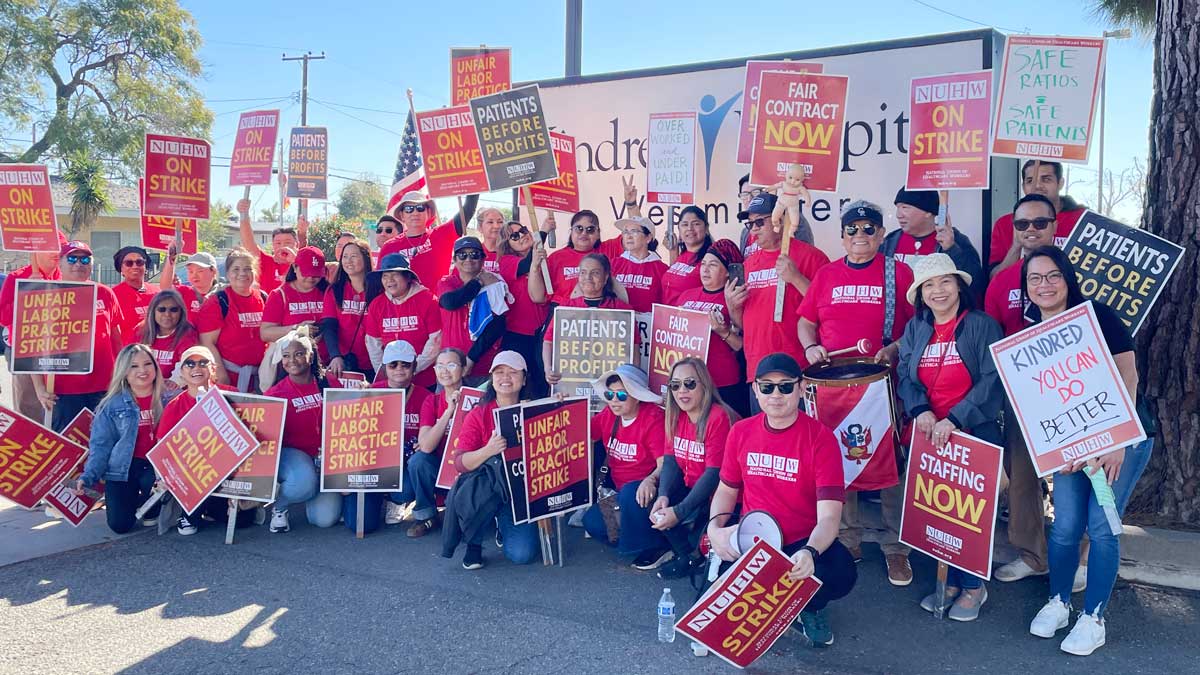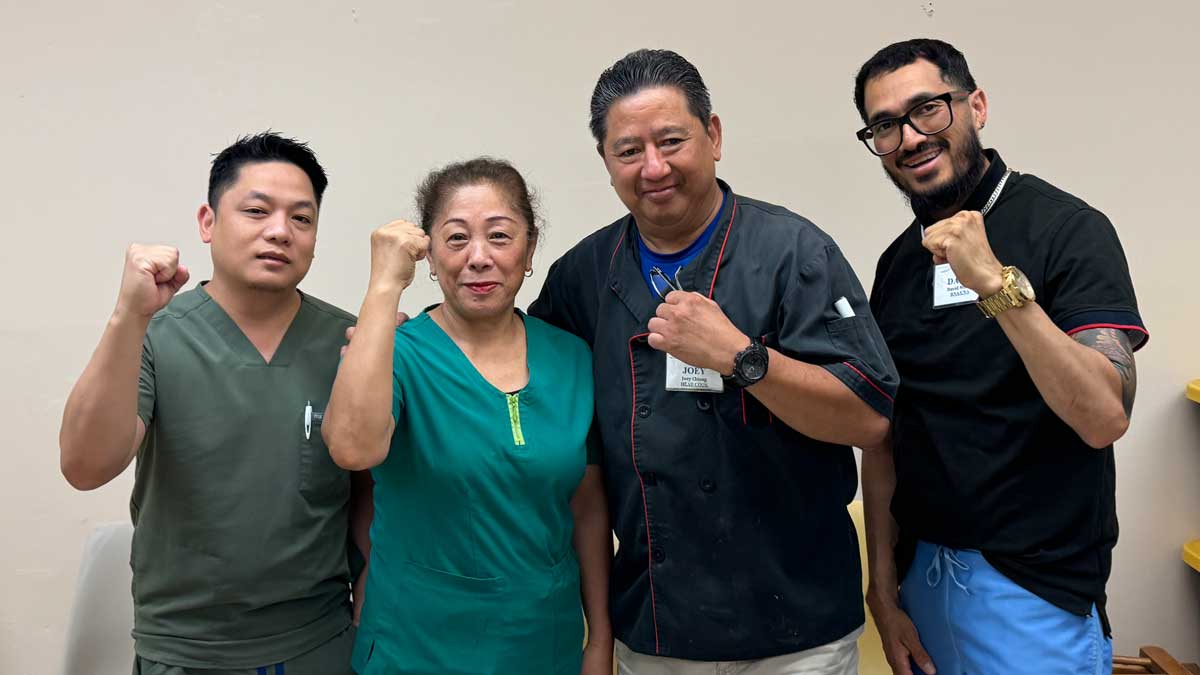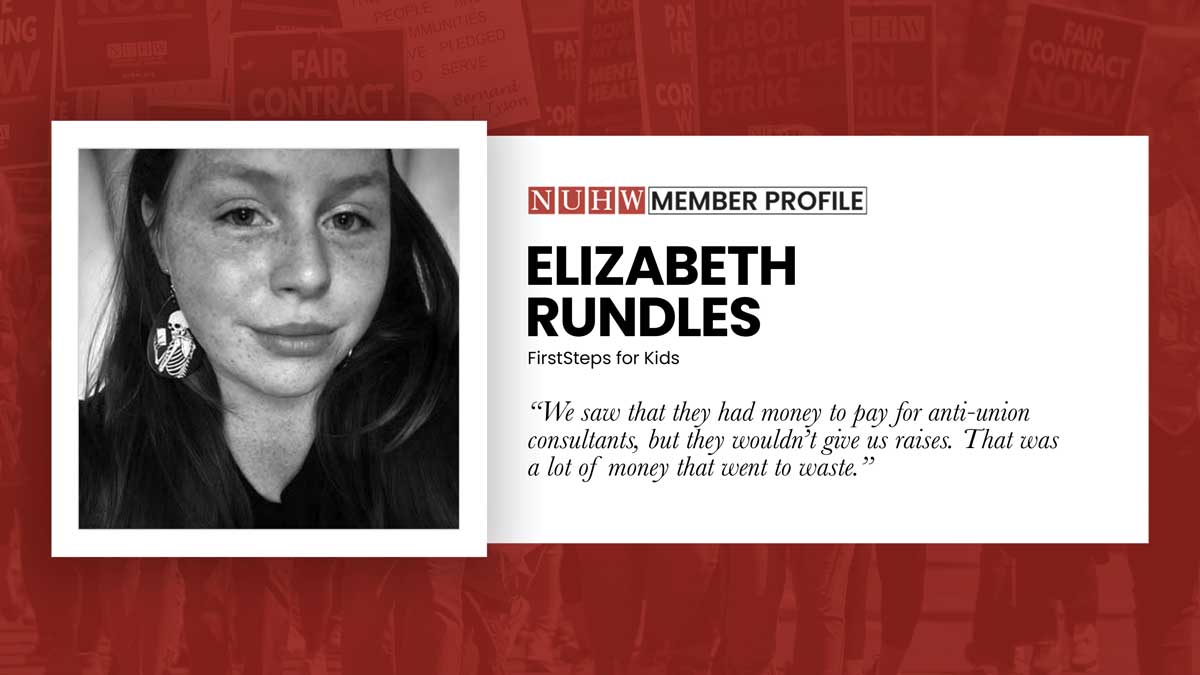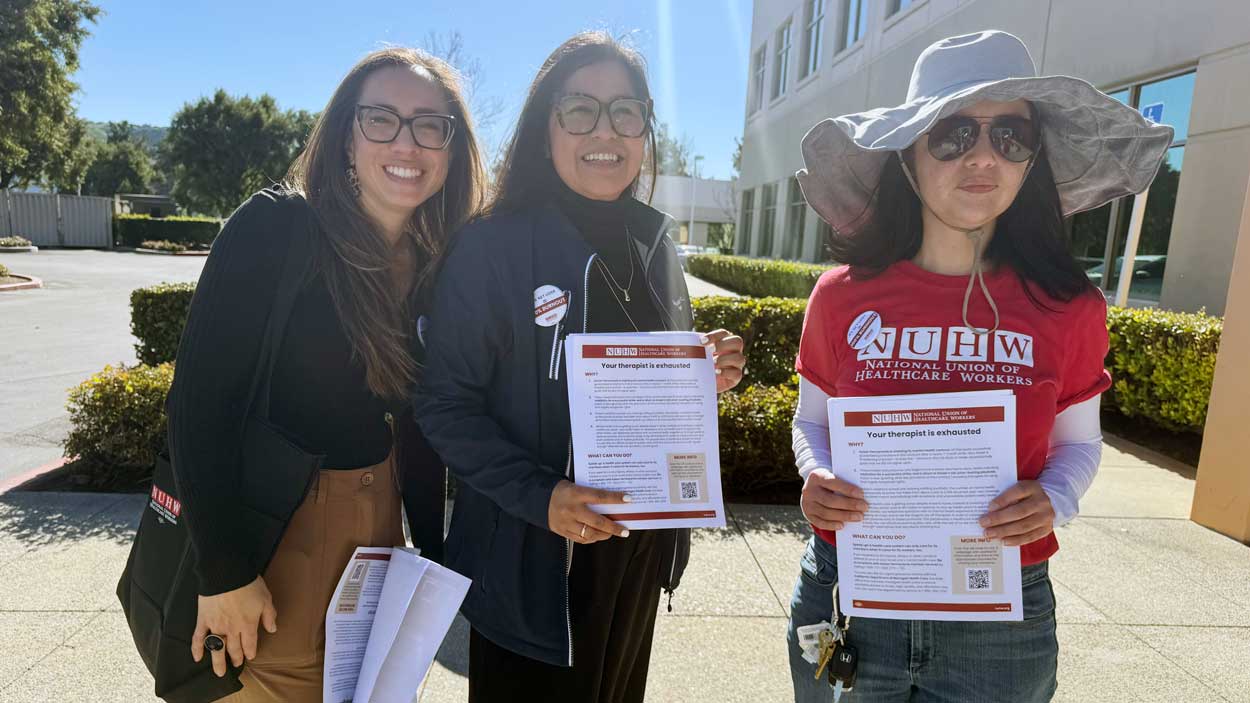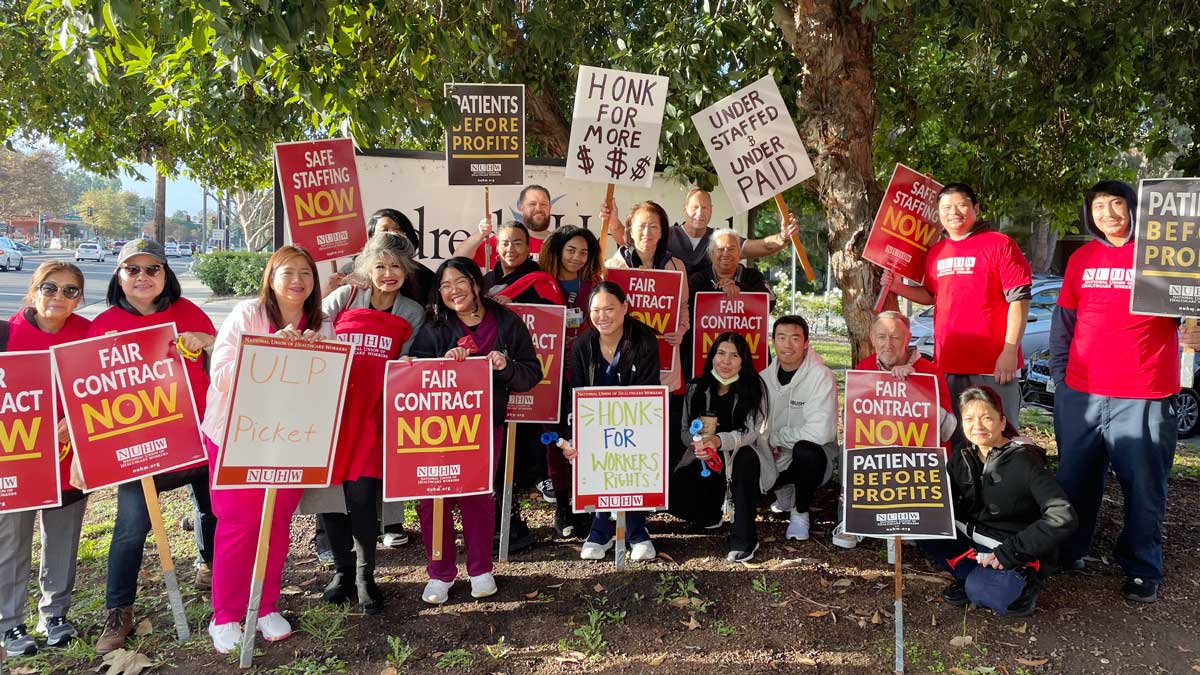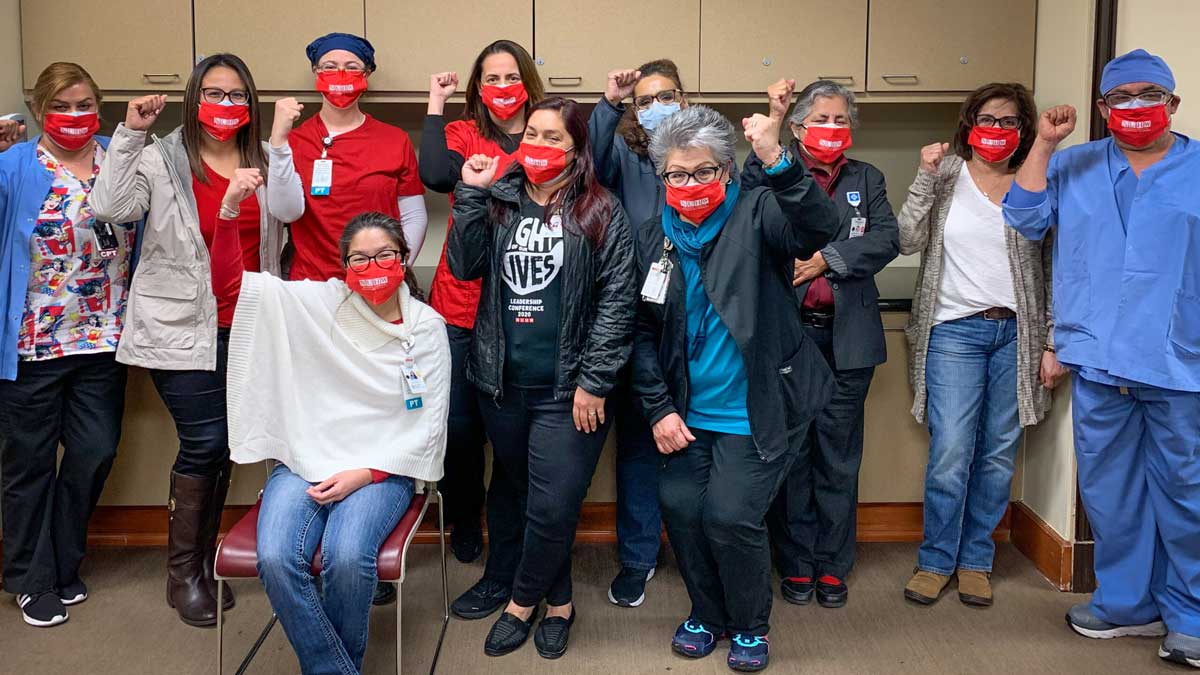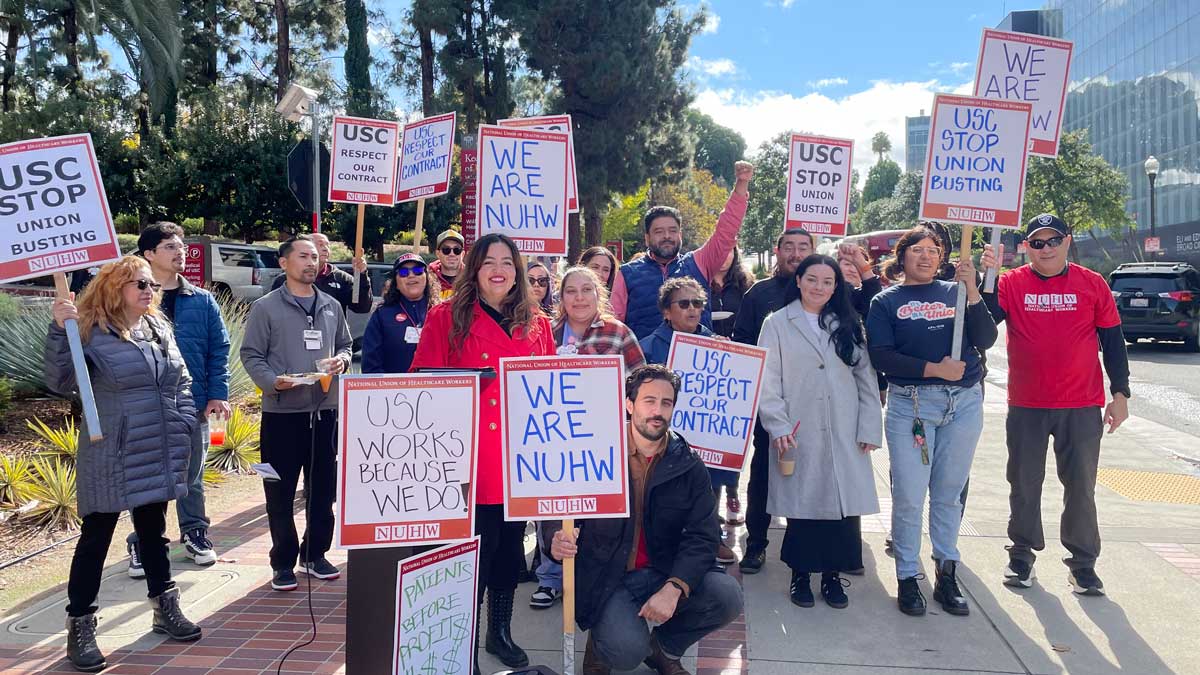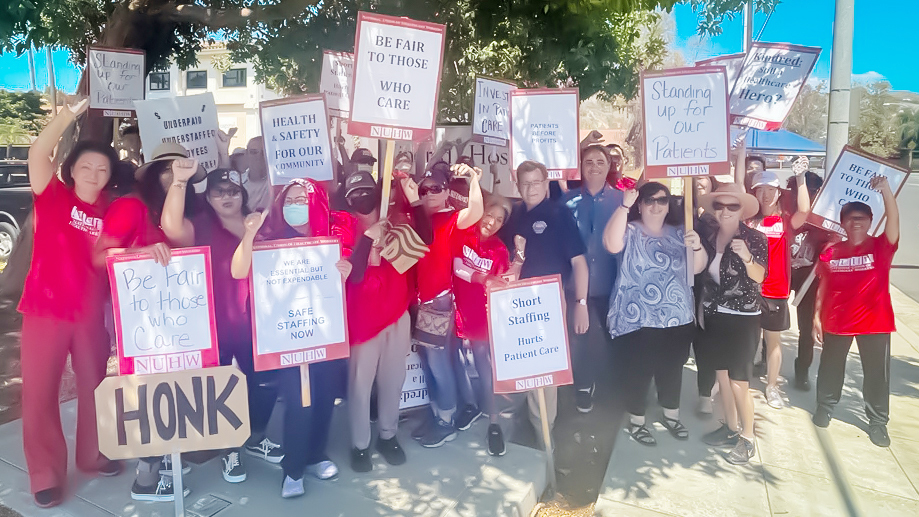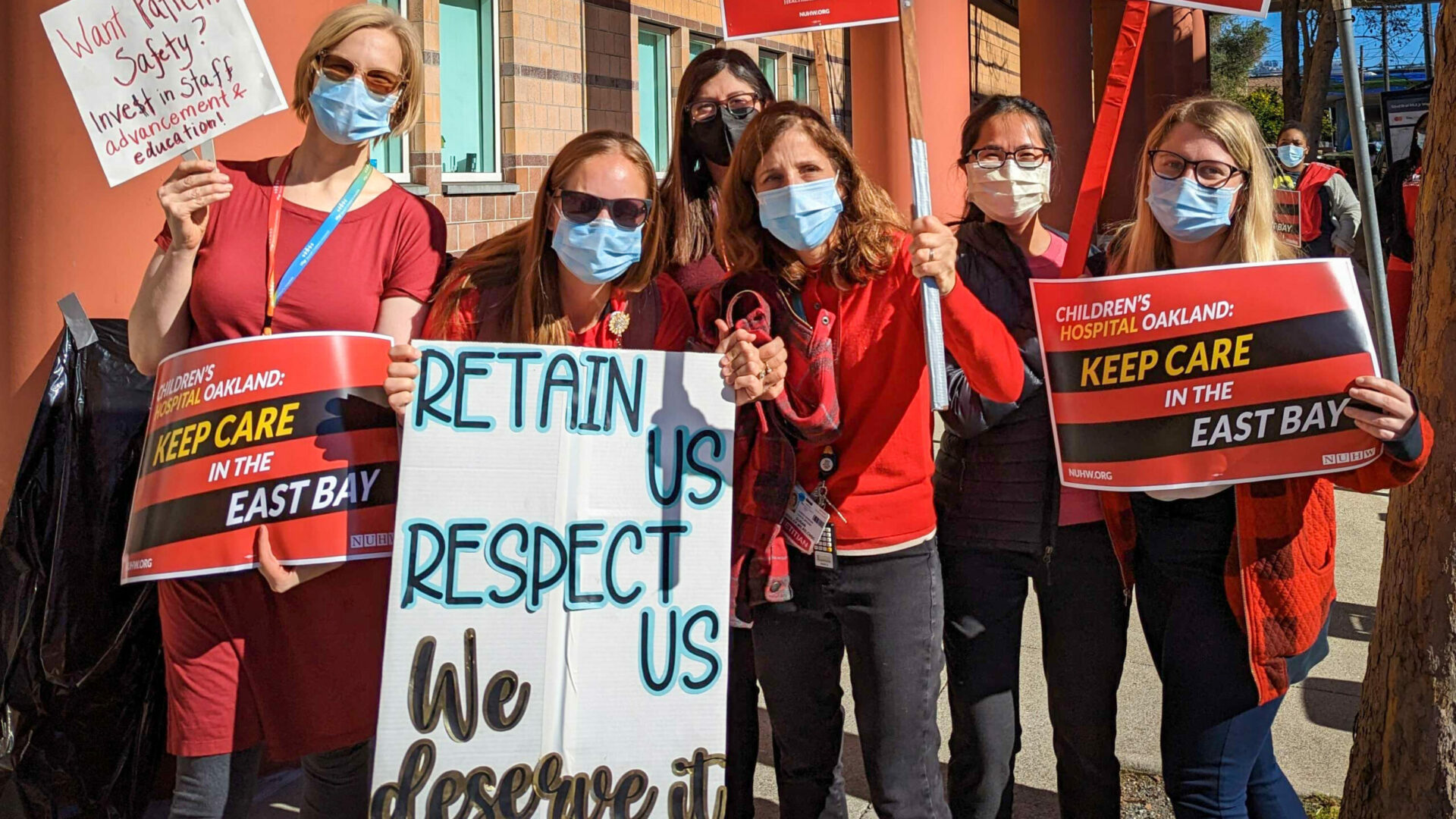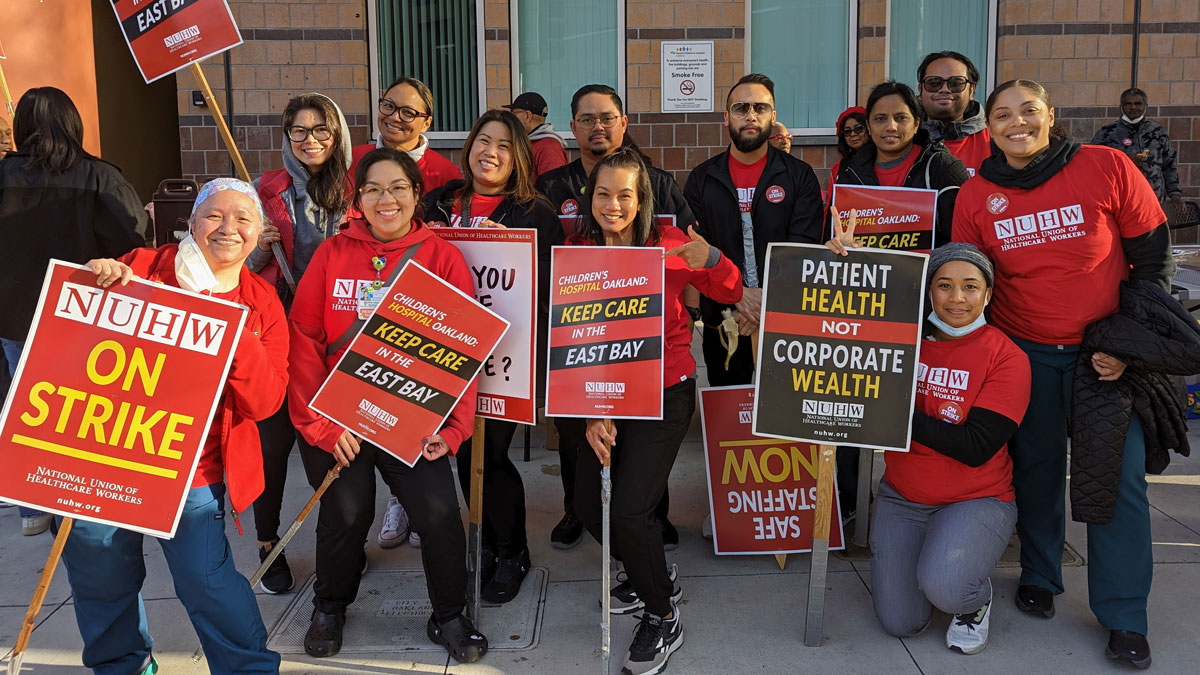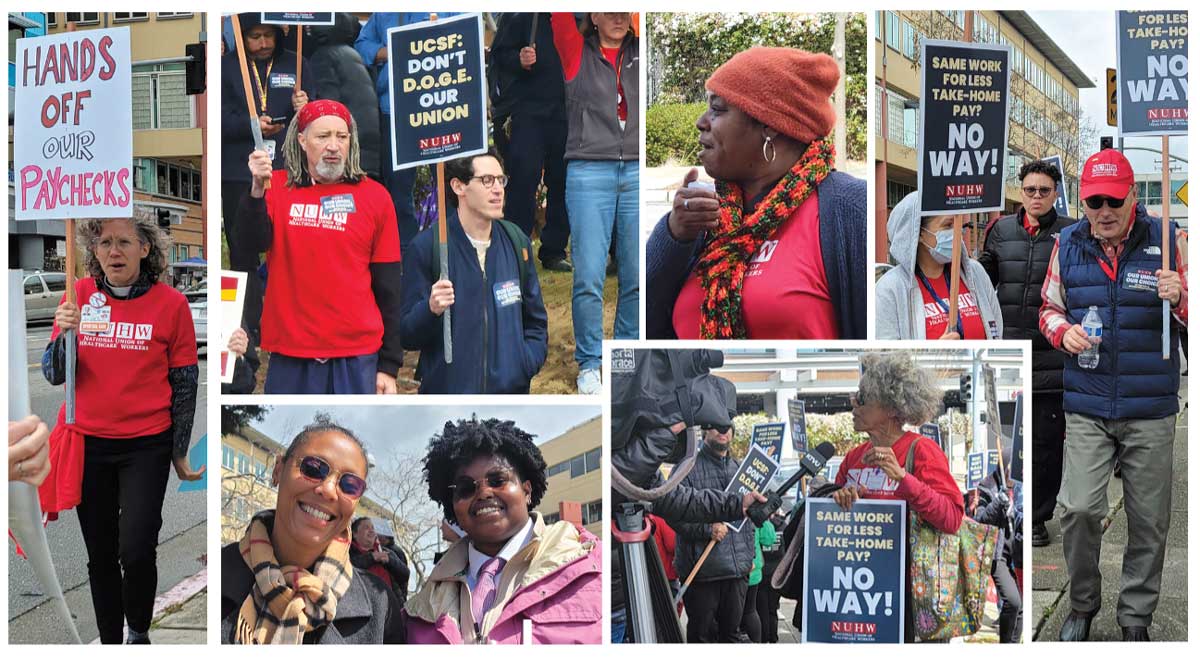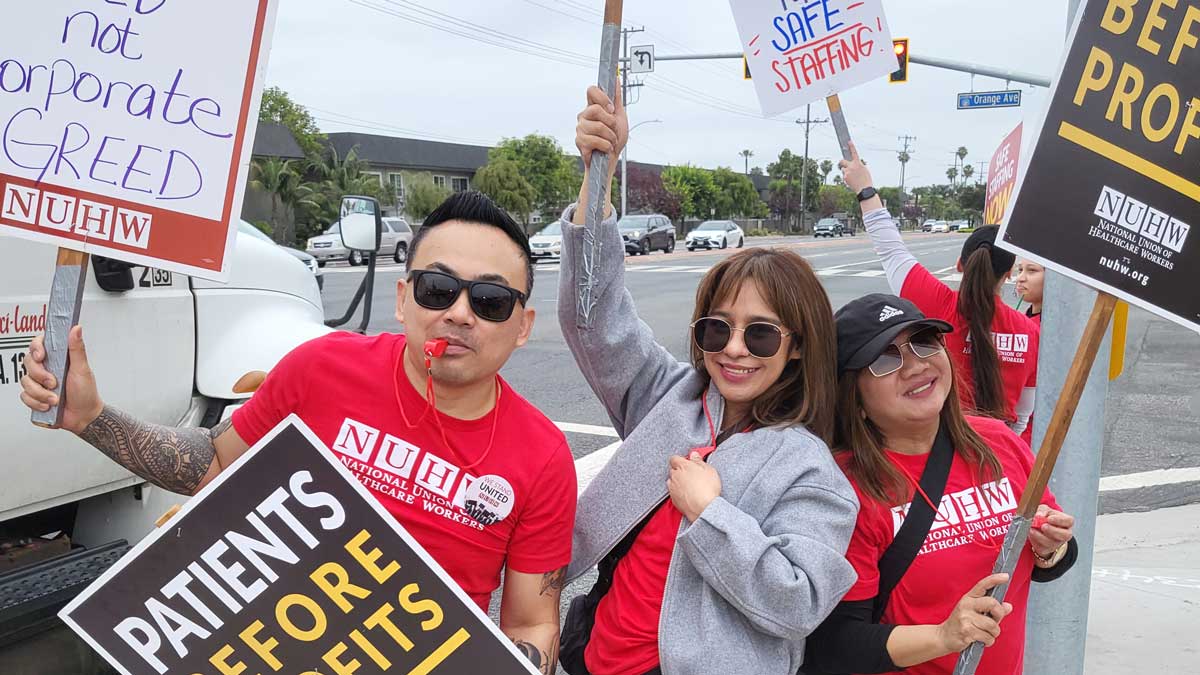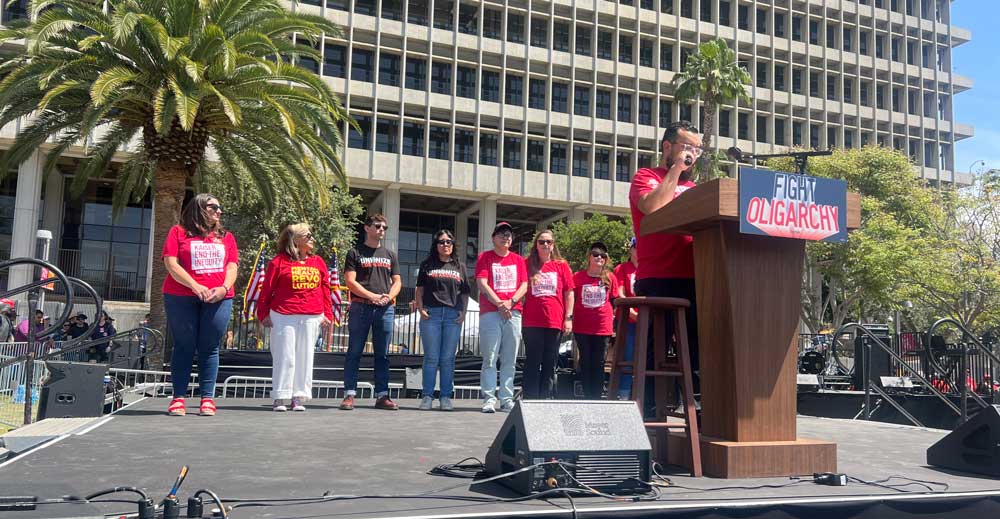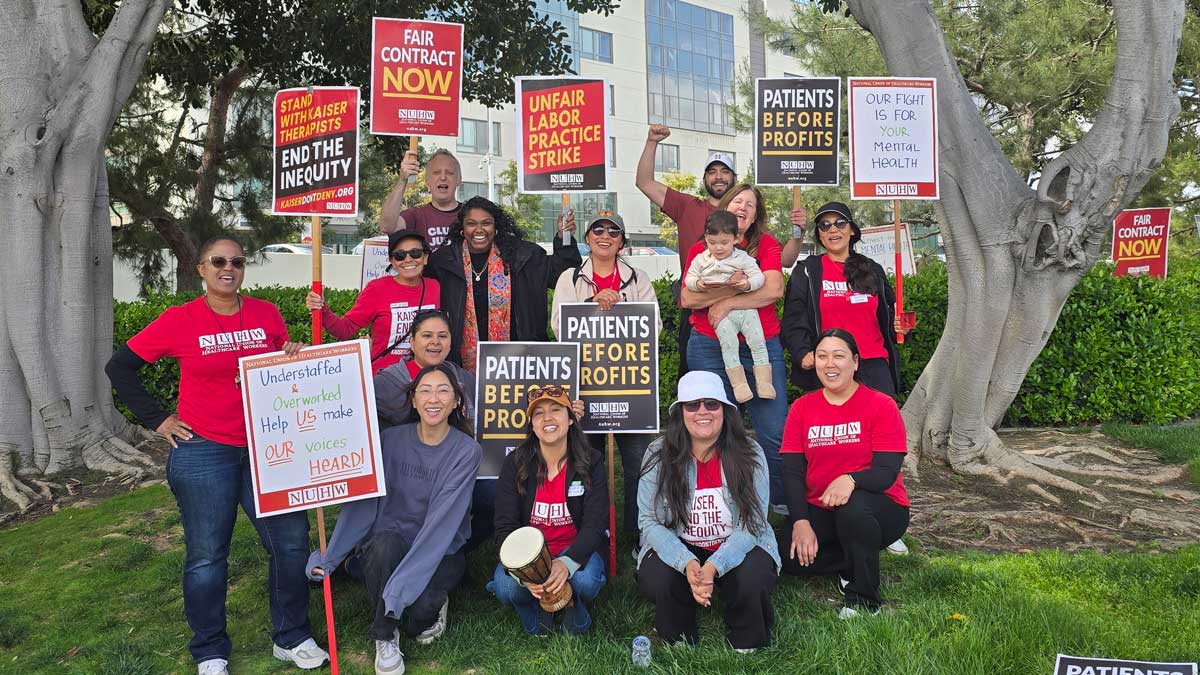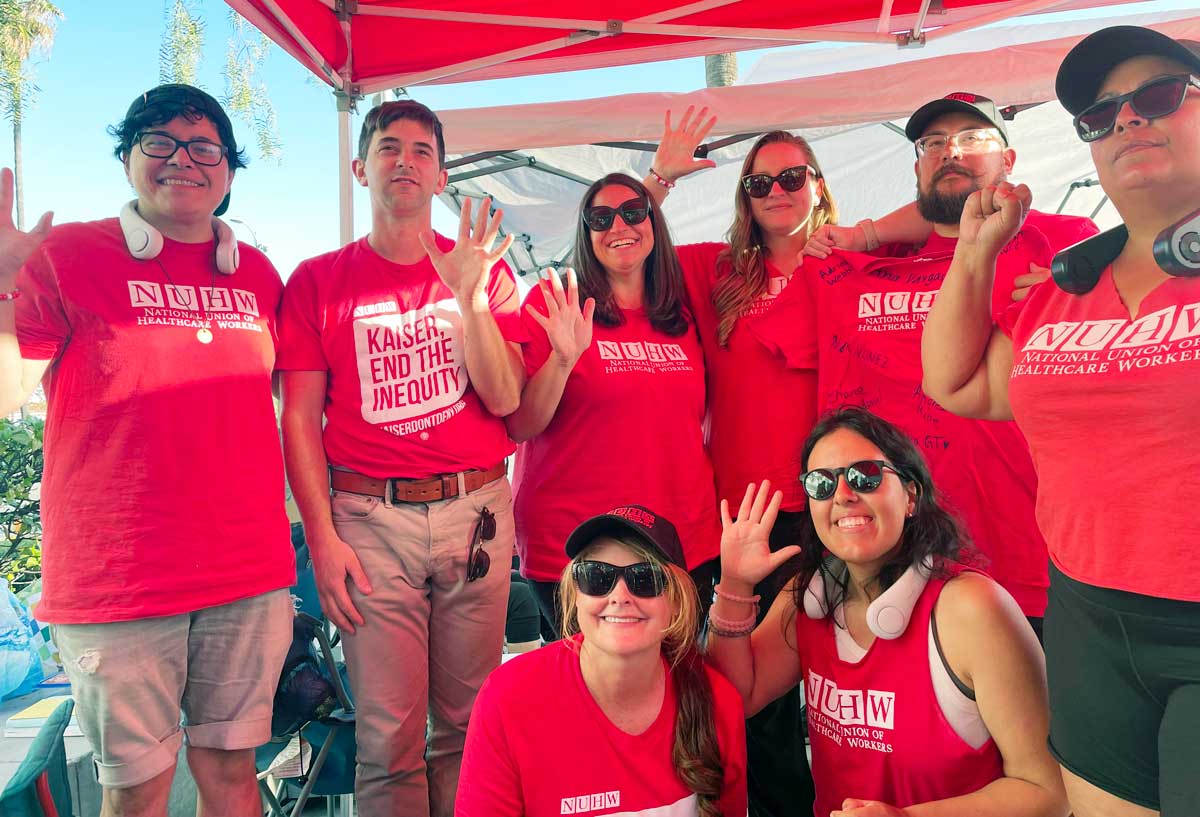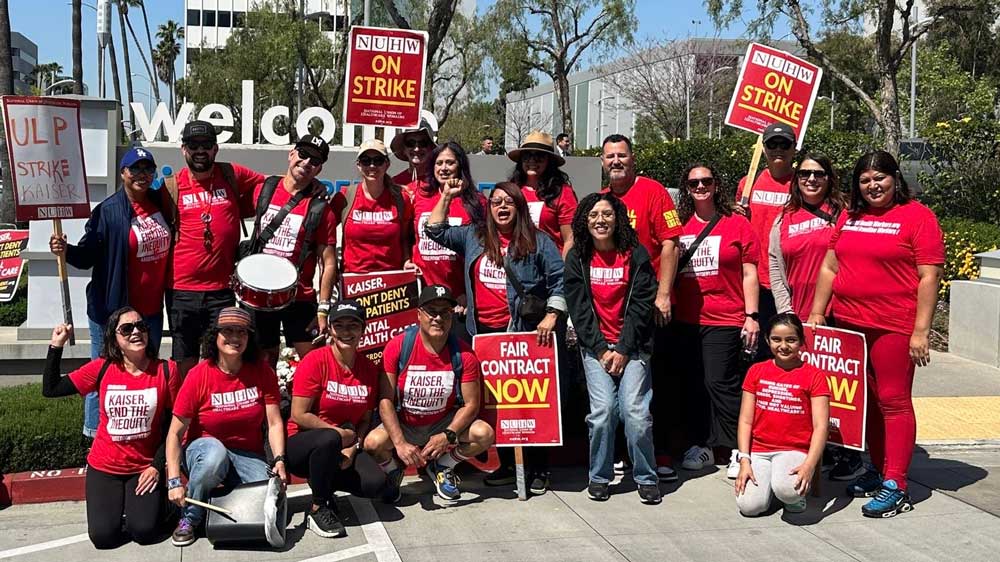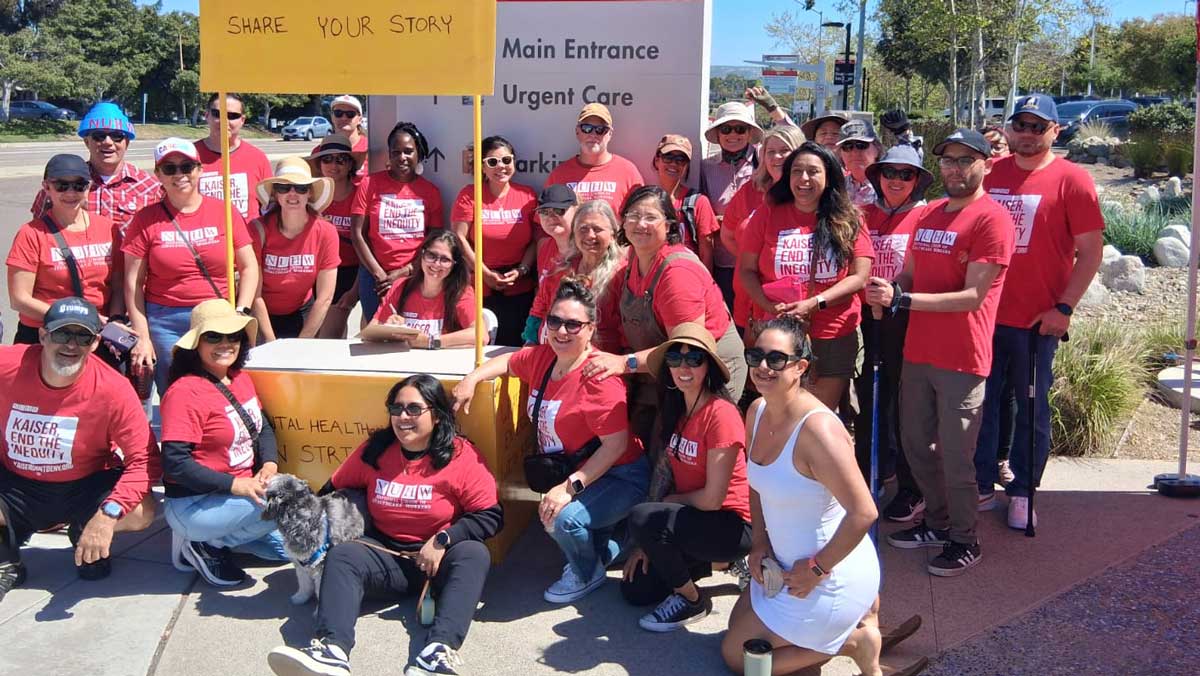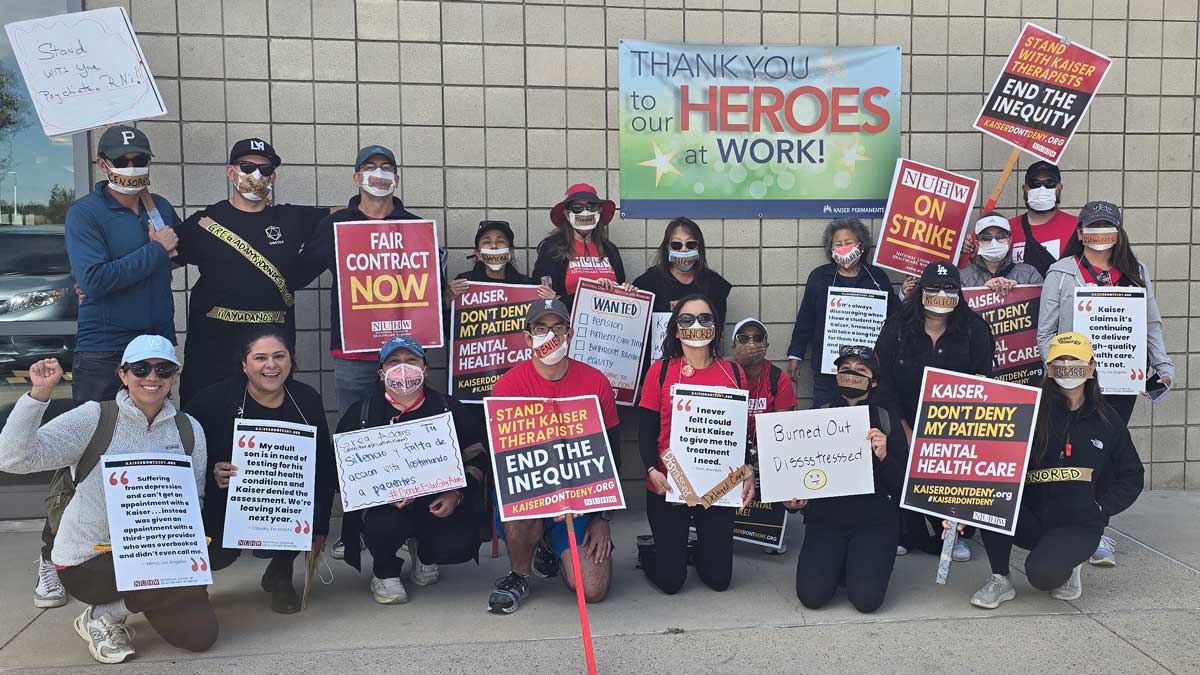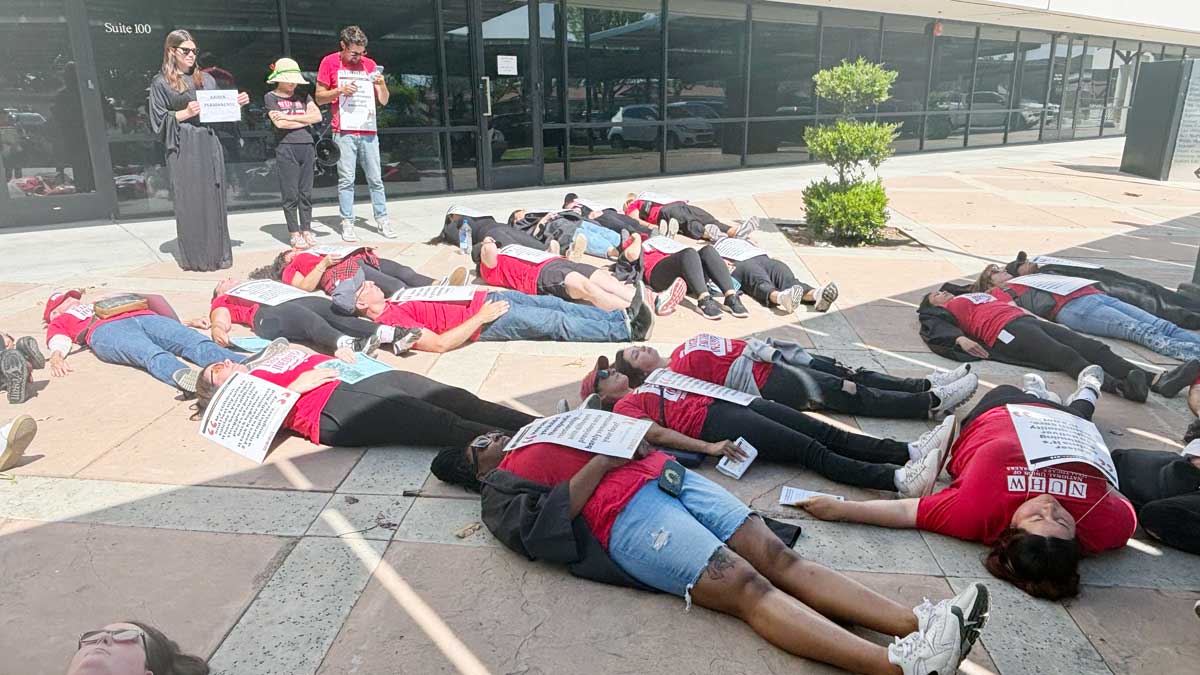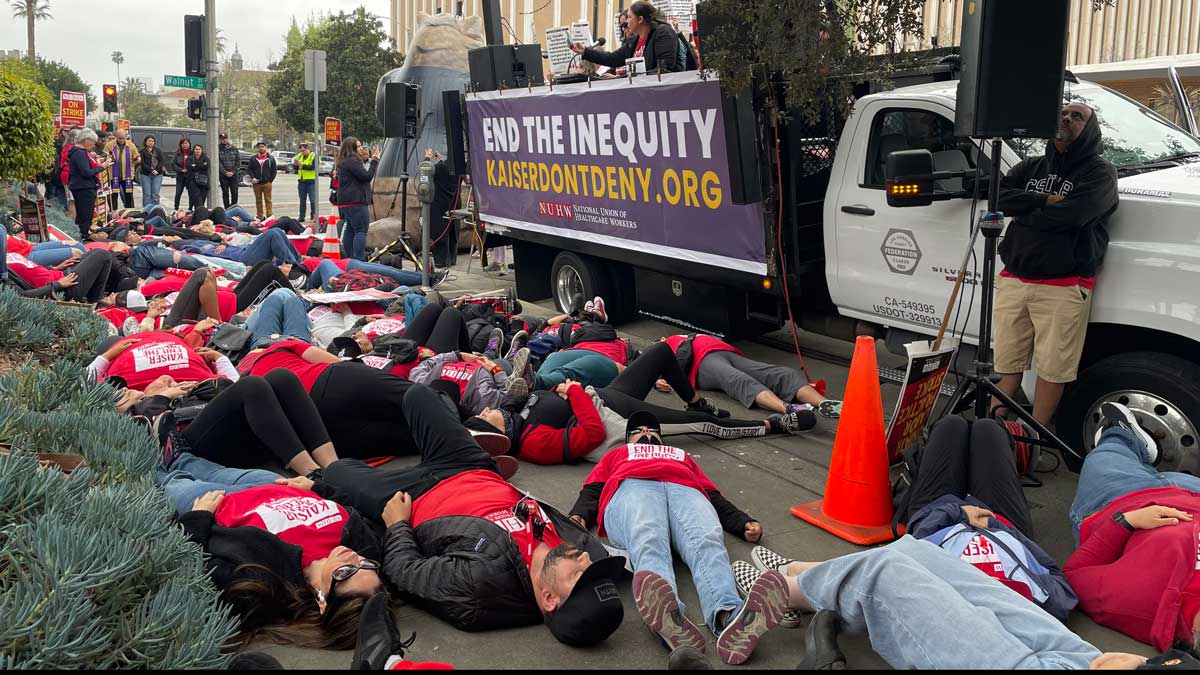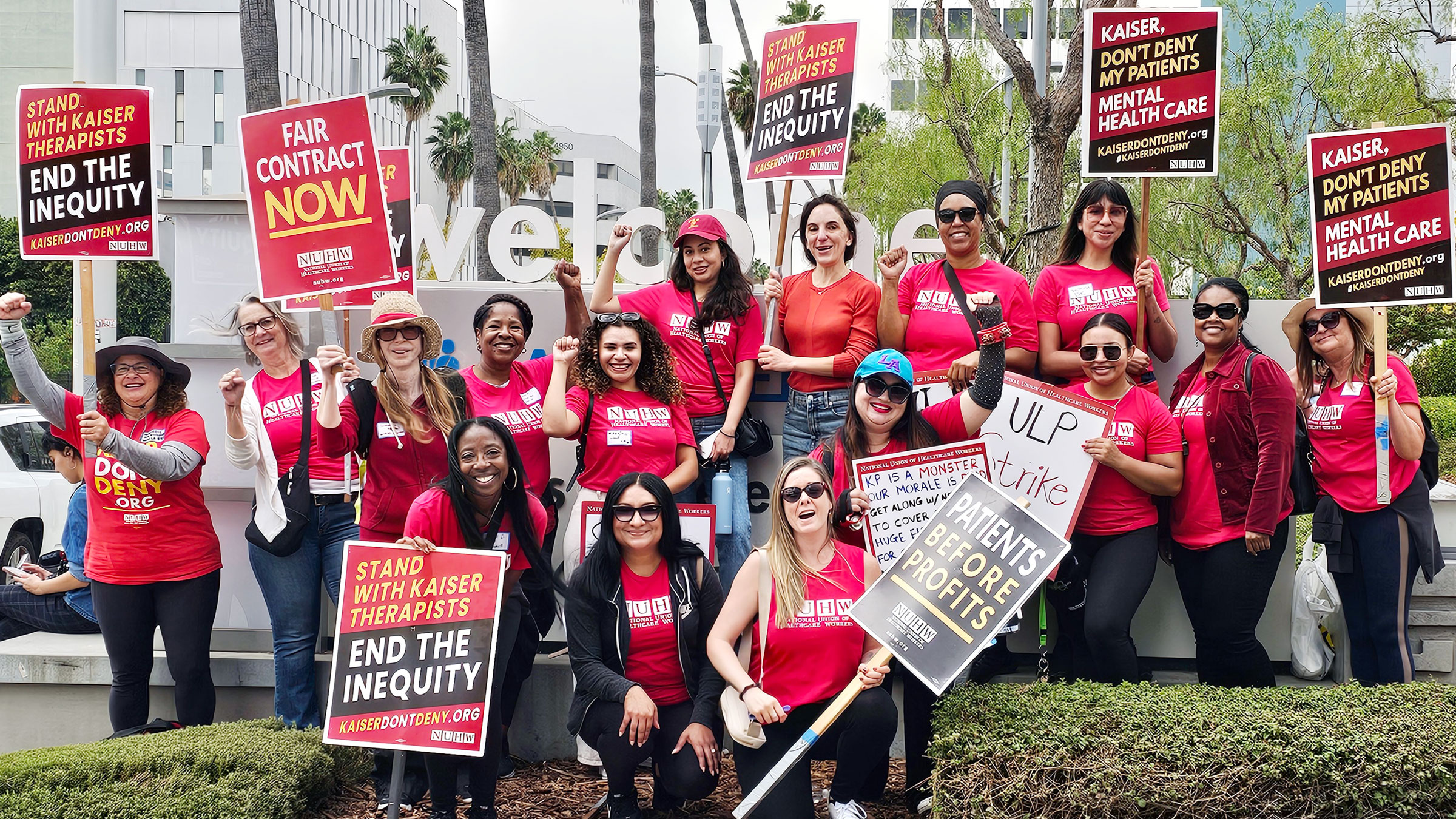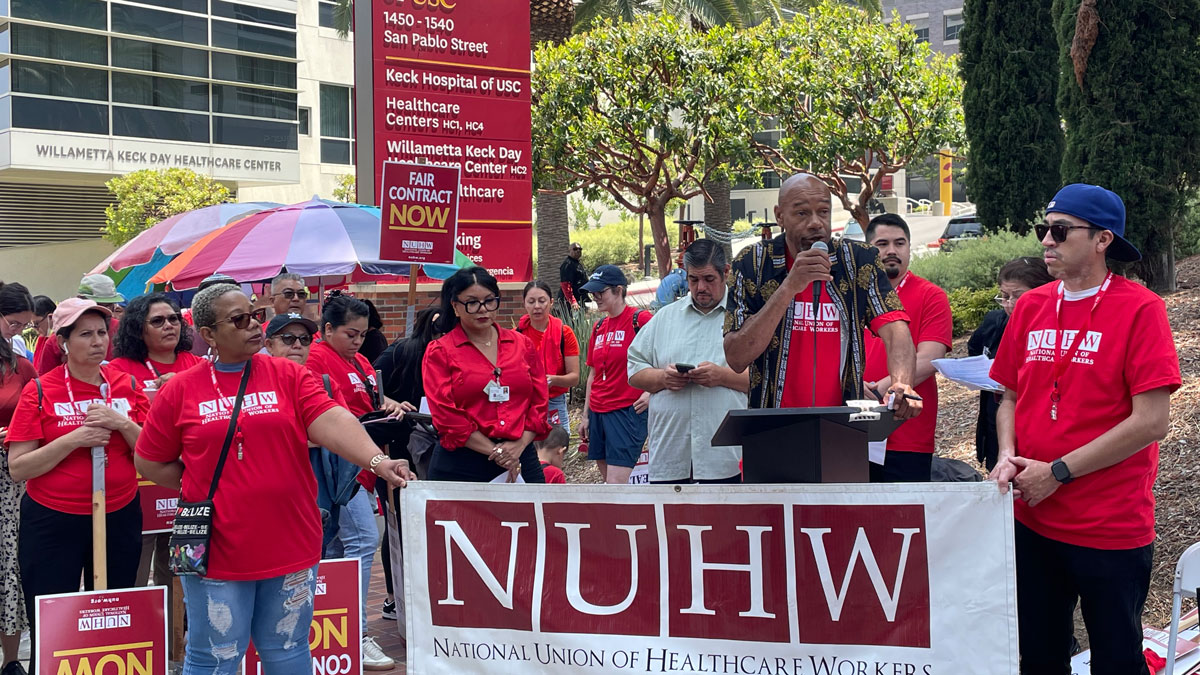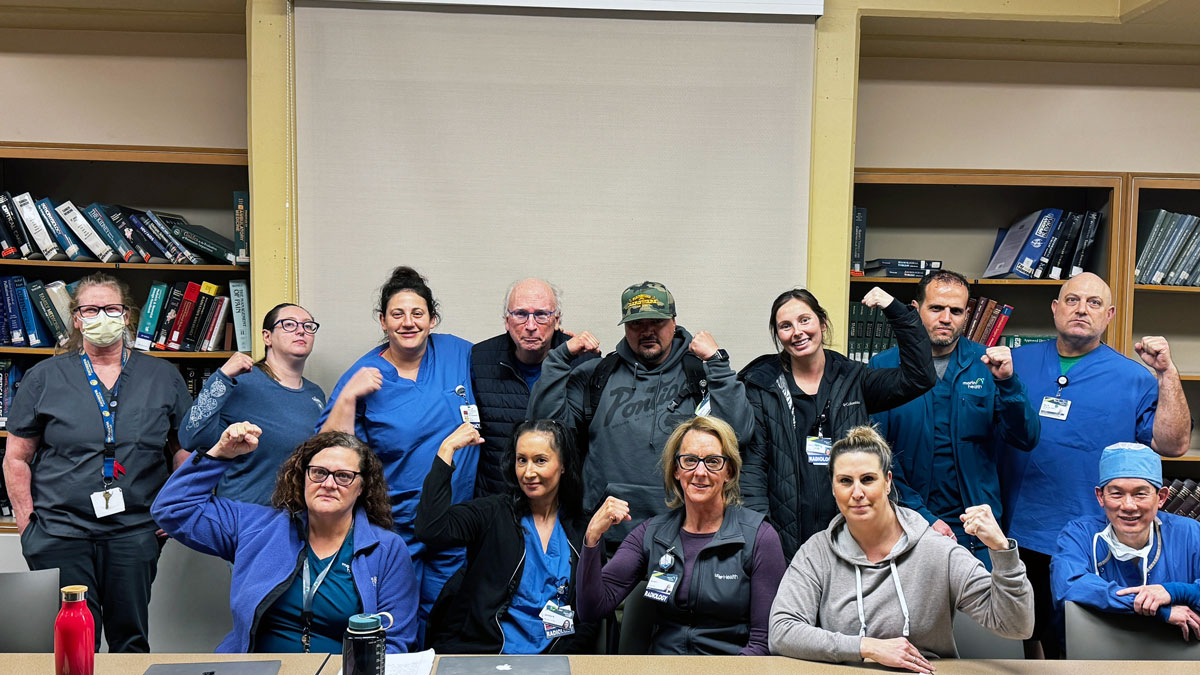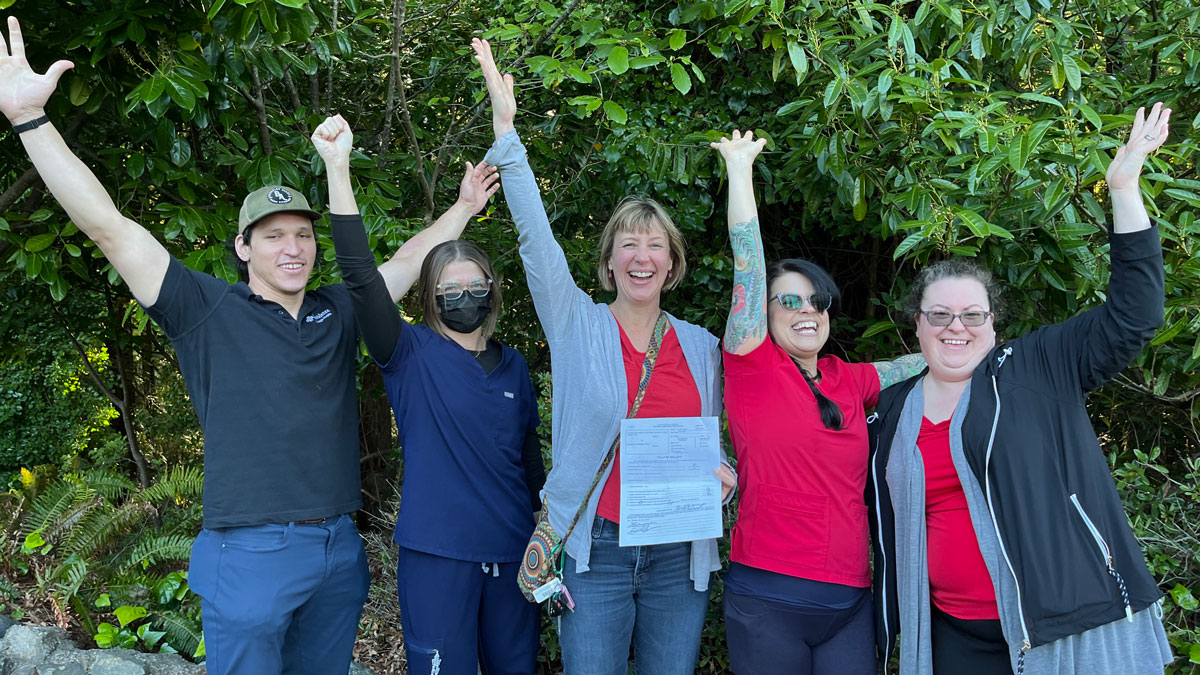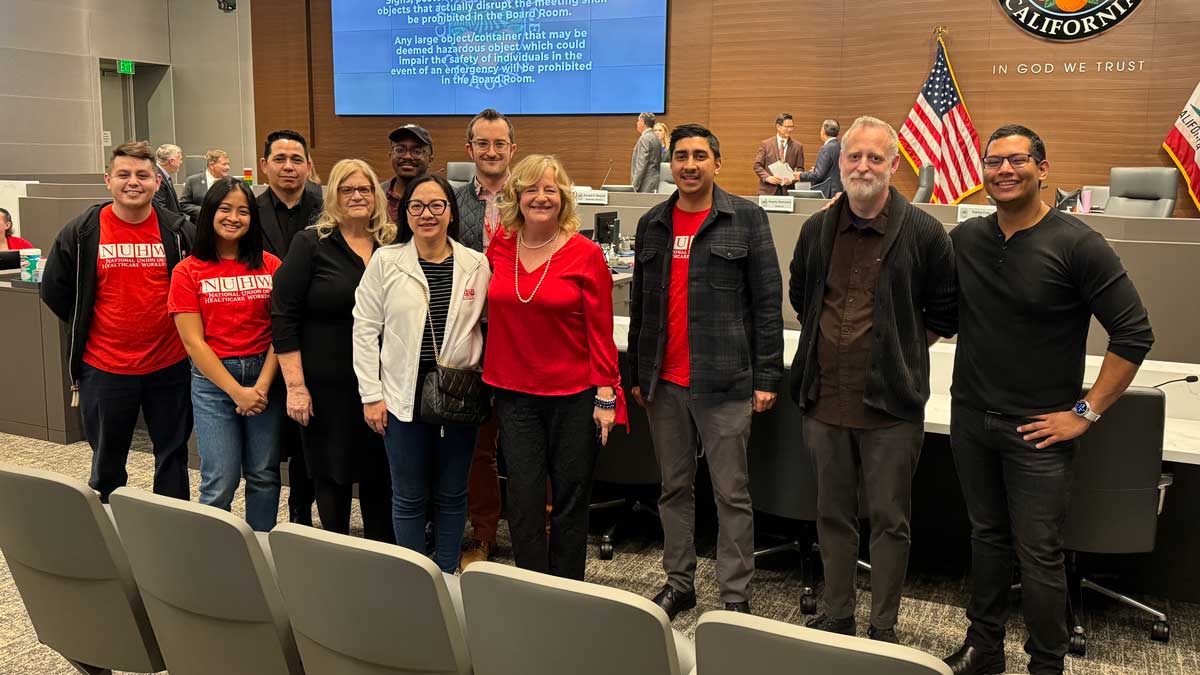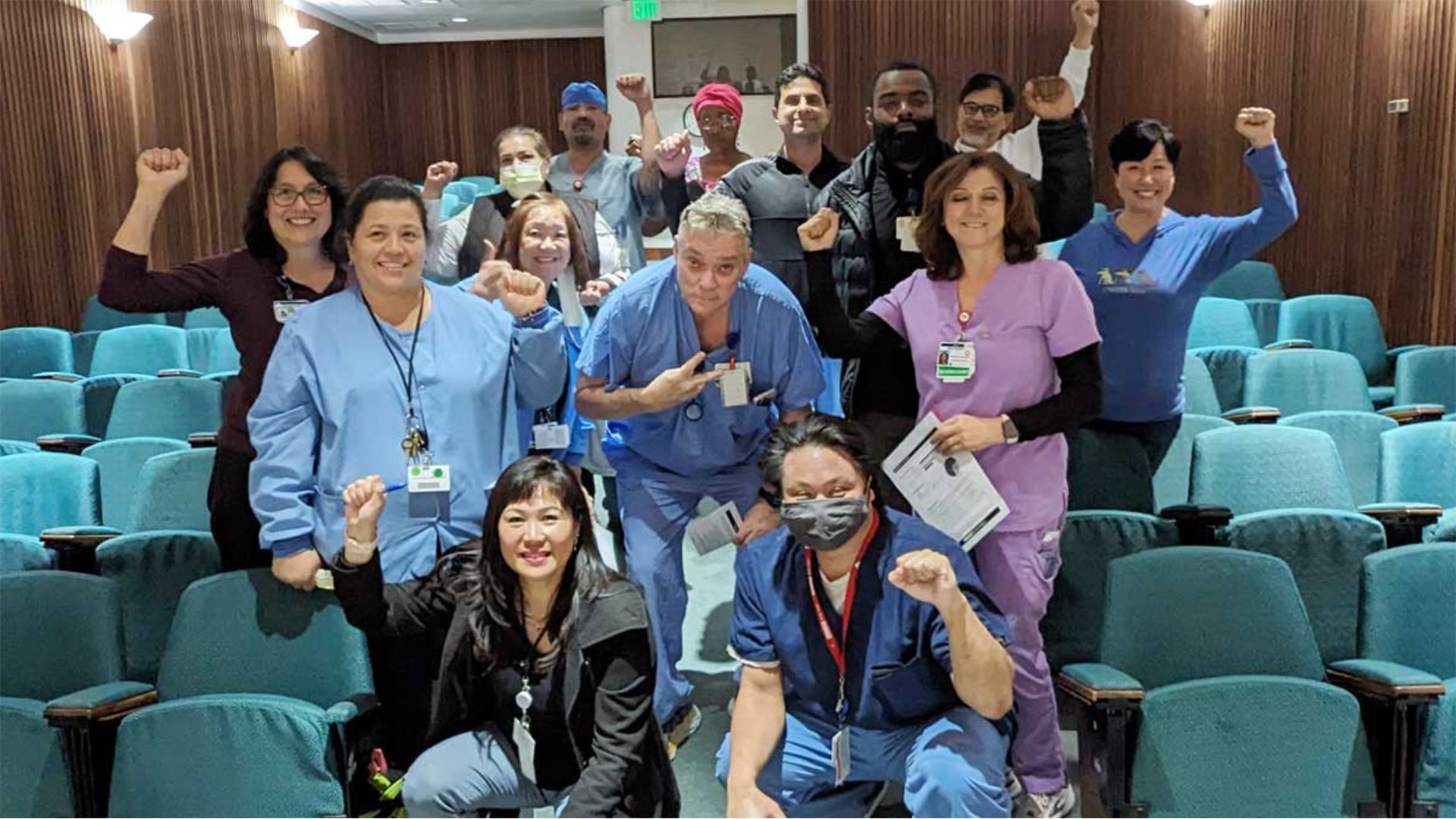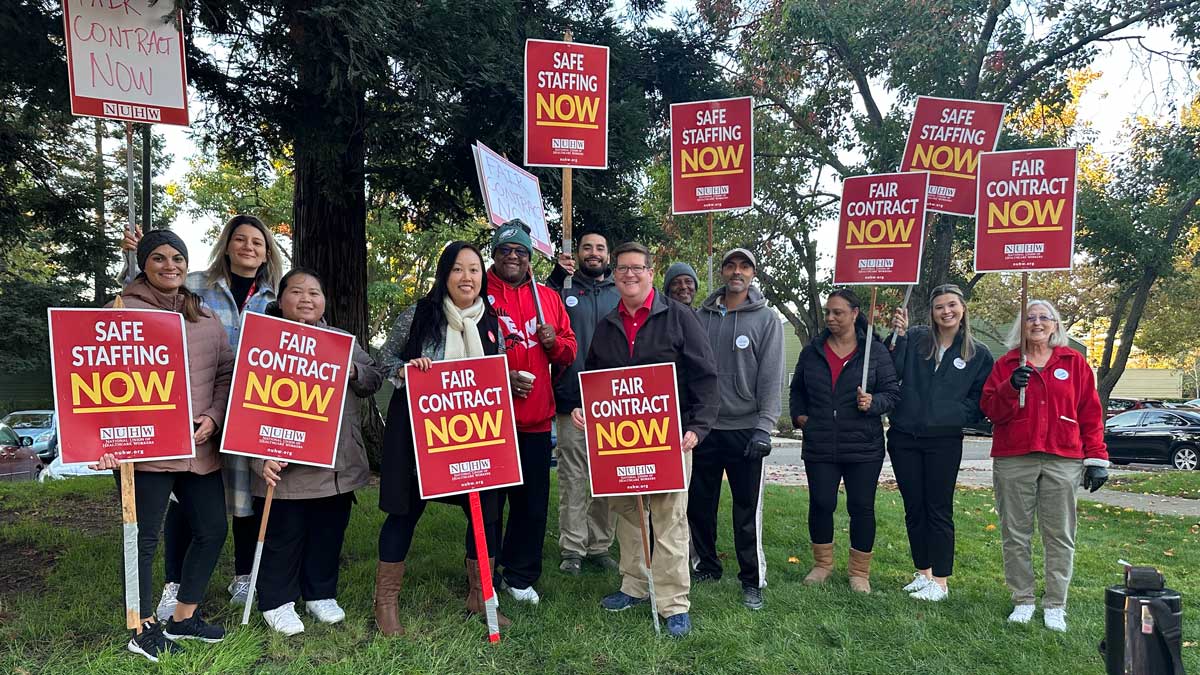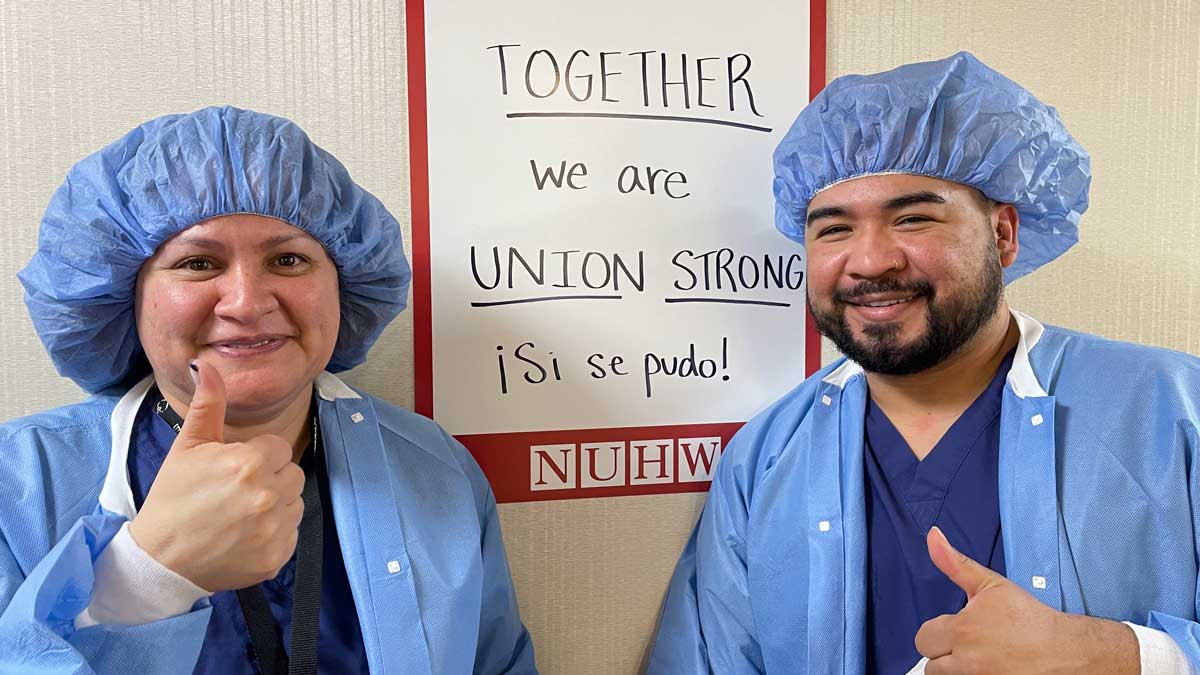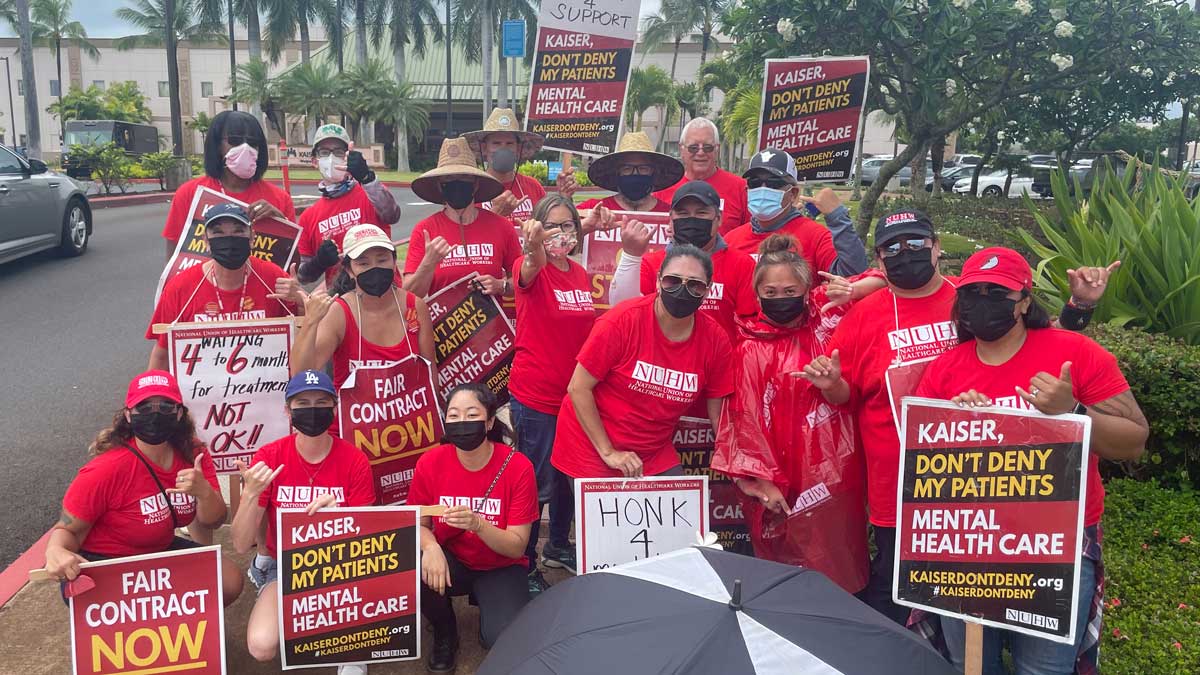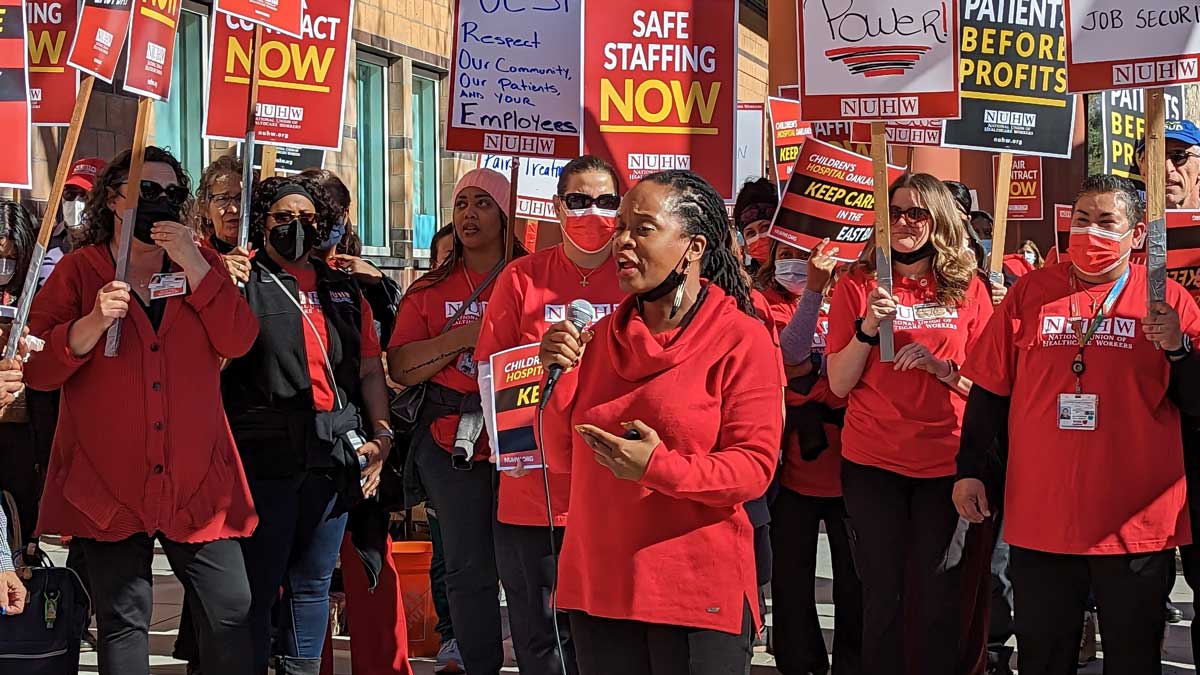
West Allis, Wisc. — Leaders across Wisconsin are presenting a united front against union busting by Rogers Behavioral Health. Twenty officials, including several of the top Democratic candidates for governor have signed a letter calling on Rogers CEO Cynthia Meyer to reinstate three workers who were fired for union organizing, recognize their union and bargain a fair contract.
“The future of quality mental health care in our region depends on trusting and empowering caregivers – not on silencing them,” wrote the signatories, who include 10 state representatives and 7 members of the Milwaukee County Board of Supervisors. “It is time for Rogers to stand on the right side of this issue and demonstrate that it truly values both its patients and its caregivers.”
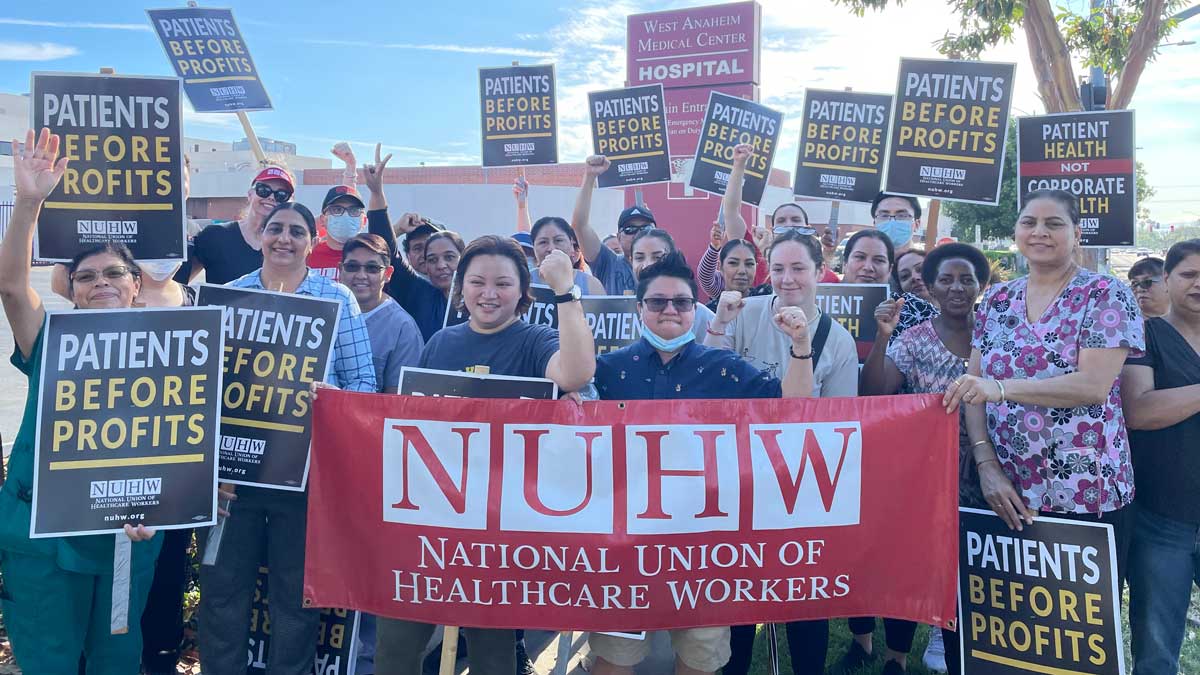
On Wednesday, the National Union of Healthcare Workers, which represents nearly 100 Rogers workers in California and Pennsylvania, sent the letter to Meyer. NUHW is expecting the National Labor Relations Board to set union elections next month for 36 workers in Madison and 63 workers in the Milwaukee suburb of West Allis. A hearing on the matter is scheduled to resume next week.
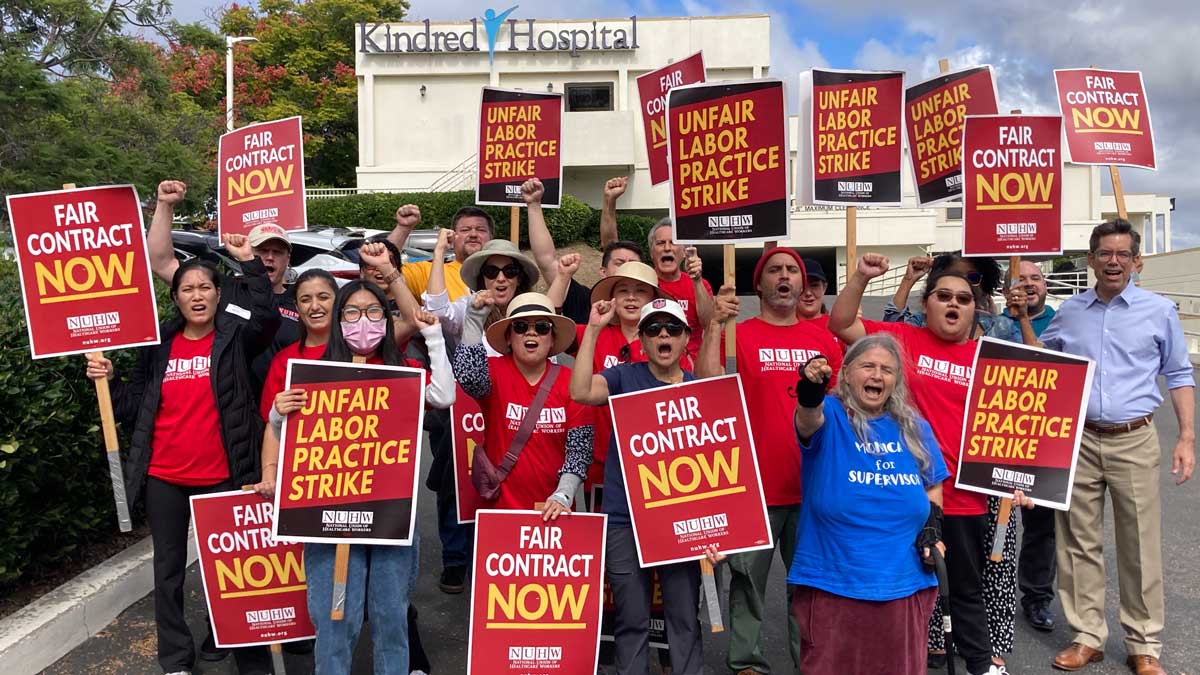
Rogers remained neutral as workers at all three of its California locations and a Philadelphia facility unionized over the past three years. However, on February 9, Rogers fired three West Allis workers, who just four days earlier had approached management asking for union recognition. With a union election expected to be scheduled shortly, Rogers has also hired union busters seeking to pressure workers at Madison and West Allis into voting down the union.
“Rogers Behavioral Health provides critical mental health and substance use treatment services for local communities, but those services depend on dedicated caregivers who have the skills to provide high-quality care and the collective power to advocate for their patients,” officials wrote in the letter. “Firing workers for exercising their legal right to unionize in order to improve patient care is fundamentally at odds with Rogers’ values and its past practice when it comes to union organizing.”
In California, Rogers bargained contracts that include caps on caseloads as well as strong raises and job protections. Rogers workers in Wisconsin are seeking similar protections after seeing their caseloads increase significantly. Meanwhile, Rogers has transitioned many workers from salaried to hourly employees, a move that has saved Rogers money but left facilities frequently understaffed.
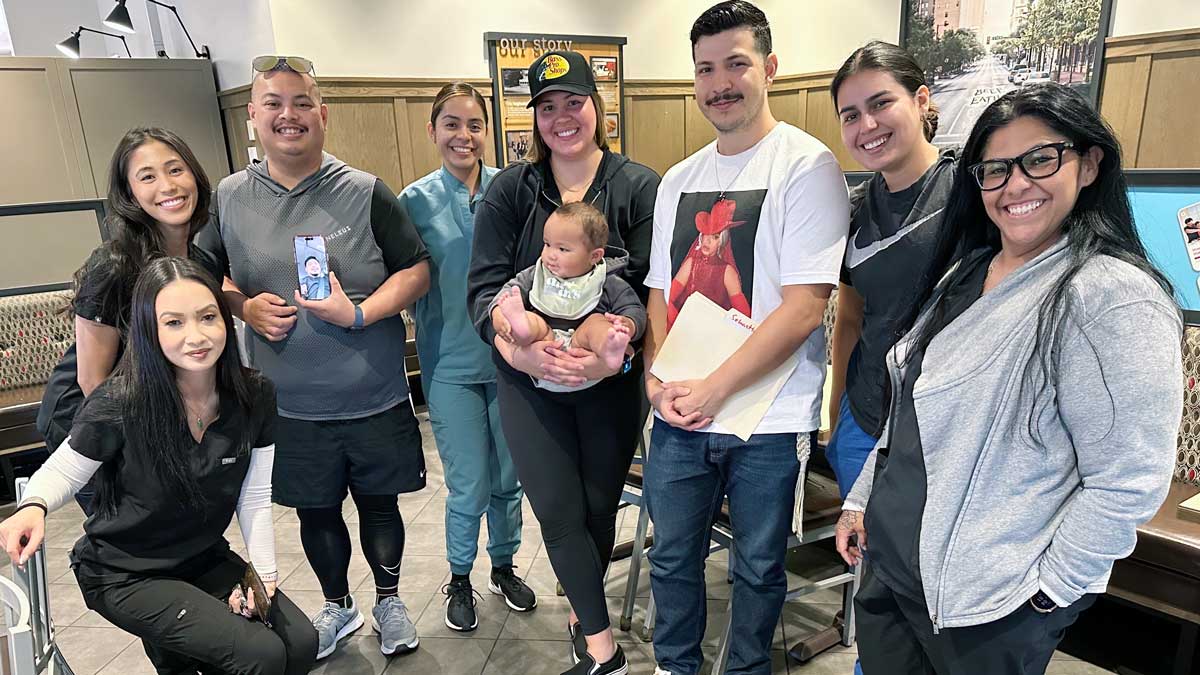
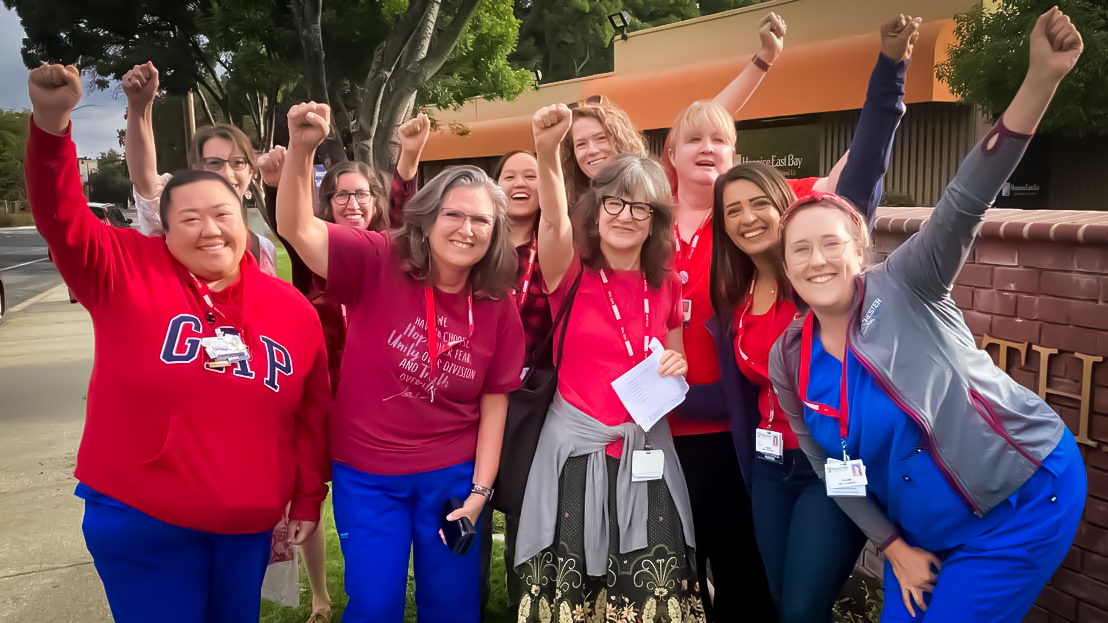
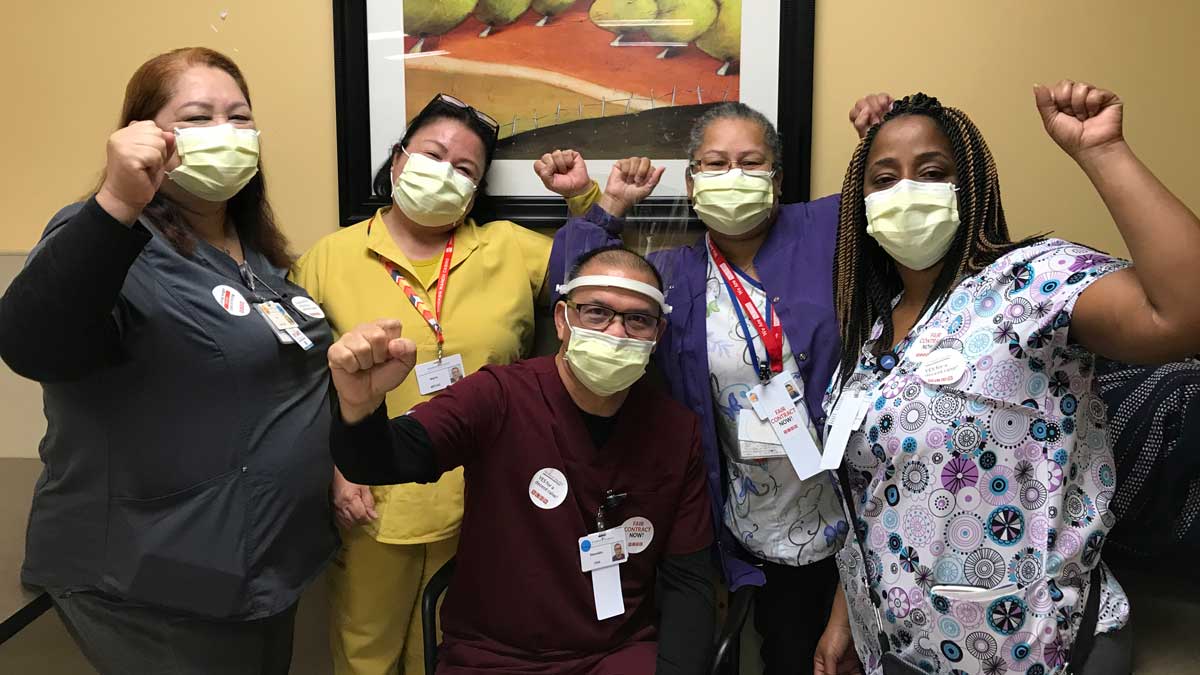
“We’re inspired by all the support we’re receiving, and we’re determined to follow through with forming a union,” said T’Anna Holst, a therapist, who is still working for Rogers at West Allis. “Our only goal in forming a union is to improve care for our patients, and the only way we can do that is to have a real voice in the care we provide.”
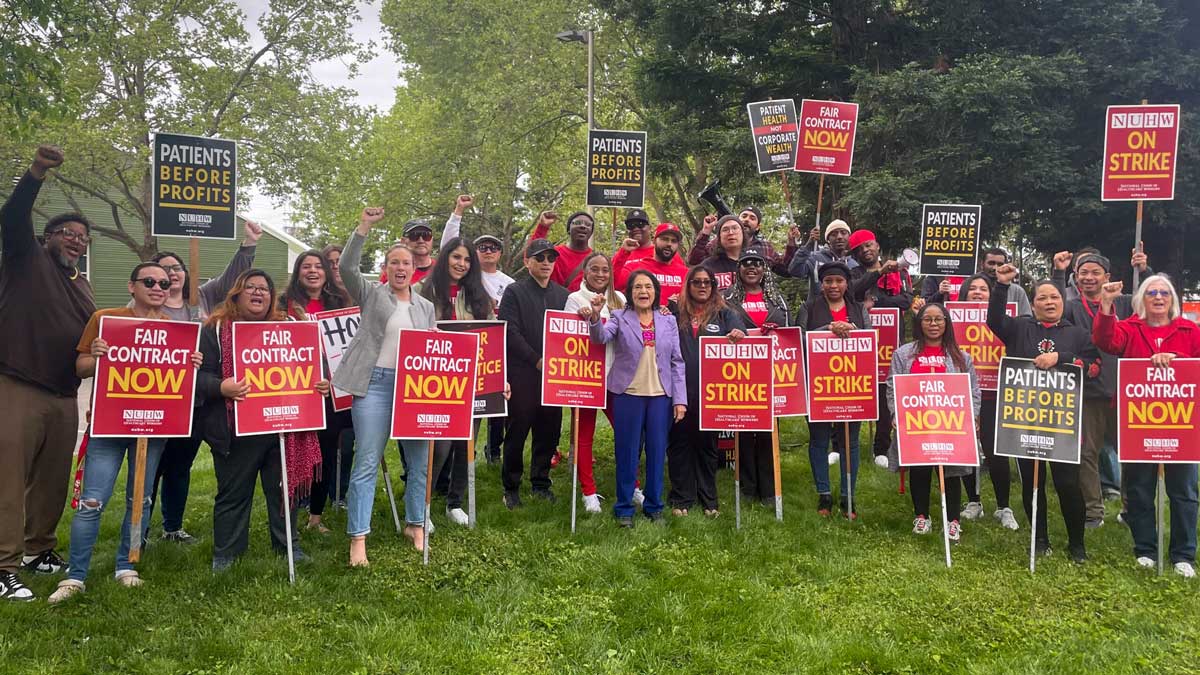
Rogers workers have received overwhelming support from community and labor leaders. Earlier this month, the Milwaukee Teachers’ Education Association and the Milwaukee Area Labor Council issued a statement calling on Rogers to reinstate the workers and recognize their union. Madison and Kenosha teachers unions joined Milwaukee’s teachers union in signing the letter as many of the students and families they serve rely on Rogers.
###
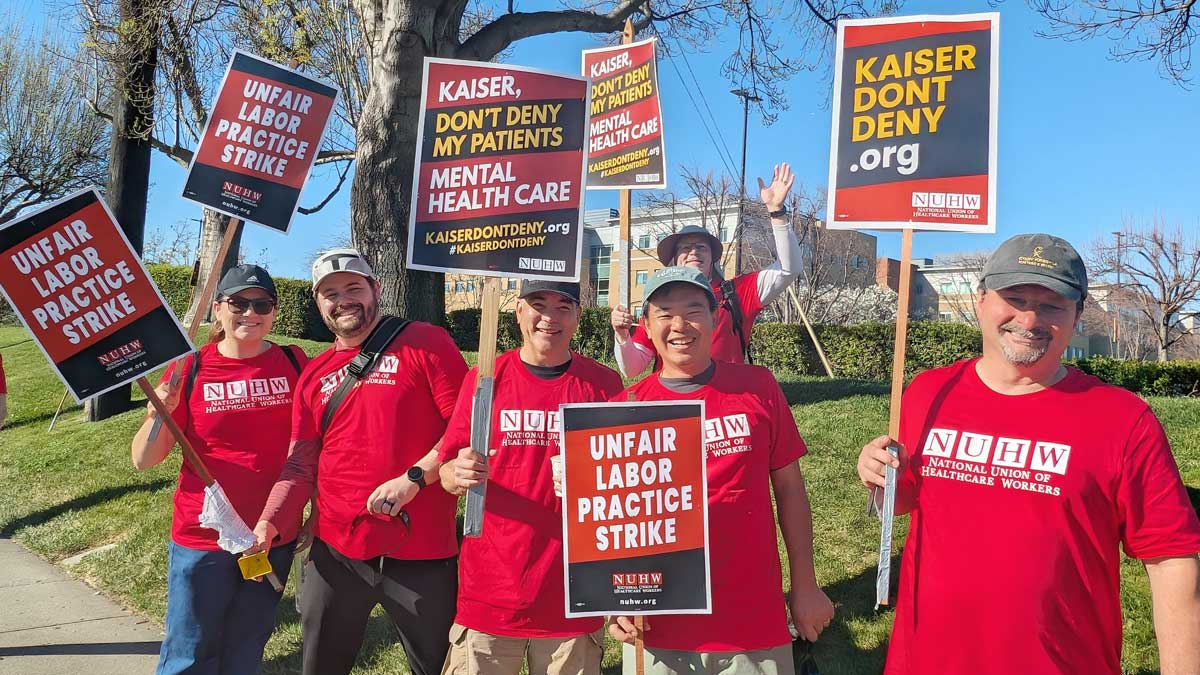
The National Union of Healthcare Workers is a member-led movement that represents 19,000 healthcare workers in California and Hawai’i, including more than 4,700 Kaiser mental health professionals in California.