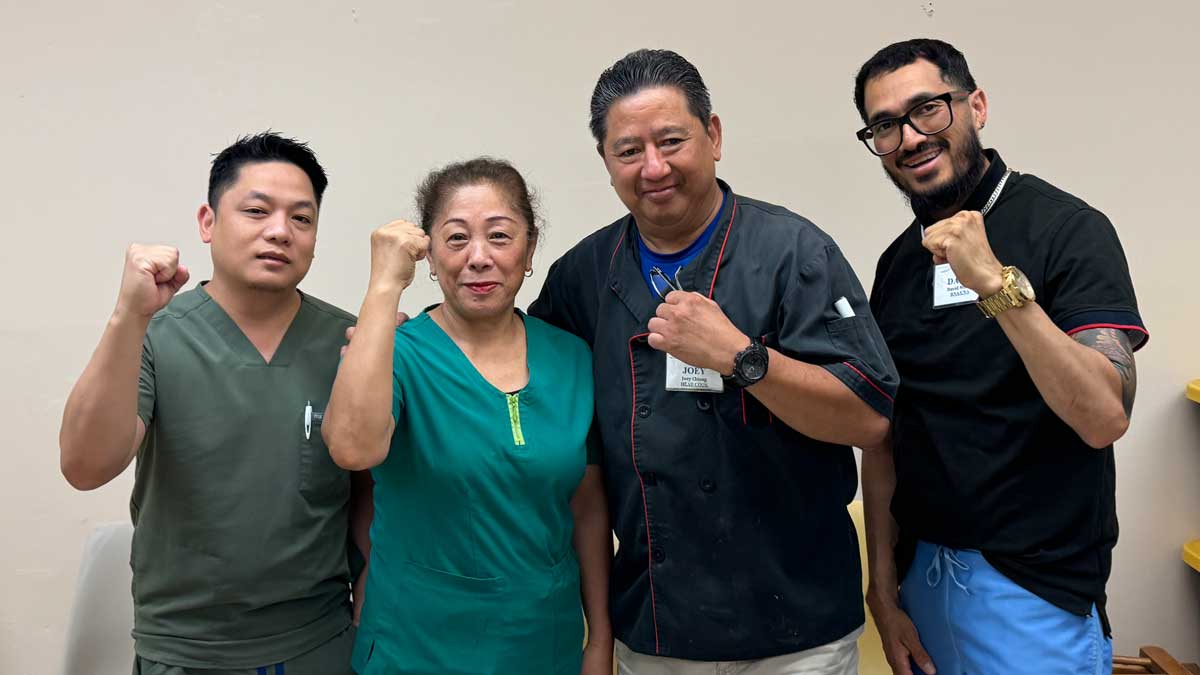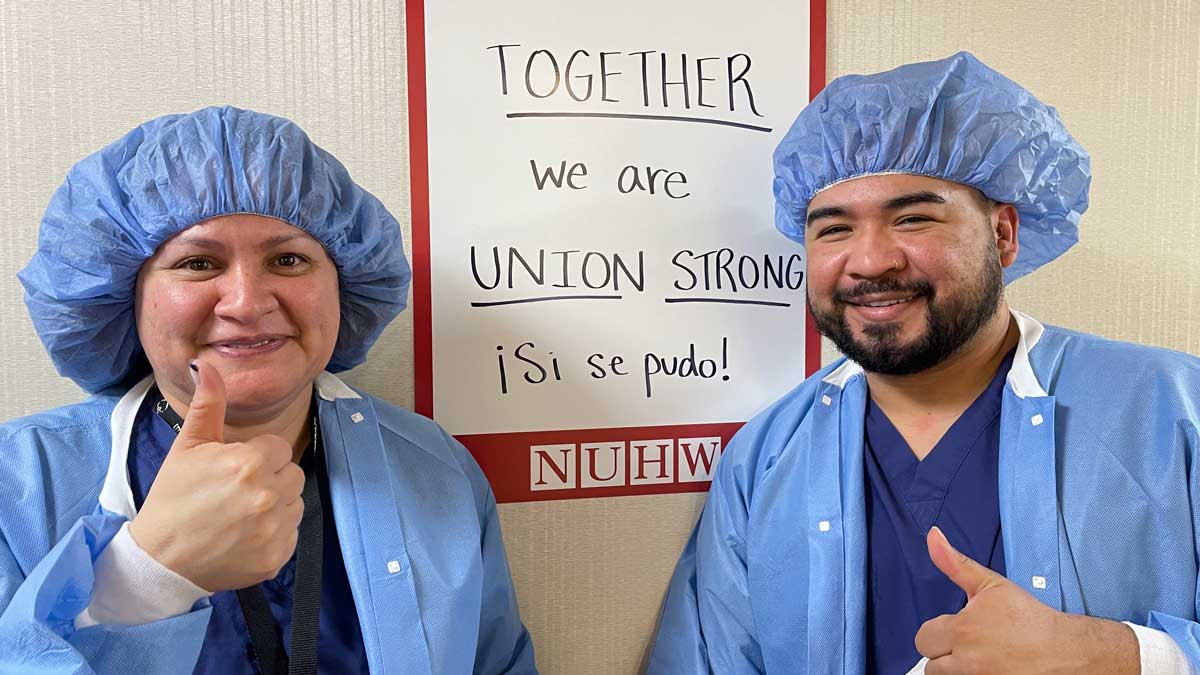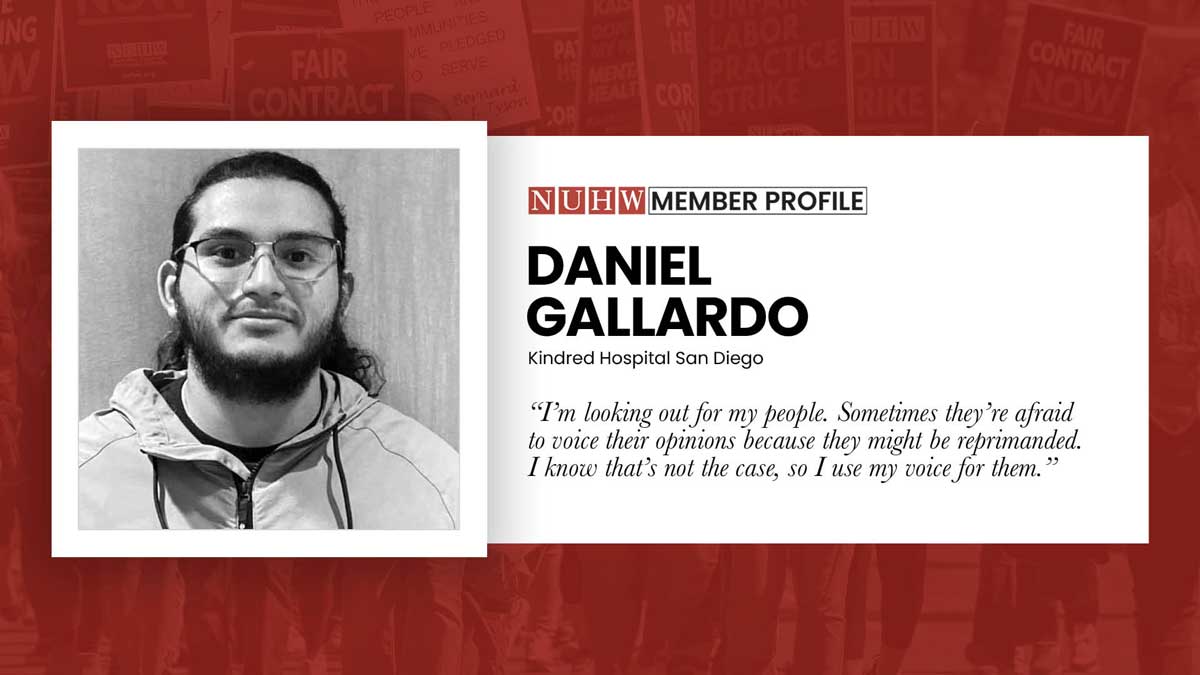
Some traits are hereditary. Leadership is one that Daniel Gallardo inherited from his father, Isaac Gallardo, who retired from Kindred Hospital San Diego last December.
The younger Gallardo followed in his father’s footsteps by becoming a housekeeper at the hospital five years ago.
“My dad was my steward before me,” he said.
Gallardo became an “official” steward over a year ago, but he had already been doing that work while shadowing his father at his union meetings.
“I would sit with him when they had the steward meetings,” Gallardo said.
He would also help translate for his father in meetings with management.
Along the way, he would ask him questions about the steward and union work.
“He knew the conditions before the union, and after,” Gallardo said. “He would tell me how they would only get ten-cent raises before. He also told me about the ways the supervisors treated him improved after the union got involved.”
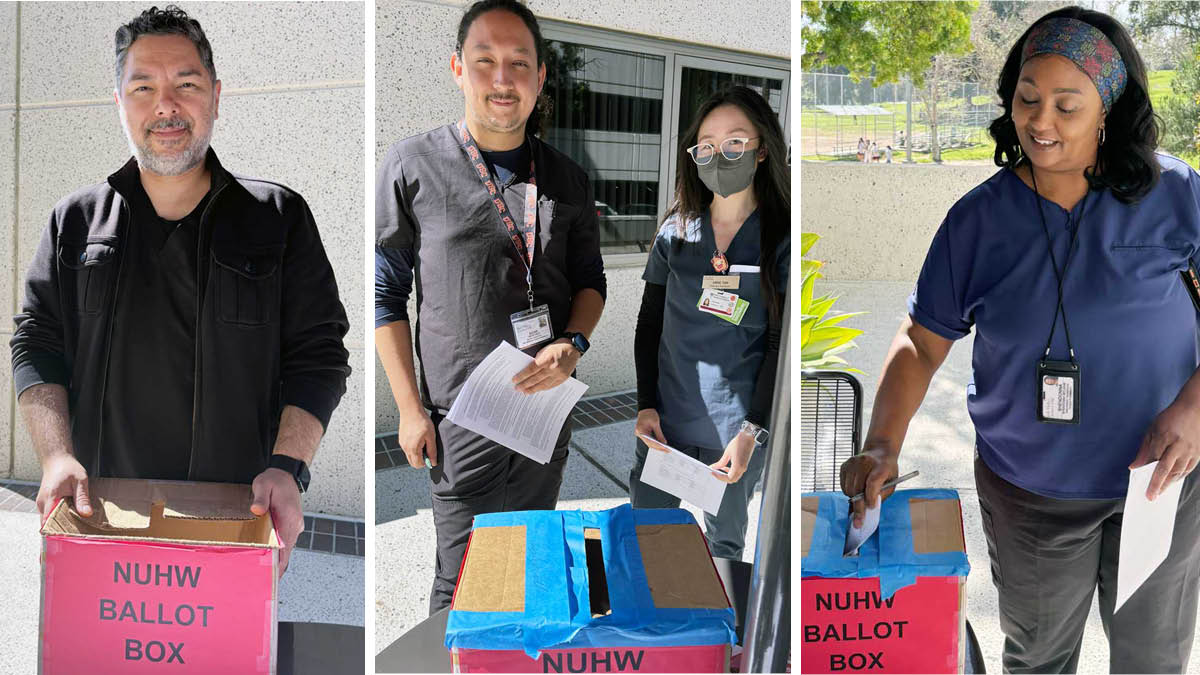
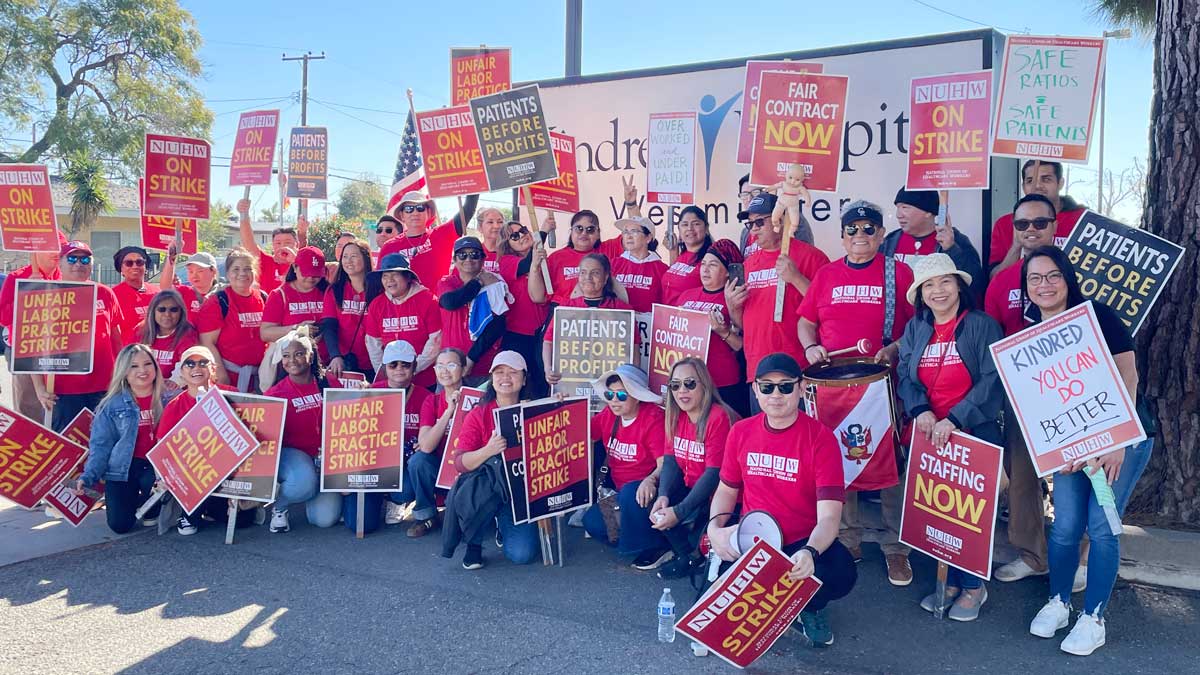
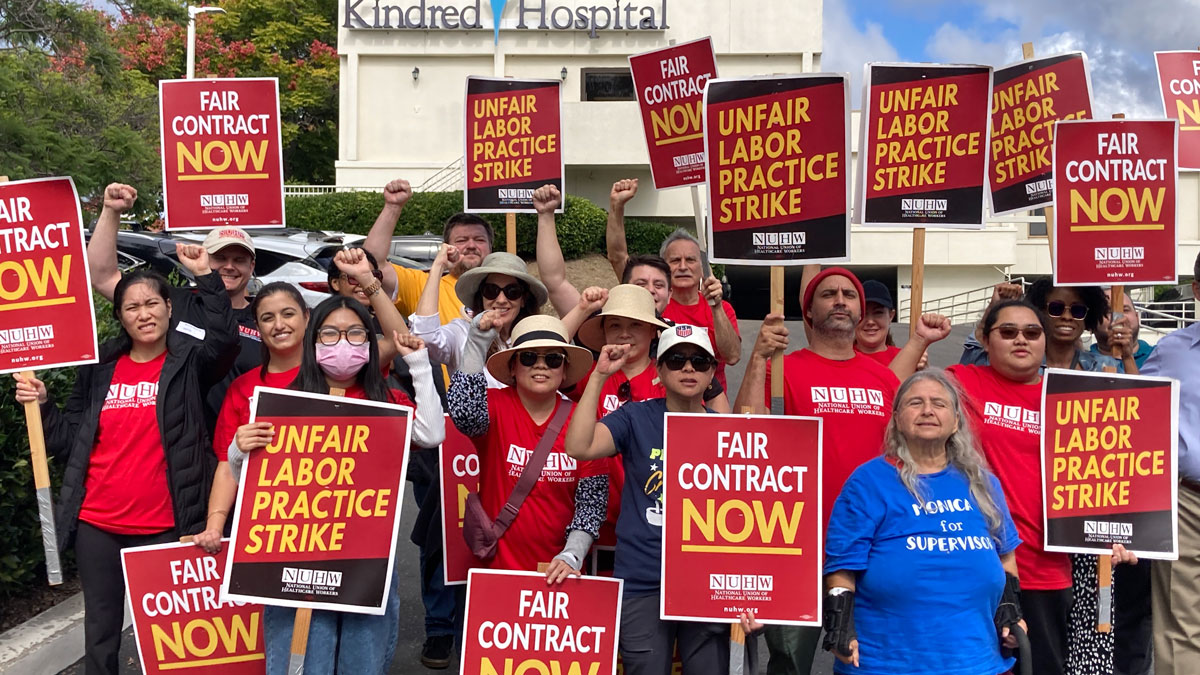
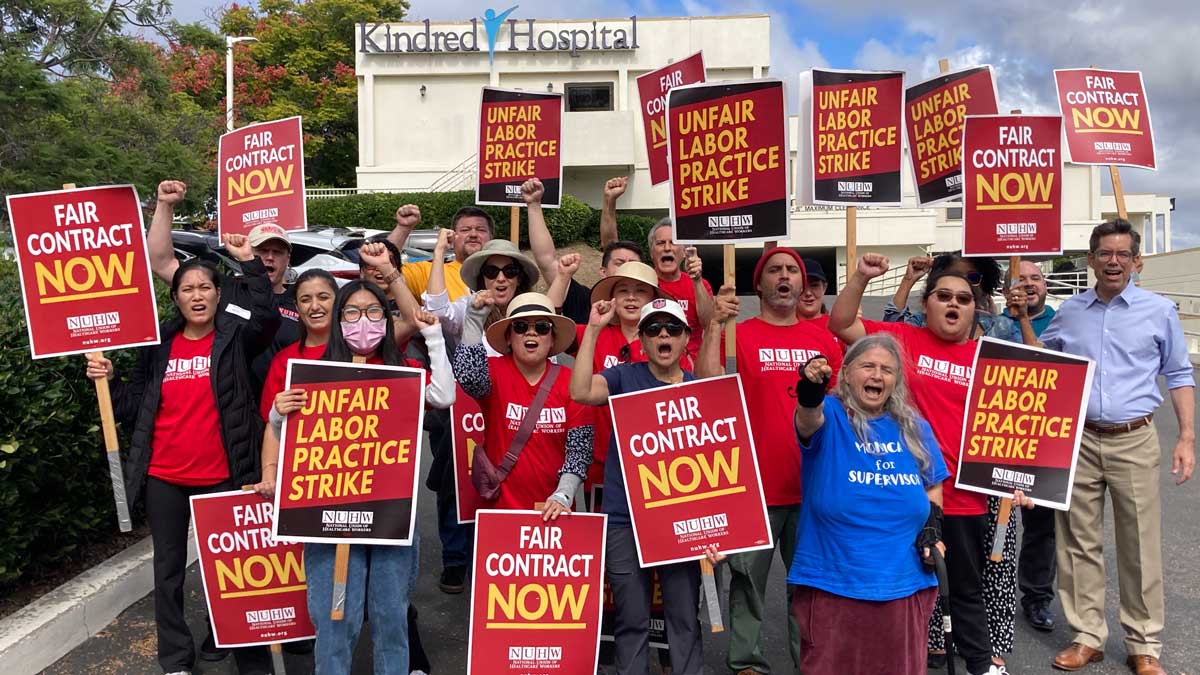
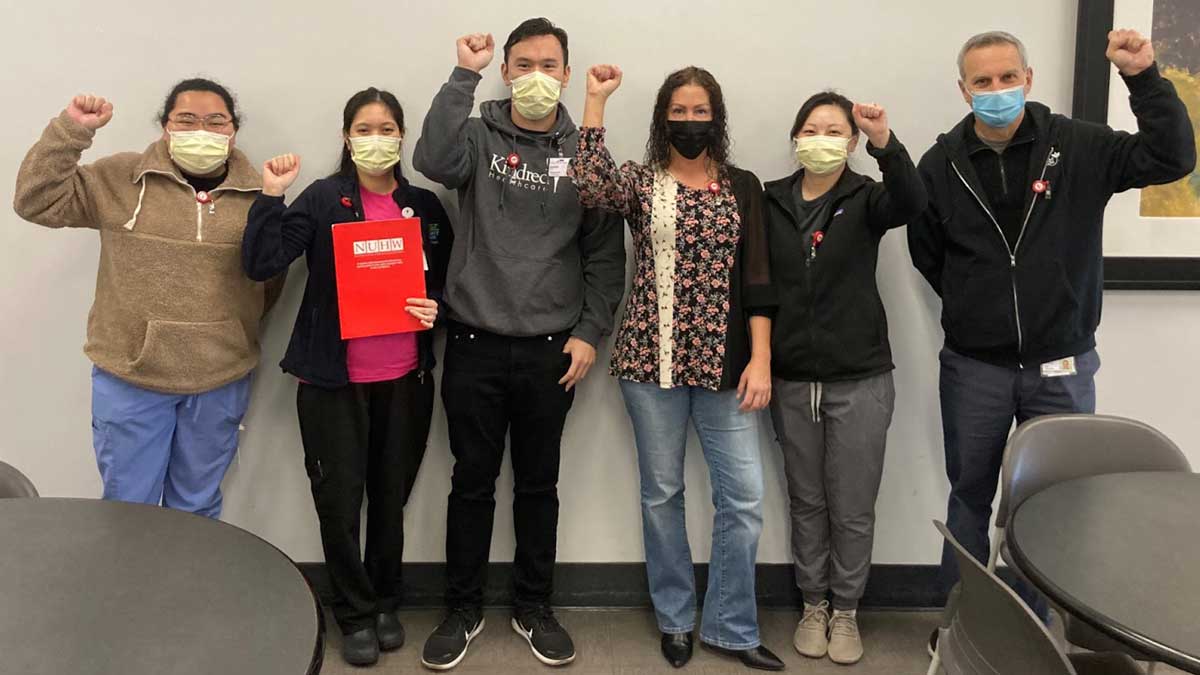
Those stories and his own experiences have made Gallardo a believer in the power and the benefits of the union. It’s also why he got involved in his first contract negotiations in 2023, when more than 100 workers at the non-acute hospital ratified an agreement with wage increases averaging 26 percent over three years.
“That bargaining was more difficult because we laid down the foundation of what we wanted to implement,” Gallardo said. “We’re improving on what we put down on that bargaining.”
The priorities this time around focus on matching pay hikes to the rising cost of living.
“If it wasn’t for the pay increases we got in the last contract, I don’t know what we would do now,” he said.
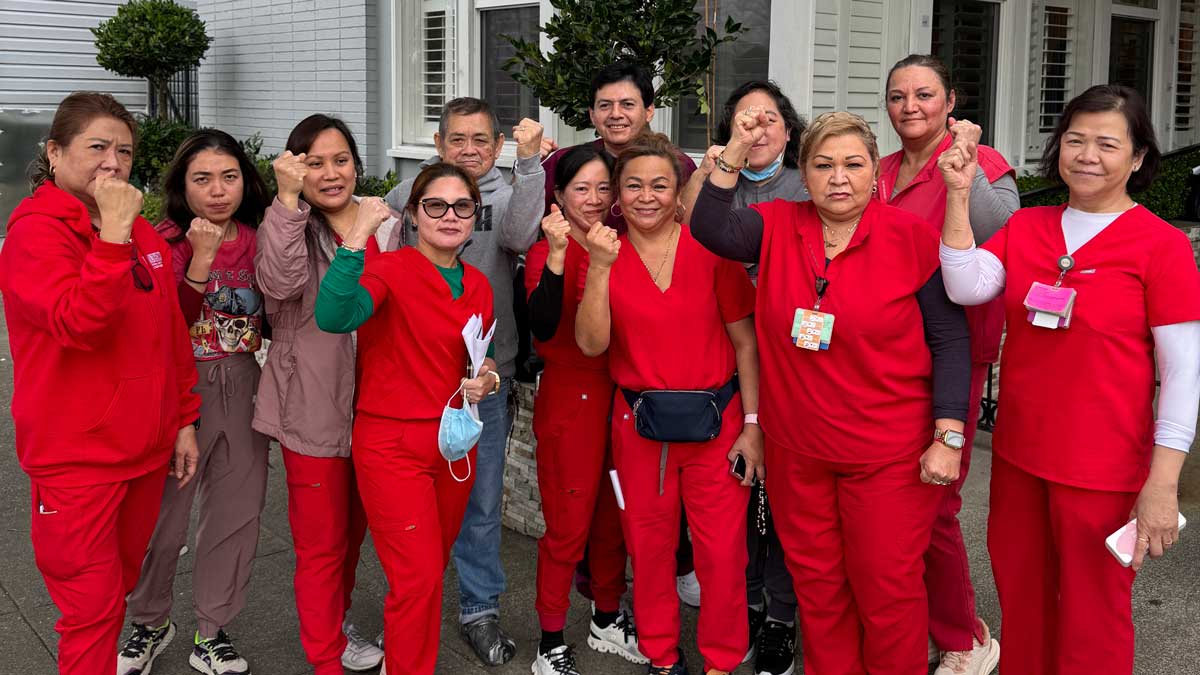
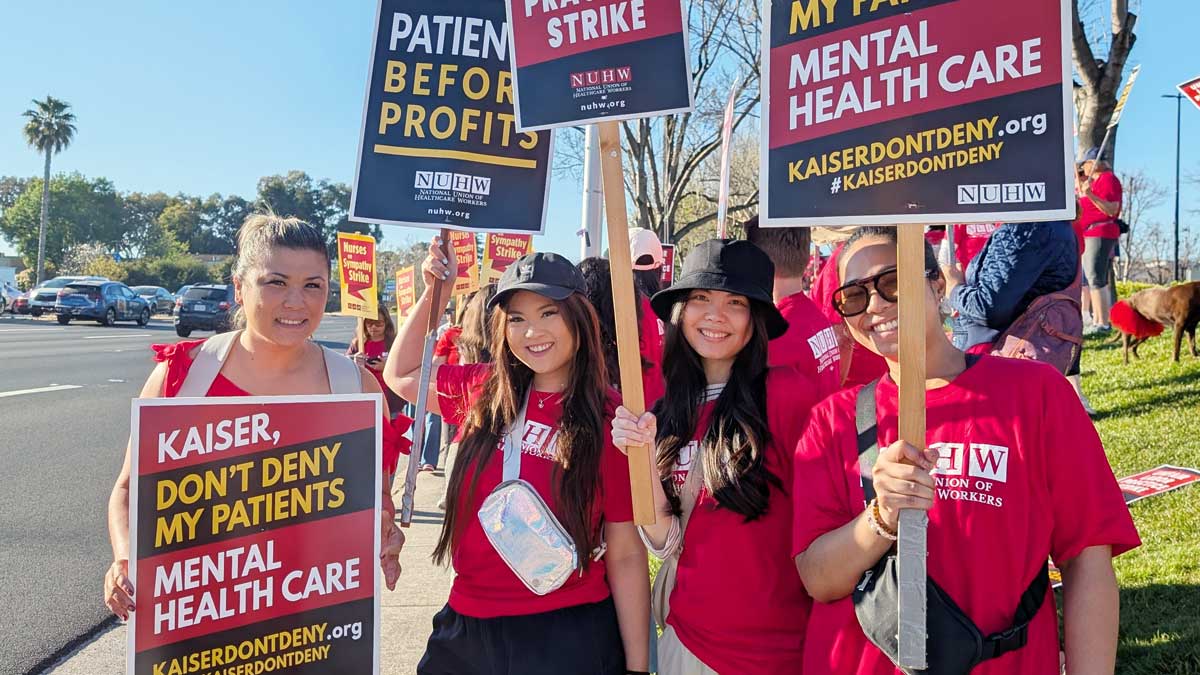
Besides higher wages, workers are also trying to address short-staffing and mandatory overtime in some departments, and to ensure that health benefits costs don’t escalate to the point where healthcare workers cannot afford them.
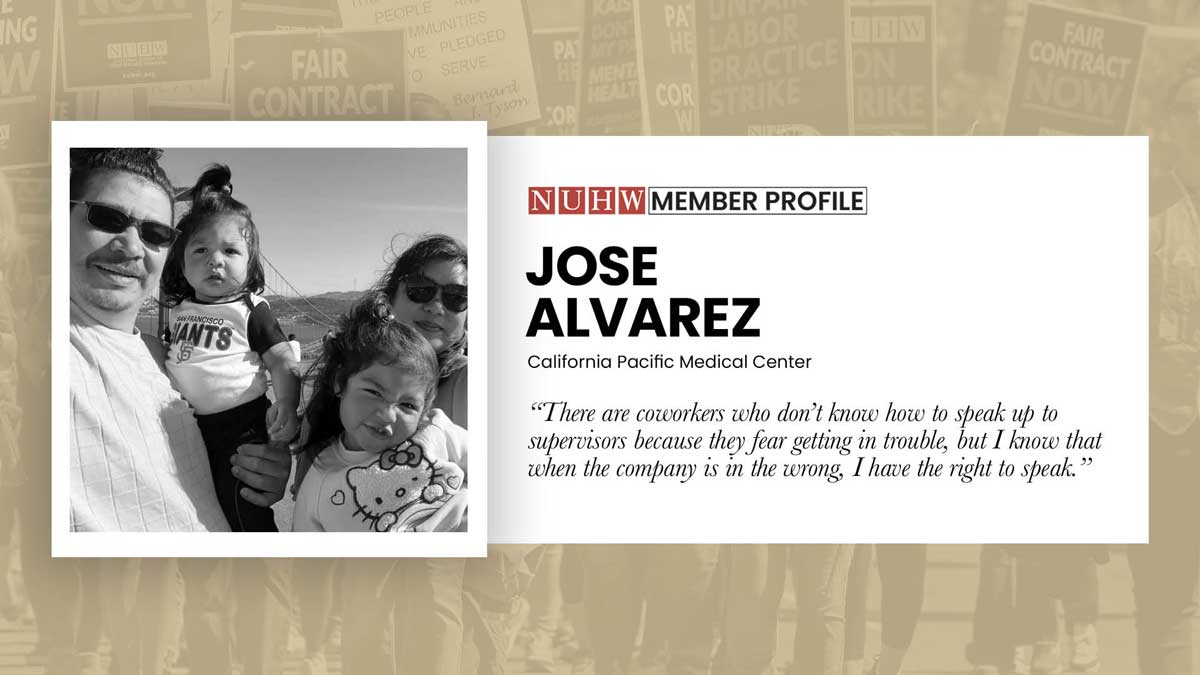
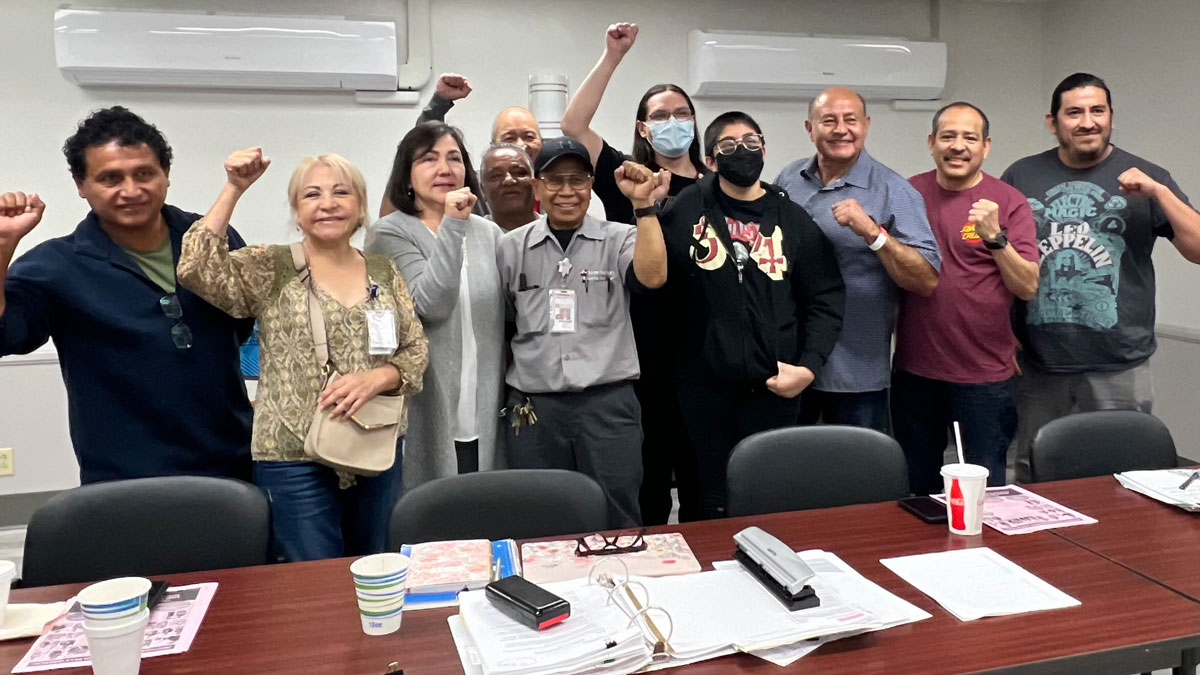
One thing Gallardo has learned is that even if he’s not personally affected by some of these issues, being part of the bargaining team means being the voice of consensus and speaking up for those who may be afraid to do so.
“I’m looking out for my people. I know that sometimes they’re afraid to voice their opinions because they might be reprimanded. I know that’s not the case, so I use my voice for them,” he said.