Note: Some of these stories may require a subscription.
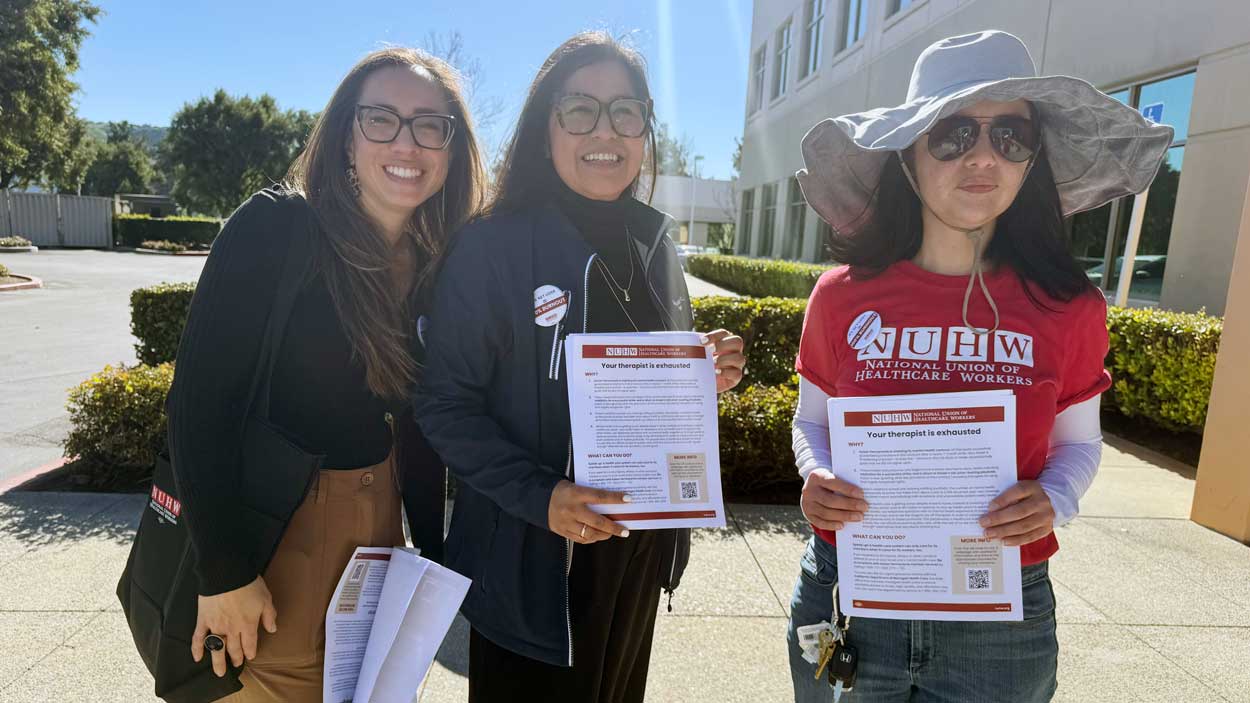
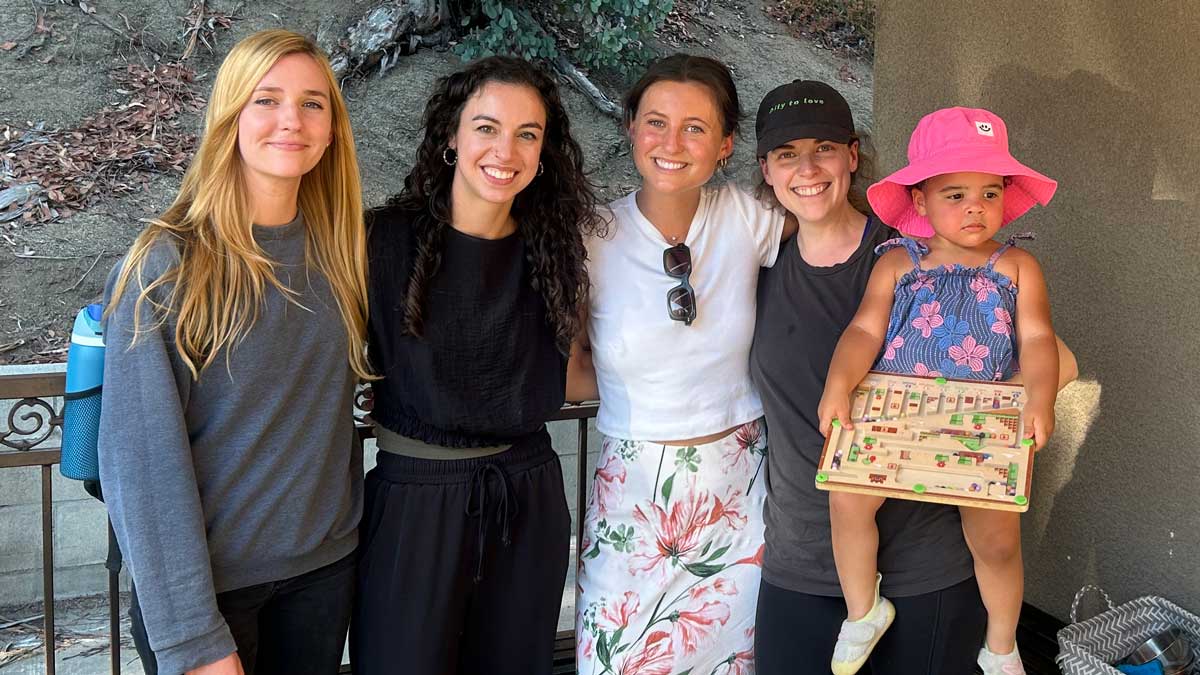
Los Angeles Times, American Community Media, The Hemet and San Jacinto Chronicle, and The MarkUp republished a CalMatters story featuring NUHW members Adrianna Webb, a medical social worker at Panorama City, Ilana Marcucci-Morris, a licensed clinical social worker with Kaiser psychiatry in Oakland, and Ligia Pacheco, a psychiatric social worker who provides remote therapy services for Kaiser patients in Southern California. The article talks about the use of A.I. during mental health therapy sessions, often without a clear notice or understanding on the part of the patients.
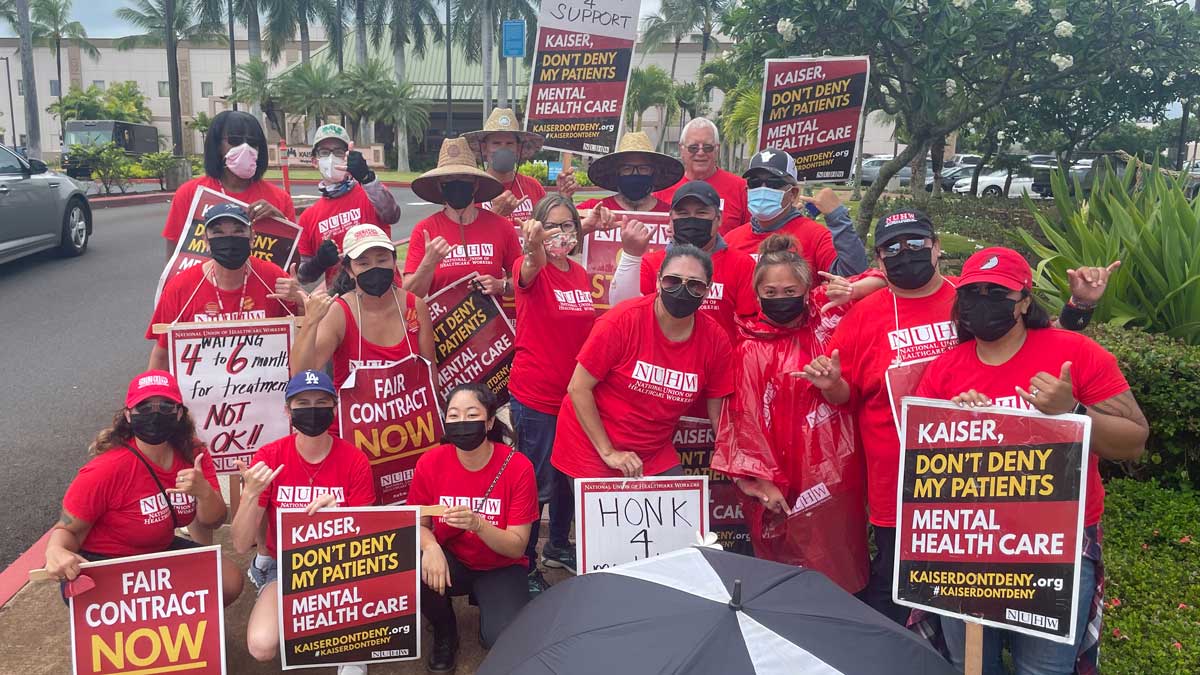
The Honolulu Star Advertiser, Hawaii Public Radio, and the Hawaii Free Press covered the release of our patient care survey, which found that Kaiser patients in Hawai’i are still waiting far too long between therapy appointments.
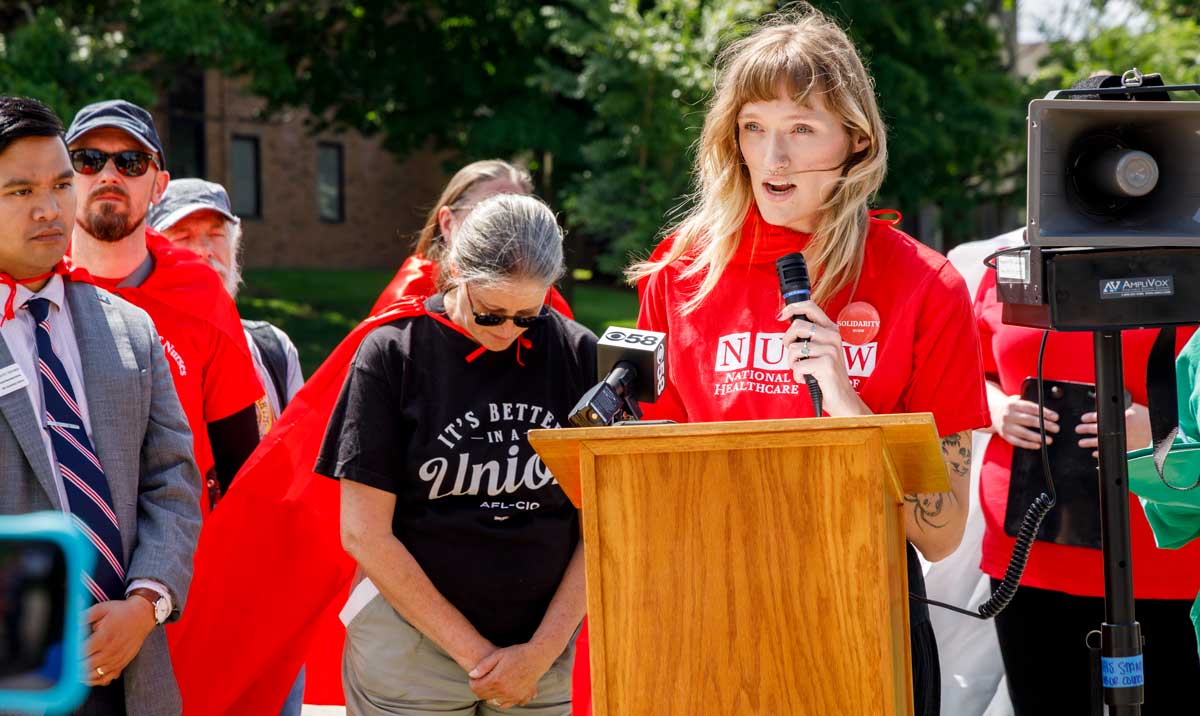
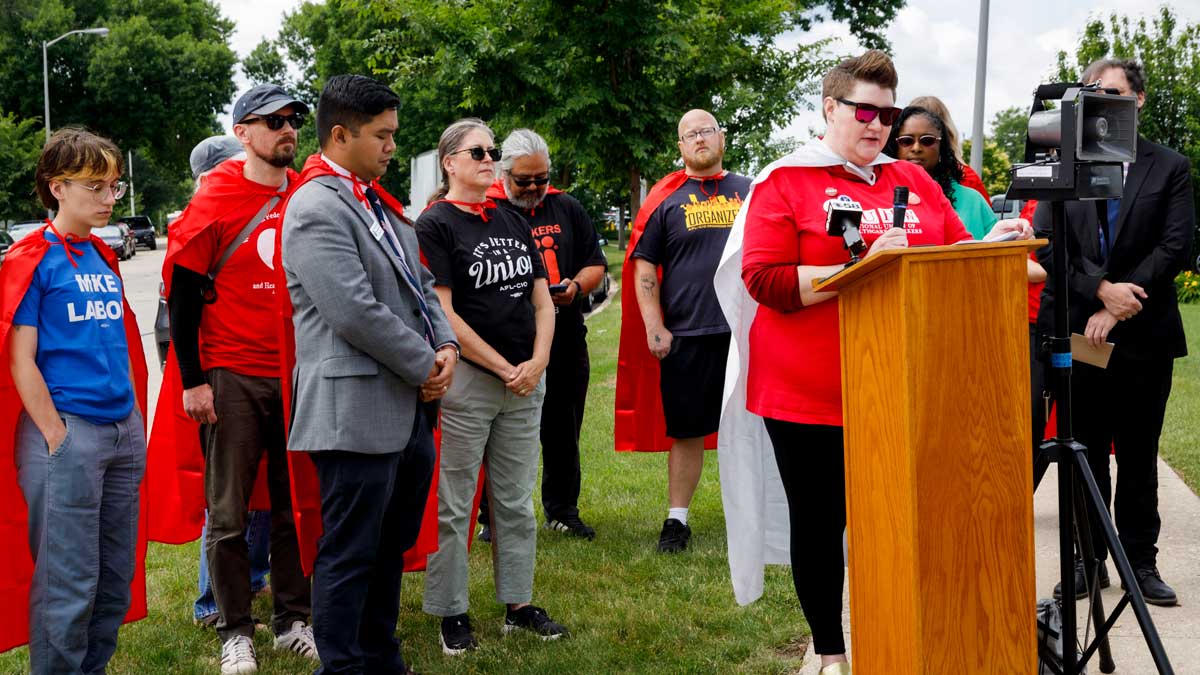
Several news outlets covered our press conference outside a Rogers Behavioral Health facility in West Allis, Wisconsin, where workers spoke about deteriorating conditions for patients after Rogers lowered the level of care and fired six pro-union workers who advocated for a voice in improving conditions for patients and workers. Coverage included CBS-58, the Milwaukee Journal-Sentinel, and the Wisconsin Examiner.
KTVU and several news outlets reported on the murder of Lartey Solomon, an NUHW member and nurse at Hospice East Bay.
The San Francisco Chronicle quoted an NUHW member and our letter to state regulators objecting to emergency regulations that set nurse-to-patient ratios for psychiatric hospitals. The regulation, which was spurred by recent reporting in the Chronicle, is resulting in psychiatric hospitals reducing hours for critical non-licensed staff and using the savings to staff more nurses, which does not result in better care for patients.
Starting July 1, healthcare workers at large hospital systems, with over 10,000 full-time employees, and dialysis clinics will see their minimum wage jump to $25 per hour. KFI AM 640 reported that smaller healthcare facilities will have a phased increase, with general clinics raising their wages to $23 per hour.
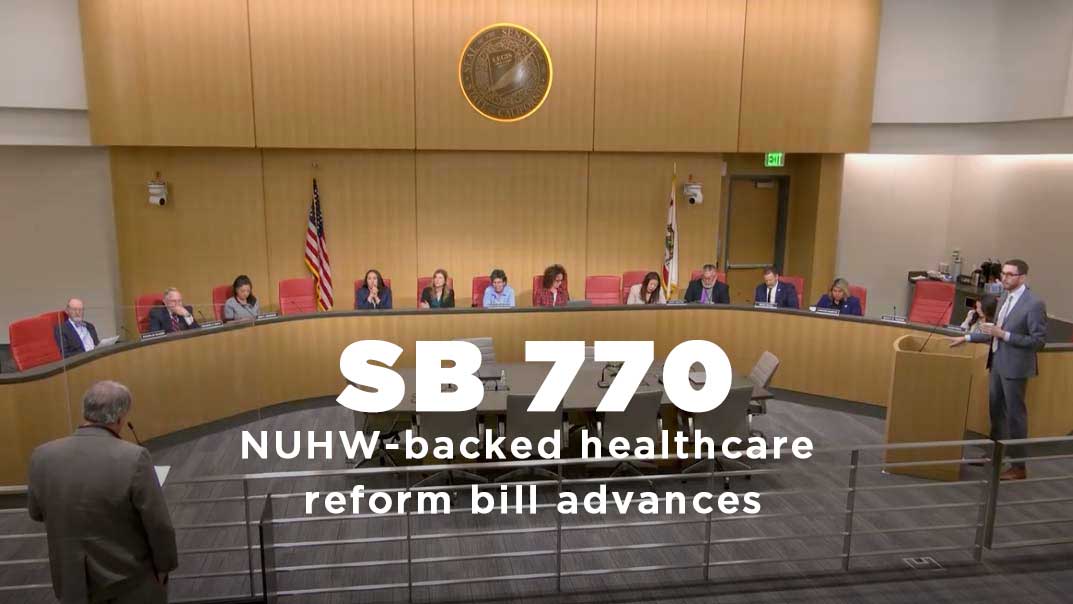
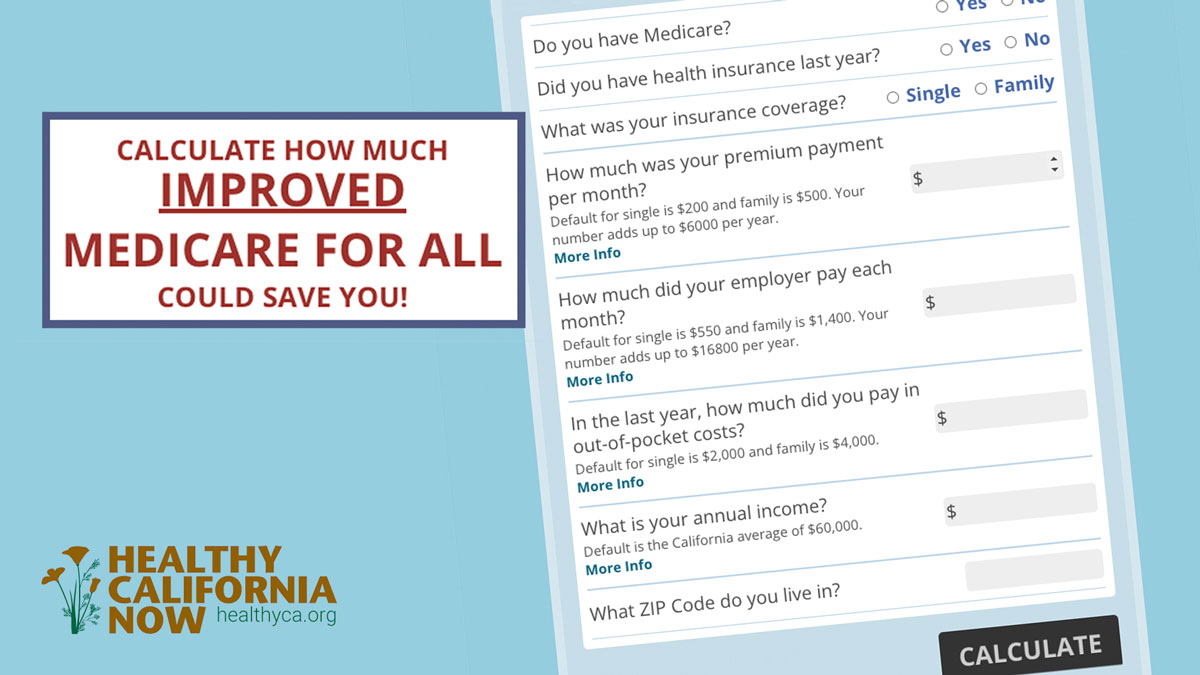
A 181-page report required under NUHW’s SB 770 finds that a single-payer healthcare system is possible, but to achieve it, the state has to hack through the thicket of healthcare economics and politics. According to CalMatters, the report, written by University of California researchers, generally contends that a single-payer system would, by eliminating the paperwork and other aspects of the current system, be the most efficient from a cost/benefit basis. However, it would probably be the most difficult version to create from a political standpoint.
CNN reported that nearly 1 in 5 adolescents and young adults have used A.I. chatbots for advice or help when they felt upset, nervous, or anxious, according to a new study published June 1 in JAMA Pediatrics. Researchers also found that many of these young people use chatbots repeatedly and consider the advice helpful, suggesting that A.I. is already becoming part of the mental health information ecosystem for millions of young people. Those insights are raising important questions about how these tools should be used and where their limitations lie.