San Francisco Supervisors to Hold Special Hearing on Kaiser Contract Demands That Would Allow Giant HMO to Outsource Behavioral Healthcare and Replace Frontline Therapists with A.I. at Will
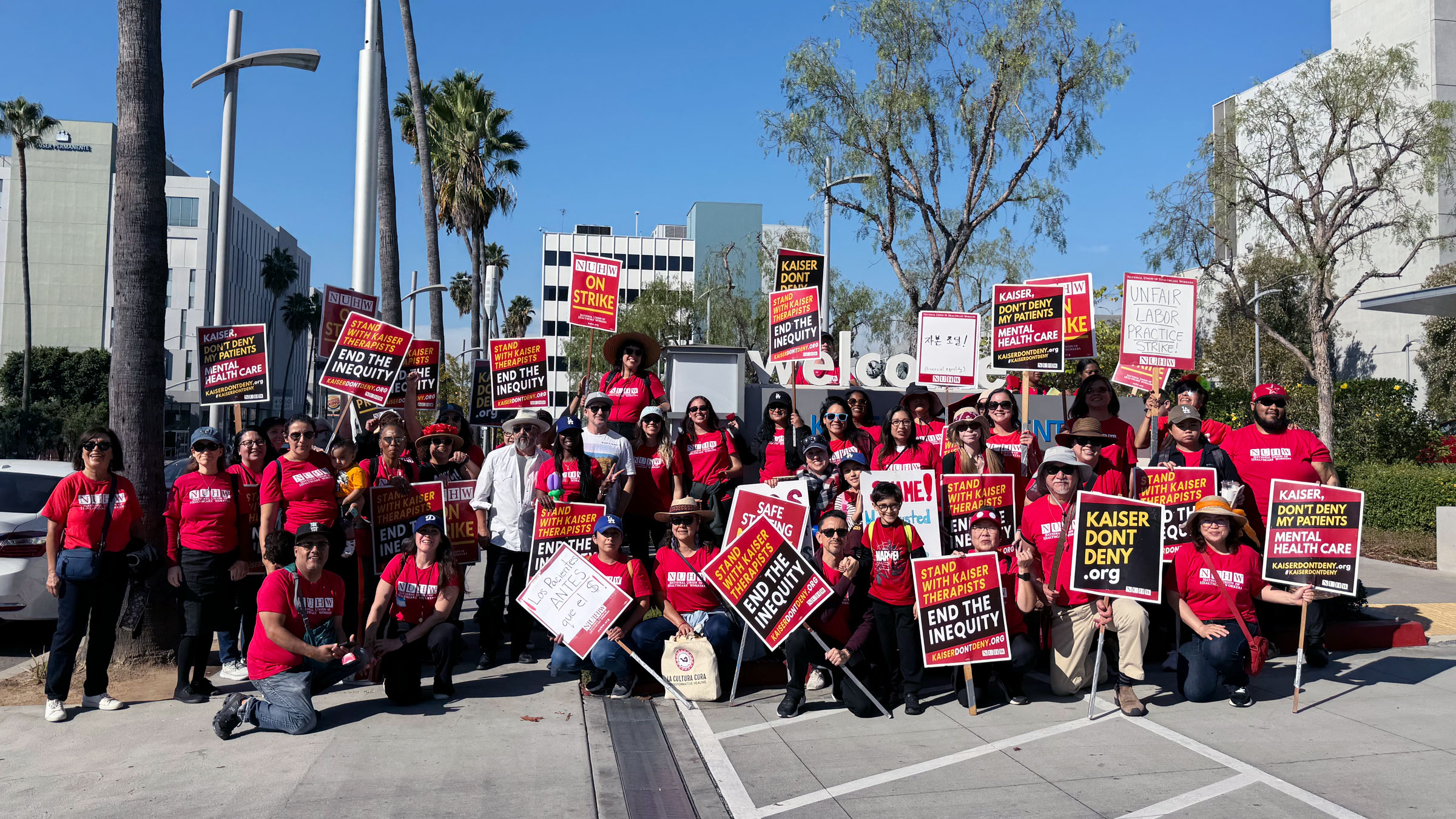
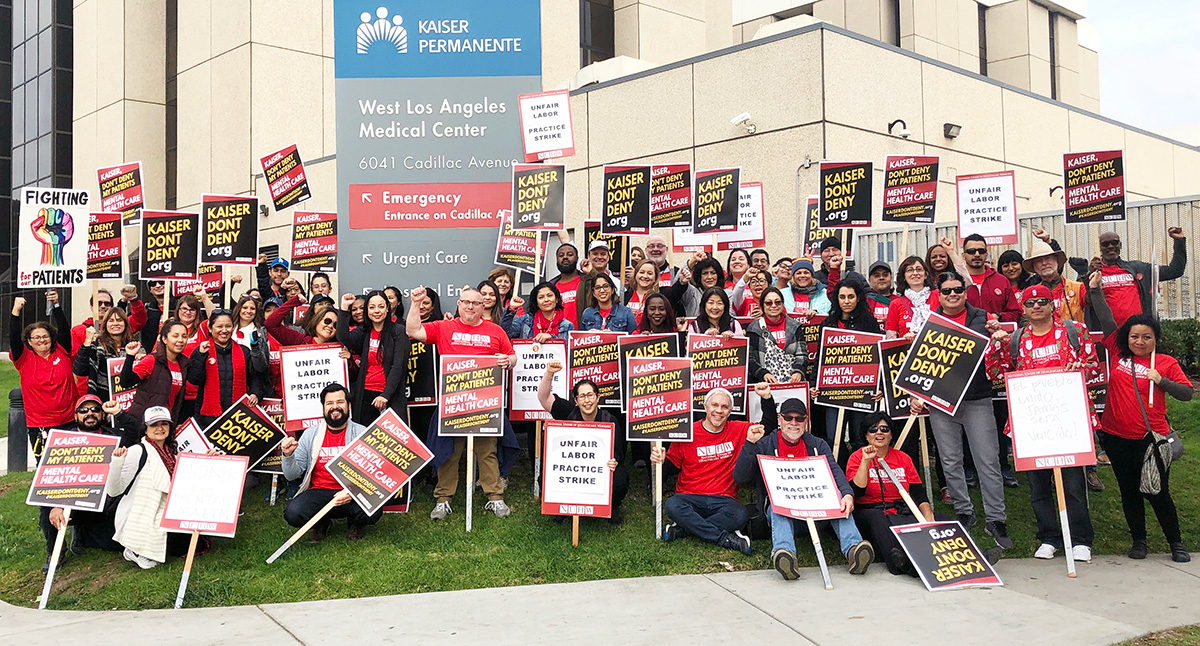
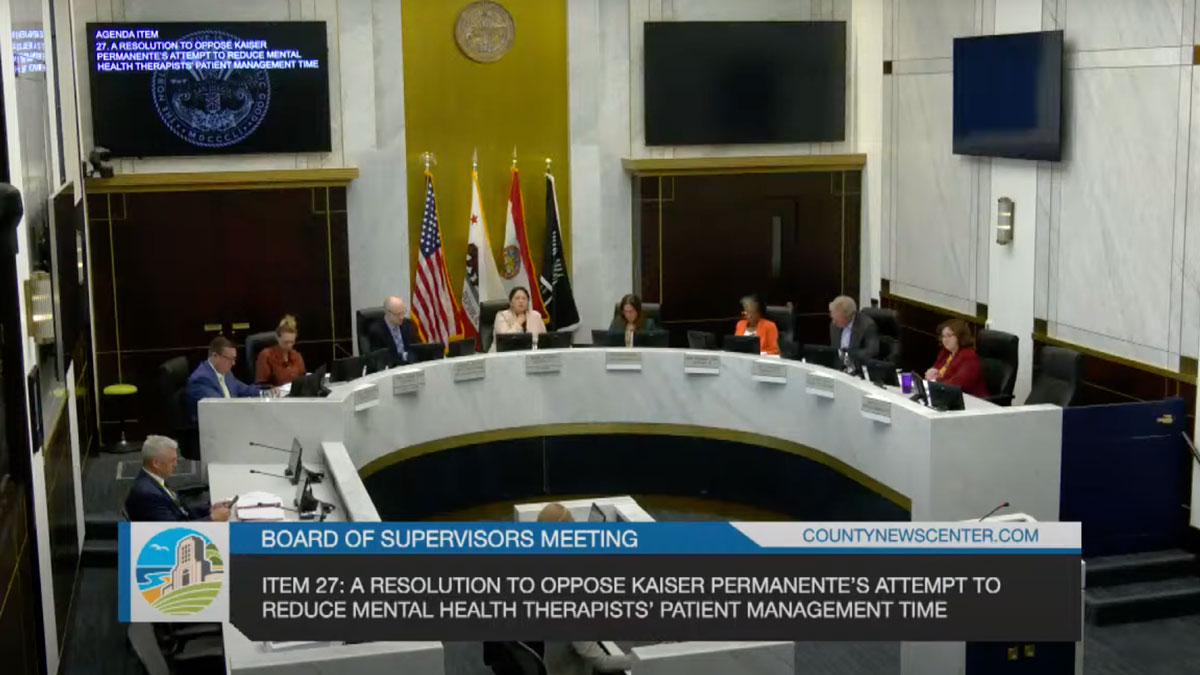
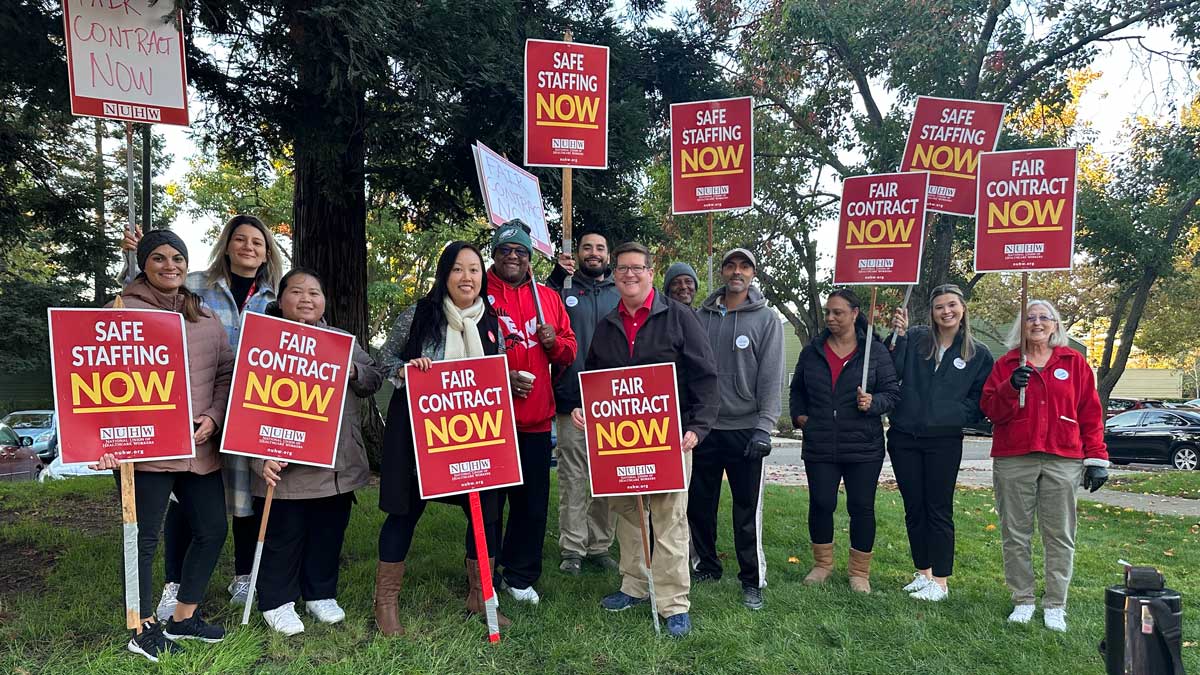
SAN FRANCISCO — The San Francisco Board of Supervisors will hold a hearing Tues. July 21 at 3:00 p.m. to scrutinize contract demands Kaiser Permanente is making of its 2,400 behavioral health clinicians across Northern California, including psychologists, licensed clinical social workers, and marriage and family therapists, which would allow the giant HMO to outsource behavioral healthcare and replace therapists with A.I.
These extreme demands would drastically remake how Kaiser provides behavioral health services, restrict therapists’ ability to exercise their clinical judgment in treating patients, and provide a road map for other major insurers and healthcare providers to follow Kaiser’s lead to the detriment of the Californians who rely on them for mental health therapy and addiction services.
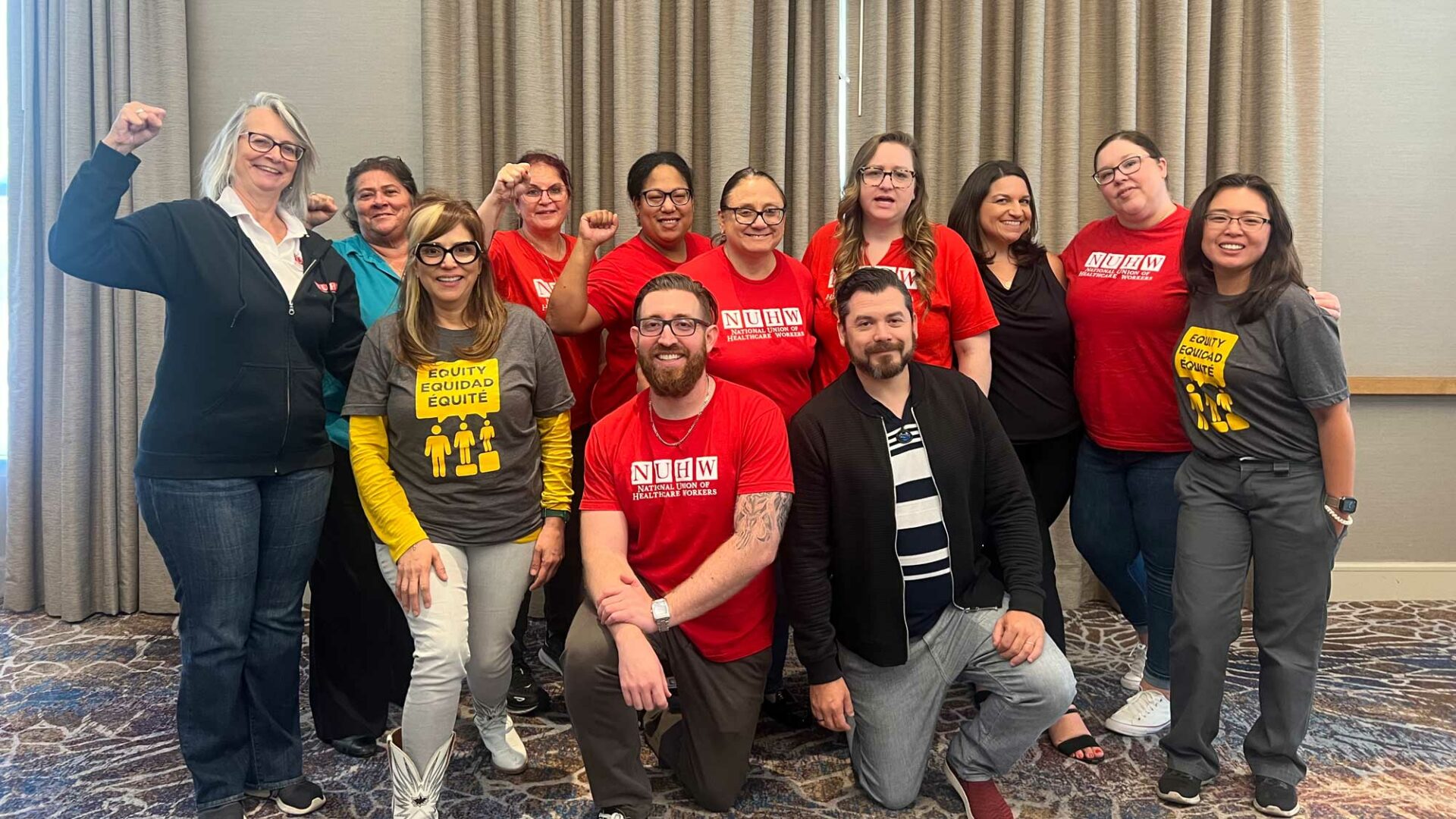
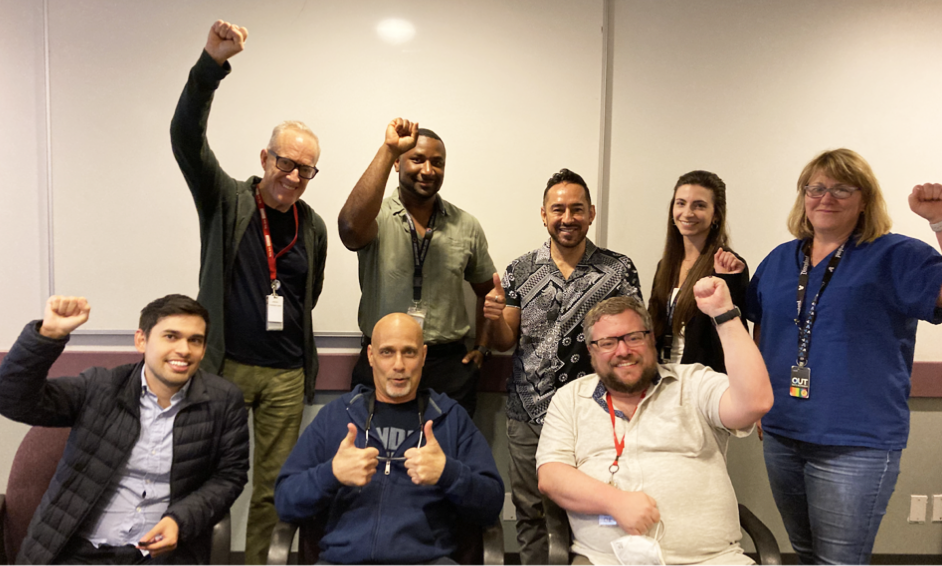
“We’re grateful to the supervisors for holding this hearing because the stakes are so high,” said Tianna Lui, a Kaiser therapist in San Francisco. “Kaiser doesn’t want the public to understand what’s at stake and the risks that its demands pose to their access to human-centered behavioral healthcare.”
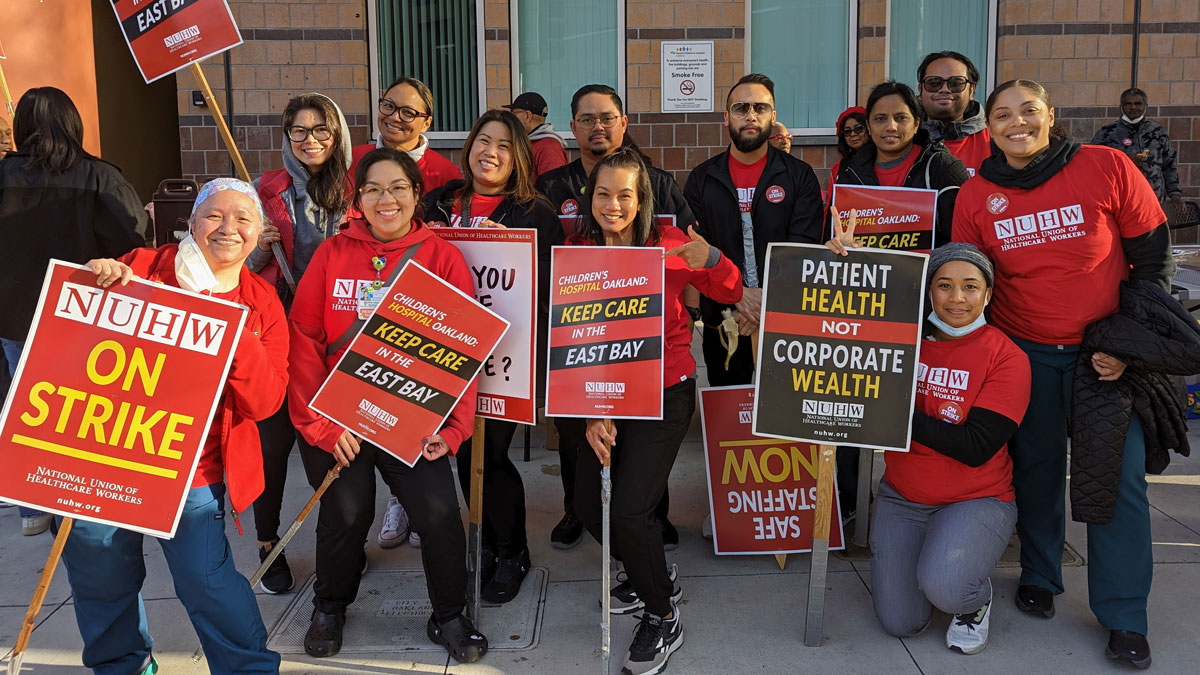
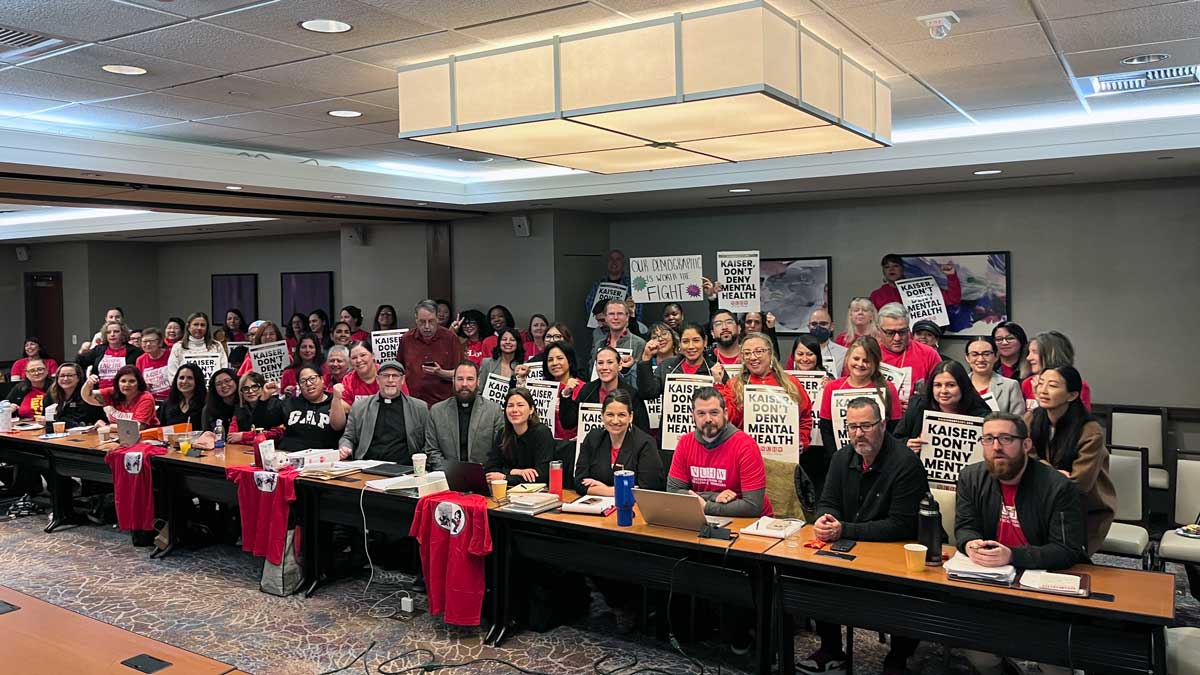
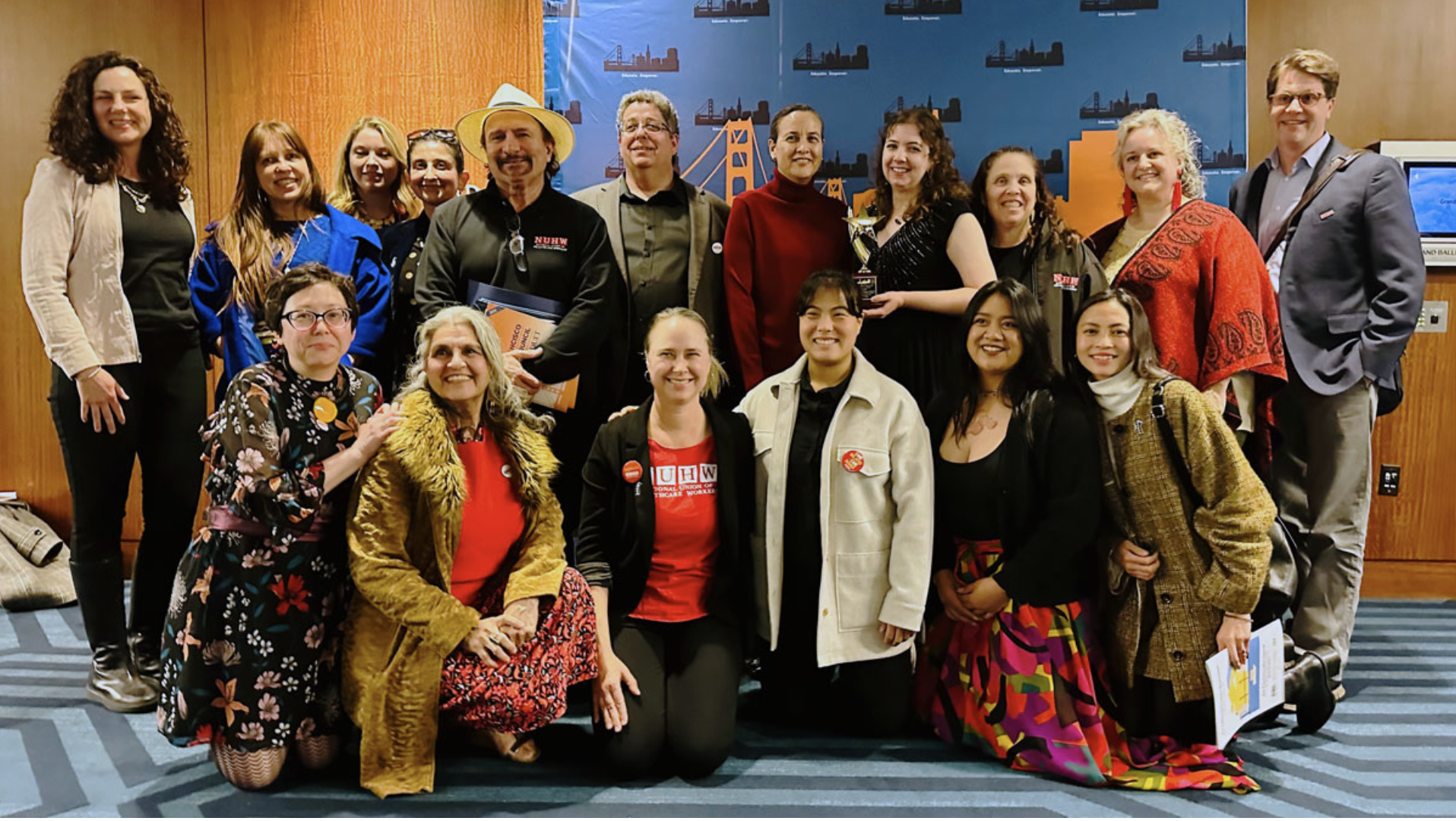
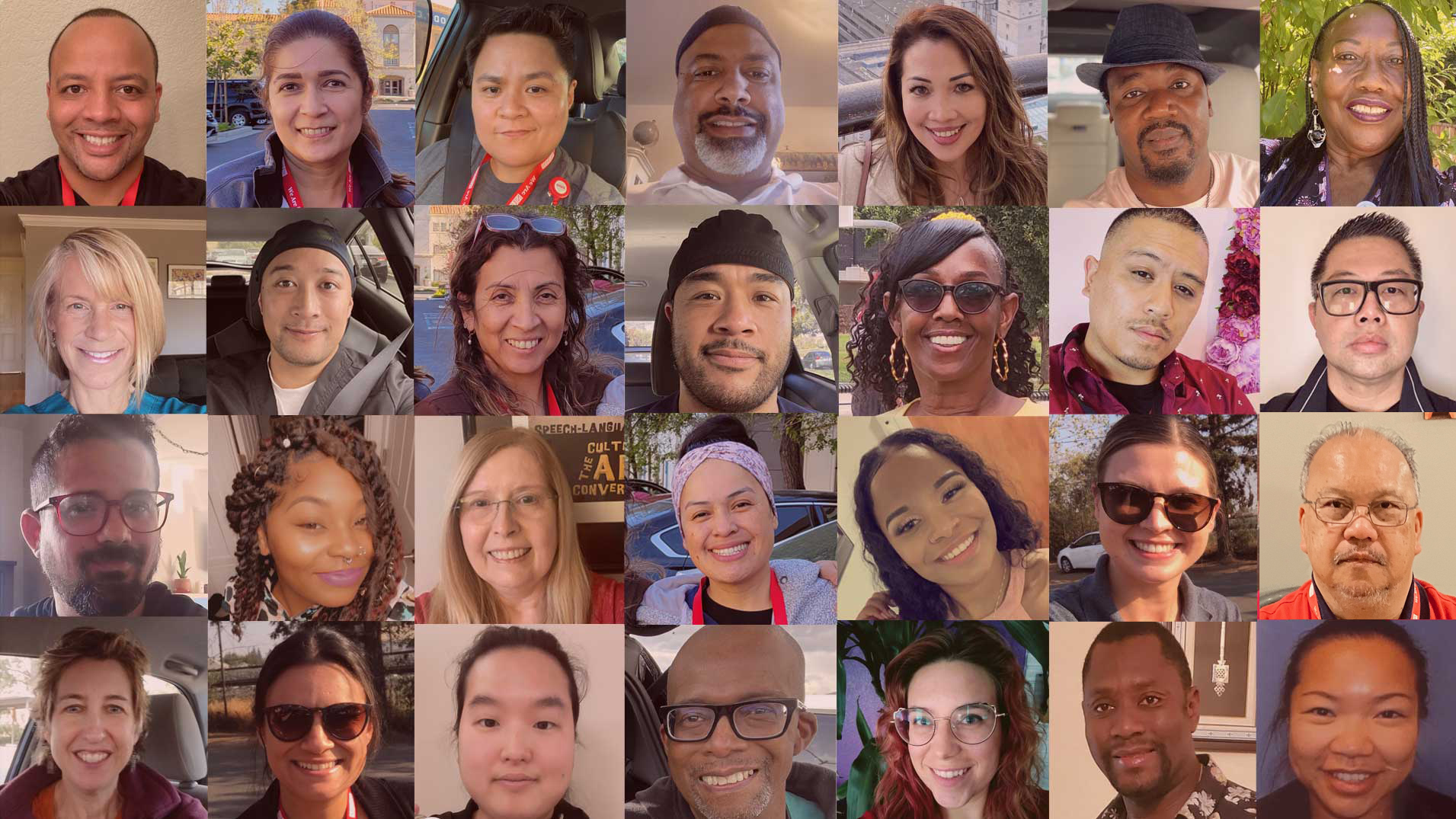
WHO/WHAT: Kaiser behavioral health clinicians represented by the National Union of Healthcare Workers, leaders of behavioral health professional organizations and advocacy groups, and a Kaiser San Francisco nurse represented by the California Nurses Association, delivering testimony and taking questions from San Francisco supervisors.
Experts providing testimony on the potentially negative patient care impacts of Kaiser’s proposals will include Dr. Jasmine Smith, DSW, LCSW, Associate Executive Director of the National Association of Social Workers, California Chapter, and Linda Michaels, PsyD, MBA, Chair of the Psychotherapy Action Network.
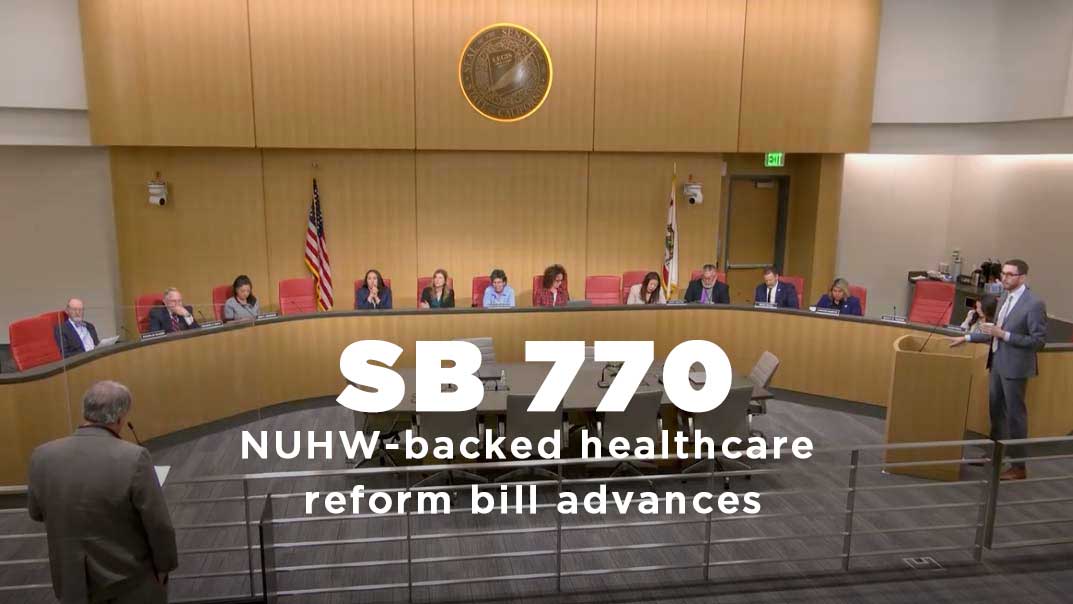
WHEN/WHERE: Tues., July 21, 3:00 p.m*., San Francisco City Hall, Legislative Chamber, as a special order item of the regular Board of Supervisors meeting. Remote viewing available at www.sfgovtv.org.
* Exact start time subject to board agenda.
The proposals, which clinicians have dubbed the “Terrible Three” center around:
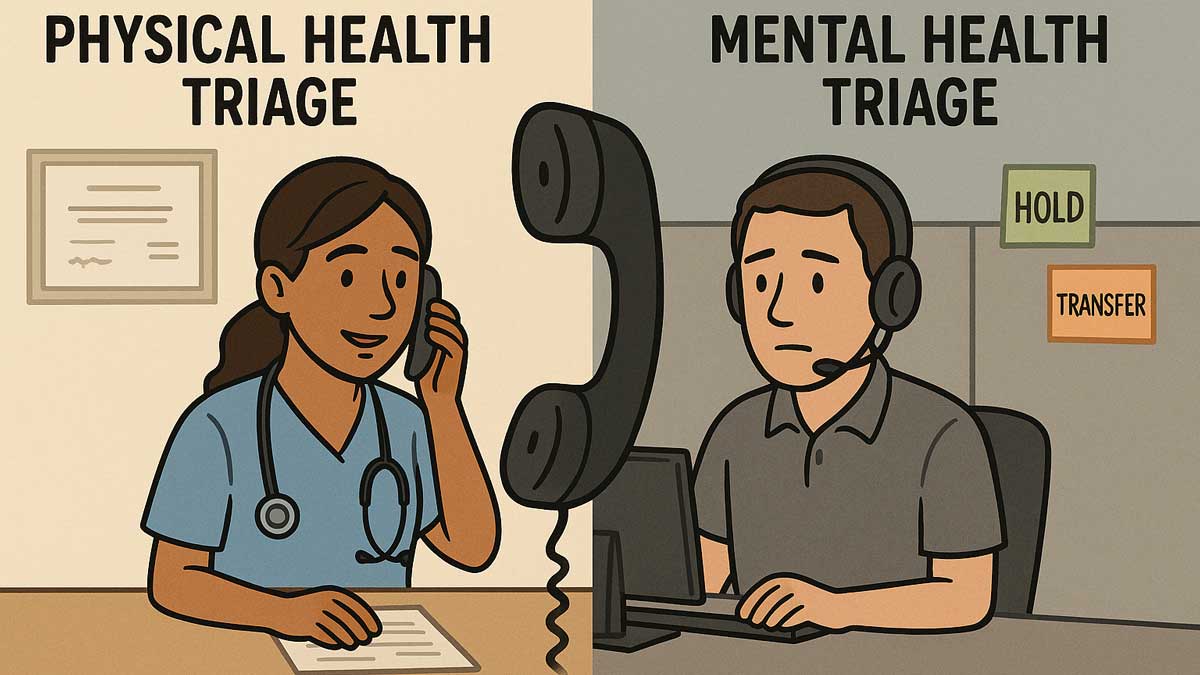
- Artificial intelligence: Kaiser wants to be able to replace therapists with A.I. and exert total control over a technology that stands to dramatically shift how therapy is provided. Kaiser is already using A.I. to record therapy sessions and algorithms to screen patients seeking care and is now unwilling to agree to language it accepted in its Southern California contract stating that the intention of new technologies like A.I. “is not to replace” clinicians.
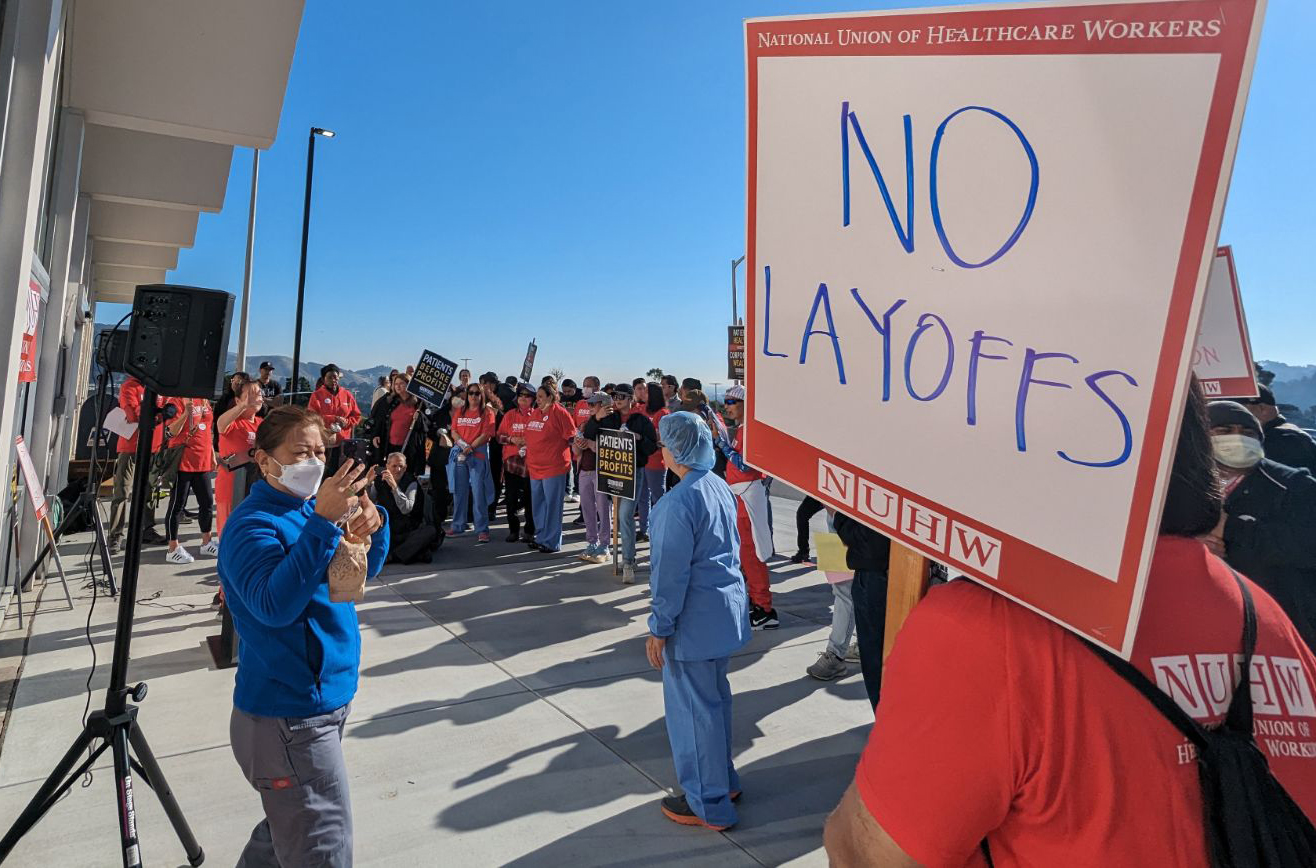
- Layoffs and outsourcing: Kaiser is proposing language that would allow it to lay off clinicians in order to refer far more patients to third-party contractors for behavioral health services, divorcing behavioral health from the rest of Kaiser’s integrated model of care.
- Disempowering clinicians: Kaiser is demanding the contract state that it has the “sole discretion” to “determine or modify the behavioral health operating and clinical models of care,” thereby ending any requirement that it work collaboratively with therapists to improve care.
The HMO is also seeking to reverse critical patient care protections agreed upon as part of a settlement to end a 10-week strike in 2022.
Kaiser is making these proposals despite being under state and federal monitoring over its “failure to provide timely and appropriate access to mental health and substance use disorder services.” Kaiser is currently under a $200 million settlement agreement with the California Department of Managed Health Care, signed in 2023; and a $31 million settlement agreement with the U.S. Department of Labor, signed earlier this year. Both agreements resolved investigations that were sparked in part by testimony from clinicians.
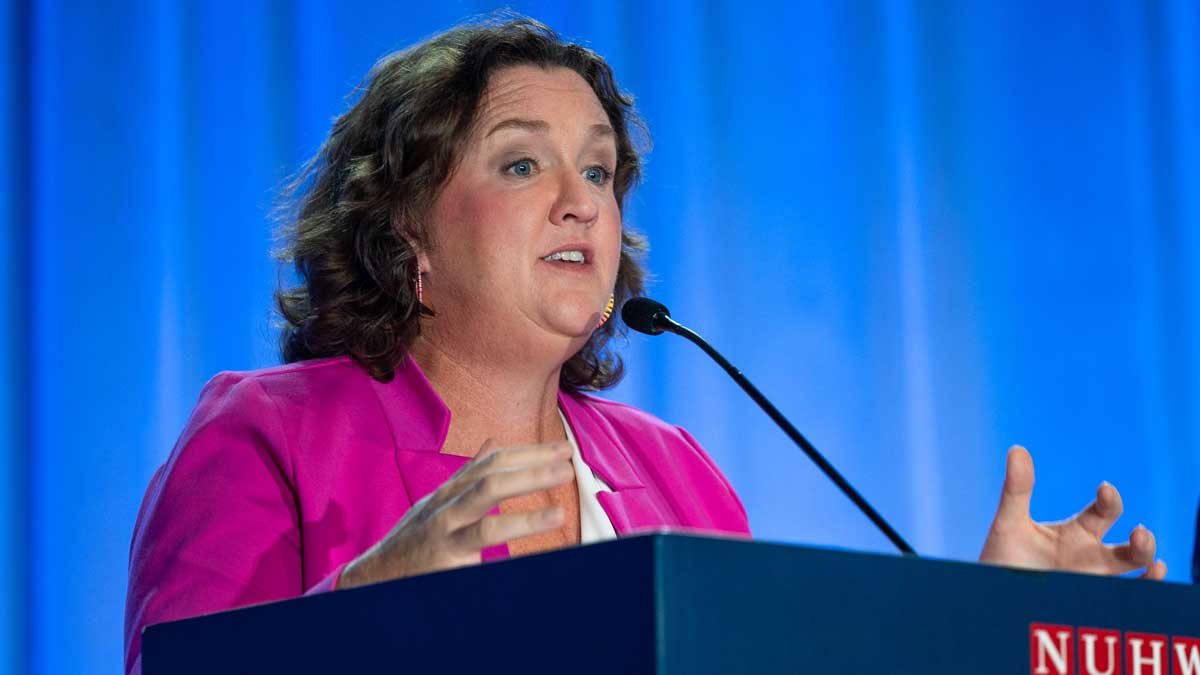
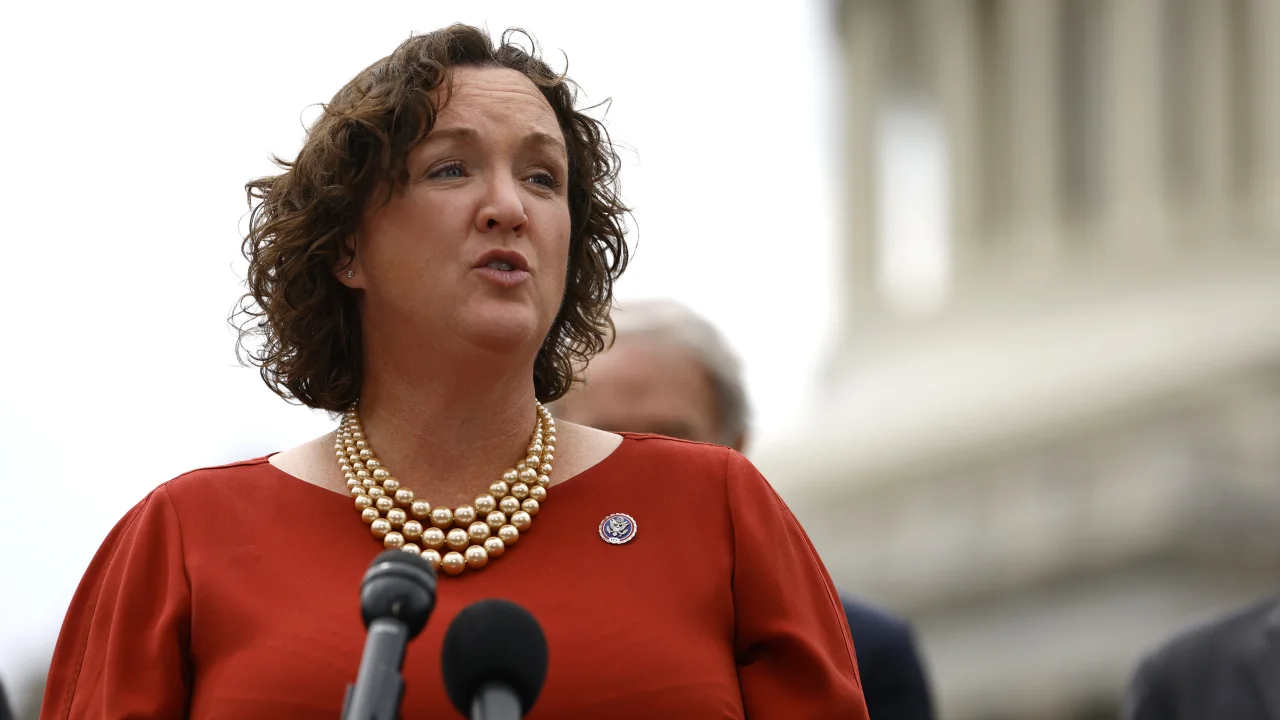
“The surest path for Kaiser to improve its mental health services is to work with its clinicians, not try to silence them”, said Supervisor Chaynne Chen, who called for the hearing. “I have heard about proposals that could put at risk the quality of care that our city’s residents receive and undermine the discretion of our healthcare professionals.”
The hearing will consist of two panels. The first panel will be composed of Kaiser clinicians giving first-hand accounts of the struggles they already face providing patients with timely and appropriate care, and how Kaiser’s proposals would make matters much worse. The second panel will feature behavioral health experts giving their analysis of what Kaiser’s proposals would mean for Kaiser patients and behavioral healthcare delivery throughout California, along with a Kaiser registered nurse representative addressing how Kaiser’s understaffing and attempts to substitute A.I. for their work is similarly threatening nurses’ ability to provide their patients with clinically appropriate care. Kaiser rejected the supervisors’ invitation to make a presentation.
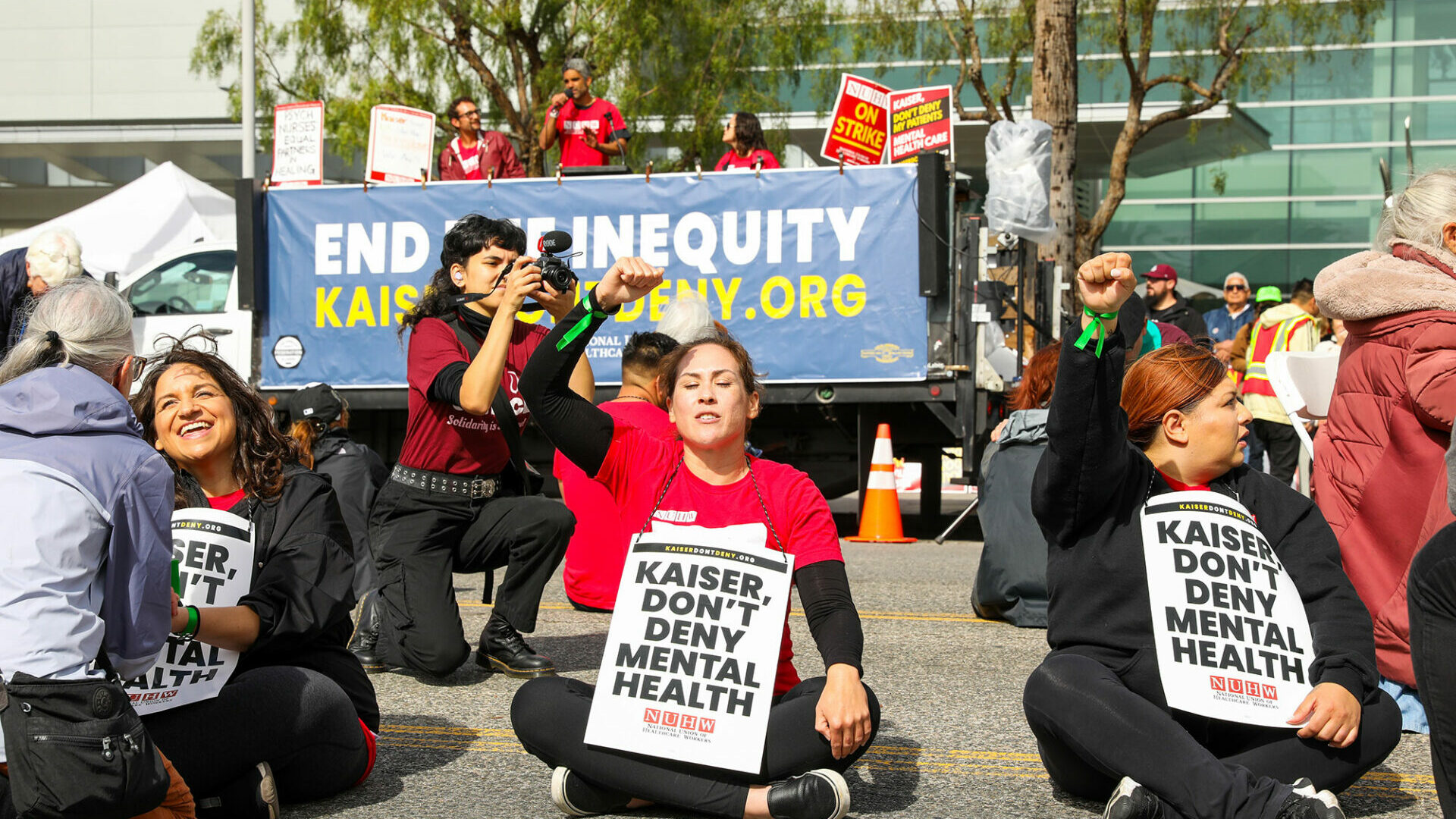
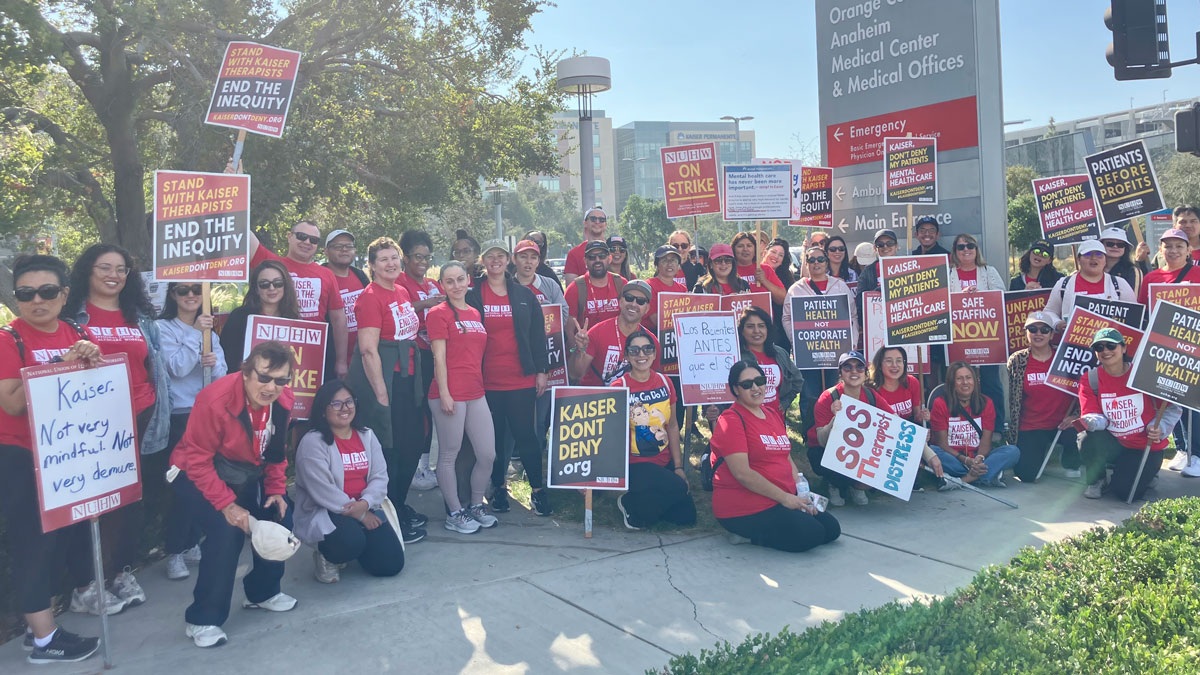
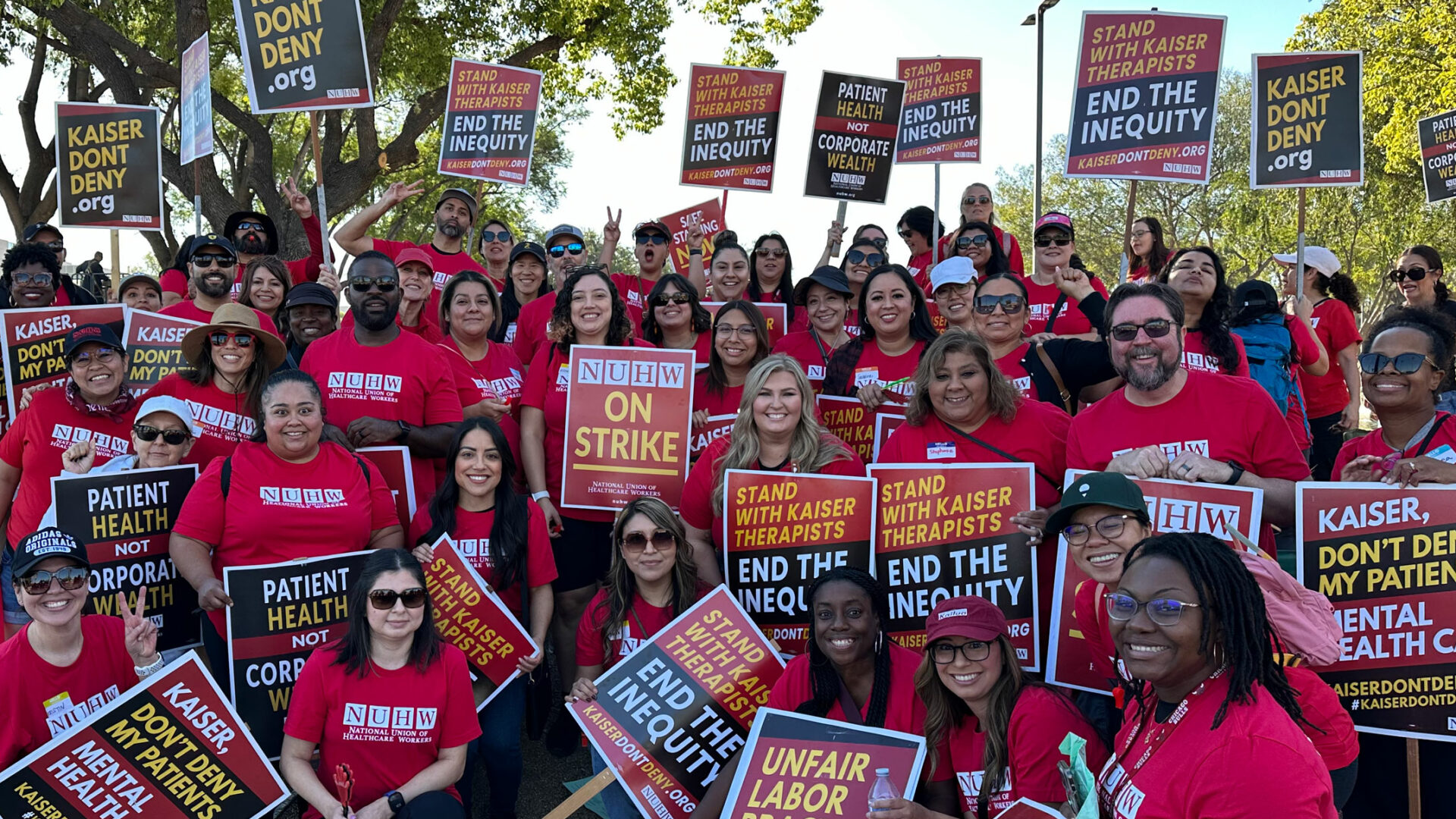
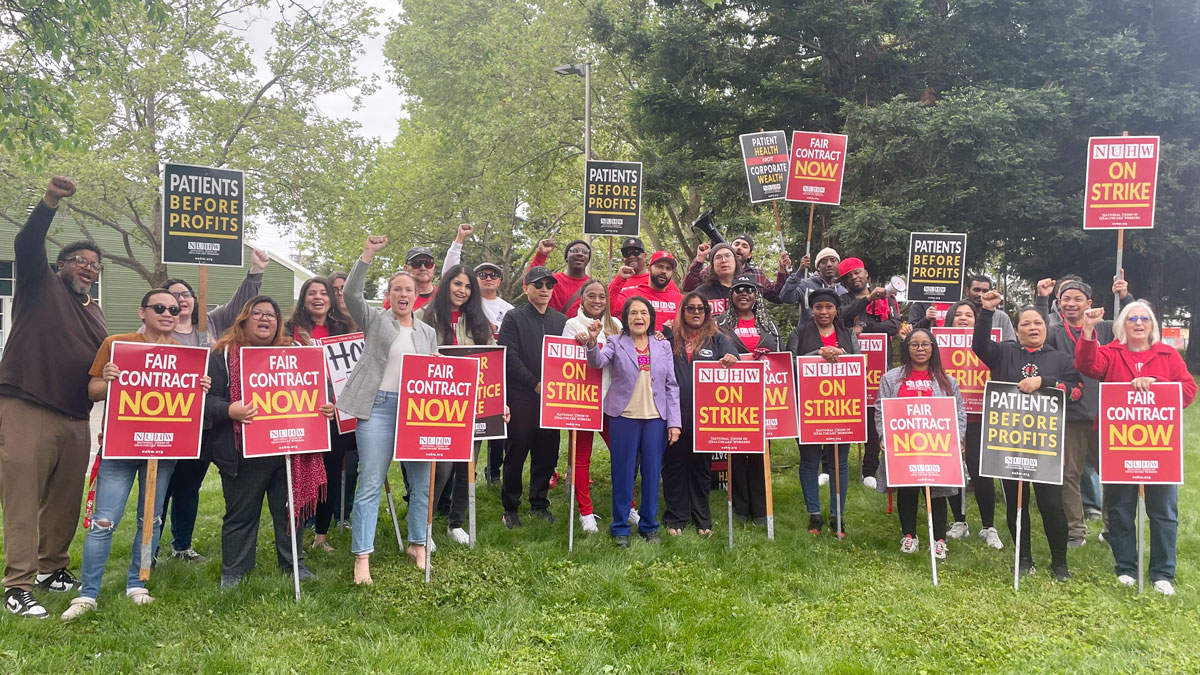
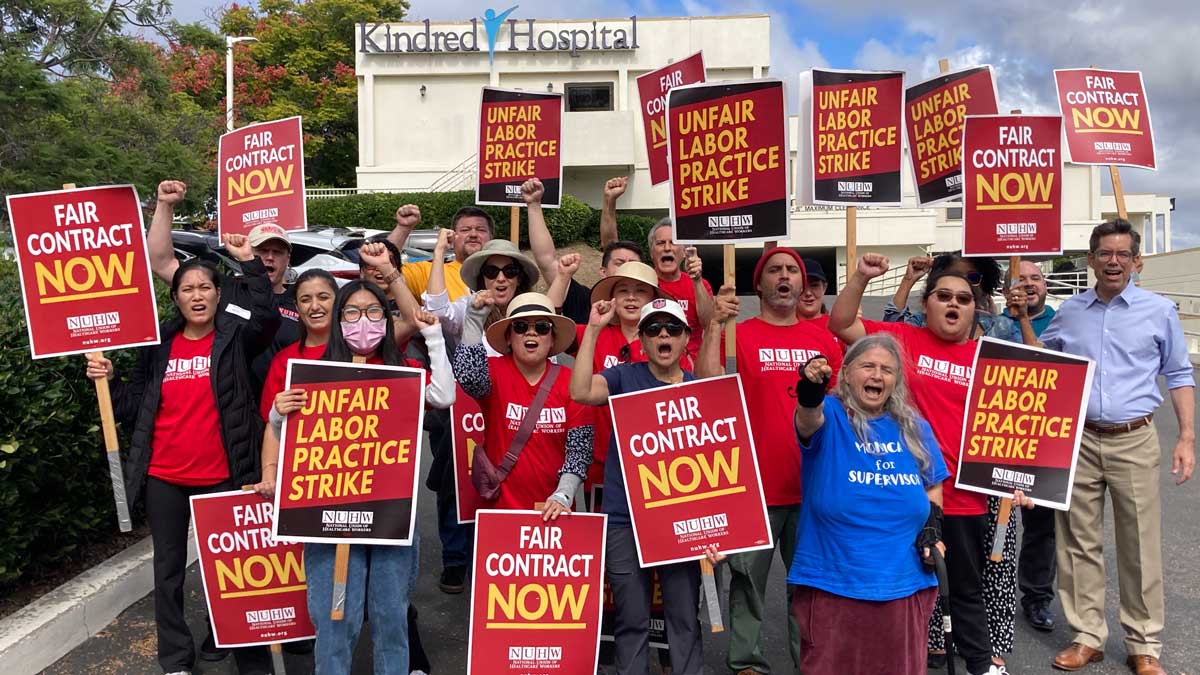
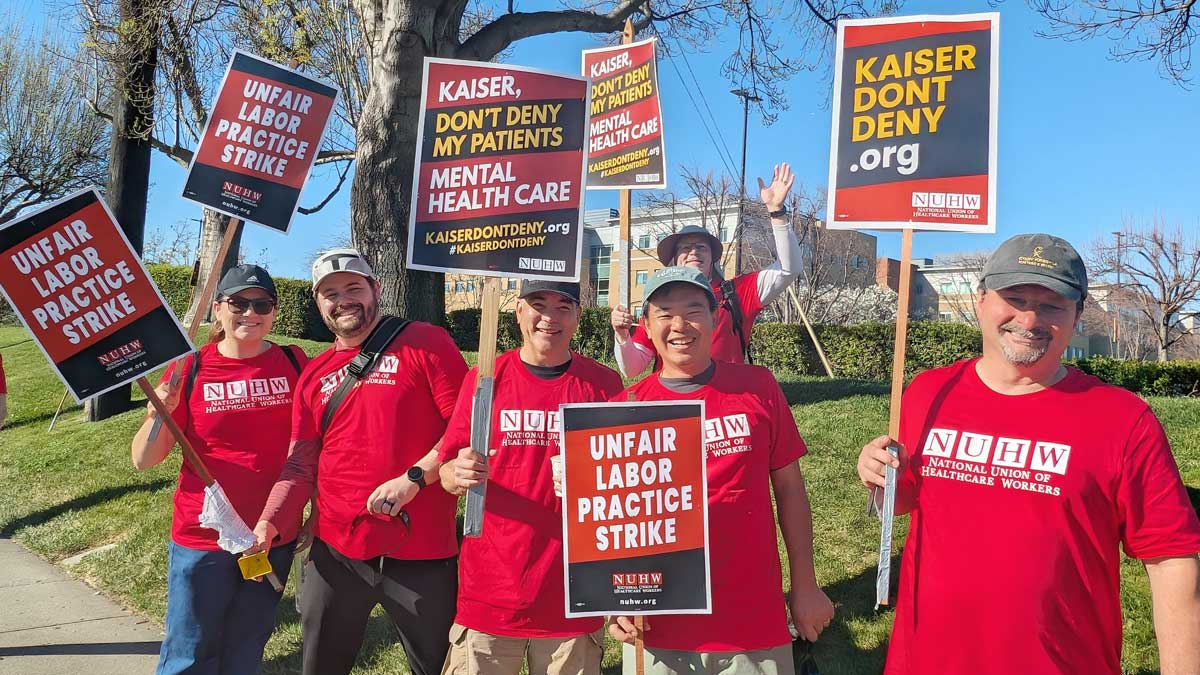
Contract talks have remained at a standstill since Kaiser made its “Terrible Three” takeaway proposals last summer. The previous agreement expired Sept. 30, 2025, and mediation will begin next month. Clinicians held a one-day strike in March over Kaiser’s expanded use of artificial intelligence to screen patients seeking care and determine how quickly they need to be seen and what type of care is appropriate – decisions that had previously only been made by human therapists as required under California law.
More details on Kaiser’s demands and past actions are available on this fact sheet.
# # #
The National Union of Healthcare Workers is a member-led movement that represents 19,000 healthcare workers in California, Hawai’i, Pennsylvania, and Wisconsin.