FOR IMMEDIATE RELEASE: Tuesday, Sept. 1, 2026
Contact: Matthew Artz 510-435-8035, martz@nuhw.org
Following Special Hearing, San Francisco Becomes First City to Pass Resolution Opposing Kaiser Contract Demands That Would Allow it to Outsource Behavioral Healthcare and Replace Frontline Therapists with A.I.
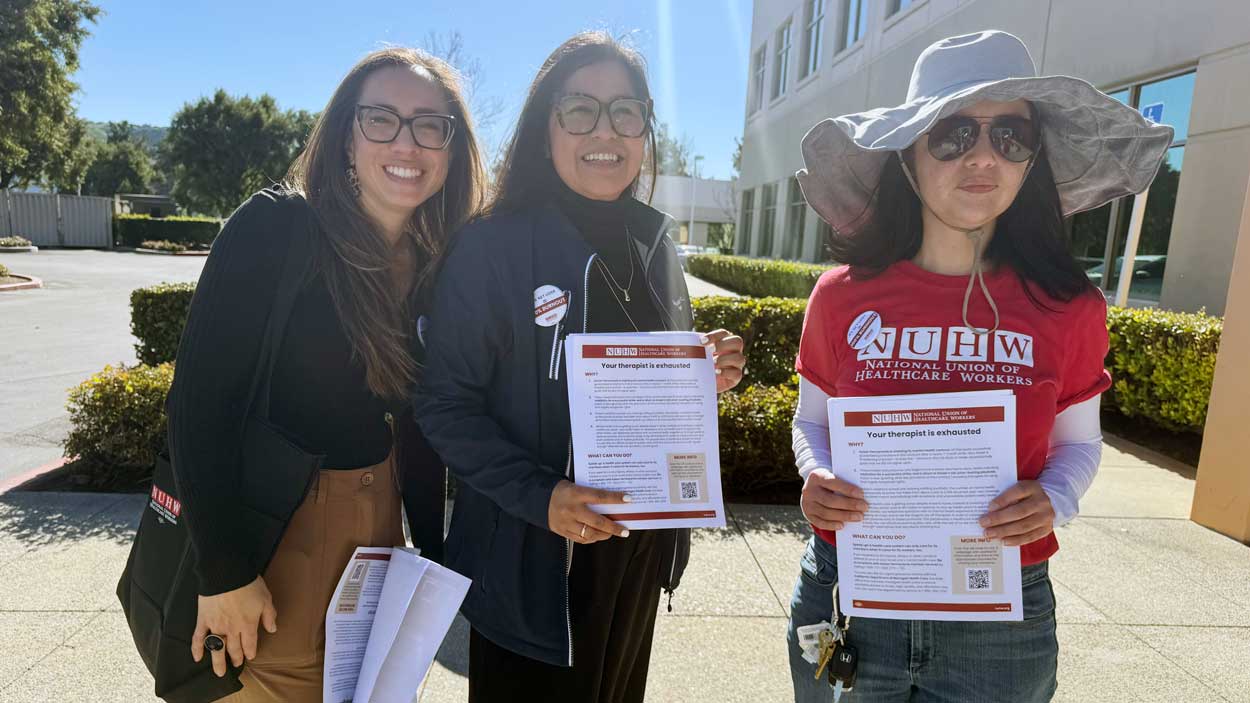
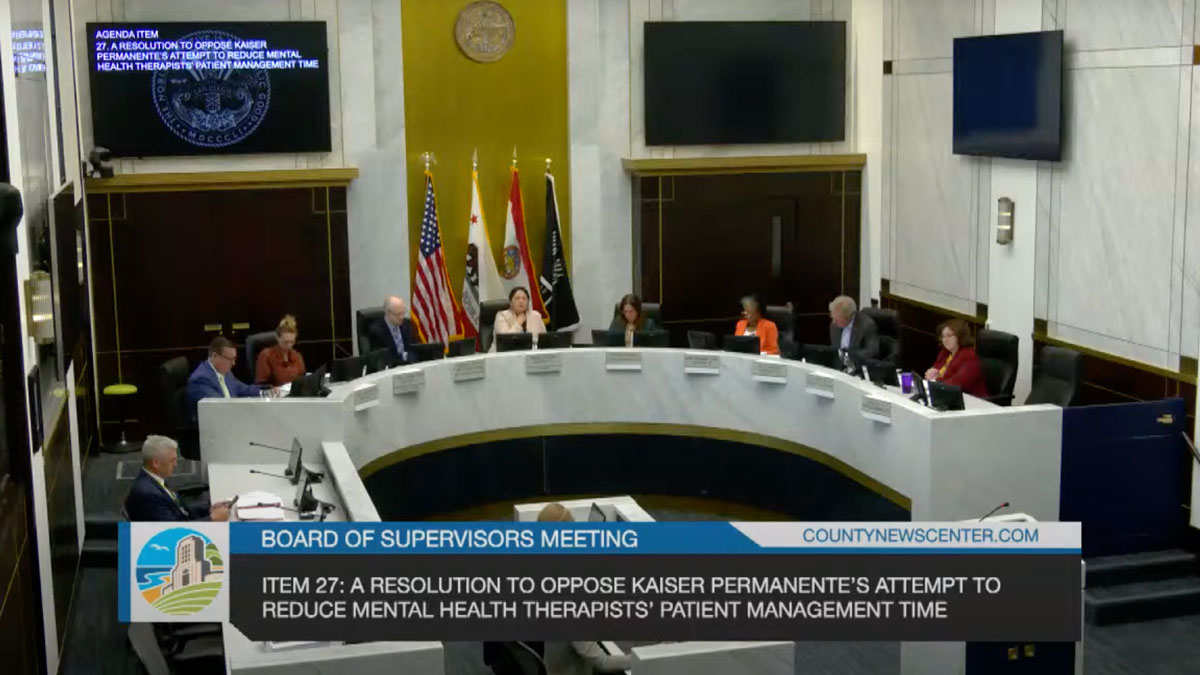
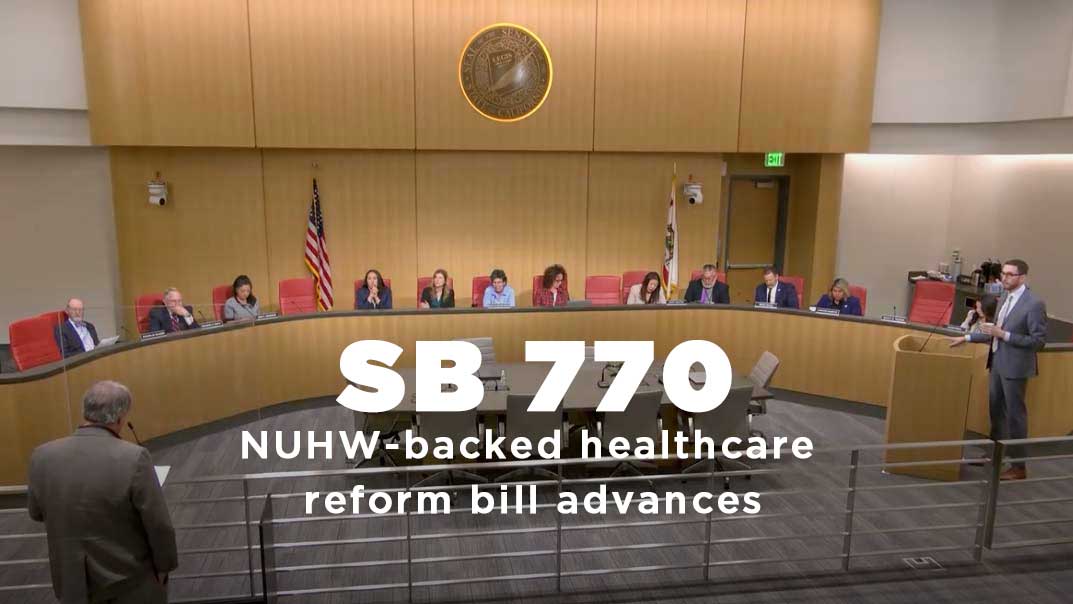
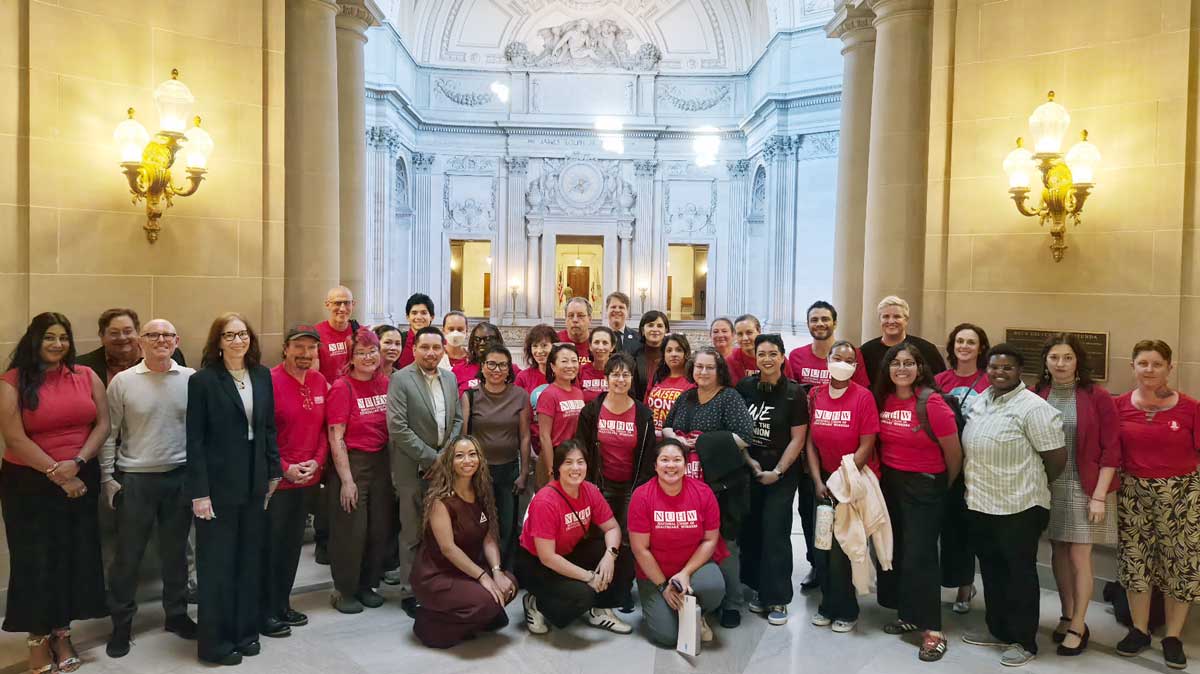
SAN FRANCISCO — The 11-member San Francisco Board of Supervisors unanimously adopted a resolution this afternoon calling on Kaiser to withdraw contract demands that would set the stage for the giant HMO to lay off therapists, outsource behavioral health services, and use A.I. to replace licensed professionals in treating patients.
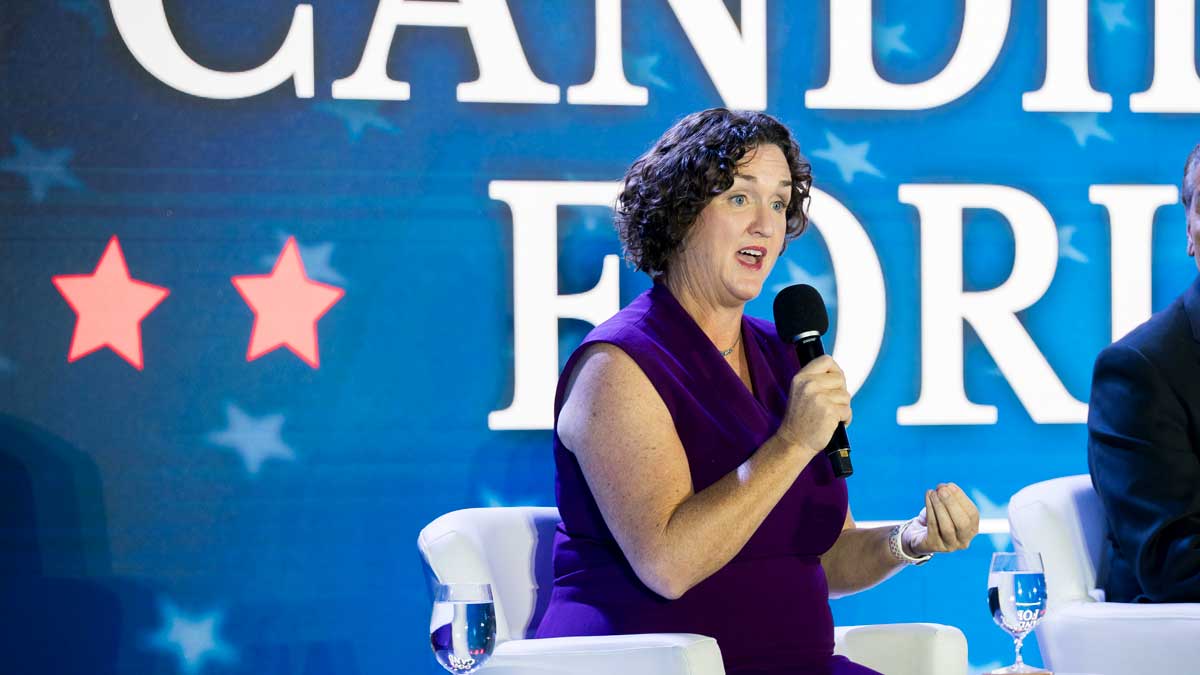
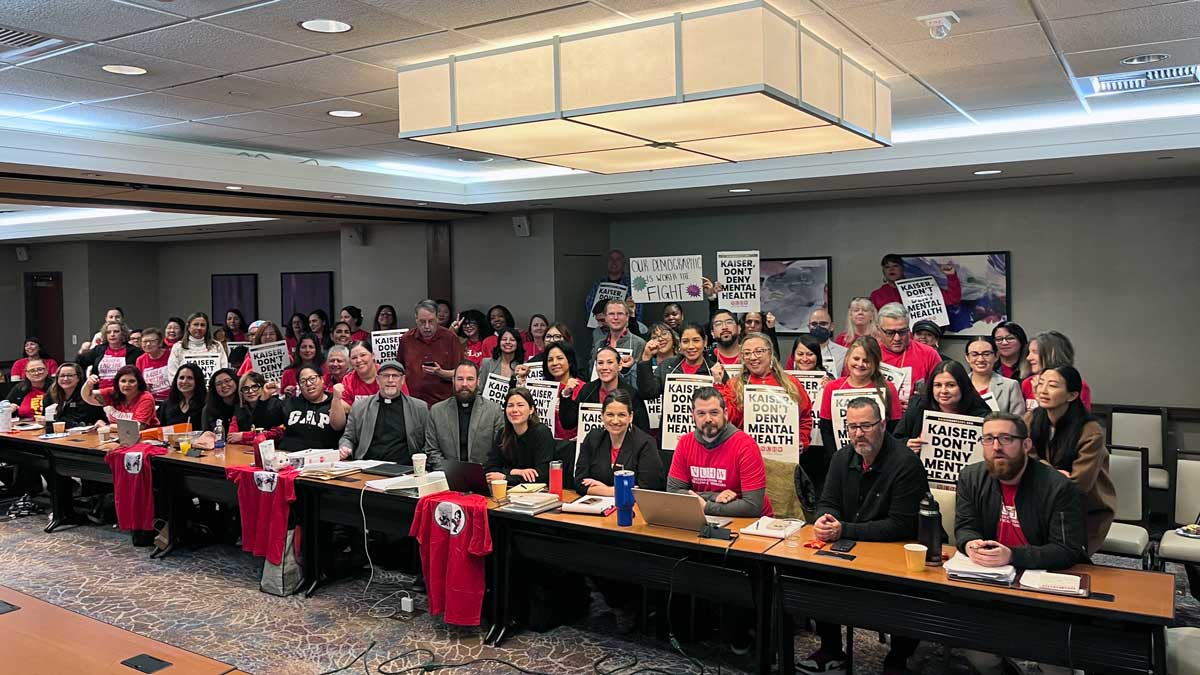
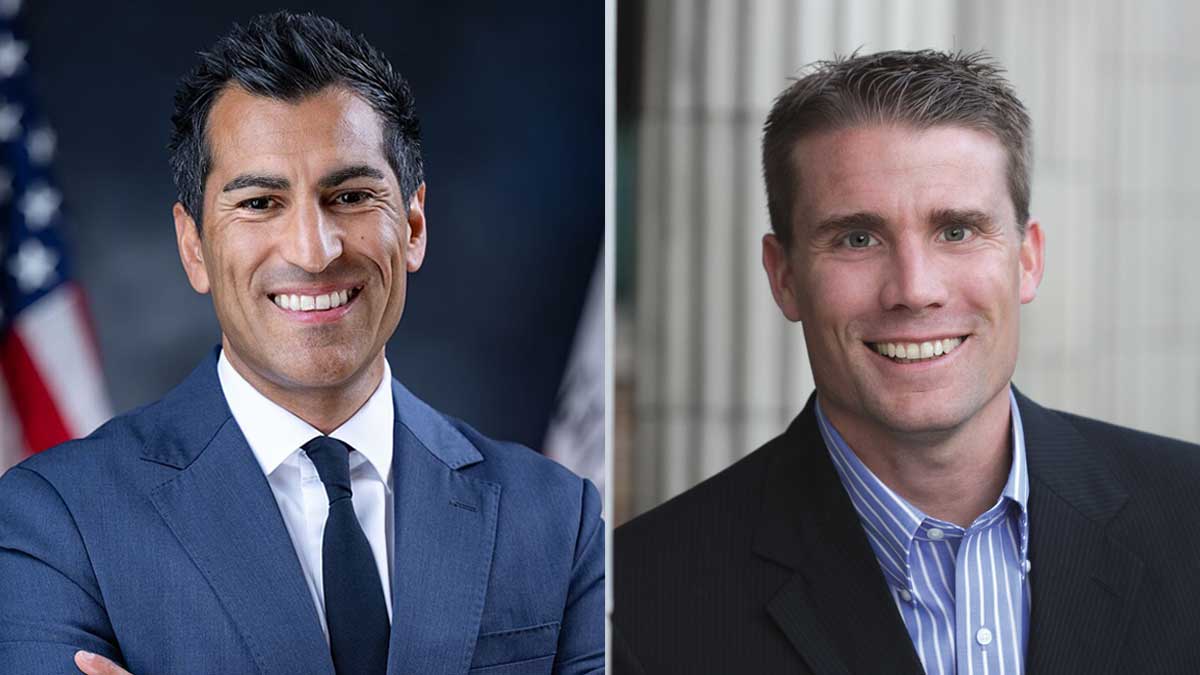
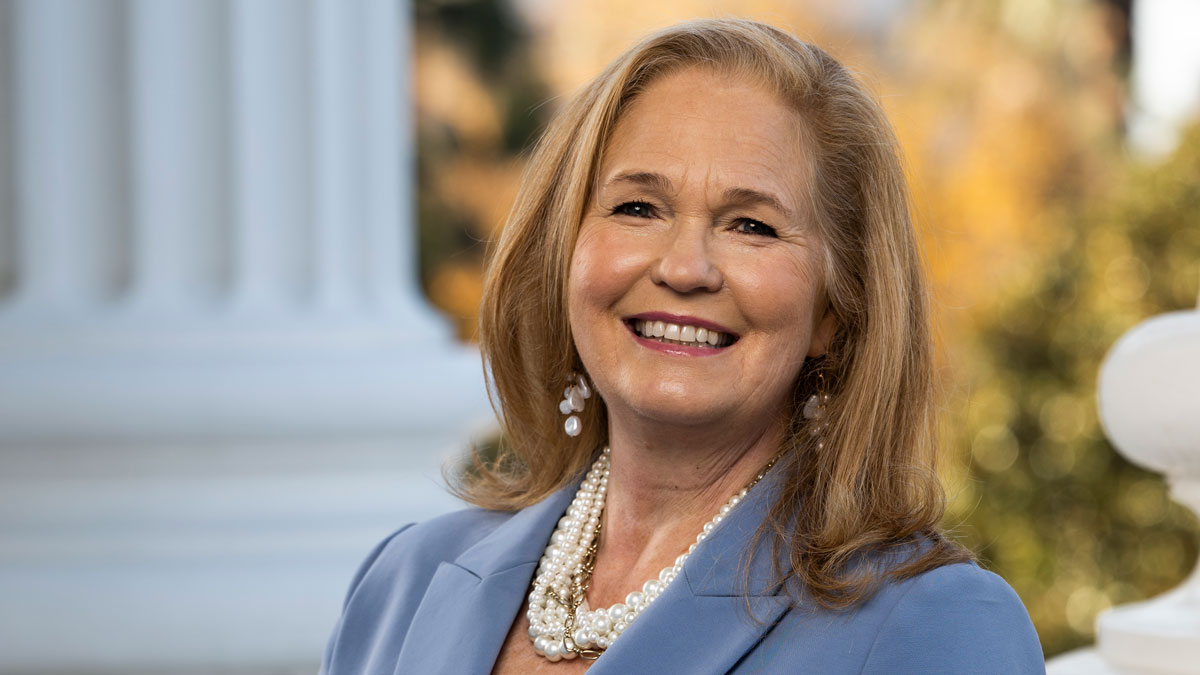
Supervisor Chyanne Chen introduced the resolution after she, Board President Rafael Mandelman, Supervisor Myrna Melgar, and Supervisor Shamann Walton called a July 21 hearing where Kaiser mental health therapists, social workers and psychologists, as well as leaders from behavioral health advocacy and professional associations, warned supervisors that Kaiser’s proposals risked significantly reducing the quality of its behavioral health services. Kaiser officials refused to participate in the hearing.
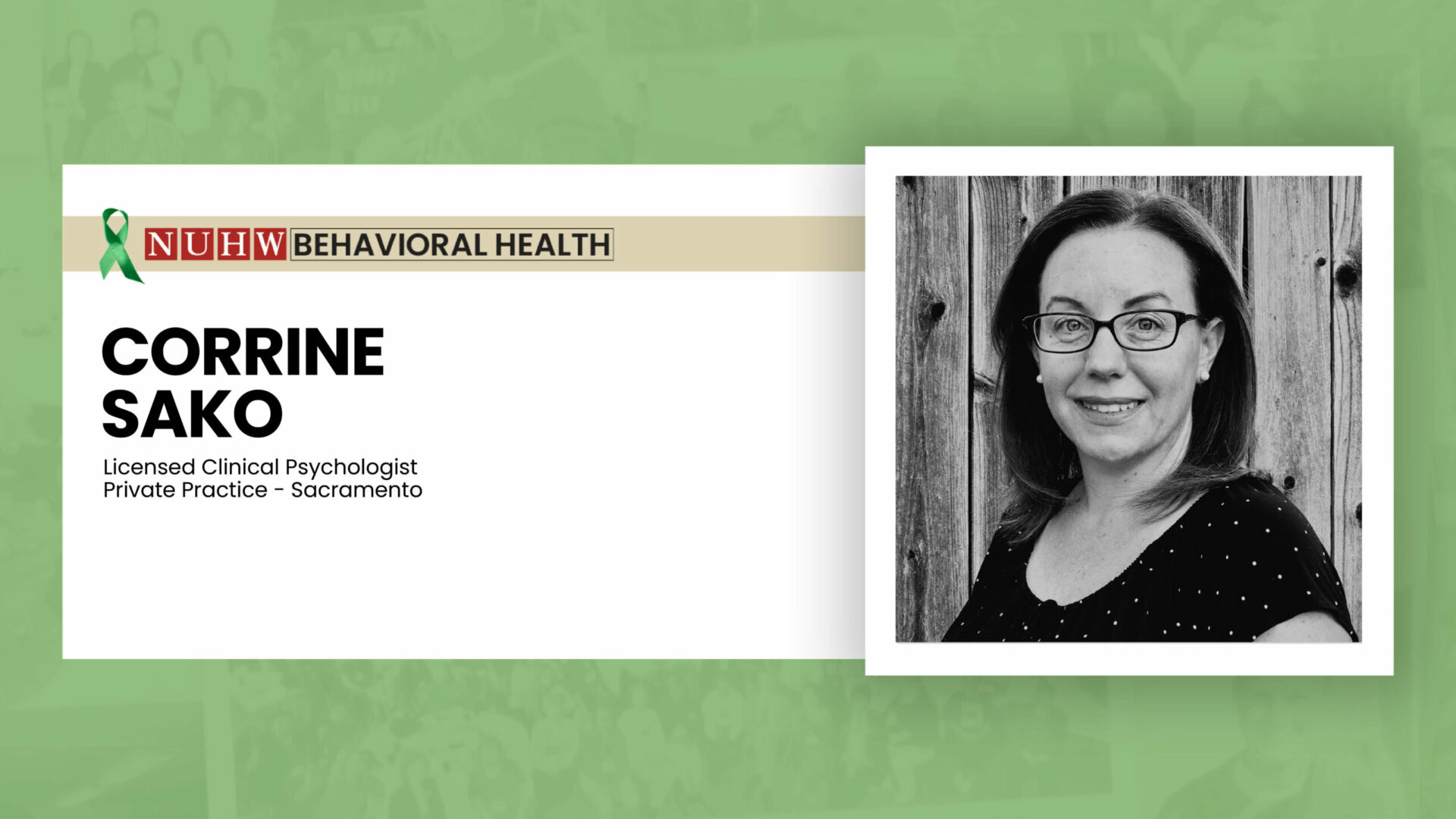
“Kaiser is shrugging off the severity of its proposals, but the supervisors weren’t fooled,” said Tianna Lui, a therapist who works for Kaiser in San Francisco and testified at the hearing. “This resolution is important validation that the public stands with us in preserving human-centered behavioral healthcare that is integrated with Kaiser’s medical services.”
The resolution calls on Kaiser to “withdraw its ‘Terrible Three’ contract demands and negotiate in good faith an agreement that maintains the appropriate clinical authority of its behavioral health providers and preserves the integrity of Kaiser’s integrated healthcare system.”
The proposals that clinicians have been opposing since their contract expired last September center around:
- Artificial intelligence: Kaiser wants to be able to replace therapists with A.I. and exert total control over a technology that stands to dramatically change how therapy is provided. Kaiser is already using A.I. to record therapy sessions and algorithms to screen patients seeking care. It’s now unwilling to agree to language it accepted in its Southern California contract, stating that the intention of new technologies like A.I. “is not to replace” clinicians.
- Layoffs and outsourcing: Kaiser is proposing language that would allow it to lay off clinicians in order to refer far more patients to third-party contractors for behavioral health services, divorcing behavioral health from the rest of Kaiser’s integrated care model.
- Disempowering clinicians: Kaiser is demanding that the contract state that it has the “sole discretion” to “determine or modify the behavioral health operating and clinical models of care,” thereby ending any requirement that it work collaboratively with therapists to improve services.
The HMO is also seeking to reverse critical patient-care protections agreed upon as part of a settlement to end a 10-week strike in 2022.
“Mental wellness is incredibly important, and how we’re taking care of our patients and workers, especially with emerging technology, is more important now than ever,” Supervisor Chen said. “We all must do our part to protect our workers and patients.”
Kaiser is making these proposals despite being under state and federal monitoring over its “failure to provide timely and appropriate access to mental health and substance use disorder services.” Kaiser is currently under a $200 million settlement agreement with the California Department of Managed Health Care, signed in 2023; and a $31 million settlement agreement with the U.S. Department of Labor, signed earlier this year. Both agreements resolved investigations that were sparked in part by testimony from clinicians.
“Kaiser officials should be eager to work with their clinicians to improve services, but instead they want to sideline them to escape accountability for under-resourcing behavioral healthcare,” NUHW President Emeritus Sal Rosselli said. “By taking this stand, San Francisco Supervisors are making it clear to Kaiser that it needs to work with therapists, not replace them with A.I. that won’t advocate for patients.”
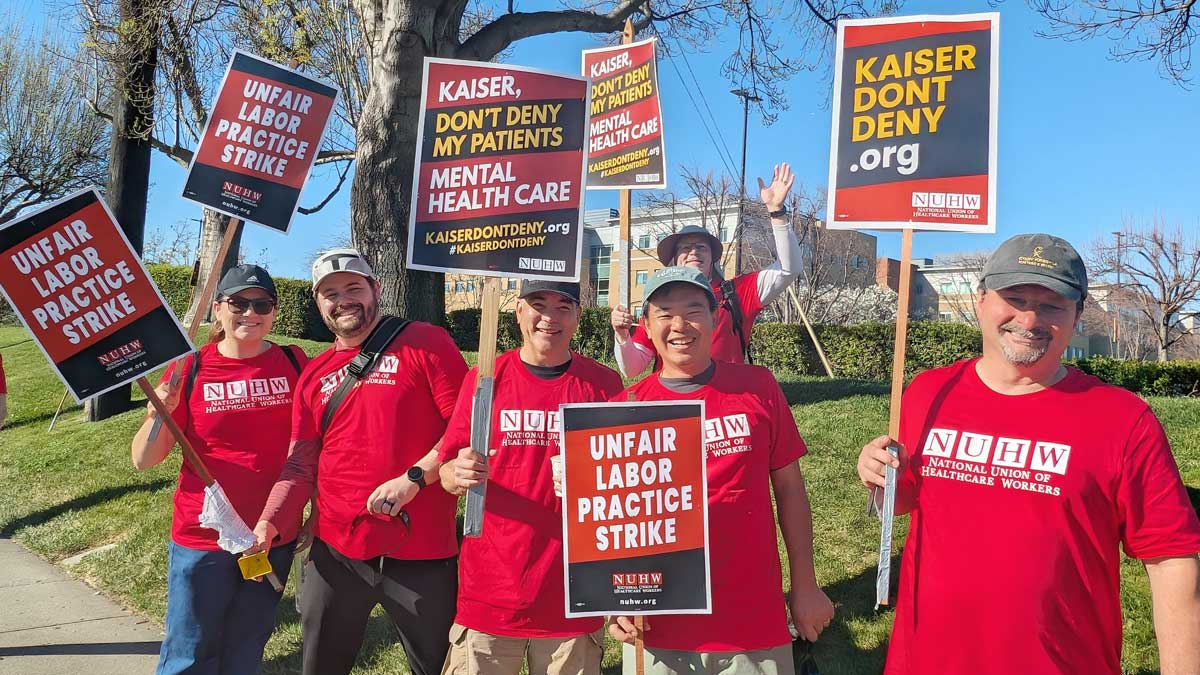
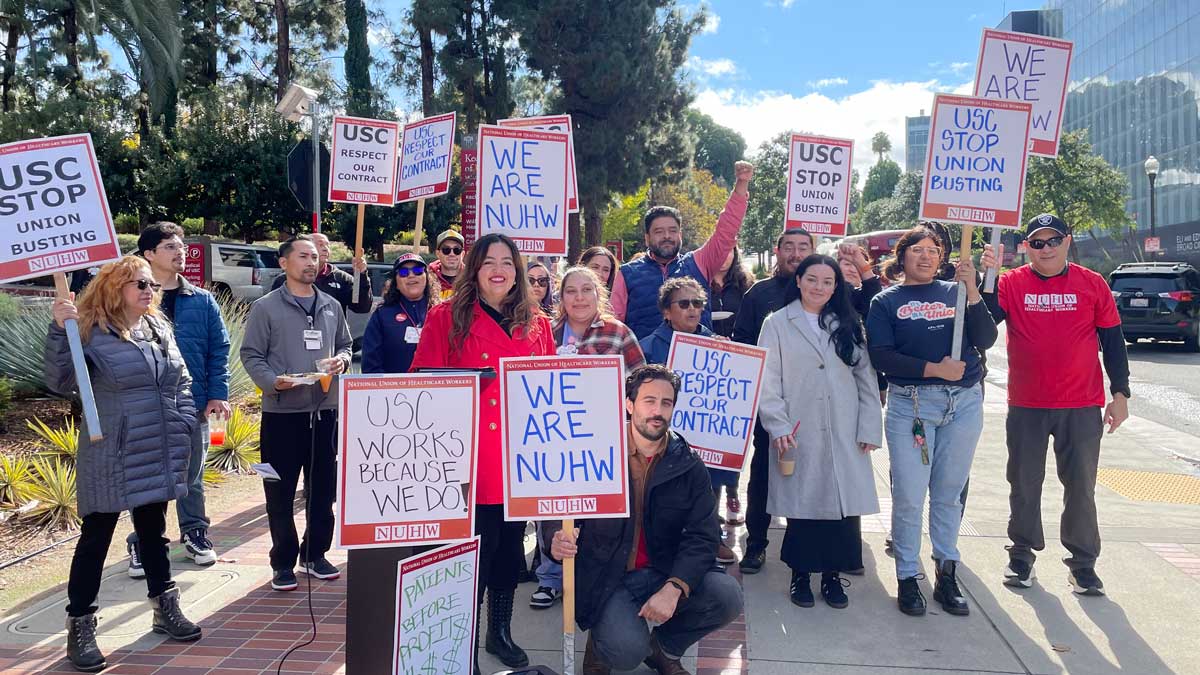
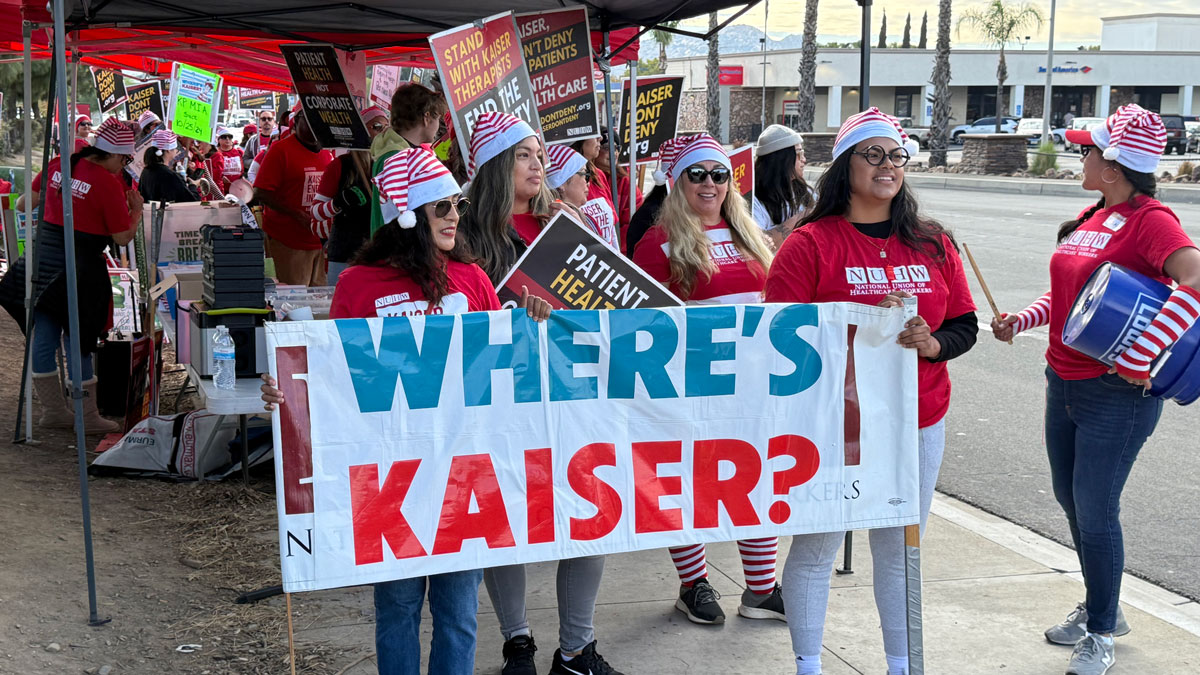
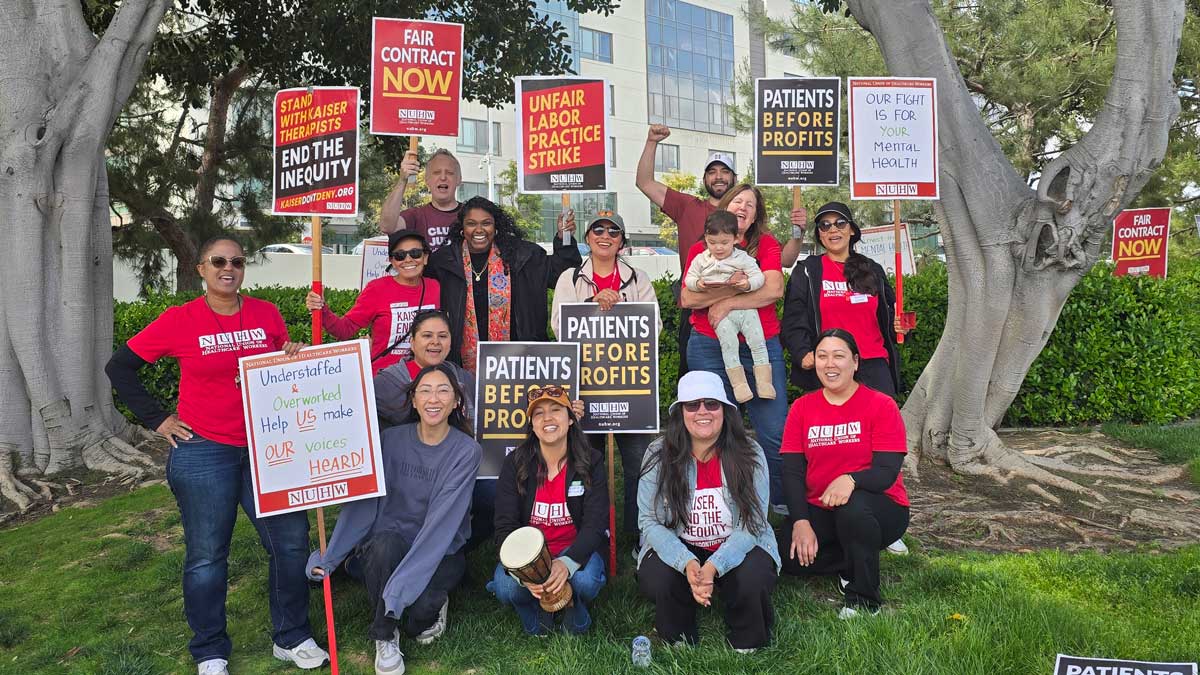
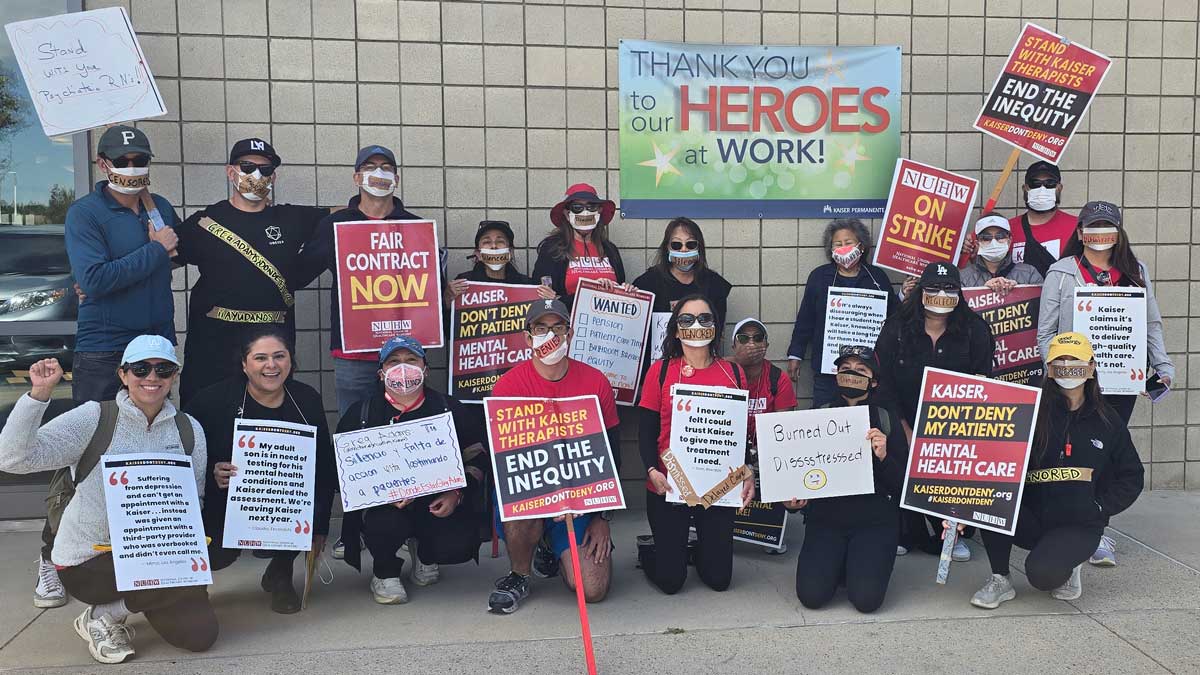
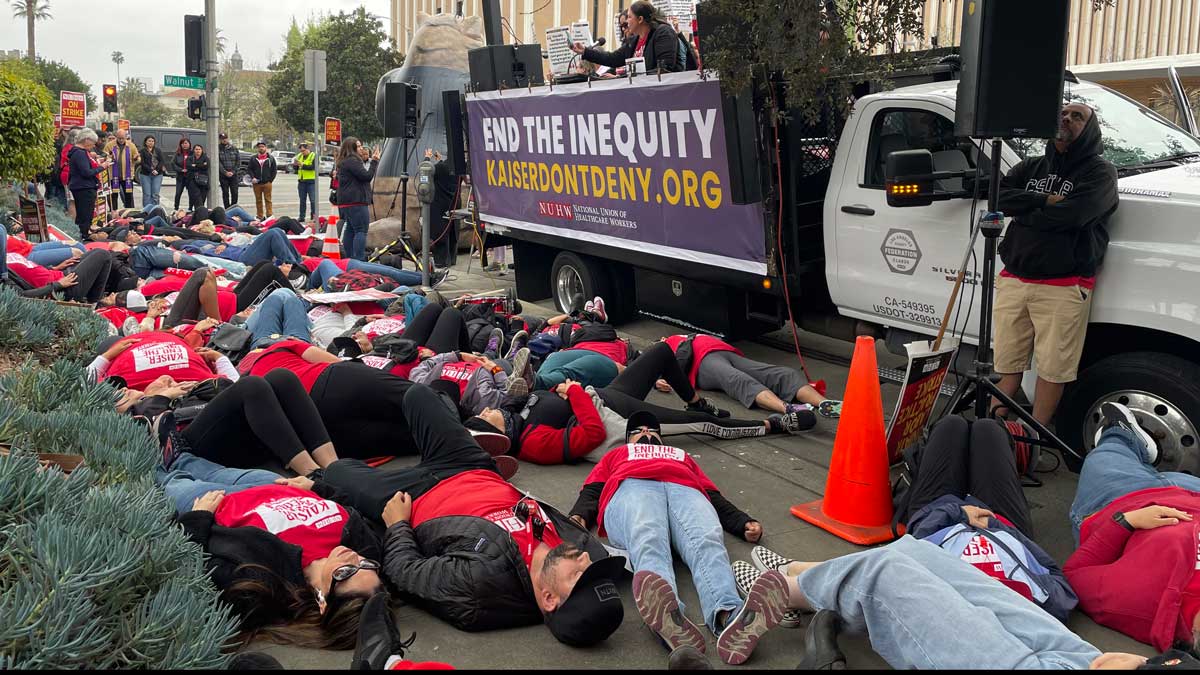
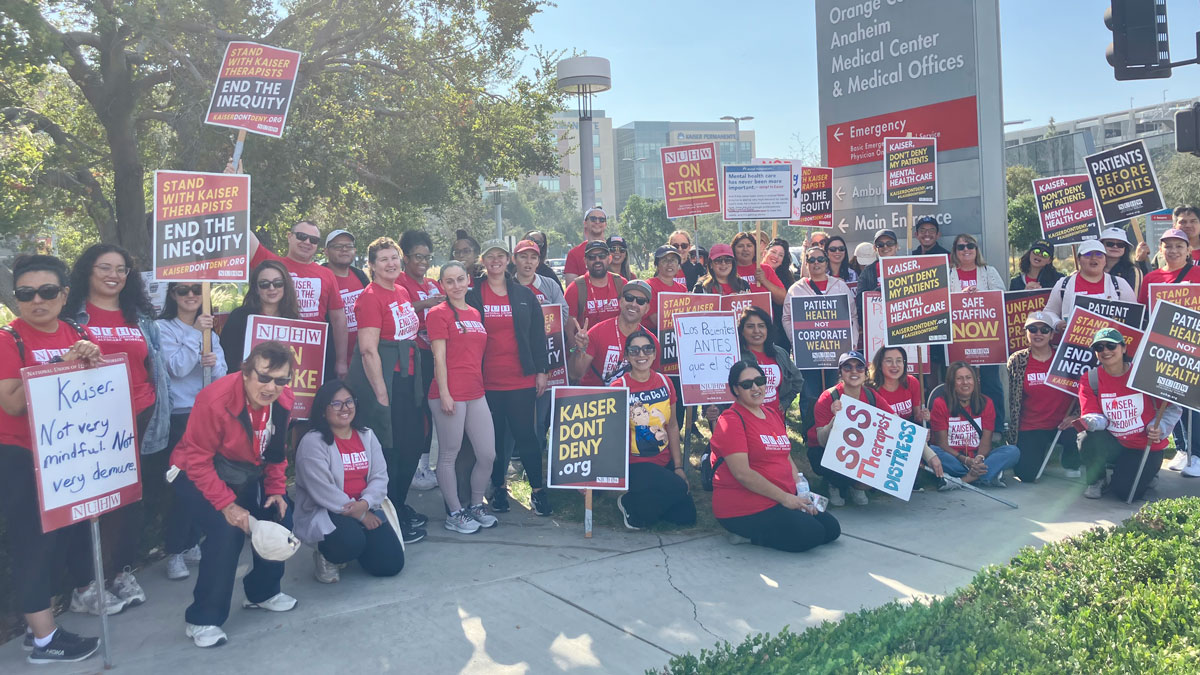
No progress was made toward an agreement during four days of mediation in August, and no additional mediation dates have been set. Clinicians held a one-day strike in March and have authorized a three-day strike, although no strike date has been set.
More details on Kaiser’s demands and past actions are available on this fact sheet.
# # #
The National Union of Healthcare Workers is a member-led movement that represents 19,000 healthcare workers in California, Hawai’i, Pennsylvania, and Wisconsin, including nearly 4,700 Kaiser mental health clinicians and medical professionals.