Federal Labor Board rejects Rogers Behavioral Health’s objection to recent union vote; certifies union at suburban Milwaukee clinic where Rogers illegally fired six workers
The NLRB ruling comes one week after the agency found the Wisconsin-based mental health provider had illegally fired pro-union workers at the West Allis treatment center
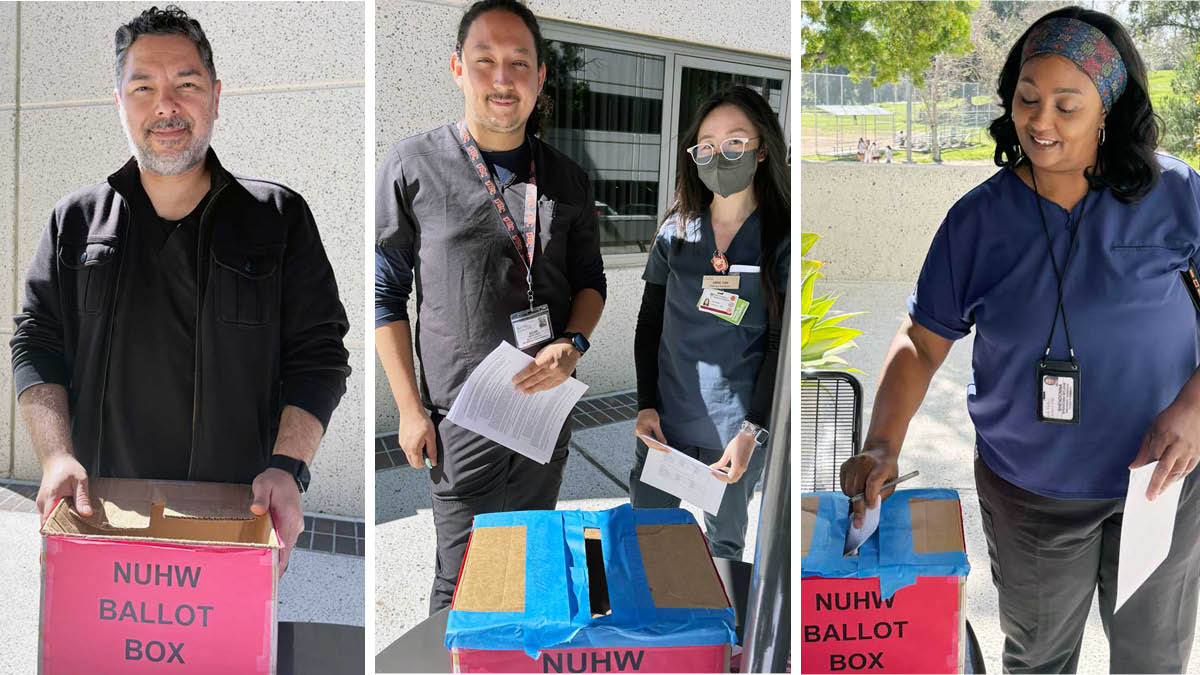
WEST ALLIS, Wisc. — In another legal defeat for Rogers Behavioral Health, the National Labor Relations Board’s regional director has rejected the organization’s objections to a union election at the West Allis treatment center (Lincoln Center), where workers voted 53-4 to join the National Union of Healthcare Workers.
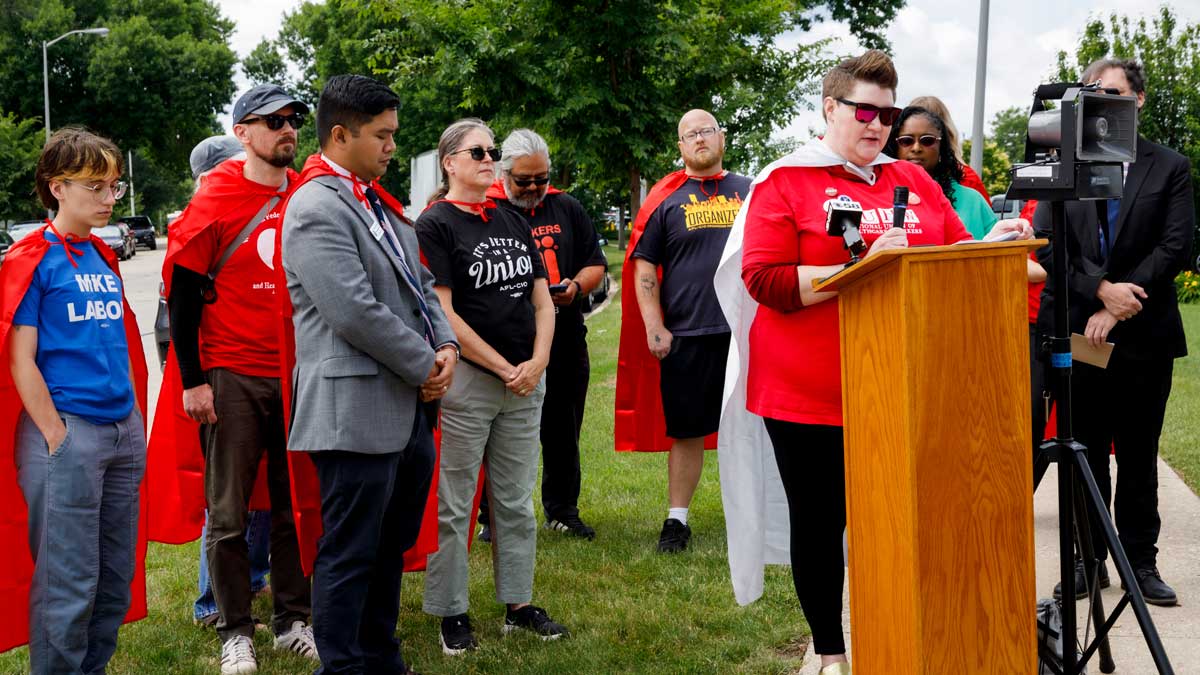
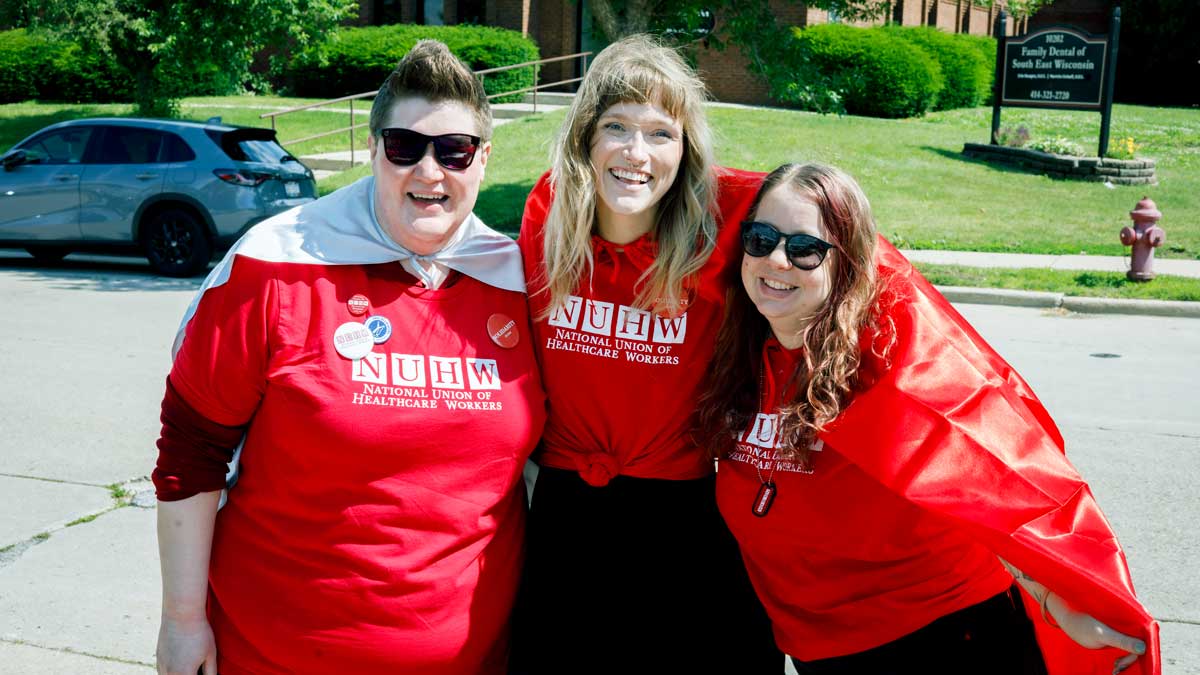
In issuing the ruling, NLRB Regional Director Jennifer Hadsall found no merit to Rogers’ claims that the vote had been tainted because two workers wore costumes on their lunch break on the day of the election, and three workers who previously had been illegally fired for pro-union activity were allowed to enter the facility to vote in the election — a right the federal agency had already affirmed.
The ruling comes on the heels of Regional Director Hadsall issuing a complaint against Rogers for illegally firing six pro-union workers at the West Allis treatment center.
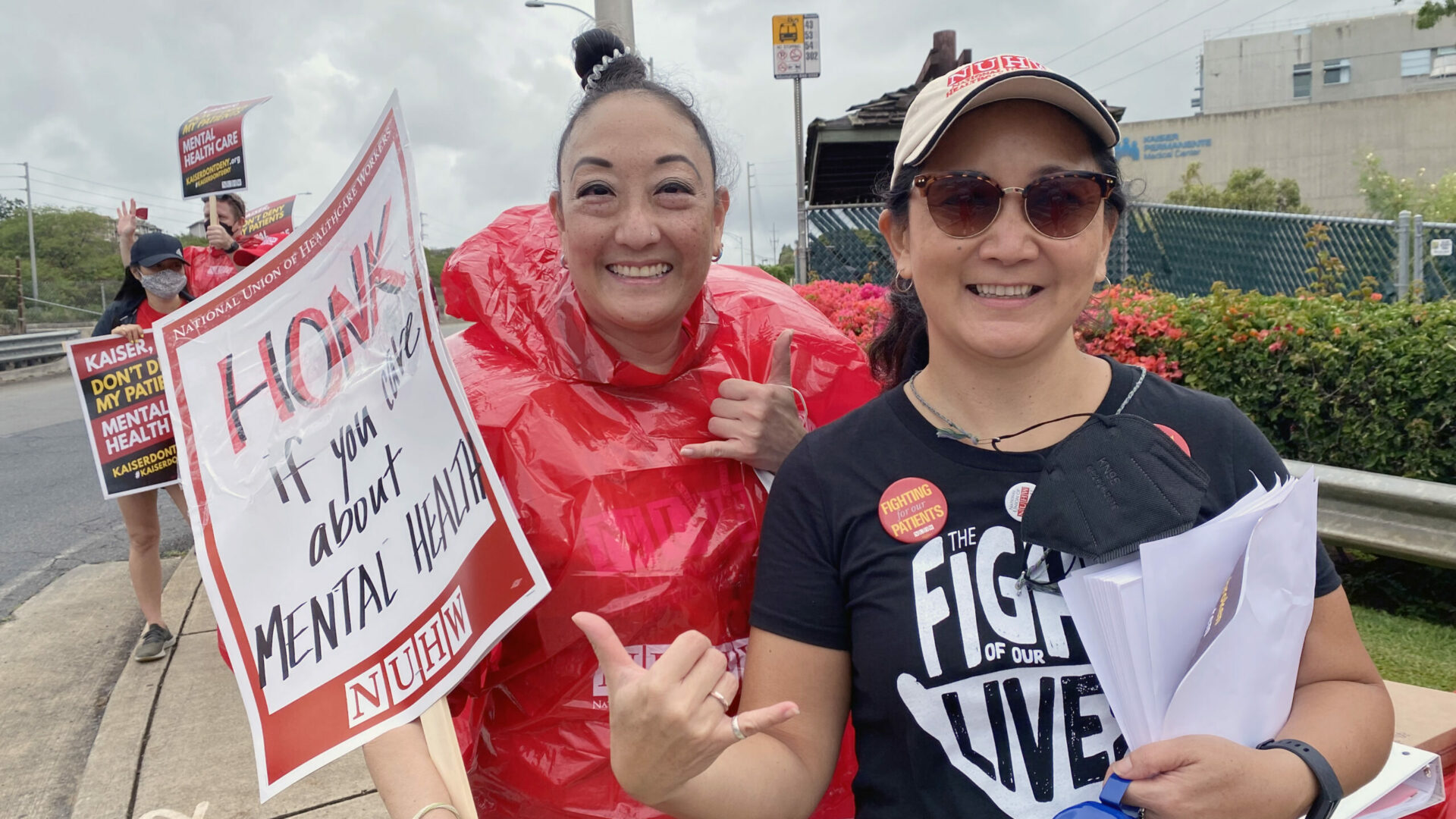
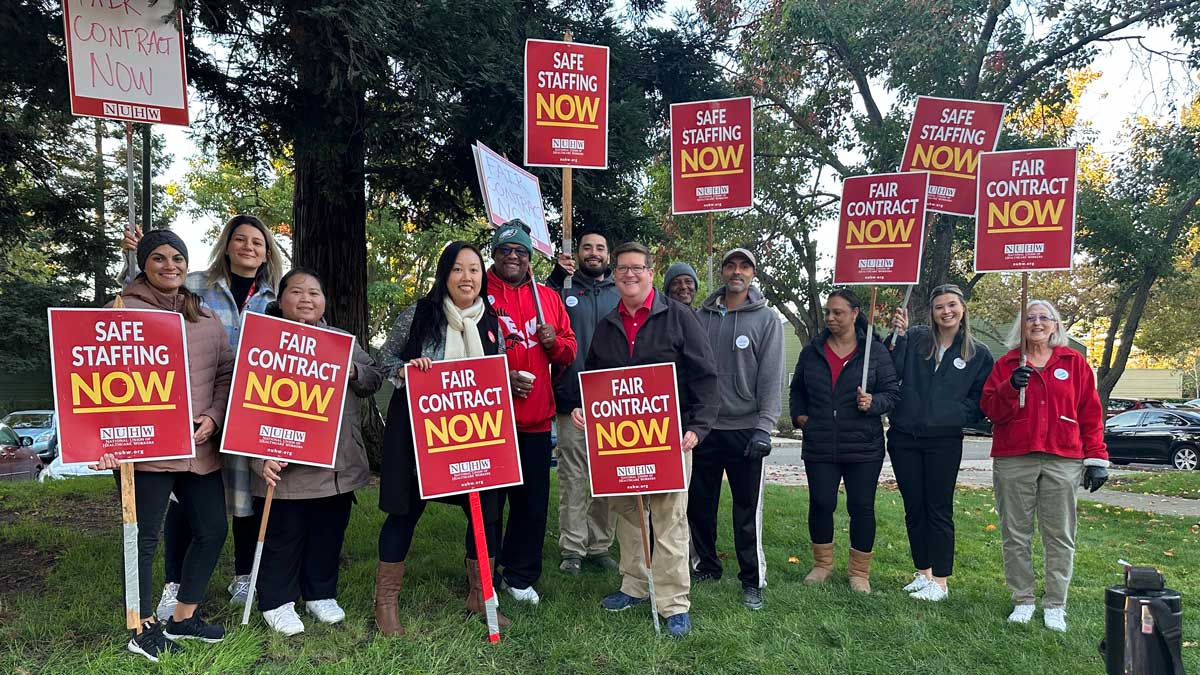
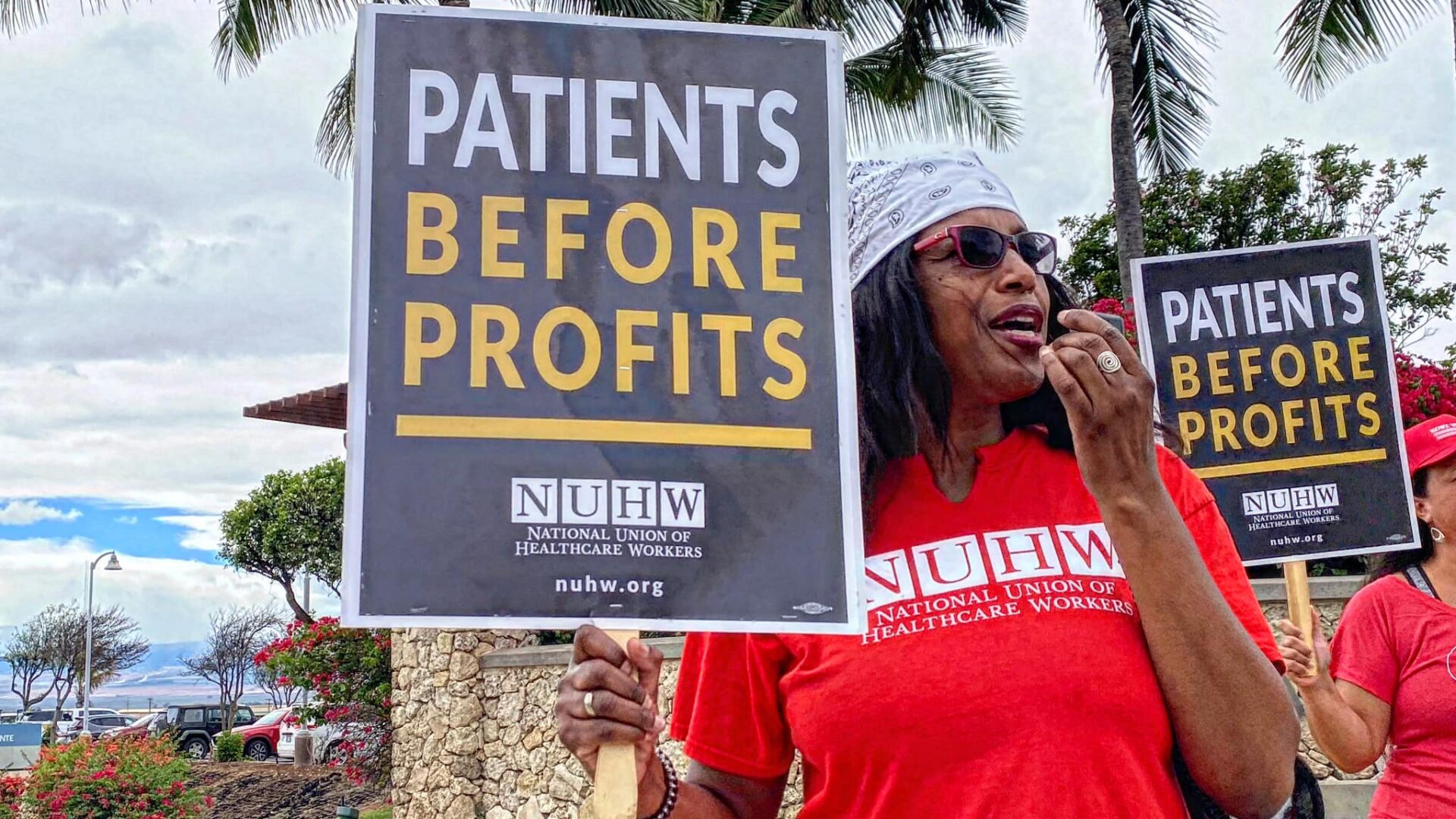
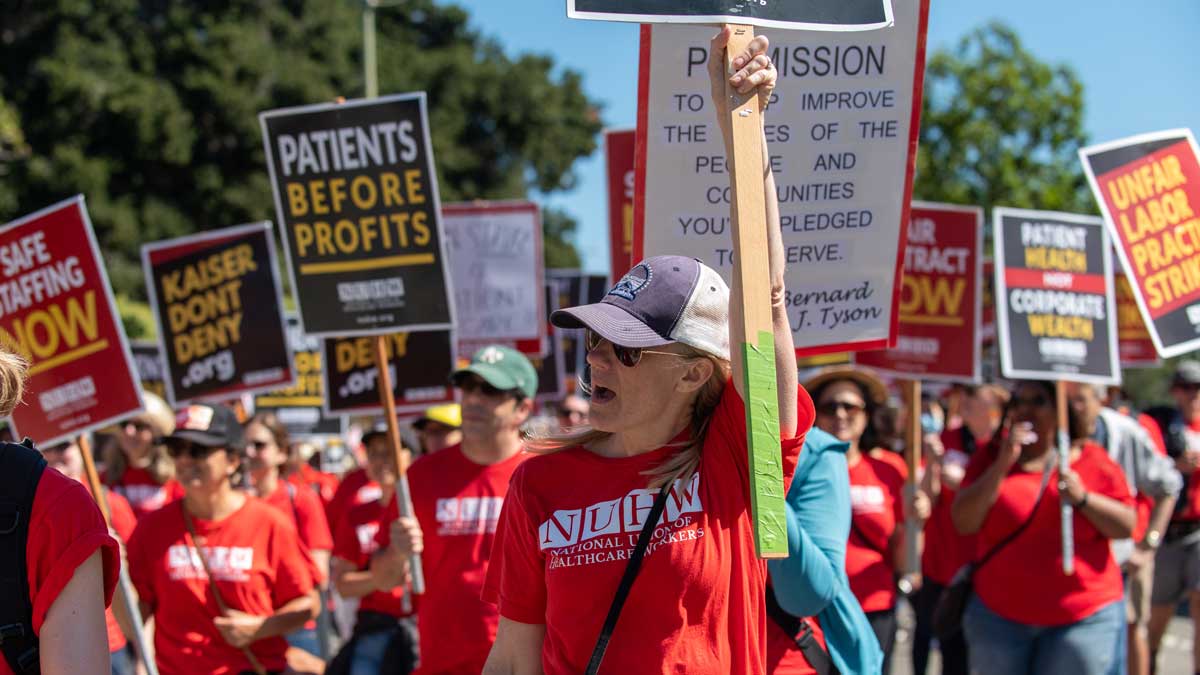
“Rogers actions against its workers in Wisconsin are both illegal and immoral,” NUHW President Vanessa Coe said. “Workers at Rogers formed unions to advocate for better patient care, and Rogers executives have illegally retaliated against them and spent hundreds of thousands of patient care dollars on union-busting lawyers in a bid to silence them, while clinics remain severely understaffed. When workers in California joined our union, Rogers willingly negotiated strong contracts that improved patient care, and it should do the same in Wisconsin.”
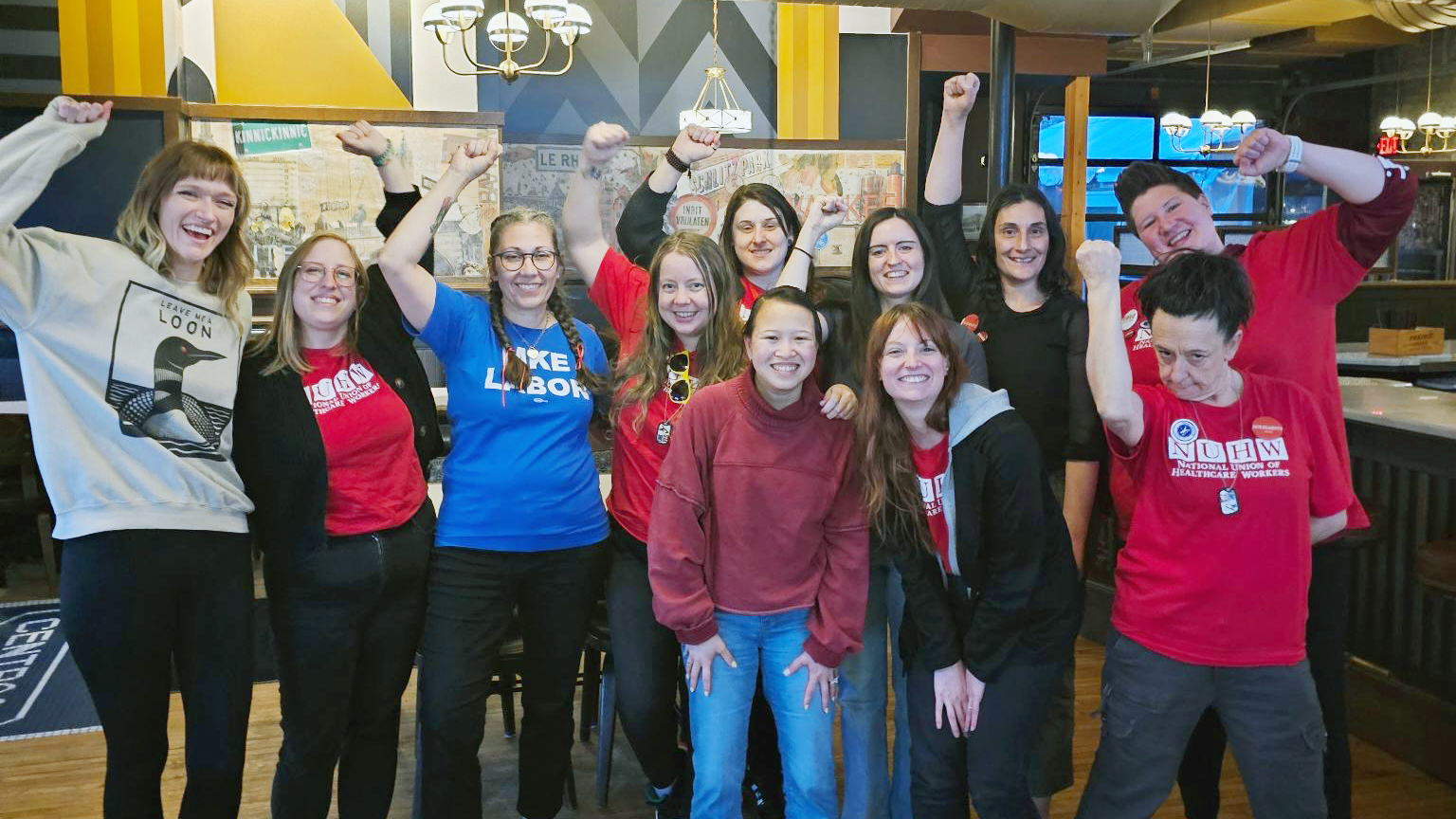
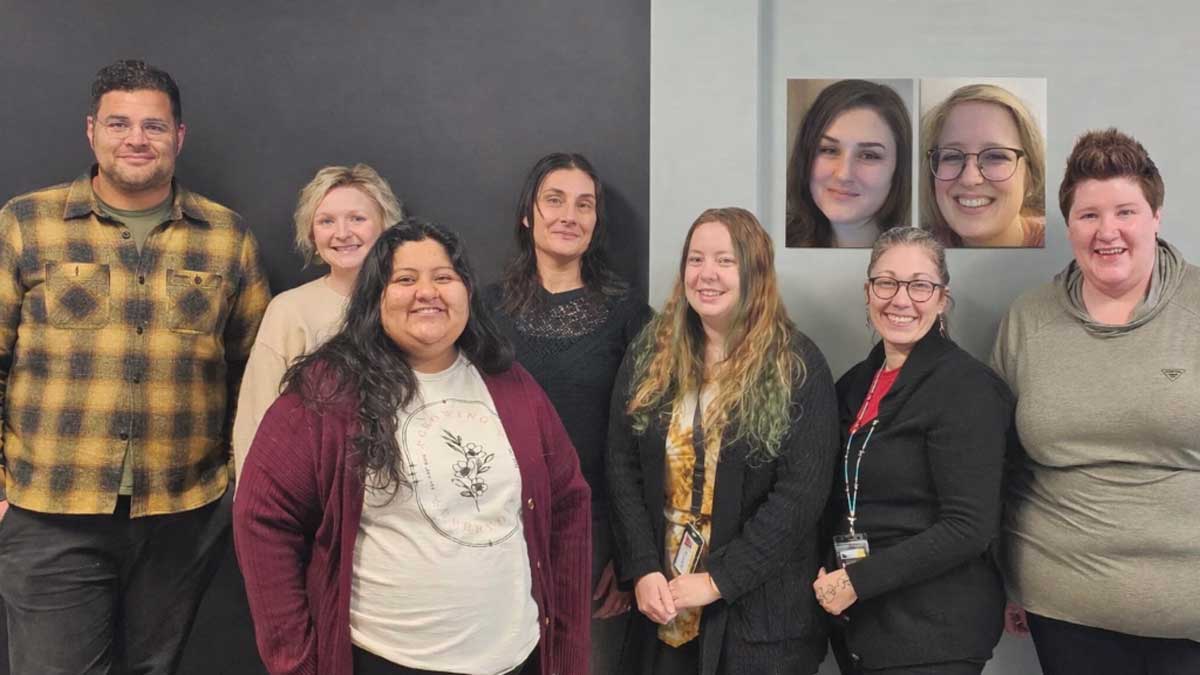
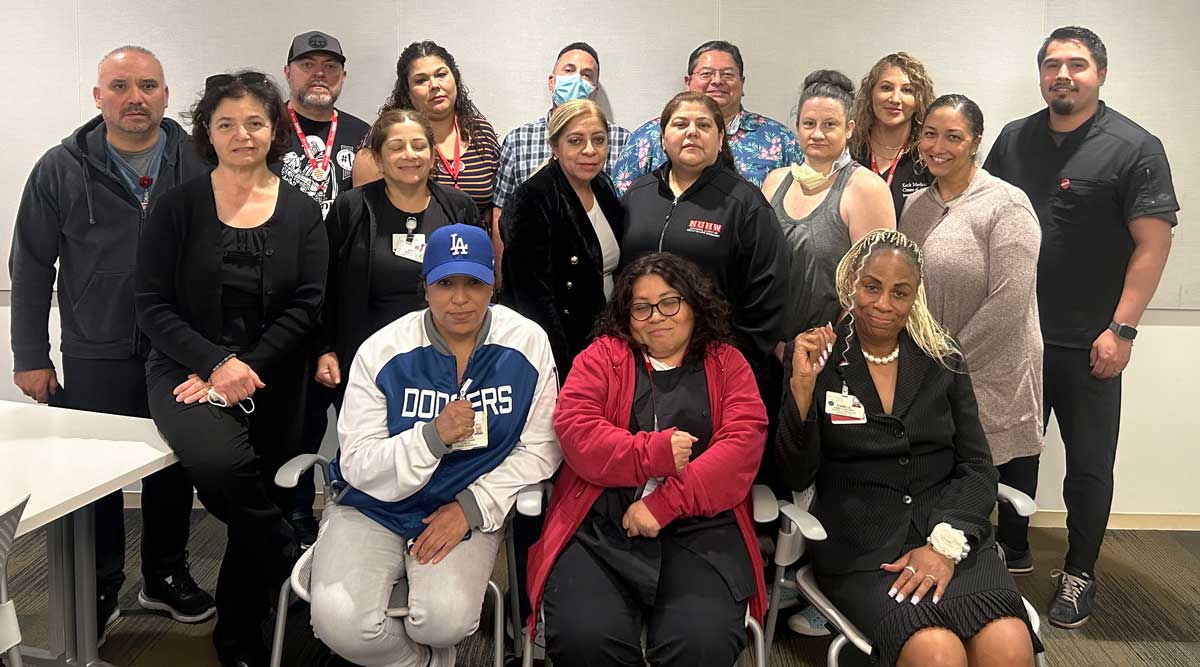
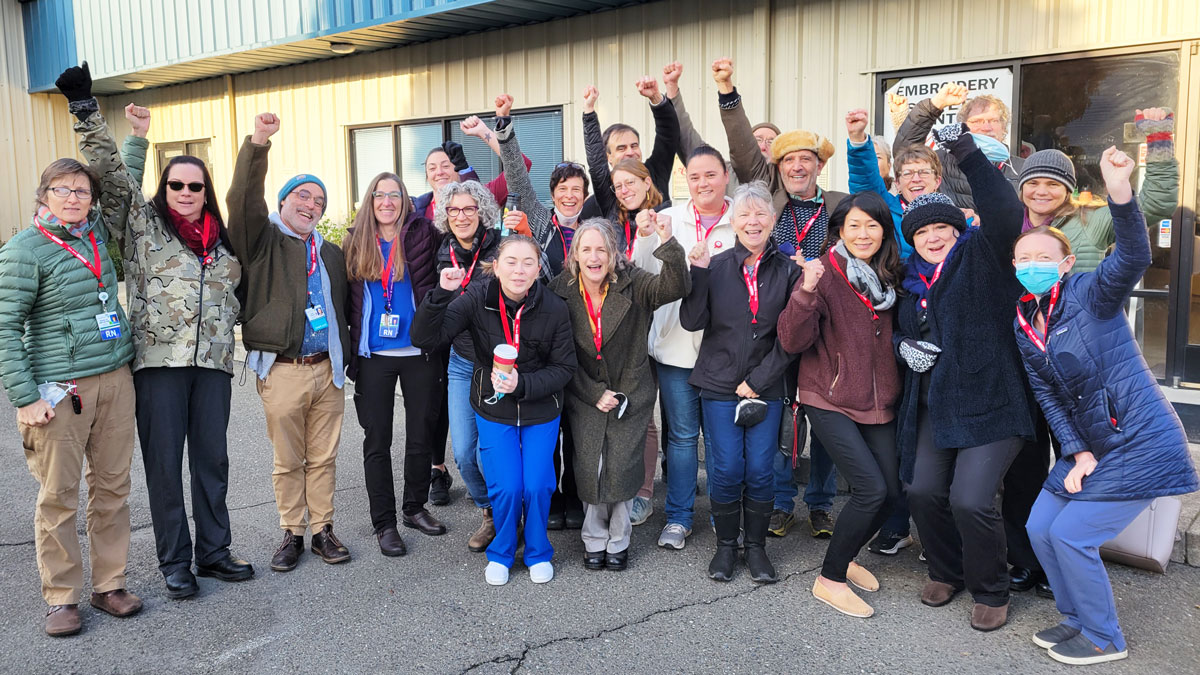
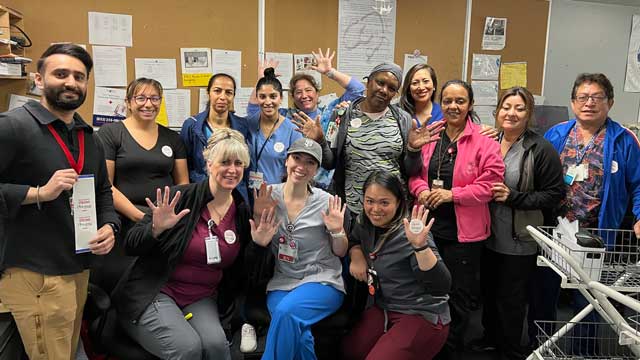
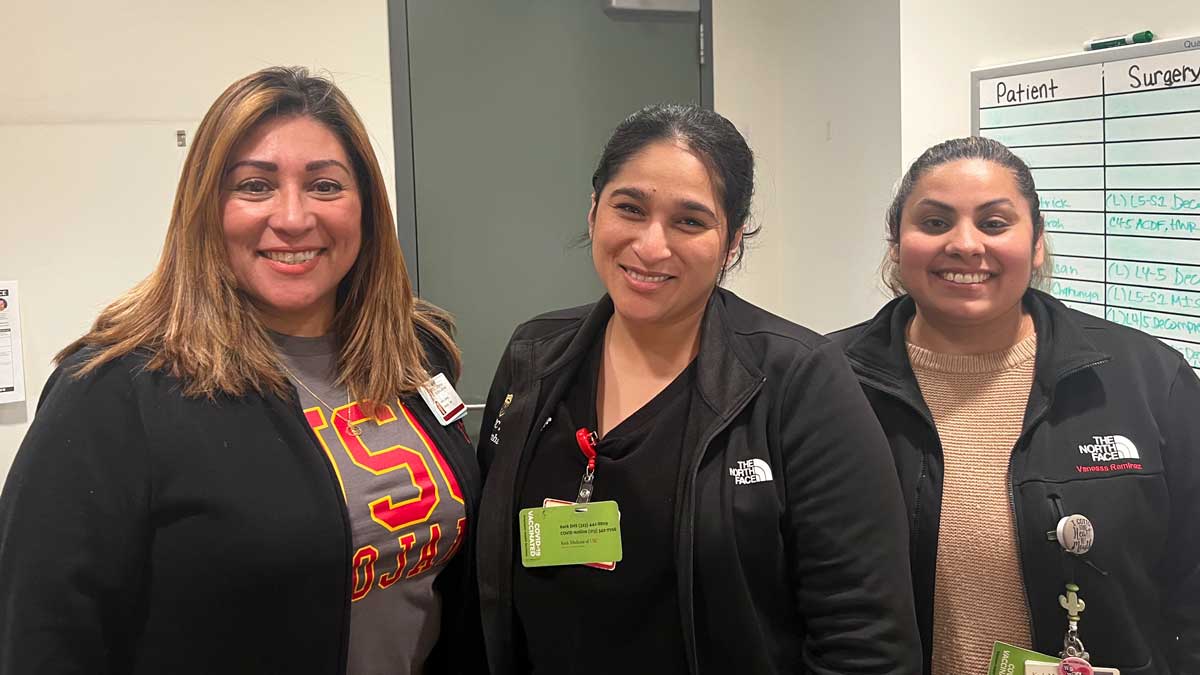
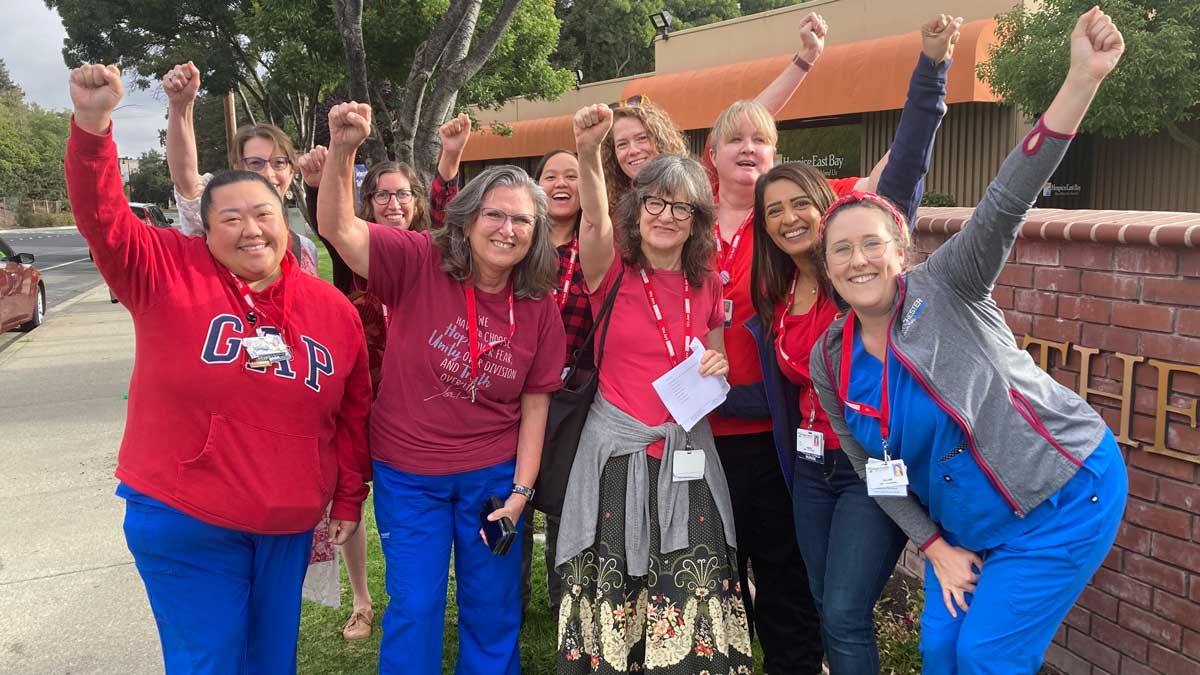
Rogers workers, who include mental health therapists, nurses and behavioral health technicians at treatment centers in West Allis and Madison, voted overwhelmingly in April to join NUHW. Rogers has refused to begin collective bargaining in Madison despite accepting the vote and filed objections to the vote in West Allis. The NLRB ruling overturns Rogers’ objections to the West Allis vote, but the organization could choose to appeal it to the five-member board in Washington, DC.
In her ruling, Regional Director Hadsall:
- Rejected Rogers’ assertion that the vote was tainted because two nurse practitioners and a doctor that the organization had previously fired for supporting the union entered the West Allis facility to cast votes in the election. Hadsall noted that the workers were “permited to vote in elections” and added that the the alleged misconduct was actually attributable to Rogers “because of its inssistence on its ability to exclude the three discharged employees from voting, which is a right, in the circumstances of this case, it simply did not have.”
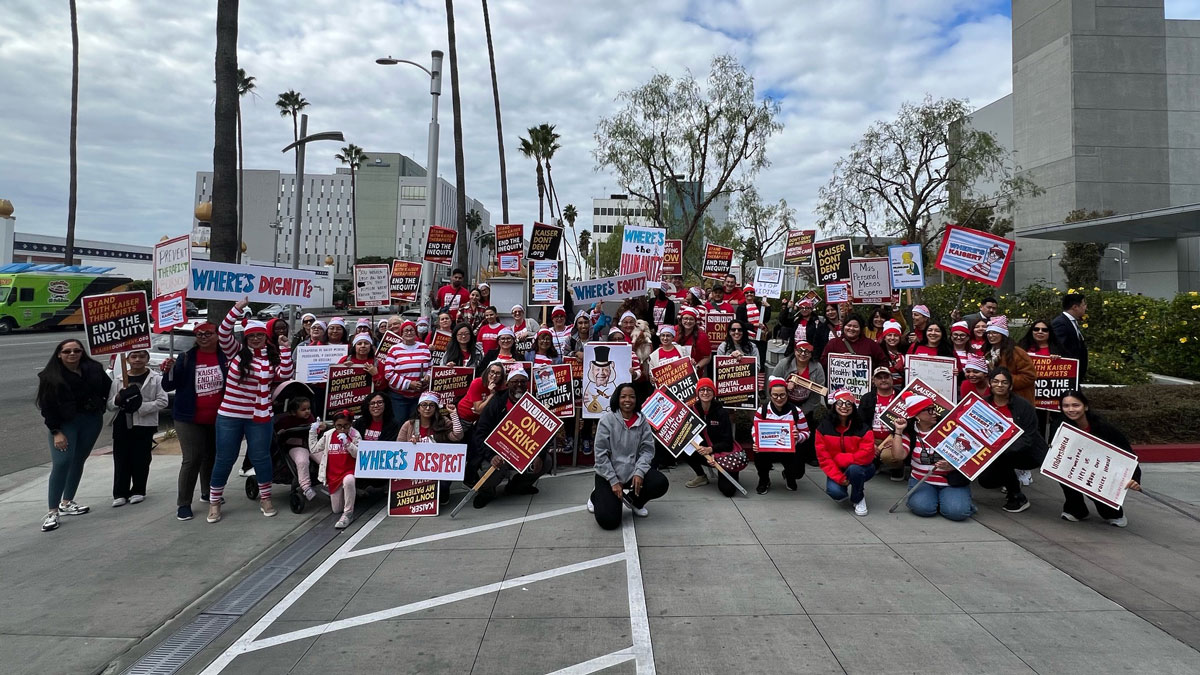
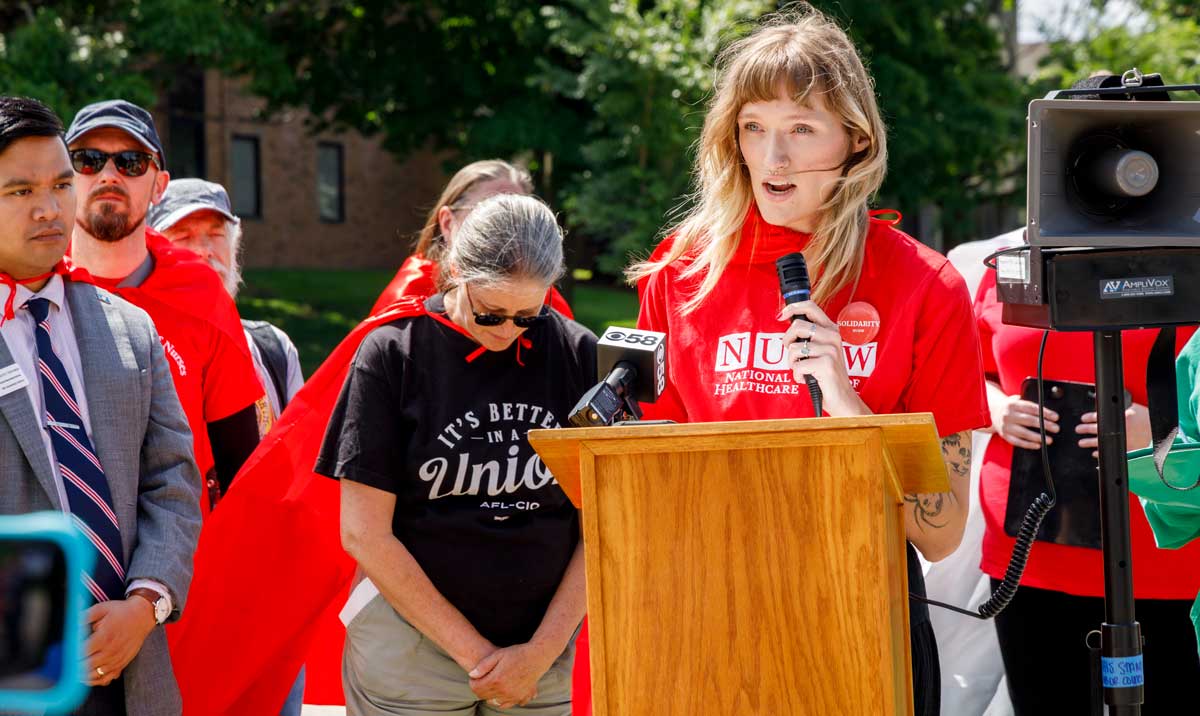
- Rejected Rogers’ assertion that the union “engaged in intentional interference” because two workers wore costumes (a cape and a unicorn suit) on their lunch break on the day of the election. Hadsall affirmed the findings of an NLRB hearing officer, noting that the costume wearing “lasted 30 minutes, and there was no record evidence that the costume-wearing conduct involved any threat, physical violance, or intimidation, or in any way constituted coerceve behavior.”
- Rejected Rogers’ assertion that a patient throwing a yogurt cup towards a security guard on the day of the election should invalidate the vote. Hadsall, determined that the hearing officer appropriately concluded that Rogers “failed to establish any factual or logical connection between the patient’s actions and the claim that the conduct was ‘so aggravated as to create a general atmosphere of fear and reprisal rendering a free election impossible.’”
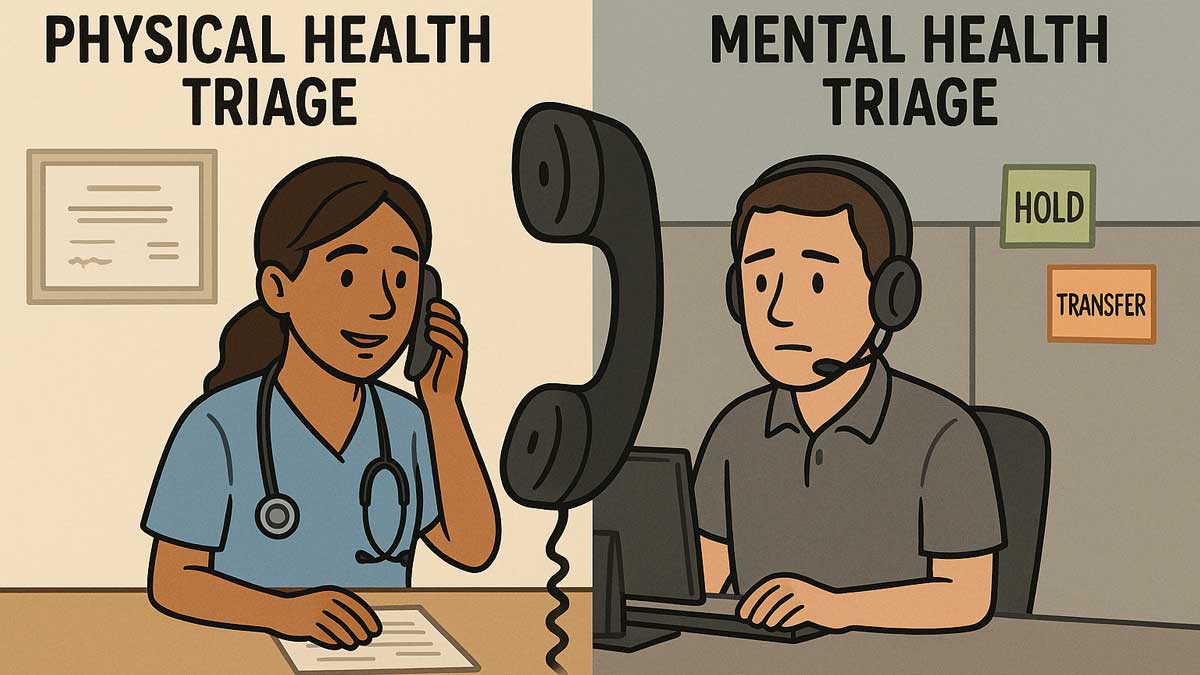
Workers began organizing a union in West Allis and Madison last year after Rogers eliminated one-on-one therapy for adults, doubled caseloads for clinicians and started using artificial intelligence — instead of licensed therapists — to triage patients, resulting in a sharp increase in inappropriate referrals for care.
Although Rogers has fiercely fought the union drives in its home state of Wisconsin, the organization did not contest union elections at its three locations in California or in Philadelphia.
# # #
The National Union of Healthcare Workers is a member-led movement representing 19,000 healthcare workers, including nearly 6,000 mental health professionals in California, Wisconsin, Hawaii and Pennsylvania.