Rogers Behavioral Health faces federal prosecution over illegal firings in Wisconsin
The National Labor Relations Board has issued a complaint against Rogers, finding that it illegally fired six mental health workers for their union support
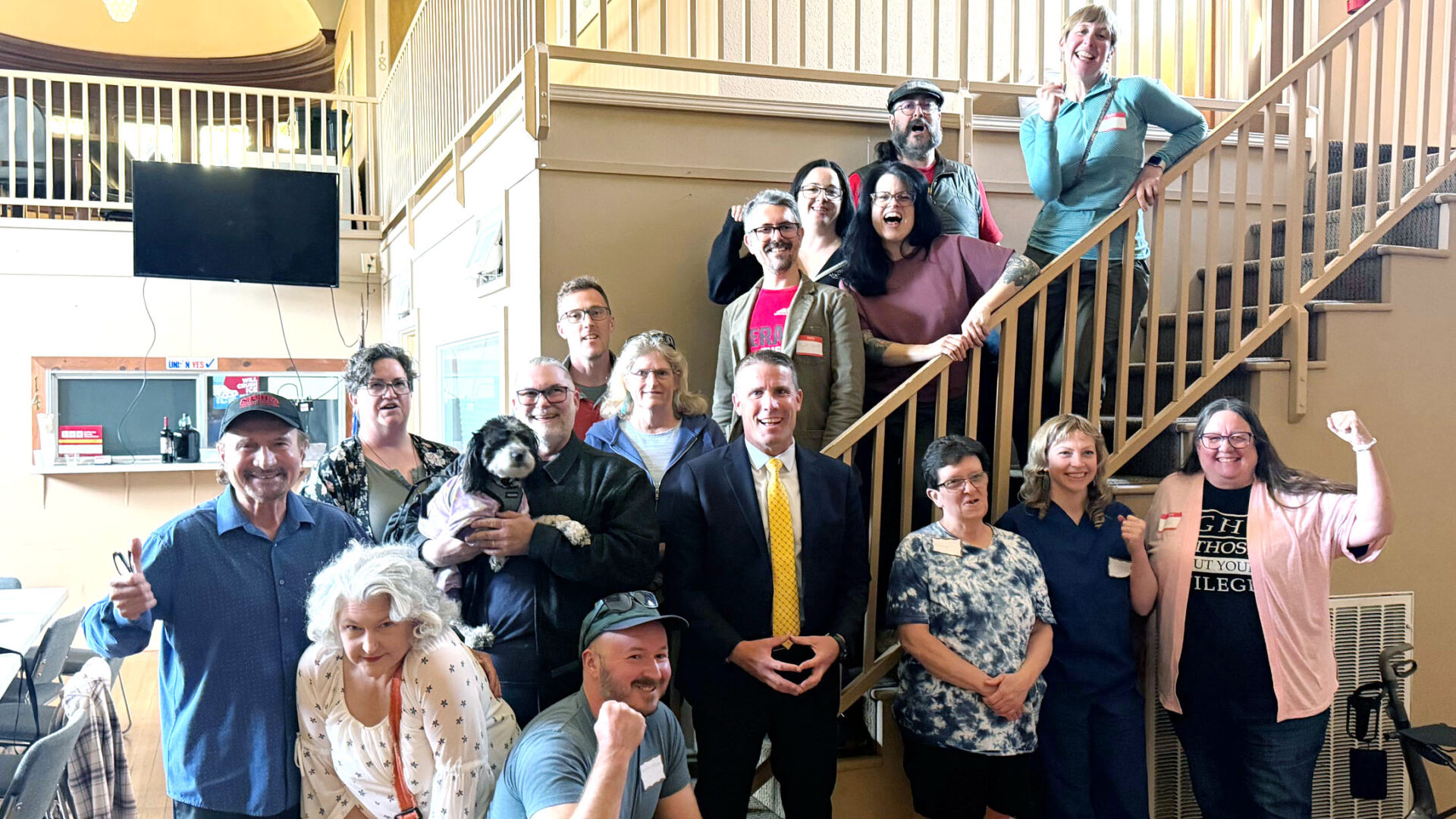
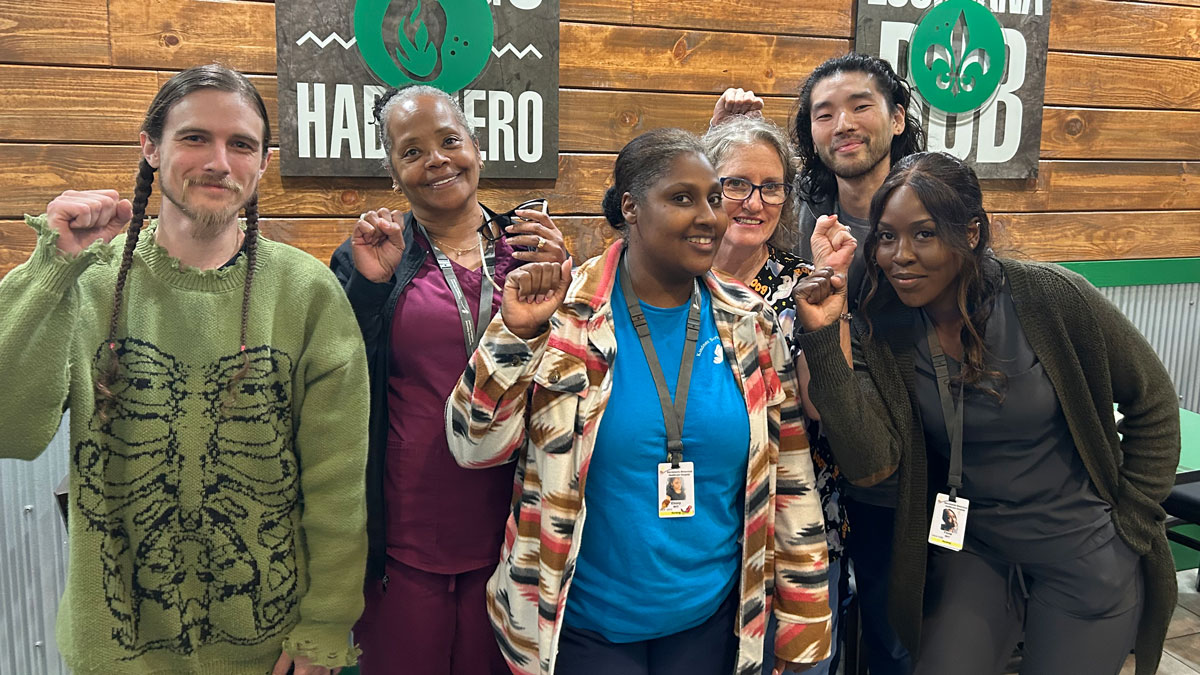
WEST ALLIS, Wisc. — After a lengthy investigation, the National Labor Relations Board has filed a complaint against Rogers Behavioral Health, finding merit to charges that the organization illegally fired six workers at a West Allis treatment center in the midst of a union drive.
The complaint, filed by NLRB Regional Director Jennifer Hadsall, set a December 14 hearing with an administrative law judge, who has the power to levy penalties against Rogers, including potentially ordering it to rehire the illegally terminated workers and reimburse them for lost wages. The NLRB issues complaints against employers only when it has found clear evidence of labor law violations.
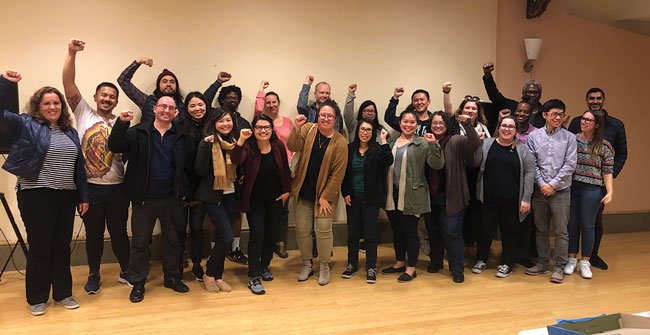
“We took a stand to improve care for our patients, and Rogers executives tried to ruin our careers,” said Kate Zolandz, a therapist at the West Allis treatment center who was terminated for union support. “Rogers acted like it could do anything to us it wanted, so it’s great to see that the federal government is holding Rogers accountable to the law.”
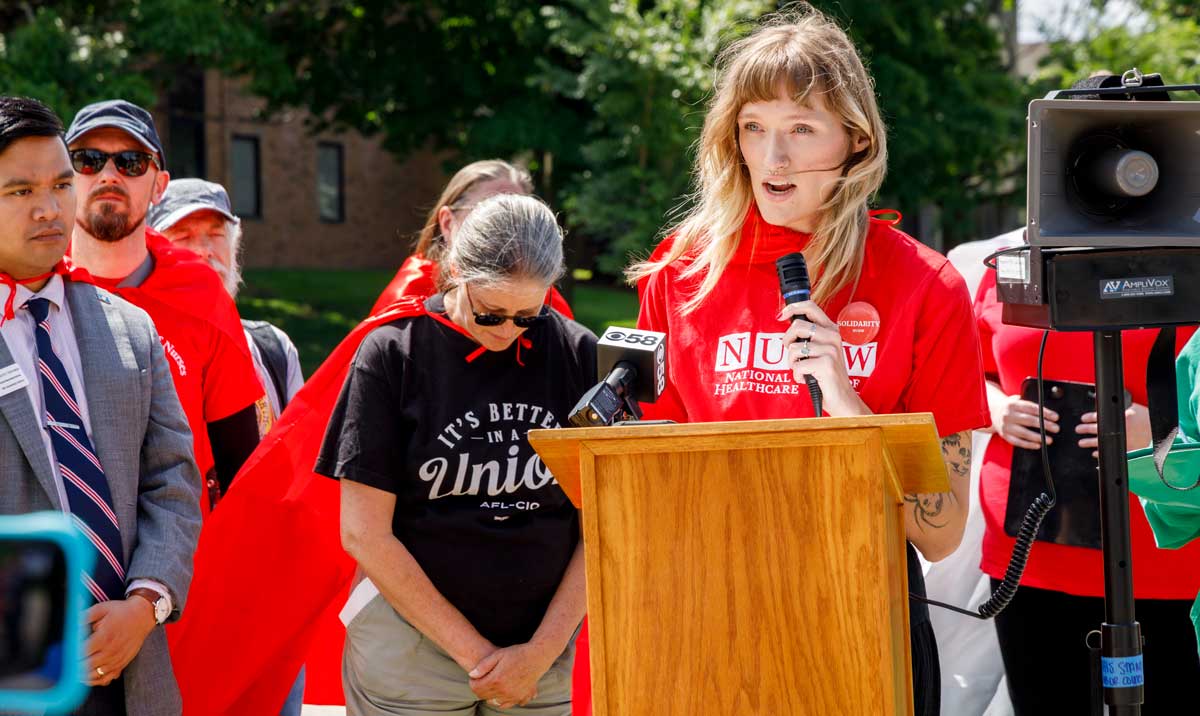
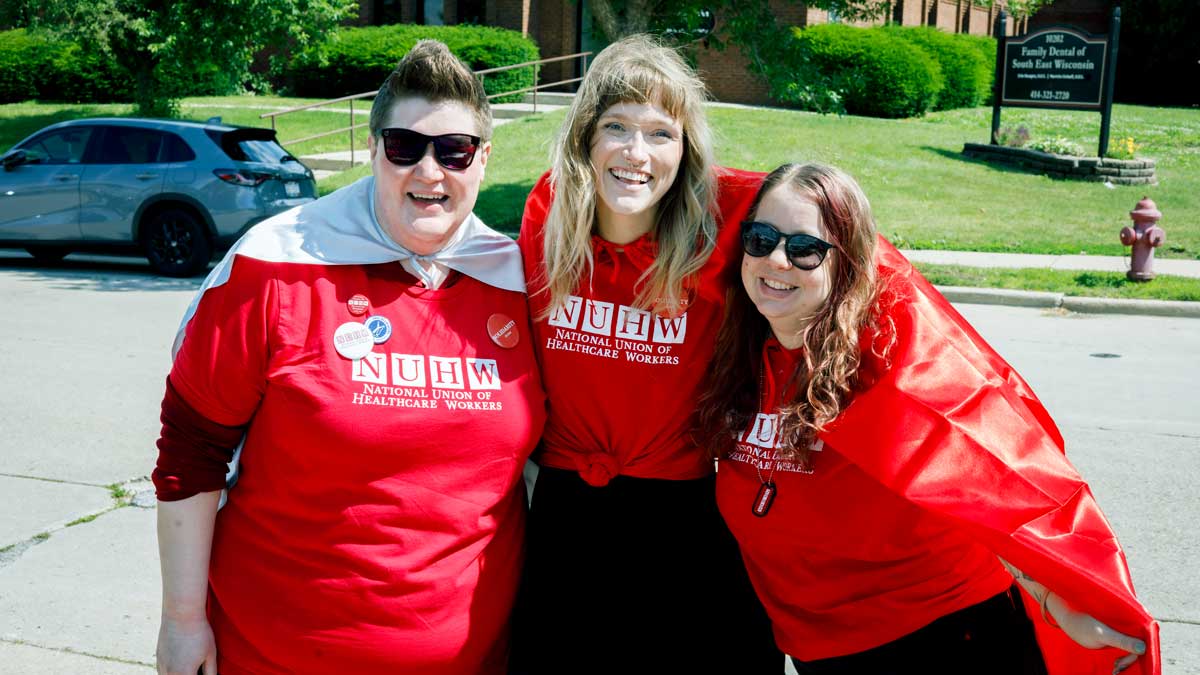
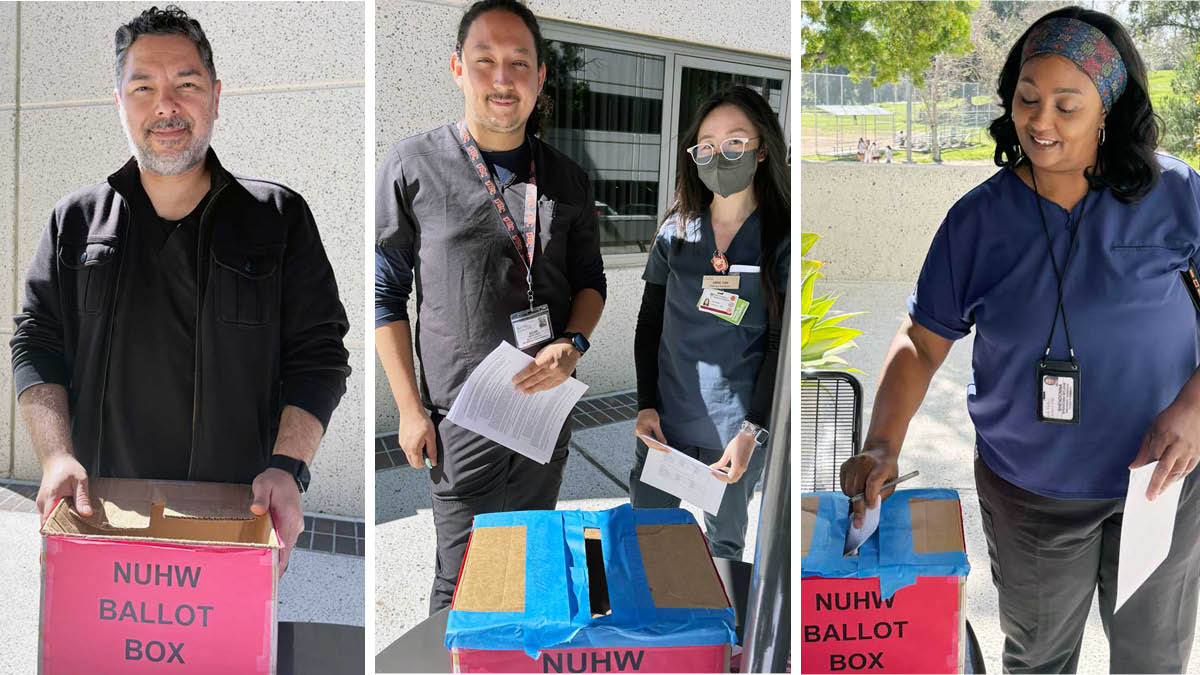
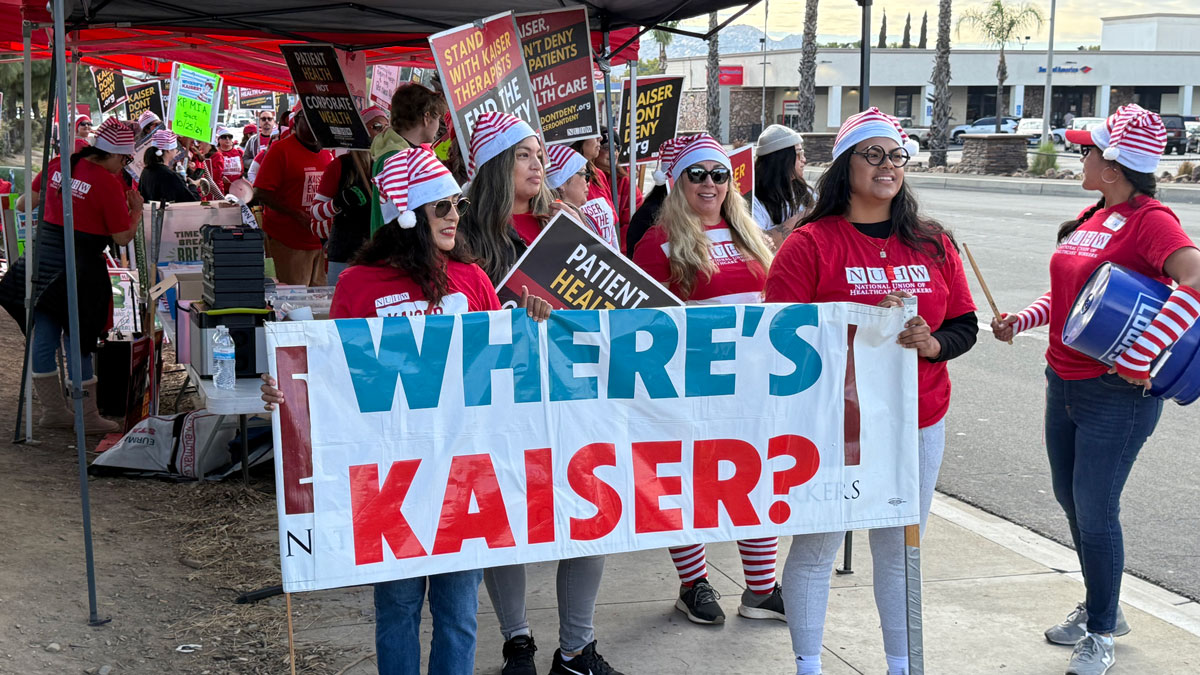
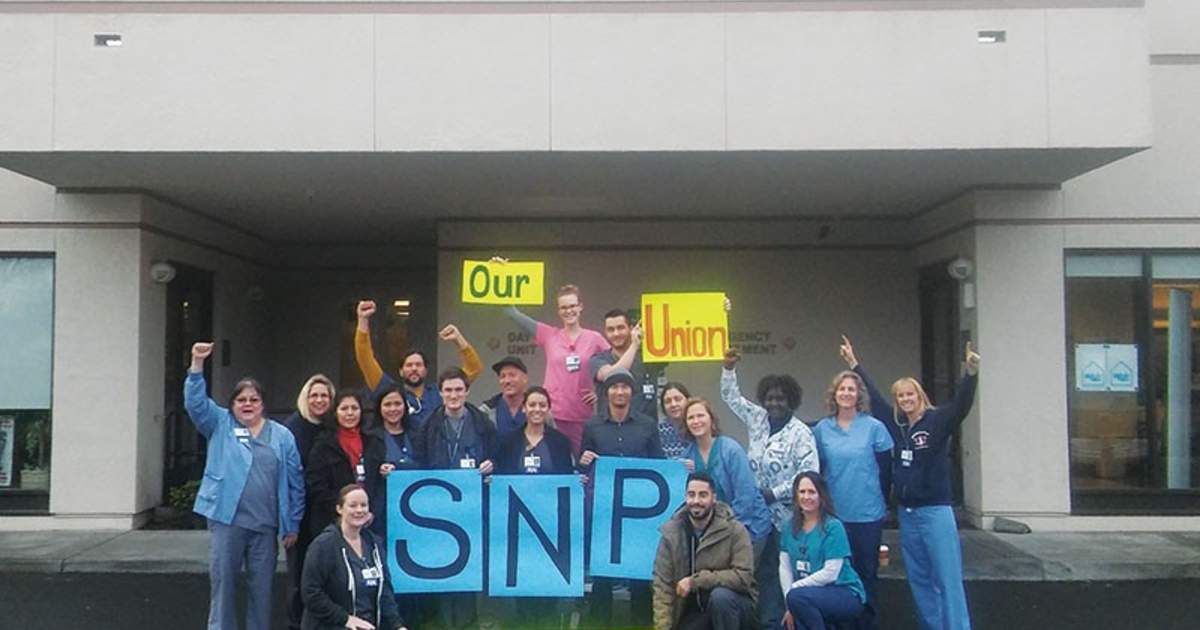
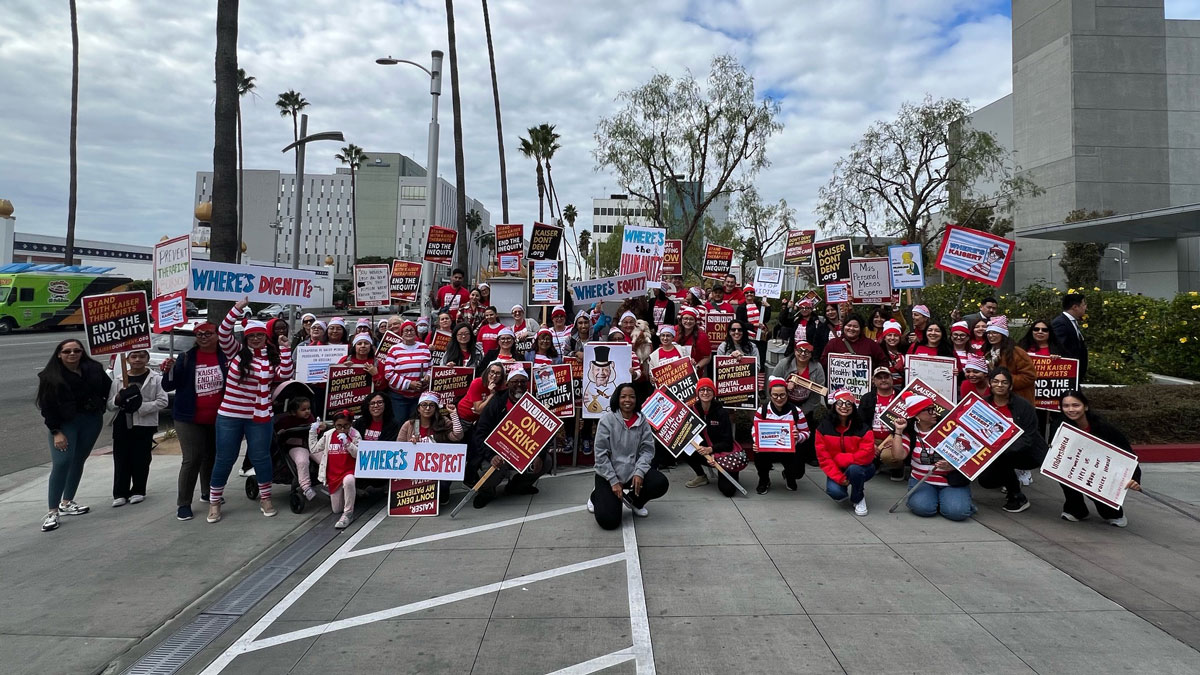
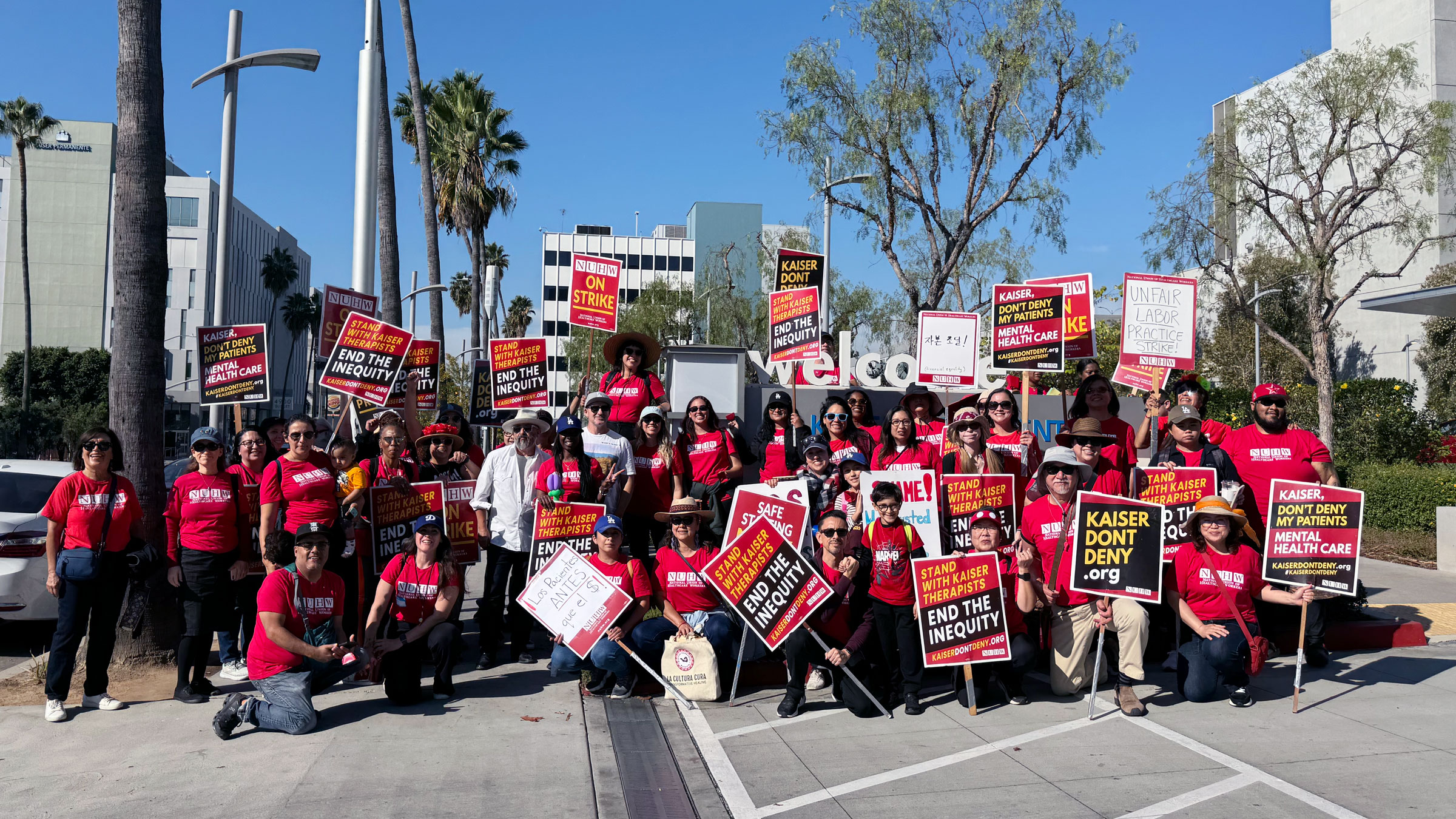
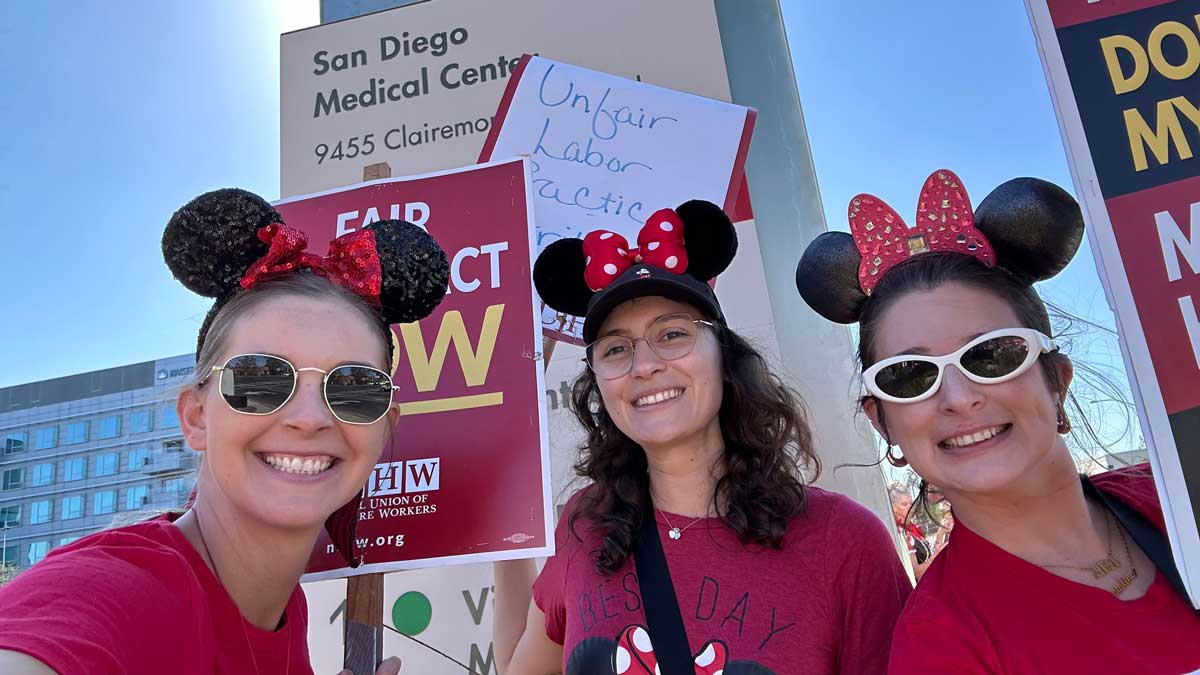
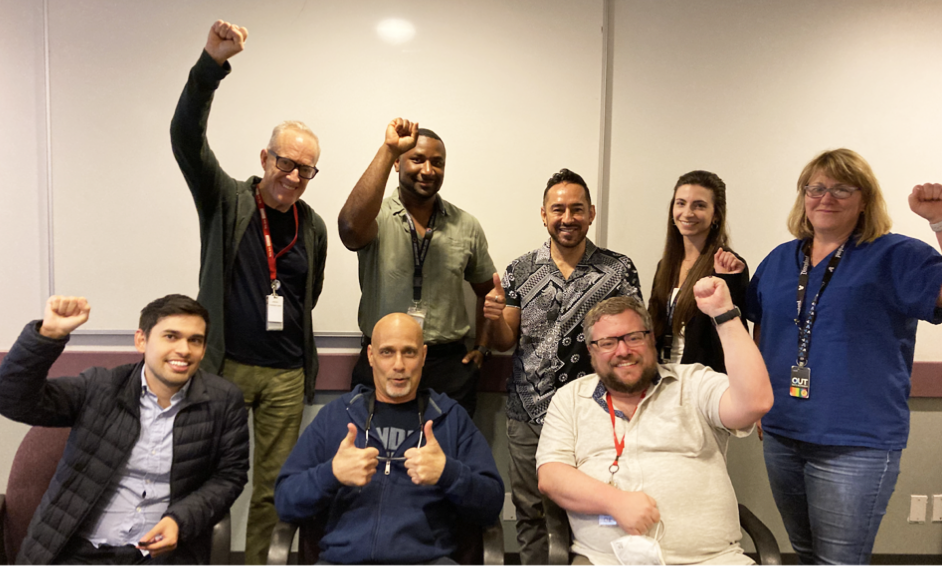
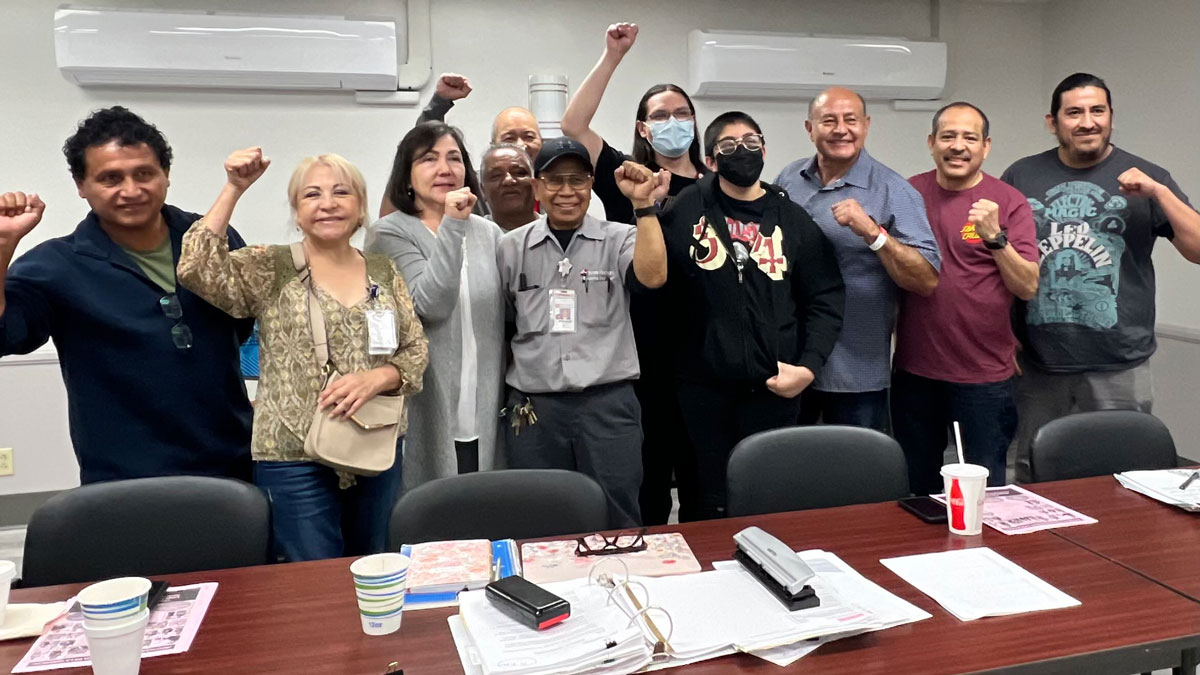
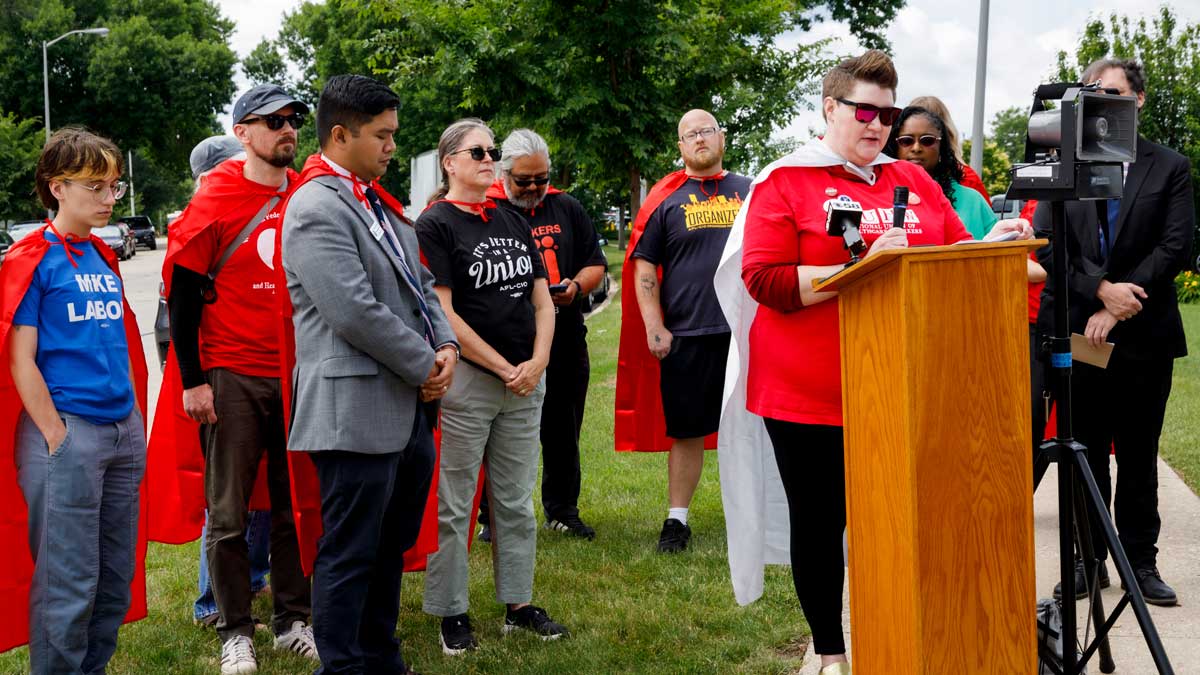
In February, Rogers fired two nurse practitioners and the West Allis treatment center’s only doctor after they and several coworkers informed management that they were forming a union and requested voluntary recognition. In April, shortly after workers voted 54-4 to become members of the National Union of Healthcare Workers, Rogers fired two therapists for wearing costumes during their lunch break on the day of the union election and the front desk attendant for letting the three previously fired workers inside the facility to vote, as was their right since they are still contesting the legality of their terminations.
Rogers continued to retaliate against its workers after they were fired. In May, Steve Hertig, Rogers vice president of regulatory affairs, filed a complaint against Zolandz’s license with the Wisconsin Department of Safety and Professional Services, claiming that a patient became dysregulated because she wore a cape during her lunch break on the day of the union election. The state agency determined the claim did not merit an investigation. Rogers also contested having to pay unemployment benefits for the front desk worker it fired for allowing the former workers into the facility.
In the complaint filed against Rogers, NLRB Regional Director Hadsall wrote that Rogers had fired the six workers because they “supported and assisted the union and engaged in concerted activities, and to discourage employees from engaging in these activities.”
With respect to the workers fired for their activities on the day of the union election, Hadsall added that Rogers “coerced employees… by repeatedly characterizing protected employee activity as criminal activity…; and threatened employees with criminal charges, civil charges, litigation and misconduct complaints with their respective professional organizations for having engaged in protective activity.”
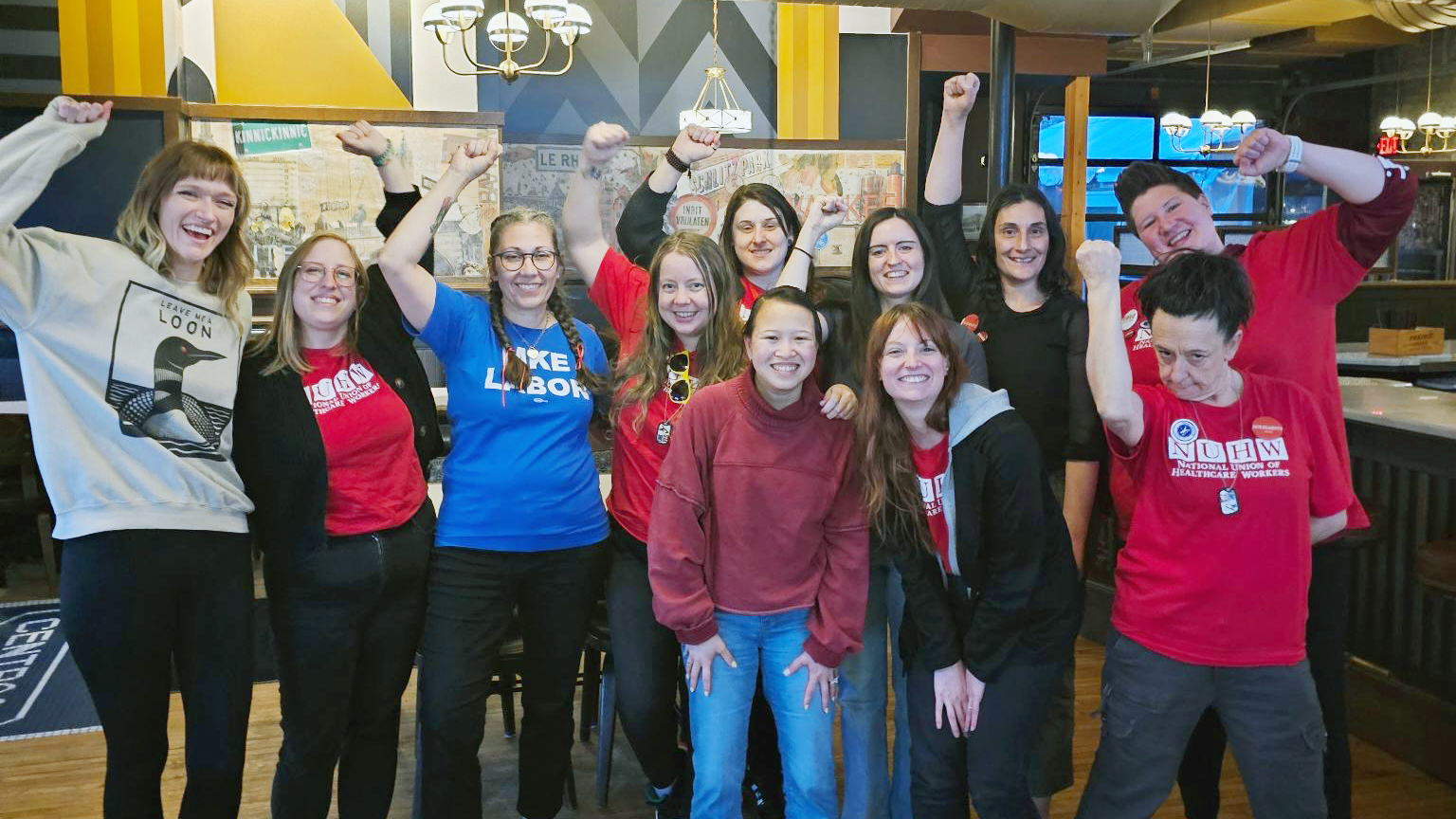
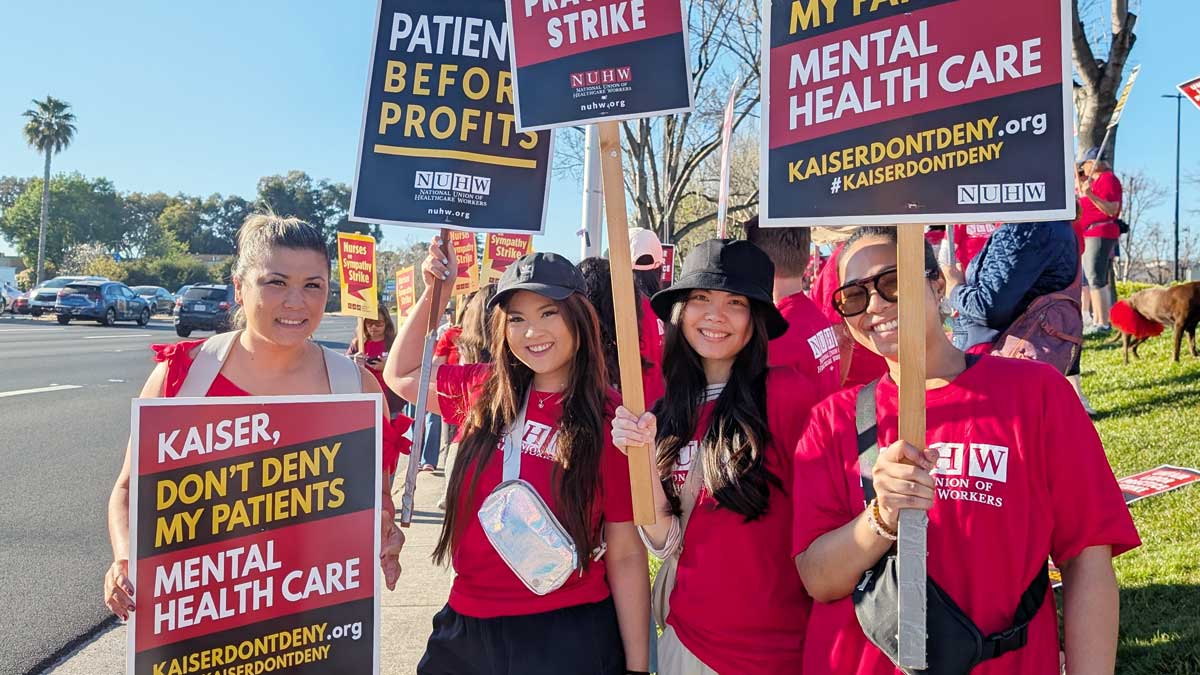
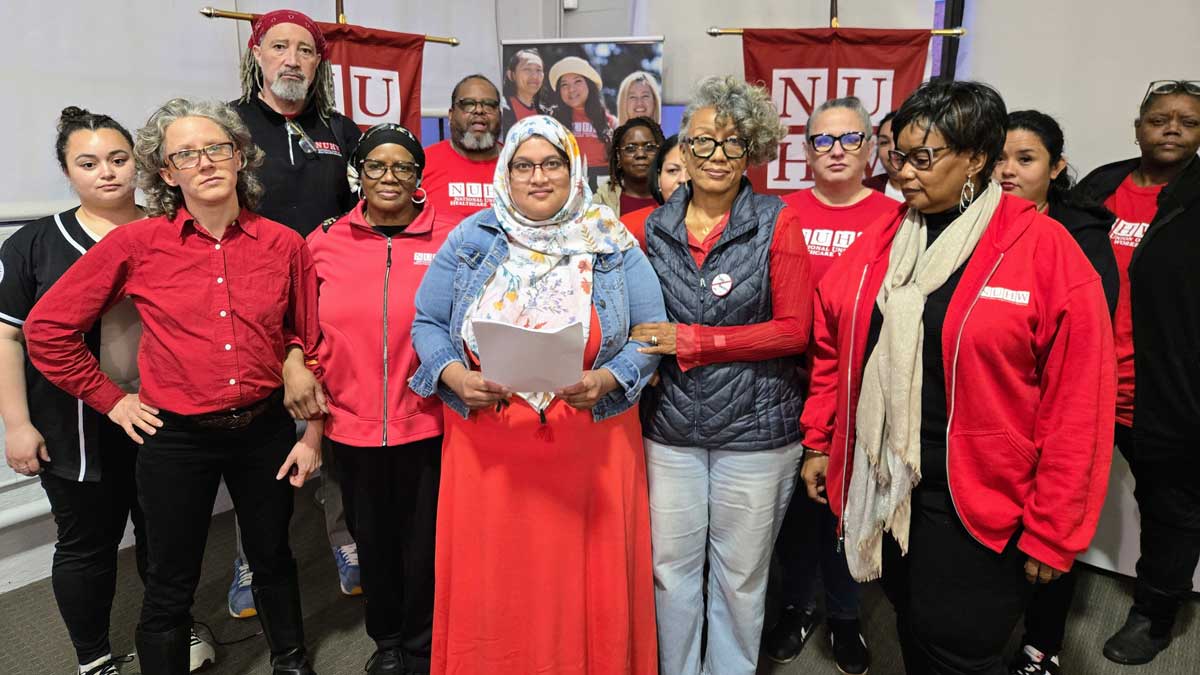
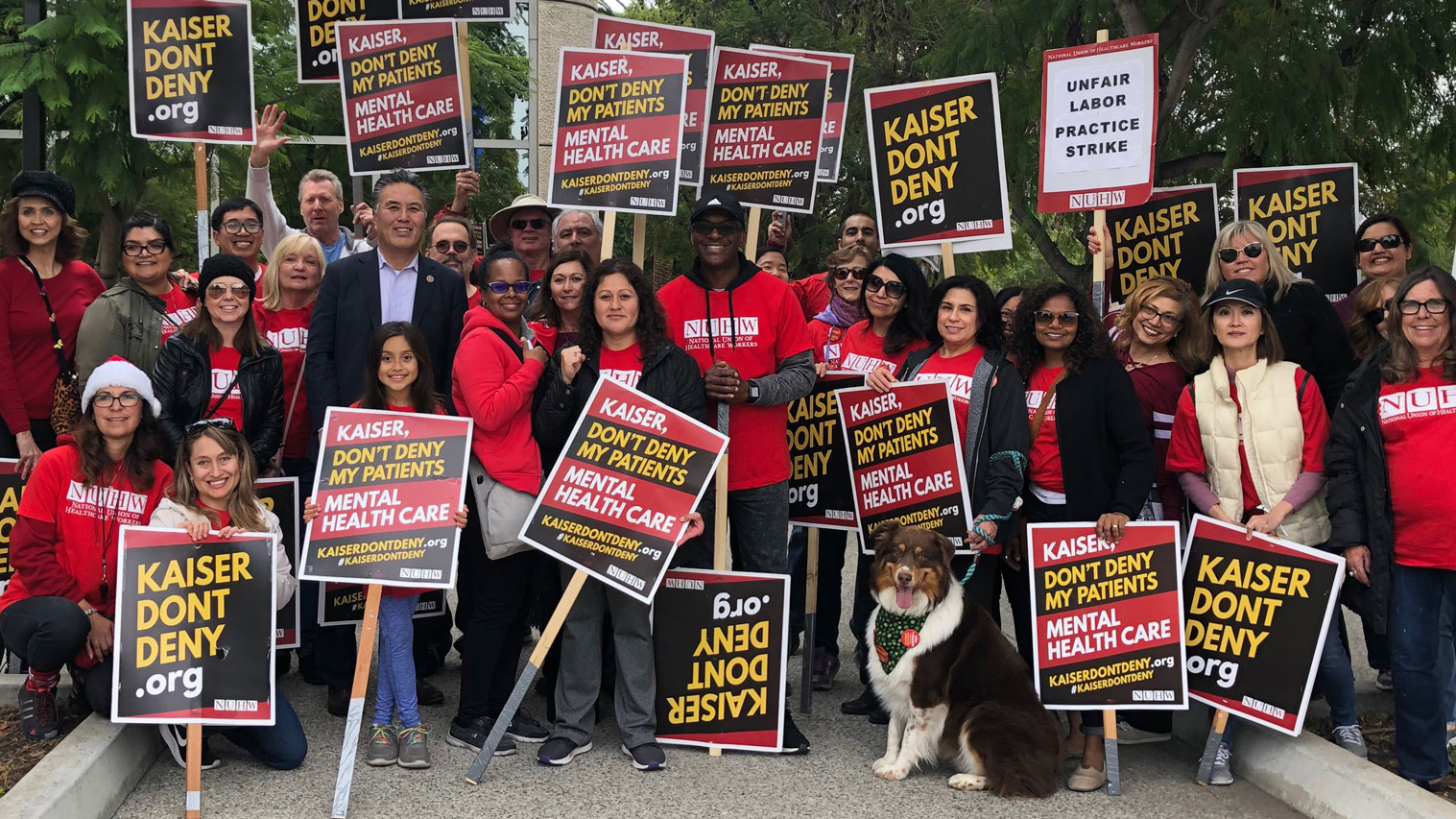
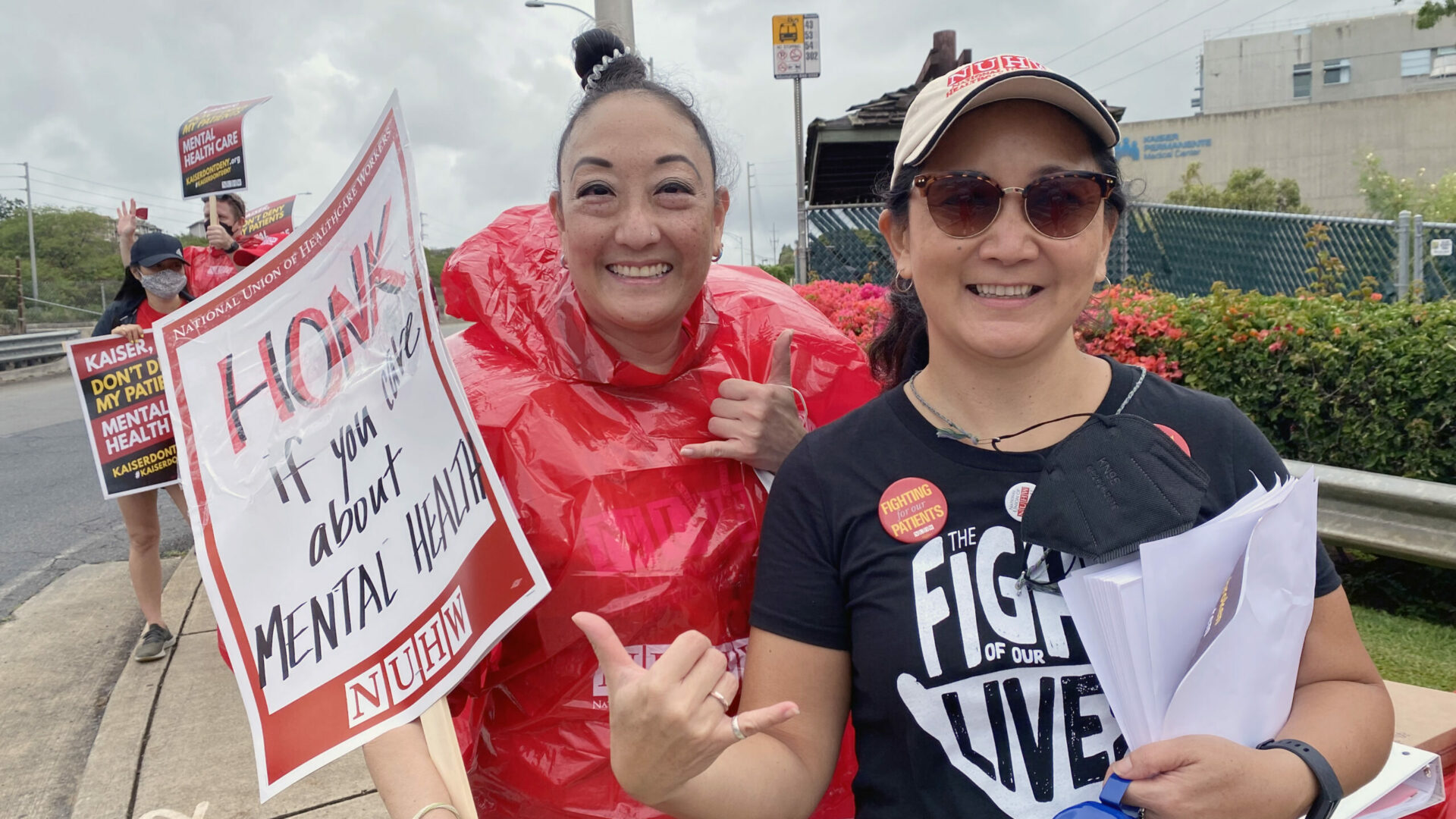
“Rogers management declared war on its mental health providers, who continue to work their hardest to serve patients in treatment centers that are increasingly understaffed,” NUHW President Vanessa Coe said. “This complaint should send a clear message to Rogers executives that they can’t get away with violating the rights of caregivers and that it’s time to honor their union vote and negotiate contracts to improve working conditions and patient care.”
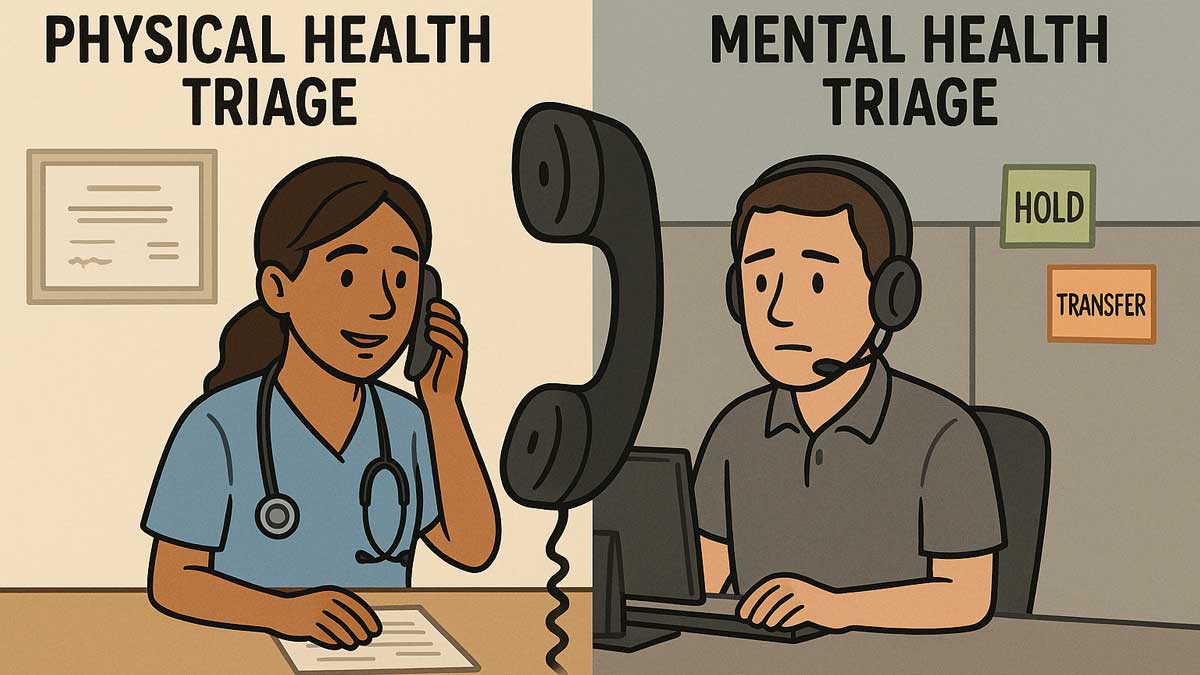
Workers began organizing a union last year after Rogers eliminated one-on-one therapy for adults, doubled caseloads for clinicians and started using artificial intelligence – instead of licensed therapists – to triage patients, resulting in a sharp increase in inappropriate referrals for care.
Workers voted overwhelmingly in April to form unions at Rogers’ West Allis and Madison treatment centers. However, Rogers is seeking to overturn the 54-4 vote in West Allis and is refusing to begin contract bargaining in Madison despite acknowledging the union vote.
# # #
The National Union of Healthcare Workers is a member-led movement representing 19,000 healthcare workers, including nearly 6,000 mental health professionals in California, Wisconsin, Hawaii and Pennsylvania.