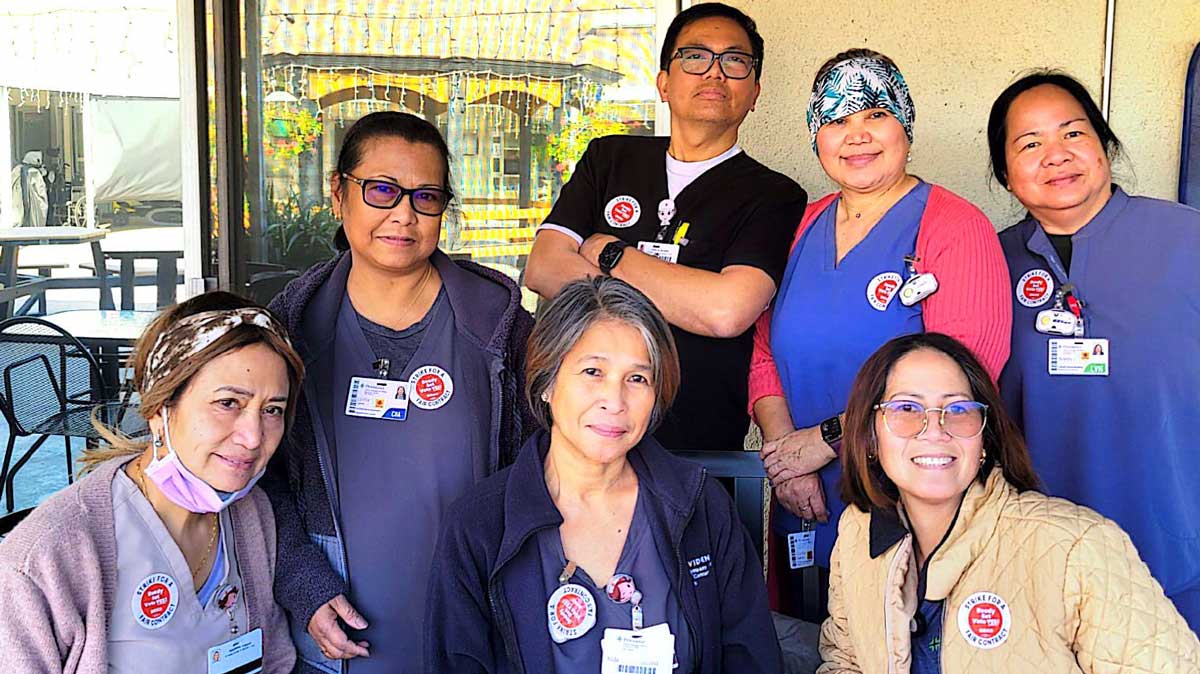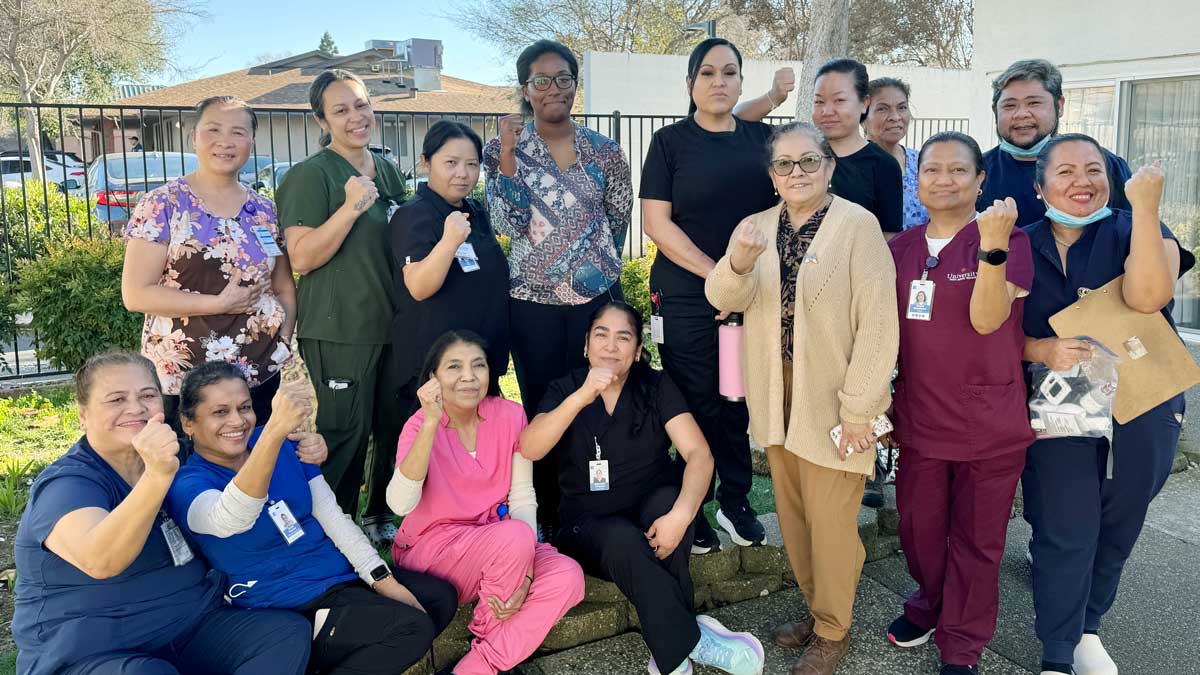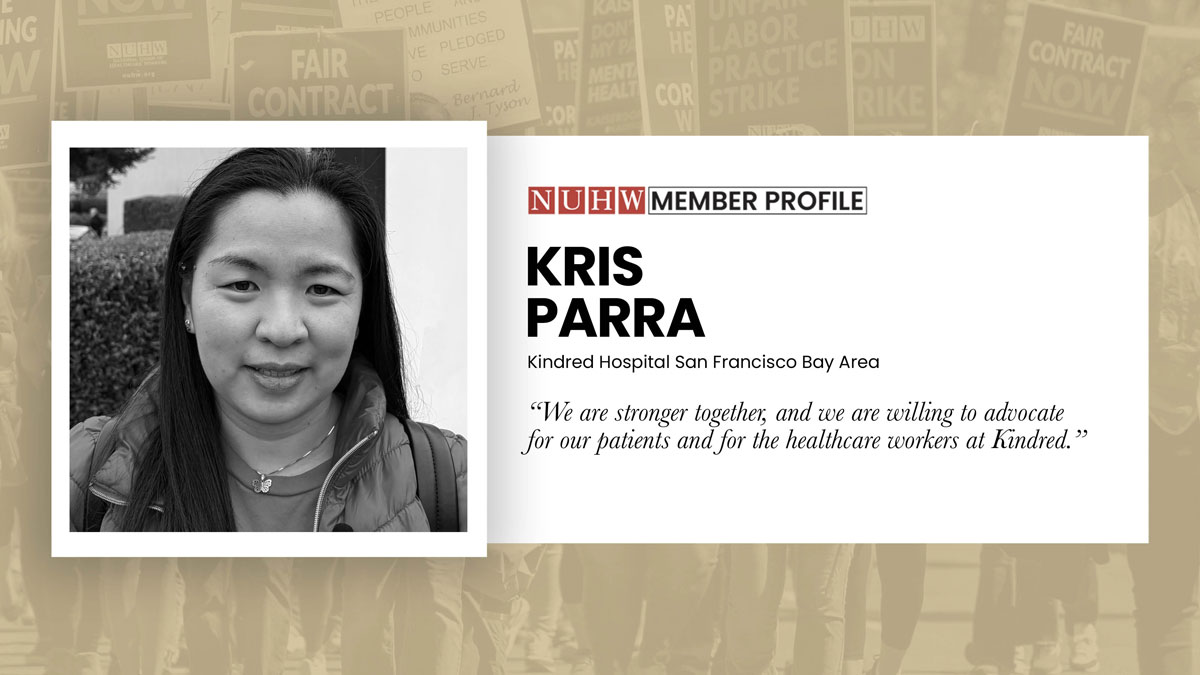
Whether she’s caring for them directly or not, Kris Parra likes to know what’s going on with all the patients in the Intensive Care Unit at Kindred Hospital San Francisco Bay Area Hospital.
“If something is beeping, I know how to take action. I know how to help my colleagues and the patient,” said the registered nurse who has worked at the 99-bed long-term acute care hospital in San Leandro for the past eight years.
It’s the same reason she keeps a copy of the union contract handy on her cell phone, so she can better answer coworkers’ questions whenever a workplace issue arises.
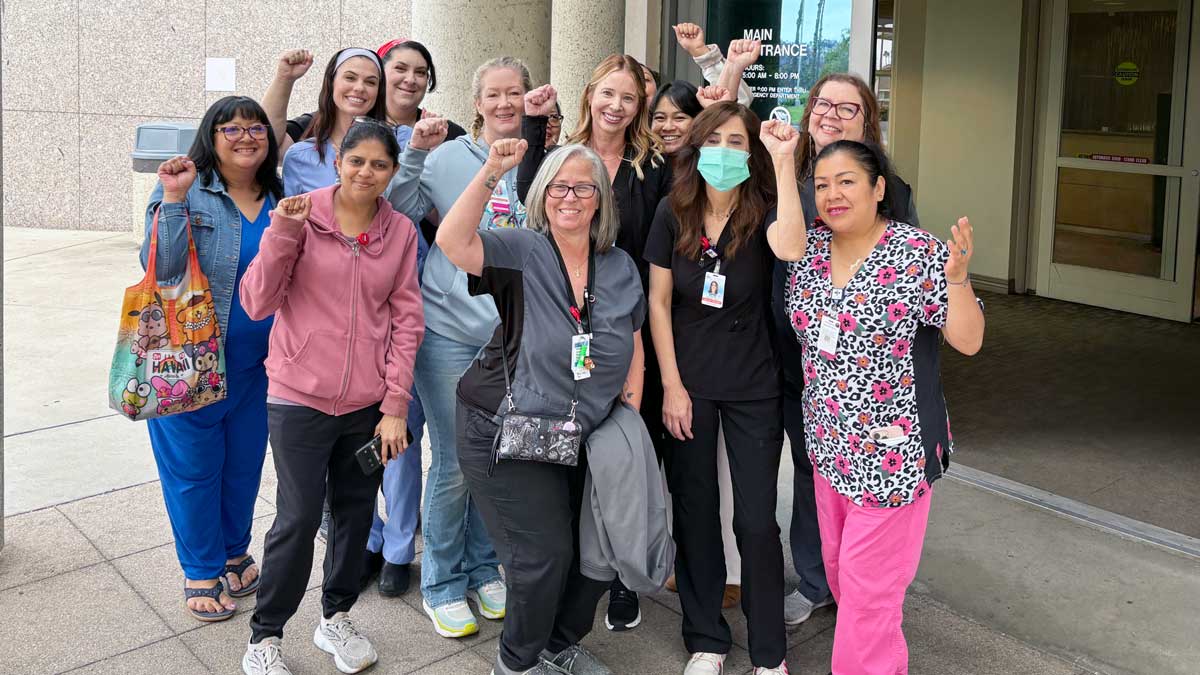
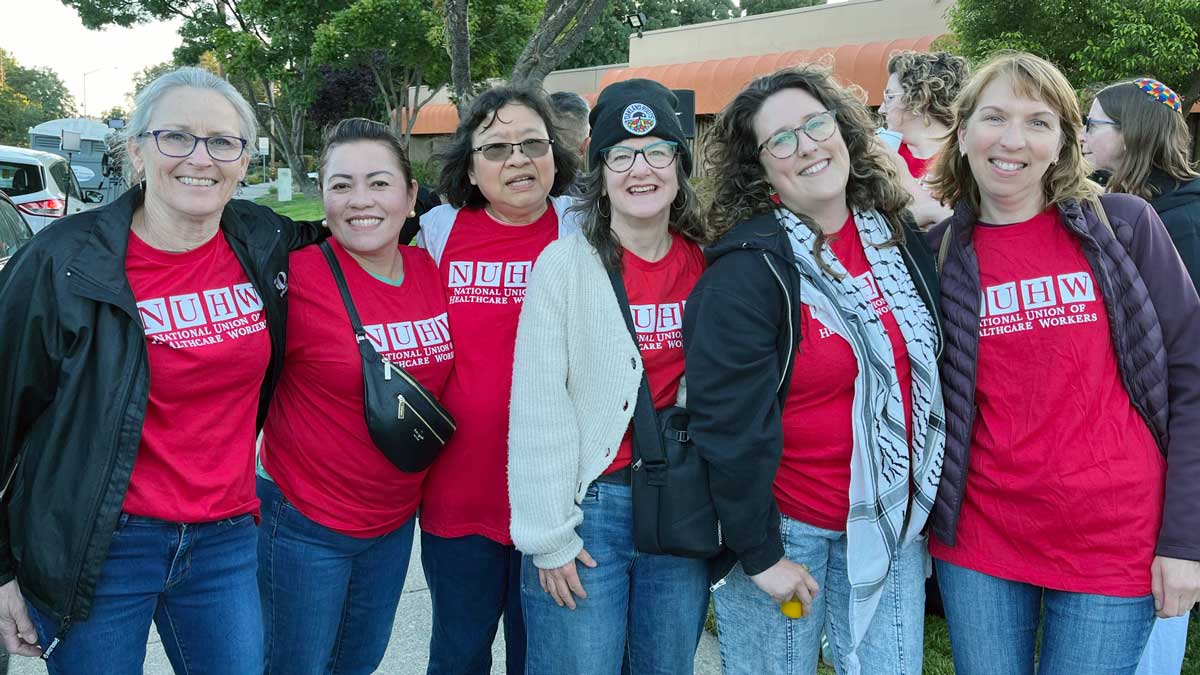
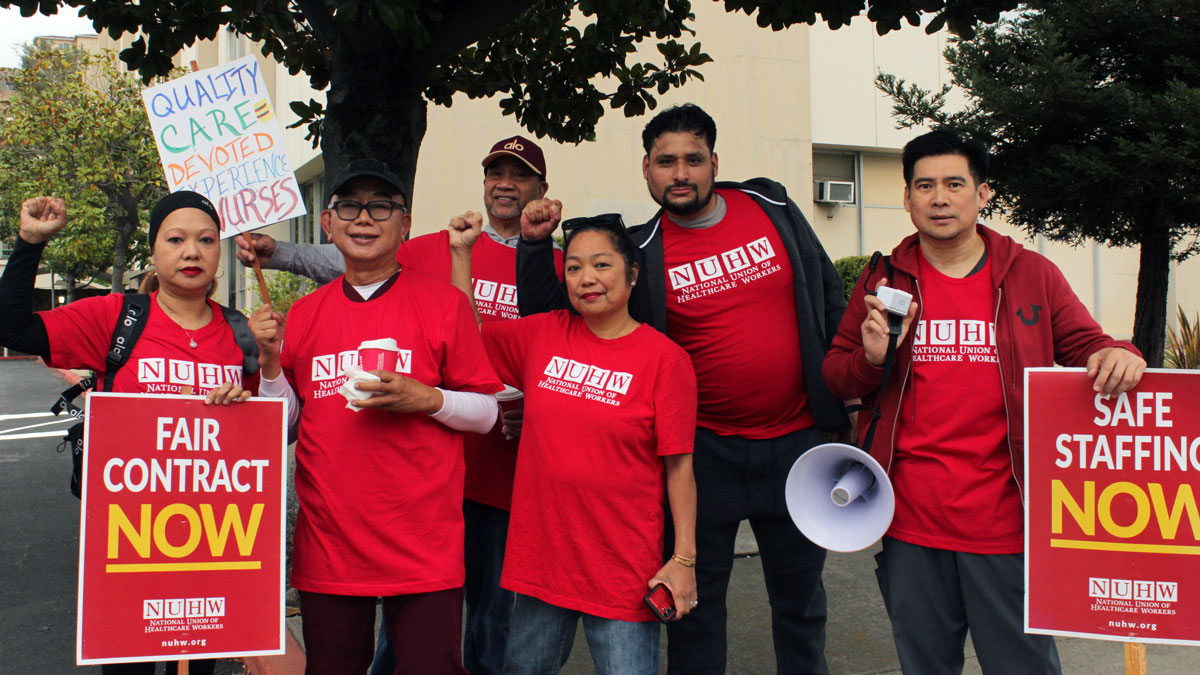
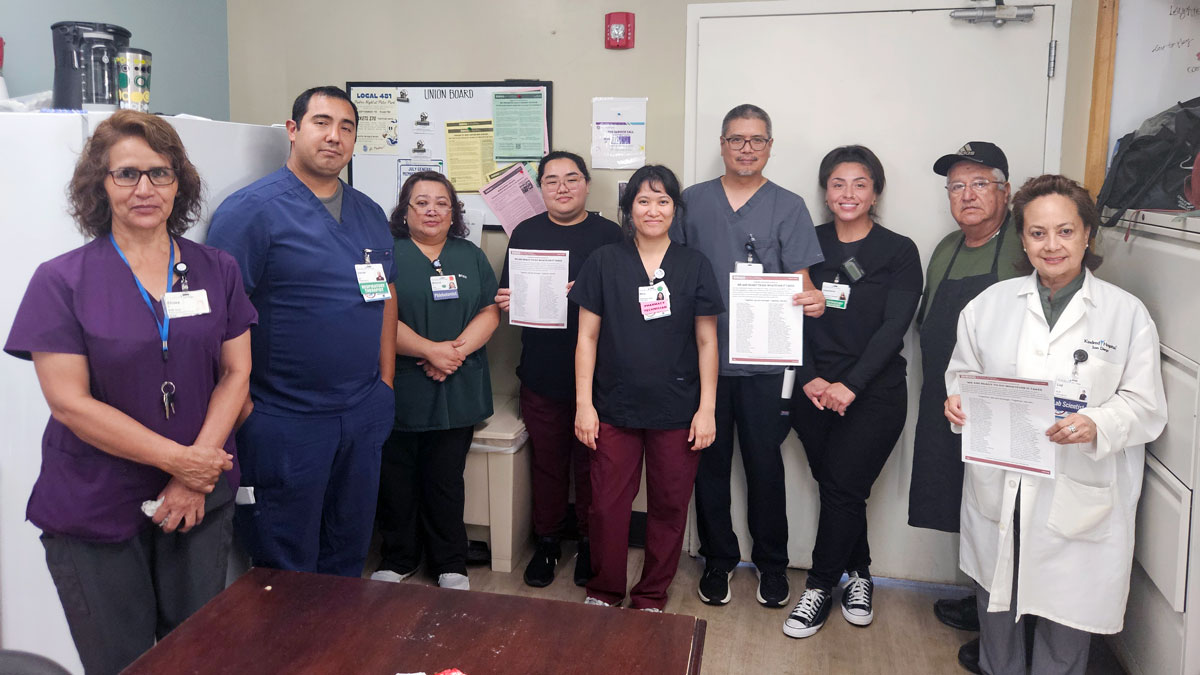
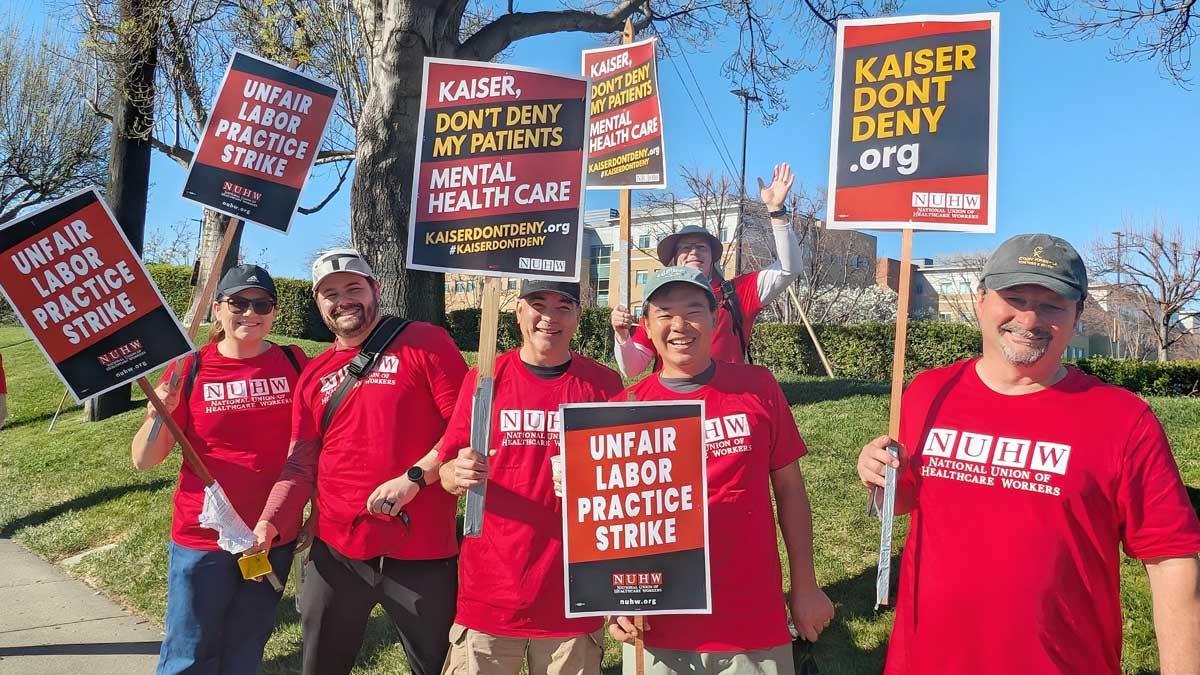
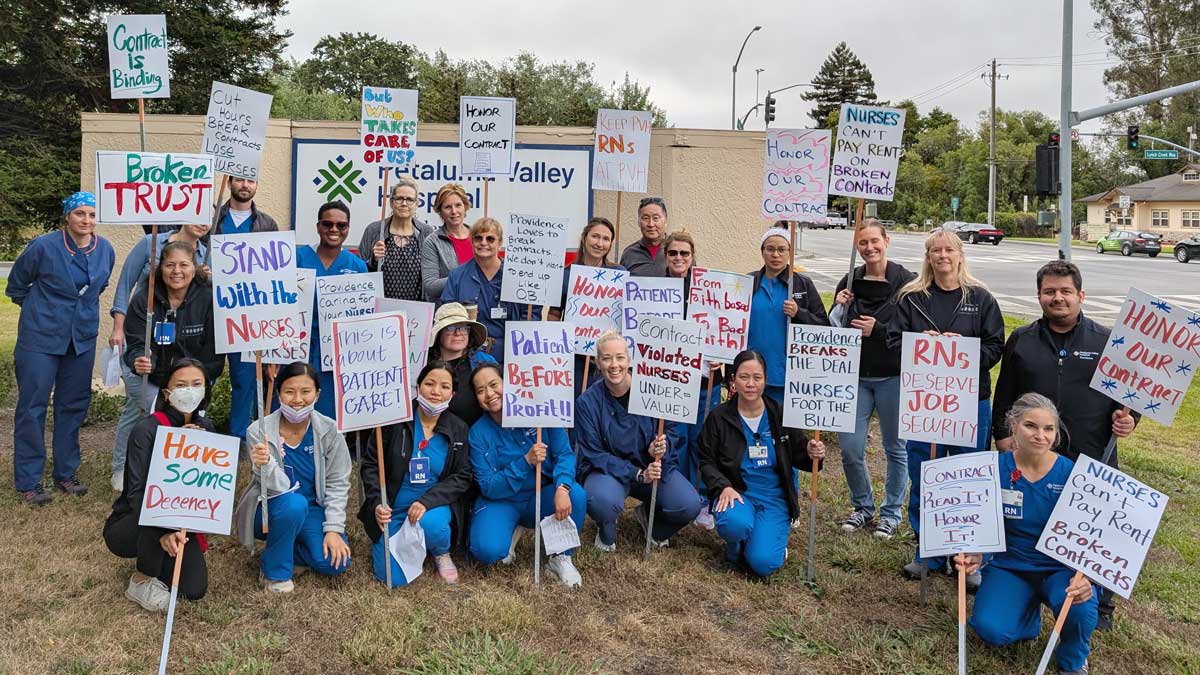
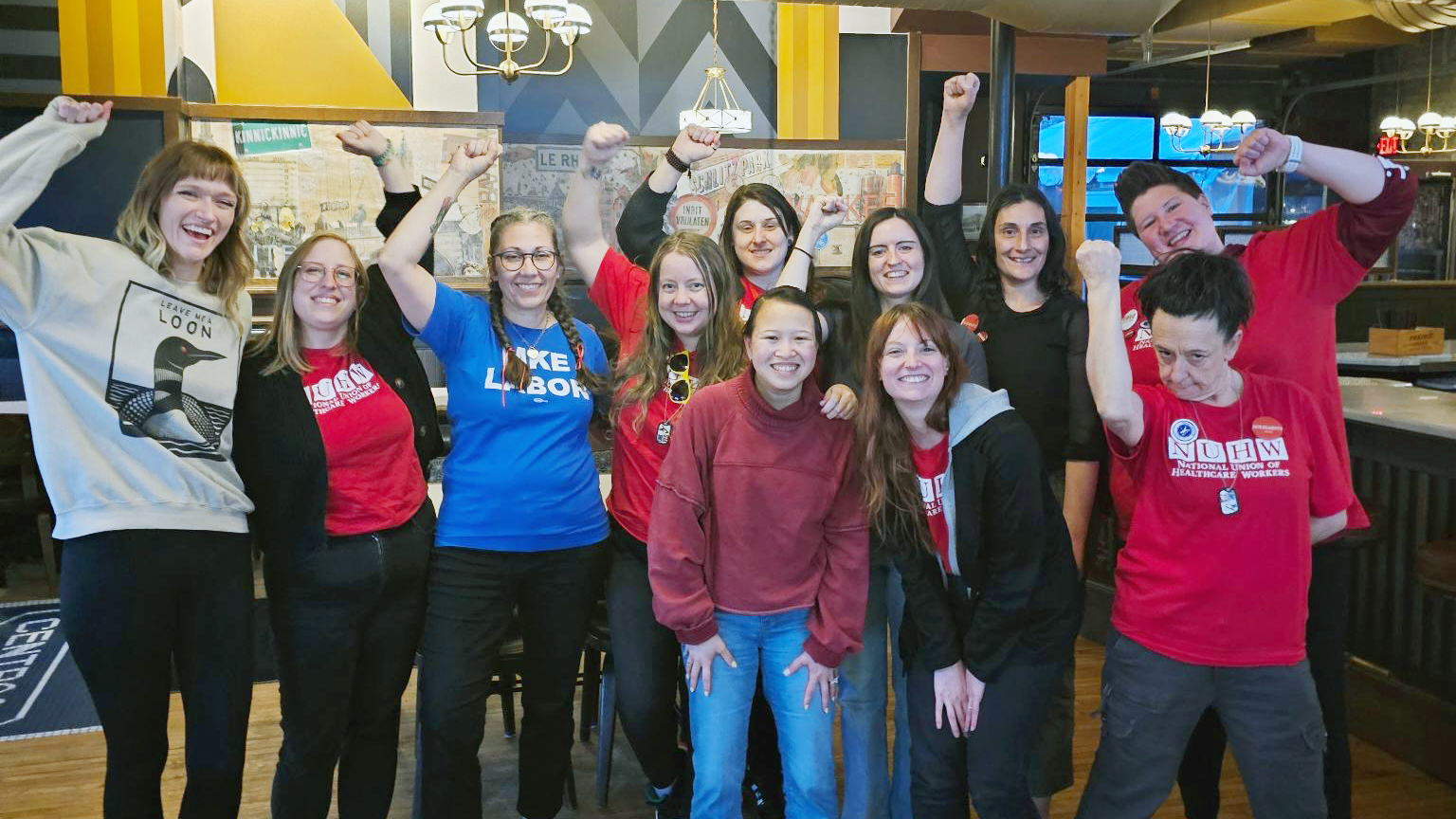
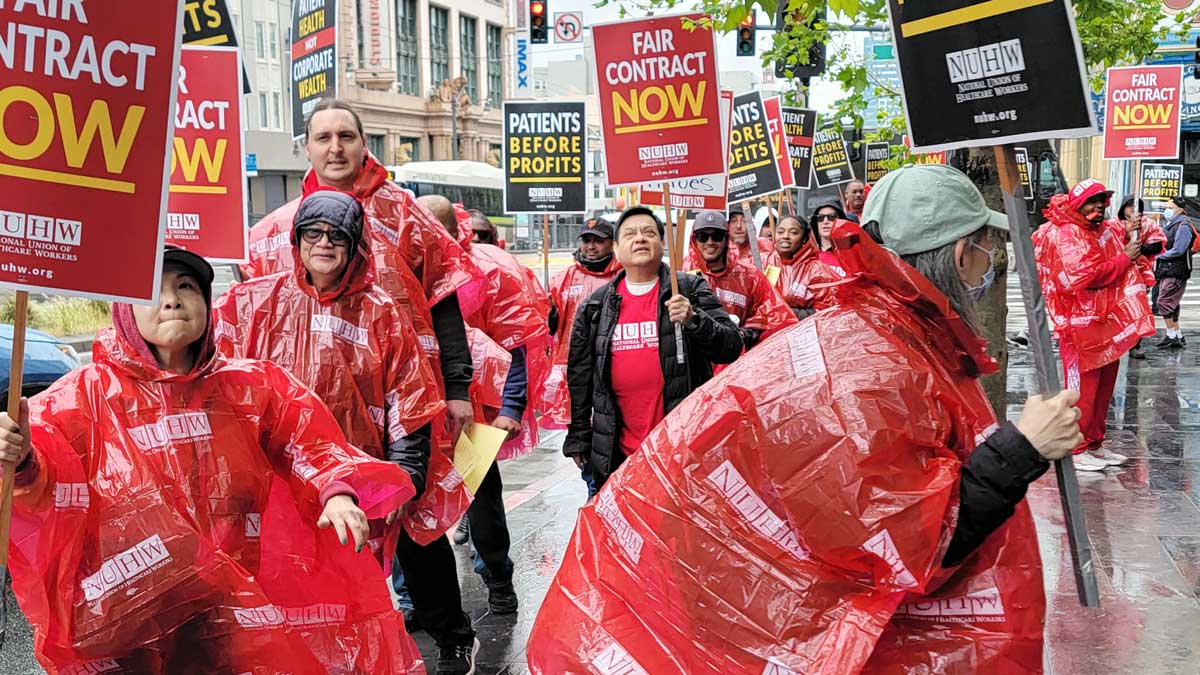
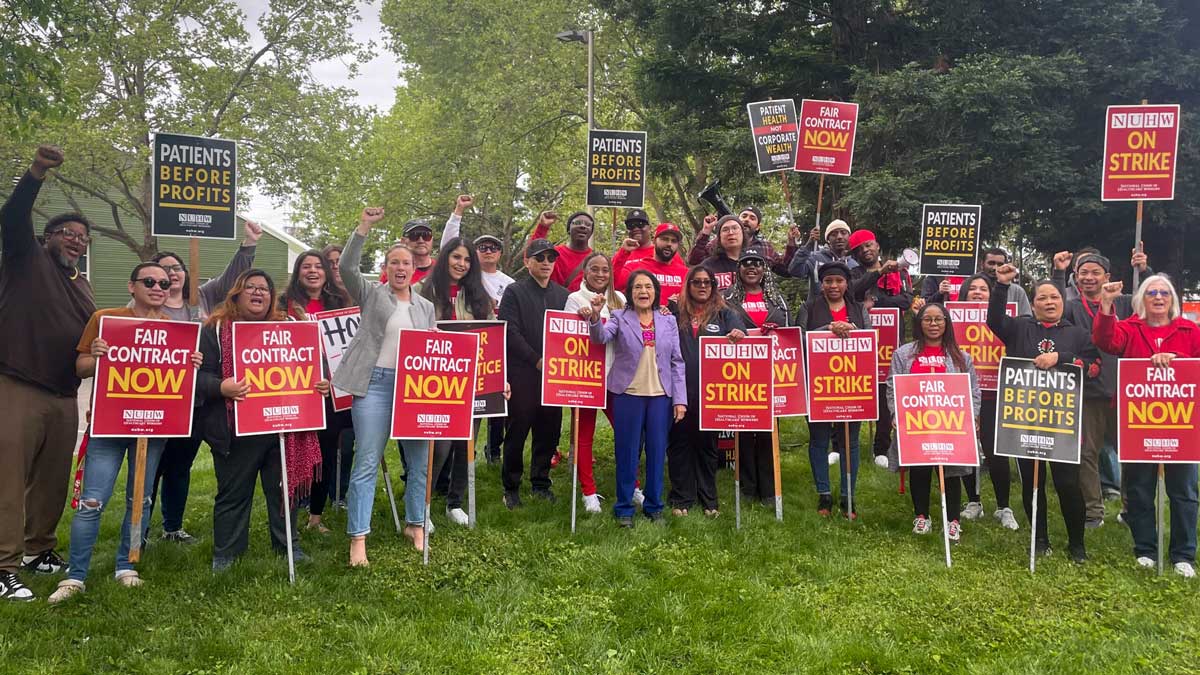
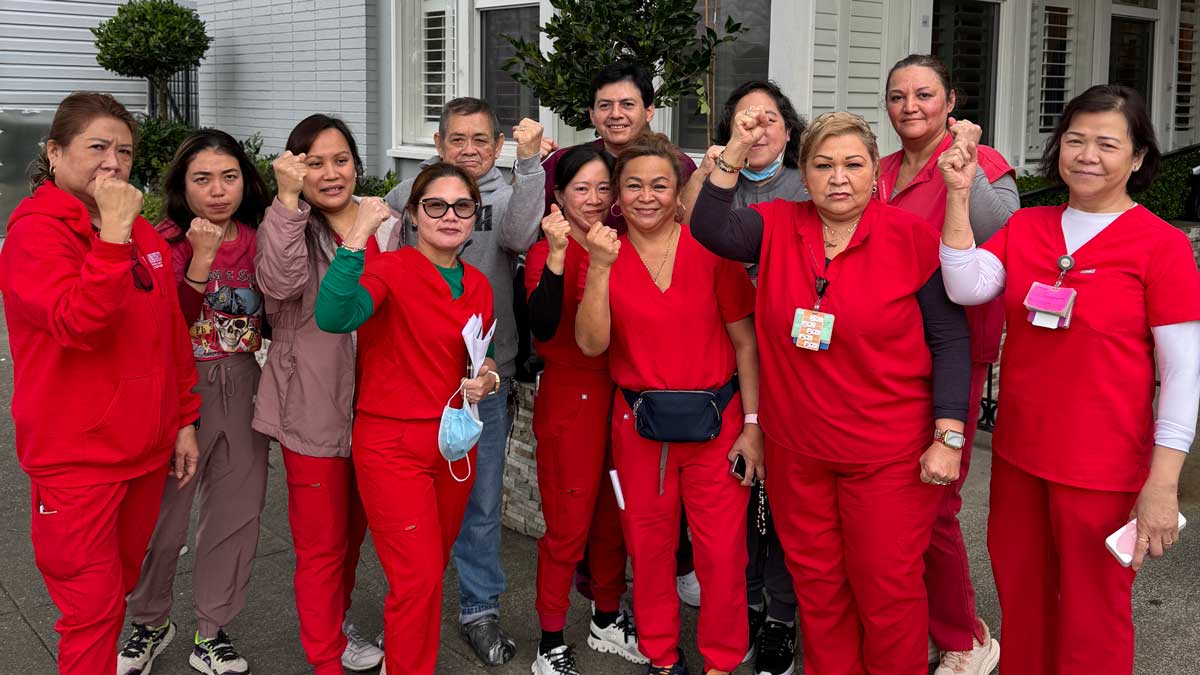
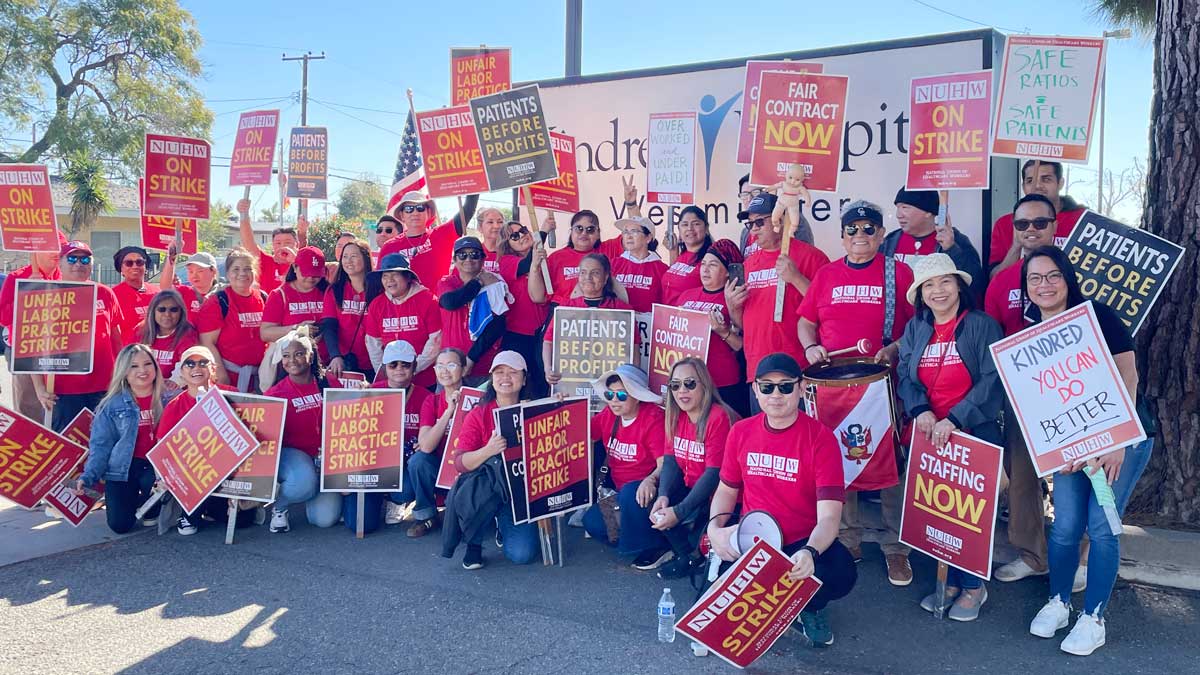
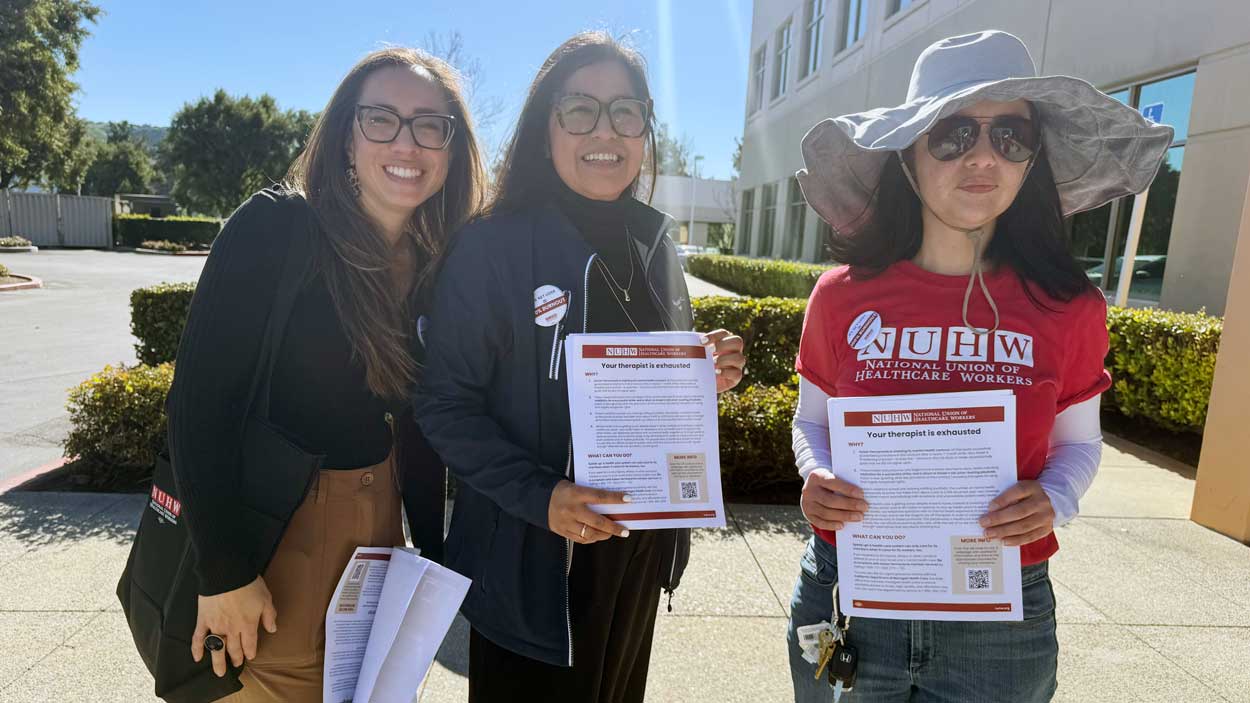
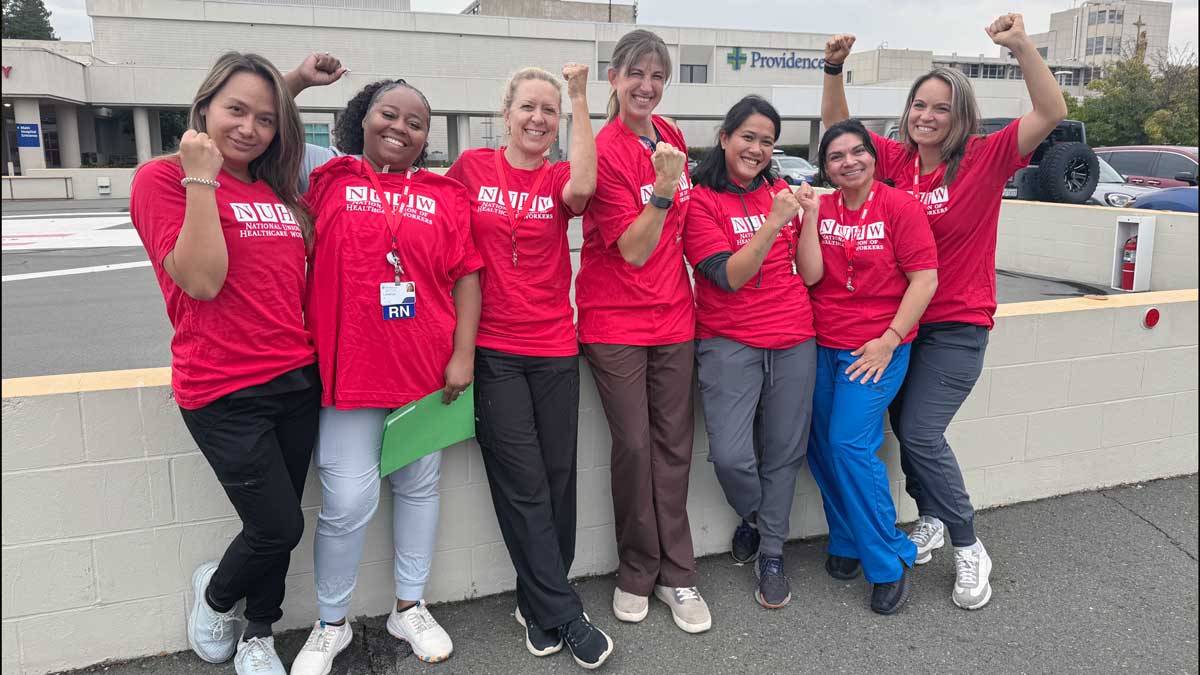
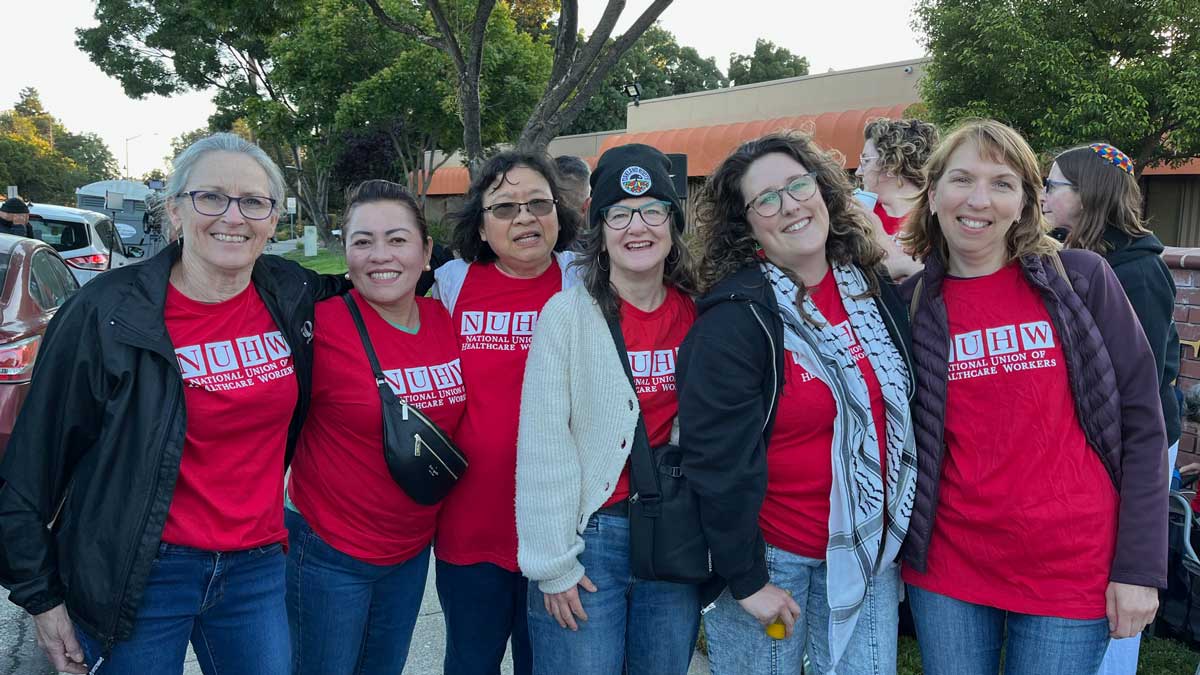
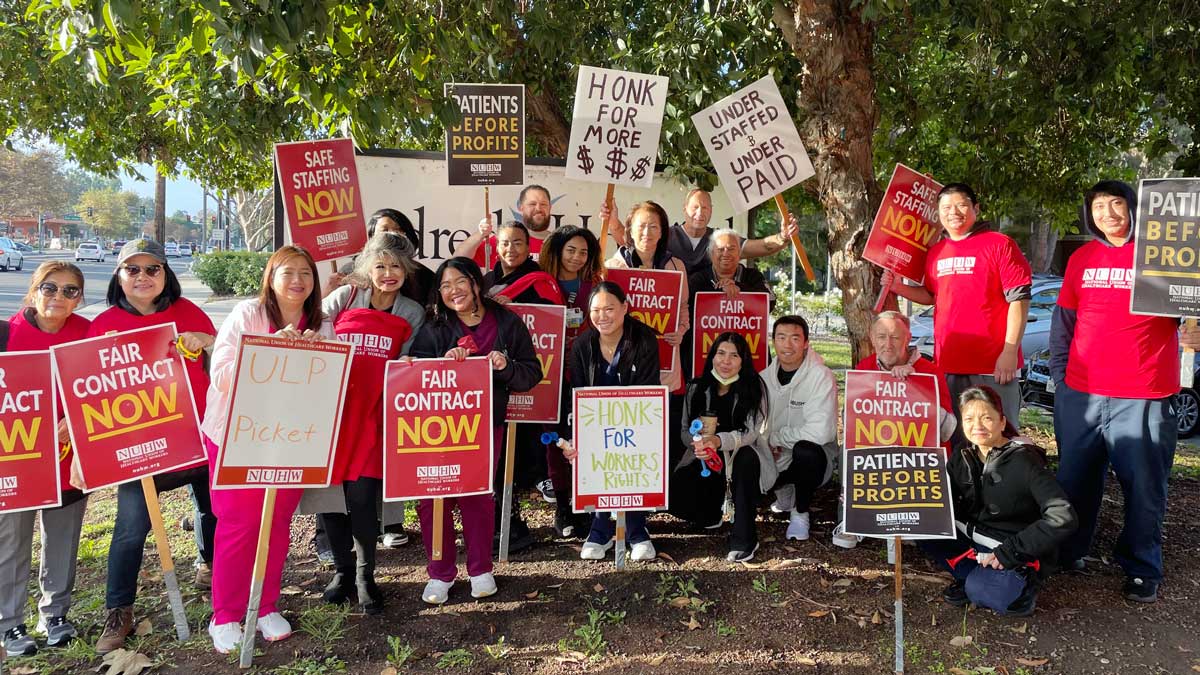
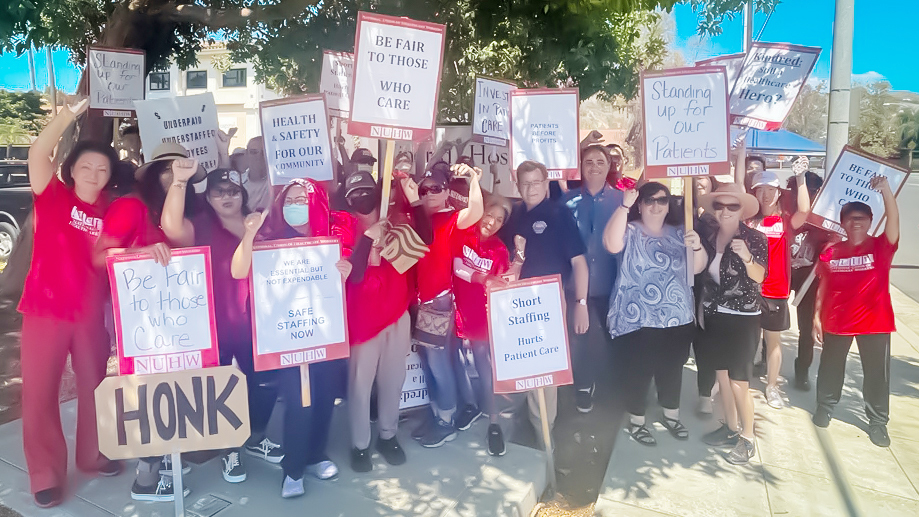
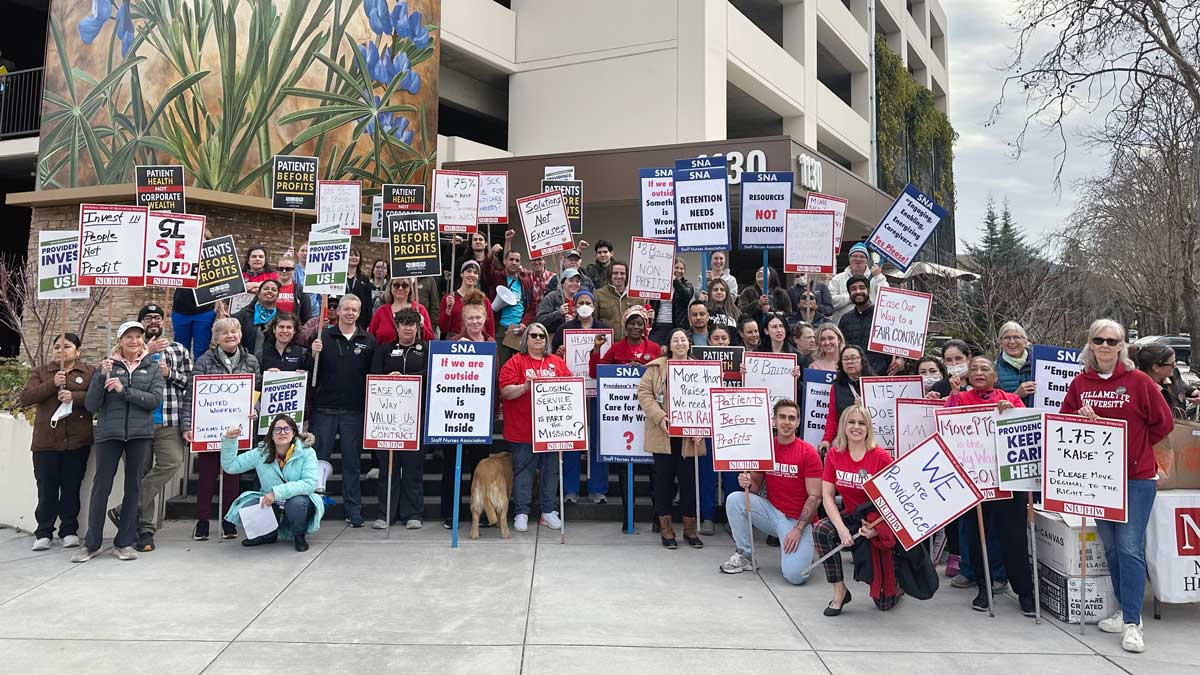
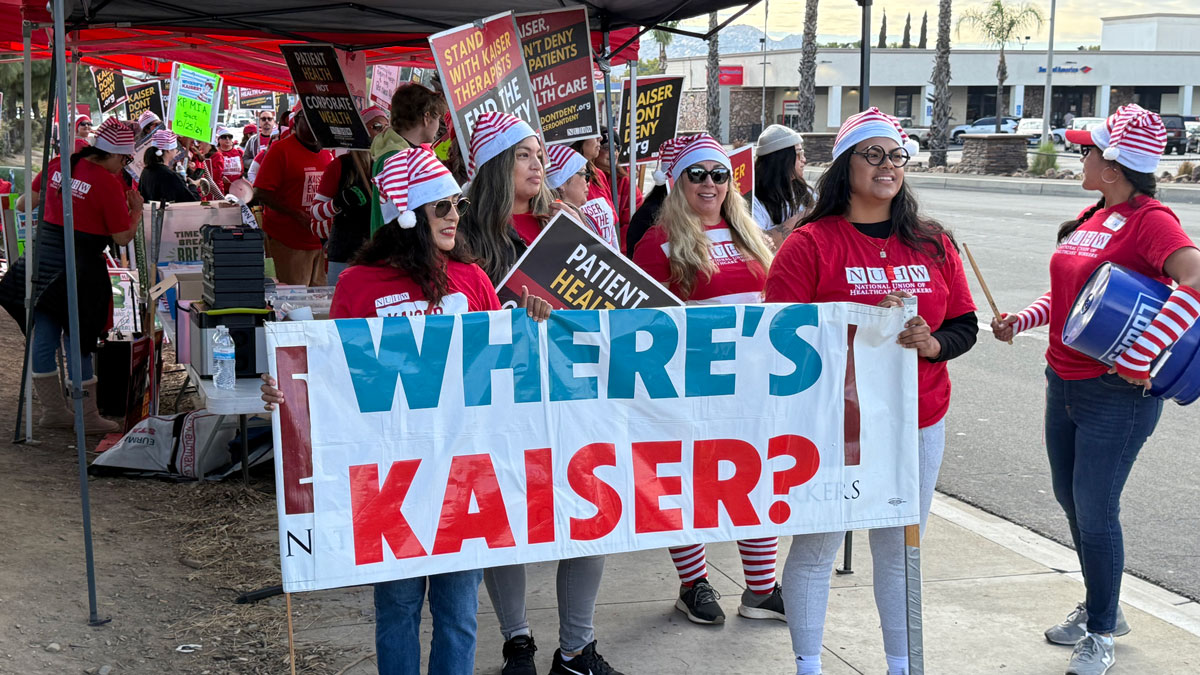
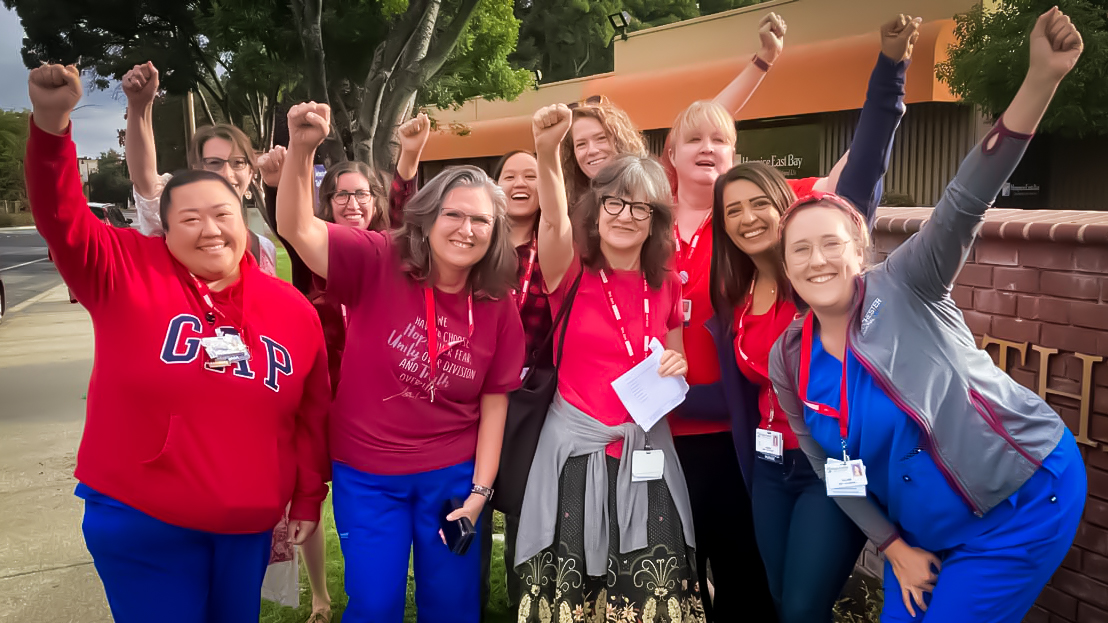
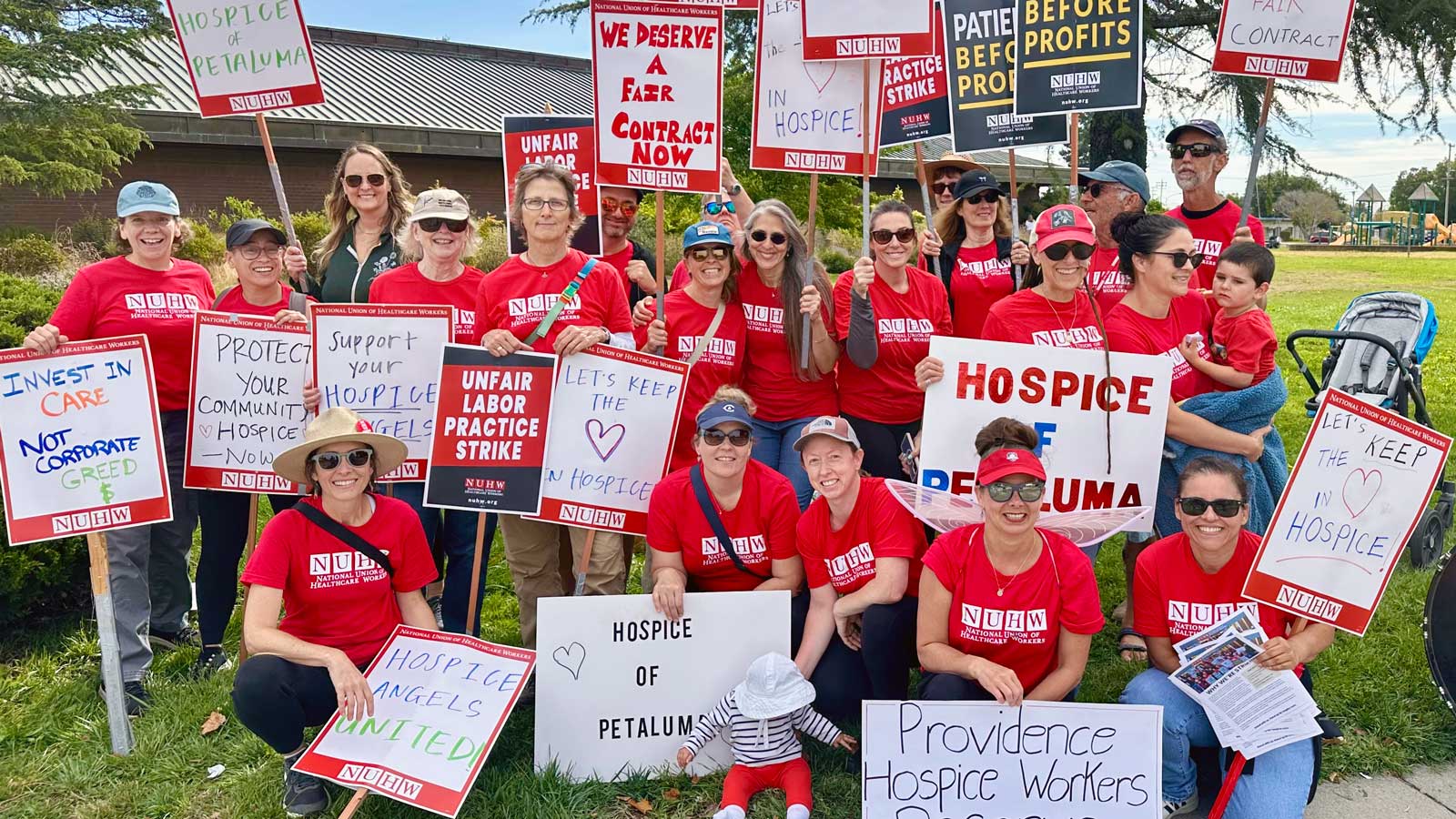
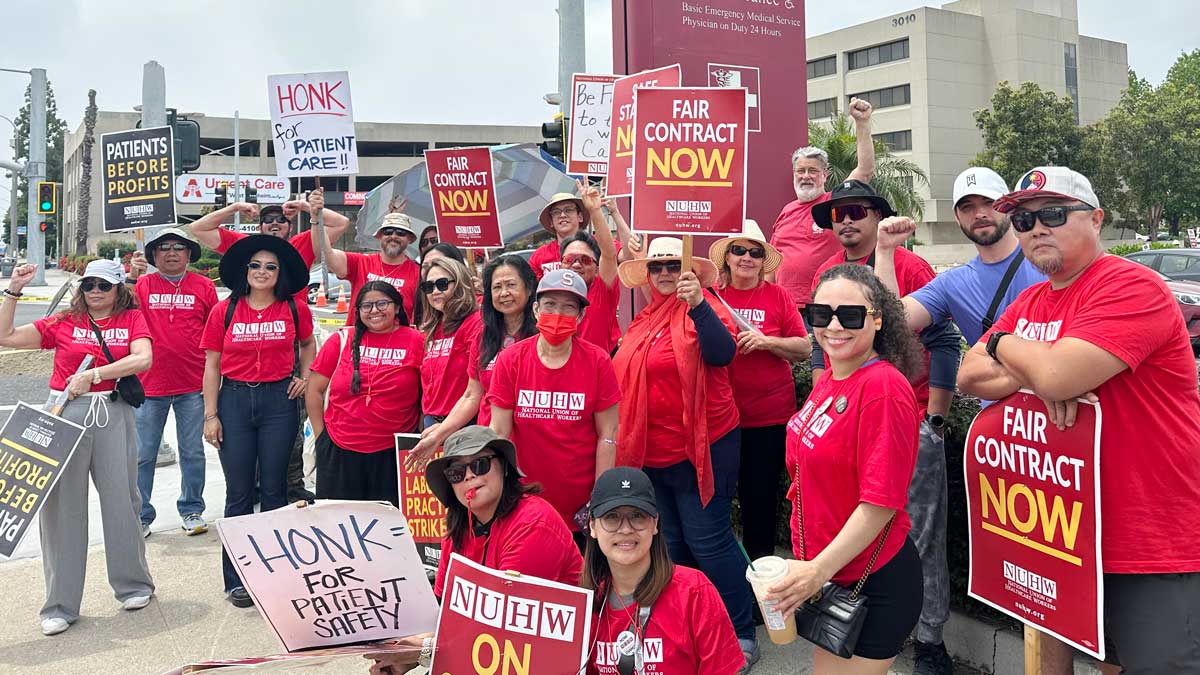
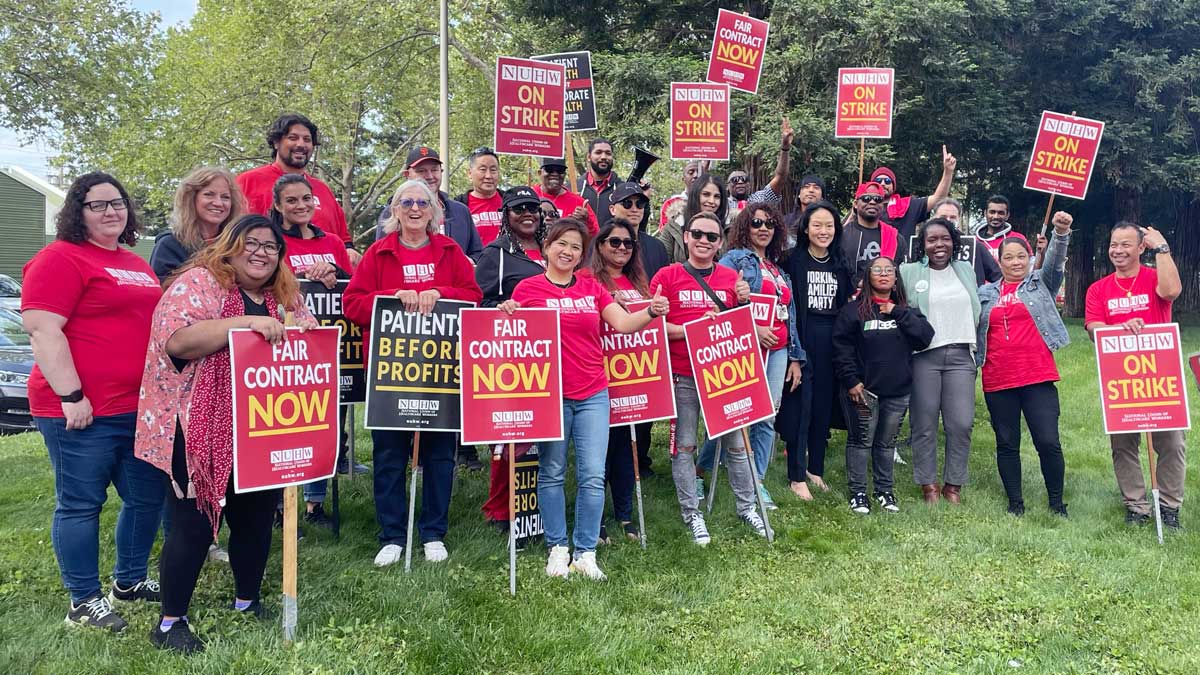
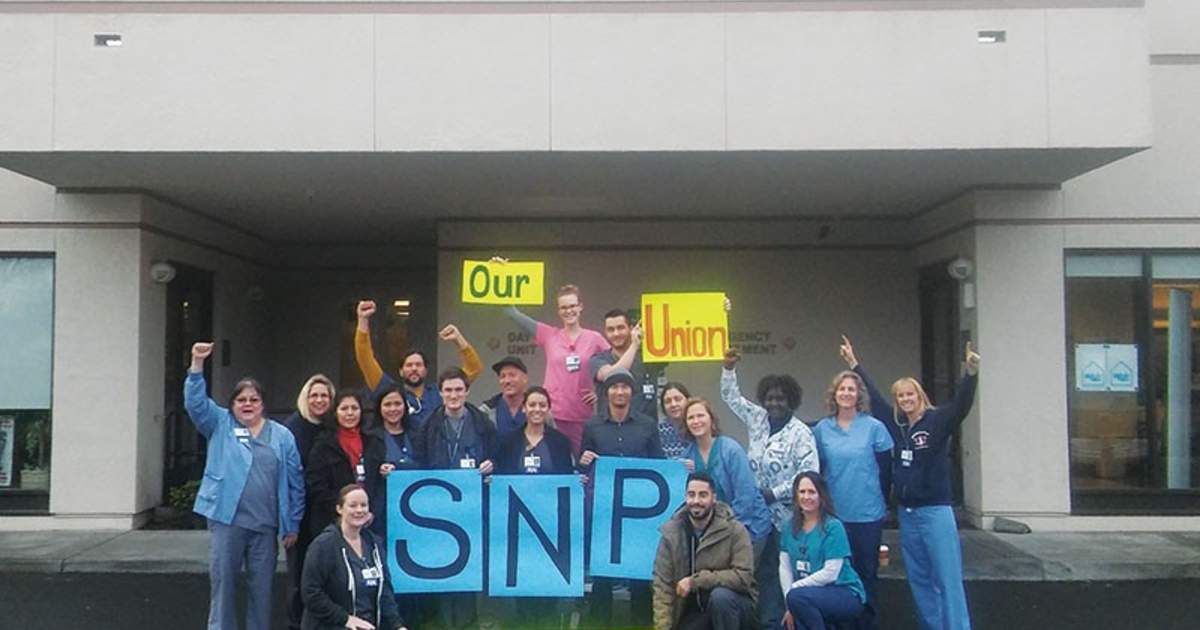
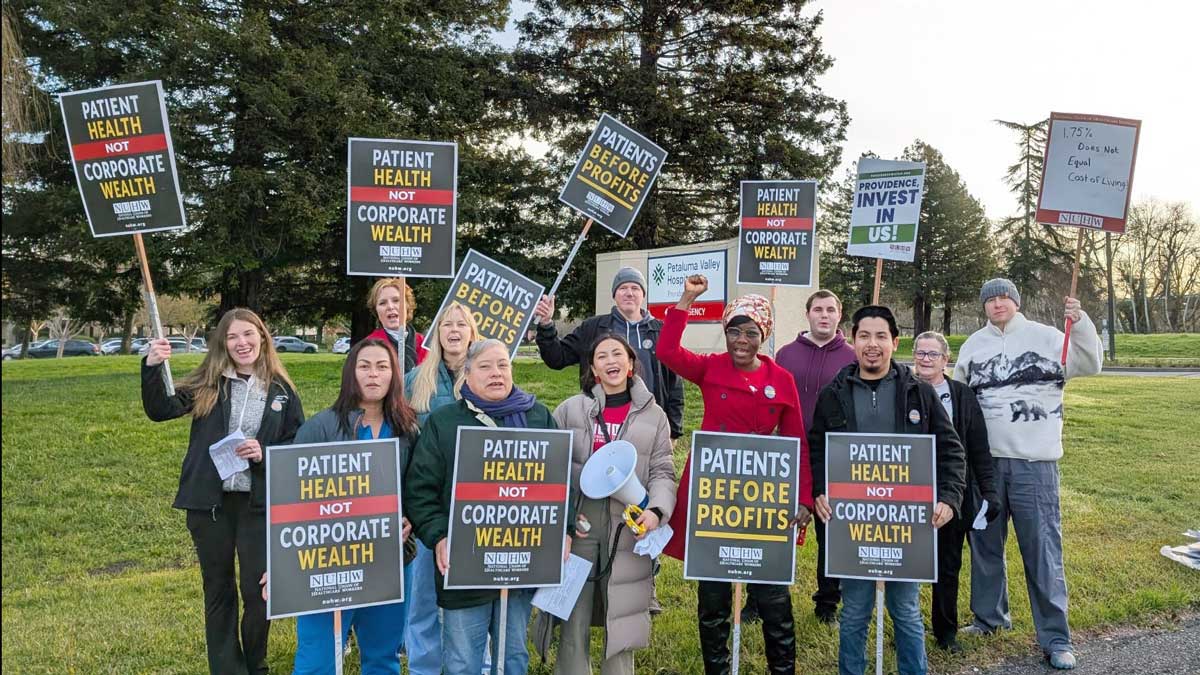
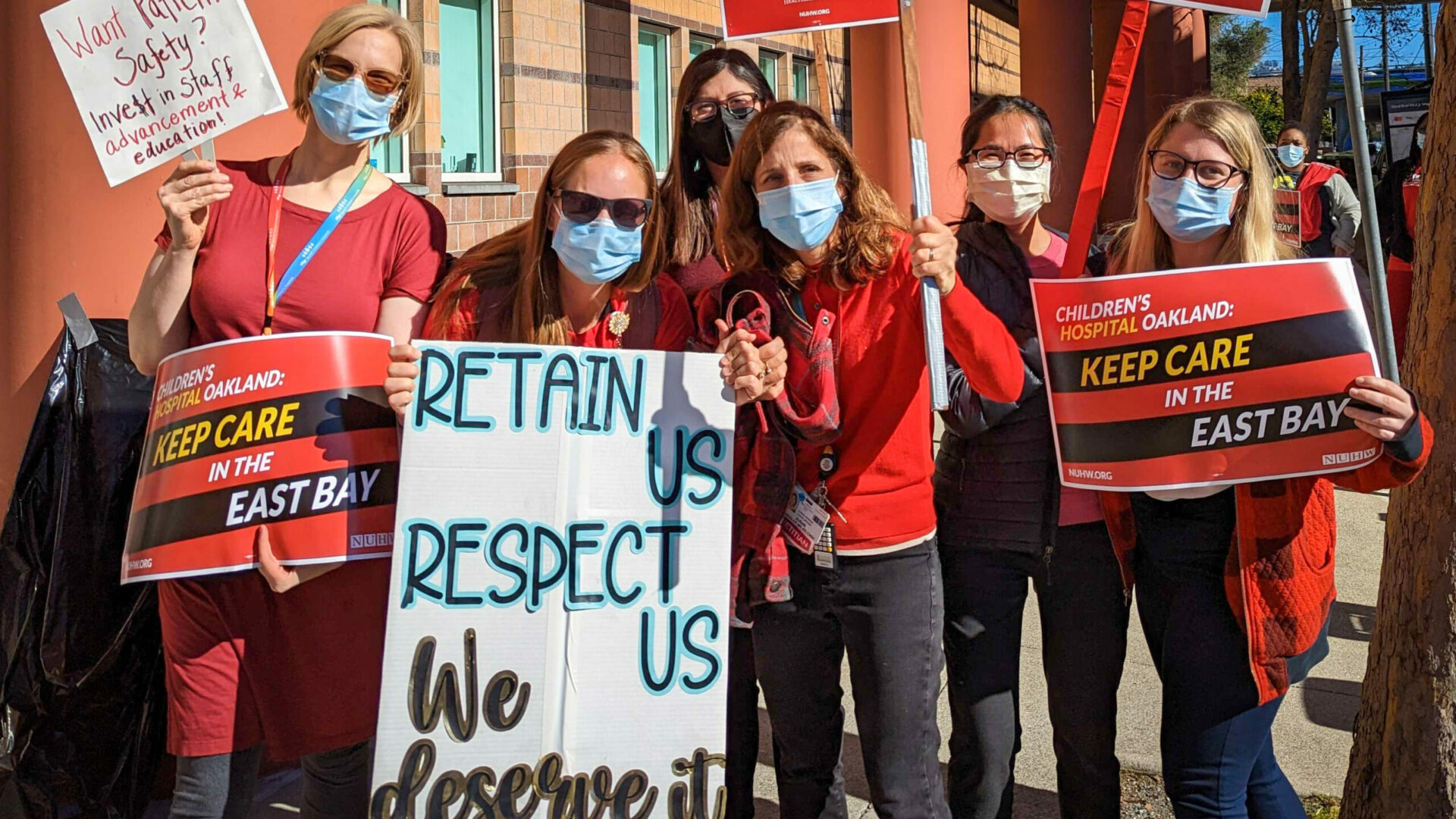
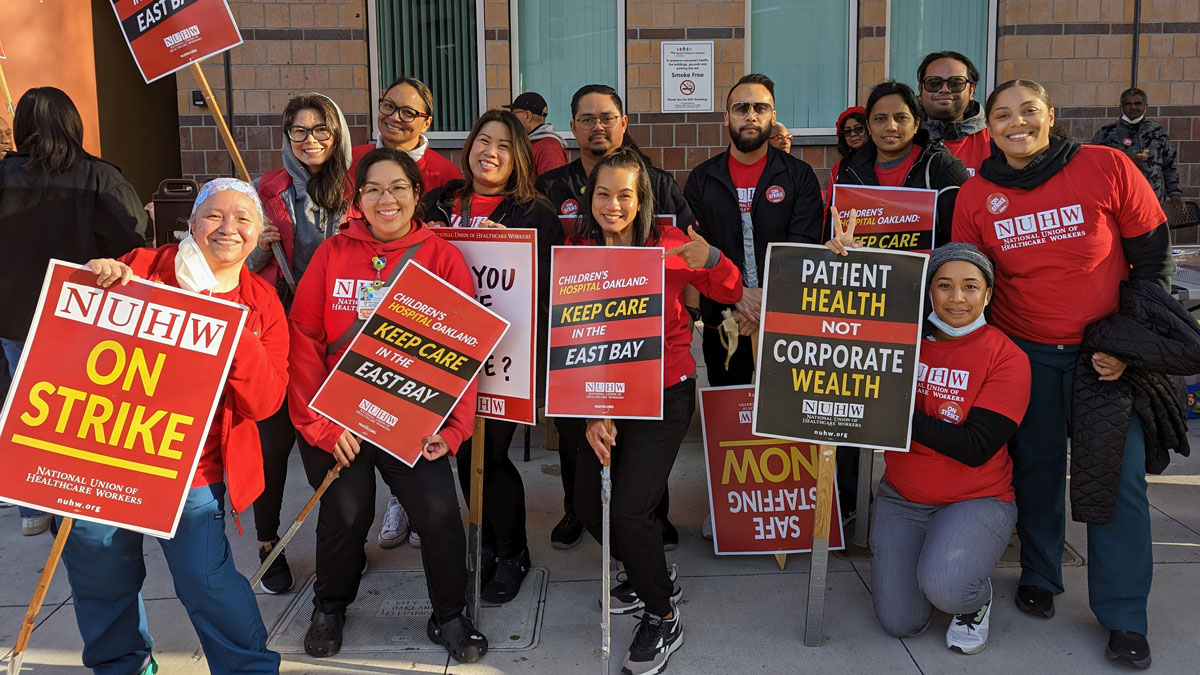
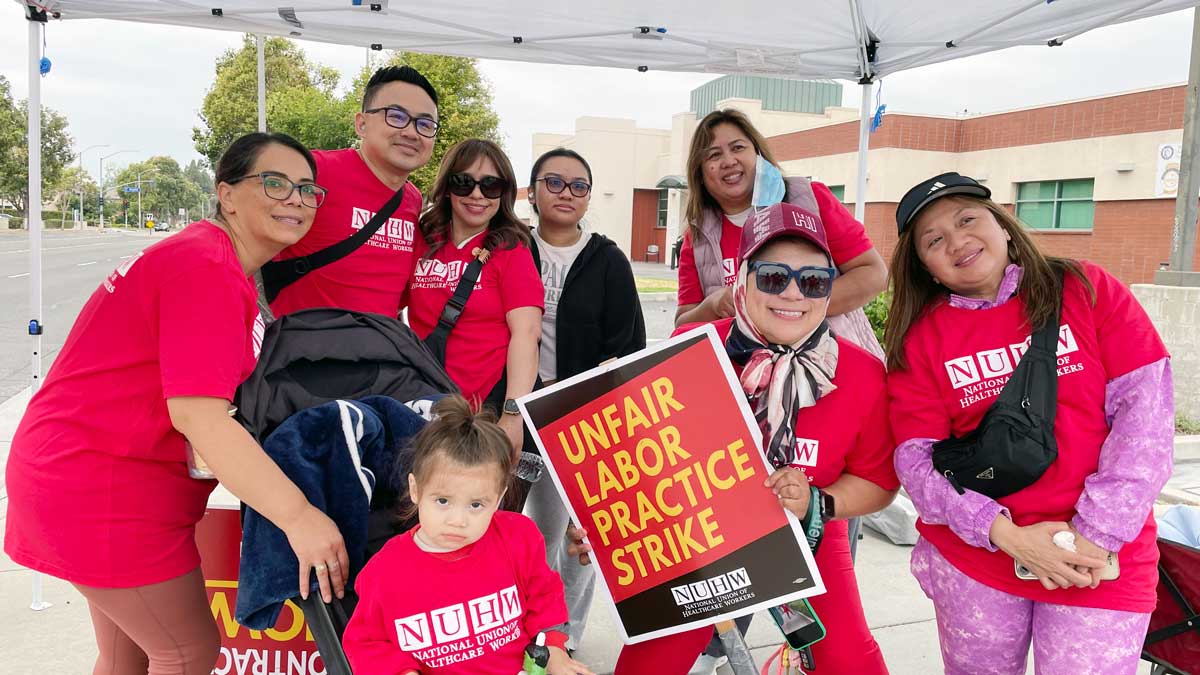
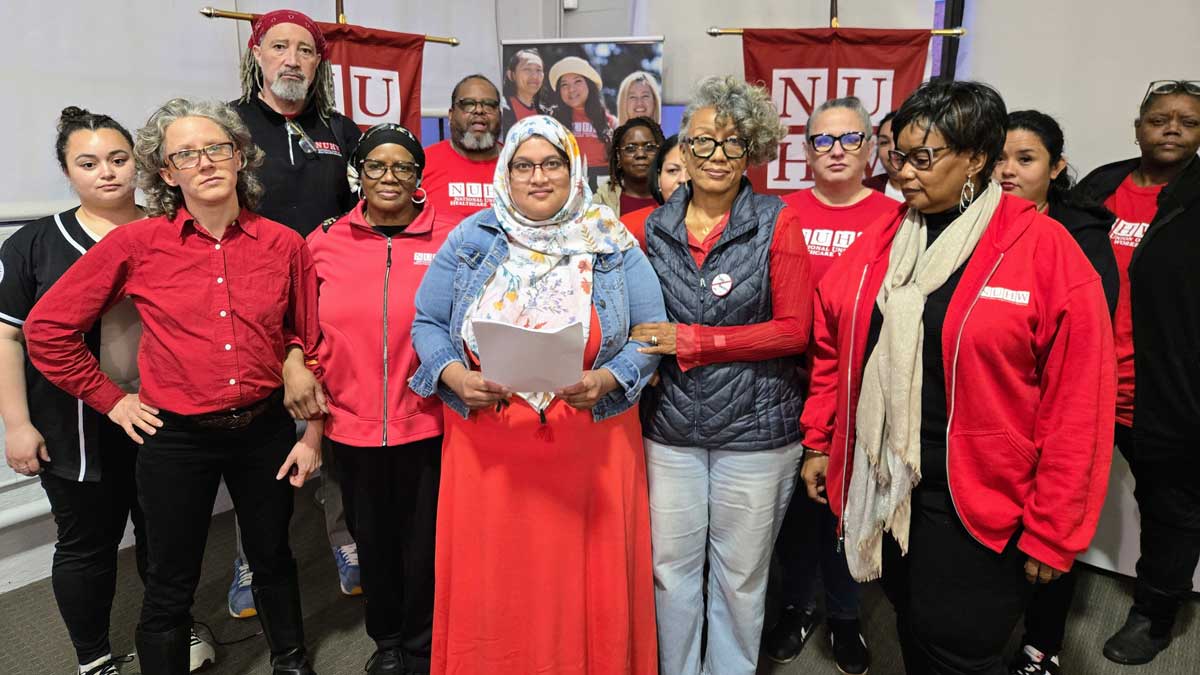
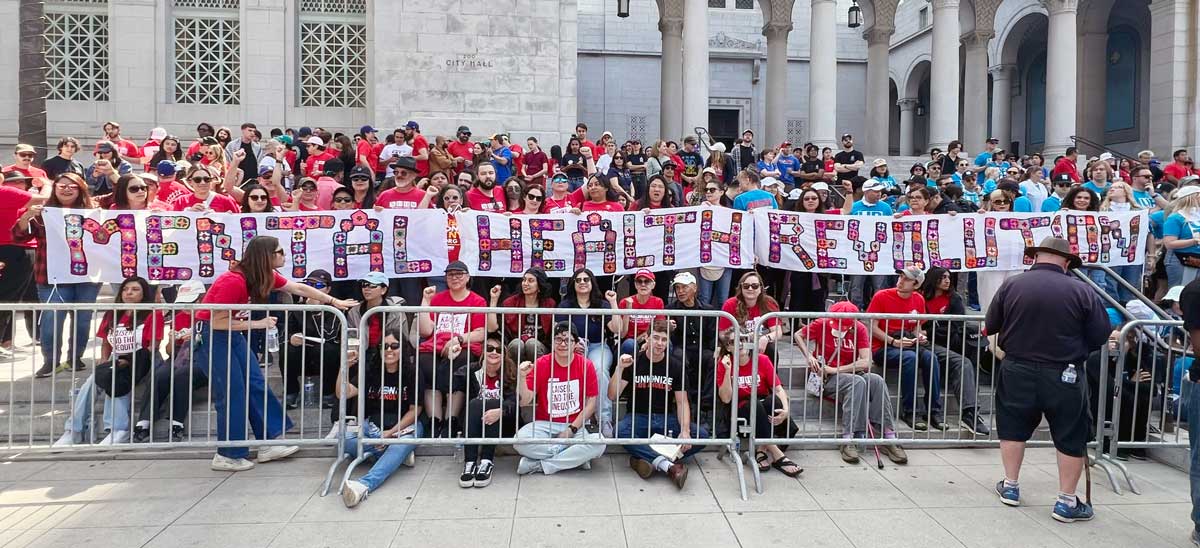
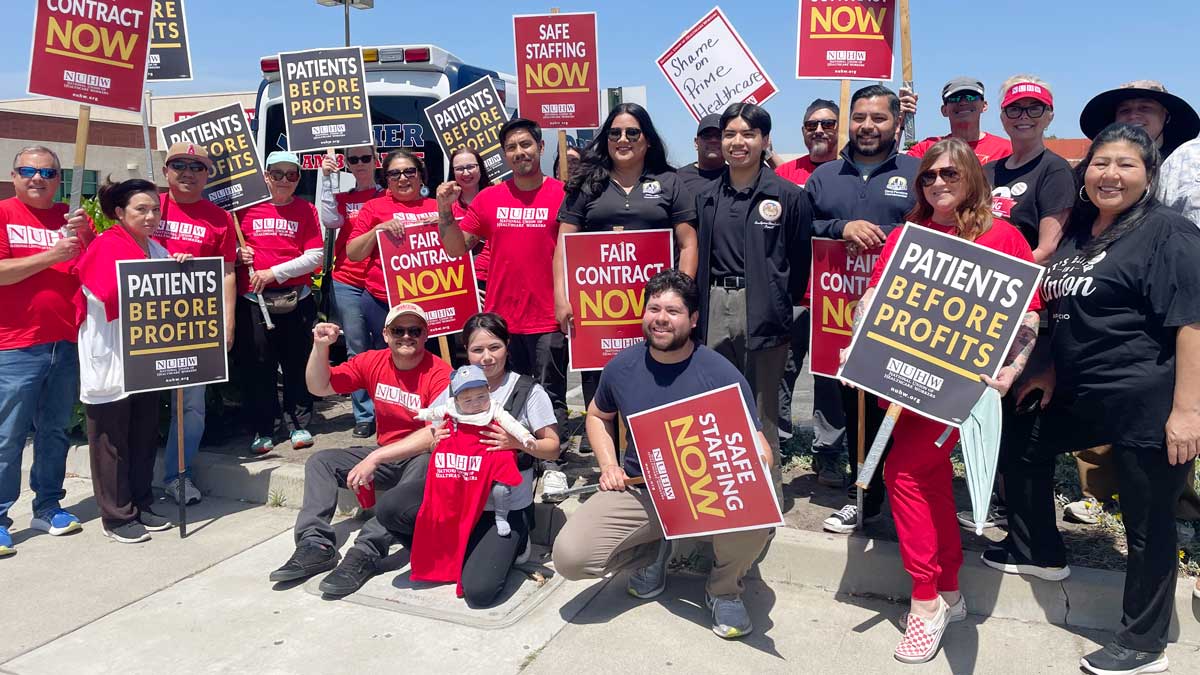
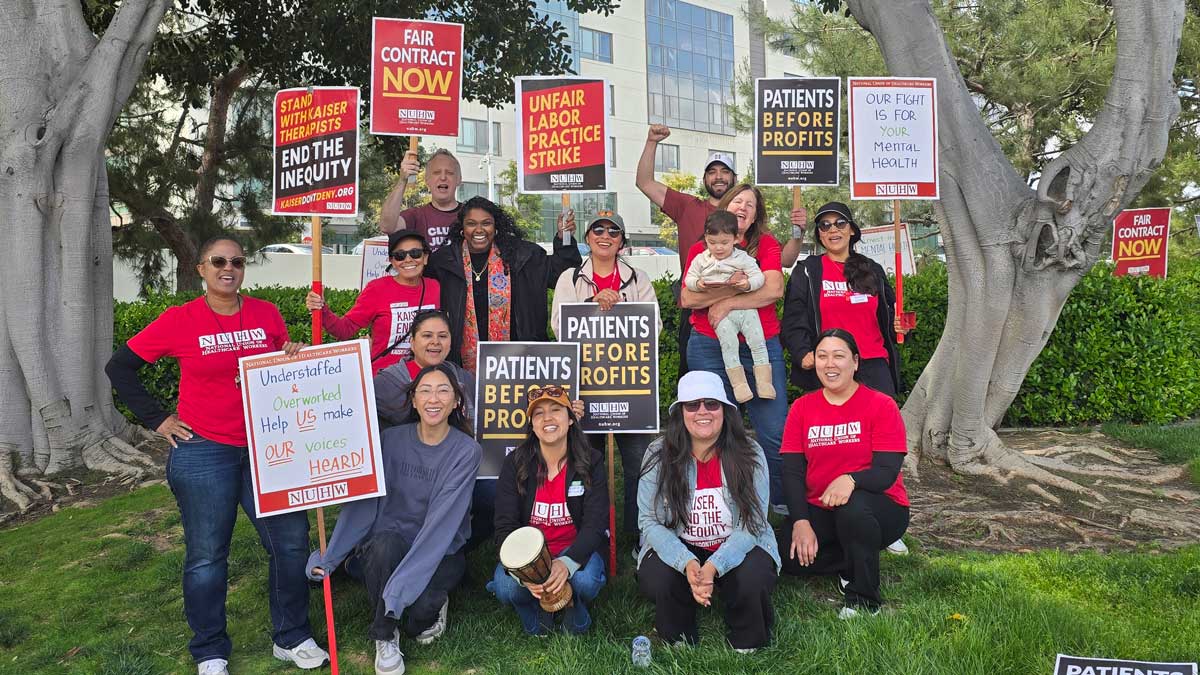
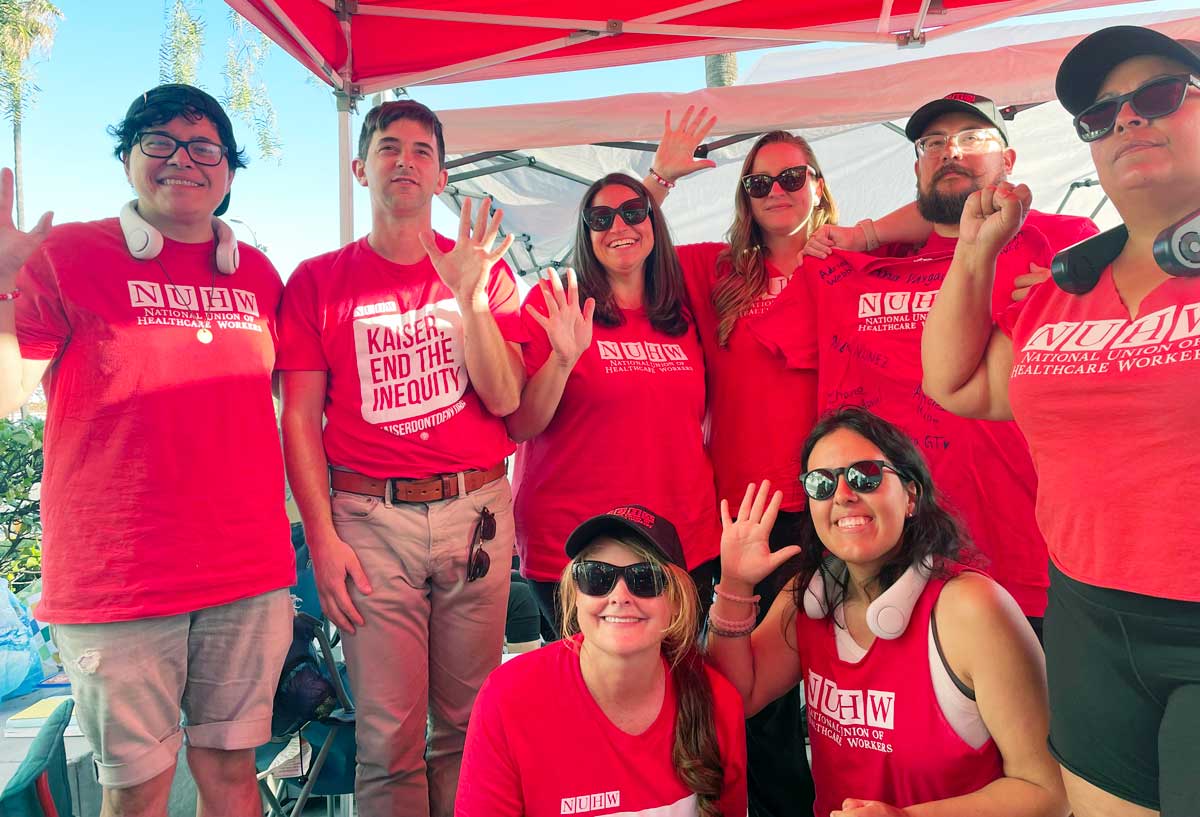
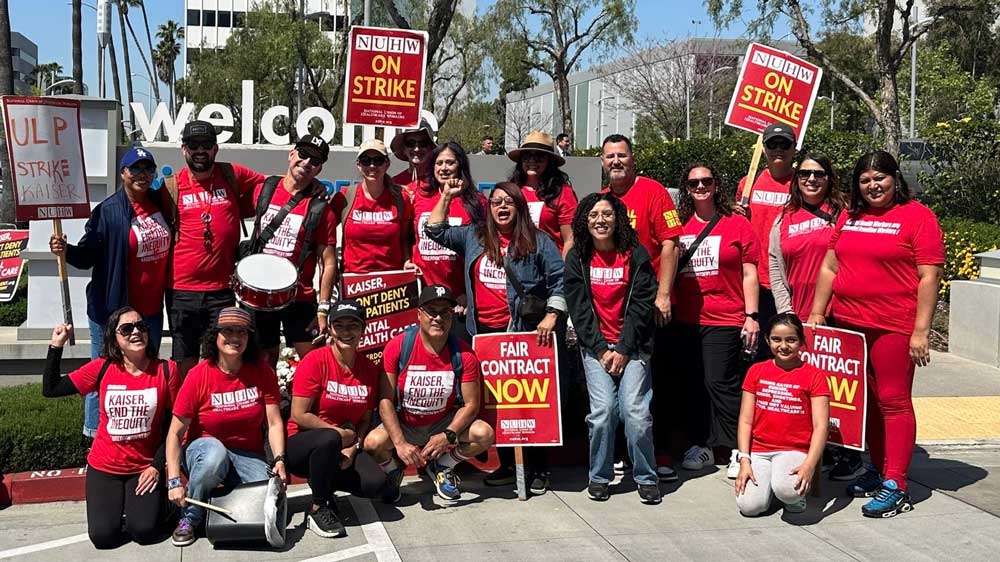
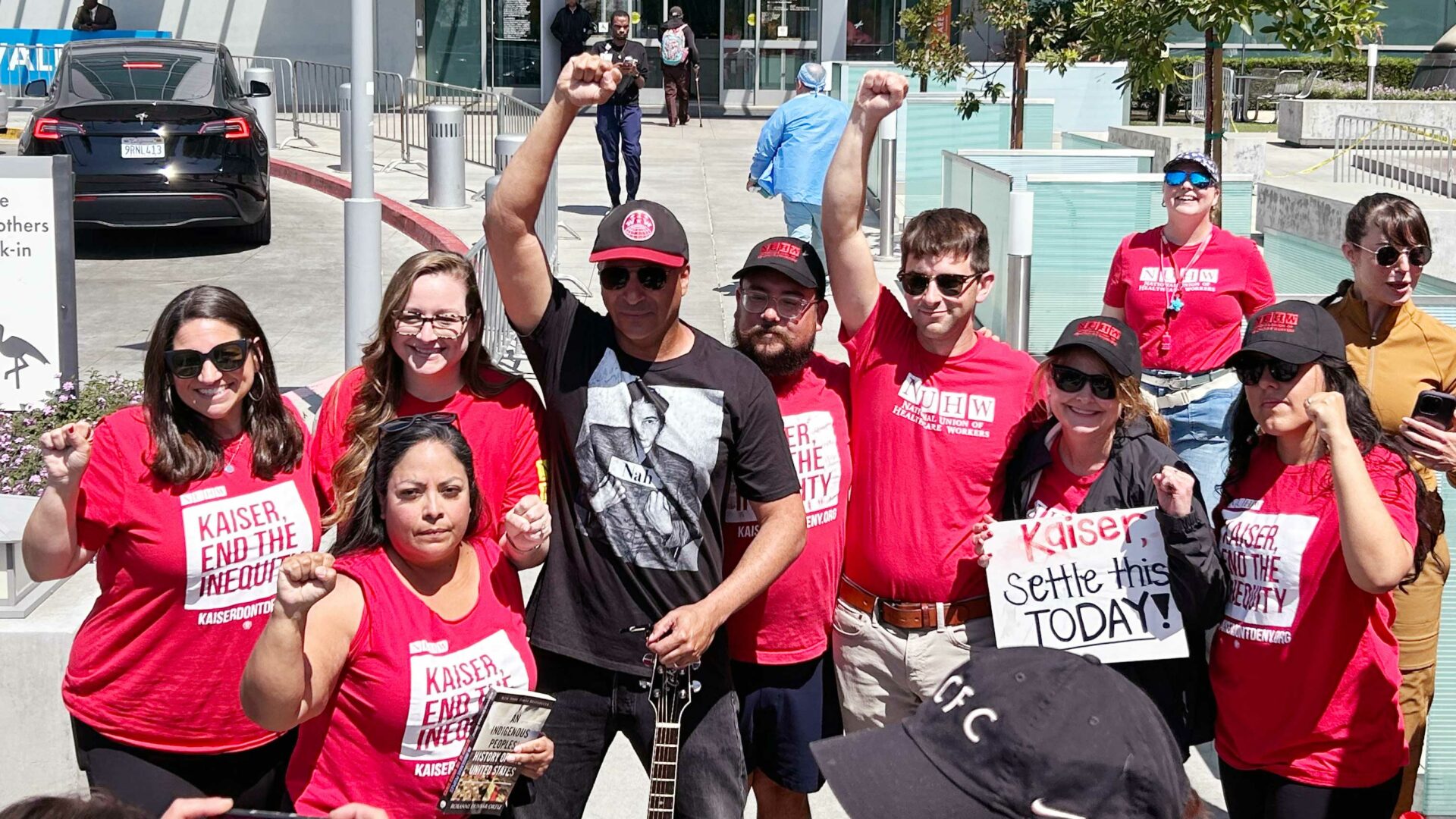
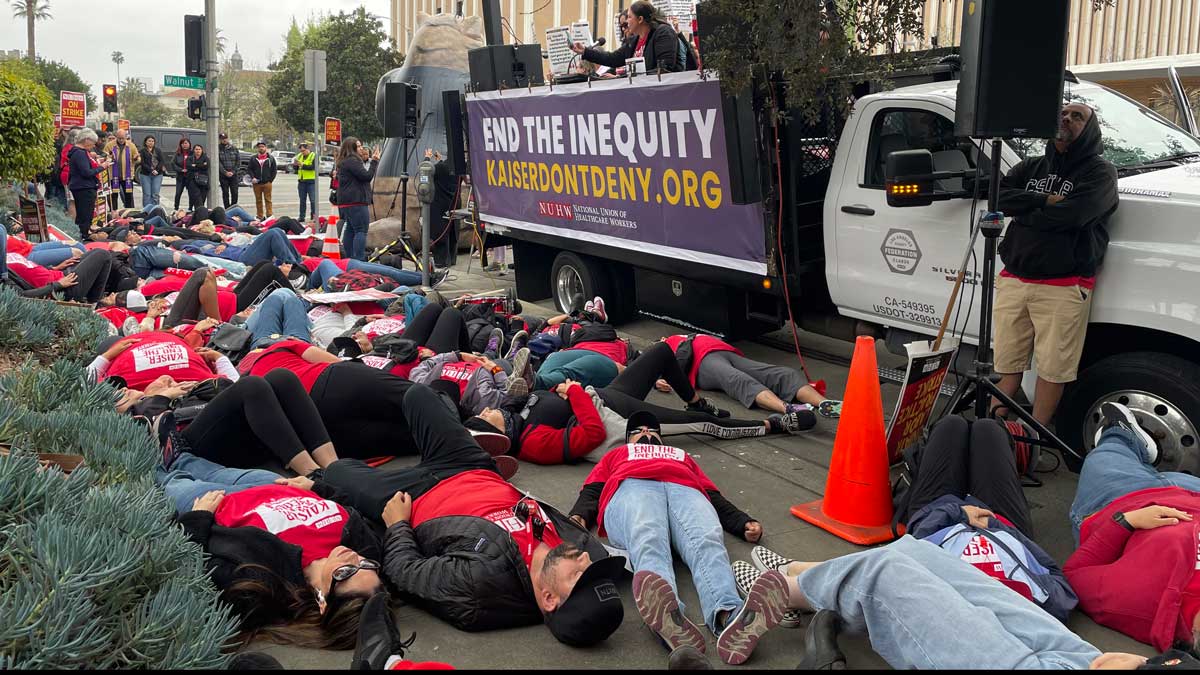
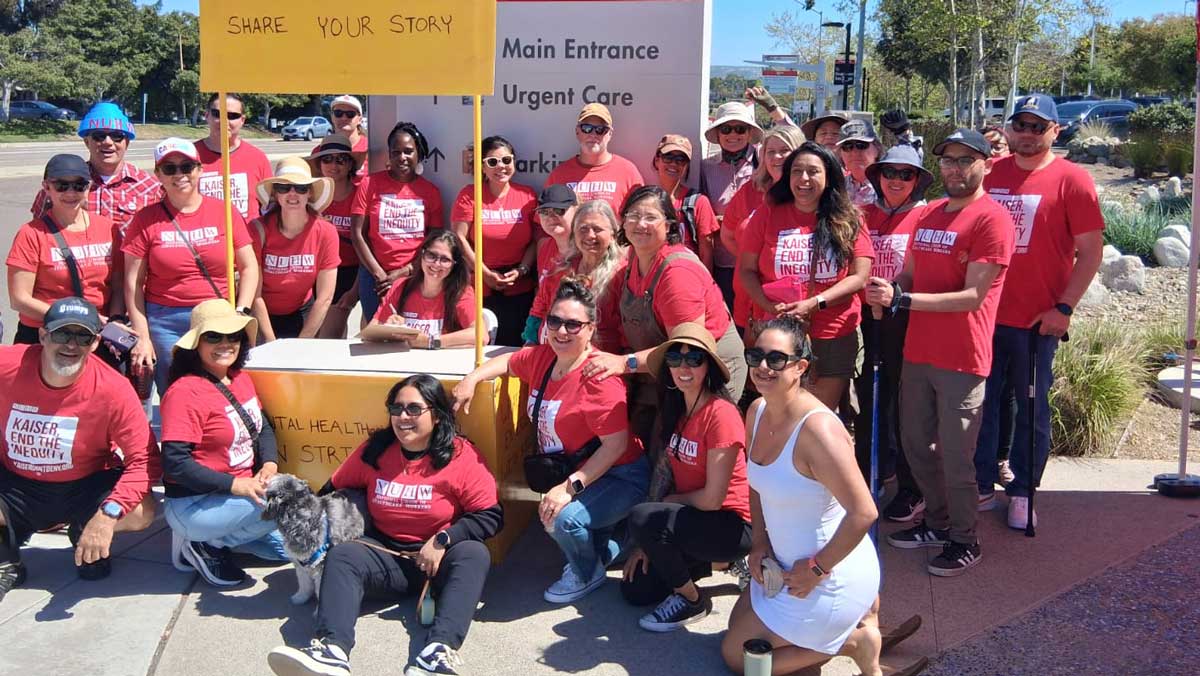
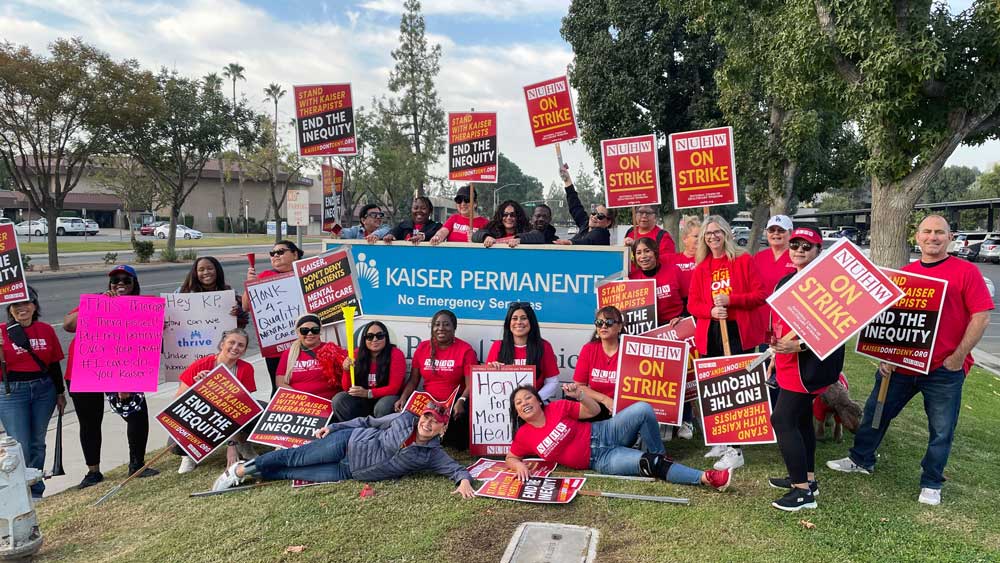
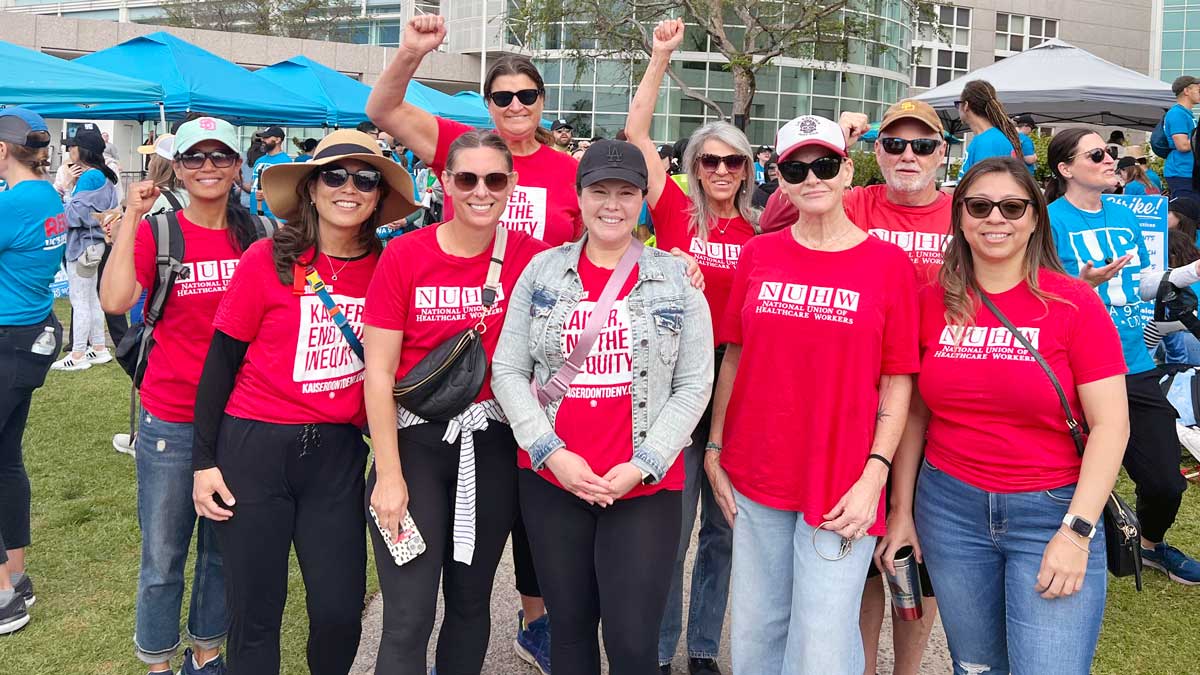
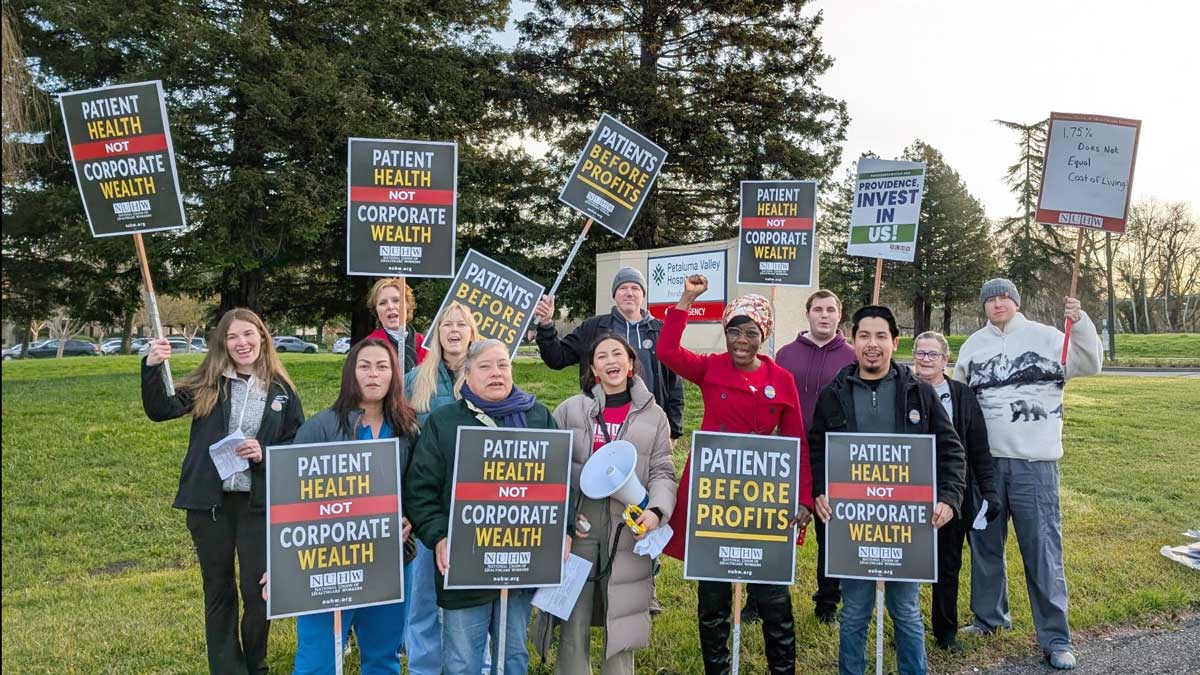
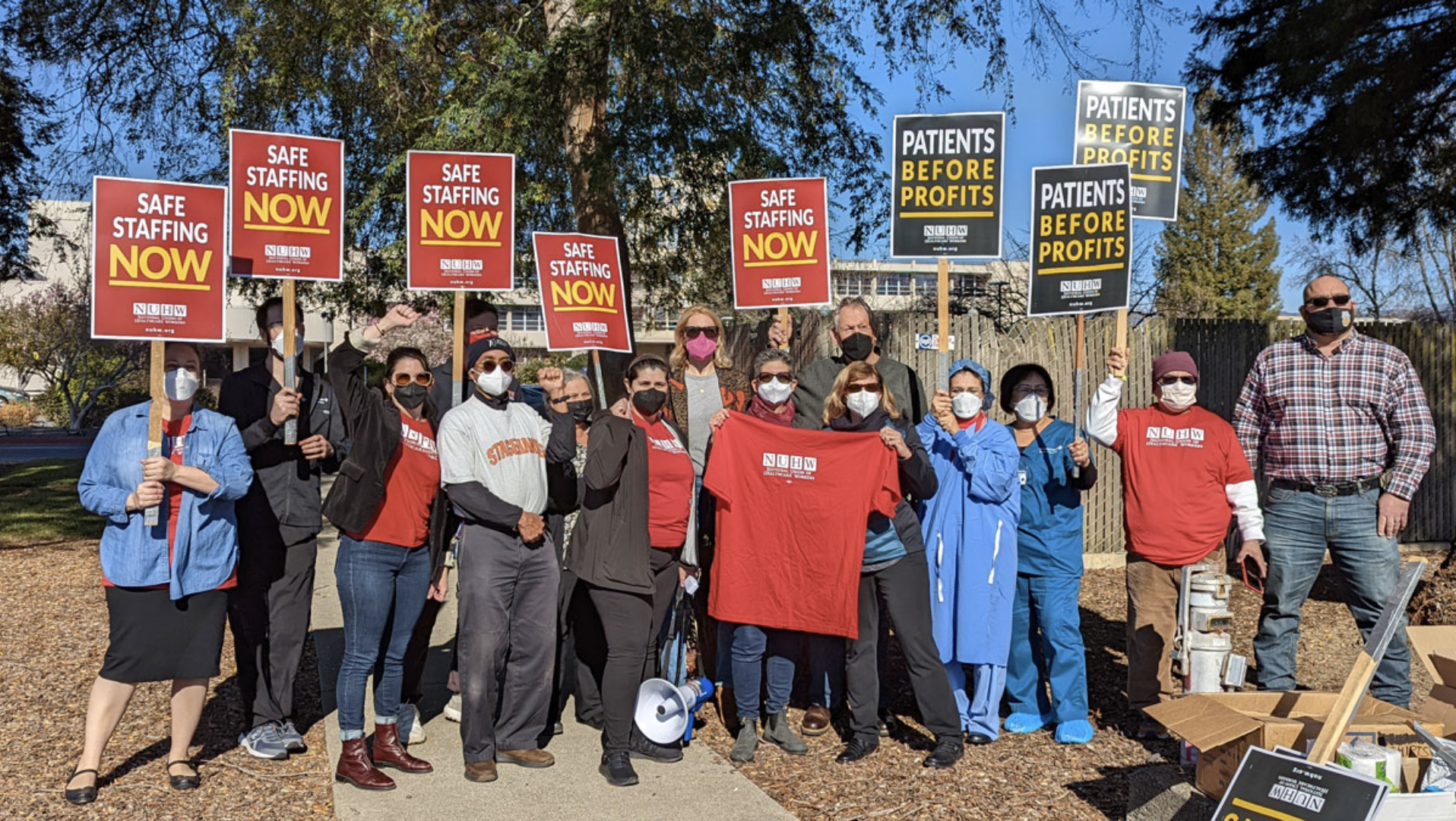
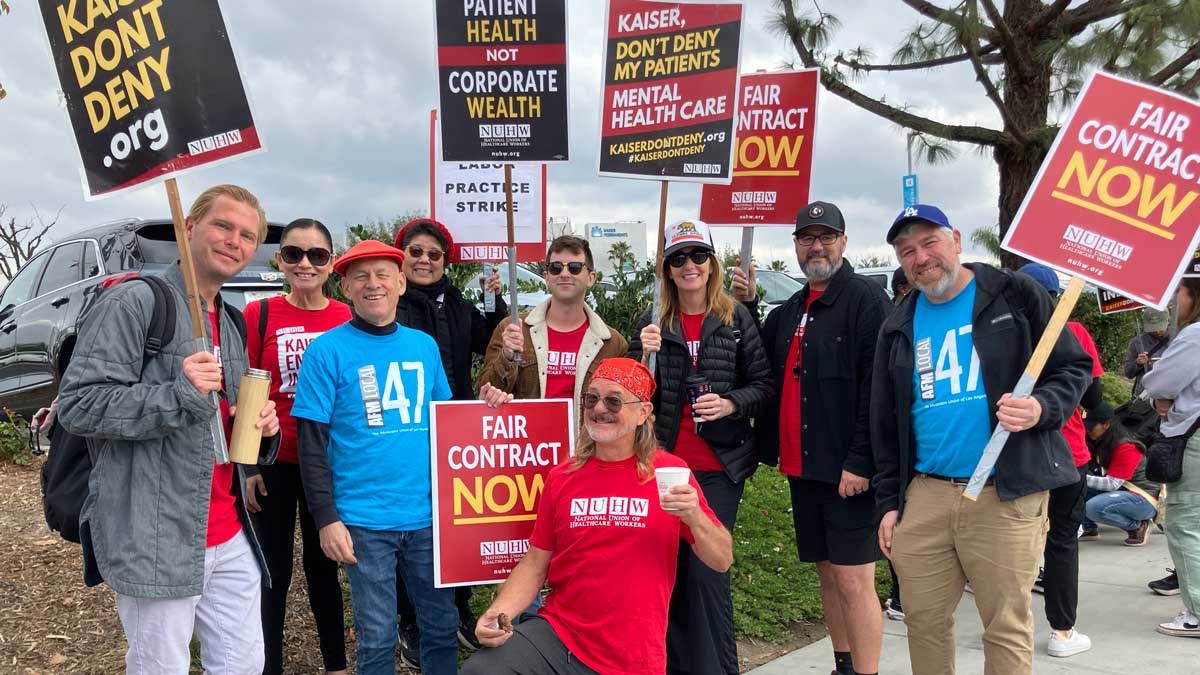
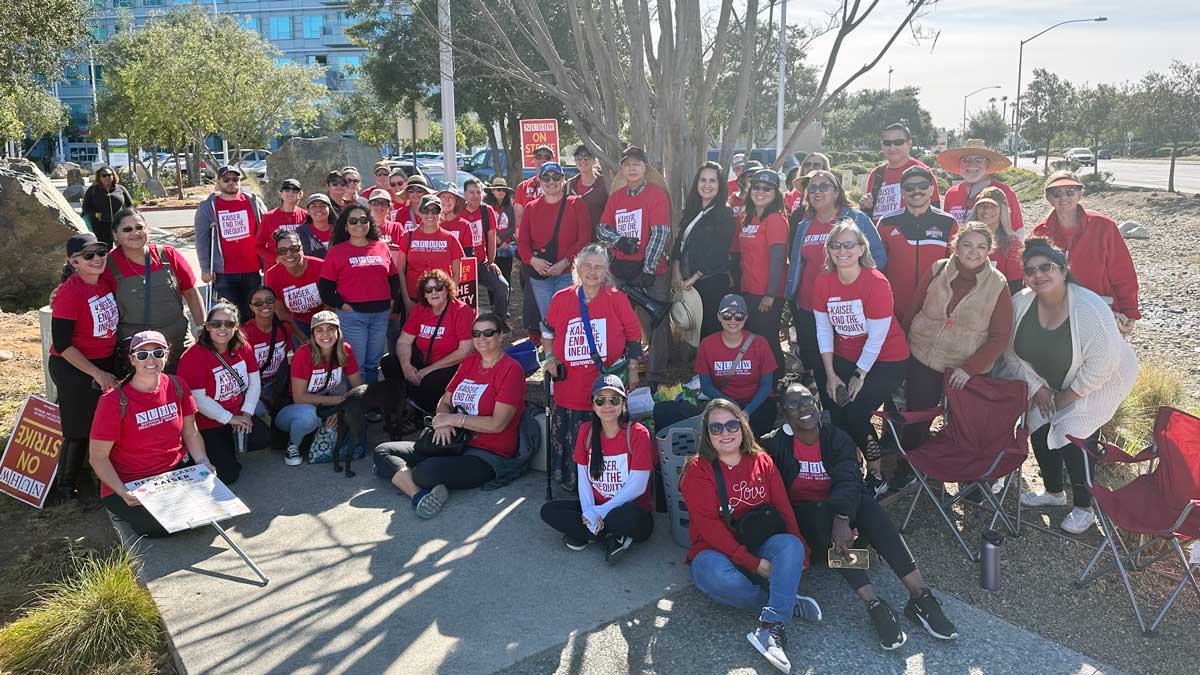
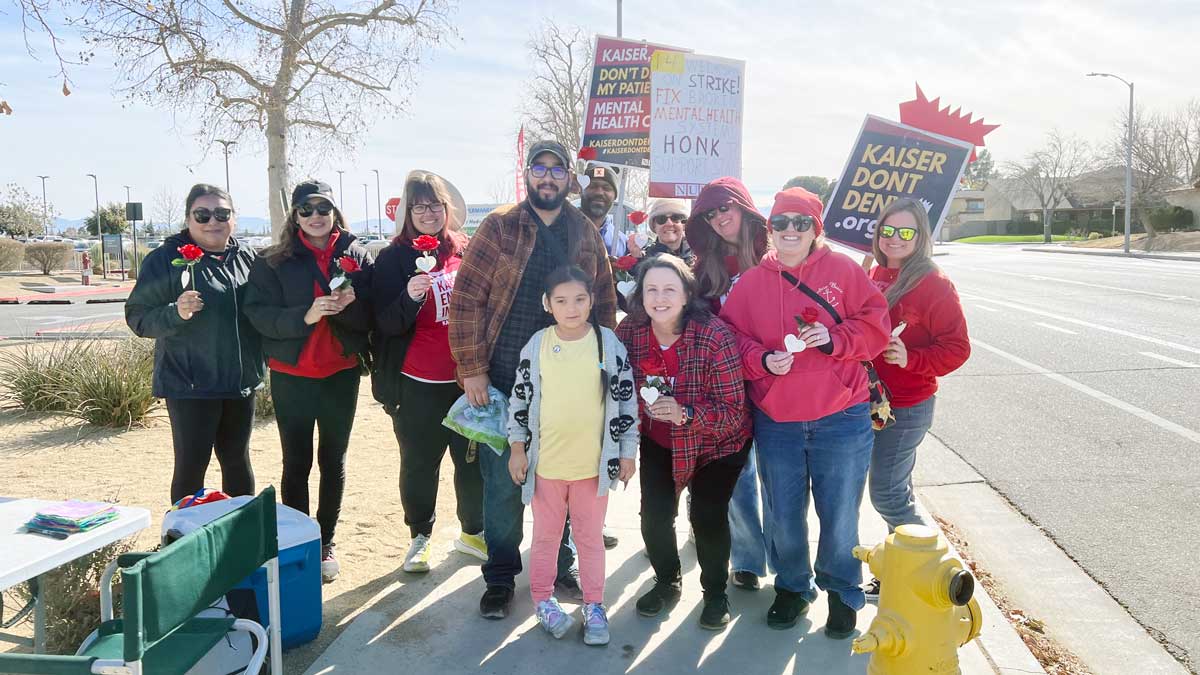
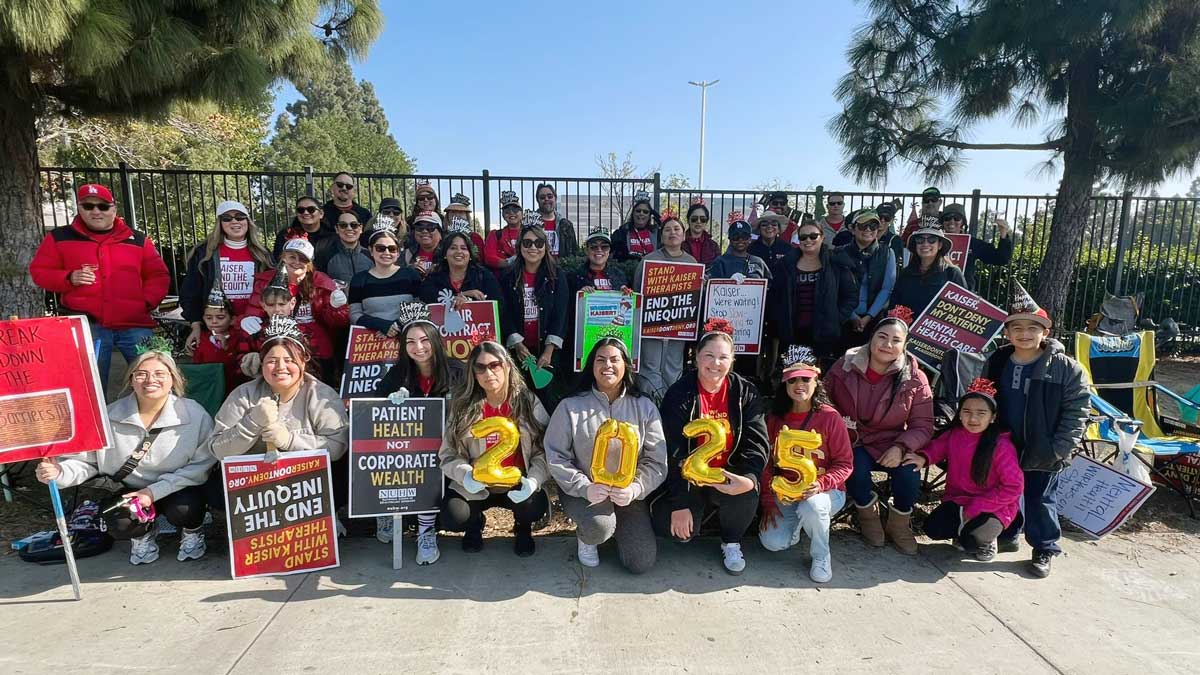
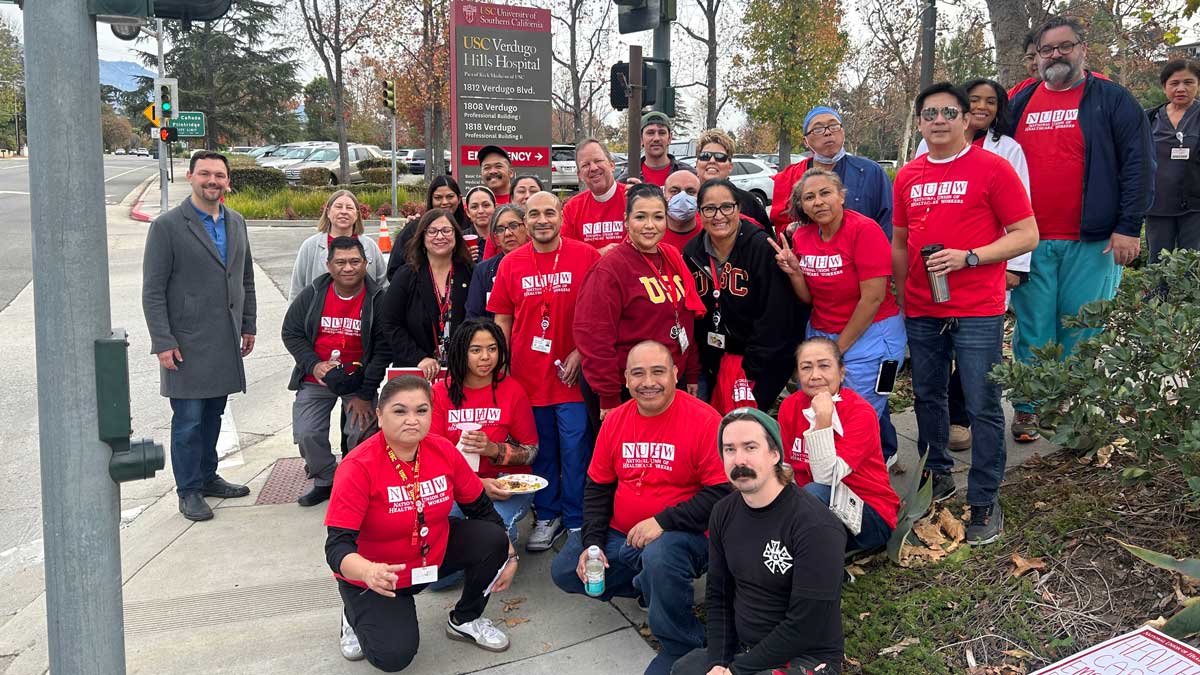
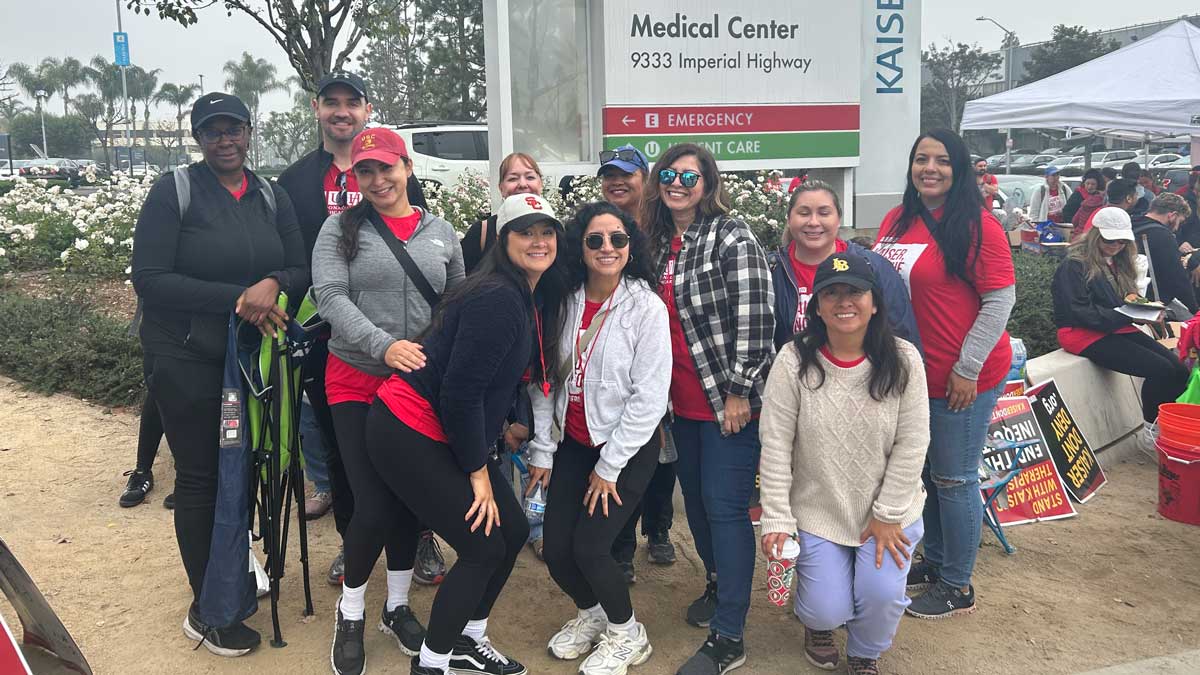
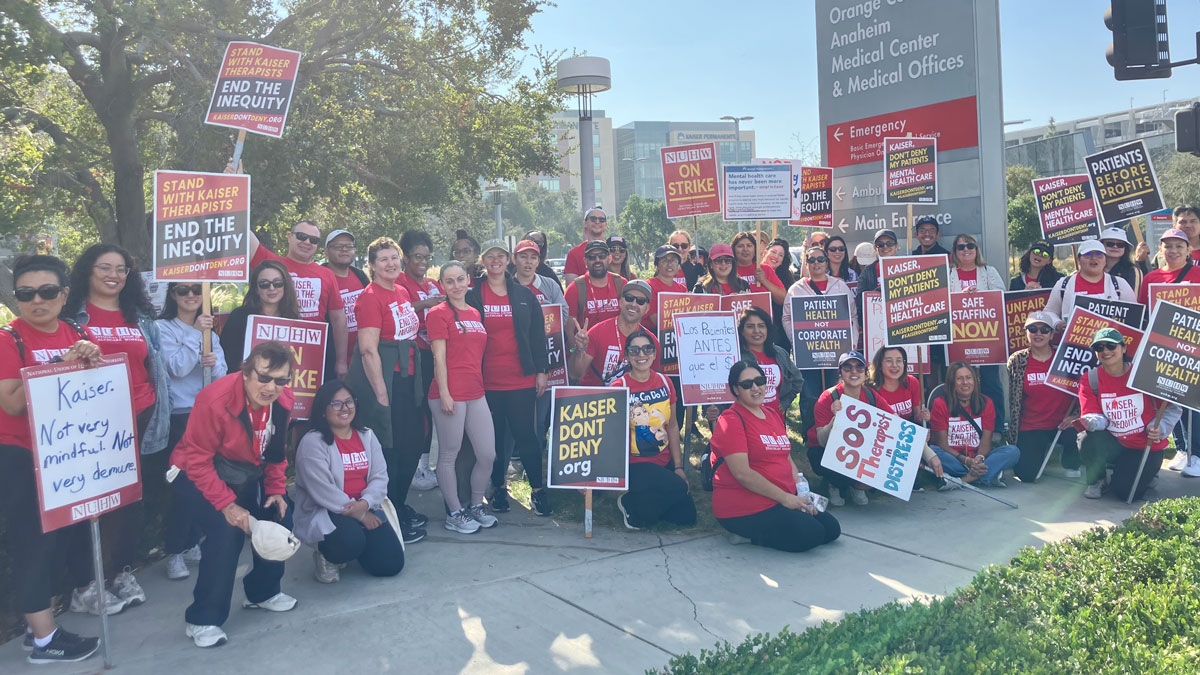
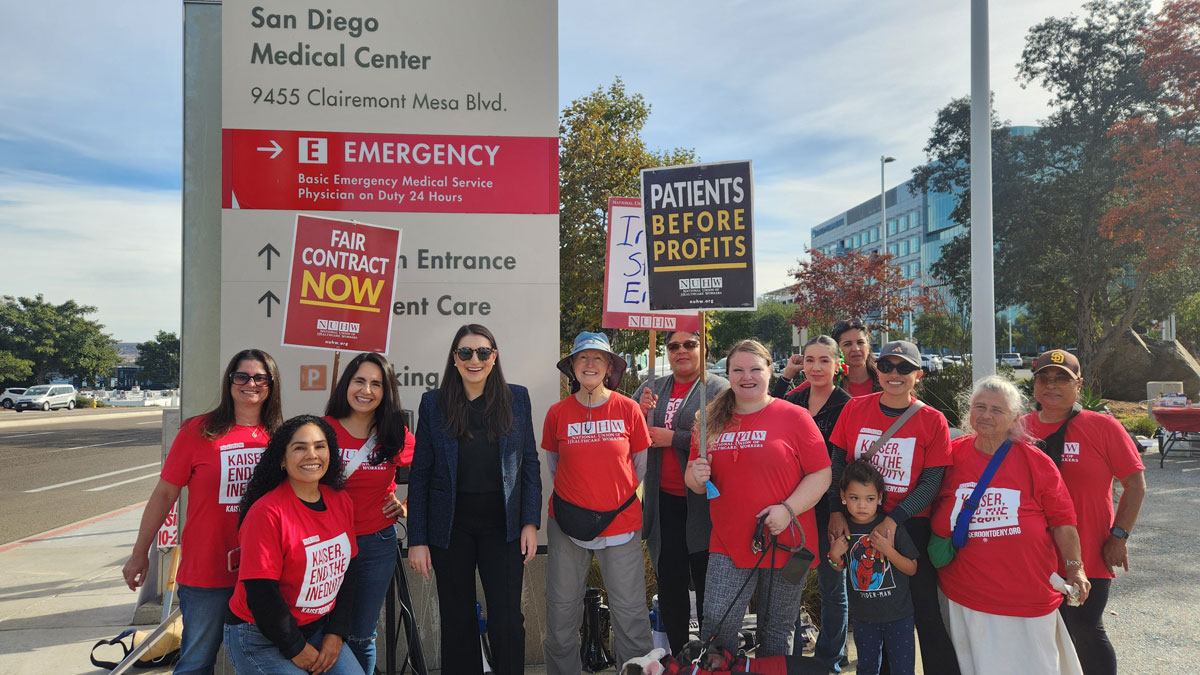
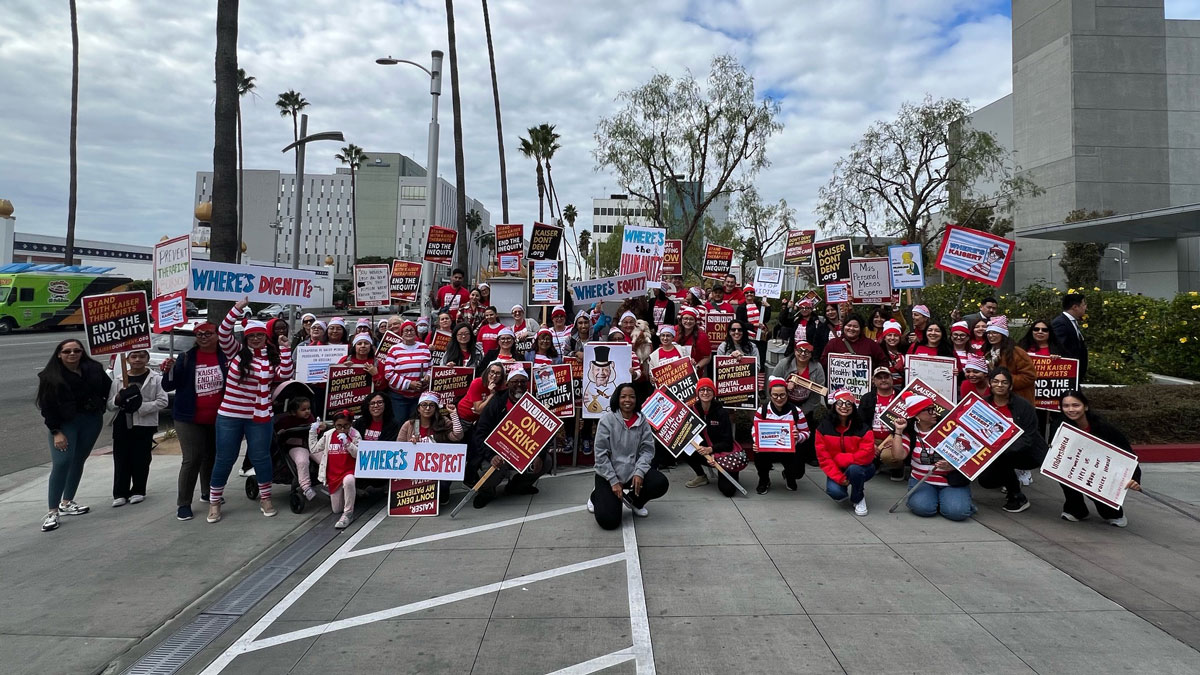
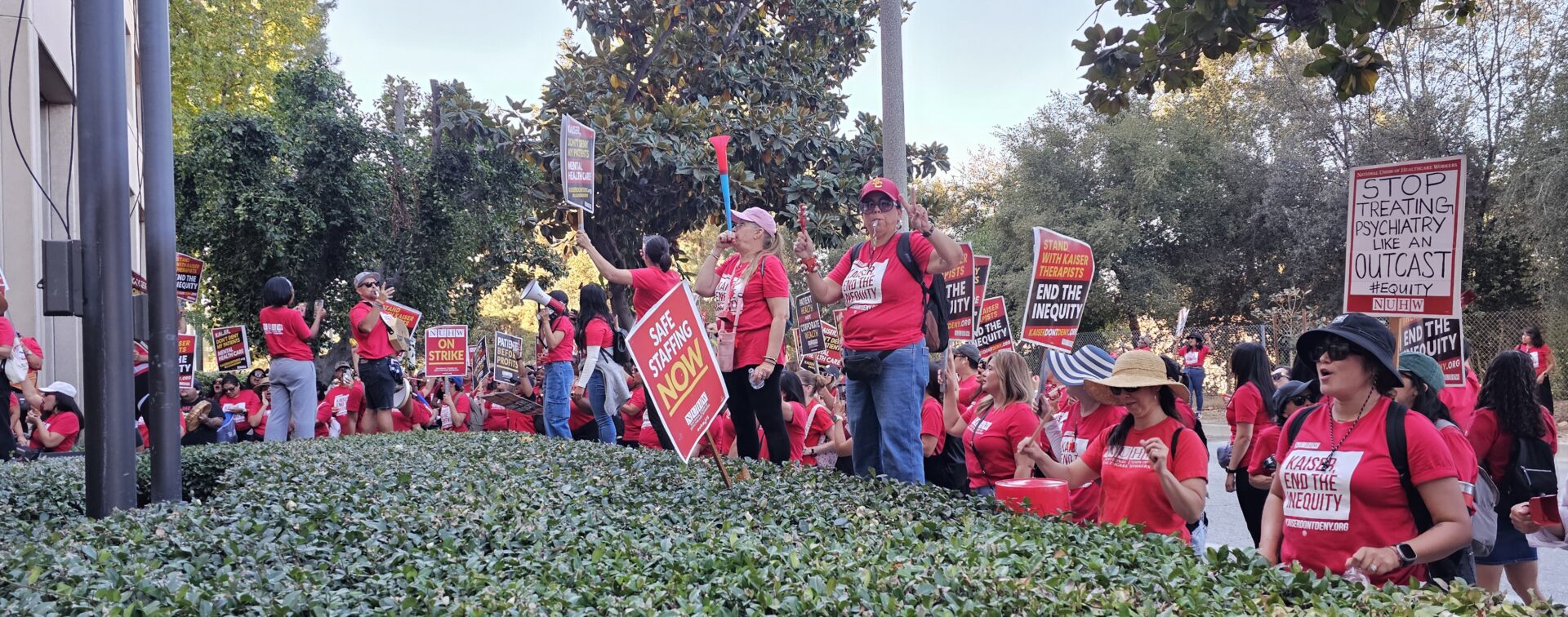
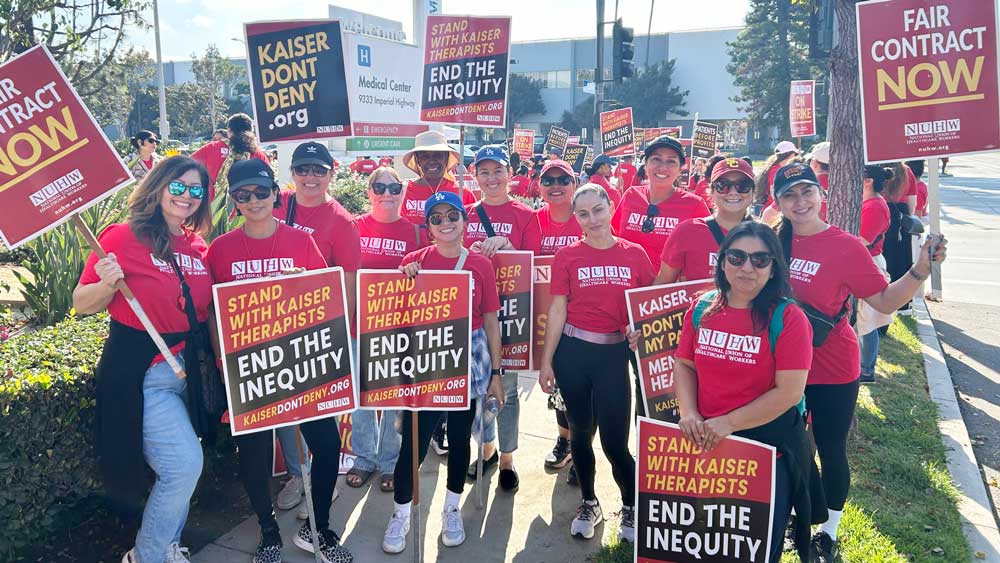
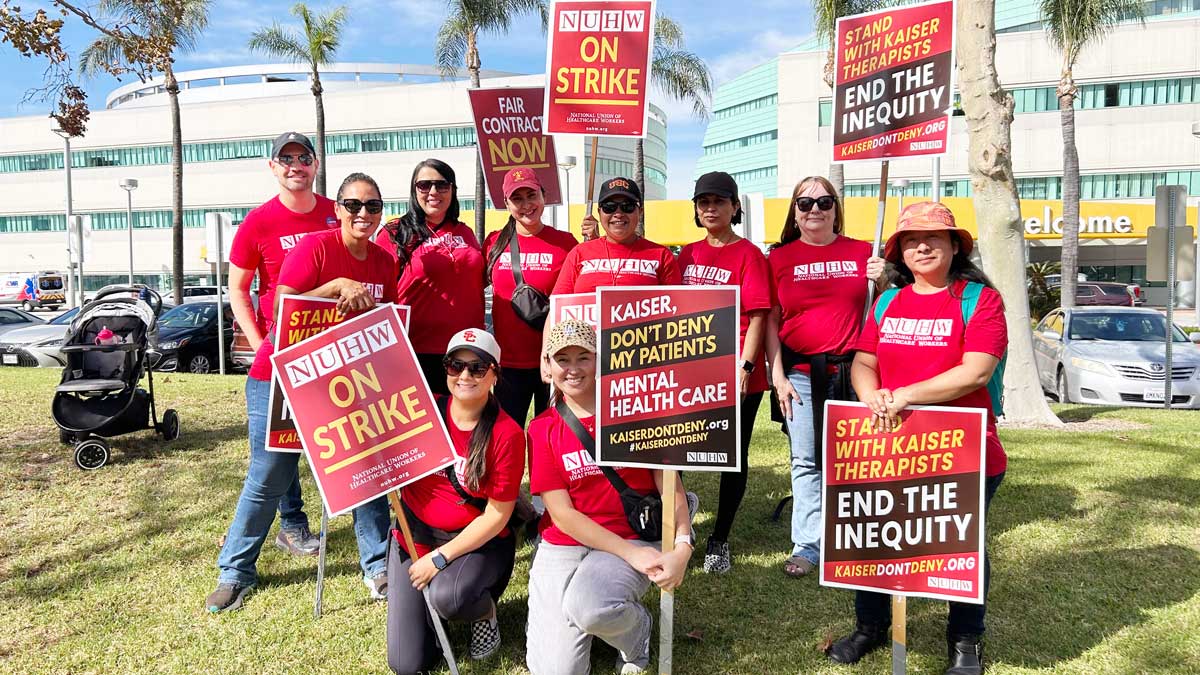
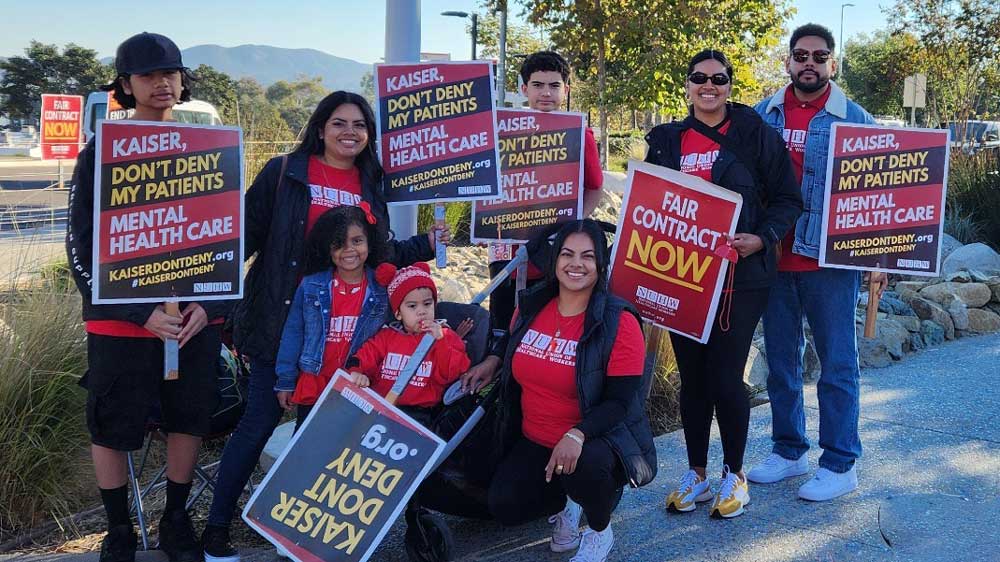
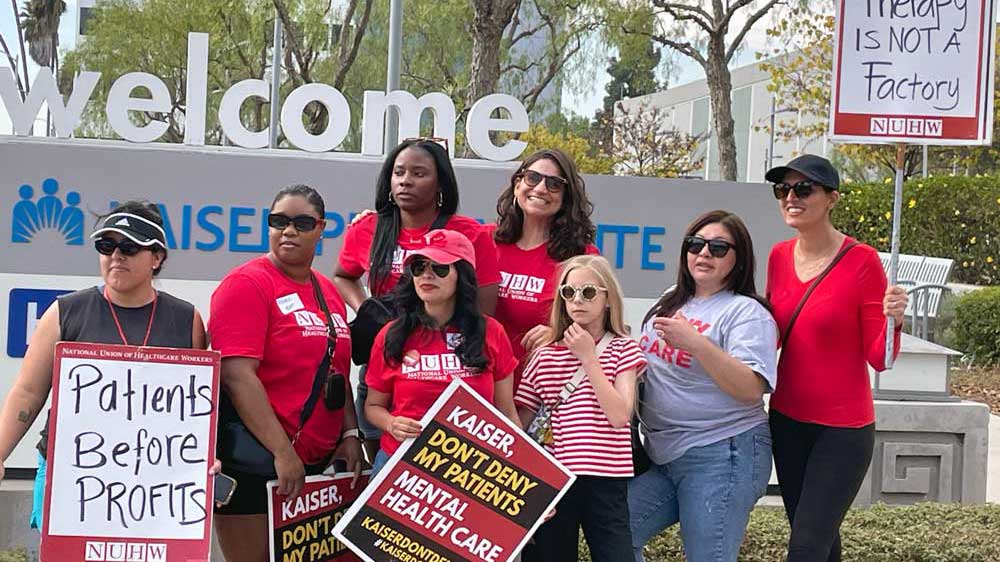
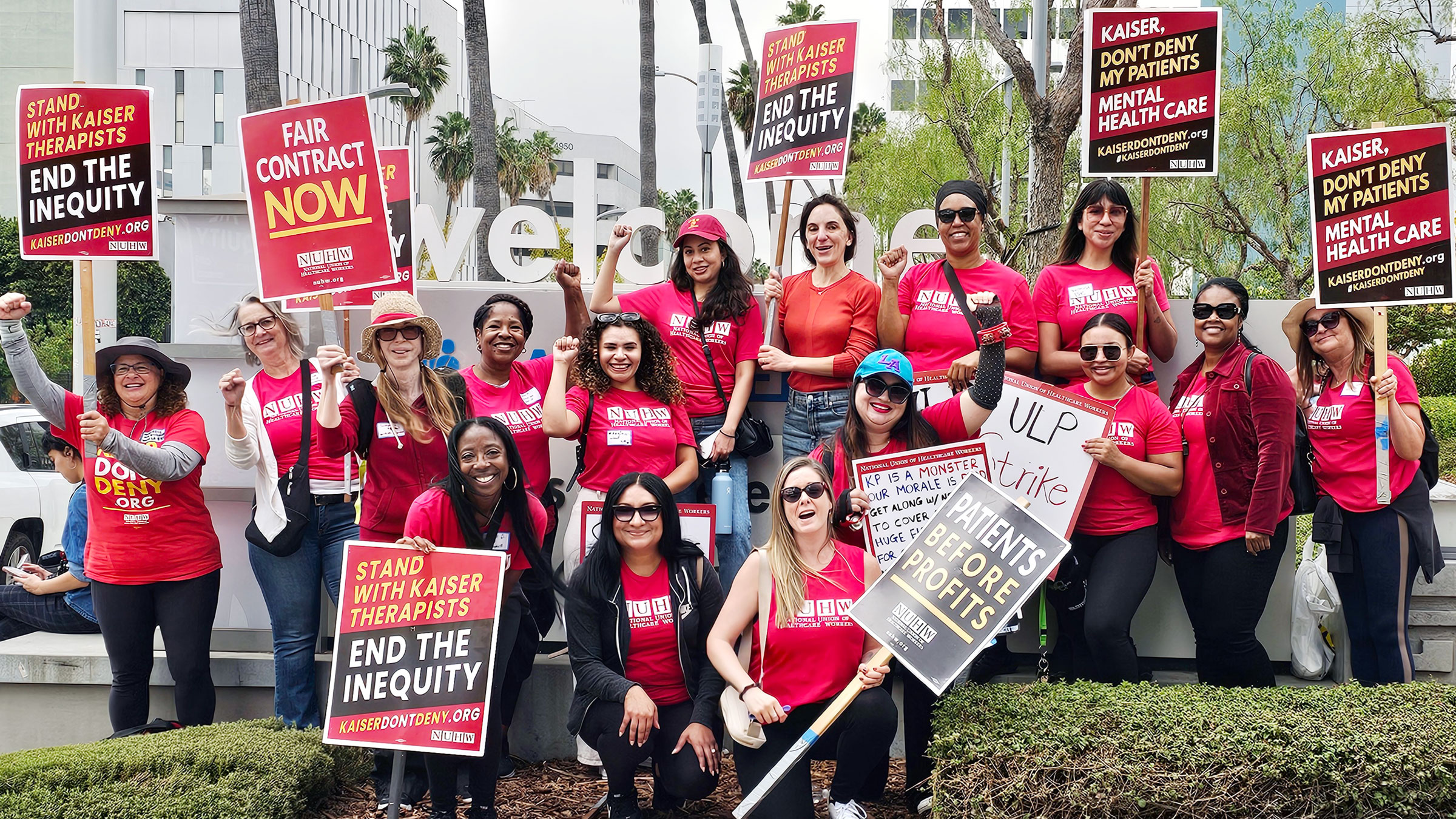
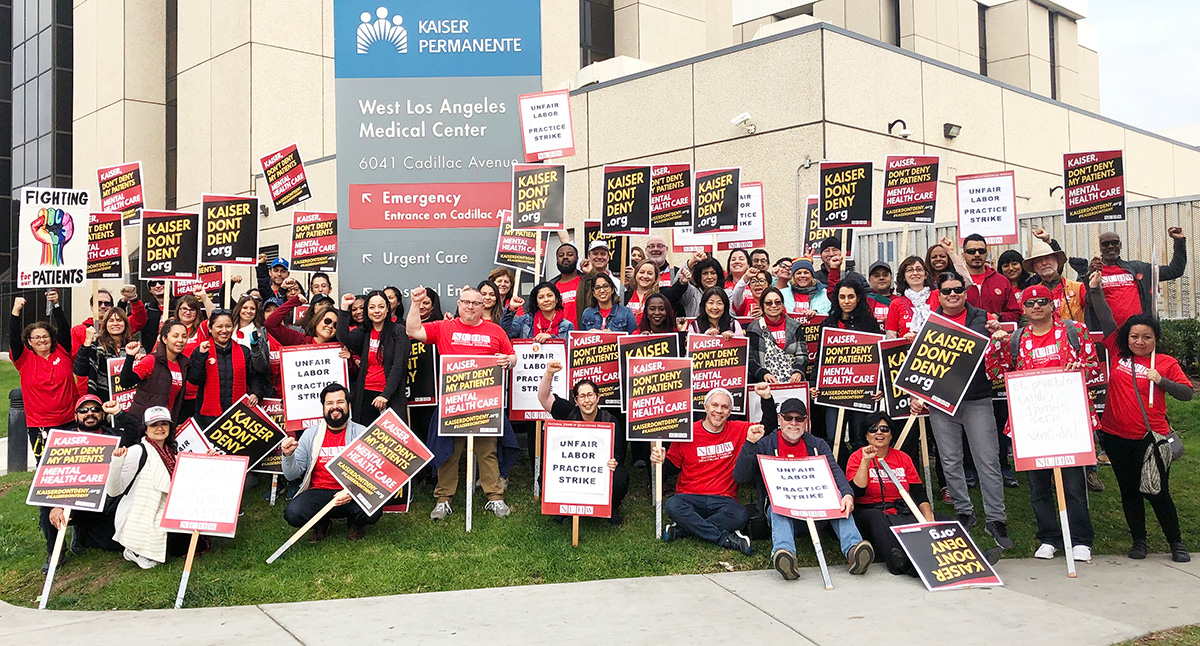
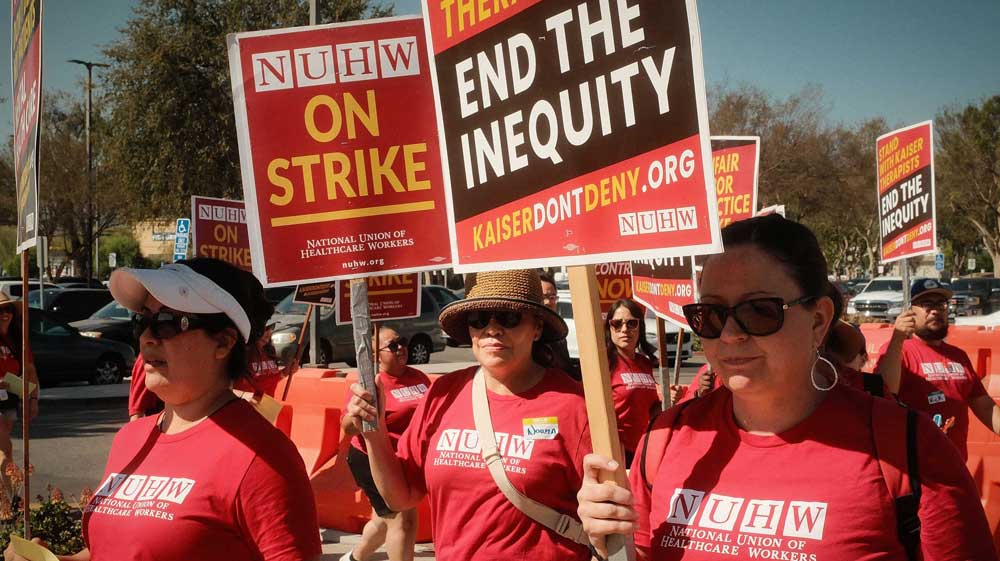
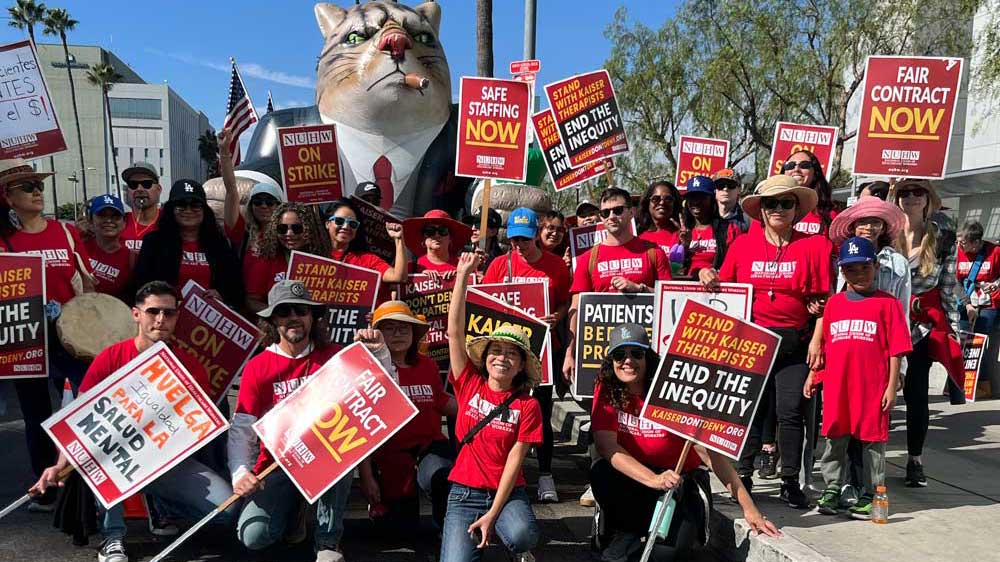
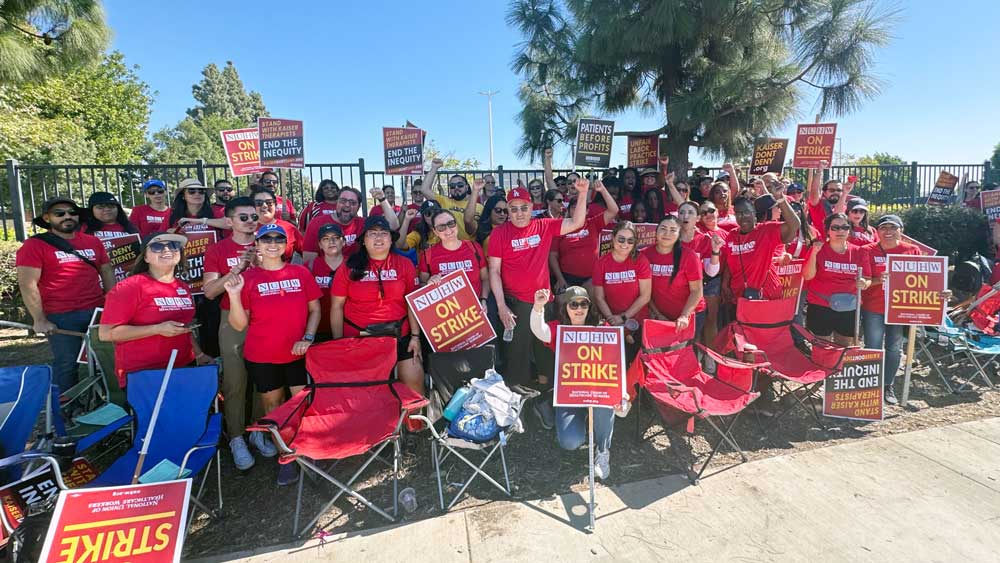
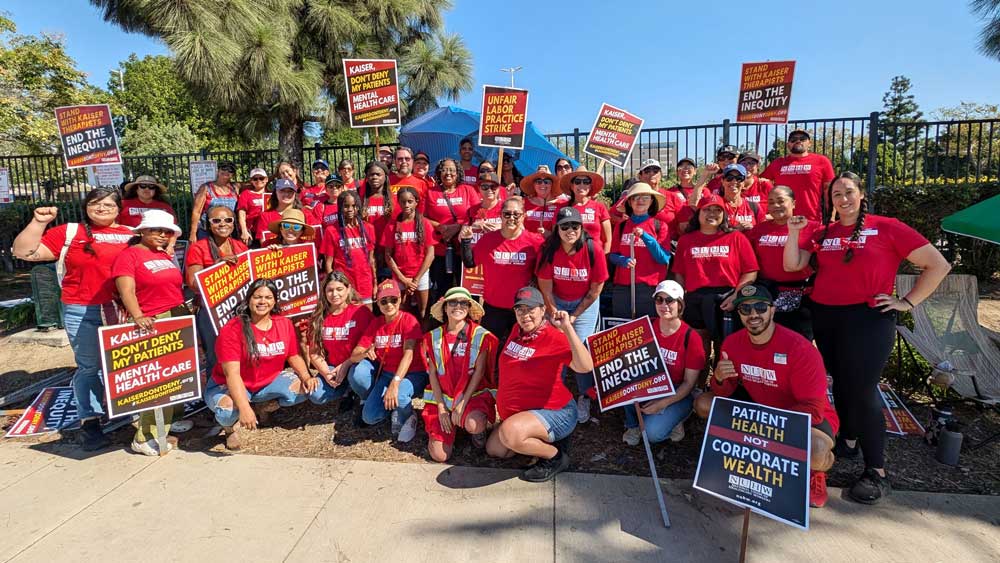
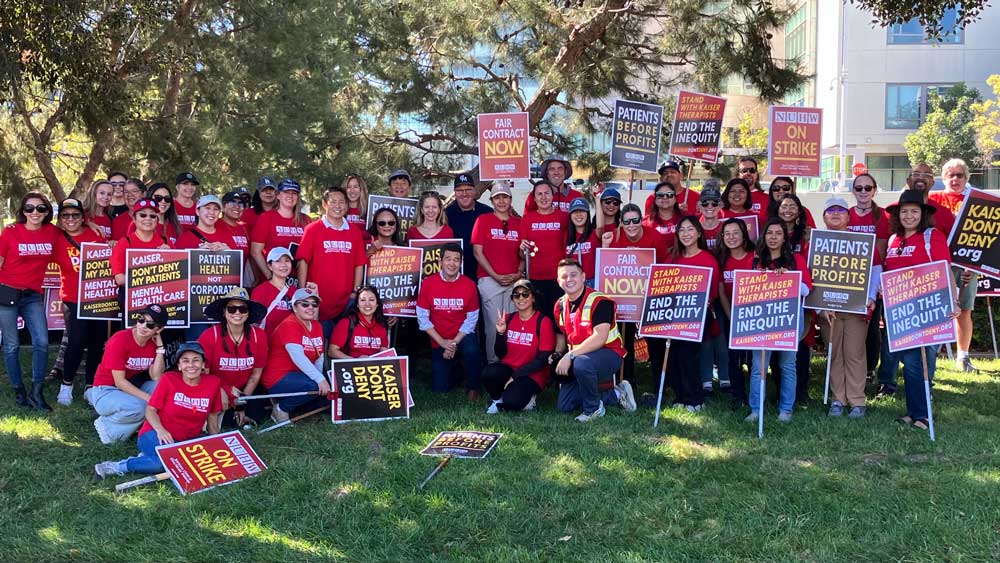
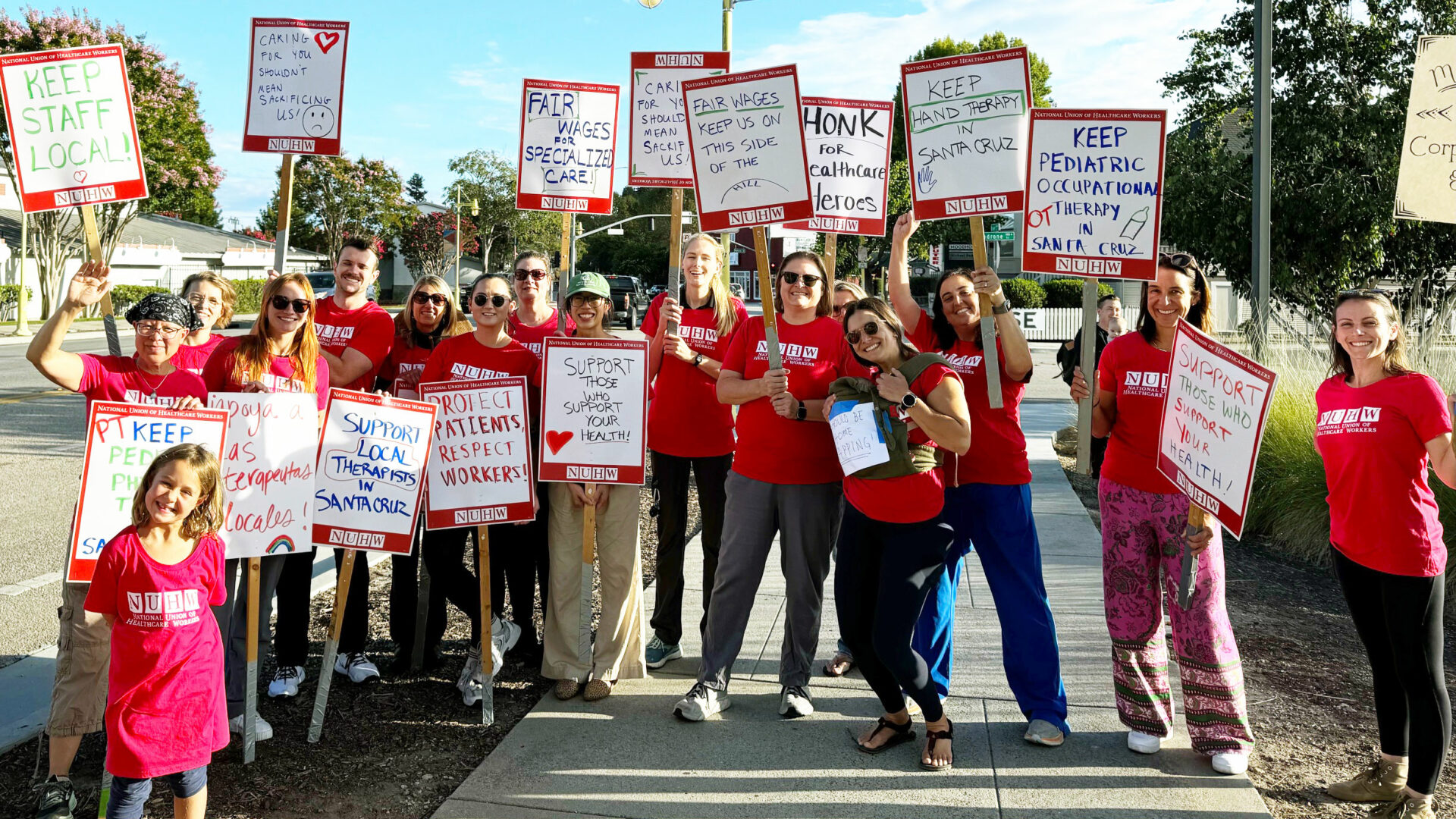
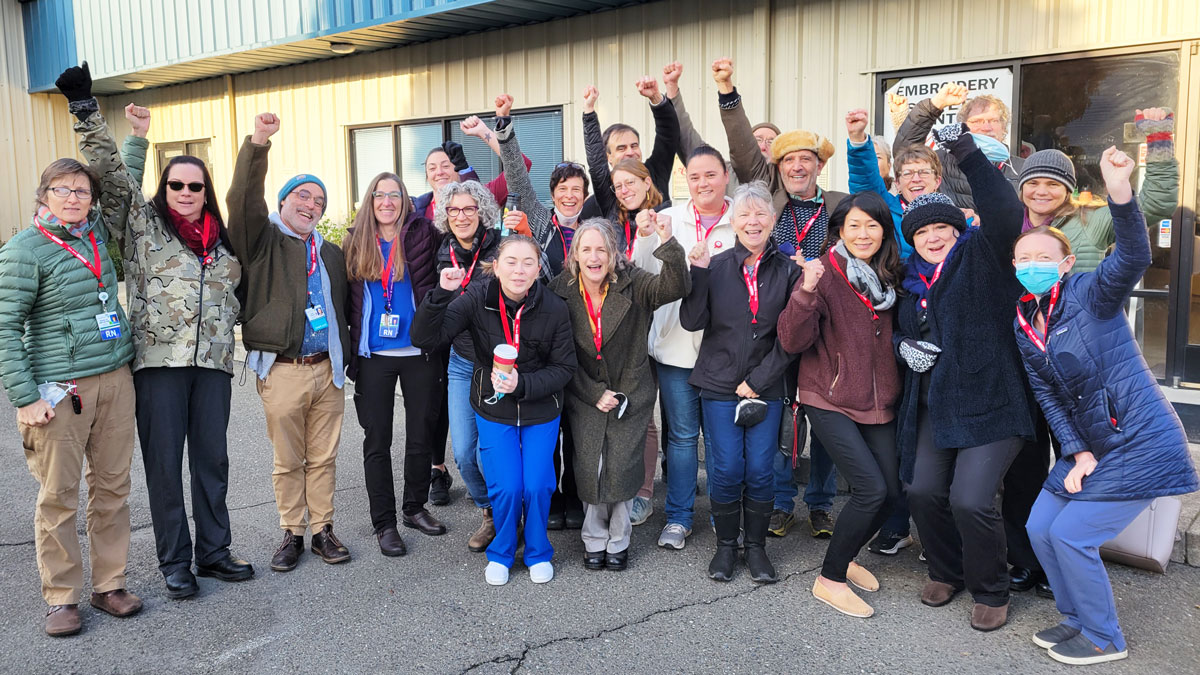
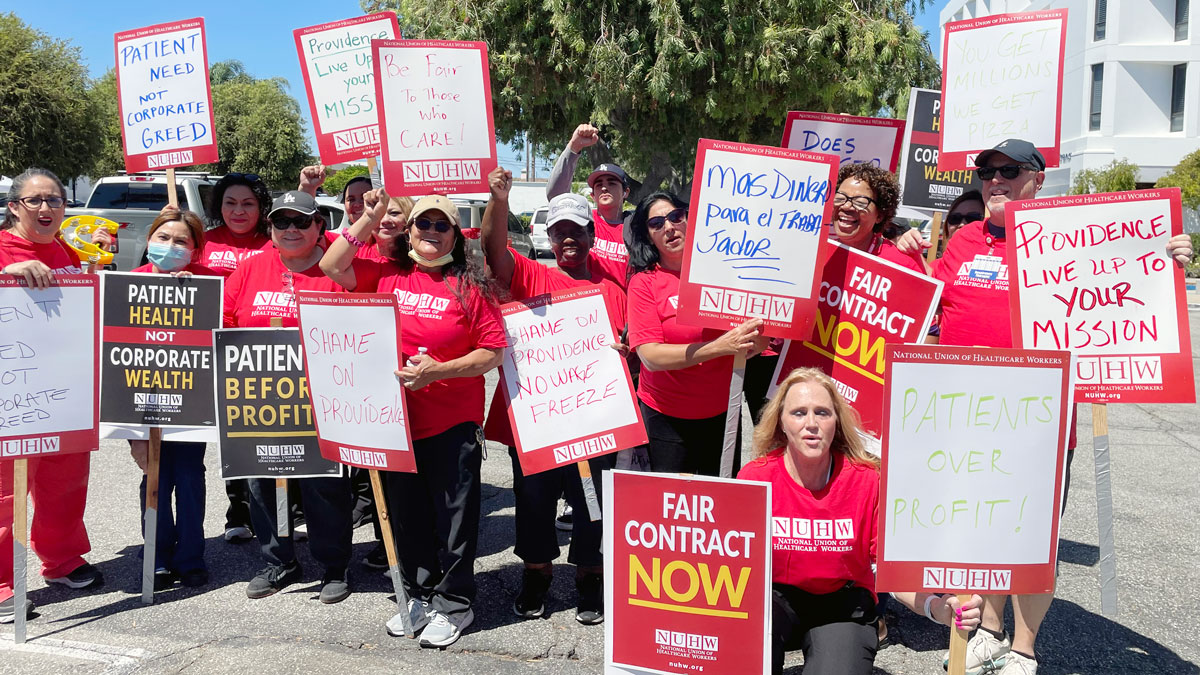
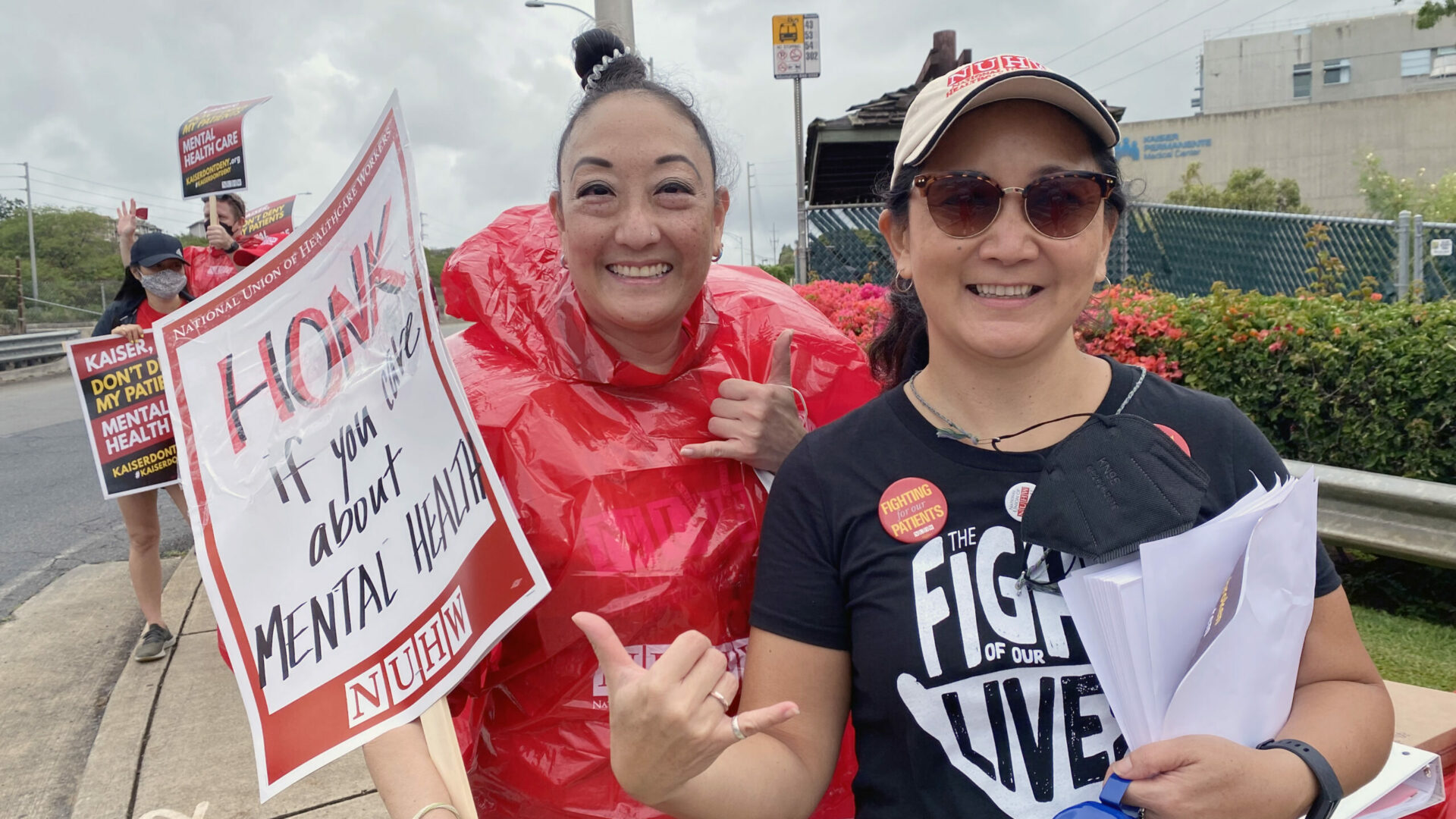
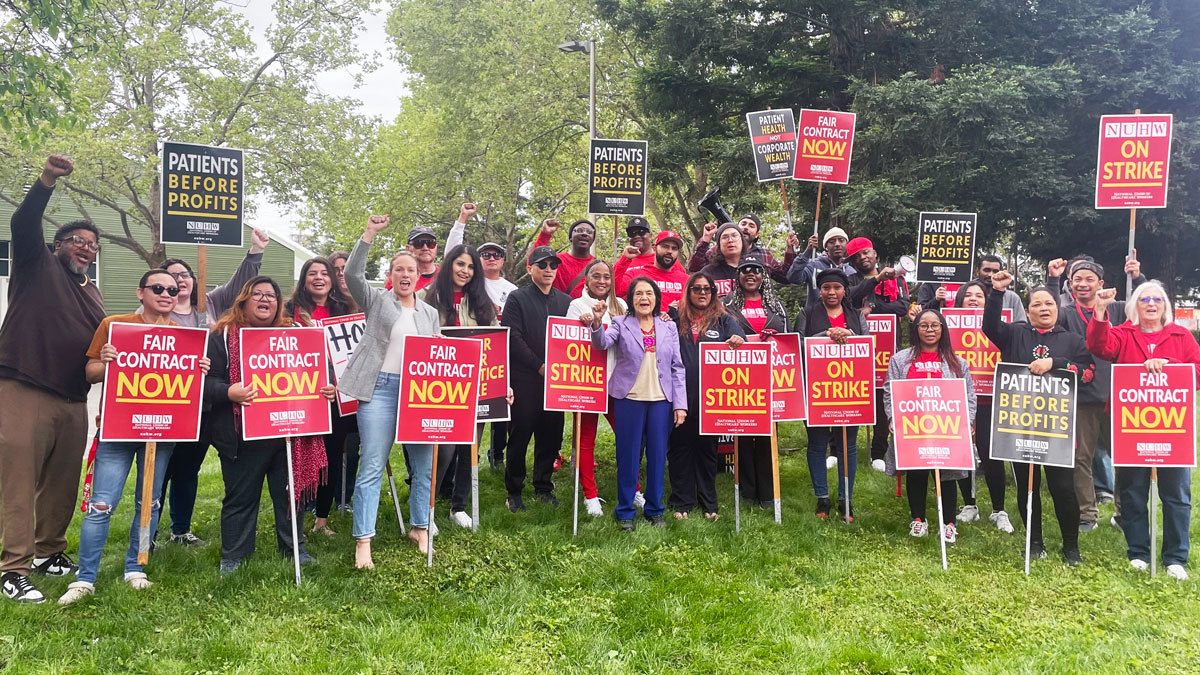
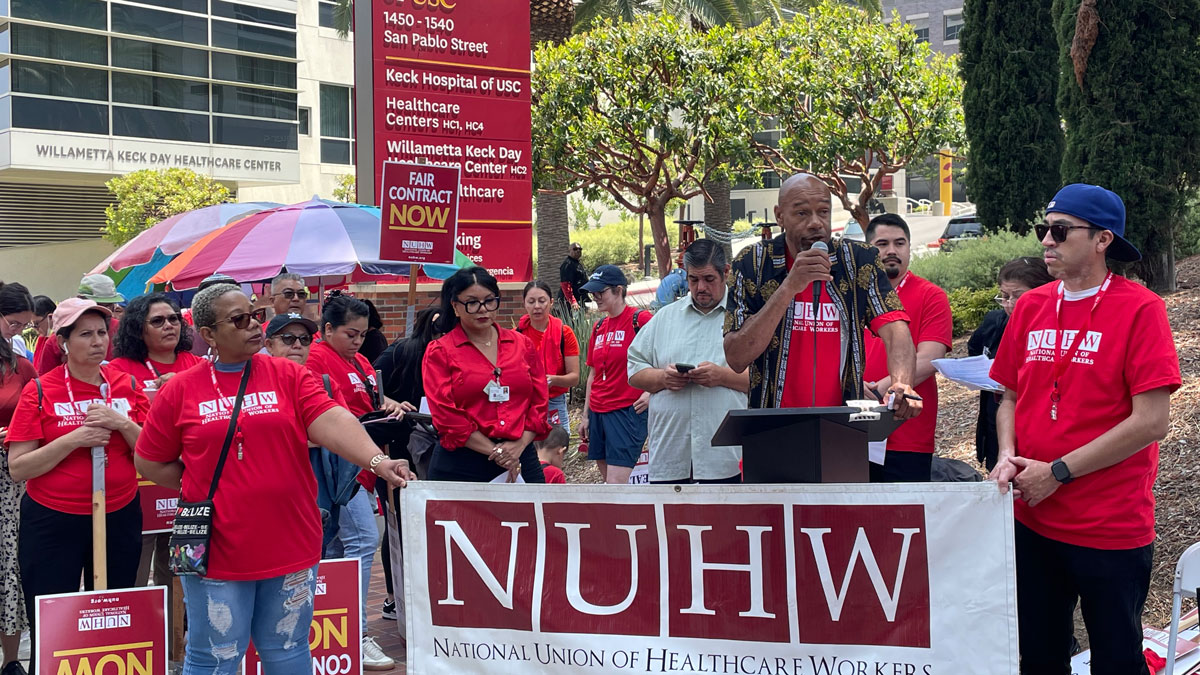
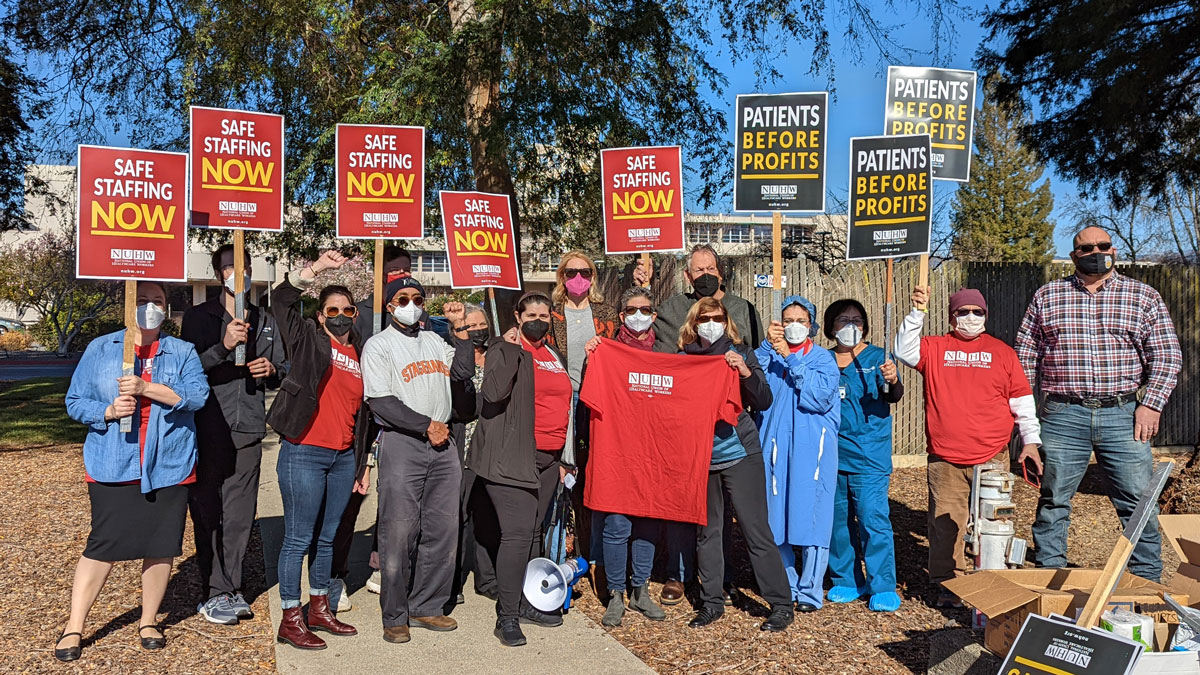
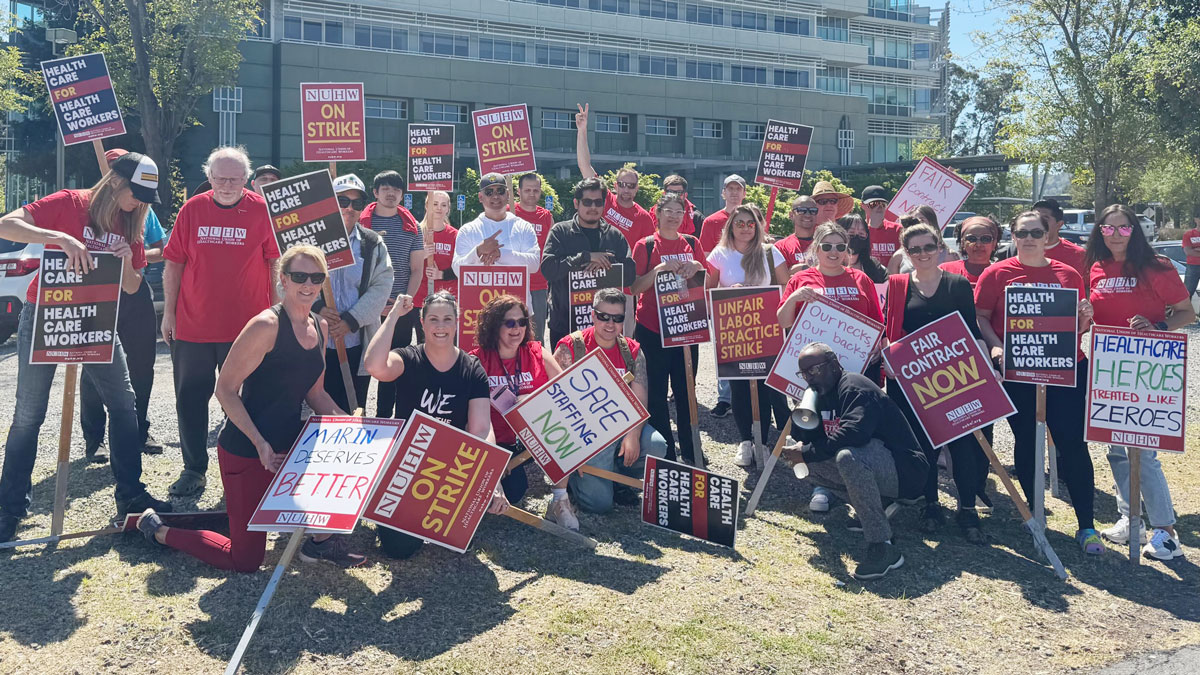
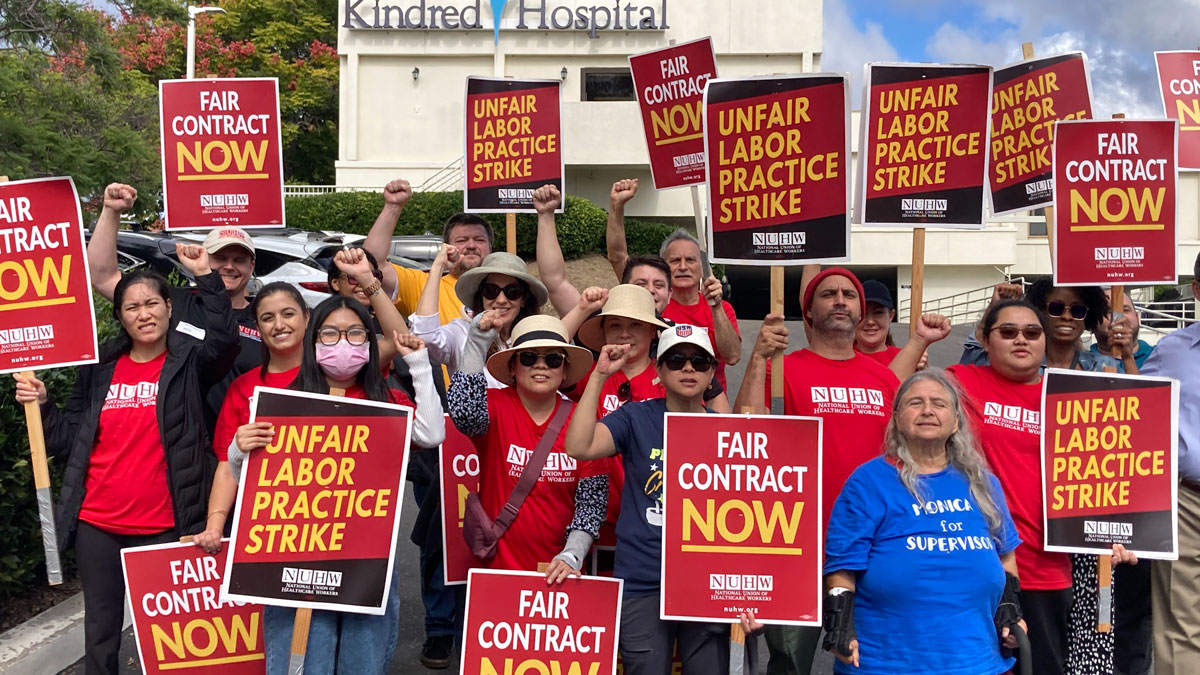
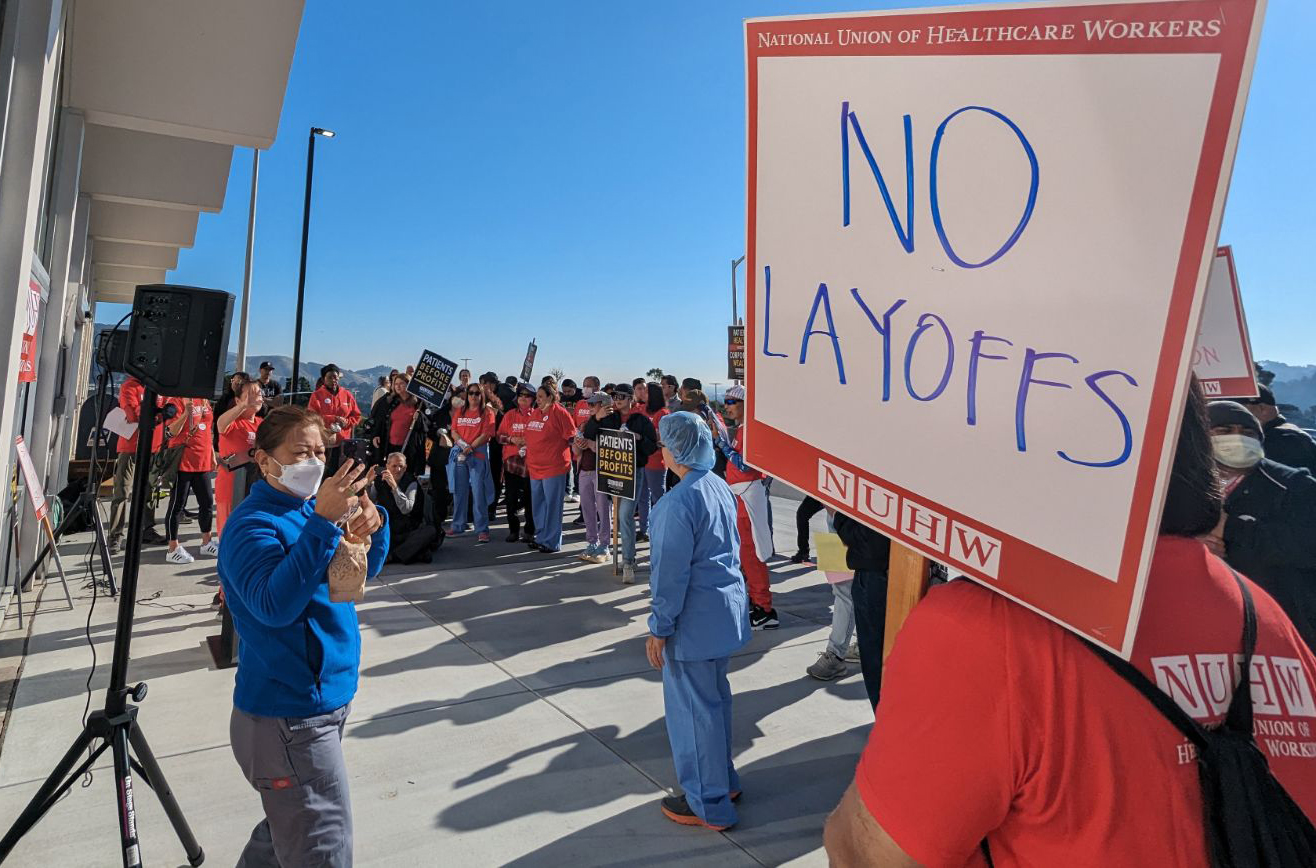
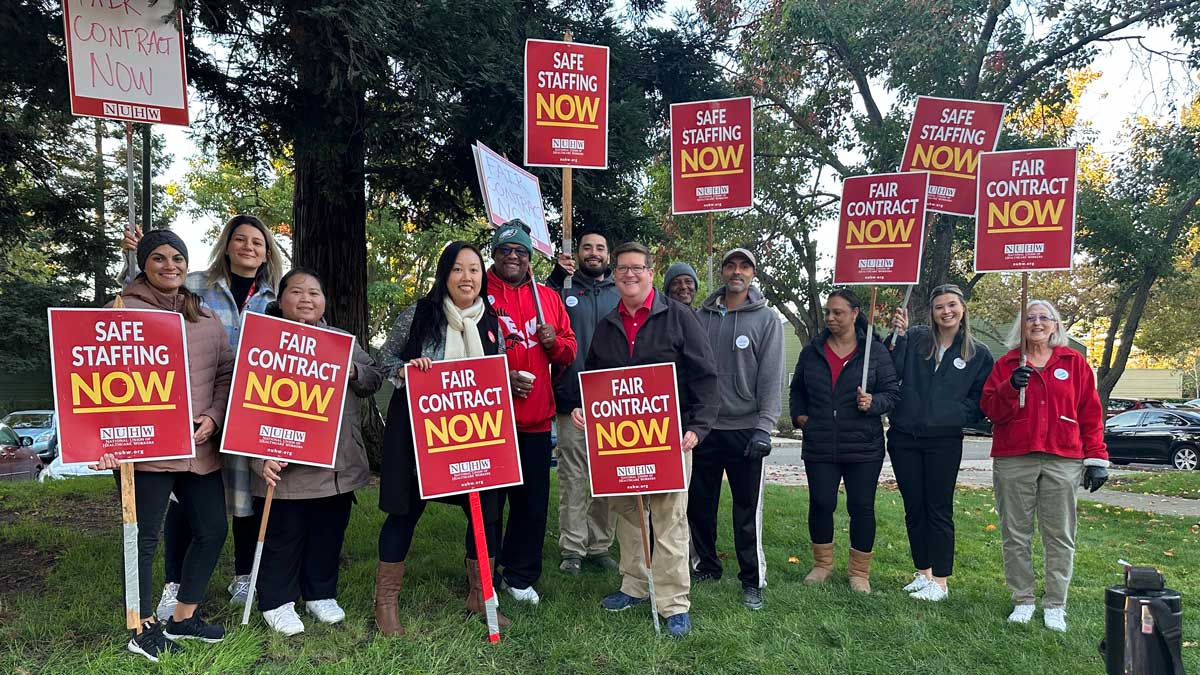
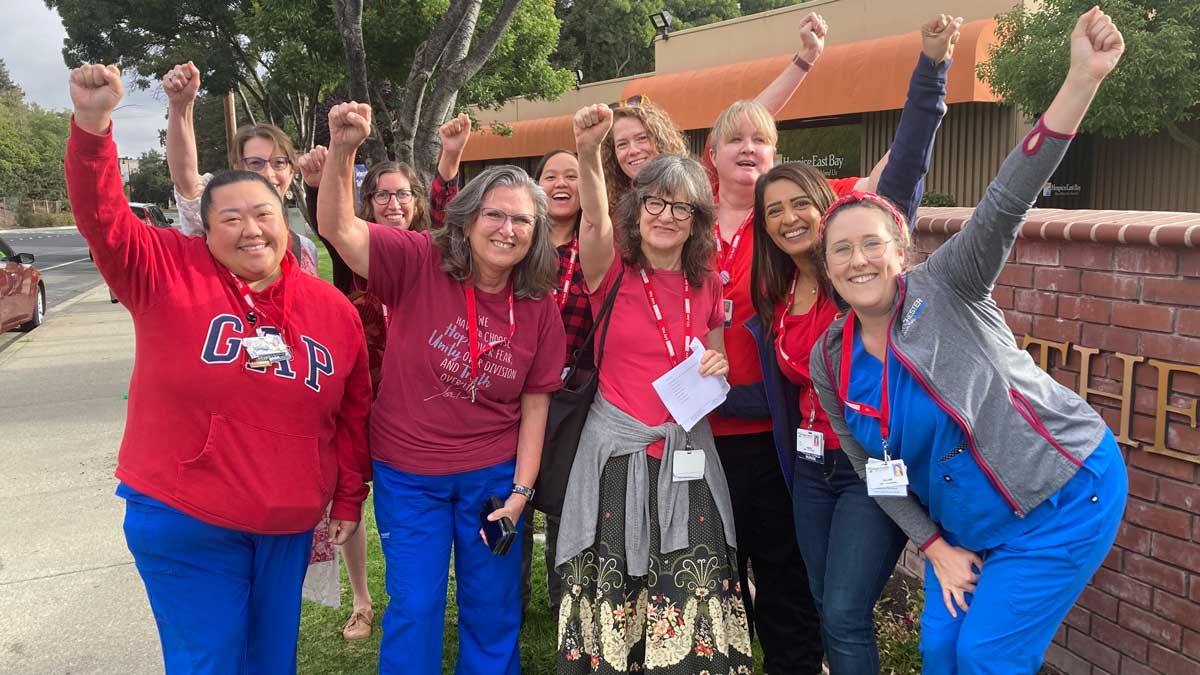
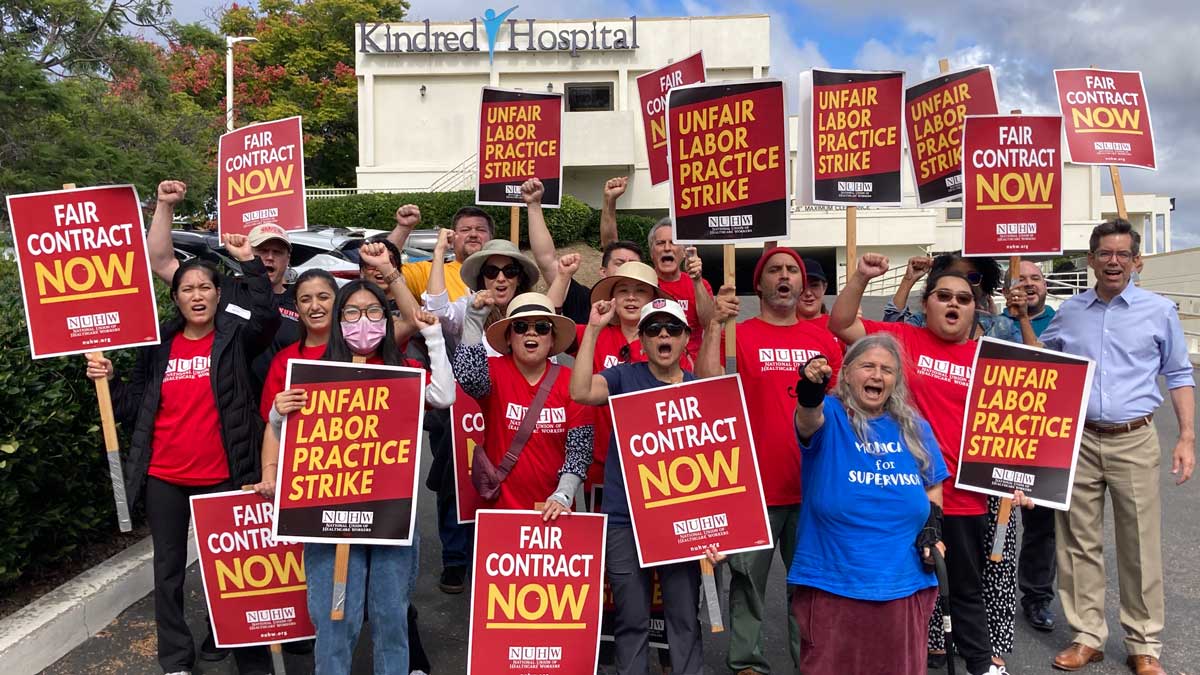
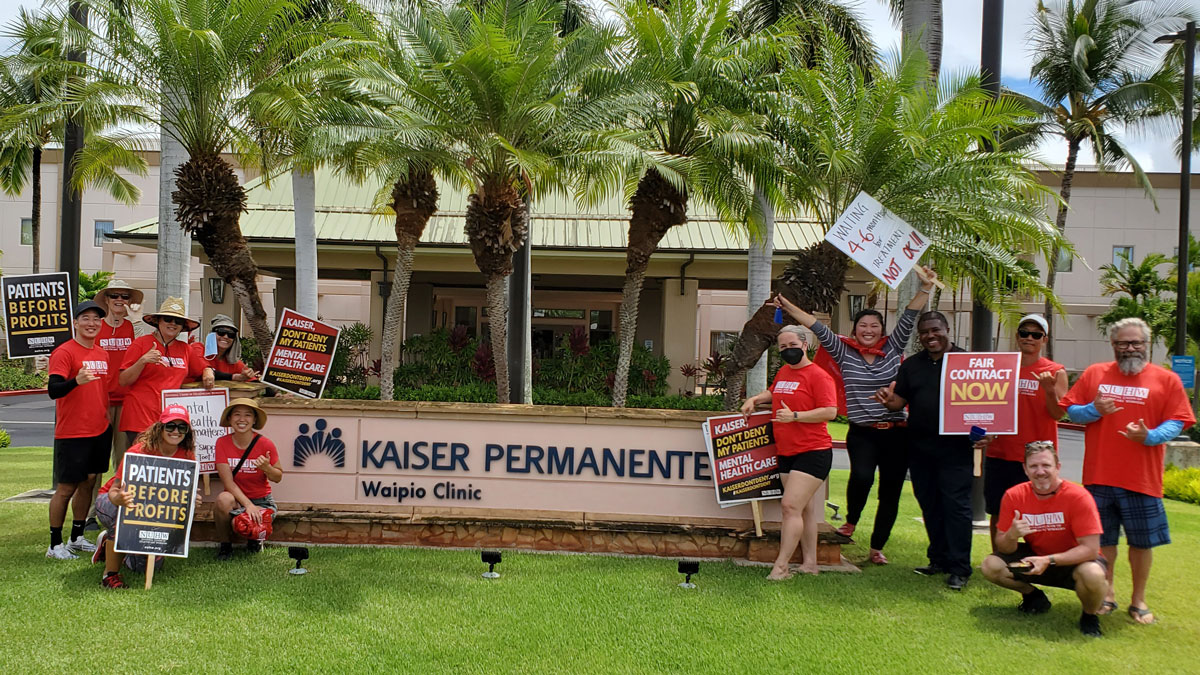
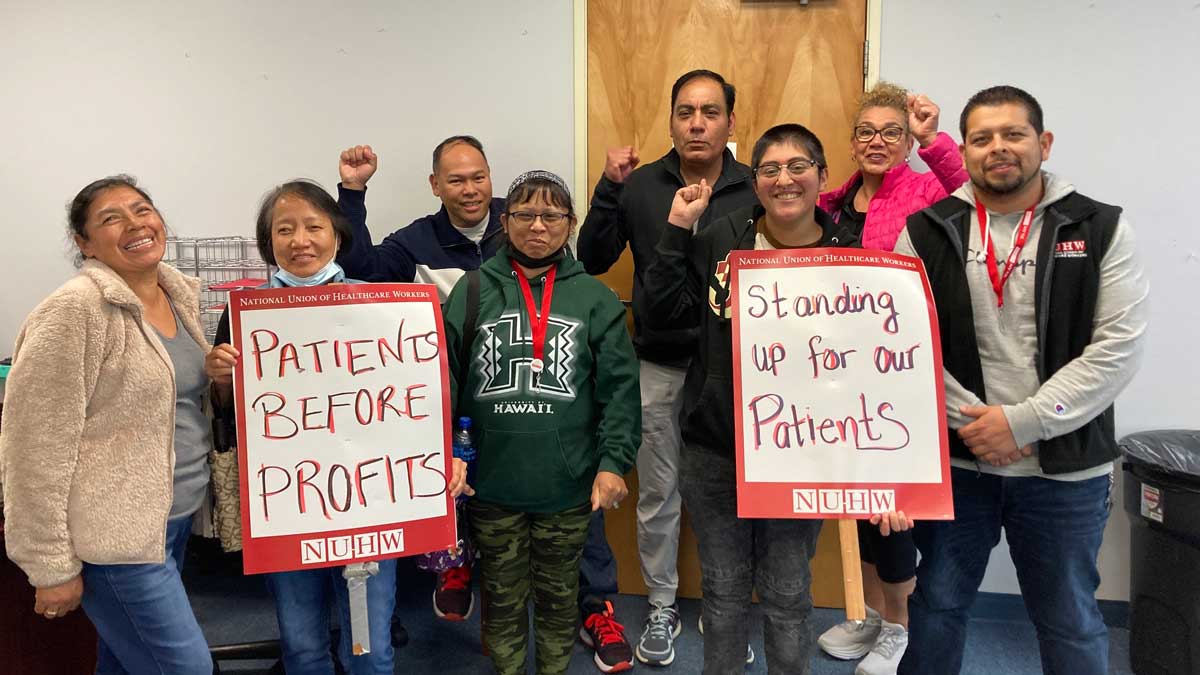
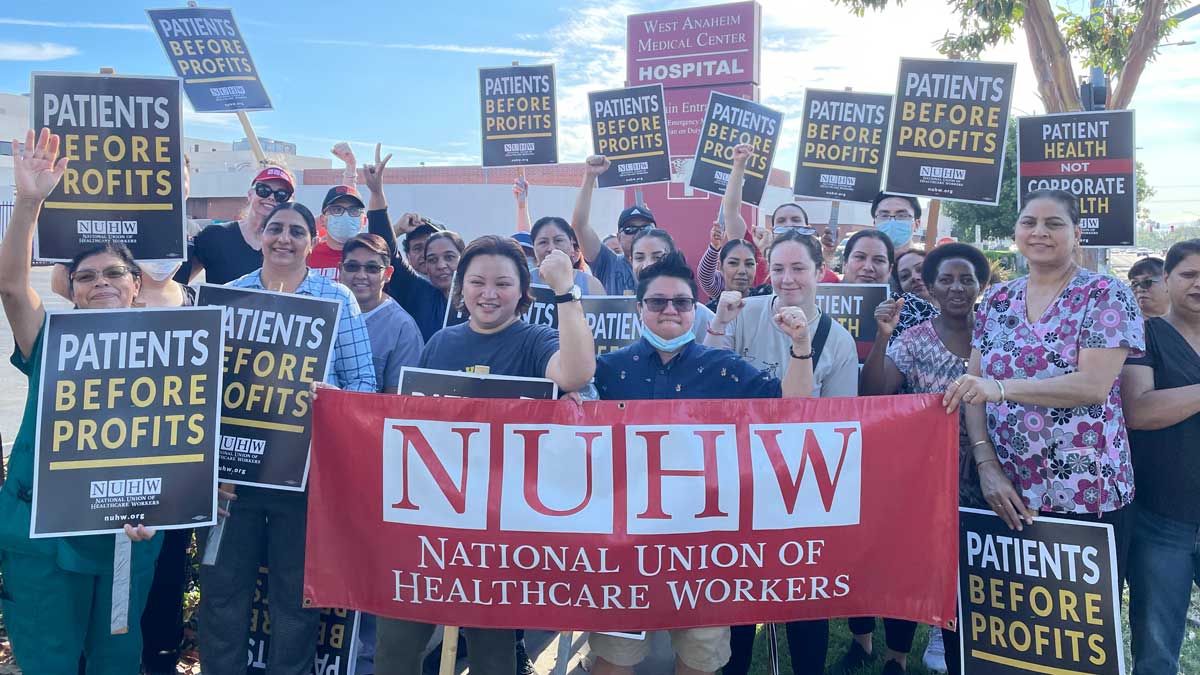
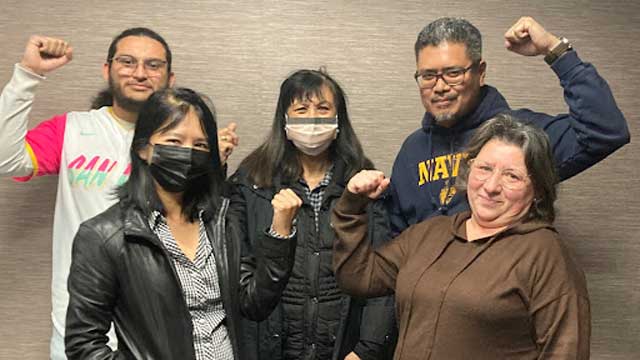
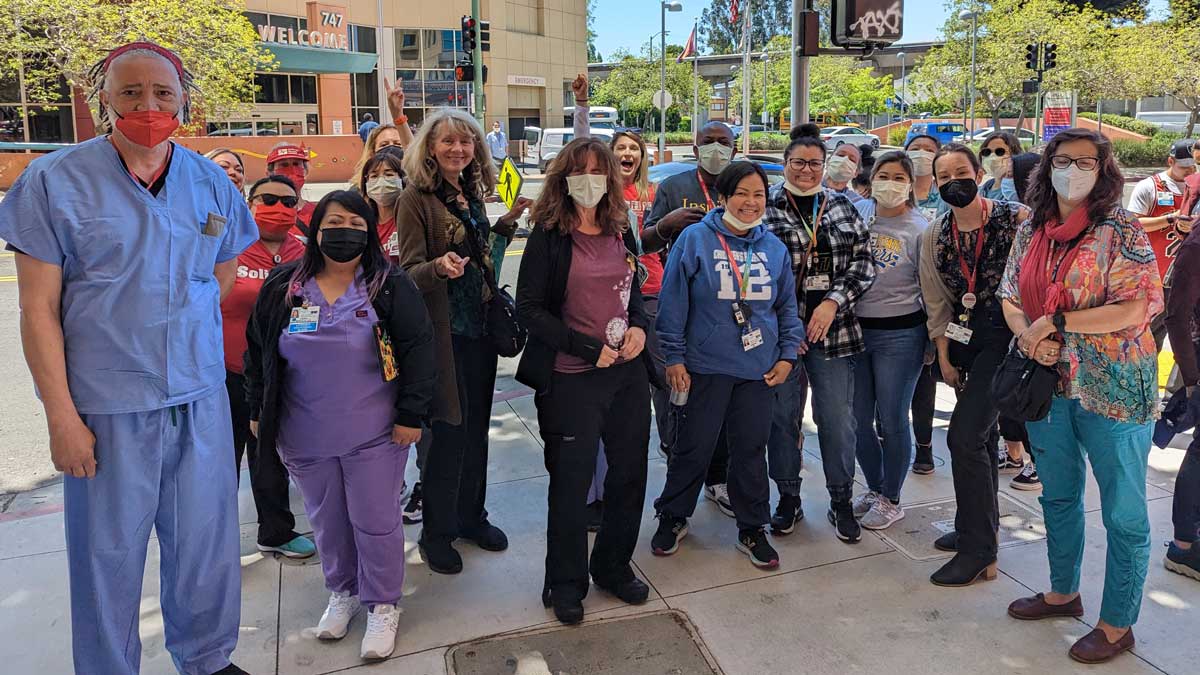
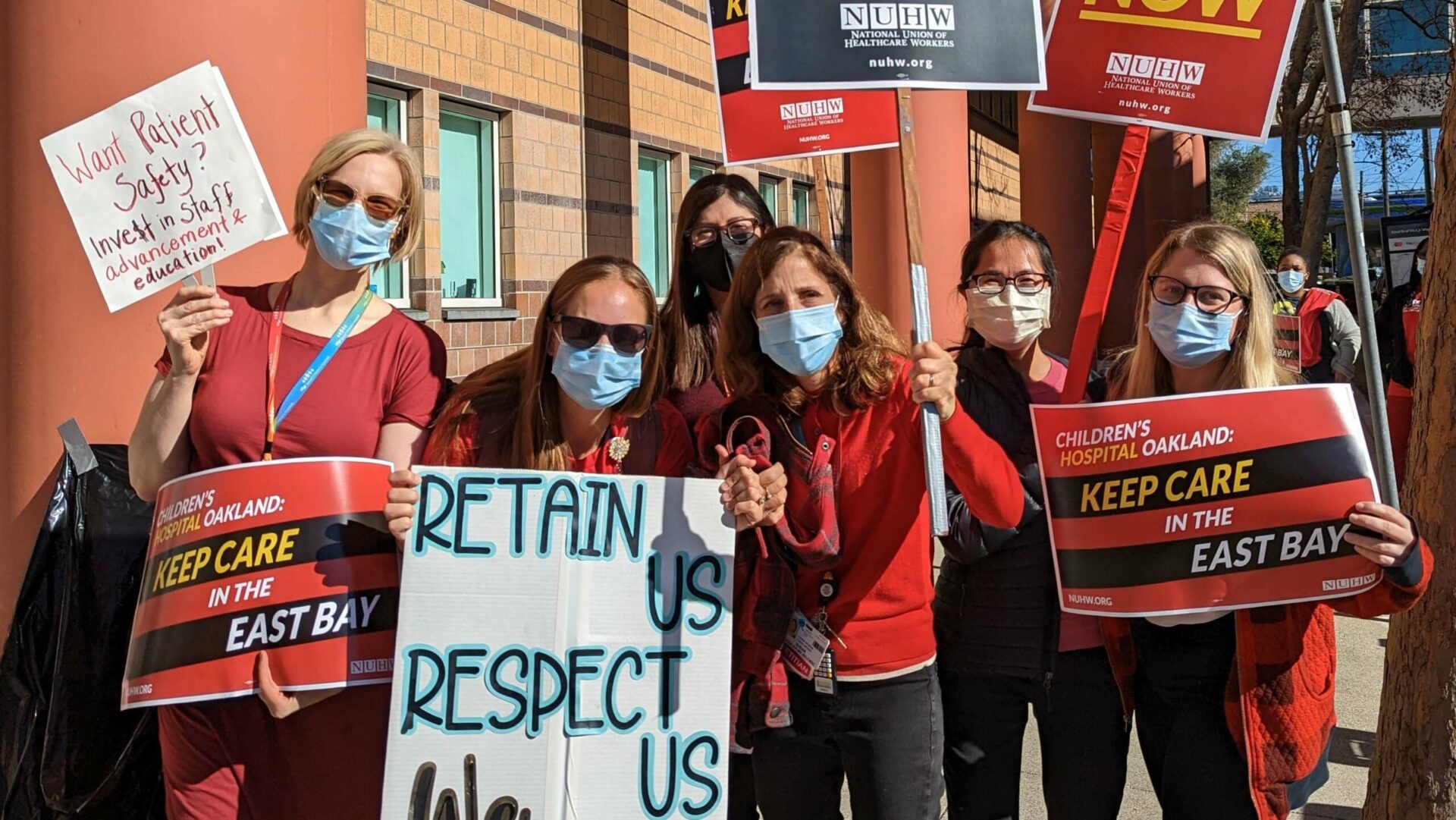
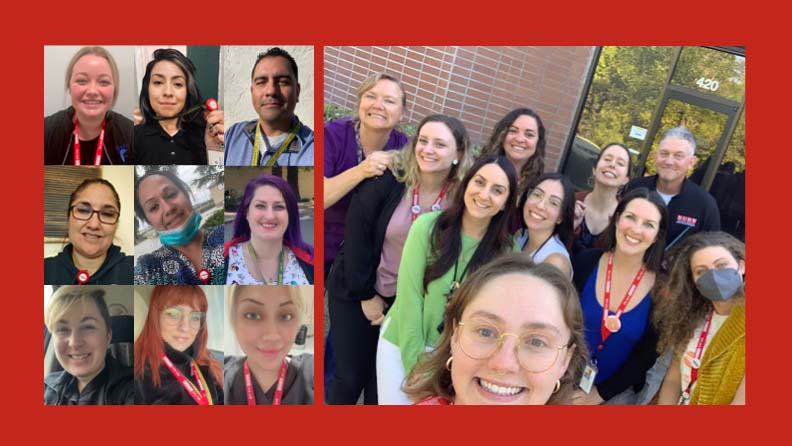
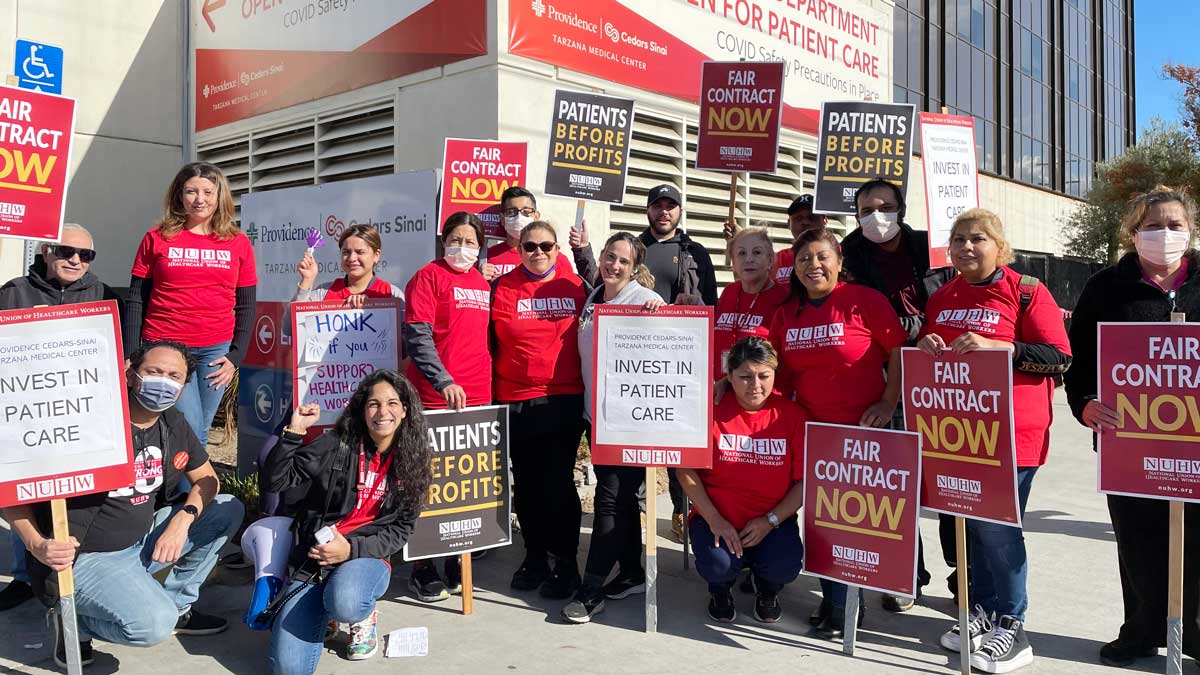
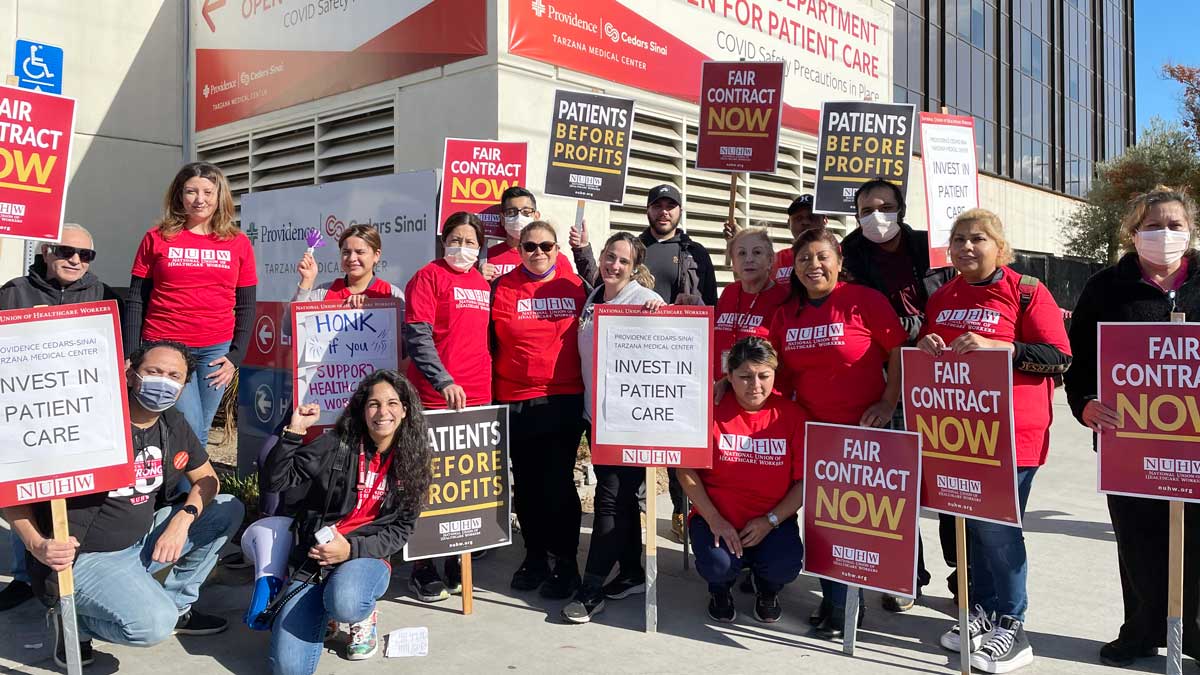
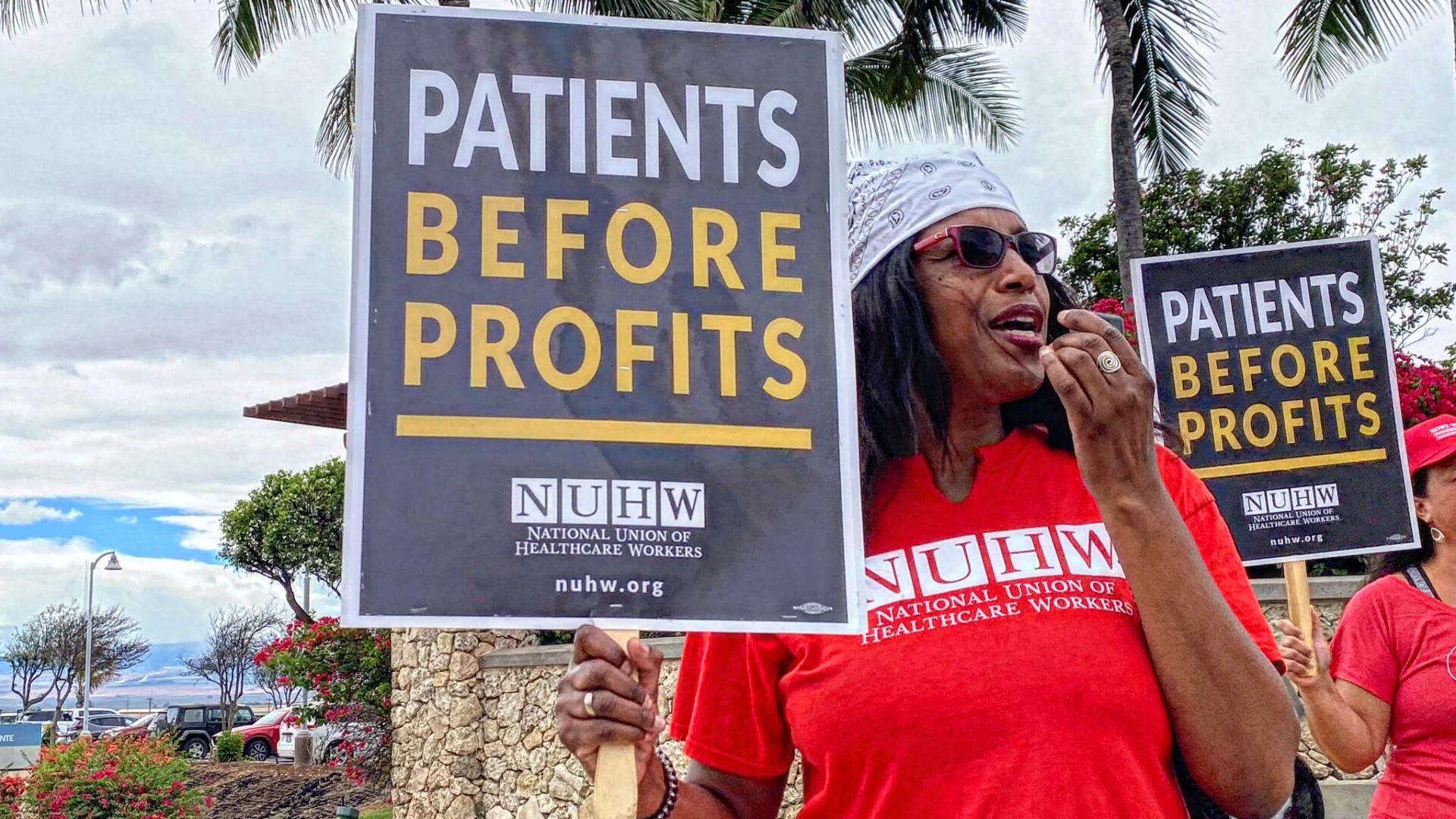
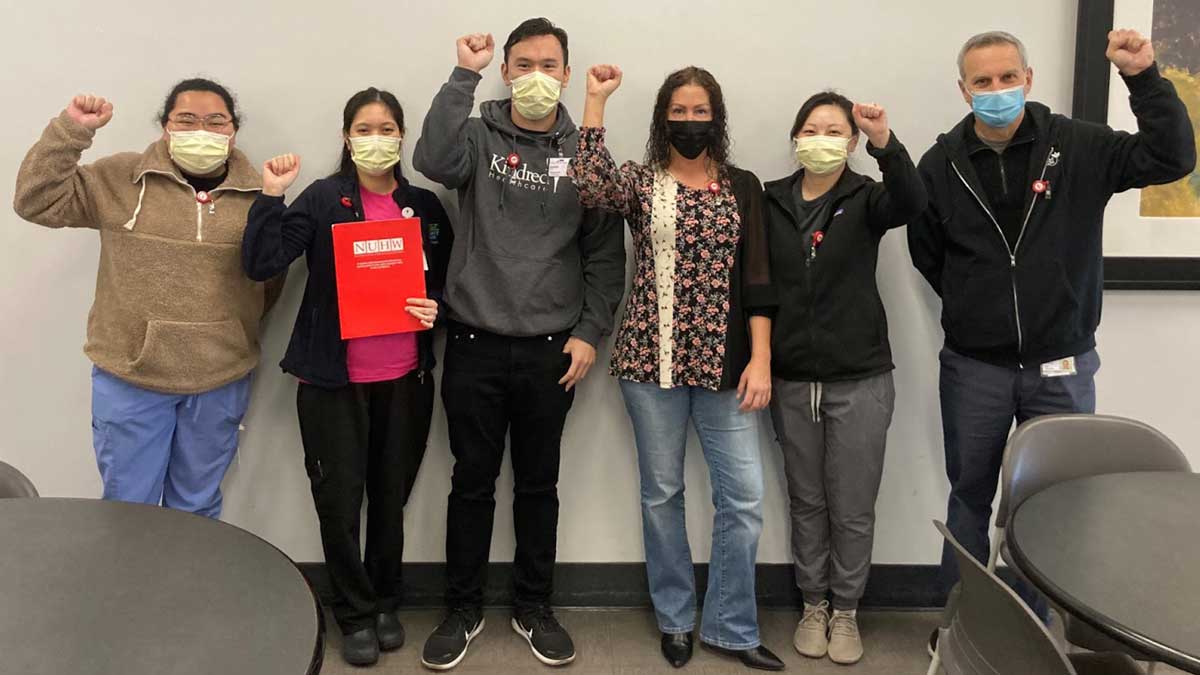
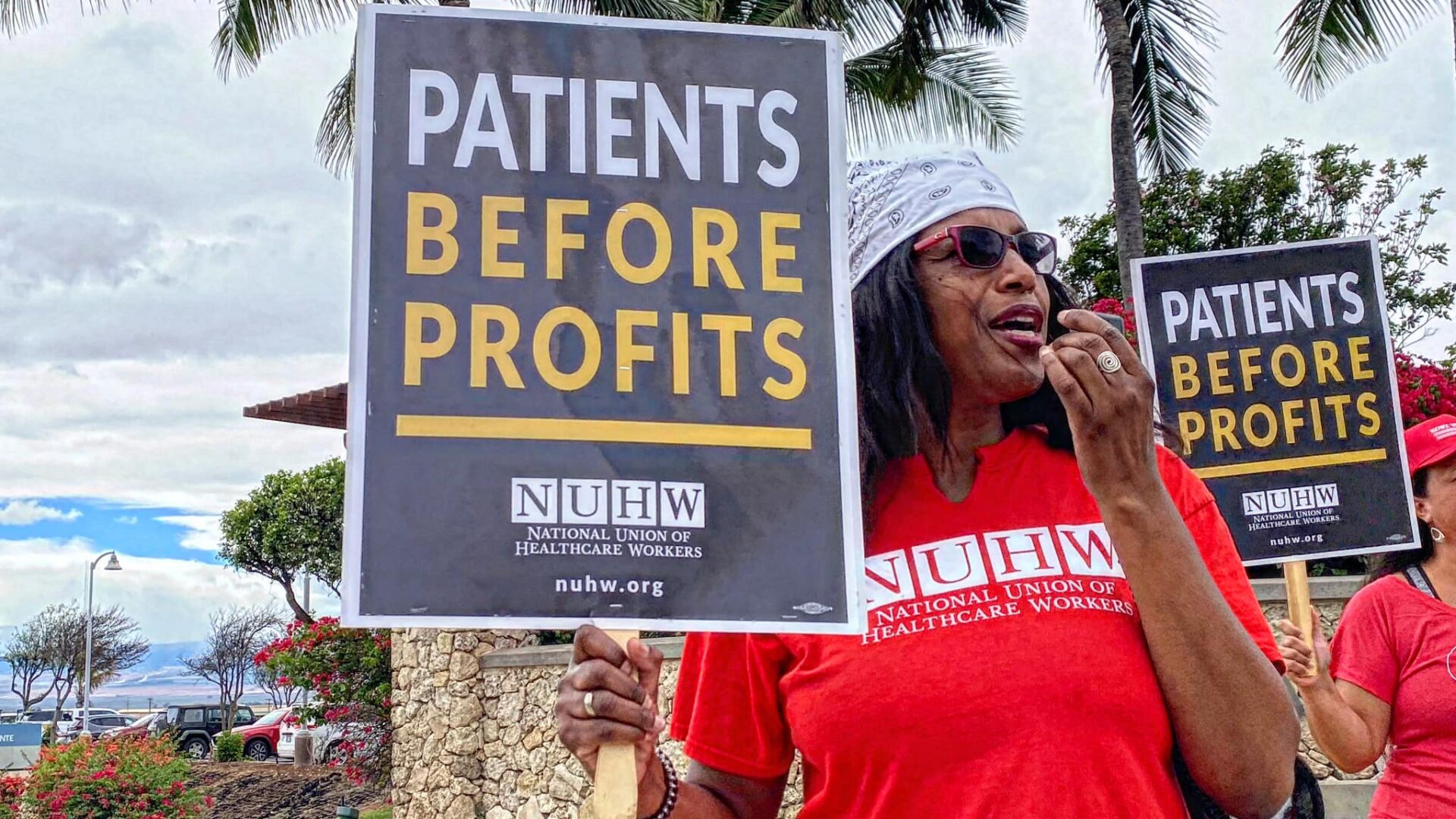
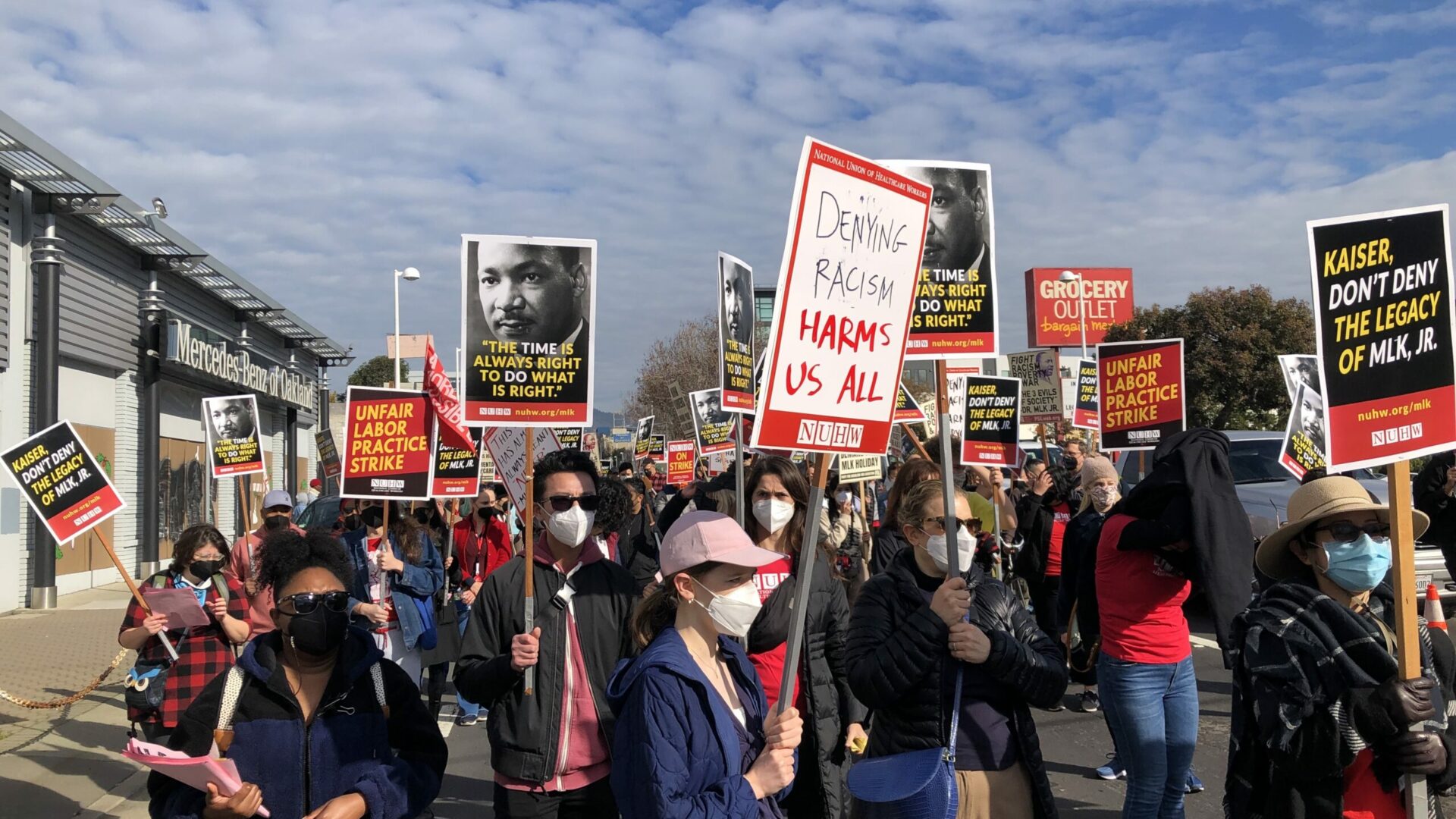
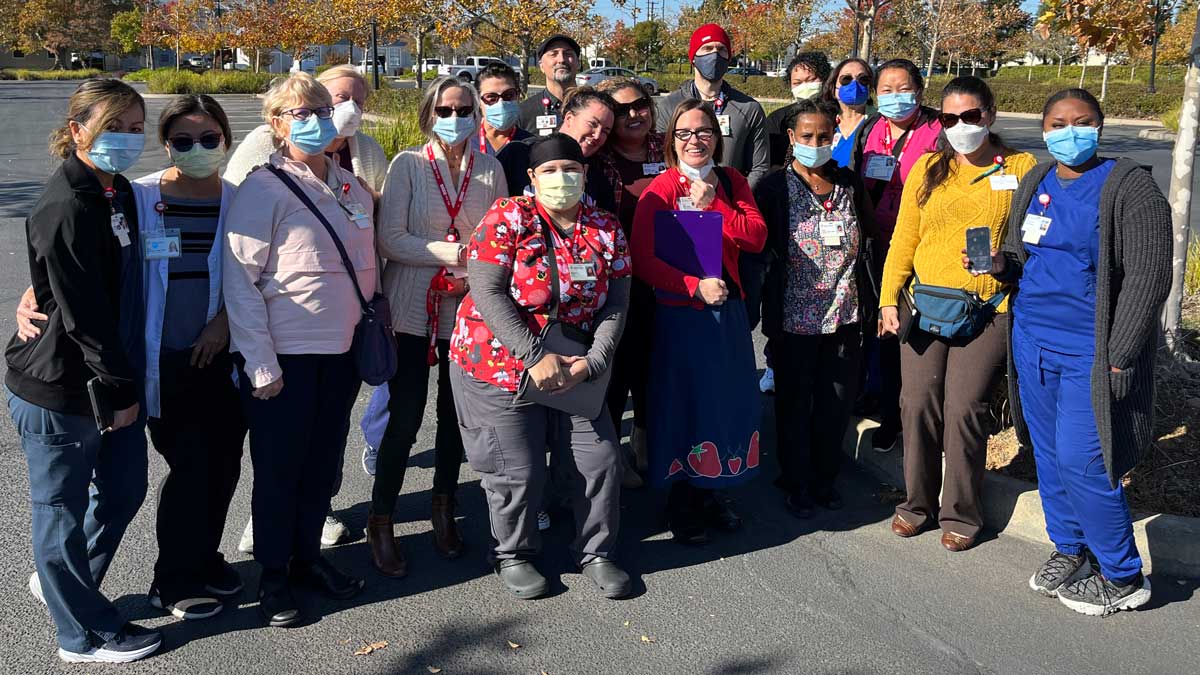
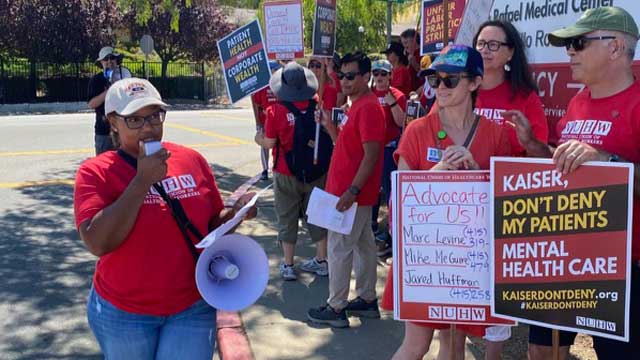
“If the hospital is violating the (nurse-to-patient) ratio or the contract, I like to know what to do,” said Parra, a bargaining team member, who recently joined her 250 coworkers for their first informational picket outside the hospital.
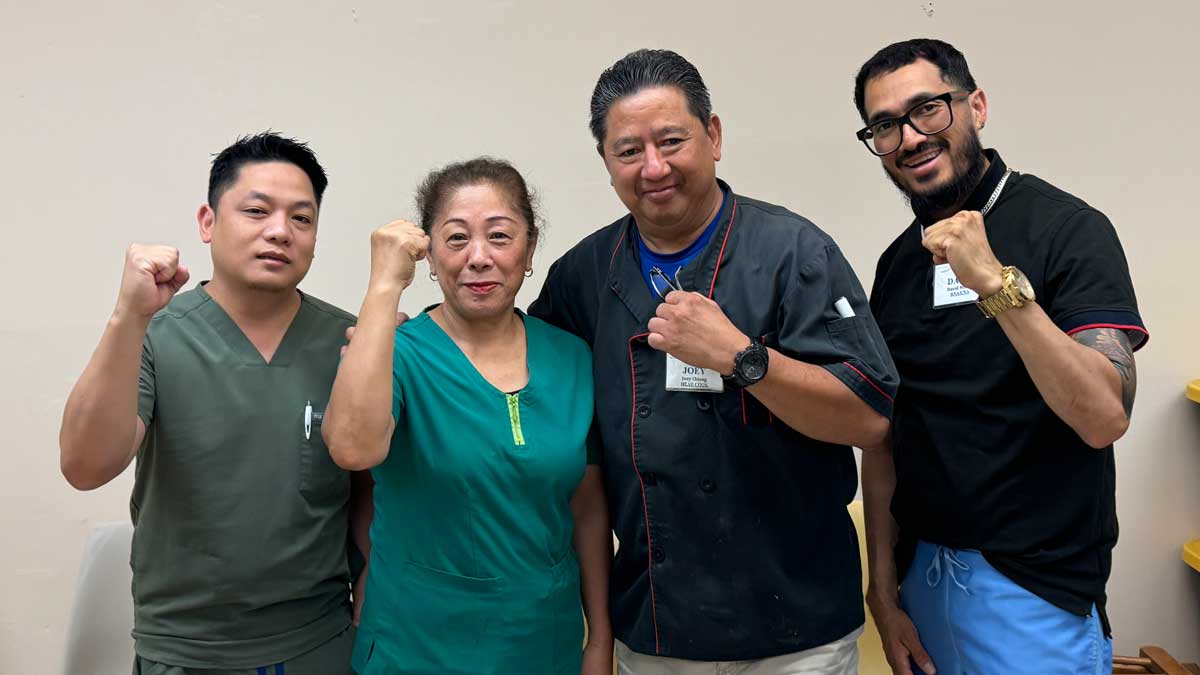
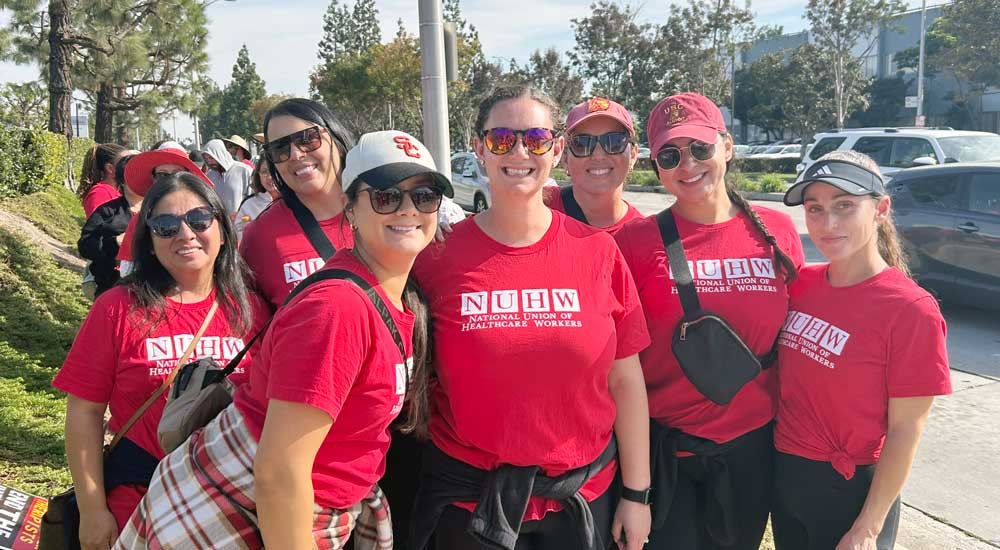
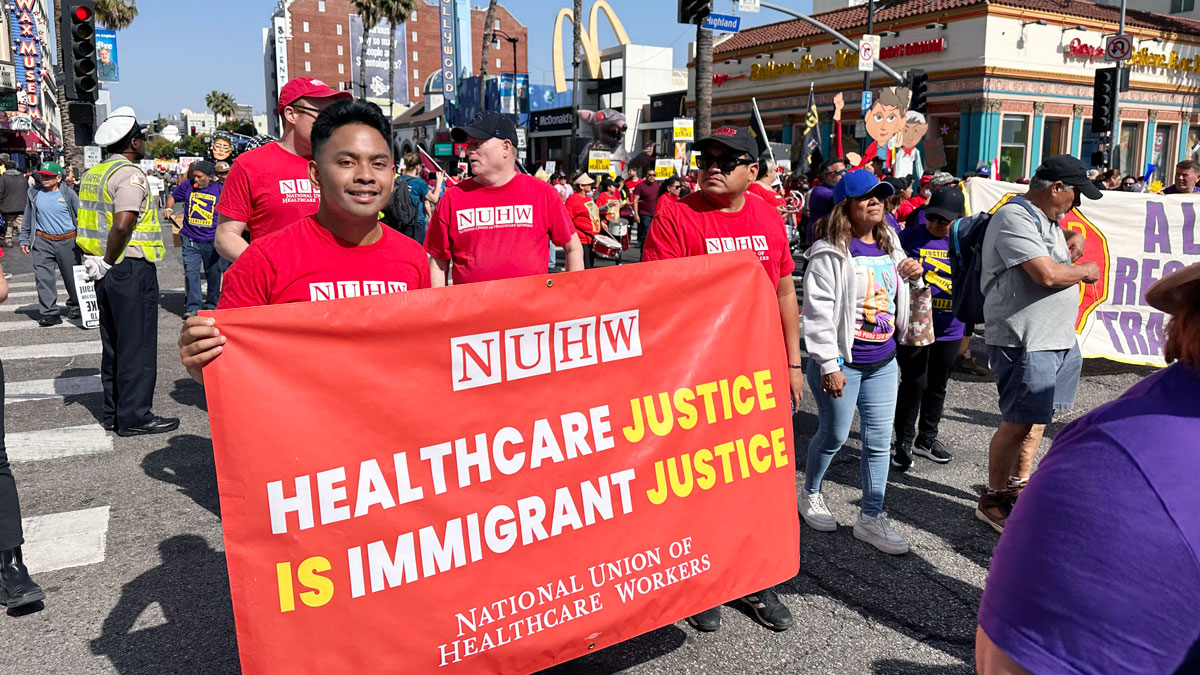
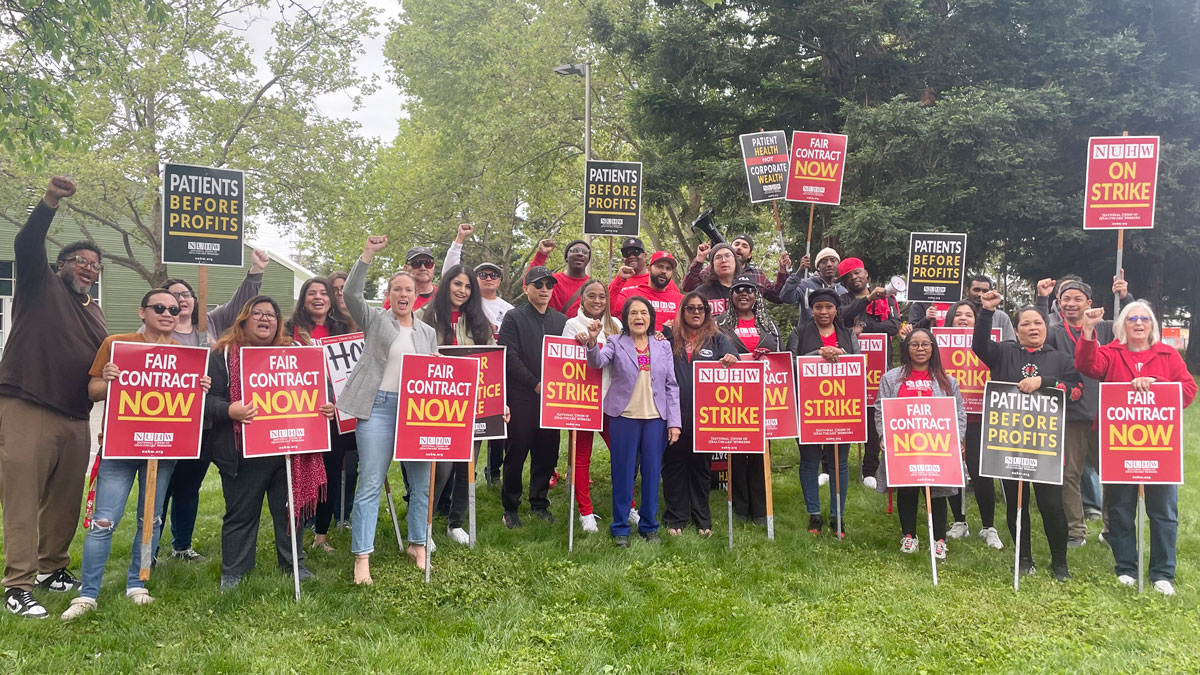
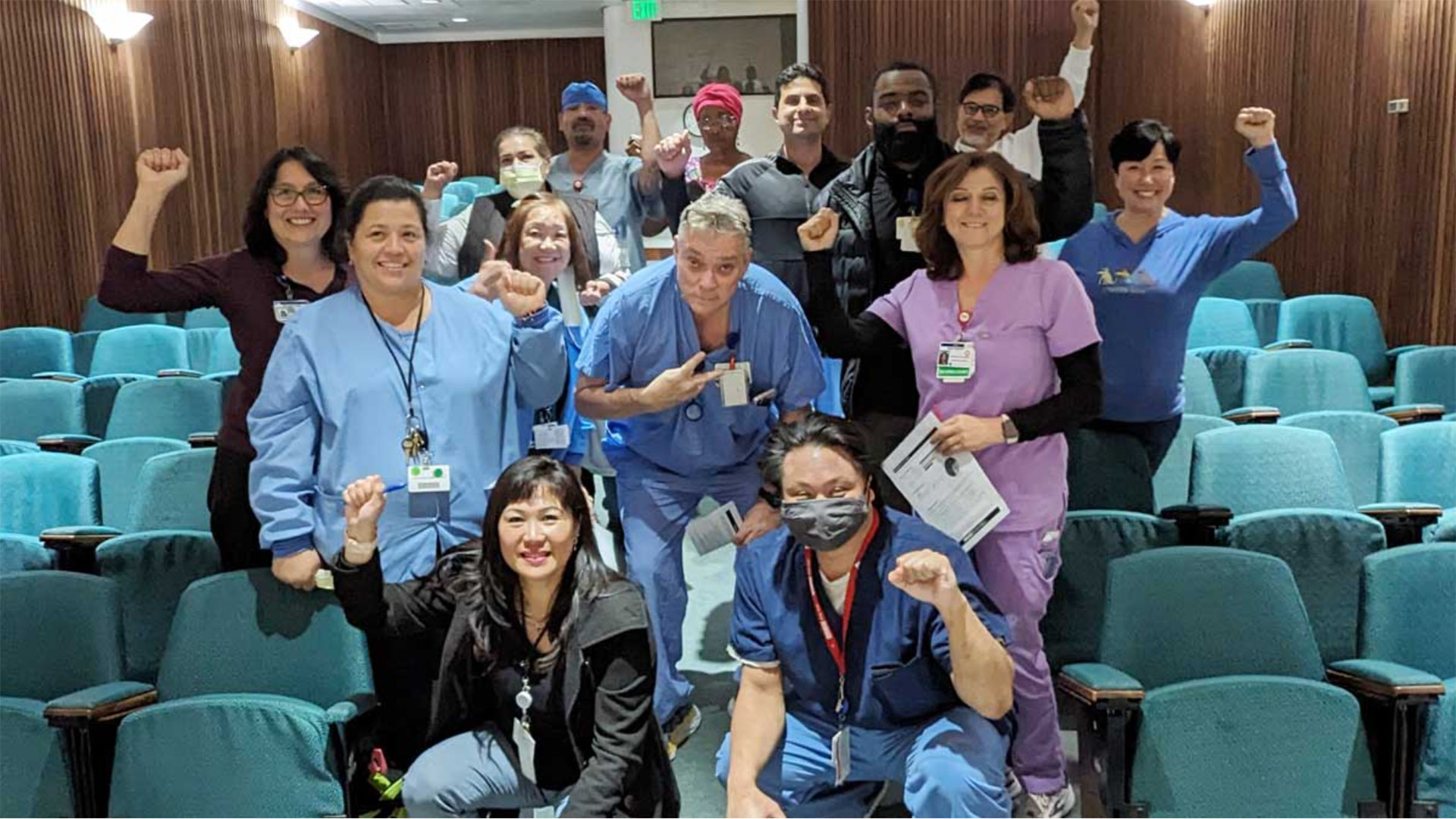
“A lot of nurses came out and supported us,” Parra said of the action held on September 17. “That shows that we are stronger together, and we are willing to advocate for our patients and for the healthcare workers at Kindred.”
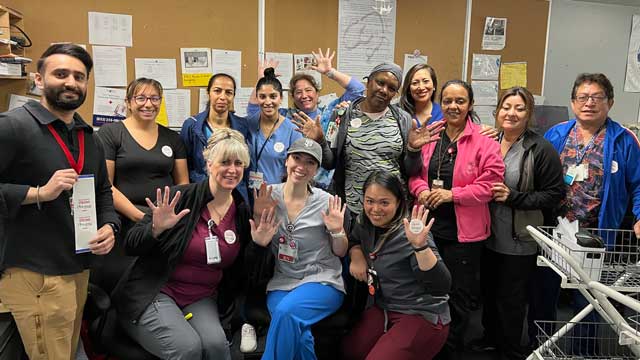
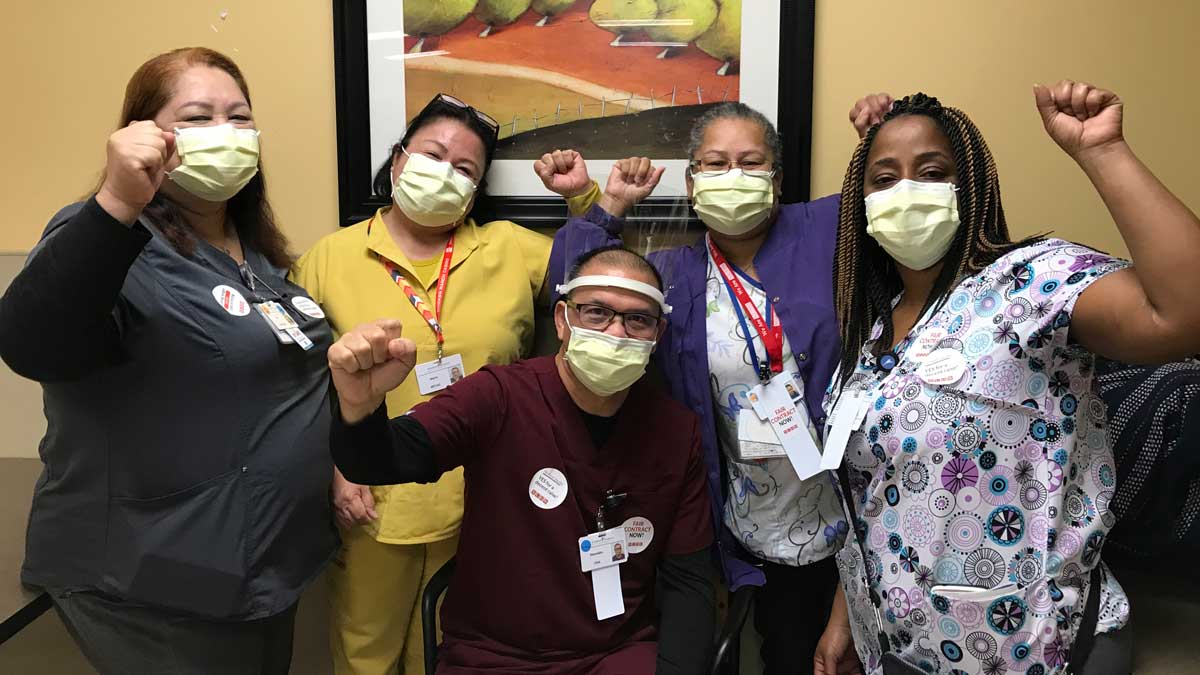
“We have a stronger voice this time because both contracts (registered nurses and tech workers, and service workers) are bargaining at the same time,” she added.
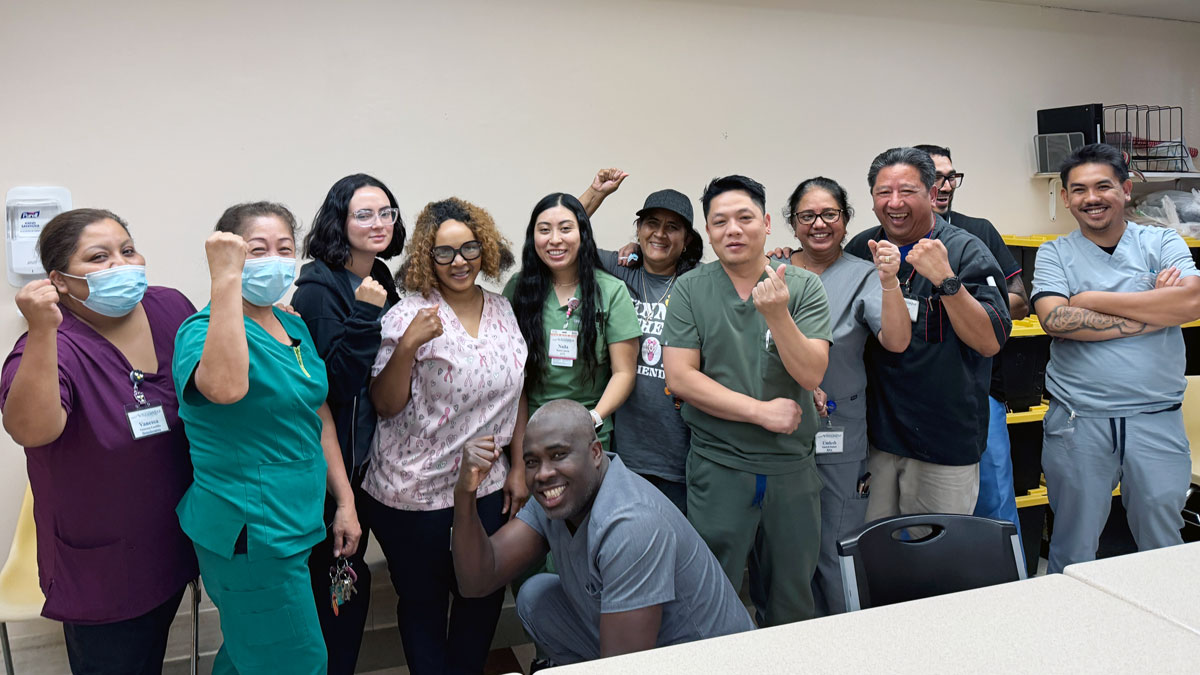
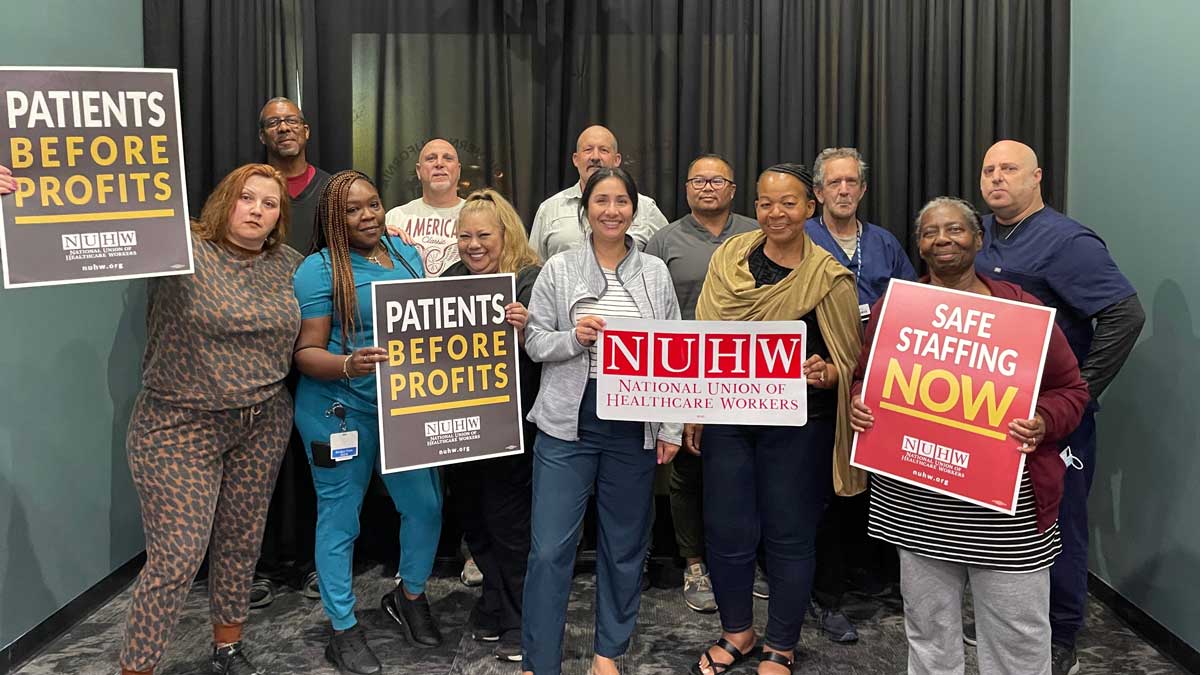
The workers, who include respiratory therapists, housekeepers, and nursing assistants, have been bargaining for a new union contract for much of this year. They’re seeking better wages to help reduce chronic understaffing and turnover, and requirements that Kindred provide functioning equipment and adequate supplies amid ongoing supply shortages that have forced them to wrap patients in linen when they’ve run out of hospital gowns.
Still, the company has been dragging its feet in negotiations. They remain far apart on wages and on lower health insurance premiums — another sticking point in negotiations. Parra, like many of her married coworkers, is on her partner’s plan because Kindred’s medical insurance is too expensive.
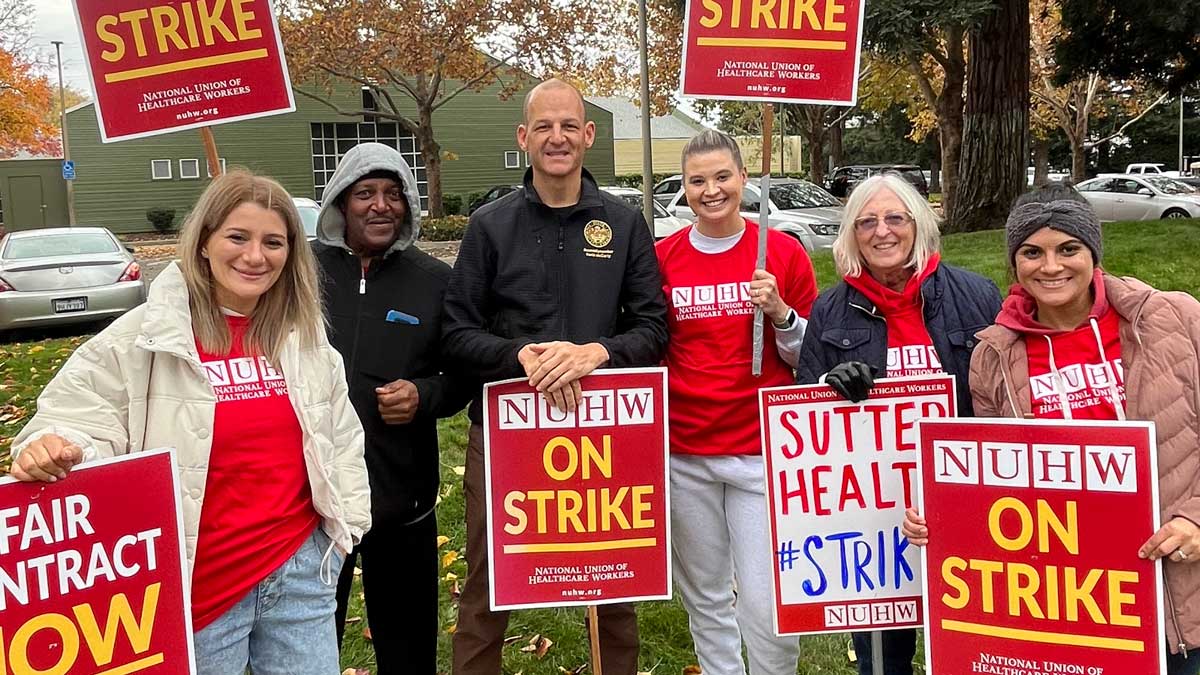
Parra said the informational picket has energized the workers, who are ready to strike, if necessary.
“Going on strike is a lot of work and takes a lot of effort,” said Parra, who has been advising her coworkers to take some overtime and prepare financially for the work stoppage. “But I know it’s going to be worth it down the line if we do it.”
“I know it’s a sacrifice,” she added, “but if we show Kindred that we’re united and strong, and that we’re willing to advocate for our patients and ourselves, I think it will be worth it. It will help us in future negotiations because we’ll show them we’re capable of doing whatever it takes to fight for a fair contract.”