The agreement in Northern California came together after Kaiser dropped contract demands that threatened potential layoffs, outsourcing of care and replacing therapists with artificial intelligence
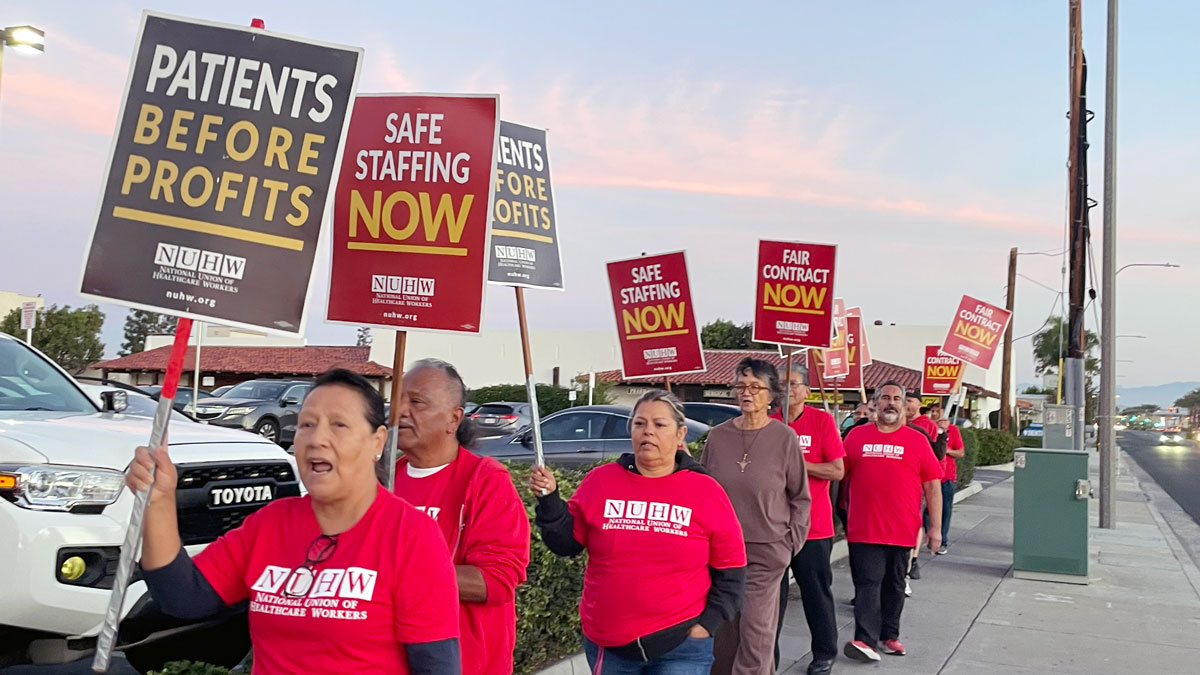
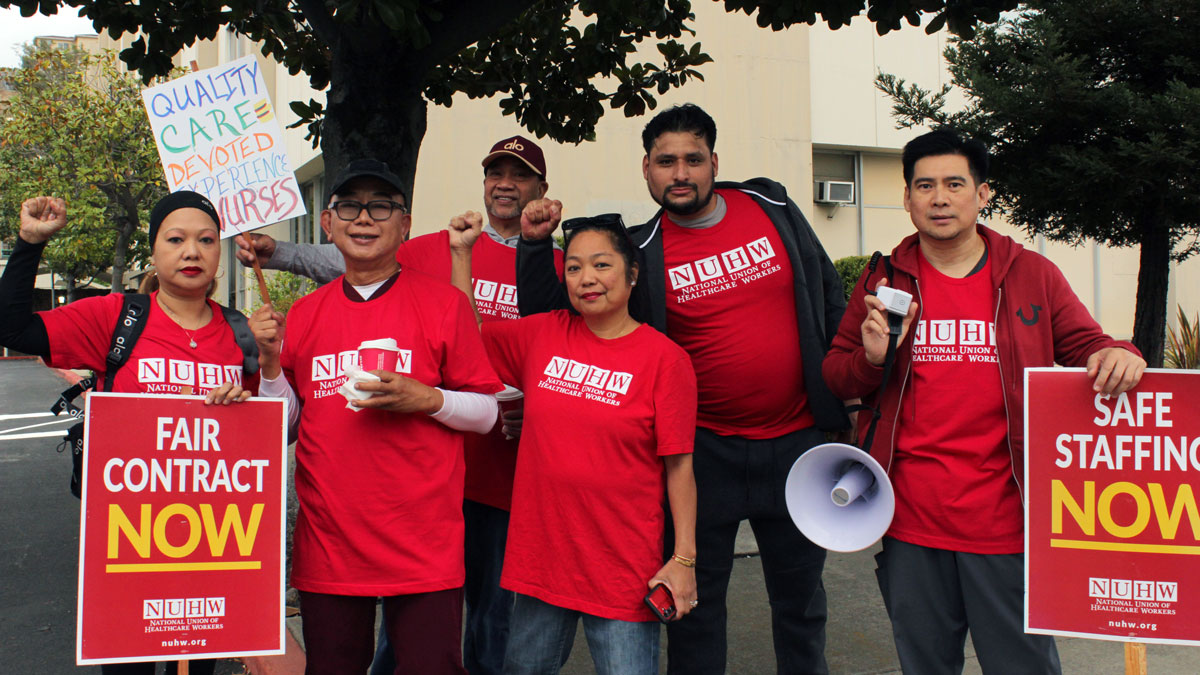
After more than a year of negotiations, punctuated by a one-day strike in March, Kaiser’s 2,400 mental health therapists, social workers and psychologists in Northern California and the Central Valley have ratified a four-year contract that includes a no-layoff provision and provides clinicians meaningful input into how Kaiser can deploy artificial intelligence. The contract was ratified with 97 percent support.
“Our top priority was always to protect patients and defend clinical standards, and we prevailed,” said Joshua Gibbons, a Kaiser therapist. “We fought off every dangerous proposal Kaiser put on the table, and secured an agreement that protects our jobs and our say in the care we provide.”
The contract is retroactive to September 2025 and expires in September 2029. It includes 17.5 percent raises over four years, including an immediate 9.5 percent increase. The deal came together earlier this month after several rounds of negotiations with former California Health Secretary Mark Ghaly and former Sacramento Mayor Darrell Steinberg, who served as mediators.
Key contract provisions include:
- Kaiser will NOT have total “flexibility” on A.I. Throughout negotiations, Kaiser wanted total “flexibility” to deploy artificial intelligence and refused to agree to language already in the Southern California contract that the HMO’s intention for A.I. is to help clinicians, not replace them. This agreement — for the first time — includes a full no-layoff guarantee that expires on the second-to-last day of the contract to safeguard jobs. It also requires that clinicians have input into the introduction of new technology and the ability to bargain over the impacts.
- Kaiser will NOT have “sole discretion” over the model of care. As part of the agreement, Kaiser withdrew its demand for “sole discretion,” which included the unrestricted ability to further outsource mental health services and lay off therapists. The contract establishes rules Kaiser must follow before changing how it provides behavioral health care, including first consulting with a union-appointed advisory group of clinicians to discuss any potential changes and then bargaining over the impacts. The layoff prohibition also guarantees that jobs are safe for nearly the entire length of the agreement.
- No cuts to Patient Care Support Time. The agreement preserves the existing allotment of time (approximately seven hours per week) clinicians need to perform critical patient care duties that can’t be done during therapy sessions, such as responding to patient calls and emails, preparing for appointments, communicating with social service providers, and recording notes in patient charts. Clinicians successfully waged a 10-week strike in 2022 to secure more time to provide the full spectrum of care for their patients. In negotiations this year, Kaiser wanted to reduce Patient Care Support Time and effectively render it meaningless by asserting the right to book appointments into it, but clinicians fought off those proposals, which would have lowered the standard of patient care and increased clinician burnout and turnover.
- Right to sympathy strike preserved. Clinicians retained their right to strike in sympathy with other unions, just as thousands of registered nurses struck in sympathy with clinicians during their one-day strike in March.
Elected officials and mental health advocates recognized that Kaiser’s contract demands posed a real danger to behavioral healthcare in California and called on Kaiser to withdraw them. The San Francisco Board of Supervisors and California Democratic Party both passed resolutions calling on Kaiser to drop what clinicians dubbed the “terrible three,” and several organizations wrote letters to Kaiser demanding the same, including the National Association of Social Workers (California Chapter), Psychotherapy Action Network and Mental Health America of California.
“This contract is a big victory, but we’re still not where we need to be in terms of Kaiser providing behavioral health care that’s on par with its other services,” said Ilana Marcucci-Morris, a Kaiser social worker. “We stood strong and fought off takeaways that would have harmed patients, but we still need Kaiser to get serious about working with us to improve care, and we still need to make sure state regulators are serious about enforcing state mental health laws.”
Earlier this year, the National Union of Healthcare Workers, which represents Kaiser mental health clinicians across California, filed a complaint with the California Department of Managed Health Care over Kaiser’s use of digital algorithms to triage patients seeking care. The practice continues despite state law requiring that treatment determinations be made by licensed providers, and the agency has not provided any updates on its investigation.
In two years, the contract will expire for the approximately 2,200 NUHW-represented mental health professionals working for Kaiser in Southern California in September. They reached an agreement last year after a nearly 7-month strike, but have had to file grievances against Kaiser over violations that have left many therapists with less Patient Care Support Time.
“Clinicians at Kaiser should be proud for standing up for their patients and their professions,” NUHW President Emeritus Sal Rosselli said. “Our members want the time and resources to do their jobs right. This contract is an important step forward, but we’ve seen Kaiser violate contracts, so we will have to be vigilant and keep collaborating with our allies to make Kaiser fully respect the work of its clinicians and the needs of its patients.”
###
The National Union of Healthcare Workers is a member-led movement that represents 19,000 healthcare workers in California and Hawai’i, including about 4,500 Kaiser mental health clinicians and medical professionals.