Note: Some of these stories may require a subscription.
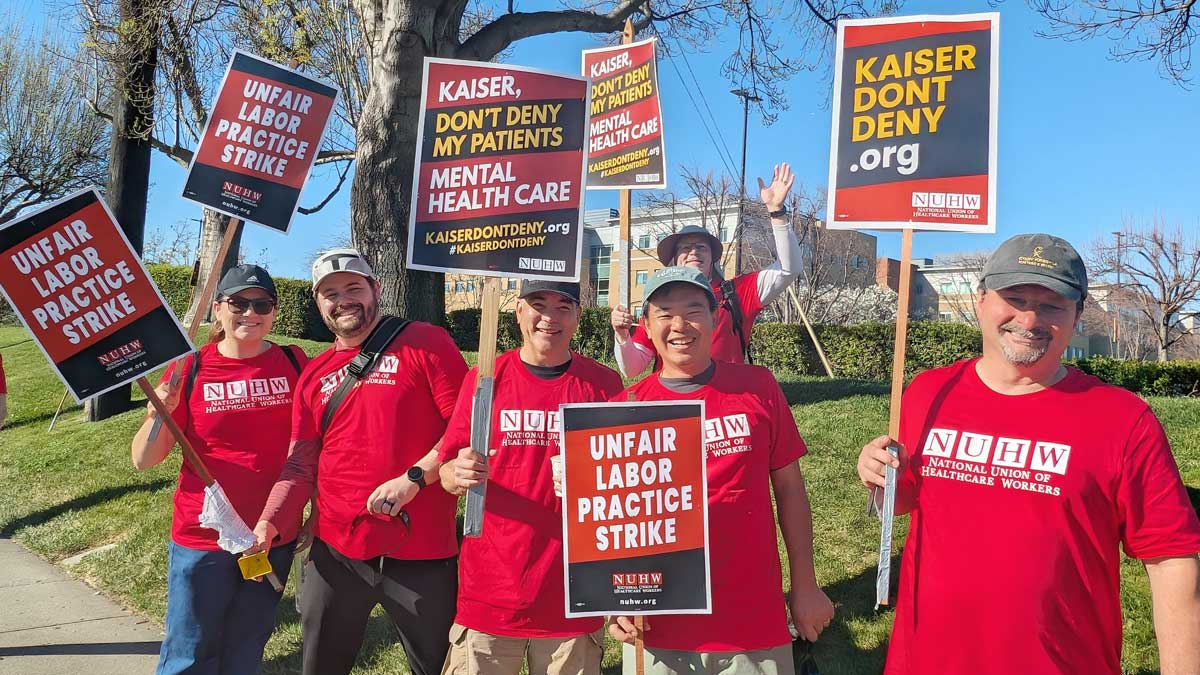
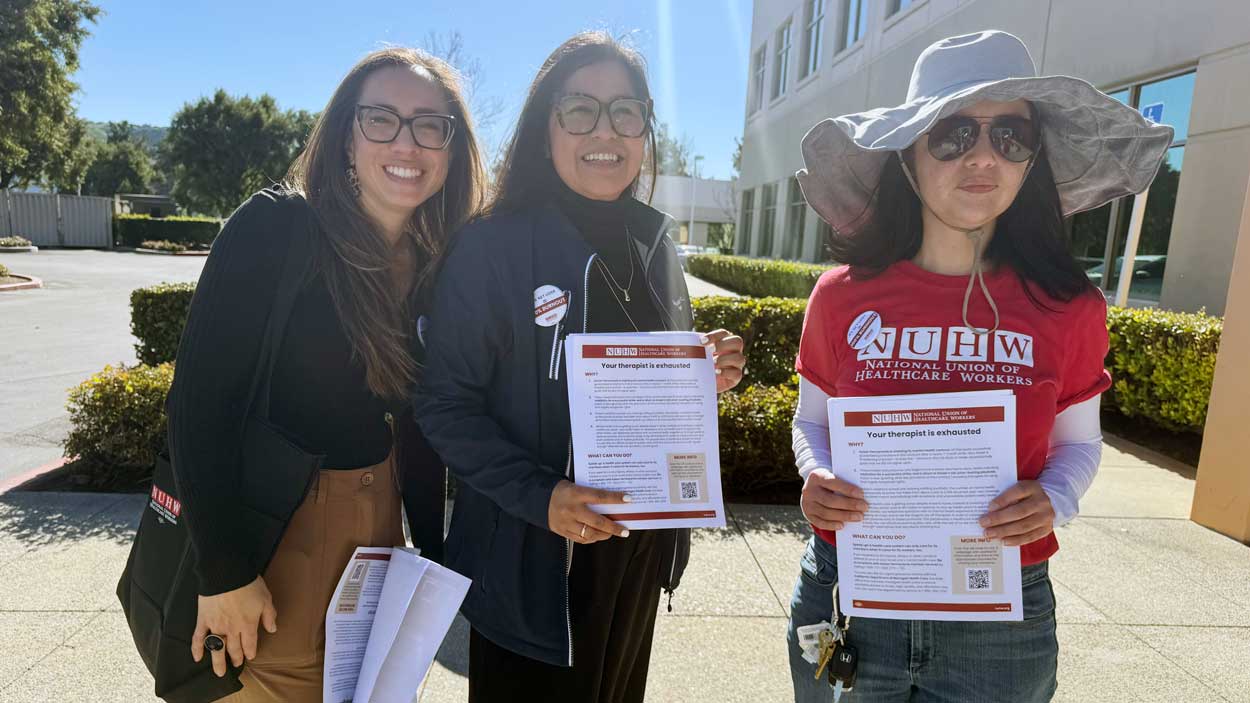
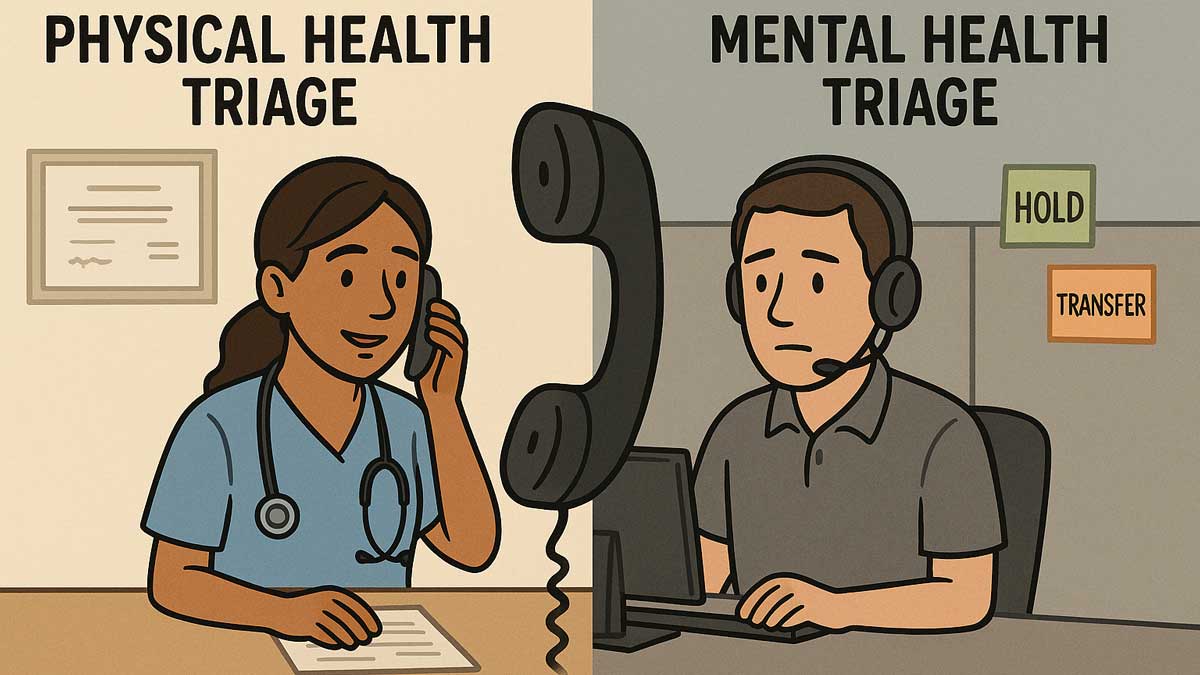
Capital and Main published an article quoting several NUHW members at Kaiser Permanente and Rogers Behavioral Health about the negative impacts of major health care organizations like Kaiser and Rogers using A.I. and algorithmic tools to triage patients seeking care, in violation of state law. The workers say the decline in triage staffing and the increasing use of artificial intelligence-powered systems have led to dangerous delays, missed diagnoses, and inappropriate treatment decisions.
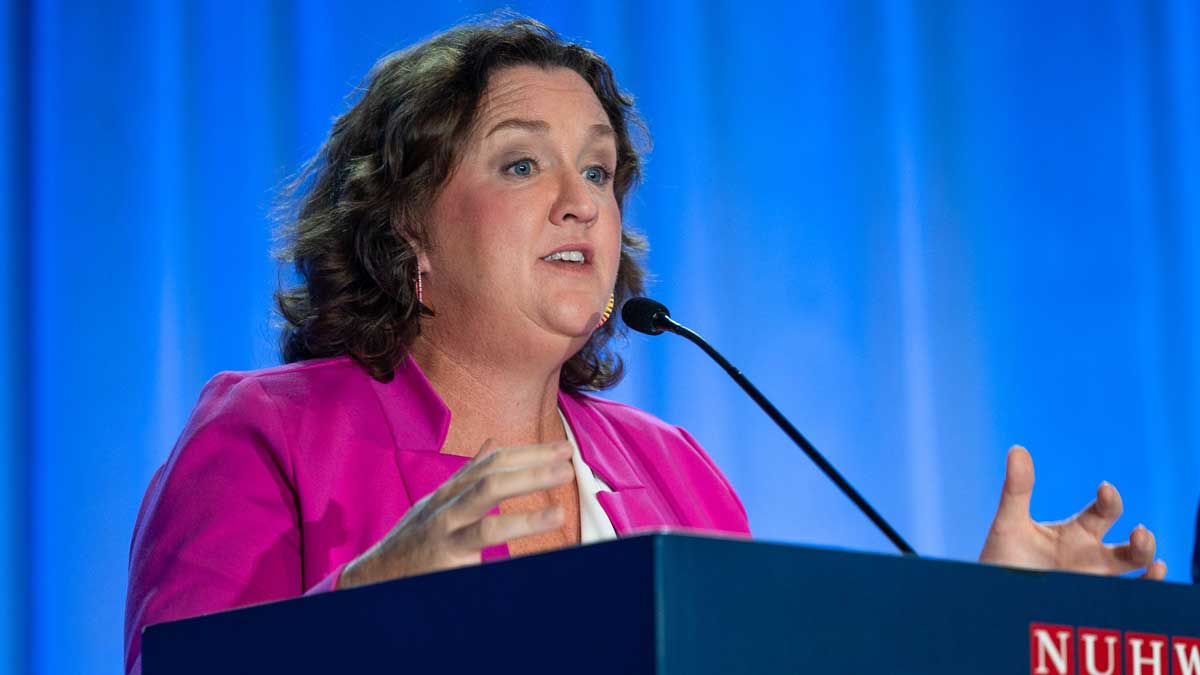
NUHW President Sophia Mendoza is quoted in a Becker’s Behavioral Health article about the union’s filing a complaint with the California Department of Managed Health Care and the U.S. Department of Labor’s Employee Benefits Security Administration against Kaiser Permanente for using an autonomous digital system to triage and refer behavioral health patients in Northern California without a licensed clinician reviewing the results as A.I. is moving from pilot project to daily reality across behavioral healthcare. Mendoza framed the core issue as one of access — patients using the tool never get to speak with a licensed therapist who can actually evaluate their needs — and argued that it’s a problem under state law, no matter how the underlying technology is classified.
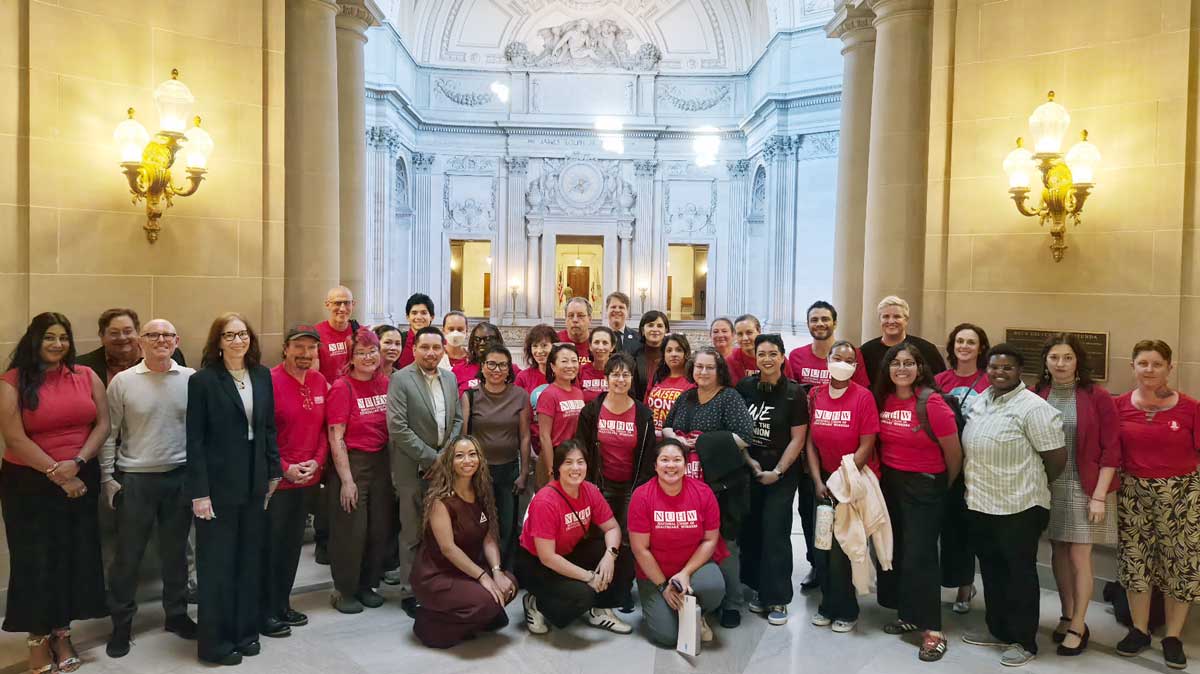
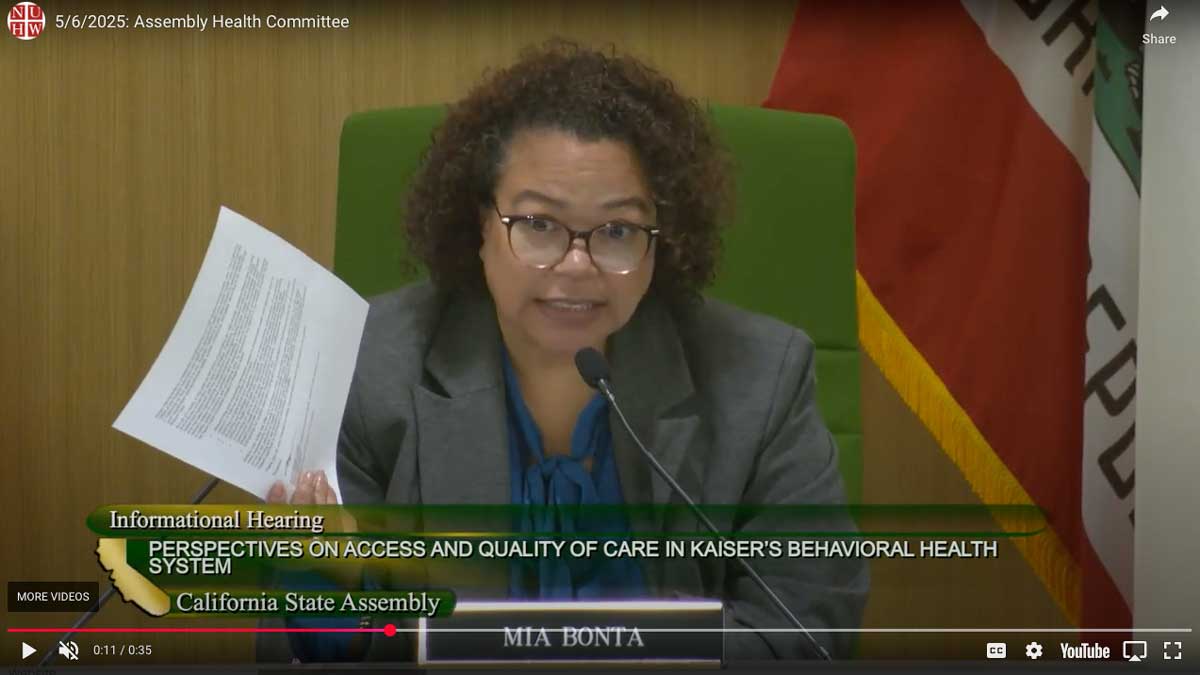
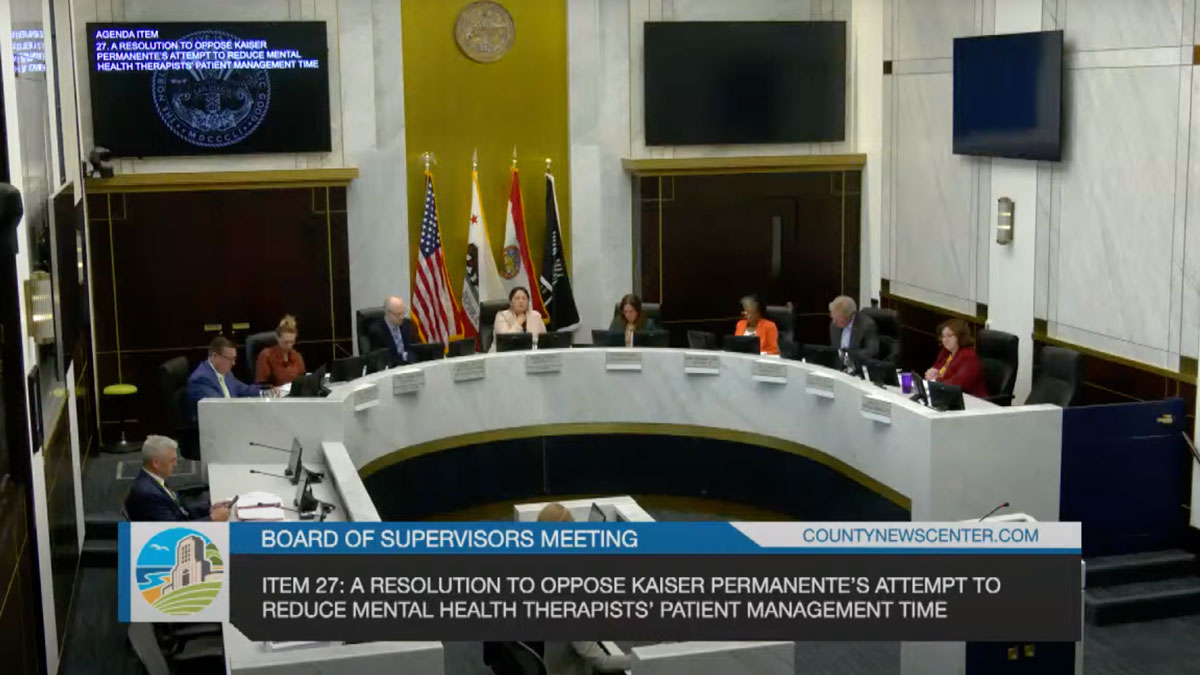
NUHW member and therapist Ilana Marcucci-Morris is quoted in a CalMatters article about Kaiser Permanente screening patients and making care recommendations through “a digital, automated algorithm” without clinician oversight. This practice violates state law and serves as the basis for a complaint before the California Department of Managed Health Care (DMHC). This same complaint was at the heart of a hearing held last month by the San Francisco Board of Supervisors. State law requires that medical decisions come from a licensed healthcare professional and bars “artificial intelligence, algorithms, or other software tools” from supplanting that judgment.
A single-payer universal health care system could cover every American, save more than 100,000 lives a year, and still cost $1 trillion less than the system it would replace, according to a new study led by researchers at the Yale School of Public Health. The researchers estimated that a single-payer system would reduce national health spending from $5.28 trillion to $4.24 trillion annually and that 62,863 lives would be saved annually relative to the current system by extending adequate health coverage to the entire U.S. population. An additional 51,311 deaths per year would be averted by reversing coverage reductions enacted under HR 1 (Trump’s “Big Beautiful Bill”), bringing the combined annual mortality benefit to 114,174 lives.
The FDA has authorized the first standalone robotic device that can draw blood from a patient’s arm without hands-on operator intervention. The device, Vitestro’s Aletta, is authorized for use in adults in outpatient settings and must be operated under the supervision of a phlebotomy-trained supervisor. One phlebotomist can oversee up to three Aletta devices simultaneously. Aletta uses near-infrared light and Doppler ultrasound to locate a suitable vein and distinguish it from arteries. Fierce Biotech reported that the robot can then apply a tourniquet, prepare the skin, insert and dispose of the needle, change collection tubes, and apply a bandage without hands-on intervention.
Kaiser Permanente reported a $5.3 billion net income for the second quarter, an increase from the $3.3 billion reported a year ago, thanks to investment returns. The company also reported its membership at nearly 13.4 million as of June 30 of this year.
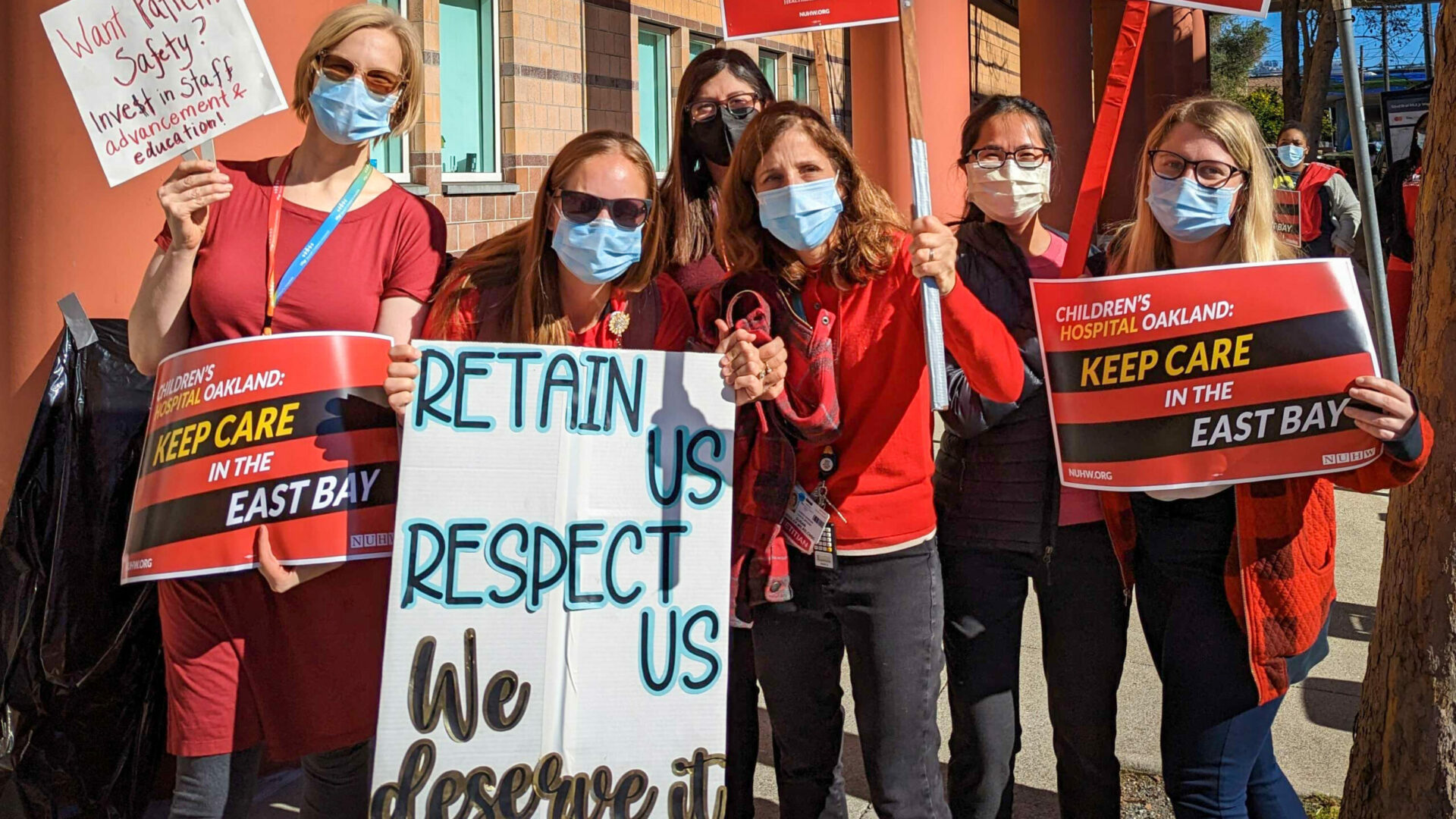
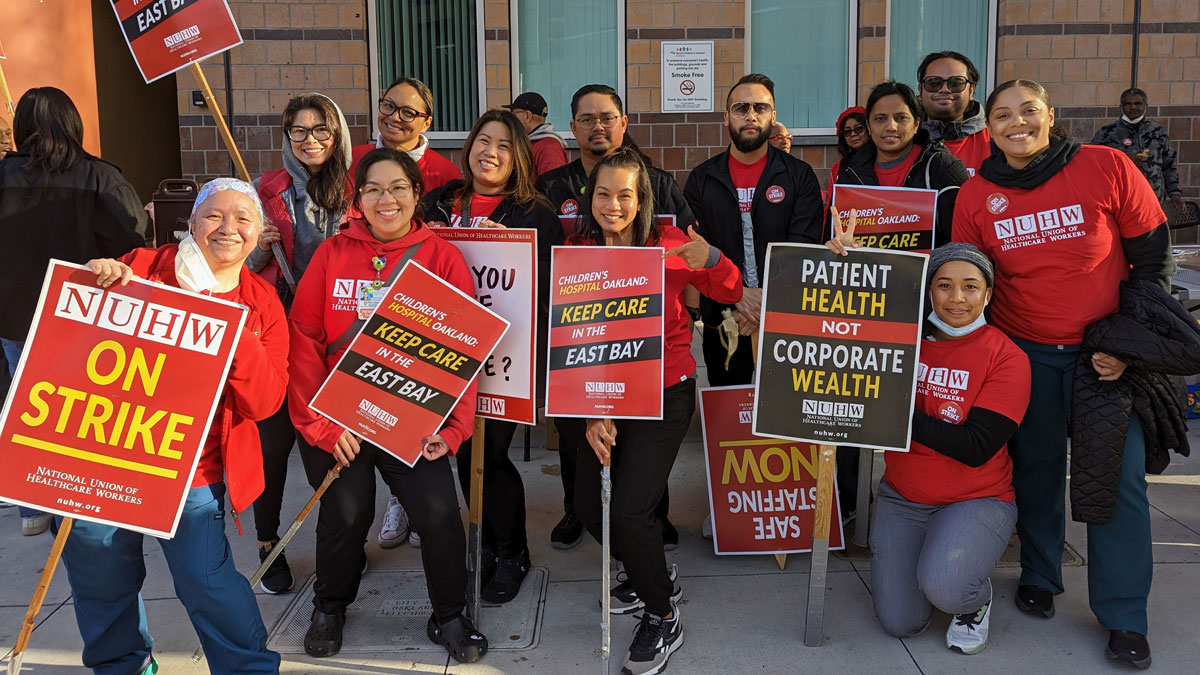
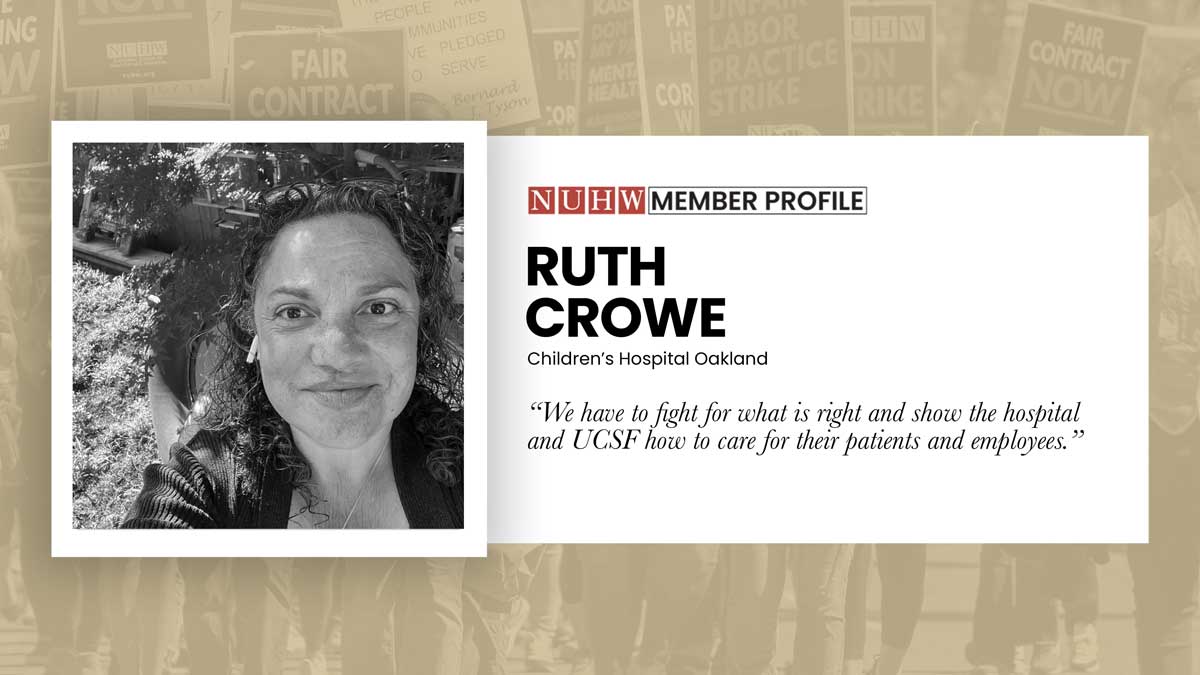
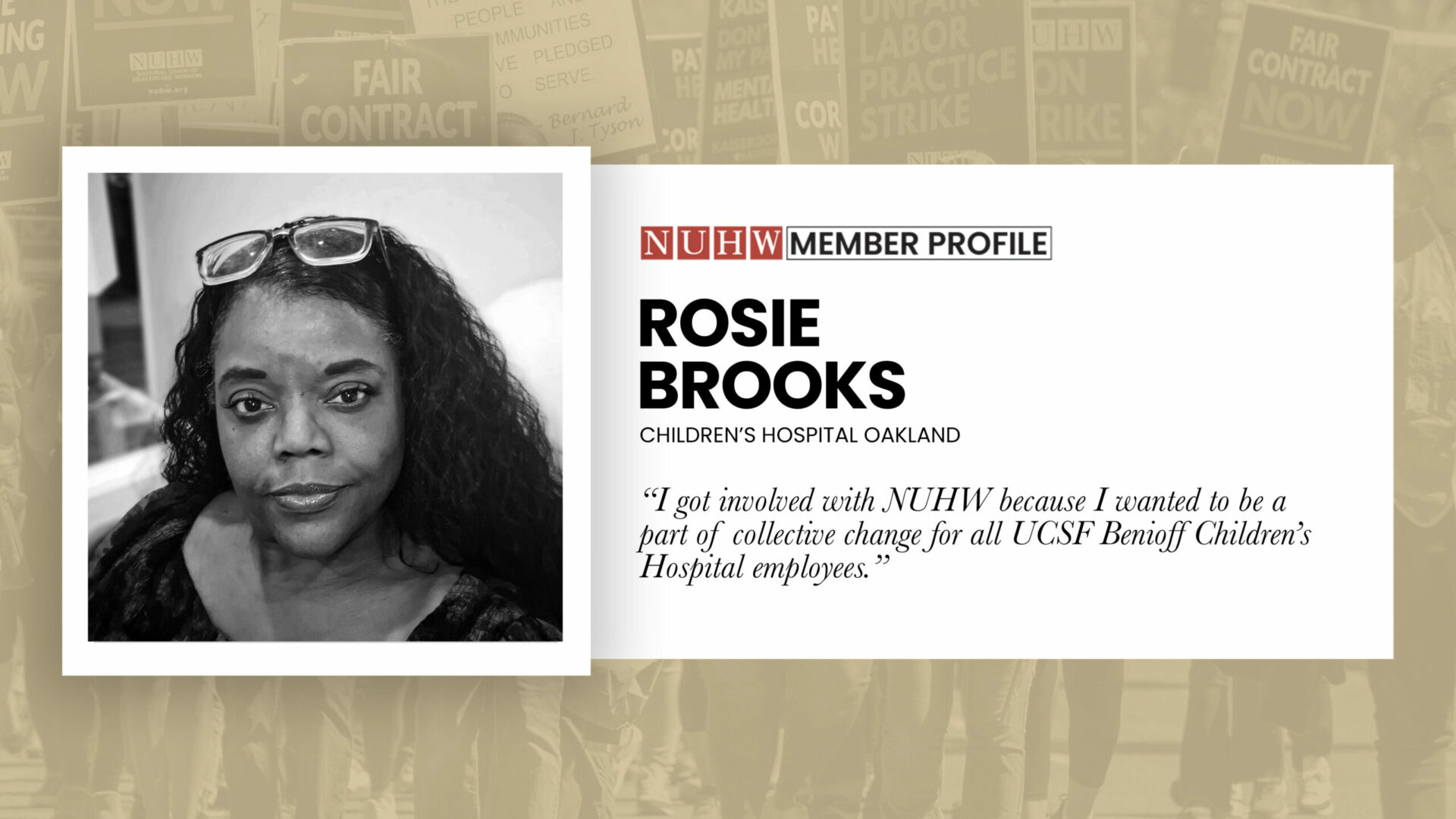
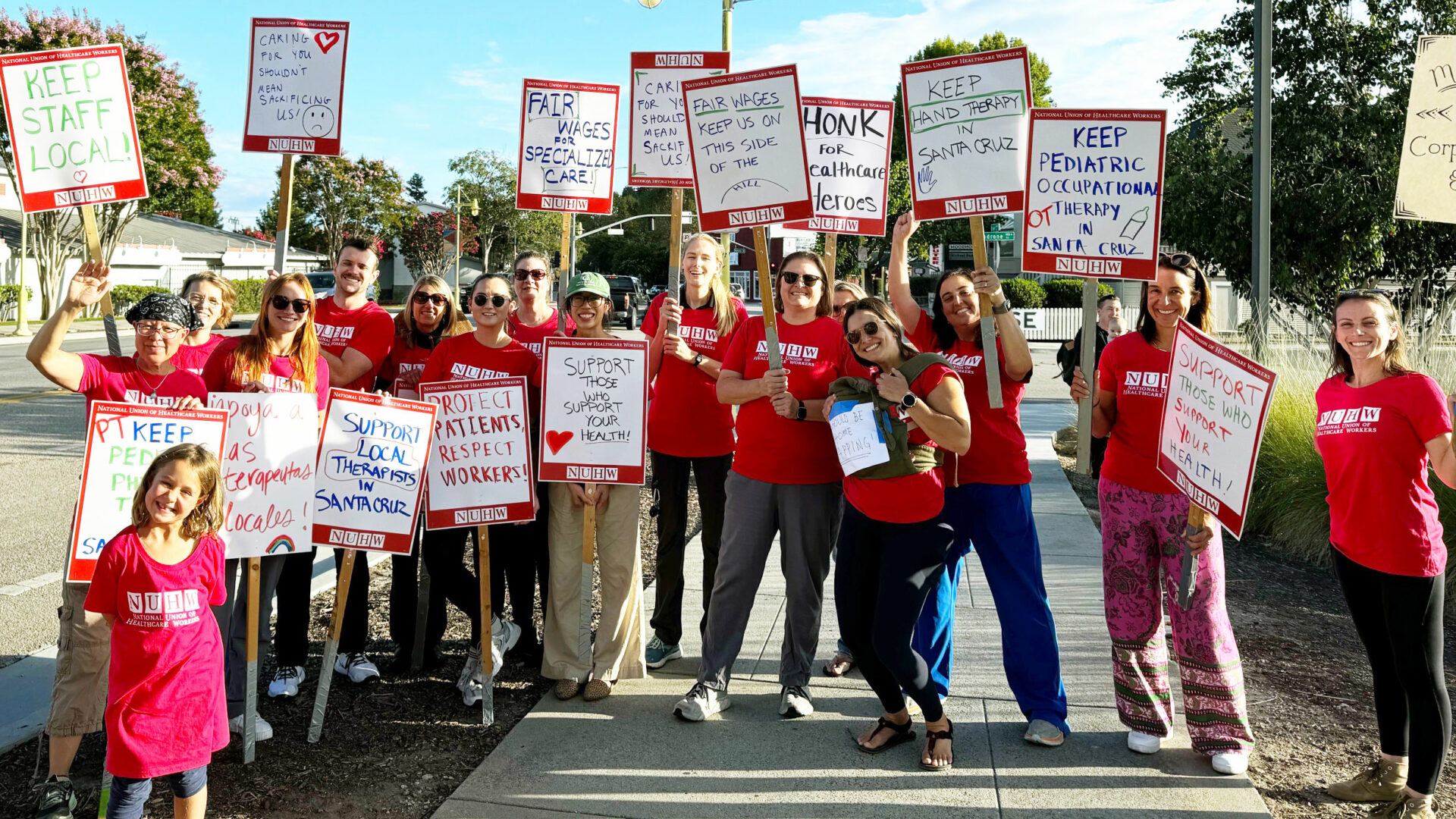
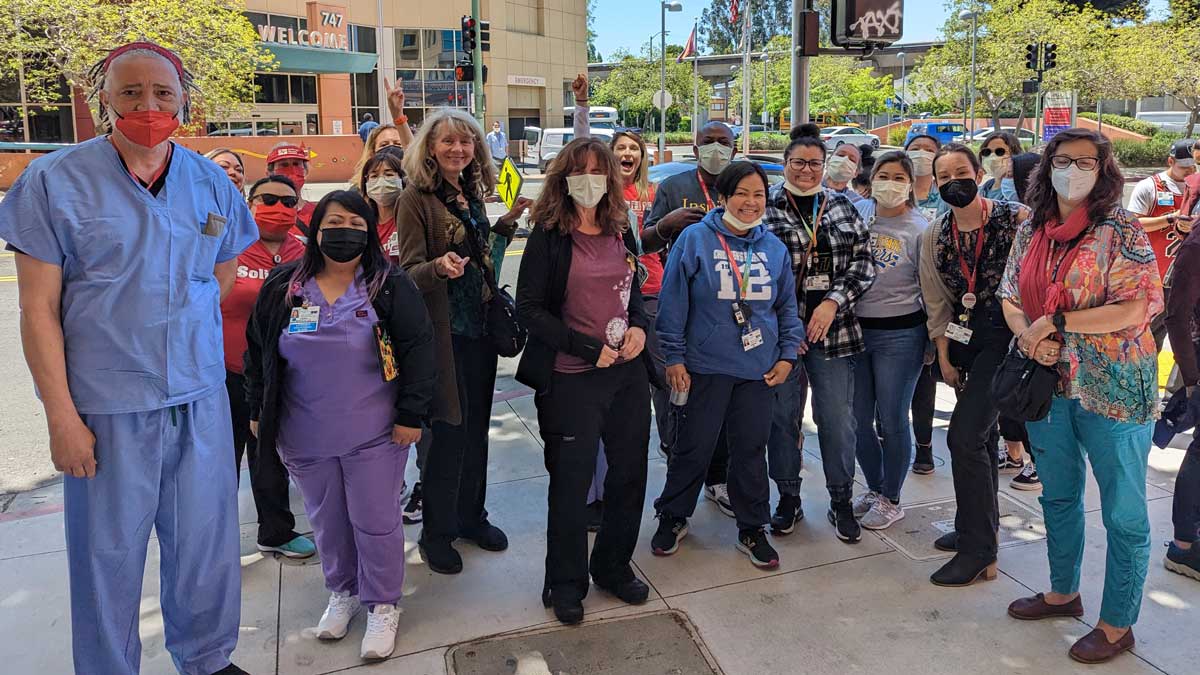
A year after UC San Francisco took over Children’s Hospital Oakland, the decision was made to relocate critical pediatric services — such as bone marrow transplant care, interventional radiology, and specialty testing — from Oakland to San Francisco facilities. This move has left East Bay children and their families to navigate the repercussions, CalMatters reported. Paola Portillo, a clinical social worker and therapist at UCSF Benioff Children’s Hospital in Oakland, recently joined more than 100 of her colleagues in a rally to urge UCSF to maintain these services in Oakland. Portillo highlights that families with immunocompromised children are now being advised to avoid infection risks and unnecessary exposure. Unfortunately, they are being forced to take Uber to access care that was once available in Oakland. This situation places families in the difficult position of having to choose between being at the bedside of their critically ill child in San Francisco or managing work and caring for other children at home in the East Bay.